
by Kegorapetse | Apr 6, 2018 | SMU Media
The South African flags and of the university are flying at half-mast. SMU Community joins the rest of the country and indeed the world in the 10 day mourning period for Mrs Winnie Madikizela-Mandela who died on 1 April 2018, at the hospital. The mother of the nation, as she is affectionately known by millions, was 81 years old when she succumbed to a short illness.
Perhaps, no descriptive better exemplifies the strength of character of Winnie Madikizela- Mandela than this African proverb – “More mogolo o we le, thaga t꙼꙼sa lla botsororo” meaning, the Baobab tree under which all sought shelter and succour has fallen, leaving many exposed”. She was the first medical social worker, working at the Chris Hani Baragwanath Hospital, during the dark days of Apartheid. Her home in Soweto, has been a home of refuge for many.
The abuse that Winnie Mandela was subjected to, for her beliefs, is unimaginable. Separated from her husband Mr Nelson Mandela who was sentenced to life imprisonment in Robben Island, Winnie Madikizela-Mandela had to metaphorically hold the knife on the sharp end as, a young mother.
She was dragged from her house by police one night, in front of her two little daughters, Zenani and Zindzi, who looked on in tears, as she was bundled in the back of the police van, when she was detained. She spent eighteen months in gaol, in solitary confinement, sleeping on the cold floor. When she was released from detention, she was forcefully removed from her home in Soweto in 1977 and banished to Brandford, in the then Orange Free State.
All these and more brutal acts, visited upon her, sought to coerce her to submit and also to squash the popular uprising to Apartheid that the masses of the people of South Africa were embarking upon, under her leadership.
What her torturers sought to achieve, by violating her human rights, had an opposite effect. Instead, it sharpened her resolve to defy and overcome all that the Apartheid state unleashed against her. Fed up with obeying the banning order which restricted her to Brandford, she broke her banning order and relocated voluntarily back to her home in Soweto from where she continued leading struggles of the masses of her people to end Apartheid. Her home in Soweto became a refuge for young and old who had to escape their own homes out of fear of detention, arrest and persecution by police.
Some of the people she harboured in her home were security police informants the most notable was Mr Jerry Richardson, who was the coach of the Mandela United Football Club (MUFC). Richardson murdered Mr Stompie Seipei for which he was found guilty and sentenced to life imprisonment.
It transpired that Richardson was a spy and Seipei became aware of this. Seipei was on the verge of exposing Richardson by informing Winnie Mandela that Richardson had been an SA Police spy. Richardson, in attempt to prevent Seipei from exposing him, murdered the teenage activist and blamed it on Winnie Madikizela-Mandela. Police investigation and the subsequent trial of Richardson exonerated her from involvement. Whilst she played no part in the murder, her detractors still hold this against her even though she had been exonerated from this murder.
After the first democratic elections, which the ANC won, she was appointed deputy Minister of Arts, Culture, Science and Technology, in the first post-Apartheid Government which was led by her ex-husband, Nelson Mandela. She was fired from this position, by President Mandela and she became an ordinary member of parliament until her death.
She delivered a key note address at the graduation ceremony in 2009, when her grandson, Dr Zinhle Dlamini graduated with a Bachelor of Medicine and Bachelor of Surgery (MBChB), at the time when the university was a campus of the University of Limpopo (UL) with which it was merged. The late Nelson Mandela also attended the graduation ceremony of Dr Dlamini, their grandson. Dr Dlamini is the son of Ms Zenani Mandela and Prince Dlamini, of the Kingdom of Swaziland. May her soul find eternal peace.

by Kegorapetse | Mar 28, 2018 | All News, Research
Prof Kebo Mokwena, the Head of the Department of Public Health has been awarded the prestigious Research Chair in Substance Abuse and Population Mental Health.
This grant bestows on Prof Mokwena the mantle of a pioneer, as the grant is the first at the SMU coming under the aegis of the South African Research Chairs Initiative (SARChI) of the National Research Foundation (NRF).
“The grant, which is a significant amount, will enable me, among others, to continue the work that I have been doing for the past few years. Although Nyaope is a significant social and health problem in the country, there is little research on it, even though families, communities and society are, on a daily basis, having to deal with the ruin the drug is causing in the lives of the users. Addicts mostly assemble in the streets, taxi ranks, shopping malls and municipal parks. They can be easily identified by their slow movements, slow speech and untidy appearance” Prof Mokwena explained.
Mokwena said the grant will cover the operational and student support costs of the research programme. Key among her plans is to develop a national nyaope prevention strategy, which will need cooperation and collaboration with a number of stakeholders, including NGOs. The funding will also enable her to continue multi- disciplinary collaborations which she has already established with a number of Clinical Departments at SMU, as well as other organisations outside of the University. Current projects include collaborations with the clinical departments of radiology, nuclear medicine, physiotherapy, general surgery, gynaecology and obstetrics, paediatrics and child health, community dentistry, urology, chemical pathology, pharmacology, to mention a few.
Each of these specialities will explore the impact of Nyaope on specific body organs and function of the users and contribute to the body of knowledge around Nyaope. Although mostly master and doctoral students in Public Health will benefit from the award, other students from identified disciplines will also benefit from collaborations with the professors in their respective departments.
The collaborative effort also extends to the communities who have to contend with the challenges emanating from the addicts, who are mostly Black. She will also extend collaborative networks to non-governmental organisations (NGOs) working with the addicts. Families will also be provided with skills to cope with the trauma associated with having addicts in their midst.
“The work is massive. One hopes that the good coming out this project will place Nyaope under the national spotlight and scrutiny, and that it does not remain to be regarded as a problem of a few. For a number of years, nyaope required a national response and the funding will enable realisation of that goal and be regarded as a national crisis needing a national response” warned Mokwena.
At a personal level, the grant will go a long to instil in her a sense of achievement and pride in the knowledge that she will be changing the lives of the addicts, their families and the communities they belong to.
“The overall goal is to develop a community based Nyaope treatment model, which, currently does not exist. This will entail intervention that prepares the families and the communities, from behavioural and pharmacological points of view. At a personal level, I will have created a mark as an academic and a community development professional” she concluded.
Nyaope, also known as Whoonga, is wreaking havoc in the lives of addicts and among their families, in many townships across South Africa. It is a dangerous, highly addictive and cheap drug. It is a fine powder which is usually combined with dagga (Marijuana).
A cock-tail drug with Heroin as its main ingredient, it is smoked, snorted or even injected in the arm or in any other part of the body. Addicts are increasingly resorting to what they term “Bluetooth” method which means the use of a needle to extract blood from an addict who had just had a fix and injecting the blood into another with the intention of ‘sharing’ the effect. This method poses a number of health risks as the blood types may be incompatible. Other risks include spreading infections like hepatitis and HIV, as well as development of infections from using unsterile needles.
by Kegorapetse | Mar 20, 2018 | SMU Media
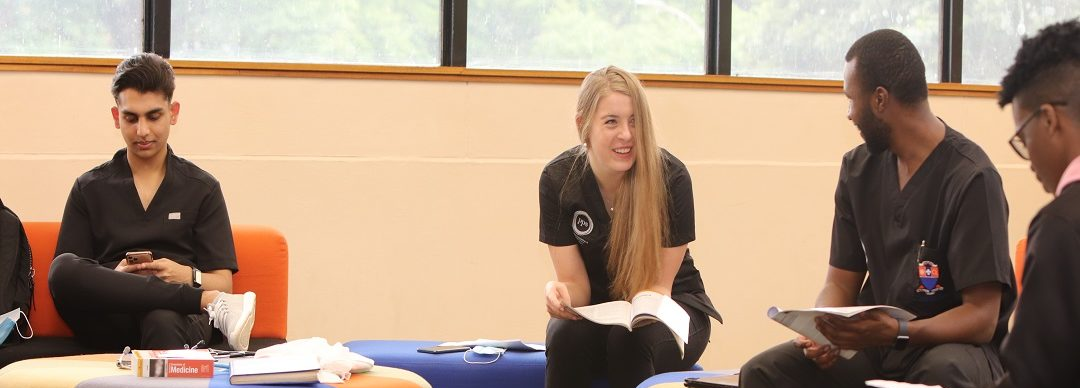
SMU-MEDUNSA Alumni Association (SMAA) launched the Limpopo Alumni Chapter on 17 March 2018 at the picturesque Meropa Casino. The event brought together young and old graduates spanning the various epochs the university went through, as MEDUNSA, a campus of the University of Limpopo (UL) it was merged with, and as a stand-alone comprehensive health sciences, it is currently.
Though different in terms of generations, they belong to SMU as alumni and all pay allegiance to the SMU flag. They attended the launch to be apprised of developments at their alma mater. Dr Solly Motlanthe, Chairperson of the SMU-Medunsa Alumni Association (an umbrella body to which all provincial alumni chapter affiliate) gave an overview of alumni highlights for 2017.
Dr Motlanthe told them about the benchmark visit to a university that boasts a more vibrant alumni sector that contributes millions to its coffers. He said the take home message from this visit was that alumni need to have passion in the university that gave them the opportunities to study and to acquire a qualification that enables them to make a living.
He outlined fundraising plans that SMAA will be embarking upon in 2018. First on the agenda will be to reach out to neighbouring industry of Rosslyn, pharmaceutical industry and cell phone networks to forge relationships first, before attempting to raise funds from them.
Prof Chris de Beer, the Vice-Chancellor of SMU delivered his speech. He thanked the alumni for their commitment to SMU by attending the alumni launch and congratulated them for being the first province to successfully launch SMU Alumni Chapter.
Whilst SMU is a fledgling university, it is a national asset that contributes rare skills to the health care sector of South Africa and beyond. SMU cannot continue depending on government grants. It needs to maximise third stream income in the form of corporate social responsibility urgently.
Though the SA government has thankfully committed R1.85 billion for infrastructure development over five years, the university however has a deficit of R150 Million. So, third stream income is vital. He lauded SMU alumni who are occupying influential positions in public and private sectors and called upon them to use those strategic positions to open doors for SMU to forge relationships with those companies. These relationships will be used to explore funding opportunities from the corporate social responsibility budgets of these companies. .
SMU has grand plans not only to be a benchmark health sciences university providing holistic health sciences education to meet the health needs of the individual, the family, community and the population. But also to seize the opportunities opening up in the country and in the knowledge economy the university is operating in. Alumni need to embrace the 2017-2022 strategic plan, which will be made available in due course, to turnaround the fortunes of the SMU. Knowing the university strategy will go a long way to ensure alumni and the university work towards a common goal.
The university is changing its business model. A lot of institutional adjustments need to be made by students, staff and stakeholders to ensure the university responds operationally to achieve maximum level of performance. He added that the future for SMU is exciting and called upon alumni to join hands with the university to build SMU into a formidable university.
Alumni also had the opportunity to connect with Dr Phophi Ramathuba, alumna and Member of the Executive Committee (MEC) for Limpopo Health, giving updates on health status in Limpopo. In her typical enthusiastic fashion, Dr Ramathuba, explained that Limpopo’s department of health did a remarkable job in uniting the former Lebowa, Gazankulu, Venda and Whites only health departments into a unitary health department to cater for all in Limpopo. The department rolls out Antiretroviral Viral Treatment to (ARV) to 322 369 patients of all ages. 23 098 300 male condoms were distributed while 61 135 male circumcisions were performed in the third quarter of 2017/18. Mother to Child Transmission has reduced from 2.1 % in 2015/16 to 0.96% in Q3 of 2017/2018. A very important indicator toward towards AIDS free generation.
The TB treatment success rate of 82.1 % was achieved in the third quarter of 2017/18.This was as a result of strengthened tracing of patient with the involvement of partners and community care givers. Multi Drug Resistance Tuberculosis (MDR TB) services are being decentralised to accredited hospitals in the province.
The Antenatal 1st visit before 20 weeks rate was 62.8%, An improved Maternal Mortality rate of 142.7/100 000 live births against a target of 164/100 000 live births was realised. Child under 5 years mortality has been reduced with diarrhoea case fatality rate at 2.8% against the 4.5% target. Pneumonia case fatality rate was 2.9% against a target of 4.3%.
Severe acute malnutrition was 6.4% against a target of 14% in 2016/17 (Annual indicator). Human Papillomavirus (HPV) vaccine coverage continues within schools targeting young girls. This process will assist patients and relatives in terms of accessibility of services. The benefits of access to all for Limpopo residents are beginning to show as life expectancy increases to 70 years.
Ramathuba also lamented the inadequacy of the budgets. Given the scale of health needs, services such as anti- Malaria fumigation are being sacrificed to make ends meet and this has the unintended consequence of Malaria outbreaks. Low staff moral and poor sense of urgency remain the bane of the department.
After all was said and done, alumni voted for the Limpopo Alumni Chapter Working Committee. The committee will serve for a period of two years. The committee composition represents a generational mix of young and old alumni. The following were elected unopposed:
- Dr Seshoka Muila, Chairperson, Bachelor of Medicine and Bachelor of Surgery (MBChB) Graduate
- Ms Innocentia Selepe, Deputy Chairperson, BSc Honours Graduate
- Dr Lincoln Moloto, Treasurer, MBChB Graduate
- Dr Putswana Johannes Senwamadi, Resource Mobiliser, an MBChB Graduate
- Ms Maserole Luzzette Montjane, Secretary, graduated with a BSc in Speech language, Audiology Pathology (BSLPA).
by Kegorapetse | Mar 12, 2018 | SMU Media
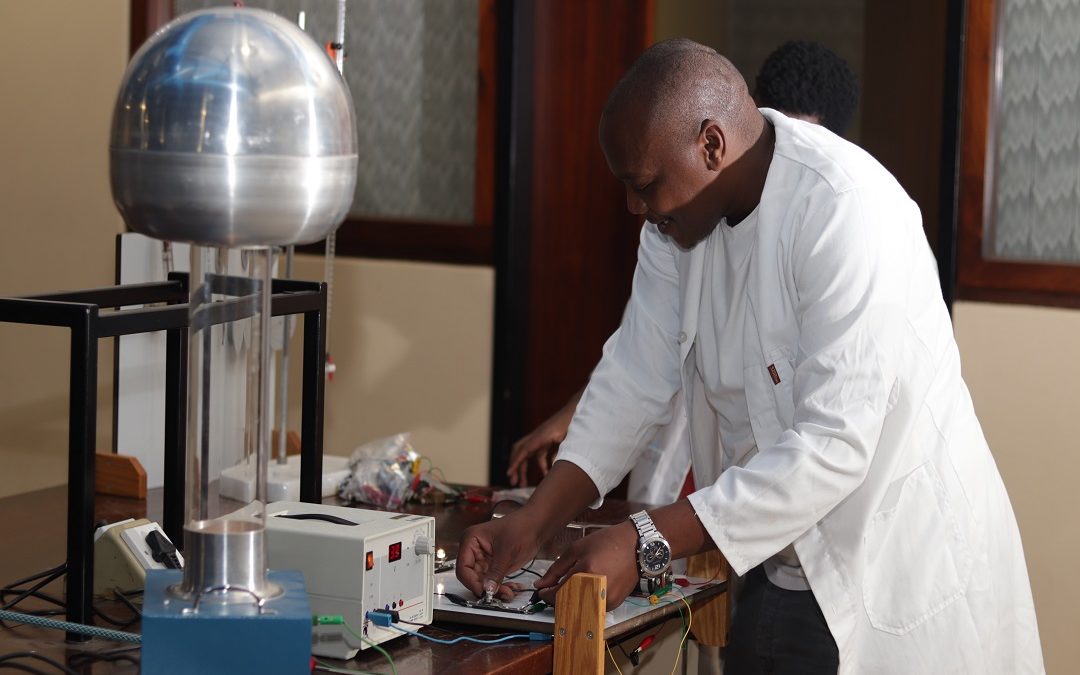
From the humble beginnings in the busy streets of Atteridgeville to an astounding medical professional, has indeed propelled Dr Freddy Kgongwana to conquer all odds stacked against him and continues to do so. During the apartheid regime, he was amongst the people who were forced to relocate from Lady Selbourne (Pretoria) and they found Atteridgeville township as their new residential settlement.
The forced removal didn’t deter his spirit, as today he holds the reigns as the Chief Executive Officer (CEO) of the second largest hospital in South Africa, Dr George Mukhari Academic Hospital (DGMAH). DGMAH has 1652 beds and only 639 medics, 86 of them being interns. “It becomes an extremely difficult challenge when the population grows rapidly. In 2011 the hospital was serving a population of 900 000 people, now as we speak we are serving a population of 1, 7 million,” says Dr Kgongwana. Together with his astounding team of 2027 nurses, 1808 support staff (both administrators and general workers) and 306 allied health staff, they treat an average of 40 000 patients on a monthly basis.
His road to becoming the CEO was by far not the easiest as he encountered a lot of stumbling blocks during his earlier working days, “Being the first graduate in my family was never easy, the pressure and the expectations were always things I had to deal with. There was an extreme need to sacrifice a lot in order to make sure everyone is well taken care of”, he says proudly.
Given the current state of health, he is one of the very few health professionals that have hope that the health sector still has a chance to deliver the best services, provided health judicial (medico-legal litigation) issues are administrated appropriately. He says that because there are no laws to protect health organisations, it is easy for one individual to derail the goals set out by simply suing an organisation millions of rands, which ultimately hinders the employment and production of prospective health professionals; including the procurement of goods and services for healthcare.
Kgongwana emphasised how excited he was when he learnt that the DGMAH and Sefako Makgatho Health Sciences University (SMU) have the same goal of producing at least 10 000 health professionals annually and will work together in achieving that goal. He said “let’s co-create to secure a better future for our children, I cannot do it alone even if I wanted to”. He referred to the two institutions as the siamese twins (conjoined twins) and that it will be almost impossible to separate them.
He constantly remarks that he attributes his success to nurses, he says “nurses have always played a crucial role in my life, it is after all a midwife that delivers babies and become the first point of nurture to them”.
Kgongwana alluded that the main reason he looked at the opportunity of becoming a CEO is to plough back to the community where his whole professional career began. He has done numerous projects such as the DBSA Gauteng Health Feasibility study for DGMAH, the DGMAH SANOFI Oncology clinic from May 2011 to December 2011, Mandela Day Charity Drive (iKhaya Lethemba in Block NN, Soshanguve) in July 2012.
He has also served as the Deputy Director: Health Care Services in the Department of Correctional Services (DCS) from 2008 to 2010. He then progressed to DGMAH as a medical officer under the Internal Medicine Department in which he served for a full year and subsequently became the senior clinical executive from 2011 to 2013 then served as a deputy chief executive officer for 6 months from 2013 to 2015.
Kgongwana who completed his matric in 1982 at the WF Nkomo High School, enrolled with SMU, previously known as the Medical University of Southern Africa (MEDUNSA) where he obtained his Bachelor of Medicine and Bachelor of Surgery (MBchB) in 1991. His sound educational background proves just how much he values education because even as a doctor, he still feel the urge to study further by attending more than a handful of courses relating to the current health hazards, one of them being the MDR-TB (Multi-Drug-Resistant tuberculosis, an infection caused by bacteria that are resistant to treatment) training programme.
Reminiscing about his early years after joining the profession, he started off with an obligatory internship programme on the 1st of December 1991 focusing on the paediatrics at the DGMAH for a year, he then joined family medicine as a registrar for one year. He subsequently worked as a General Practitioner in Soshanguve (North of Pretoria) from 1994 to 2003.
His journey continued in the North West province working as a general practitioner at the Christiana Hospital and the Bloemhof Hospital simultaneously from 2003 to 2005. During that time he was the only doctor around that area, “Another person would have seen travelling 50km daily between these Hospitals as a strenuous activity but I saw it as a blessing because I became the clinical manager by default (as there was no other doctor) and that is how I was introduced to a managerial environment” he says gratefully. From 2005 to 2008 he continued as a senior clinical manager at the Witbank Hospital in Mpumalanga province.
He concludes by appealing to prospective health professionals to surround themselves with positive people, express empathy towards patients and always remember their ethics in order to uplift the health sector.
by Kegorapetse | Feb 5, 2018 | SMU Media
The Department of Nuclear Medicine at Dr George Mukhari Academic Hospital (DGMAH) and Sefako Makgatho Health Sciences University (SMU) had the official opening ceremony of the Positron Emission Tomography – Computed Tomography (PET-CT) Centre. The PET-CT scan is used mainly in Oncology (cancer) patients and allows for more accurate diagnosis, staging and monitoring of response to therapy. It can also be used in Neurology, Cardiology and Infection/Inflammation.
“There was a need for a stand-alone PET-CT Centre, and we cannot undermine all sponsors and stakeholders that made this event possible”, said Prof Trevor Mdaka, Head of Department of Nuclear Medicine at SMU. As a program director and officiator of the event, he also mentioned how this centre will inspire hope for further development in the hospital and that the scanner is a first of its kind in the African Continent, with a high resolution and shorter imaging time aspect of the 64-slice CT Component.
“R36 million has been invested from the National Treasury services grant and I am very excited about this project. Patients from Northern part of Gauteng, North West and Limpopo provinces used to go to Steve Biko Academic Hospital for diagnosis and staging of cancer before treatment. Now they can have the services right here”, said the Gauteng MEC for Health, Dr. Gwen Ramokgopa, who cut the ribbon and unveiling of the the plaque. She continued to say that it is important to strengthen this facility, because SMU has highly trained experts and professors who need this kind of modern technology to treat, diagnose and monitor response for cancer treatment.
The PET-CT camera is a sophisticated piece of equipment that has two components – a PET and a CT scanner that are housed in a single unit. Patients undergo a whole body scan and the acquired images are then displayed on a specialized computer workstation for interpretation by a Nuclear Medicine Physician. “The combination of the two scanners allows for the ‘Best of Both Worlds’ – the high sensitivity from the PET component (which provides physiological/functional imaging); and the high resolution of the CT component (which provides anatomical localization and tissue characterization),” said Dr Aadil Gutta, Principal Specialist and Head of Unit of Molecular Imaging in Nuclear Medicine.
Being the second biggest hospital in the country after Chris Hani Baragwanath Hospital, DGMAH serves up to 1.7 million patients. “It took us nine years to run this project, and this will assist the poorest of the poor to be able access the latest technology in our hospital,” said Dr. Freddy Kgongwana, CEO of Dr. George Mukhari Academic Hospital, who is also very happy about the training of next generation of specialists in Nuclear Medicine.