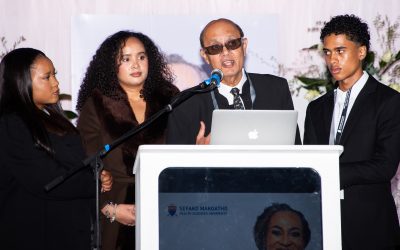
On 21 November 2024, Sefako Makgatho Health Sciences University (SMU) hosted an impactful public lecture delivered by Aluwani Manenzhe, the esteemed President of the Occupational Therapy Association of South Africa (OTASA). The lecture, titled “Practical Solutions to Improve Health and Rehabilitation Outcomes in Rural Communities”, was both insightful and timely, showcasing SMU’s commitment to addressing pressing healthcare challenges in South Africa.
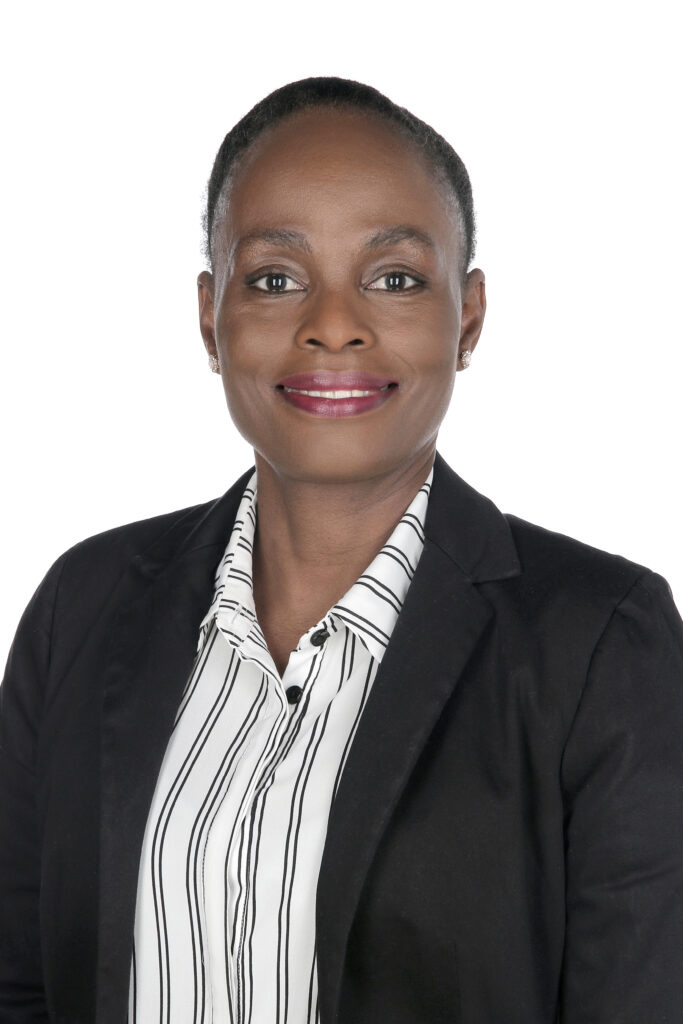
Aluwani Manenzhe, President of the Occupational Therapy Association of South Africa
The event streamed online and drew a diverse audience of health professionals, students, researchers, and advocates dedicated to improving healthcare delivery in underserved areas. Manenzhe’s address resonated deeply, underscoring SMU’s role as a hub for transformative dialogue and innovation in health sciences.
Spotlighting rural challenges and proactive solutions
In her presentation, Manenzhe eloquently highlighted the unique challenges faced by rural communities, framing them as opportunities for meaningful intervention. She began by emphasising the critical role of public health campaigns in disease prevention and management. “Public health campaigns focused on prevention are crucial for addressing evolving disease profiles and complications,” she asserted, calling for proactive strategies tailored to the specific needs of rural populations.
A significant focus of her lecture was on the capacity building of healthcare workers. Manenzhe noted that empowering healthcare professionals with advanced skills and knowledge is essential to improving service delivery. “Investment in the development of healthcare workers is necessary to ensure they can meet the needs of underserved populations,” she emphasised, aligning with SMU’s dedication to cultivating highly skilled graduates equipped to tackle South Africa’s healthcare challenges.
Manenzhe also called for stronger partnerships with NGOs, international organisations, and local communities to bridge gaps in healthcare access. She argued that these collaborations are crucial in enhancing the quality of care, particularly in under-resourced rural settings.
SMU at the forefront of healthcare equity
Throughout the lecture, themes of resource allocation and ethical considerations in healthcare were prominent. Responding to a question from an audience member, Manenzhe stressed that equitable resource distribution is vital to improving healthcare accessibility. “Resource distribution is a critical factor in determining healthcare accessibility and directly affects the effectiveness of service delivery,” she explained.
Manenzhe’s insights dovetailed with SMU’s vision of addressing healthcare inequities in South Africa. Questions from prominent attendees, including Theresa Lorenzo, further enriched the discussion. Addressing the need for tailored training programmes for occupational therapists, Manenzhe advocated for curricula designed to equip professionals with the skills to meet the unique demands of rural healthcare.
Lorenzo also raised the issue of supporting healthcare workers in rural settings. In response, Manenzhe underscored the importance of ongoing professional development, mentorship, and sufficient resource provision to ensure healthcare workers are effective and supported in challenging environments.
A call to action for systemic change
Manenzhe’s lecture culminated in a powerful call for practical, inclusive solutions grounded in local contexts. She stressed the importance of sharing high-quality information with patients to foster trust and enable informed decision-making. Addressing language barriers and their emotional impact, she shared a moving example of a mother navigating the healthcare system with difficulty, highlighting the urgent need for effective communication.
“By considering the local context and promoting inclusiveness, we can ensure that healthcare systems are responsive to the needs of all, particularly those who are most vulnerable,” she stated, echoing SMU’s mission to serve as a leader in healthcare education and advocacy.
SMU leading the charge towards equitable healthcare
This enlightening lecture not only illuminated the pressing issues in rural healthcare but also reaffirmed SMU’s position as a leading institution dedicated to addressing these challenges. Through fostering critical discussions, pioneering research, and producing skilled health professionals, SMU continues to make significant strides in ensuring equitable healthcare for all South Africans. As the dialogue around improving health and rehabilitation outcomes evolves, SMU remains at the forefront, championing systemic change and driving impactful solutions.
* By Dimakatso Modise