
As global higher education faces a turning point shaped by the Fourth Industrial Revolution and accelerated digital adoption post-COVID-19, Sefako Makgatho Health Sciences University (SMU) is positioning itself at the forefront of transformation through its Strategic Objective of Digital Transformation. With technology rapidly reshaping the future of work, SMU is cultivating a new generation of digitally fluent graduates who are prepared to lead innovation in health sciences.
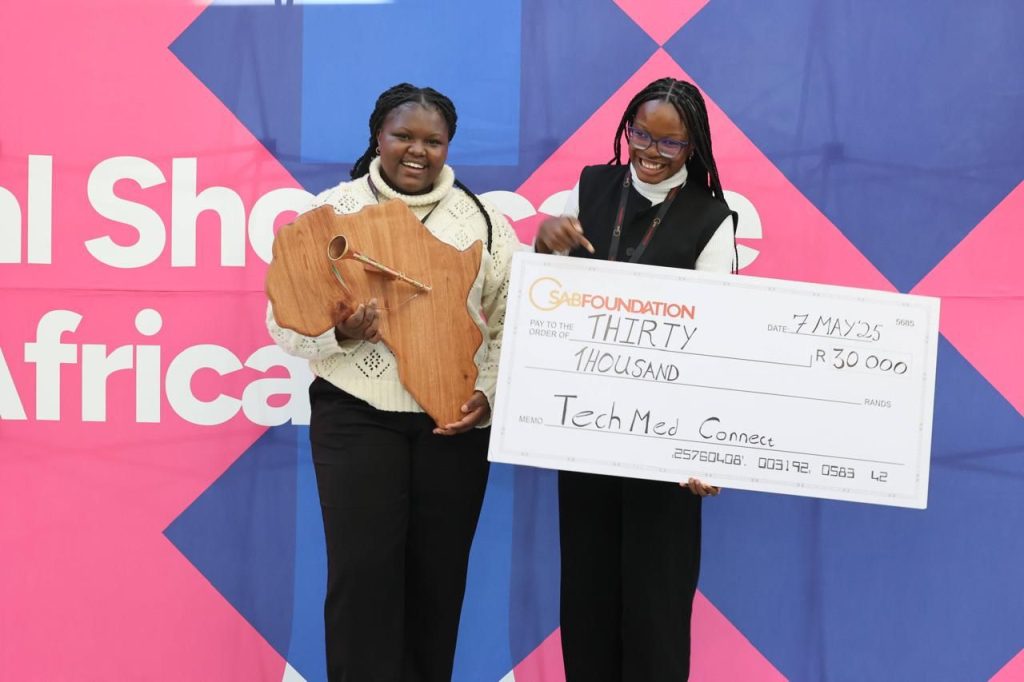 A shining example of this vision is the recent success of Khanyisa Mokgolobotho and Rosemary Erawemen, Computer Science and Information Technology students whose health-tech start-up, TechMed Connect, won the 2025 Hult Prize South Africa National Showcase. Their groundbreaking platform, BUA, aims to revolutionise patient-doctor communication, particularly in multilingual and under-resourced healthcare settings.
This remarkable achievement not only highlights the calibre of student innovation at SMU but also reinforces the University’s commitment to digital transformation as a catalyst for inclusive healthcare, academic excellence, and global competitiveness.
What sets TechMed Connect apart in the health-tech space is its local-first approach. Rather than adapting international models, Khanyisa and Rosemary developed their tool with African contexts in mind, making it scalable, culturally sensitive, and practical. “We consulted students, doctors and practitioners during development,” said Khanyisa. “Our early outreach via social media revealed how urgent and widespread this issue is.”
Their university environment played a critical role in supporting the project’s growth. SMU’s focus on health sciences provided them access to real-world healthcare needs, while collaboration with peers across medical fields helped shape the product. “We co-created with future doctors and nurses. That made all the difference,” said Rosemary.
Their journey to the Hult Prize national title was not without challenges. “Balancing studies and building a business was tough,” Khanyisa admitted. “We had to rethink technical elements mid-process. But with mentorship and resilience, we kept going.”
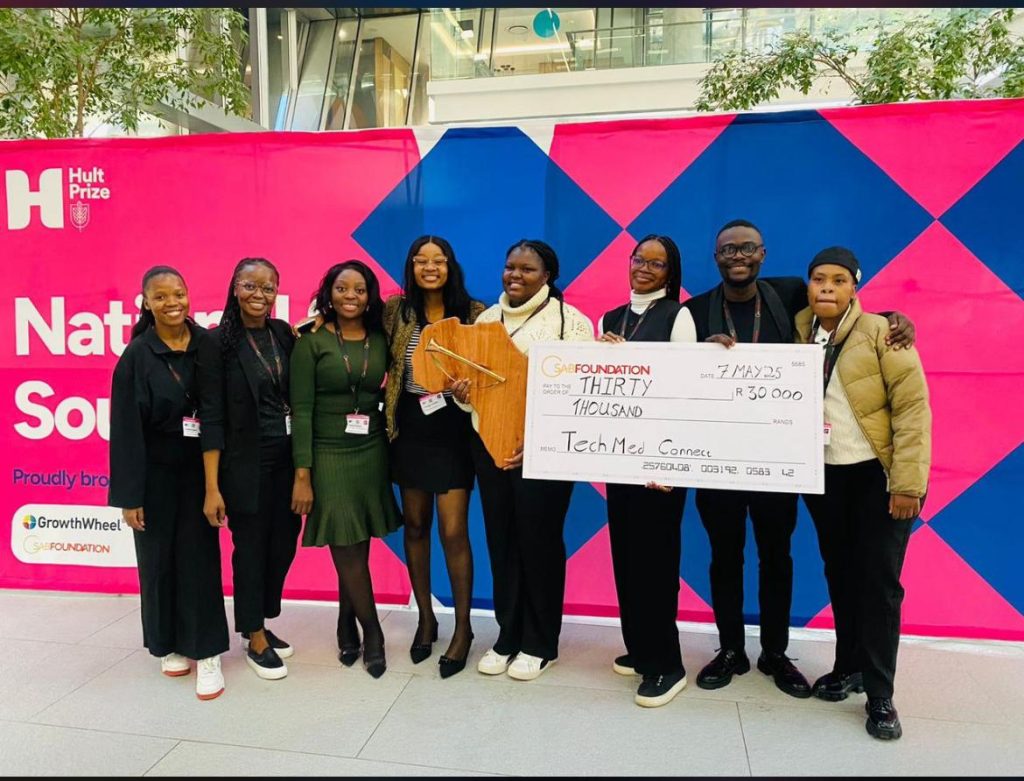 They attribute much of their success to institutional support. SMU’s Centre for Entrepreneurship Rapid Incubator (CfERI), particularly Naledi Mathole—the coordinator for the EDHE Programme, Student Women Entrepreneurship Empowerment Programme (SWEEP), and Economic Activation Office (EAO)—offered vital guidance. The Enactus SMU team, led by Nomsa Phoswa, assisted in refining their pitch. Asange Tshikila, SMU’s Hult Campus Director, ensured smooth coordination throughout the competition.
Judges at the showcase praised TechMed Connect’s impact potential and urged the team to plan for long-term scalability—a piece of advice they’ve taken to heart. Now finalising their prototype, Khanyisa and Rosemary are preparing for pilot testing in South African clinics. Over the next two years, they aim to expand to underserved regions before moving across borders to countries like Botswana, Zimbabwe, and Lesotho. “We’re developing a modular architecture that will allow the tool to serve multilingual health systems across Africa,” said Khanyisa.
To fellow student entrepreneurs, the team offers a simple but powerful message: “Start where you are. Your campus is your lab. Your ideas matter,” said Rosemary.
“We’re not just the future—we are the present.”
Their journey with TechMed Connect is a shining example of how young Africans are not only identifying critical problems but creating home-grown solutions to transform healthcare across the continent. To follow their journey, visit @bua_app on Instagram or reach out at info@techmedconnect.co.za. The future of healthcare is being written now, and it speaks in many languages.
By Tumelo Moila