In the quiet rural village of Mathopestad in the North West, few would have imagined that a young boy from its dusty streets would one day contribute vital research to South Africa’s understanding of the COVID-19 pandemic. Moeletsi Kevin Ditse, now a final-year Bachelor of Medicine and Bachelor of Surgery student at Sefako Makgatho Health Sciences University (SMU), has emerged as a remarkable young scholar, shedding light on the role of forensic pathology in global health crises.
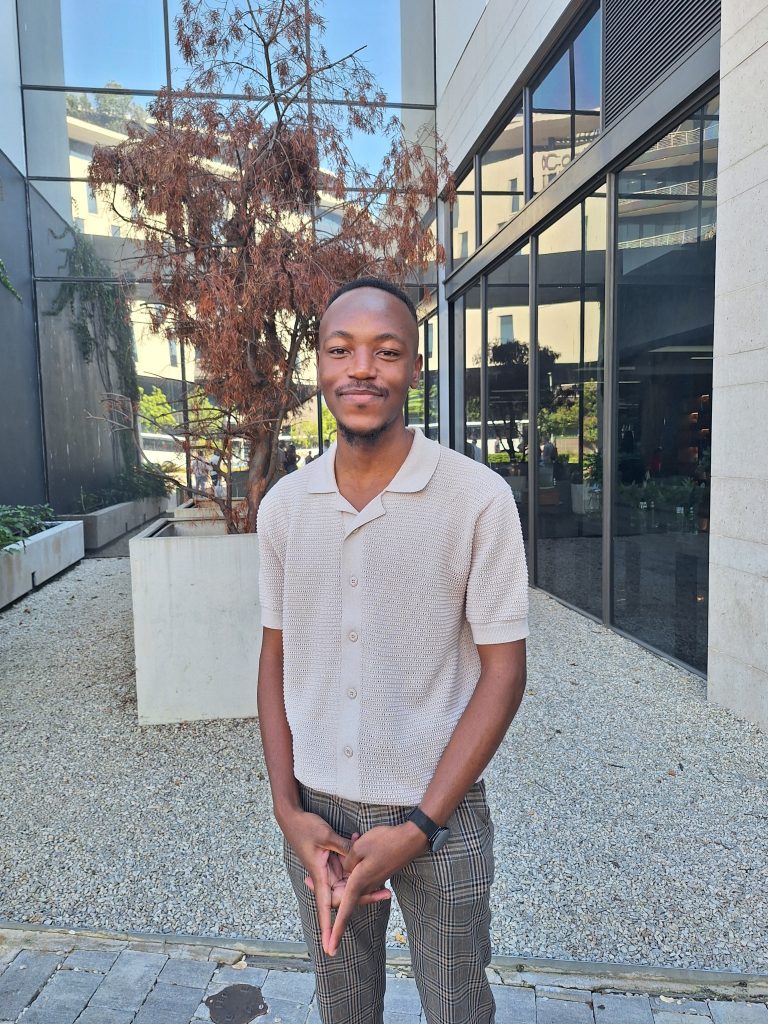 Born and raised in Mathopestad, Ditse matriculated from Lesele Secondary School in 2019 before embarking on his medical journey at SMU. Passionate about medicine and driven by curiosity, Ditse chose to explore uncharted territory for his undergraduate research: “A retrospective analysis of COVID‐19 cases seen at a medico-legal mortuary from March 2020 to February 2022.”
“When the pandemic hit, a lot of research focused on clinical aspects and hospitalised patients,” Ditse said. “But very little was being done from a forensic perspective, especially here in South Africa. I wanted to bridge that gap.”
His research was conducted at Ga-Rankuwa Forensic Pathology Services, where he meticulously analysed post-mortem reports of individuals who tested positive for SARS-CoV-2. The study used a manual data collection method, with each case anonymised and transferred electronically after being reviewed over a six-month period.
One of Ditse’s most striking findings was the unexpectedly even age distribution of COVID-19 fatalities. “It was surprising,” he admitted. “Contrary to global findings that suggested older people were more susceptible, we observed equal infection rates among young and elderly individuals. That challenged existing assumptions.”
Moreover, his analysis revealed that more men than women succumbed to the virus. However, there were minimal socioeconomic disparities, as most cases came from the low-income areas surrounding Ga-Rankuwa.
“The role of medico-legal mortuaries has been severely underappreciated,” Ditse explained. “During the pandemic, forensic pathology helped distinguish COVID-19-related deaths from suicides, domestic violence, and other causes. It also contributed to protocols for safe handling of deceased patients and offered insights into organ complications caused by the virus.”
Despite the study’s limitations, such as a small sample size and the inability to conduct full-body autopsies due to safety protocols, Ditse believes the research has contributed meaningfully to the national dialogue on pandemic preparedness and forensic integration.
The experience was not without challenges. Balancing academic responsibilities with high-level research proved demanding. “Transporting myself to the mortuary, analysing data from over two years of cases, and keeping up with coursework required discipline,” he shared. “I’m grateful to my supervisors, Dr Charmaine Van Wyk and Dr Keven Hlaise, who supported me throughout.”
Beyond research skills, Ditse said he gained an appreciation for the ethics of medical inquiry. “Understanding how to seek ethical clearance, protect the identity of deceased individuals, and uphold standards of confidentiality was eye-opening.”
Looking forward, Ditse aspires to continue research in forensic pathology. “There’s so much still to uncover. I’m not sure exactly what I’ll explore next, but this journey has definitely sparked something in me.”
To fellow medical students, his message is simple but powerful: “Don’t wait. There are platforms like the South African Medical Journal for Undergraduate Students where we can publish and grow. Research is not just for professors—it’s for all of us.”
Ditse’s work stands as a testament to the critical, often invisible role that forensic medicine plays in public health. As he notes, “In times of crisis, understanding the cause of death isn’t just about science—it’s about accountability, planning, and saving lives.”
His story is not just that of a student fulfilling a requirement, but of a future doctor rising to the moment with purpose, courage, and a deep commitment to truth.
By Tumelo Moila