In the evolving landscape of South African higher education, Professor Dini Mawela stands as a beacon of transformational leadership and academic excellence. As the Acting Deputy Vice-Chancellor (DVC): Academic and Research at Sefako Makgatho Health Sciences University (SMU), her journey is one marked by historic milestones, a fierce commitment to equity, and a deep passion for mentorship.
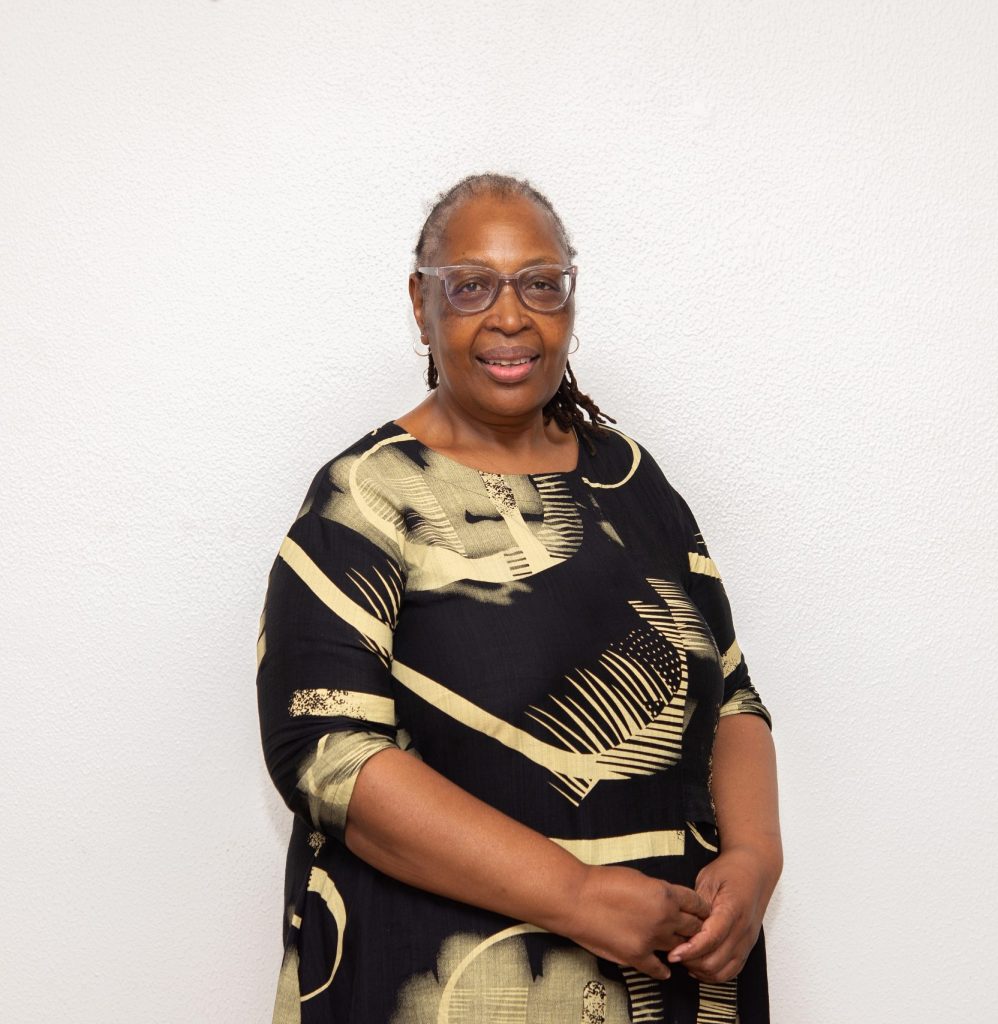 Prof Mawela’s rise through the ranks has been both inspiring and impactful. “I was appointed as Head of Department in Paediatrics and Child Health at SMU and Dr George Mukhari Academic Hospital (DGMAH) in 2016, which marked the beginning of my leadership journey,” she recalls. Her trajectory accelerated in 2020 when she joined the Dean’s Office in the School of Medicine, and then again in 2022 when she became Acting Dean of the School of Dentistry—a role that redefined her leadership path. “From 1 August 2025, I assumed the role of substantive Dean in the School of Dentistry. I am truly honoured to also join Executive Management as Acting DVC Academic and Research,” she says.
Perhaps one of her most defining moments was making history as the first female to lead the School of Dentistry at SMU—and doing so without a background in dentistry. “It’s an honour and testament to the confidence the institution has in inclusive leadership,” she notes with humility.
Balancing her academic leadership with research advancement is no small task, yet Mawela is deeply intentional in her approach. “Universities are recognised based on research outputs. That’s why we must foster collaboration, seek global funding opportunities, and promote research excellence within the institution,” she asserts. Under her guidance, SMU’s research strategy must continue to gain clarity and momentum.
Among the initiatives she has led, the transformation of the undergraduate MBChB curriculum at SMU stands out. “It’s been gratifying to see the implementation phase take shape and receive praise from regulatory bodies,” says Mawela, who chaired the initiative.
Her leadership is not just institutional but emblematic of global progress. “This position is bigger than me. It aligns with Sustainable Development Goal (SDG) 5—to achieve gender equality and empower all women and girls,” she explains. For Mawela, education, especially higher education, is central to driving sustainable development.
Women in academia, she believes, are critical agents of change. “We bring resilience, diverse perspectives, and transformational qualities essential for navigating adversity. Our full participation is necessary for progress in higher education and healthcare,” she insists.
Mentorship, she adds, is not optional—it is essential. “I’m here today because others mentored me. I now intentionally create opportunities to support students and academics, ensuring we nurture growth early and continually.”
Her contribution to research is equally impressive, having supervised over 26 Master’s students in Paediatrics and collaborated on publications in high-impact journals. Her mentorship legacy continues to shape emerging researchers nationally and internationally.
As for the next generation, Mawela urges women to believe in possibilities. “At SMU, the Vice-Chancellor is a Black woman. The path has been created. It requires investments in self-development, emotional resilience, and commitment to personal growth. Let’s rise together.”
And if there’s one legacy she wishes to leave behind? Her answer is simple yet profound: “I cared for people.”
By Tumelo Moila