Healthcare professionals, academics and policymakers gathered at Sefako Makgatho Health Sciences University (SMU) for the Advanced Airway Management Symposium, a landmark event designed to strengthen life-saving skills in emergency and clinical settings. Jointly hosted by the SMU Skills Centre, Dr George Mukhari Academic Hospital (DGMAH) and Lebone College of Emergency Care (LCOEC), the symposium placed strong emphasis on advanced techniques that can mean the difference between life and death in critical care.
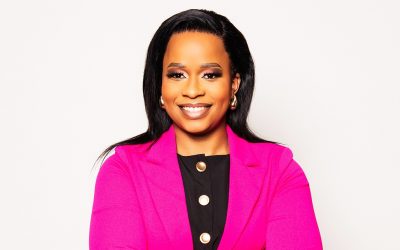
 Formally opening the proceedings, Gauteng MEC for Health and Wellness, Nomantu Nkomo-Ralehoko, hailed the gathering as a breakthrough in collaborative healthcare. She remarked: “Today I was opening the Airway Management Symposium, which, for me, is one of the best symposiums we’ve held since I’ve been in the Department of Health. Because now we’re integrating our work, we can see that we have the nurses, the Emergency Medical Services (EMS) teams and our students who are being empowered with knowledge. What is critical is that SMU and the EMS, through Lebone College, are working closely together. This partnership shows that when we collaborate, we can change the country and the province. We are motivating students today by bringing them together so that even if some are first years, they will end up being like yourselves – senior, skilled professionals serving our citizens.”
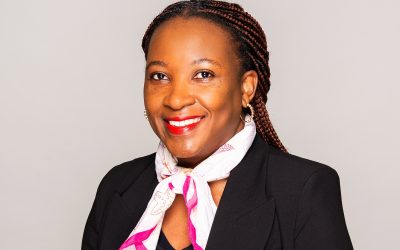
The morning programme, held at the SMU Sports Complex, featured a series of specialist presentations. Reuben Ruiters, Director of Emergency Medical Services, set the tone with an overview of the EMS perspective. He was followed by Dr Becky Kgole, who outlined the essentials of basic ventilation – a cornerstone of airway support. Dr Ntebatje Phala then addressed the vital subject of “resuscitation before intubation”, while Cassie van der Walt delivered a lecture on managing one of the most complex scenarios clinicians face in airway emergencies.
 Beyond theory, the symposium strongly emphasised practice. Delegates participated in hands-on sessions in smaller breakaway rooms, where doctors, nurses and paramedics practised advanced techniques under expert supervision. This approach bridged the gap between classroom knowledge and the realities of high-pressure emergencies.
“The symposium was meant to uplift and refresh skills in primary health providers. With so many in attendance, we believe the skills acquired will be transferred to their facilities, thereby expanding reach and strengthening healthcare delivery,” explained Dr Phala.
For many participants, the experience was transformative. Dr Clementine Bjang reflected: “This symposium helped me identify gaps in my practice, particularly in procedures such as cricothyrotomy, which I had not previously been confident to perform. I also learned about video laryngoscopy intubation, a modern technique that improves visualisation and enhances safety. My take-home message is that ‘practice makes permanent’, so it is crucial to refine our skills continuously.”
Students also found immense value in the event. Simamkele Talatala, a third-year SMU medical student, noted: “I gained practical knowledge in managing the upper airway across all age groups and exposure to advanced hospital equipment such as laryngoscopy and bronchoscopy. This strengthened my clinical confidence while also making me reflect on the inequalities faced by under-resourced hospitals.”
By uniting academics, healthcare providers and policymakers, the Advanced Airway Management Symposium proved to be more than a training event – it was a declaration of intent to enhance emergency care and save lives in Gauteng and beyond.
By Tumelo Moila