
In celebration of National Oral Health Month, the Sefako Makgatho Health Sciences University (SMU) School of Dentistry joined forces with the Directorate of Student Health and Wellness at Tshwane University of Technology (TUT) to promote oral hygiene awareness and preventive care among TUT students and staff. The campaign reflected a shared mission — to prioritise holistic student wellness and integrate oral health into the broader conversation about overall well-being.
 The collaboration, now in its second year, combined clinical expertise from SMU with student outreach and logistical coordination by TUT. The event provided free oral health screenings and educational sessions to approximately 250 students and staff, addressing one of the most overlooked yet essential aspects of student health.
“Oral health is often neglected, but it’s fundamental to overall health and academic success,” said Kelebogile Mothupi-Modika, a lecturer and community engagement officer at SMU. “By partnering with TUT, we’re ensuring that students have access to preventive care and education that can make a lasting difference.”
The screenings took place under gazebos on campus, where SMU Dental Therapy and Oral Hygiene students and staff conducted assessments and provided guidance on proper oral hygiene. TUT peer educators supported the initiative by managing registration, overseeing queues, and leading awareness activities. The event was promoted through digital platforms such as TikTok, Instagram, and Facebook to effectively engage the student community.
The campaign uncovered common oral health challenges, including dental caries, gingival inflammation, plaque accumulation, and tooth sensitivity. These findings, according to organisers, emphasise the ongoing need for education and preventive intervention.
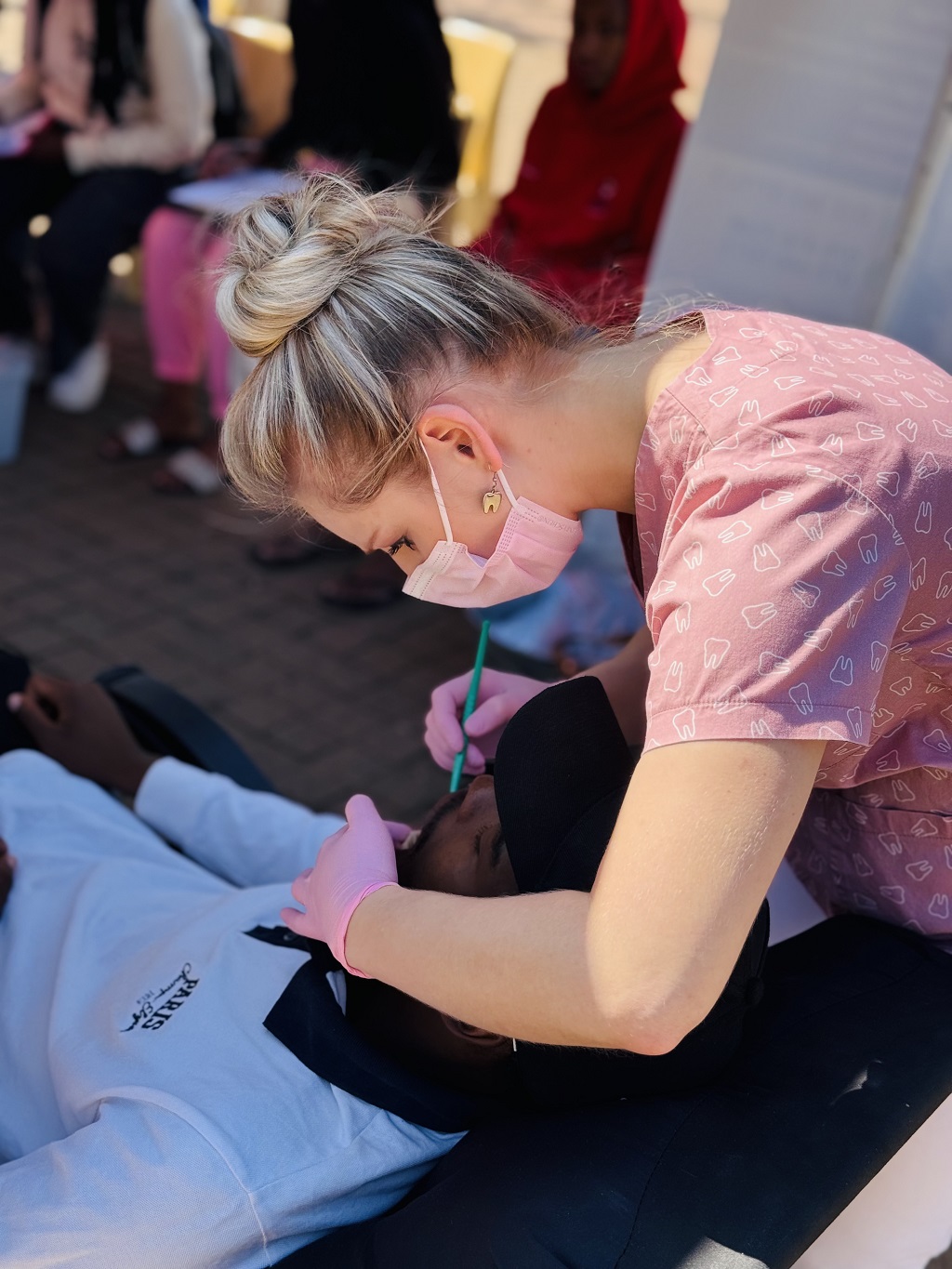 “A healthy smile builds confidence and encourages participation,” said Kholofelo Mawela, a representative from TUT’s Directorate of Student Health. “When students feel good about their oral health, it boosts their self-esteem, attendance, and focus — all of which contribute to academic performance.”
Beyond clinical benefits, the initiative had a deeper educational and social impact. Students were taught essential oral hygiene practices such as brushing twice daily with fluoride toothpaste, reducing sugar intake, quitting tobacco, and scheduling regular dental visits. Those needing further treatment were referred to the SMU Oral Health Centre, where affordable care is available.
SMU’s School of Dentistry played a central role, offering not only screenings but also educational materials, oral care samples, and mentorship for student volunteers. The collaboration also created valuable experiential learning opportunities for dental students — reinforcing SMU’s commitment to social accountability and community engagement.
“This partnership shows how inter-institutional collaboration can make healthcare education both impactful and inclusive,” noted Mothupi-Modika. “Clinical engagement initiatives like this bridge academia and community service — shaping students into compassionate, socially responsive professionals.”
The programme also highlighted the need for continued advocacy. Despite being young adults, many participants presented untreated dental conditions, underscoring the importance of sustained awareness campaigns.
Looking ahead, both institutions plan to expand the initiative across campuses, with hopes of developing a long-term oral health promotion programme that integrates research, education, and community outreach.
As Mothupi-Modika concluded, “Your mouth is the gateway to your overall health. Taking care of your teeth and gums is an investment in your confidence, well-being, and success — both inside and outside the classroom.”
By Tumelo Moila