by Lorato | Oct 28, 2026 | All News, Alumni, SMU Media, Student Adverts
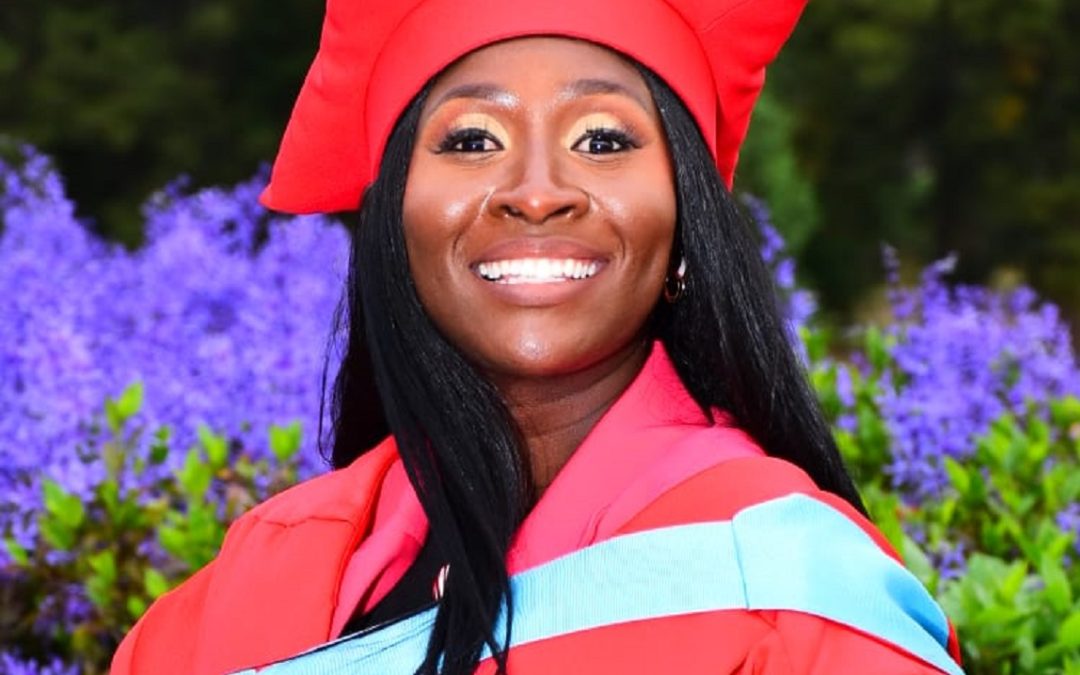
Sefako Makgatho Health Sciences University (SMU) researcher Dr Tshegofatso Mogase has earned a PhD in Health Sciences (Nutrition and Dietetics), advancing research into the early identification of refeeding syndrome, a potentially life-threatening complication affecting children receiving nutritional treatment for severe acute malnutrition.
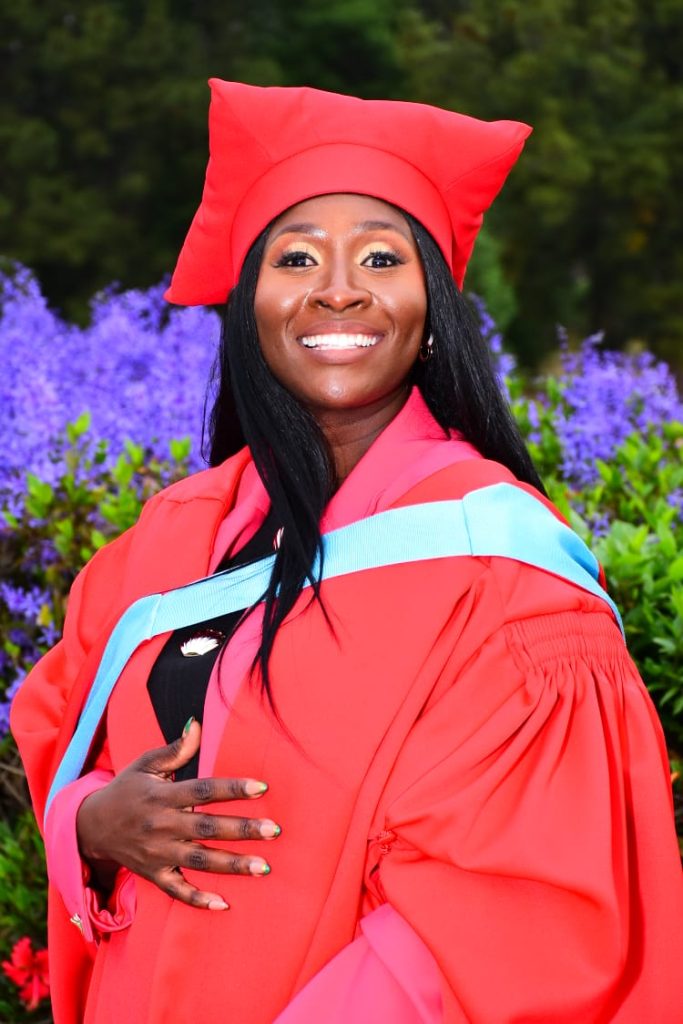 Dr Mogase earned her doctorate from SMU on 18 September 2026 through the UK–South Africa Department of Higher Education and Training (DHET) Doctoral Training Programme, a cotutelle initiative involving SMU and the University of Stirling in Scotland.
Her research explores how bioelectrical impedance vector analysis (BIVA), a bedside method used to assess body composition and hydration, could help healthcare practitioners identify children at risk of refeeding syndrome earlier.
“Early identification of children at risk of refeeding syndrome is essential for strengthening clinical monitoring and supporting safer nutritional rehabilitation. My research sought to explore whether BIVA could provide healthcare practitioners with additional information to support the early assessment of vulnerable children,” said Dr Mogase.
Refeeding syndrome can develop when children with severe acute malnutrition begin receiving nutritional treatment. Early identification and appropriate monitoring are therefore important in supporting safer clinical management. However, Dr Mogase’s research identified inconsistencies in how healthcare settings in sub-Saharan Africa define, recognise and manage the condition.
Her doctoral study adopted a three-phase mixed-methods approach, combining a systematic review of existing African research, five-day clinical monitoring of 64 children in Tshwane hospitals, and interviews with healthcare practitioners.
The findings highlighted gaps in bedside identification, clinical documentation, guidance, laboratory access and communication among healthcare teams.
“These findings point to the need for more consistent approaches to identifying and monitoring refeeding syndrome, particularly in settings where access to laboratory investigations and clear clinical guidance may be limited,” said Dr Mogase.
The clinical findings also indicated that children at risk of refeeding syndrome showed signs of greater fluid retention. Lower BIVA resistance was associated with increased risk, suggesting that the method could provide additional information to support routine clinical assessments. However, further evaluation is needed before its role in clinical practice can be established.
 The research proposes a locally relevant risk-assessment and monitoring framework for paediatric wards managing children with severe acute malnutrition. The proposed approach would combine clinical observation with electrolyte testing to strengthen screening and monitoring practices.
“The proposed framework is intended to support a more structured approach to risk assessment and monitoring. BIVA could potentially complement existing clinical assessments, but further research is needed to determine how best to integrate it into routine paediatric care,” she said.
Her doctoral training was supported by the South African Medical Research Council’s Research Capacity Development Initiative and SMU’s University Capacity Development Grant.
Dr Mogase’s work builds on her broader research interests in paediatric clinical nutrition, human physiology, child health and implementation research. As Principal Technical Officer and BSc Honours Postgraduate Coordinator in SMU’s Department of Human Physiology. she contributes not only to the undergraduate programmes but she and leads research training and scientific communication. She teaches and supervises Honours and postgraduate research students and is contributing to the programme’s ongoing curriculum redevelopment. Her cotutelle doctoral training has also informed her work to strengthen the Honours programme’s research component.
Her research has received recognition at regional and institutional research events. At the 13th Tshwane District Health Research Day in September 2026, she secured third place in the Maternal and Child Health category for an oral presentation on developing a risk-assessment and monitoring tool for children with severe acute malnutrition. She also received the Best Oral Presentation award at the South African Medical Research Council Research Capacity Development Regional Grant Holders Conference in October 2025.
Dr Mogase has published research on identifying and managing refeeding syndrome among hospitalised children aged six to 59 months in sub-Saharan Africa. Additional her manuscripts entitled “Barriers to the early identification of refeeding syndrome in hospitalised children with severe acute malnutrition: Perspectives of healthcare practitioners” has been accepted for publication at Frontiers in Paediatrics. .
Reflecting on the significance of her research, she said: “This work highlights the importance of generating evidence that responds to the realities of healthcare practice. Improving the identification and monitoring of refeeding syndrome could help inform clinical decision-making and strengthen nutritional care for children with severe acute malnutrition.”
Her PhD achievement reflects SMU’s commitment to innovative health sciences research that addresses practical healthcare challenges. By investigating approaches to improve the early identification of refeeding syndrome, Dr Mogase’s work contributes evidence that could inform clinical decision-making, strengthen paediatric nutrition care and support improved health outcomes for vulnerable children.
The University of Stirling is scheduled to confer her corresponding graduation on 20 November 2026.
By Tumelo Moila

by Lorato | Jul 9, 2026 | Accolades and Achievements, All News, Alumni, SMU Media, Student Adverts
Sefako Makgatho Health Sciences University (SMU) continues to demonstrate its global impact in health sciences education through the remarkable achievements of alumnus and current PhD candidate Thabo Sekwati, who recently served as the physiotherapist for the South Africa national football team, popularly known as Bafana Bafana, during the 2026 FIFA World Cup.
 Sekwati was part of the national team’s medical staff as Bafana Bafana made history by reaching the last 32 knockout stage of the tournament co-hosted by Canada, Mexico and the United States.
Originally from Mamone village in Limpopo’s Sekhukhune district, Sekwati’s journey to the world’s biggest football stage began at Tenyane Secondary School, where he completed his matric in 2006. He enrolled at the then University of Limpopo’s Medunsa Campus in 2007 before pursuing a Bachelor of Science in Physiotherapy in 2009. He later completed a Master of Science in Physiotherapy in 2019 and is currently pursuing a PhD at SMU, focusing on the development of a physiotherapy fatigue management protocol for footballers.
Reflecting on his academic journey, Sekwati credited SMU for laying the foundation for his professional success.
“The education I received at SMU played a crucial role in shaping my career by equipping me with the essential knowledge, skills and experience needed for the sports industry,” he said.
His rise to the national team is the result of years of dedication and continuous professional development. After joining the South African Football Association (SAFA) database in 2016, he completed specialised training, including the FIFA Online Football Medicine Diploma, while balancing other professional commitments.
His breakthrough came in 2018 when he received a call-up to serve the South African under-17 men’s team. Between 2018 and 2021, he worked with the under-17 and under-20 national teams before earning promotion to the senior Bafana Bafana squad under coach Hugo Broos.
“I was excited but also nervous. The pressure is immense at the senior national level, but once you understand that anatomy and physiology remain the same regardless of the level, everything falls into place,” he explained.
 As part of the national team’s medical staff, Sekwati plays a vital role in ensuring players remain fit and match-ready. His responsibilities include injury assessments, treatment interventions, rehabilitation planning and working closely with team doctors, coaches and nutrition specialists to optimise player performance.
“Our day starts early with meetings to review player health, treatment plans and nutrition strategies. We conduct clinical assessments, provide treatments and ensure that players are physically prepared to perform at their best,” he said.
Among the greatest challenges he faces is managing multiple injuries during major tournaments while balancing the emotional well-being of athletes eager to compete.
“Players want to play, but sometimes their bodies do not cooperate. Managing their emotional and psychological well-being is just as important as treating the injury itself,” he noted.
Representing South Africa at the FIFA World Cup remains the pinnacle of his professional journey.
“It is a privilege to contribute to the success of our national team and to showcase the expertise that South African physiotherapists can offer on the global stage,” he said.
Despite his achievements, Sekwati remains focused on the future.
“I want to continue contributing to sports physiotherapy through research, innovation and mentorship. I also hope to establish a sports recovery centre that will help athletes reach their full potential while advancing the profession in South Africa,” he said.
Sekwati’s accomplishments embody SMU’s vision of transforming health services through excellence and innovation. His journey from a small village in Limpopo to the global stage of the FIFA World Cup highlights the University’s commitment to producing highly skilled healthcare professionals who continue to advance research, healthcare and human performance around the world.
By Tumelo Moila

by Lorato | Oct 30, 2025 | Accolades and Achievements, All News, Alumni, SMU Media, Student Adverts
A brilliant young scholar from Sefako Makgatho Health Sciences University (SMU), Tumiso Matsobane Kekana, is redefining the intersection of Mathematics and Material Science through his pioneering research in Chemical Graph Theory (CGT). His work, which investigates the structural and mechanical properties of complex molecular compounds such as dendrimers and graphene, has attracted both national and international recognition for its scientific precision and potential applications in nanotechnology and materials engineering.
 Born on 22 July 1997, Kekana recently graduated cum laude with a Master of Science in Mathematics from SMU. His dissertation, “Computational Analysis of Complex Dendrimer and Graphene Structures via Neighbourhood Multiple Degree-based Topological Indices and M-Polynomials,” advances the mathematical modelling of molecular structures and their behaviours under various conditions.
“Mathematics is not just about numbers—it’s about revealing the patterns that govern our universe,” he explains. “Through Chemical Graph Theory, we can predict the properties of materials before they even exist in a lab. That’s the power of mathematical innovation.”
At the core of Kekana’s study lies the use of Topological Indices (TIs)—numerical descriptors that model molecular structures as graphs. His research introduces neighbourhood multiple degree-based TIs, offering more accurate predictions of graphene’s mechanical properties, such as Young’s Modulus, Poisson’s Ratio, and Shear Modulus. His results confirm the predictive strength of these mathematical tools, marking a step forward in computational chemistry.
Beyond research, Kekana is a full-time lecturer in SMU’s Department of Mathematics and Applied Mathematics, where he teaches Advanced Calculus and Linear Algebra and mentors young mathematicians. Through his involvement in the department’s Community Engagement Committee, he helps organise mathematics competitions and outreach programmes for high school learners, nurturing future problem-solvers.
“Relevance beats cleverness every time,” he reflects. “If our teaching and research don’t connect to real-world challenges, then we’ve missed the purpose of science.”
 Kekana’s contributions have been recognised through peer-reviewed publications in international journals such as Frontiers in Applied Mathematics and Statistics and Discrete Mathematics, Algorithms and Applications. His recent paper, co-authored with Dr Kazeem Aremu and Professor Maggie Aphane, presents a new method for computing topological descriptors of graphene using Neighbourhood Multiple M-Polynomials—a breakthrough simplifying complex molecular analysis.
Kekana’s success story began on the dusty streets of Ivory Park. After matriculating from Thuto Ke Maatla Comprehensive School in 2015 with results that initially barred university admission, he spent two years upgrading his marks at Tembisa High ABET School. In 2018, he was finally accepted to study Mathematics at SMU—a dream fuelled by his mentor, Godfrey Tshehla (PhD candidate in Financial Mathematics at Wits), whose passion for mathematics inspired him deeply.
Although he failed his Honours year in 2021, his supervisor, Dr Aremu, refused to let him quit. “He reminded me of my ‘why’,” Kekana recalls. Repeating the programme in 2022, he graduated with distinction.
Yet another obstacle emerged after his Honours degree: university debt barred him from accommodation and registration. Forced back to his two-room shack in Ivory Park, he began his Master’s degree under severe hardship—no electricity, no proper study space, and constant financial strain. To survive, he sold achaar and relied on Hands of Compassion, the SMU feeding scheme. Drawn by the difficult environment, he briefly turned to gambling (dice), even becoming a “knox man” as a means of survival. Despite these challenges, he completed his MSc degree cum laude in record time and published two Q2-ranked journal papers.
Now a PhD student, full-time researcher, and lecturer, Kekana’s journey embodies resilience, passion, and purpose. “Where you start doesn’t define where you can go,” he says. “With perseverance, even dust can give birth to diamonds.”
By Tumelo Moila
by Lorato | Oct 23, 2025 | All News, SMU Media, Student Adverts
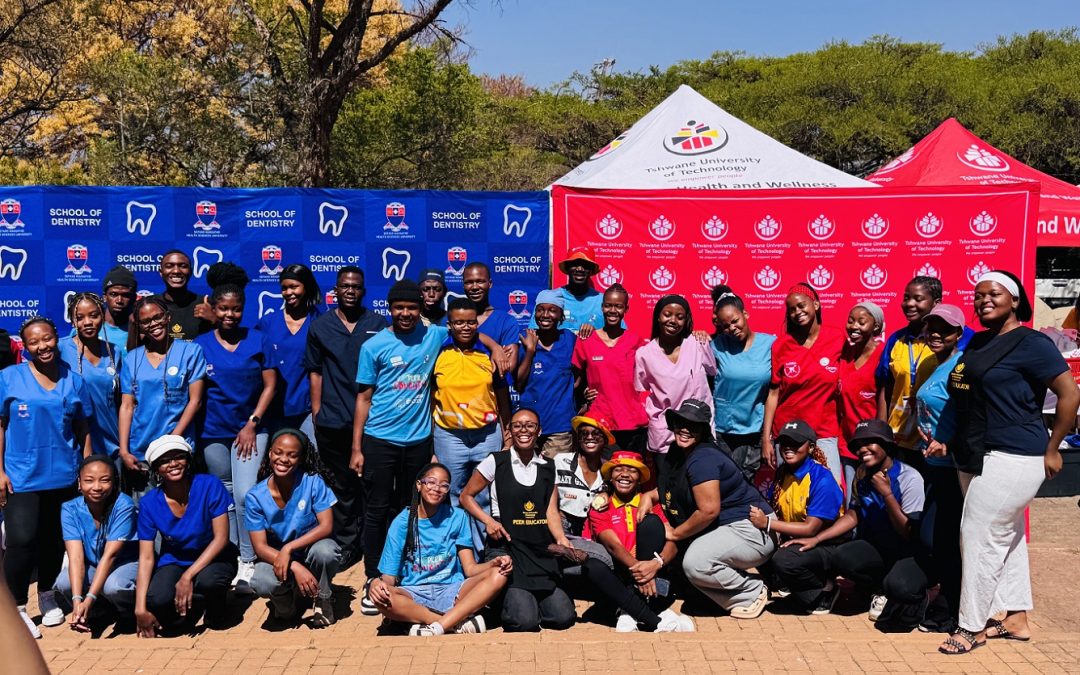
In celebration of National Oral Health Month, the Sefako Makgatho Health Sciences University (SMU) School of Dentistry joined forces with the Directorate of Student Health and Wellness at Tshwane University of Technology (TUT) to promote oral hygiene awareness and preventive care among TUT students and staff. The campaign reflected a shared mission — to prioritise holistic student wellness and integrate oral health into the broader conversation about overall well-being.
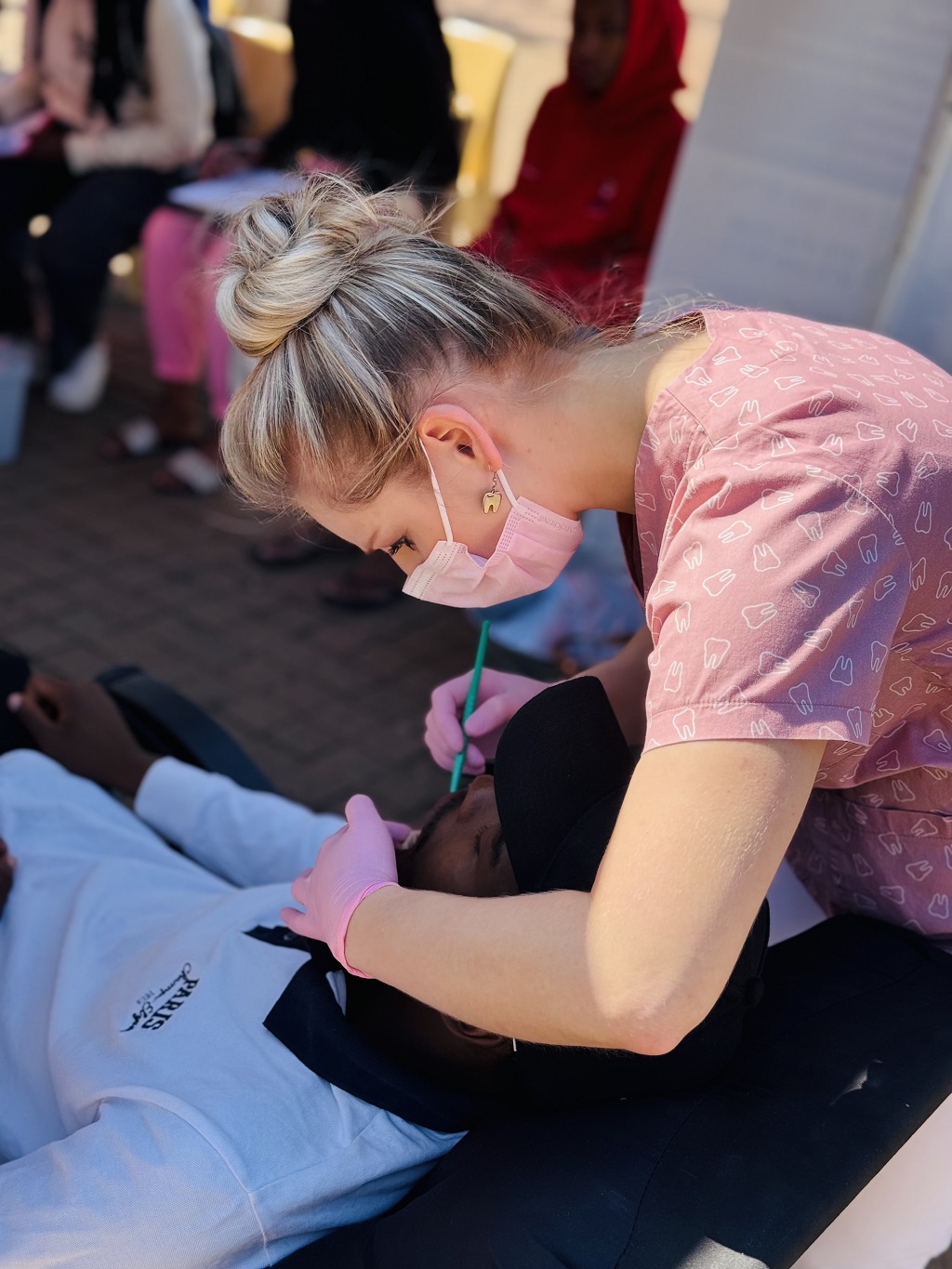
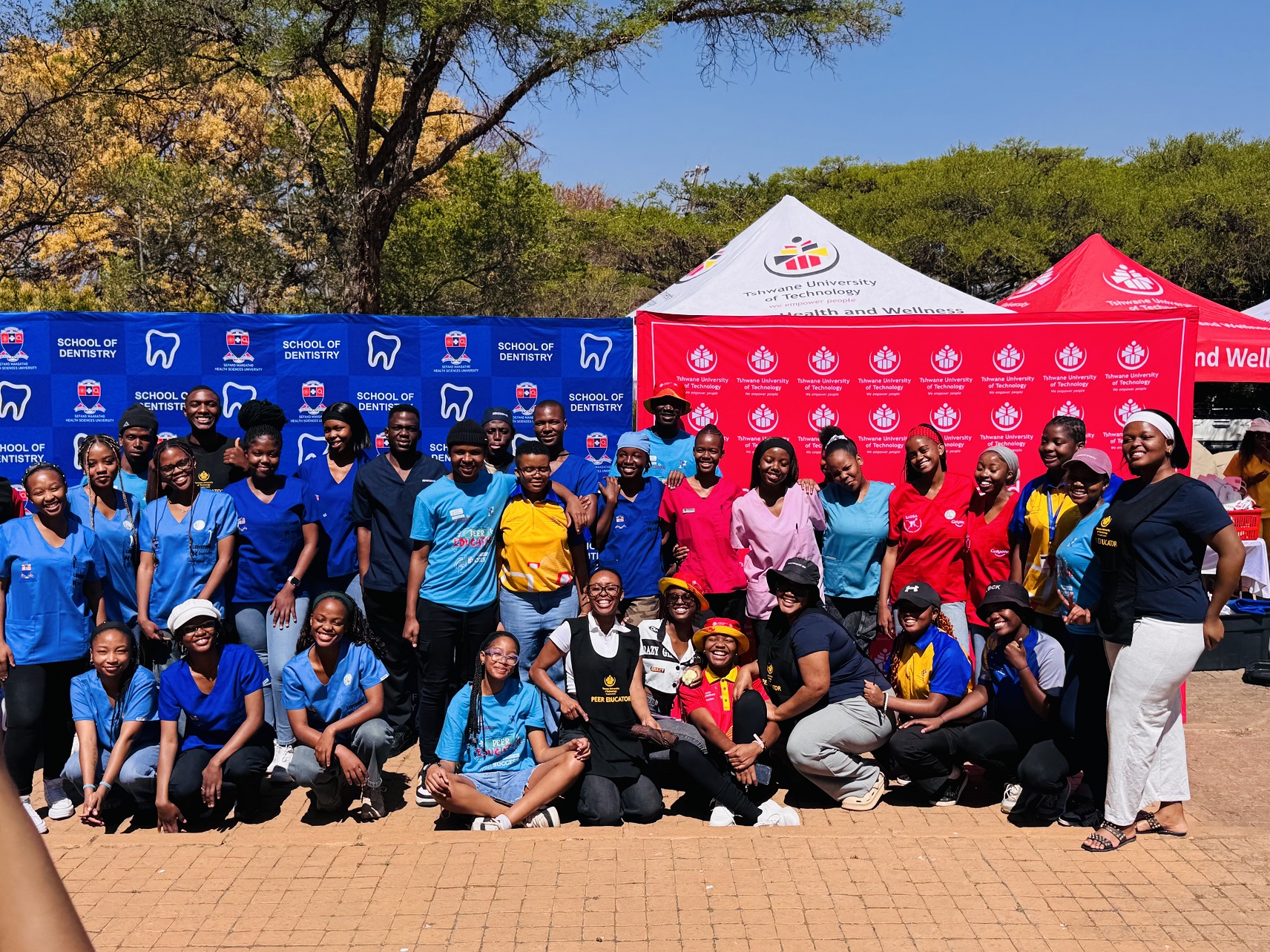 The collaboration, now in its second year, combined clinical expertise from SMU with student outreach and logistical coordination by TUT. The event provided free oral health screenings and educational sessions to approximately 250 students and staff, addressing one of the most overlooked yet essential aspects of student health.
“Oral health is often neglected, but it’s fundamental to overall health and academic success,” said Kelebogile Mothupi-Modika, a lecturer and community engagement officer at SMU. “By partnering with TUT, we’re ensuring that students have access to preventive care and education that can make a lasting difference.”
The screenings took place under gazebos on campus, where SMU Dental Therapy and Oral Hygiene students and staff conducted assessments and provided guidance on proper oral hygiene. TUT peer educators supported the initiative by managing registration, overseeing queues, and leading awareness activities. The event was promoted through digital platforms such as TikTok, Instagram, and Facebook to effectively engage the student community.
The campaign uncovered common oral health challenges, including dental caries, gingival inflammation, plaque accumulation, and tooth sensitivity. These findings, according to organisers, emphasise the ongoing need for education and preventive intervention.
 “A healthy smile builds confidence and encourages participation,” said Kholofelo Mawela, a representative from TUT’s Directorate of Student Health. “When students feel good about their oral health, it boosts their self-esteem, attendance, and focus — all of which contribute to academic performance.”
Beyond clinical benefits, the initiative had a deeper educational and social impact. Students were taught essential oral hygiene practices such as brushing twice daily with fluoride toothpaste, reducing sugar intake, quitting tobacco, and scheduling regular dental visits. Those needing further treatment were referred to the SMU Oral Health Centre, where affordable care is available.
SMU’s School of Dentistry played a central role, offering not only screenings but also educational materials, oral care samples, and mentorship for student volunteers. The collaboration also created valuable experiential learning opportunities for dental students — reinforcing SMU’s commitment to social accountability and community engagement.
“This partnership shows how inter-institutional collaboration can make healthcare education both impactful and inclusive,” noted Mothupi-Modika. “Clinical engagement initiatives like this bridge academia and community service — shaping students into compassionate, socially responsive professionals.”
The programme also highlighted the need for continued advocacy. Despite being young adults, many participants presented untreated dental conditions, underscoring the importance of sustained awareness campaigns.
Looking ahead, both institutions plan to expand the initiative across campuses, with hopes of developing a long-term oral health promotion programme that integrates research, education, and community outreach.
As Mothupi-Modika concluded, “Your mouth is the gateway to your overall health. Taking care of your teeth and gums is an investment in your confidence, well-being, and success — both inside and outside the classroom.”
By Tumelo Moila
by Lorato | Aug 20, 2025 | All News, SMU Media, Student Adverts
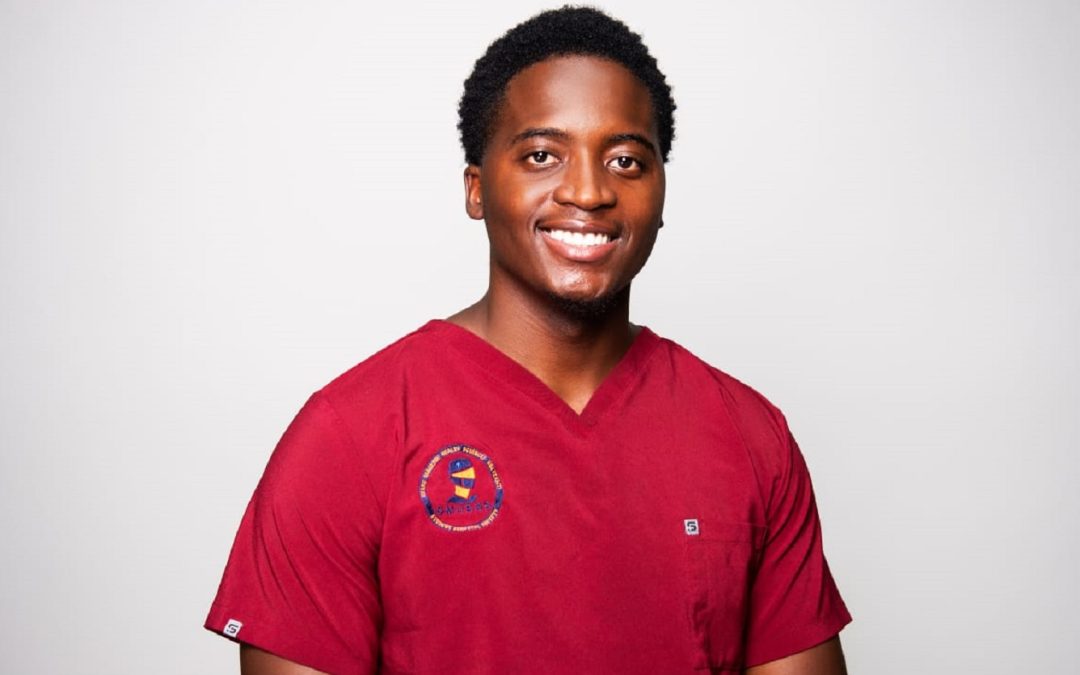
When you meet Thendo Mudau, a fifth-year Bachelor of Medicine and Bachelor of Surgery (MBChB) student at Sefako Makgatho Health Sciences University (SMU), you quickly realise that his story is one of determination, leadership, and service.
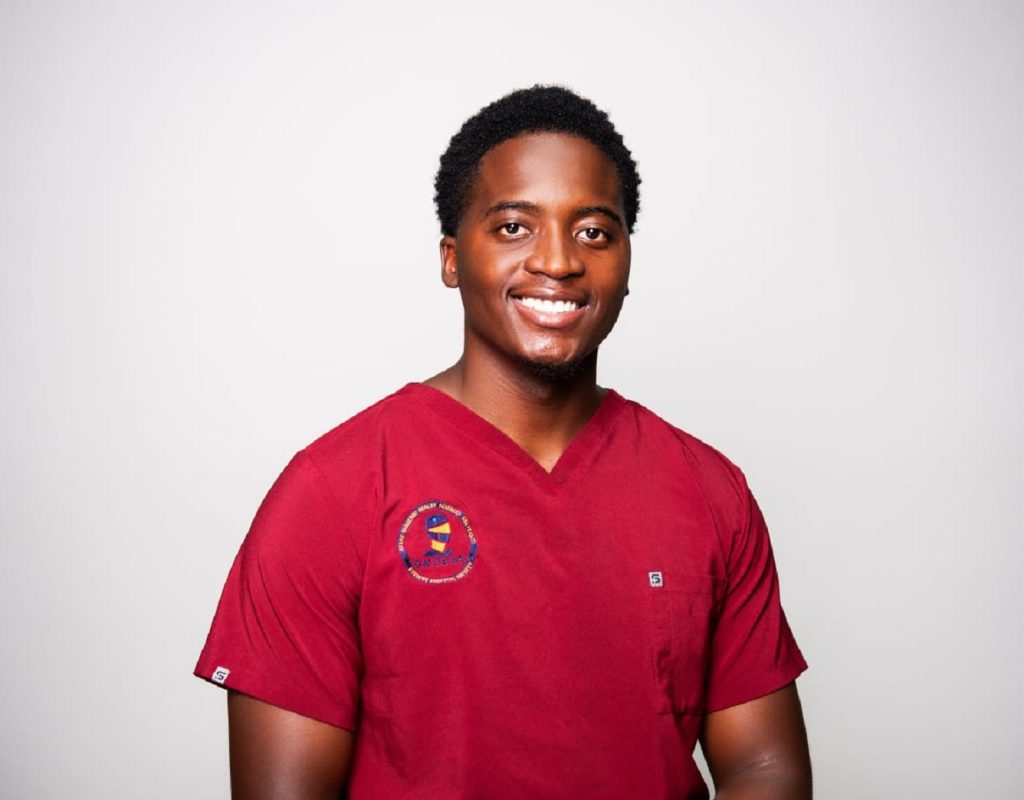 Raised in Johannesburg South by parents who both serve in the public sector — his mother a nurse and his father a policeman — Mudau grew up in an environment shaped by compassion, duty, and community. It was here that he first absorbed the value of service, a principle that continues to guide his journey.
His academic path took flight when he attended St Martin’s High School on a scholarship. He remains grateful to the late headmaster who believed in his potential and offered him an opportunity that became the springboard for his dreams.
Mudau’s aspiration to become a neurosurgeon can be traced back to when he was just seven years old. Initially fascinated by the cosmos, he stumbled upon Brain Games on National Geographic, a programme that drew striking parallels between the vastness of the universe and the intricate complexity of the human brain. “That was my Eureka moment,” he recalls. “I realised that I could channel my fascination with the brain into helping people — just as my mother has done through nursing.”
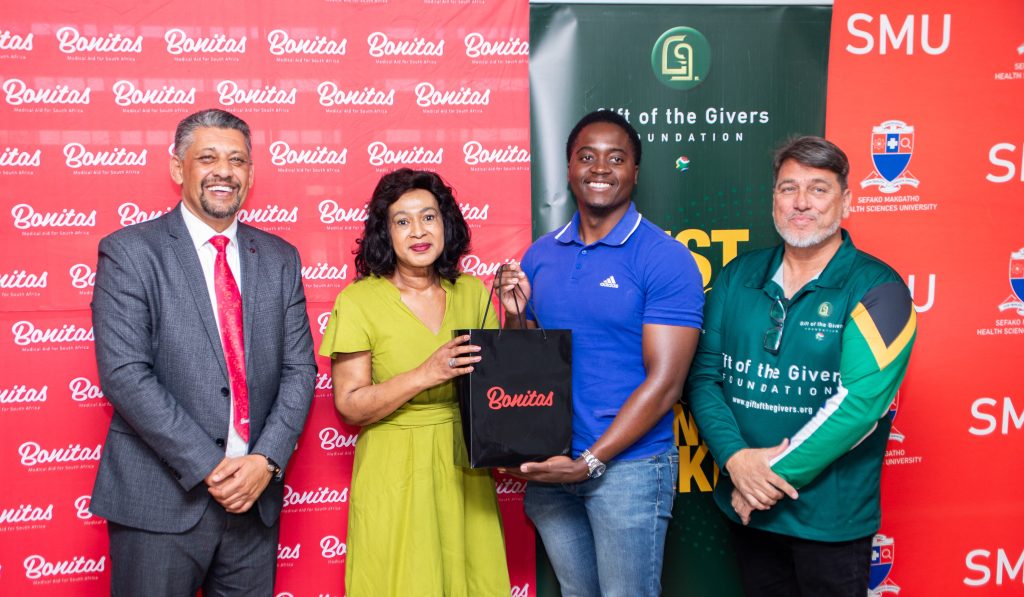 Beyond the lecture halls, Mudau has been making a significant impact through student leadership. He currently serves as President of the SMU Student Surgical Society (SMUSSS), having been part of its executive committee since 2022. His journey within the society has included roles as Head of Anatomy in 2023 and Secretary-General in 2024.
During this time, society has achieved remarkable milestones. It was named Society of the Year at SMU and also honoured internationally as Society of the Month by the International Association of Student Surgical Societies (IASSS). Under Mudau’s leadership, the SMUSSS has spearheaded initiatives such as the annual Easter Egg Drive, surgical skills workshops, awareness campaigns, and academic collaborations that expose students to various surgical disciplines.
Among peers, Mudau has earned the affectionate nickname “The Godfather” — a nod to his long-standing involvement and commitment to mentoring younger members. On 25 April 2025, his contributions were recognised at the Dean’s Excellence Awards, where he received a certificate for his service to the School of Medicine.
Recently, Mudau received a bursary that he describes as “an incredible blessing.” Beyond easing financial pressures, the award has served as encouragement to continue striving towards his lifelong dream. “For me, leadership is about service, building others up, and leaving behind a legacy that inspires the next generation to aim even higher,” he says.
With a clear vision for the future, Mudau is determined to pursue neurosurgery and contribute to advancing healthcare in South Africa. His journey — shaped by humble beginnings, strong family values, and relentless drive — is a testament to what happens when passion meets purpose.
As he continues to balance his studies, leadership responsibilities, and community engagement, one thing is clear: Mudau is not only shaping his own future but also paving the way for others to dream bigger.
By Dimakatso Modise

by Lorato | Jul 31, 2025 | All News, SMU Media, Student Adverts
The School of Health Care Sciences (SHCS) at Sefako Makgatho Health Sciences University (SMU) held a vibrant and impactful Open Day on 24 July 2025 at Mapenane Maths, Science & ICT School of Specialisation in Ga-Rankuwa. The event, aimed at motivating and informing high school learners, showcased the wide range of career opportunities available in the health care sciences.
 Organised in partnership with the Office of the Executive Mayor of the City of Tshwane, and with support from the Department of Education and the Faith and Hope Foundation, the Open Day drew enthusiastic participation from Leap Science and Maths School, Kgatoentle Secondary School, and local community stakeholders, including the Health and Rehabilitation team in Ga-Rankuwa.
The central focus of the event was to raise awareness among learners about professions within SMU’s School of Health Care Sciences—specifically Nursing, Occupational Therapy, Physiotherapy, Human Nutrition and Dietetics, and Speech-Language Pathology and Audiology. Interactive exhibits and presentations offered learners a hands-on experience and valuable insight into the significance of each discipline in improving community health and well-being.
Moloko Mehlape, a Lecturer in Human Nutrition and Dietetics, highlighted the importance of early health education. “We conducted health screenings and identified possible health concerns among learners. It’s vital they understand how lifestyle choices impact their long-term wellness,” she said.
 Learners expressed deep appreciation for the opportunity to interact with SMU’s staff and students. Botang Moshoeshoe, a Grade 10 learner from Kgatoentle Secondary School, shared:
“What we love about SMU is that it produces quality healthcare professionals. It’s known as the best health sciences university, and it offers a wide variety of career options. SMU always shares information and resources with the Ga-Rankuwa community.”
Thabang Muguruza, a Grade 12 learner at Mapenane, added: “SMU is shaping my future by introducing me to the many career options in health sciences. I’m excited about what lies ahead.”
From Leap Science and Maths School, Kefilwe Leshabane, in Grade 10, reflected on a message of empowerment: “Through SMU, I learnt that your background does not define you. You have the power to shape your life through good choices. You can achieve anything you put your mind to.”
Lydia Moseki, Principal of Mapenane School of Specialisation, praised the initiative:
“As a school focused on Maths, Science, and ICT, we saw this collaboration with SMU as essential. It equips learners with knowledge about health careers and inspires them to dream big and work hard to achieve those dreams.”
The success of the Open Day reaffirms SMU’s commitment to bridging the gap between higher education and local communities. By introducing health sciences in a relatable and engaging way, the university continues to inspire the next generation of healthcare leaders—right from the heart of Ga-Rankuwa.
By Tumelo Moila