A simple moment of frustration at Soshanguve Clinic 3 has grown into a powerful community health initiative led by Sefako Makgatho Health Sciences University (SMU)’s fourth-year Physiotherapy student: Toys With a Purpose. What began as a struggle to assess a four-year-old patient without suitable play tools has evolved into a dedicated paediatric therapy space designed to make rehabilitation more effective, engaging, and child-centred.
 The project was sparked when student Tshegofatso Bafetanye realised the clinic lacked even basic items needed for paediatric assessment. “Assessing a child is very different from assessing an adult. Children are easily distracted and don’t always follow instructions, so toys and play therapy are essential. I simply wanted to observe the child’s knee and hip movements, but there wasn’t a single ball in the department,” Bafetanye explained.
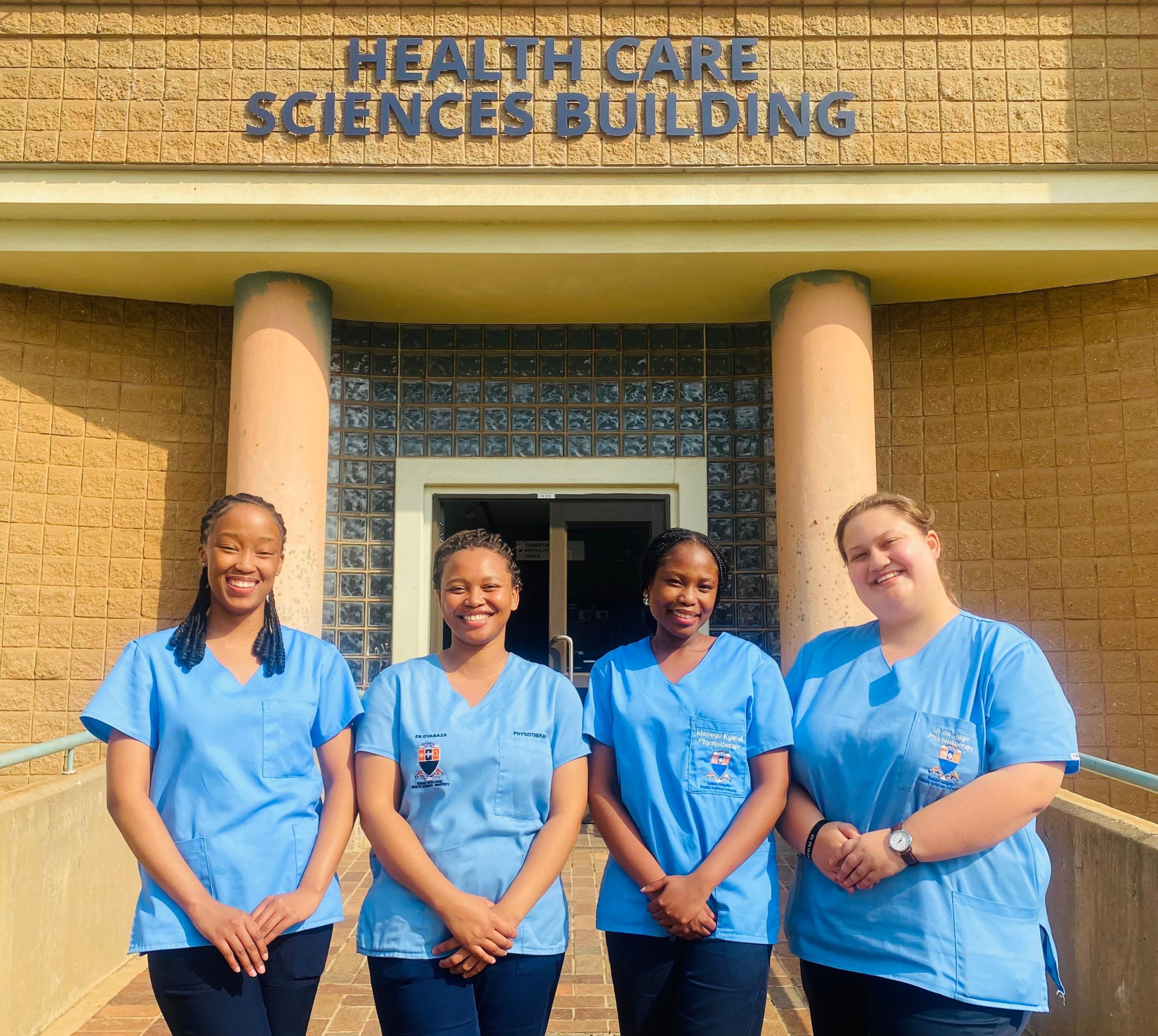
That small challenge exposed a broader issue: the clinic had limited space and almost no appropriate equipment for paediatric rehabilitation. The group—Tshegofatso Bafetanye, Eza Ngwekazi Dyabaza, Masego Kgarodi and Rialene de Jager decided to act. “What started as frustration became a vision to create a space where therapy feels natural, playful, and meaningful,” the students said.
Their motivation was clear: every child deserves rehabilitation that is functional and joyful. Although the clinic’s clinicians were dedicated and skilled, the lack of resources restricted treatment outcomes. The students are committed to designing and sourcing affordable, safe, functional toys that support coordination, motor development, balance and emotional regulation.
Space constraints remained a persistent challenge “I saw the cylinders and wanted to facilitate four-point kneeling with an adolescent patient, but there was simply no room,” said de Jager.
The students also acknowledged the group that worked in the department before them—Shereen Dlamini, Khanyisile Aphane and Tshepiso Kekana —whose clean-up efforts created a foundation on which they could build. Their work made it possible for this new initiative to move beyond problem-identification into problem-solving.
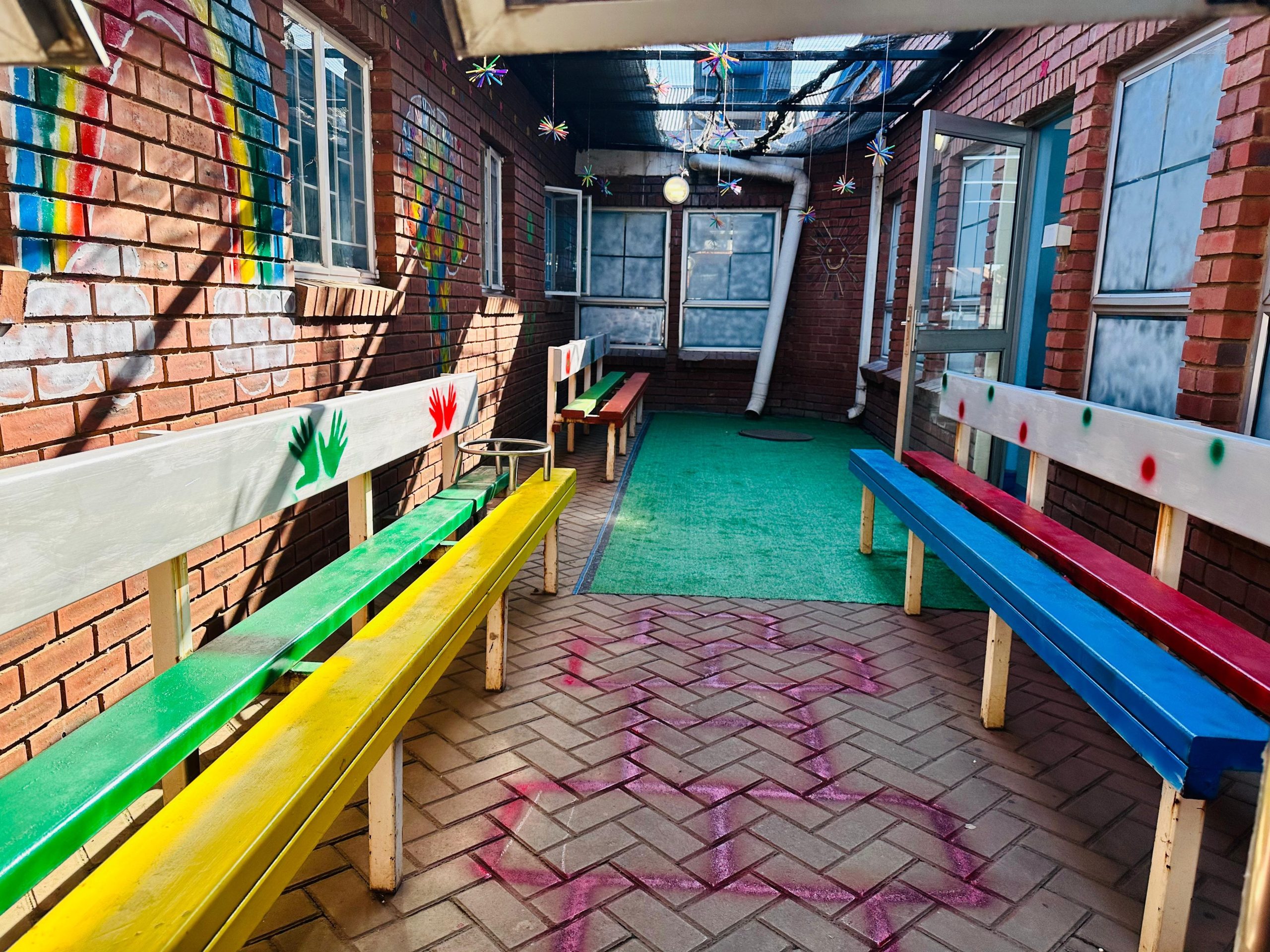 Working with the multidisciplinary rehabilitation team, the students established a dedicated paediatric playroom equipped with purposefully selected toys and structured learning zones. Guided by the DIR/Floortime model and supported by developmental theories from Vygotsky and Bronfenbrenner, every toy was chosen to promote emotional, cognitive, social and physical growth.
The result is a dynamic, inclusive therapy environment where children are more confident and engaged, therapists can assess motor and social skills more effectively, and caregivers are equipped with simple, cost-effective strategies they can use at home.
On 20 August 2025, the students hosted a health talk with the rehabilitation team, supervisors, and nursing executives. The session functioned as both an official launch of the new space and a refresher on the importance of play in paediatric therapy. The response was overwhelmingly positive.
“You’ve taken us back to the basics, the fundamentals of matwork, hands-on therapy, and purposeful play. This is amazing. I’m so excited,” said rehab team member Lindelwe Mazibuko.
Toys with a Purpose embodies the principles of community-based healthcare: resourcefulness, compassion and collaboration. It reflects not only the students’ clinical knowledge, but also their leadership and commitment to improving children’s rehabilitation.
The group expressed gratitude to the rehabilitation staff, caregivers, previous student teams, and Physiotherapists David Seloa, Kwandiswa Shoba, Karel Rasakanya and lastly, their lecturer and block supervisor, Frida Kotsokoane, who made the project possible.
In their words, the initiative is more than a project; it is a lasting commitment to creating therapy spaces where children can thrive through play.
By Tumelo Moila