
In a field often dominated by complex statistics and siloed disciplines, Professor Kebogile Mokwena, South Africa’s first National Research Foundation (NRF) Research Chair at Sefako Makgatho Health Sciences University (SMU), has emerged as a leading force reshaping the nation’s public health response to mental illness and substance abuse. With more than 120 postgraduate students supervised across multiple health disciplines, Mokwena’s work is not only academically rigorous but deeply grounded in the real-world challenges facing South African communities.
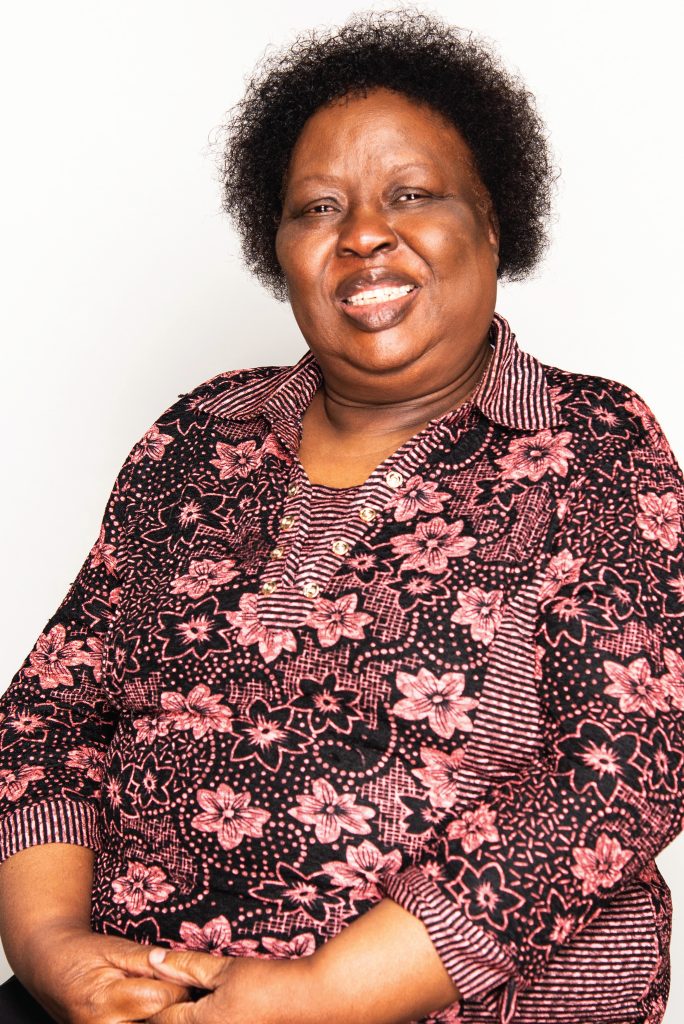 Her passion for public health and population mental health research was ignited early in her career. “I was always inspired to serve and work with people,” she says. After obtaining her doctorate in Public Health Education from the University of South Carolina, with specialisations in curriculum development and health promotion, Mokwena found her research calling in tackling the emergence of nyaope—a highly addictive street drug devastating communities across the country.
Since then, she has become one of the country’s foremost researchers on substance abuse and mental health, forming collaborations with institutions such as the University of Cape Town, Walter Sisulu University, the University of Johannesburg, and the South African Medical Research Council. Her studies estimate the burden of depression and anxiety among underserved populations, confirming a high prevalence of undiagnosed conditions often linked to broader societal issues, including crime and substance use.
Her appointment as SMU’s first NRF Research Chair has allowed her to expand her research portfolio while strengthening collaborations within and beyond the university. “I had to jump several hurdles before I was awarded the grant,” she recalls. “But the role has enabled me to plan long-term, mentor others, and broaden the institution’s research footprint.”
Mokwena’s academic influence spans disciplines and schools. She has supervised students in pharmacy, physiotherapy, nursing, and medicine, covering fields as varied as surgery, paediatrics, and obstetrics. She embraces interdisciplinary supervision, often initiating partnerships when public health questions intersect with clinical concerns. “All involved learn something new,” she notes.
Beyond academia, she serves on several boards and advisory committees, including the Vista Psychiatric Hospital Board, the Gauteng Substance Abuse Forum, and the SANCA Advisory Committee. These roles keep her connected to the practical implications of her research, informing policy and service delivery at multiple levels.
Despite facing gender-based assumptions in academia, Mokwena has remained steadfast. “People sometimes don’t expect to see a woman in my position,” she admits. “But I’ve learned to let my work speak for itself.”
Her advice to young women aspiring to make an impact in public health is bold: “Be brave enough to ask difficult questions. Be authentic. Work hard and enjoy what you do.”
Reflecting on her legacy, Mokwena hopes to be remembered not only for pioneering research but for advancing solutions that serve society: “My research lives in communities, churches, schools, and prisons. That is the impact I want to leave behind.”
By Tumelo Moila


