Sefako Makgatho Health Sciences University has moved from policy to practice with the launch of its first multilingual podcast studio, signalling a decisive commitment to linguistic inclusion. The initiative positions language not as symbolism, but as infrastructure for learning, belonging and transformation.
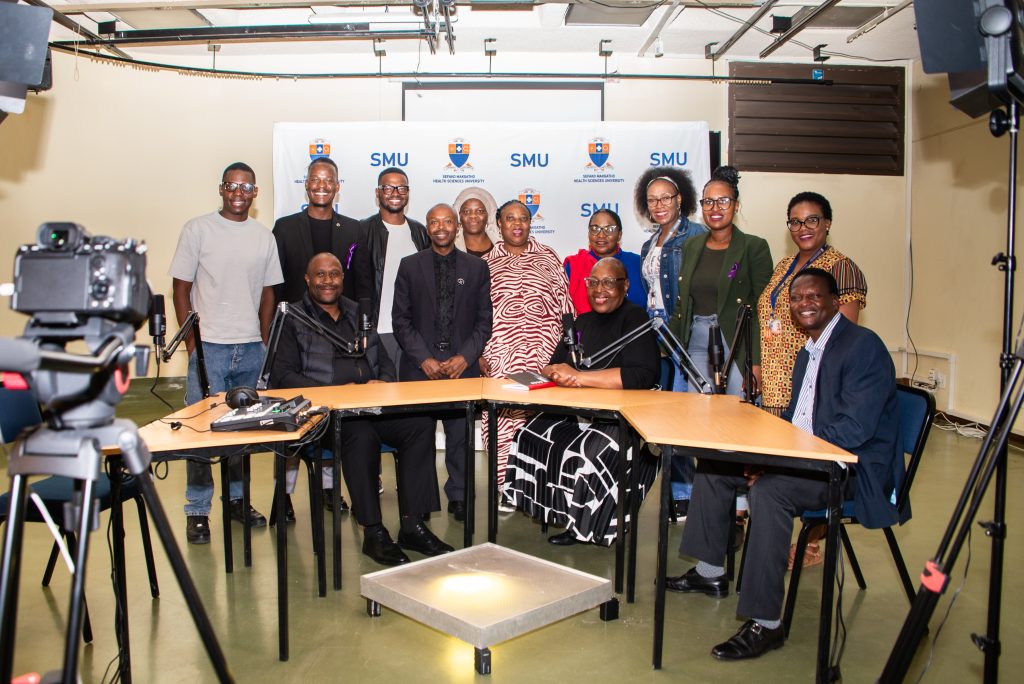 The studio, unveiled by the SMU Language Policy Committee, marks a milestone in the University’s multilingual journey. Equipped with new podcasting technology, the facility provides a platform to elevate African languages, simplify academic conversations and amplify voices across campus.
The project is anchored in the SMU Language Policy, which treats multilingualism as a strategic asset. The policy recognises that language diversity strengthens teaching and learning, reinforces social cohesion and accelerates institutional change. The podcast studio operationalises these goals, turning strategy into daily practice.
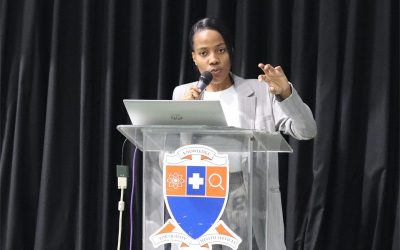
Speaking in the inaugural episode, Acting Deputy Vice-Chancellor for Academic and Research Professor Dini Mawela described multilingualism as central to SMU’s identity and future direction. She stressed that language is not optional, but essential to connection, innovation and relevance in a health sciences university serving a diverse society.
“Multilingualism is a powerful tool for connectivity within our community,” she said, adding that language carries both identity and authority. Her message was reinforced by contributions from Professor Douglas Maleka, Dean of the School of Health Care Sciences, and Professor Patrick Demana, Dean of the School of Pharmacy, who echoed the academic and social value of inclusive communication.
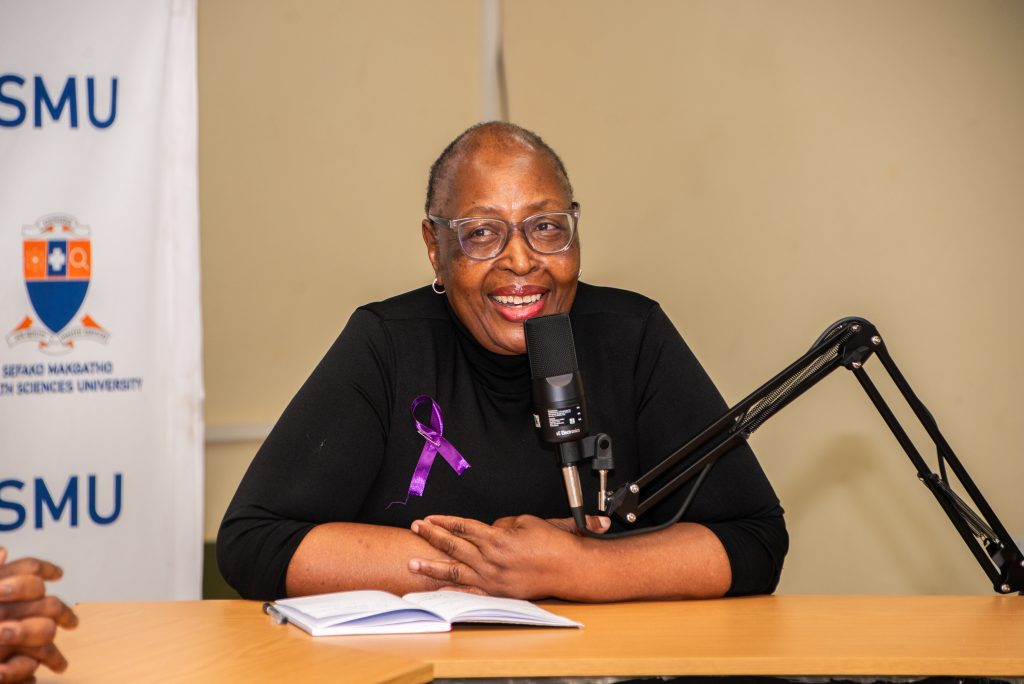 More than a ceremonial launch, the podcast is designed as a working resource. It will host discussions, educational content and cultural storytelling in multiple languages, targeting students, academics, researchers and professional staff. By doing so, it aims to reduce barriers to understanding, promote belonging and model multilingual teaching.
The studio is housed within the Medical Illustrations and Audio Visual Services department and will function as a shared institutional resource. While the Language Policy Committee’s work will take priority, staff, students and contributors will be able to request access through the committee, reinforcing an open ethos.
Podcast hosts are yet to be appointed, as the initiative remains in its stakeholder alignment phase. However, clear criteria have been set. Hosts will be expected to demonstrate bilingual or multilingual ability, familiarity with university life, confidence in public engagement and a commitment to linguistic inclusion. Different series may feature different hosts, aligned to themes such as student life, human resources or research.
Broadcasting is expected to begin once production is finalised, guided by a 2026 content calendar. Current planning proposes weekly episodes, released on Wednesdays at midday. Content will be accessible through the SMU website and YouTube, ensuring reach beyond campus.
Guest selection will prioritise balanced representation, academic relevance and social impact, with preference for contributors able to engage in African languages. Through this approach, the podcast will reflect South Africa’s linguistic reality while advancing academic excellence.
As the committee noted, SMU is no longer speaking about multilingualism. It is giving it a voice and ensuring that voice is heard.
By Tumelo Moila