Community engagement remains a cornerstone of the mission of the Sefako Makgatho Health Sciences University (SMU), reflecting a sustained commitment to social responsibility and educational advancement. At the heart of this commitment is the Diphetogo Secondary School Project, an initiative led by the University’s Library and Information Services (LIS) that continues to transform access to knowledge and strengthen academic literacy among secondary school learners.
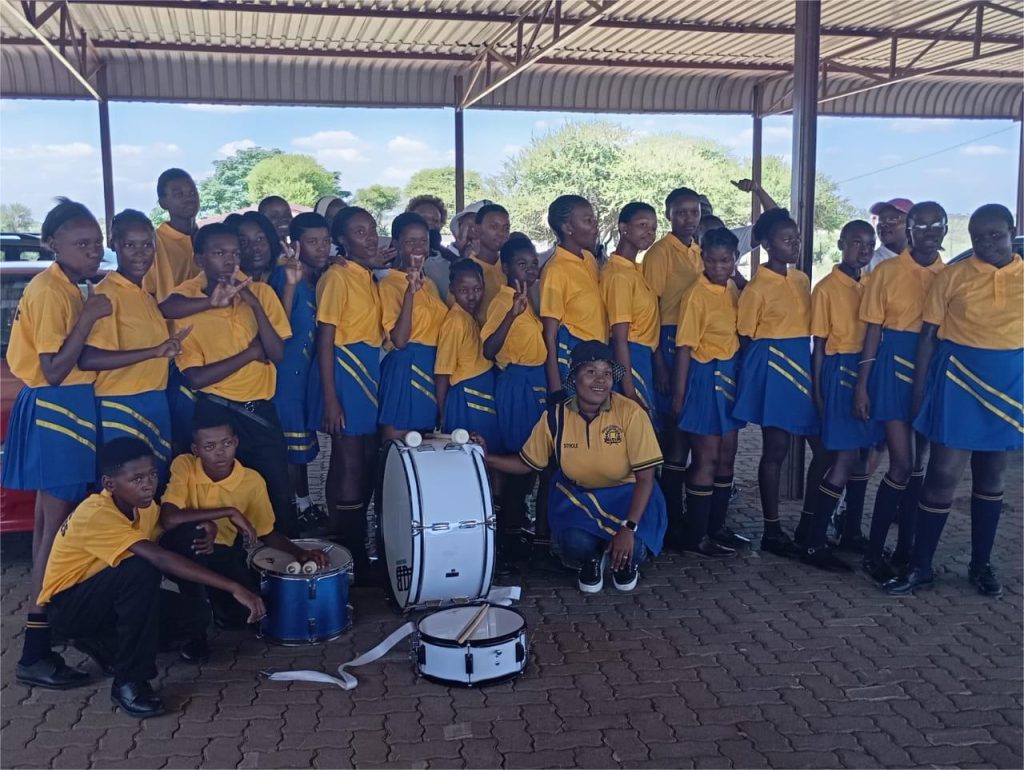 Rooted in partnership and collaboration, the project was established in 2024 to address specific challenges identified at Diphetogo Secondary School. Through a consultative process involving school leadership and educators, the LIS team conducted joint needs assessments to better understand the barriers affecting learner performance. These included limited access to quality information resources, low levels of reading proficiency and gaps in academic literacy, particularly among learners in Grades 8 to 10.
From the outset, the project was designed as a collaborative intervention rather than a unilateral outreach effort. School management and educators became active partners in shaping the programme’s objectives and implementation strategies. Reading and academic support programmes were co-developed and aligned with the school’s academic calendar to ensure relevance and sustainability. This approach fostered shared ownership and accountability, reinforcing the principle that community development is most effective when built on mutual trust and collective action.
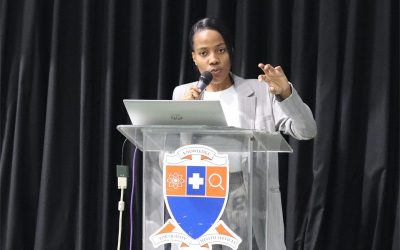
Dr Rirhandzu Mhinga, Director: Library and Information Services, emphasised the importance of this partnership-driven model. “Our engagement with Diphetogo Secondary School is not a once-off intervention. It is a structured and sustained collaboration that places the needs of learners at the centre of every activity,” she said. “By working closely with educators and school leadership, we ensure that our literacy programmes are contextually relevant and academically meaningful.”
The initiative is led from the Library and Information Services side by Ms Mmakgoshi Prescilla Reetseng, Senior Librarian at SMU. Her leadership has been instrumental in coordinating programme delivery, facilitating mentorship sessions and strengthening the integration of library resources into learner support activities. Under her guidance, the project has evolved into a dynamic platform that extends the University’s academic expertise beyond campus boundaries.
Prof Dini Mawela, Deputy Vice-Chancellor: Academic and Research, commended the LIS team for advancing the University’s community engagement mandate. “The Diphetogo Secondary School Project demonstrates how academic institutions can serve as catalysts for social transformation,” she noted. “By leveraging the expertise within our Library and Information Services, we are contributing directly to learner development and educational equity.”
In addition to literacy development, the project encourages a culture of reading and independent learning. Learners are introduced to structured reading sessions, guided academic support and exposure to curated learning materials. Various SMU departments contribute expertise to the initiative, strengthening interdisciplinary collaboration and enhancing mentorship opportunities. These collective efforts reinforce the University’s broader vision of empowering communities through knowledge access and sustainable partnerships.
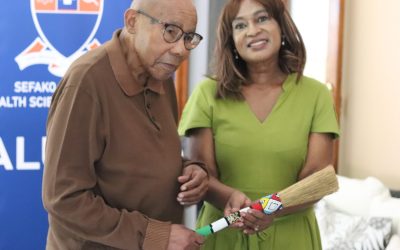
The project’s meaningful contribution to literacy development and community upliftment has now been formally recognised. The South African Library and Information Trust (SALI Trust) has awarded a grant to SMU Library and Information Services in support of the project titled “Empowering Learners through Library and Literacy Services: A Community Development Project for Diphetogo Secondary School and SMU.” The grant strengthens the programme’s capacity to expand reading initiatives, provide additional learning resources and deepen academic support.
Dr Mhinga expressed pride in the recognition. “The support from the SALI Trust affirms the impact of our work and strengthens our ability to scale our interventions responsibly and sustainably,” she said. The LIS has formally submitted the required Grant Acceptance Form and a letter of appreciation to the SALI Trust Board, reaffirming its commitment to sound governance and accountability.
As the partnership continues into early 2026, plans are underway to broaden reading programmes, enhance resource provision and further strengthen academic guidance. Through sustained collaboration and strategic support, SMU continues to demonstrate that meaningful community engagement is both a responsibility and a powerful instrument for lasting educational change.
By Dimakatso Modise