
The Department of Basic Education (Tshwane West District), in collaboration with the Gauteng Department of Health and local stakeholders, recently hosted a high-impact advocacy campaign on risky behaviours at the district auditorium. The event brought together over 450 learners from five secondary schools across Mabopane, Winterveldt, Ga-Rankuwa, Soshanguve, and Pretoria Central, marking a decisive step in promoting safer school environments.
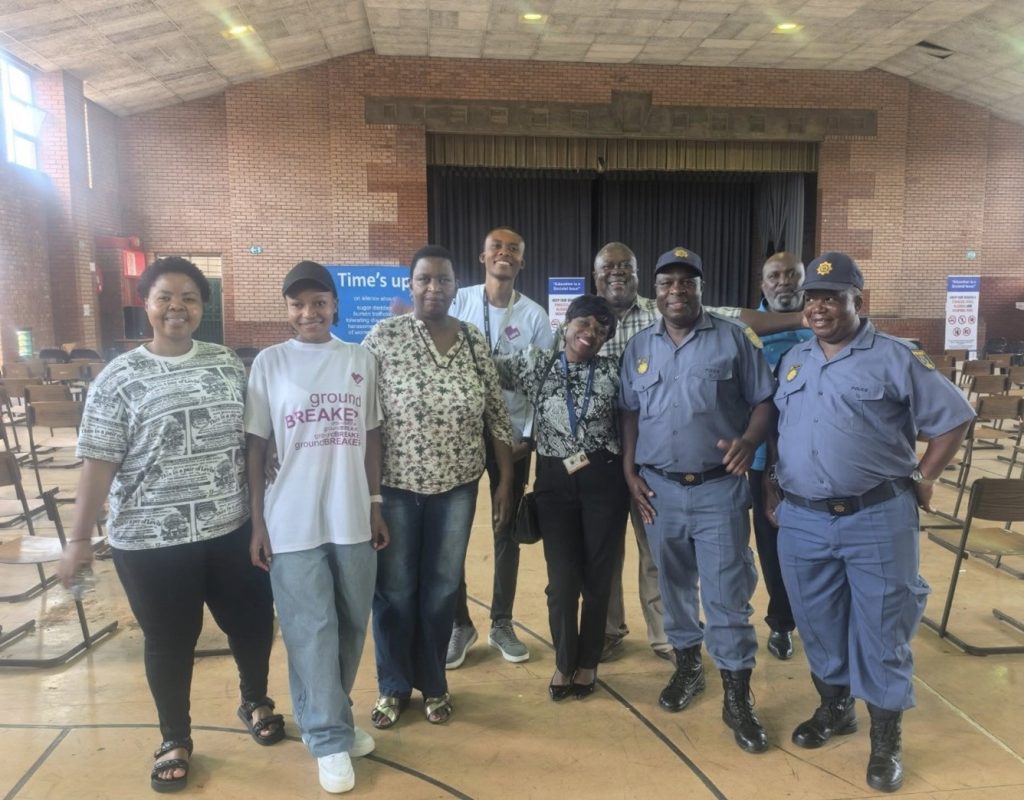 “This initiative is about more than awareness; it’s about equipping learners with the knowledge and tools to make safer choices every day,” said SMU academic Dr Mohora Feida Malebatja, guest of honour and main speaker at the event. Dr Malebatja is a public health lecturer, water and environmental scientist, and researcher, whose expertise informed the campaign’s evidence-based approach.
The campaign targeted behaviours that contribute to HIV transmission, offering practical advice alongside research-driven insights. Stakeholders in attendance included Tshwane District Hospital HAST, Open Disclosure Foundation, Freshware, LoveLife, South African Police Service (Mabopane SAPS), the Department of Social Development, the Gauteng Department of Health, and Sedilega Clinic.
Dr Malebatja delivered a compelling presentation, highlighting the ongoing public health challenge posed by HIV. “Millions of South Africans live with HIV, and new infections continue to rise despite proven preventive measures such as condoms, antiretroviral therapy (ART), pre-exposure prophylaxis (PrEP), and post-exposure prophylaxis (PEP),” she emphasised.
The session also spotlighted the importance of science education in shaping future health professionals. “Choosing the science stream, including Mathematics, Physical Sciences and Life Sciences, significantly increases learners’ opportunities to pursue health-related degrees at institutions like Sefako Makgatho Health Sciences University, the only health sciences–focused university in the country,” Dr Malebatja noted.
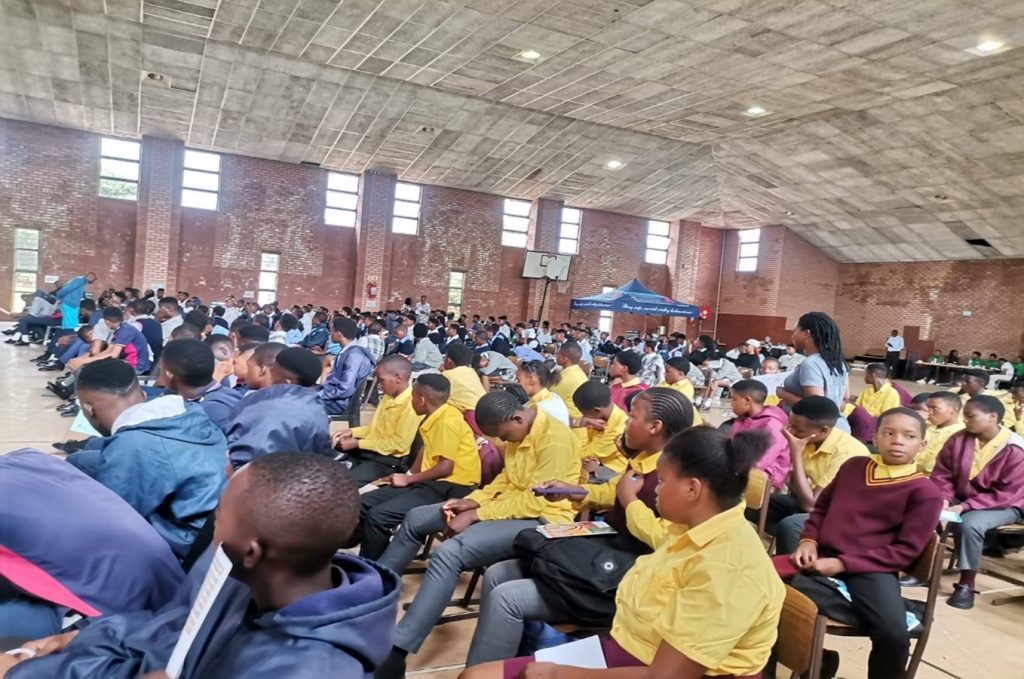 She stressed that substance abuse, low health literacy, sharing injectable needles, and risky sexual behaviours are key drivers of HIV, particularly among young people. “Awareness alone is not enough. Our goal is to translate knowledge into safer behaviours,” she added.
Highlighting the importance of collaboration, Leah Kekana of the Department of Basic Education (Tshwane West District) said, “Working together with health services and community stakeholders allows us to reach learners more effectively and give them the tools to protect their futures.”
Kenneth Ntshoene of the Gauteng Department of Health added, “This campaign demonstrates the power of coordinated action. When education and health sectors unite, we strengthen prevention and ensure our youth are informed and supported.”
The campaign employed interactive and engaging methods to capture learners’ attention, from practical demonstrations to Q&A sessions with health professionals. Attendees were encouraged to think critically about their choices, understand the consequences, and explore the support structures available in their communities.
The Public Health Department at Sefako Makgatho Health Sciences University expressed gratitude to those who made the campaign possible. “We sincerely thank Ms Kekana and Mr Ntshoane for leading this essential initiative,” said the department in a statement.
By combining research, education, and practical engagement, the campaign underscored the critical role of collaborative advocacy in public health. “When schools, health services, and communities unite, we can build a safer, healthier future for our youth,” Dr Malebatja concluded.
The initiative serves as a reminder that public health education is most effective when it is direct, actionable, and youth-focused, empowering learners to take control of their wellbeing and make informed decisions that will impact their lives long-term.
By Tumelo Moila


