Dr Undine Susanne Rauter’s transformative journey in physiotherapy is nothing short of extraordinary. As a Doctor of Philosophy in Physiotherapy and the Head of Rehabilitation at Gelukspan District Hospital, she has dedicated her life to improving the quality of life for children with disabilities, particularly those with special needs. Rauter’s profound commitment to healthcare extends far beyond the clinical environment; it reflects a passion for education, collaboration, and systemic change—values that echo the mission of Sefako Makgatho Health Sciences University (SMU), where she completed her doctoral studies.
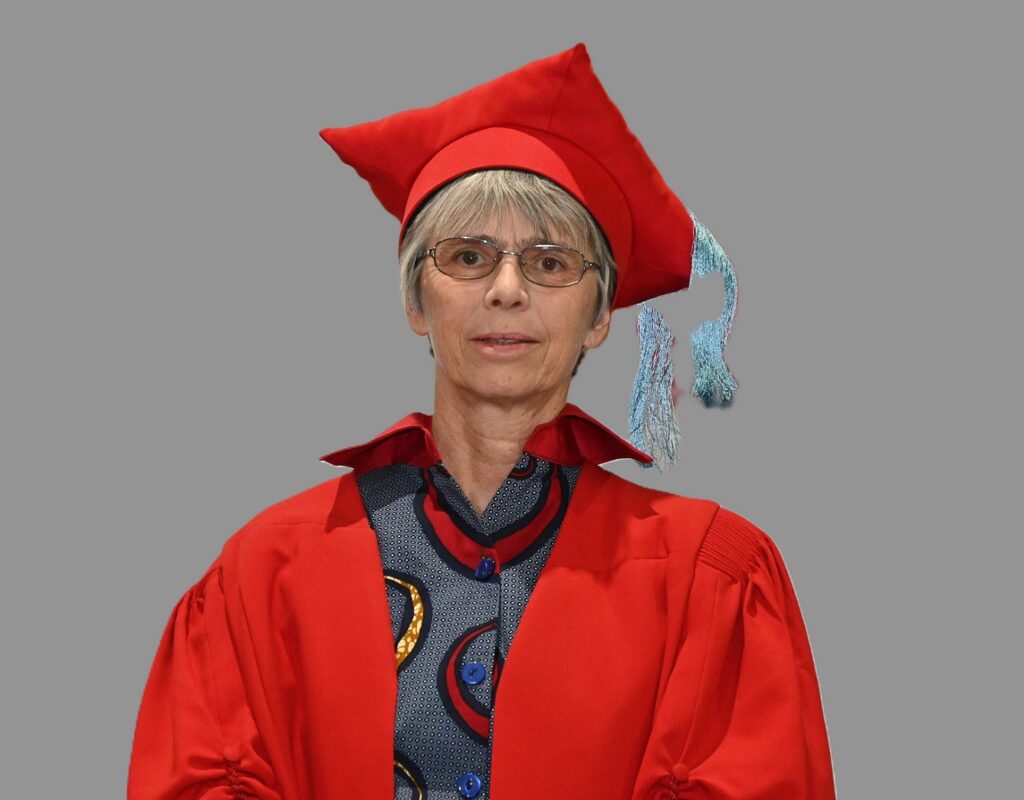
Dr Undine Susanne Rauter
Growing up in Munster, Lower Saxony, Germany, Rauter’s early exposure to caring for a sibling with learning challenges ignited a lifelong passion for advocating on behalf of vulnerable individuals. This formative experience, coupled with her own academic journey, set the stage for her exceptional career. “I realised early that my path wasn’t just about medical practice, but about the lives I could touch along the way,” she explains, encapsulating the compassion that drives her professional and personal mission.
Rauter’s academic and professional journey reflects a holistic and forward-thinking approach to healthcare, aligning perfectly with SMU’s vision of enabling students and professionals to meet tomorrow’s healthcare challenges. Since 1995, Rauter has spearheaded rehabilitation services at Gelukspan District Hospital, where she leads a dedicated team providing hands-on therapy, education, and support to children and youth with disabilities. Her role in assisting a neighbouring special school in managing childhood disabilities has solidified her position as a key advocate for system change in healthcare, where teamwork and creativity are essential.
Her groundbreaking PhD research on pressure ulcer prevention for learners with paraplegia in special schools further underscores her commitment to improving care for children with disabilities. “Pressure ulcers are not just a medical issue; they are a barrier to education and overall quality of life,” Rauter emphasises. Her comprehensive model for prevention, developed through 47 in-depth interviews with learners, caregivers, and health professionals, seeks to shift the focus from reactive treatment to proactive care. Rauter’s model encourages collaboration among all stakeholders—students, families, educators, and healthcare providers—in order to ensure that preventative care is prioritised in the education system.
Rauter’s research has uncovered a critical gap in healthcare provision within South African special schools, which she believes can be bridged with the right policies and resources. “Special schools must not just be educational institutions; they should be hubs of holistic health care,” she asserts, calling for a more integrated approach to health and education for children with disabilities. Her work addresses immediate healthcare needs and advocates for sustainable changes that could significantly impact the well-being of learners in rural and under-resourced settings.
Reflecting on her own PhD journey, Rauter describes it as an “ultra-marathon,” balancing academic rigour with personal challenges. “Without the support of my network, my dog for fun breaks, and my spiritual practices, I would not have made it through,” she admits, yet her dedication to improving disability care remained unwavering. Through it all, she credits her success to the steadfast support of her supervisor, Dr Desmond Mathye, whose mentorship proved invaluable in helping her navigate both the academic and personal hurdles she encountered.
Rauter’s unwavering philosophy is clear: “Everyone deserves the highest attainable standard of health, and by working together and empowering others, we can make that right a reality for even the most marginalised.” This belief continues to drive her as she combines compassion, science, and advocacy to transform the lives of children with disabilities.
Her work and research, grounded in the values of collaboration and empowerment, is a testament to the power of education in creating lasting, meaningful change. At SMU, Rauter’s journey is not just an example of personal success but a powerful reminder of the university’s role in shaping leaders who are dedicated to addressing the healthcare needs of the most vulnerable. Rauter exemplifies the very essence of SMU’s commitment to producing professionals equipped to make a significant, positive impact on society, one life at a time.