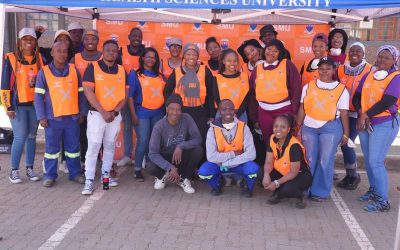
Sefako Makgatho Health Sciences University (SMU) commemorated World Hearing Day with a community outreach initiative aimed at promoting early detection of hearing difficulties among schoolchildren. Audiology students from the university conducted a hearing screening programme at Sjambok Primary School (Soshanguve) recently, screening learners in the Foundation Phase as part of efforts to support children’s health and academic development.
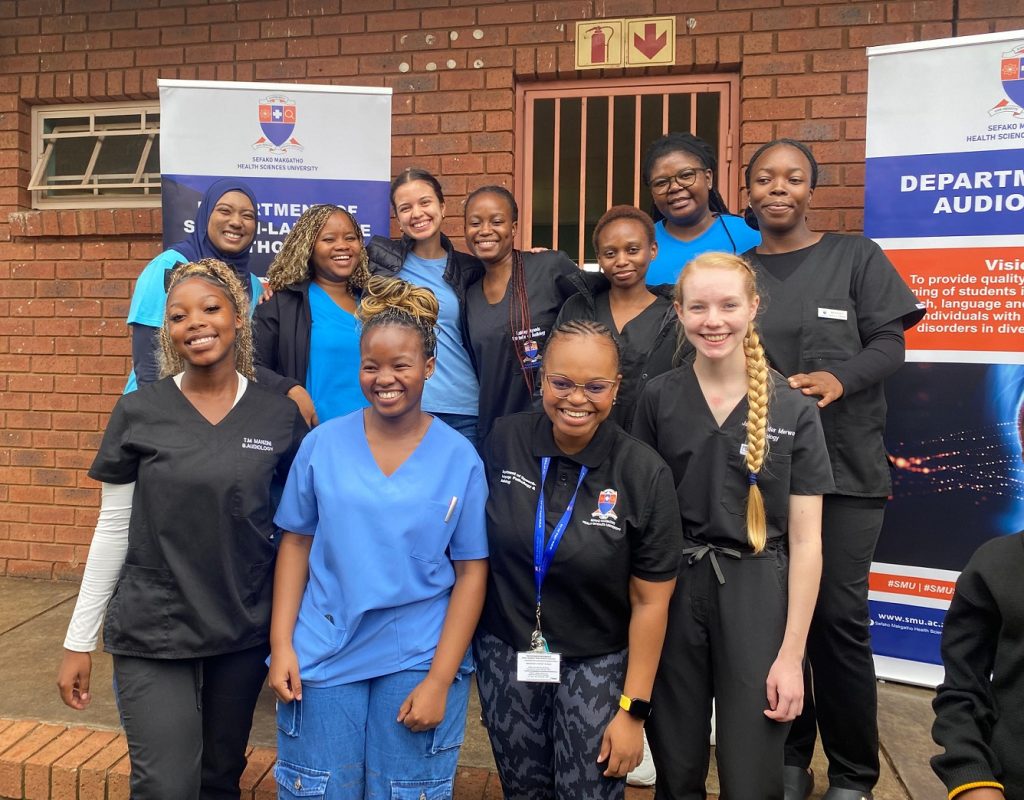 The screening was supervised by Andani Madzivhandila, an Audiology lecturer at SMU, and carried out in collaboration with the Audiology Department at Dr George Mukhari Academic Hospital (DGMAH).
A total of 29 learners were screened during the outreach visit, including 28 learners from the Foundation Phase and one Grade 7 learner who was assessed following a special request from a parent. The initiative aimed to identify potential hearing challenges early, ensuring that learners who may require further assessment receive appropriate support.
Madzivhandila emphasised the importance of early detection in supporting children’s learning and communication development. “Hearing plays a vital role in a child’s ability to develop speech, language, and literacy skills,” she said. “By conducting screenings at schools, we can identify possible hearing difficulties early and ensure that children receive the necessary intervention before these challenges begin to affect their learning and social development.”
The screening process included otoscopy, tympanometry, and pure tone hearing screening. Otoscopy allowed the Audiology students to visually inspect the ear canal for earwax blockages, infections, or other abnormalities. Tympanometry assessed the functioning of the middle ear, helping to detect conditions such as fluid build-up or Eustachian tube dysfunction. Pure tone screening tested the learners’ ability to detect specific sound frequencies to evaluate overall hearing function.
According to the screening results, 24 learners passed the hearing screening and did not require further follow-up at this stage, while five learners were referred for additional audiological evaluation. These learners were referred to the Audiology Department at DGMAH for comprehensive diagnostic assessments to determine the nature and extent of any hearing difficulties.
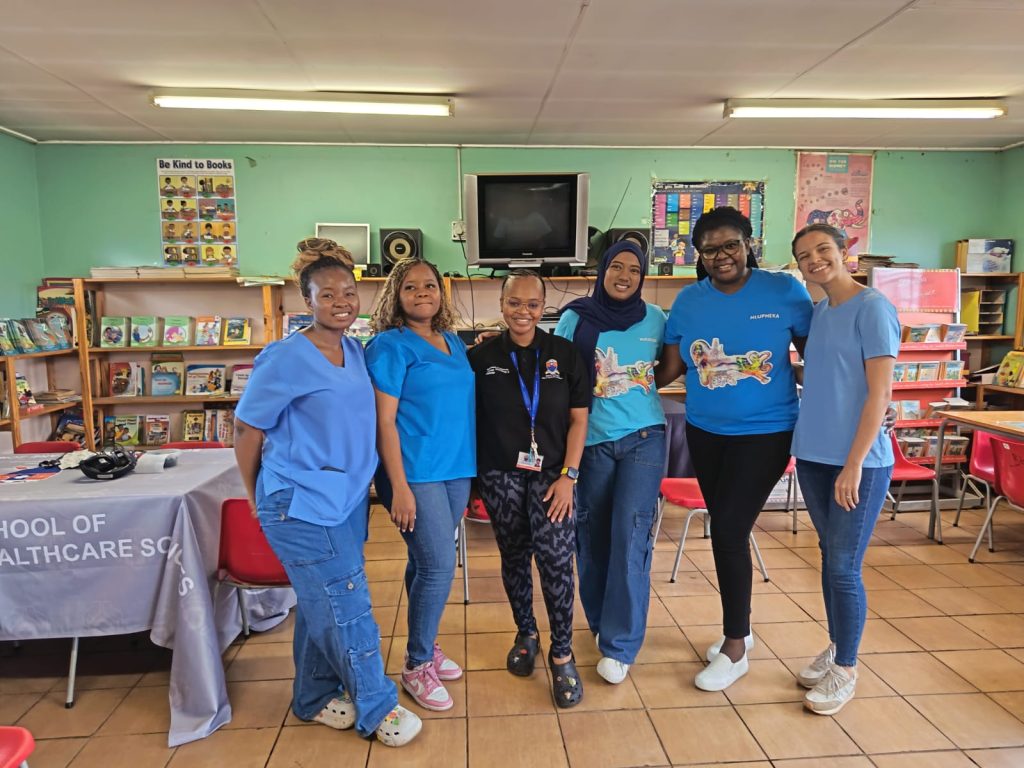 “Referral does not necessarily mean that a child has permanent hearing loss,” Madzivhandila explained. “However, it is important that parents or guardians attend follow-up appointments so that any underlying issues can be properly assessed and managed as early as possible.”
She added that early diagnosis and treatment are critical in preventing long-term effects on children’s academic progress and emotional well-being. “Undetected hearing difficulties can make it challenging for children to follow classroom instructions, participate in discussions, and develop language skills. Early intervention ensures that learners have the best possible opportunity to succeed in school.”
Seboni Mmope, Principal of Sjambok Primary School, welcomed the initiative, highlighting its value for both learners and educators. “We appreciate the support from SMU and the healthcare professionals involved in this programme,” said a school representative. “Many hearing challenges can go unnoticed in the classroom, so initiatives like this help us identify learners who may need assistance and ensure they receive the right support as early as possible.”
The initiative also provided valuable practical experience for SMU audiology students, enabling them to apply their clinical skills in a real-world community setting while contributing to public health awareness. One of the participating students, Londeka Cele, enrolled for second year, highlighted the educational value of the outreach. “Taking part in the screening programme allowed us to apply what we learn in class to a real community setting,” the student said. “It was rewarding to know that our work could help identify hearing challenges early and potentially improve a child’s learning experience.”
Madzivhandila expressed appreciation to the school and healthcare partners who made the outreach possible. “We are grateful to the management and teachers at Sjambok Primary School for welcoming us and supporting the initiative,” she said. “We also appreciate the collaboration with the Audiology Department at DGMAH, whose partnership ensures that learners who require further evaluation receive the necessary care.”
Through community outreach initiatives such as this, SMU continues to promote preventive healthcare and strengthen links between education, healthcare services, and local communities.
By Tumelo Moila