Sefako Makgatho Health Sciences University (SMU) continues to advance community-centred education as final-year Occupational Therapy students conducted a situational analysis at Lesedi Self Help Association, in Hammanskraal, marking a significant milestone in the programme’s 50th Anniversary celebrations. The initiative formed part of the University’s commitment to experiential learning, equipping students with practical insight into service delivery within real-world community settings.
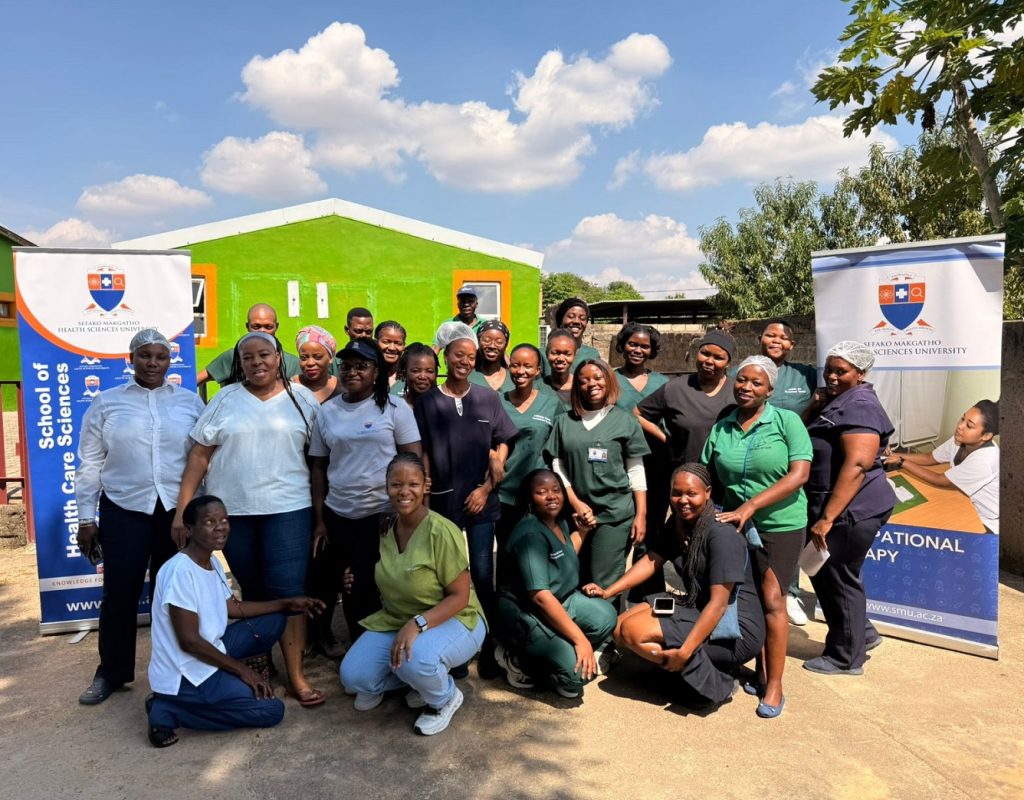 The engagement provided students with a valuable opportunity to deepen their understanding of community-based rehabilitation while contributing meaningfully to a long-standing care centre supporting children with intellectual disabilities. Established in 2000, Lesedi Self Help Association has grown into a vital community resource, offering specialised care and developmental support to vulnerable children.
Manager Matilda Phala reflected on the organisation’s journey and sustainability. “Lesedi Self Help started in 2000. In 2012, we began receiving funding from the Department of Health, which has supported the sustainability of our services,” she said, highlighting the importance of continued institutional support.
The centre operates through a dedicated multidisciplinary team, including Lerato Maake in administration, Ivy Serepo as social worker, and Maria Llale, a retired nurse. Their combined expertise ensures holistic care for the children, addressing both medical and social needs.
Llale expressed appreciation for the partnership with SMU, noting the value of student engagement in community settings. “I am very grateful to the Occupational Therapy Department for embarking on this situational analysis. The students are becoming more aware of the needs of the community, and I encourage us to continue this collaboration,” she said.
The SMU initiative was led by Lebogang Lefine and Dr Ntsieni Teresia Dzhugudzha, who emphasised the academic importance of situational analysis as a foundational step in community engagement. According to Dr Dzhugudzha, “A situation analysis constitutes a critical foundational process in community engagement, ensuring that occupational therapy services are contextually relevant, responsive, and evidence-informed.”
They further explained that the activity forms part of the Occupational Therapy community block, which has officially launched the programme’s 50th Anniversary celebrations. The milestone highlights both the legacy and continued relevance of occupational therapy in addressing healthcare needs at the community level.
“The final-year community block has kicked off the 50th Anniversary celebrations, highlighting the urgent need for occupational therapists in community settings. Meeting community needs remains central to our teaching and training approach,” added Lefine and Dr Dzhugudzha.
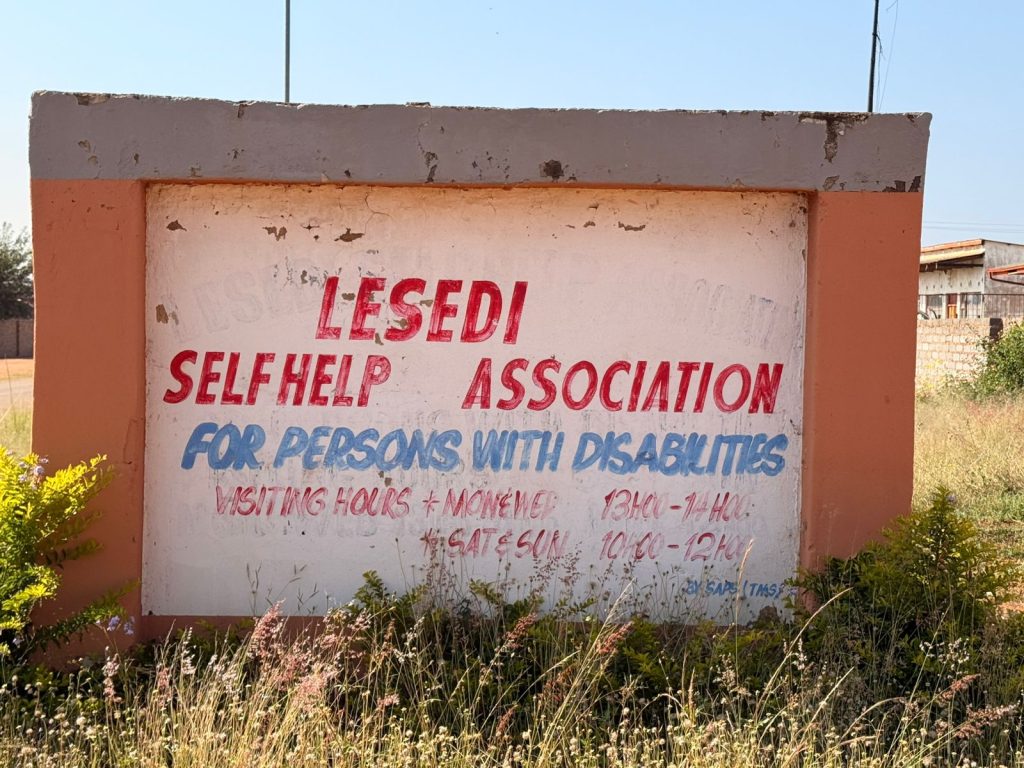 Lesedi Self Help currently supports twenty registered children diagnosed with severe and profound intellectual disabilities. Admission to the centre is facilitated through assessments conducted by the Department of Health, with parents encouraged to remain actively involved in their children’s development through regular visits and participation in care processes.
Funding for the centre is derived from a combination of admission fees and monthly contributions, often supplemented by social support grants. Despite its critical role, the organisation faces ongoing challenges, including limited donor funding, transport constraints, and low levels of community involvement. These barriers highlight the broader systemic challenges faced by community-based care centres across the country.
At the same time, Lesedi Self Help has achieved notable progress, including the expansion of its infrastructure and access to training support from the Department of Basic Education up to TVET’s N4 level. A key focus of the centre remains the assessment and placement of children into appropriate special education settings, ensuring that each child receives tailored developmental support. Due to extended licensing arrangements, some learners remain at the centre beyond the age of 18 to ensure continuity of care.
For SMU students, the situational analysis provided critical exposure to both the strengths and challenges of community healthcare delivery. The experience reinforced the importance of adaptability, empathy, and evidence-based practice in addressing real-world health needs.
This engagement underscores SMU’s broader mission to produce socially responsive health professionals who are equipped to serve diverse communities. By integrating academic learning with practical experience, the University continues to shape graduates who are not only clinically competent but also deeply committed to community development.
As SMU celebrates 50 years of Occupational Therapy education, initiatives such as this reaffirm its role as a leader in health sciences training—driving innovation, strengthening community partnerships, and contributing meaningfully to the well-being of society.
By Dimakatso Modise