by Lorato | Sep 17, 2025 | All News, SMU Media, Student Media
Sefako Makgatho Health Sciences University (SMU) celebrated World Physiotherapy Day on 8 September with a vibrant showcase of movement, education, and community spirit. This year’s theme, “Healthy Ageing,” highlighted the crucial role physiotherapists play in promoting mobility, independence, and lifelong wellness.
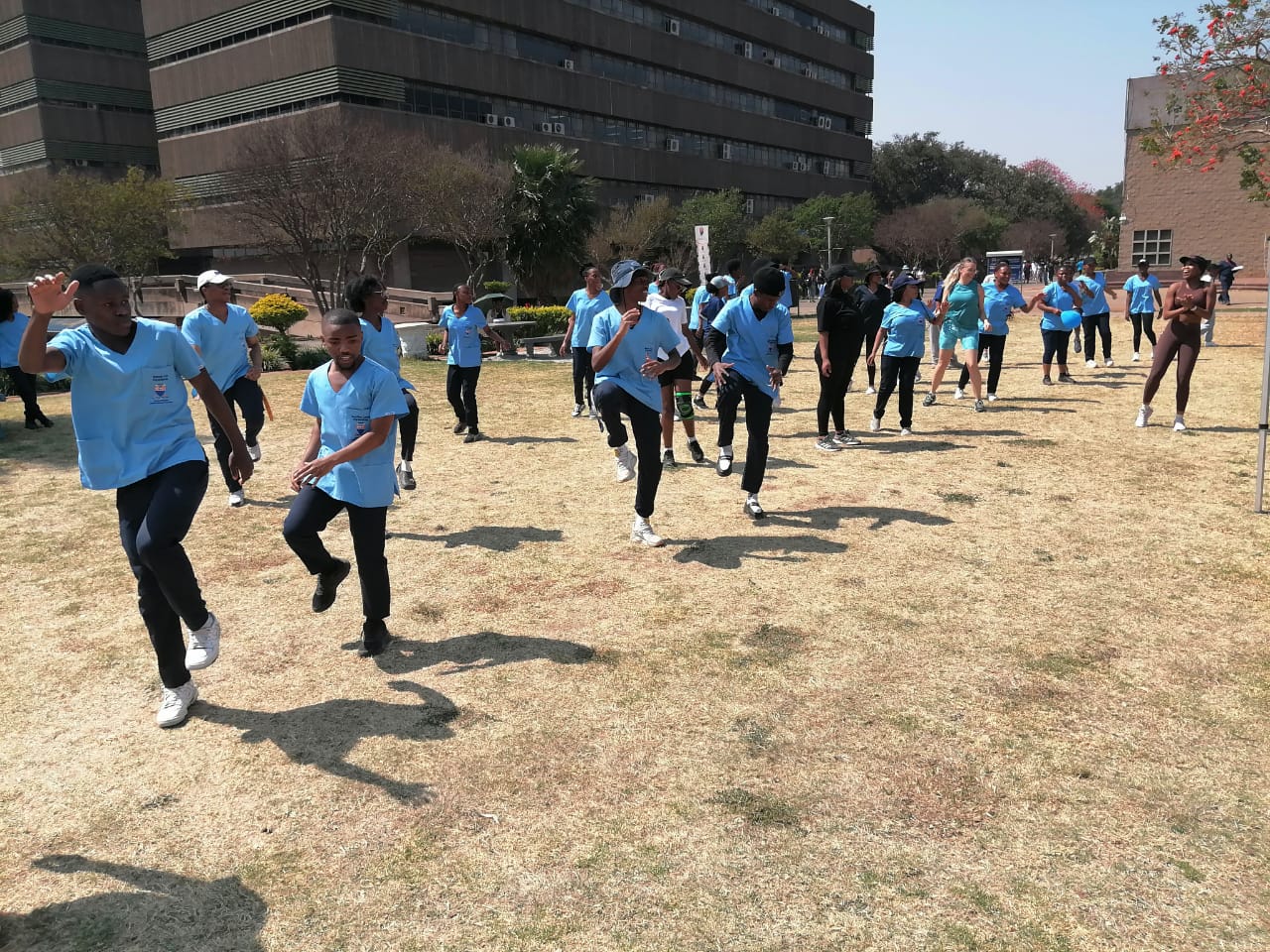
 The celebration kicked off on the library lawn with a fun walk that drew students, staff, and faculty. Acting Head of Department, Dr Muziwakhe Tshabalala, joined the participants, demonstrating leadership through action. “Staying active is essential for healthy ageing,” he said. “As future physiotherapists, we must practise what we preach.” His participation set the tone for a day dedicated to both learning and living the principles of physiotherapy.
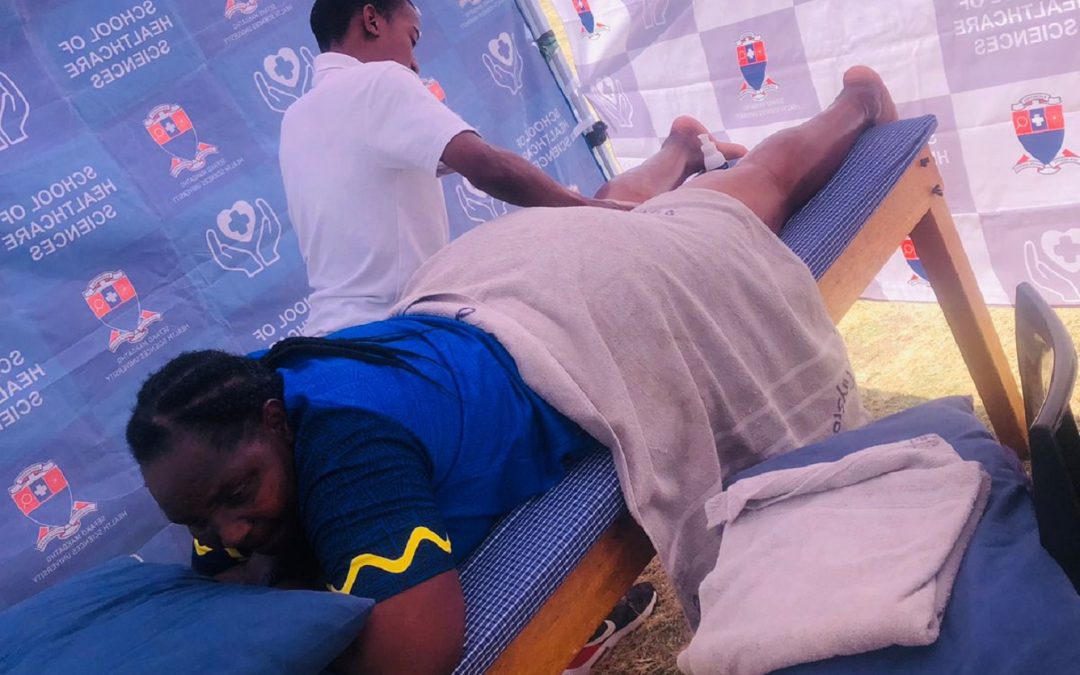
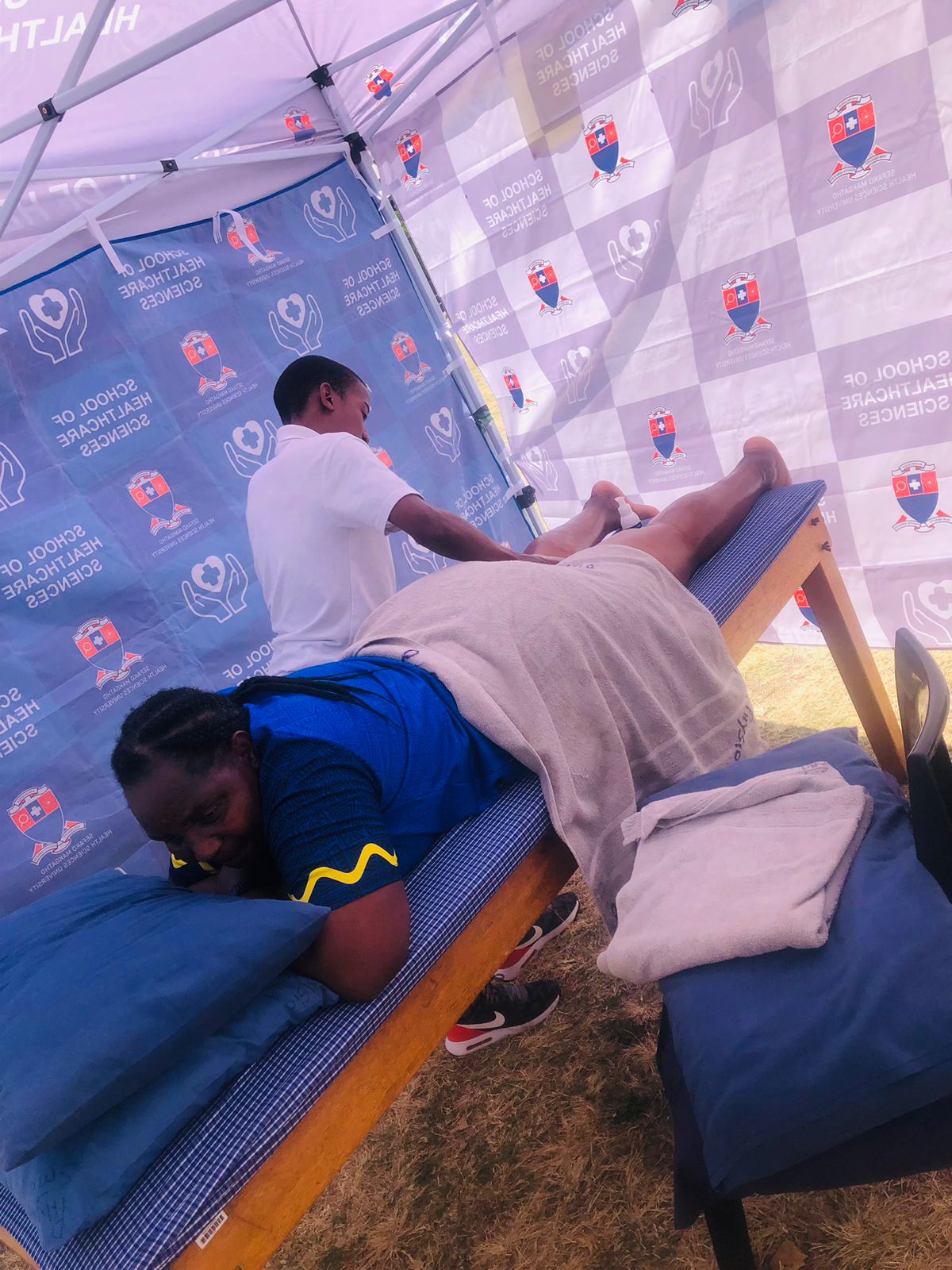
The event featured a dynamic line-up of activities designed to showcase the versatility of physiotherapy and the joy of movement. Aerobic sessions set the tone with high-energy routines filled with music and enthusiasm, proving that exercise can be both fun and accessible while boosting cardiovascular and muscular health. Staff members were introduced to Pilates classes, where controlled stretching, balance techniques, and core-strengthening exercises highlighted the benefits of mindful movement for both body and mind. Adding a restorative touch, massage stations run by physiotherapy students under lecturer supervision offered relaxation while doubling as a valuable hands-on training experience. Together, these activities embodied the essence of healthy ageing—staying active, balanced, and rejuvenated.
The activities balanced movement with restorative care, embodying the essence of healthy ageing—maintaining vitality while knowing when to rejuvenate. For students, the day reinforced the real-world impact of their profession. “This event motivates us as students,” said Bakang Tsubane, a second-year Physiotherapy student. “It reminds us that our work goes beyond the classroom—it touches lives directly.”
 Globally, the Healthy Ageing theme addresses the pressing challenges of ageing populations. Longer life expectancies bring the need to manage chronic conditions, prevent falls, and maintain autonomy. Physiotherapists design targeted exercise programmes, enhance mobility, and support recovery, ensuring older adults retain independence and dignity. SMU’s alignment with this international movement underscores the department’s commitment to equipping students for these critical societal needs.
Beyond exercise and therapy demonstrations, the event served as an educational platform. Students and staff engaged in discussions about best practices in geriatric care, the science behind physical activity, and the role of physiotherapy in public health. The celebration illustrated how the department extends learning beyond lectures, fostering awareness and inspiring healthy lifestyle choices within the university community.
By the day’s close, the library lawn reflected both energy and achievement. Staff members left rejuvenated, students felt inspired, and the department reaffirmed its leadership in health promotion and community engagement. The event demonstrated that physiotherapy is not merely a profession—it is a force for empowering communities to embrace active, independent, and fulfilling lives.
World Physiotherapy Day 2025 at SMU was more than a commemoration; it was a living example of how knowledge, movement, and community converge to create healthier futures. Through purposeful activities and collective participation, the Physiotherapy Department showcased that healthy ageing is not just a concept—it is achievable, sustainable, and transformative.
By Dimakatso Modise
by Lorato | Sep 17, 2025 | All News, SMU Media, Student Media
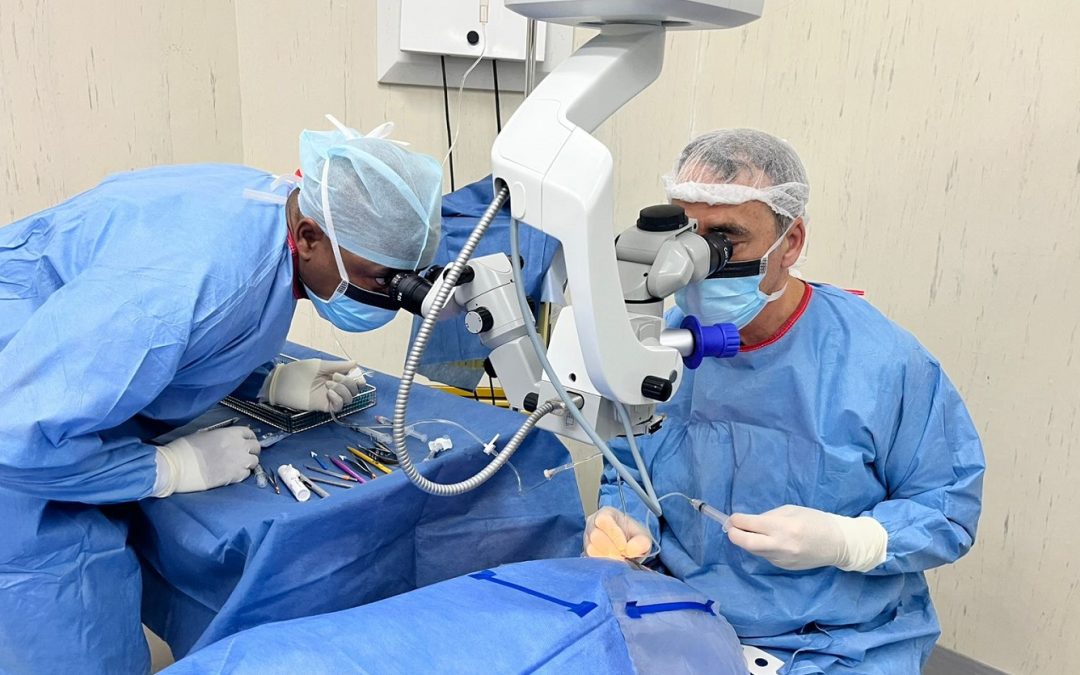
For patients in rural Mpumalanga, restored sight is more than medical care — it is the gift of independence. Recently, Ophthalmologists from Sefako Makgatho Health Sciences University (SMU) partnered with the Tshemba Foundation to provide voluntary consultations and cataract surgeries at Tintswalo Hospital in Acornhoek, Bushbuckridge.
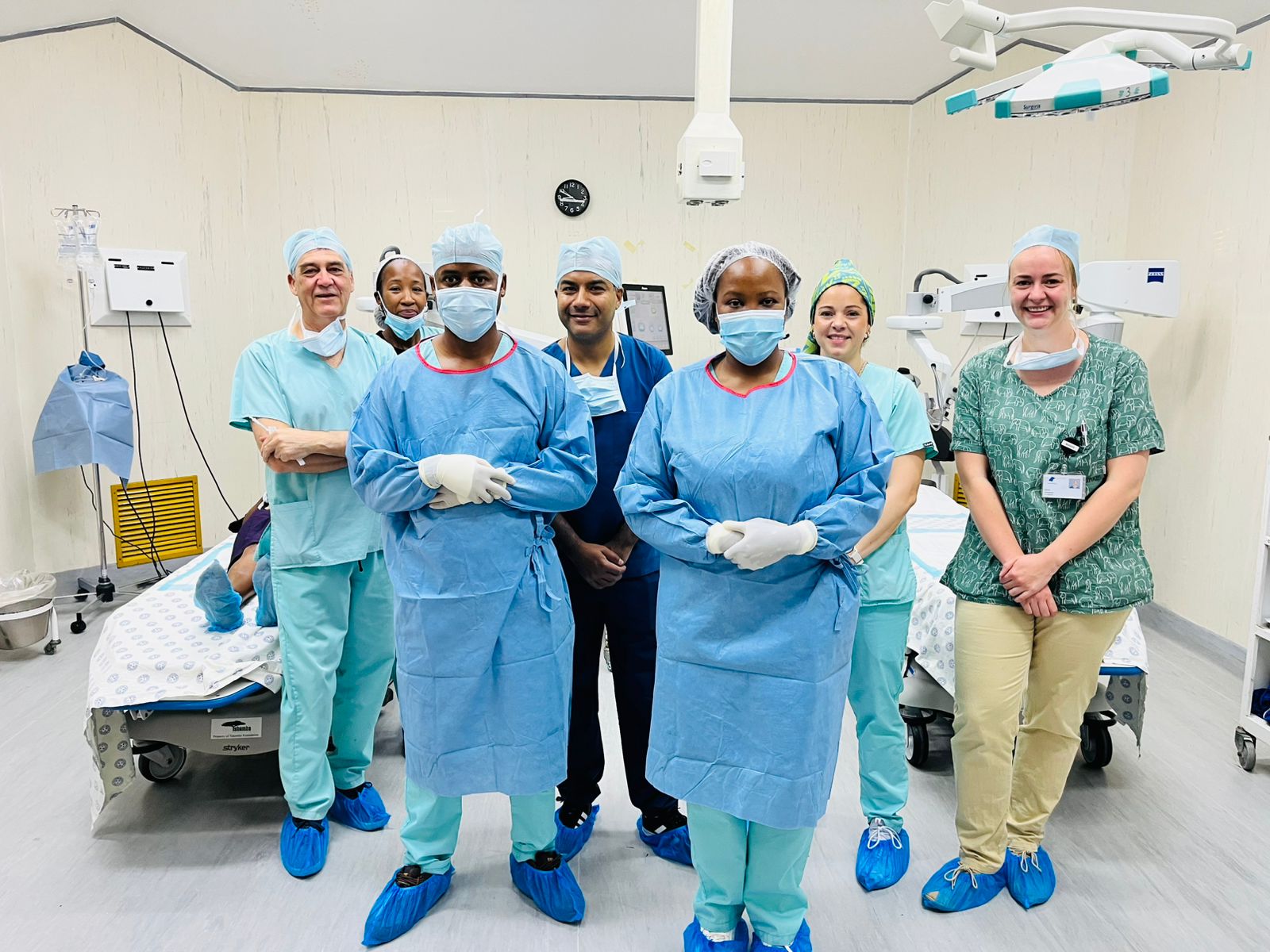 The Tshemba Foundation, a charity dedicated to closing healthcare gaps in underserved communities, provided accommodation for medical volunteers at its lodge in the Moditlo Game Reserve. Beyond lodging, the foundation renovated the eye clinic and theatre, equipping both with modern technology and essential consumables.
Hospital staff played a crucial role in ensuring smooth operations. Nurses and support teams worked weekends to assist with patient consultations, prepare for theatre, and manage post-operative follow-ups. “Their commitment ensures patients receive complete care from diagnosis to recovery,” said Prof Jan Olivier, Head of Ophthalmology at SMU.
Prof Olivier led the medical team alongside Dr Sachin Bawa, an SMU graduate now in private practice in Edenvale. Dr Bawa brought three experienced scrub sisters from private hospitals to assist in the theatre. All volunteers covered their own transport and meals, with accommodation provided by the foundation — a clear demonstration of service over self.
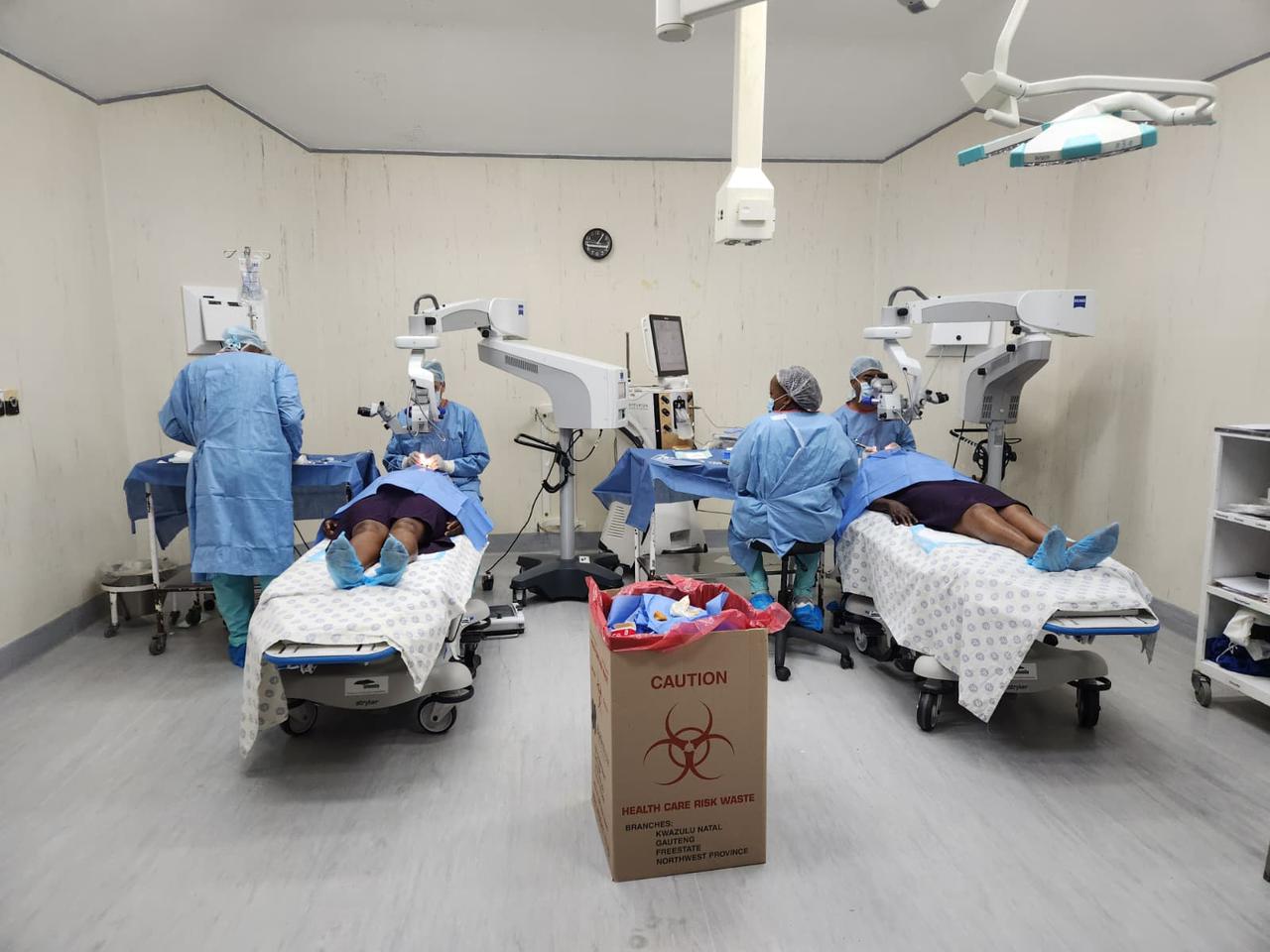 The results were remarkable. In just two days, Olivier consulted 150 patients. Over the following two days, he and Bawa performed 55 cataract surgeries. Patients typically arrive on the day of surgery, return home immediately afterwards, and come back the next day for follow-up. This approach maximises efficiency while minimising disruption to patients’ lives.
For the medical team, the reward is profoundly human. “Every restored eye reminds us of the urgent need for accessible healthcare in rural South Africa,” Olivier reflected. Cataracts, a leading cause of blindness worldwide, can often be corrected in under 30 minutes when skilled care is provided.
The Tshemba Foundation describes its mission as connecting healthcare professionals to rural communities where they can make the greatest impact. The initiative exemplifies how collaborative partnerships between academia, private practice, and local hospitals can transform lives.
Bawa highlighted the broader significance: “This work isn’t just about surgery; it’s about giving people independence, dignity, and hope. Every patient we help motivates us to continue bridging healthcare gaps.”
For SMU’s Department of Ophthalmology, these visits are more than clinical exercises — they reflect the university’s mission to advance healthcare in South Africa through compassion, innovation, and excellence. By engaging students, hospital staff, and private practitioners in outreach, SMU is cultivating a culture of service and leadership that will strengthen the country’s healthcare system.
As Olivier summarised, “When expertise, passion, and community converge, we don’t just restore sight — we change lives.”
By Tumelo Moila
by Lorato | Sep 17, 2025 | All News, SMU Media, Student Media
The Department of Radiography at Sefako Makgatho Health Sciences University (SMU) has made 2025 a landmark year for community engagement, blending academic rigour with meaningful service. With projects spanning health awareness campaigns, career outreach, student wellness, and industry collaboration, the department has positioned itself as a leader in socially responsive education.
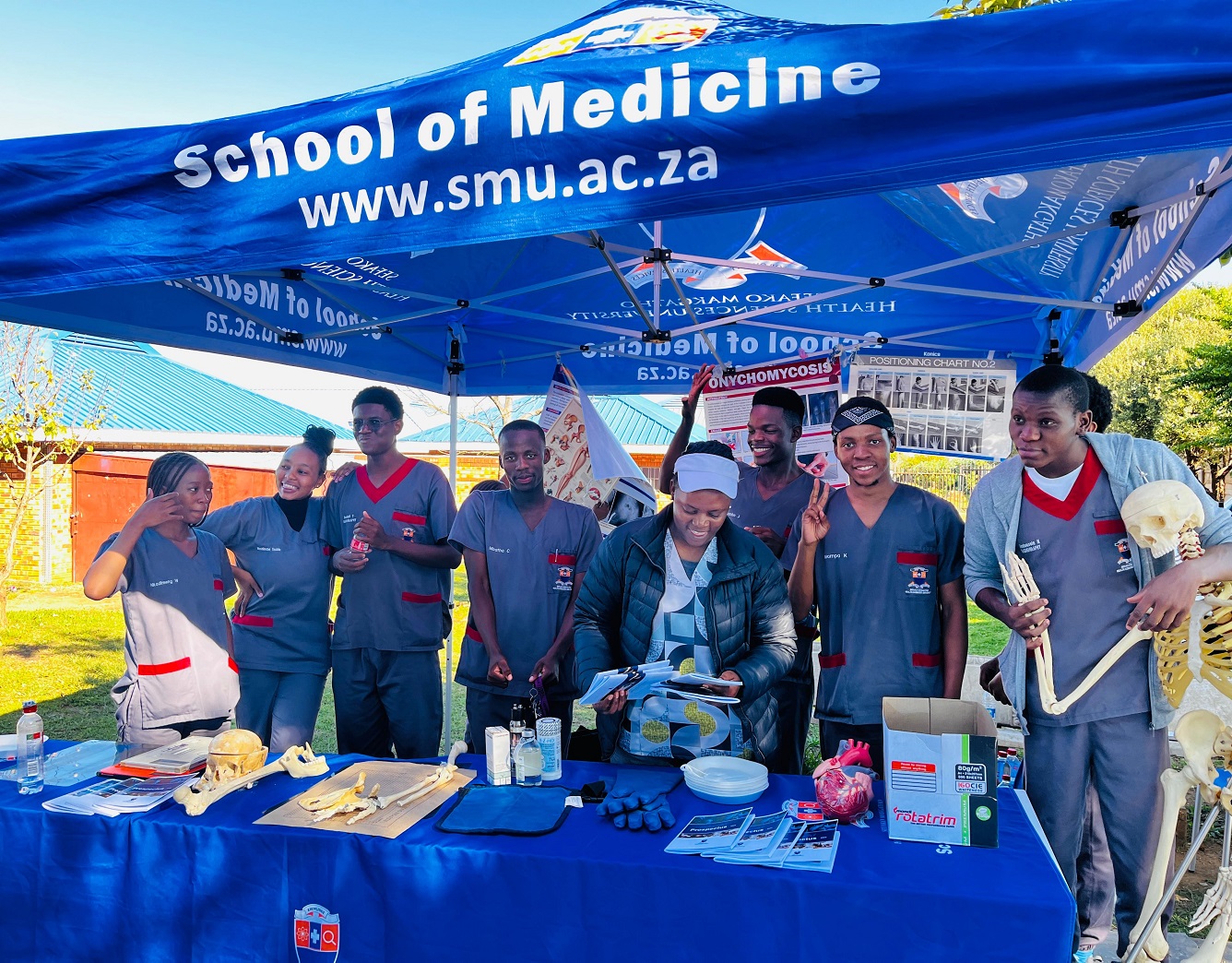 Clarity and confidence drive the message. As lecturer, Tebogo Baloyi, explains: “Education does not stop at the classroom door. Our mission is to ensure that students graduate not only with technical expertise, but also with a sense of purpose and responsibility to the communities they will serve.”
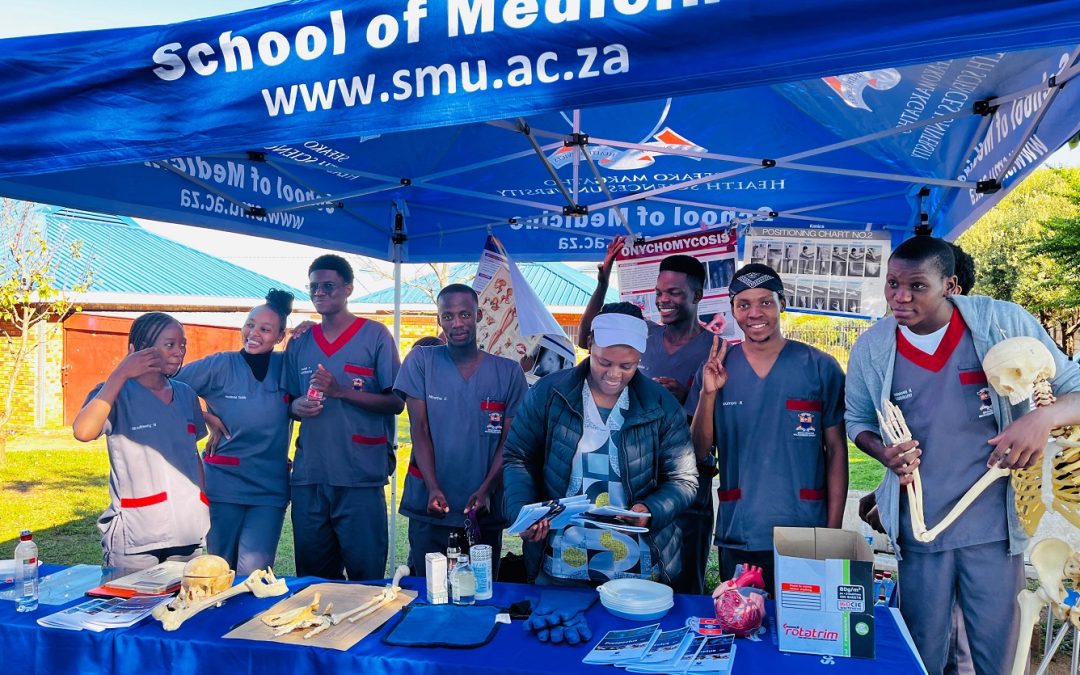
Among the year’s highlights was the department’s participation in the Gauteng Health Radiography Career Expo and school outreach visits to Raymond Mhlaba School. These events aimed to demystify radiography and inspire learners to pursue careers in science, technology, engineering, and mathematics (STEM). By directly engaging with young audiences, students themselves became ambassadors for the profession, gaining confidence while motivating the next generation.
Health awareness was another central theme. The Breast Cancer Awareness campaign, a testament to the department’s ongoing commitment, together with the World Radiography Day initiative led by the Radiography Student Organisation, brings life-saving knowledge to underserved communities. Held annually in October, these events shine a spotlight on the indispensable yet often overlooked role of radiographers — working behind the scenes to enable accurate diagnoses and effective treatment.
The department also placed strong emphasis on student well-being and belonging. The innovative B RAD I Coffee Date, held recently, created a safe space for first-year students to connect, reflect, and share challenges. Ice-breakers, storytelling sessions, and mentorship activities turned a simple coffee gathering into a powerful intervention for mental health and academic adjustment. One student, Bophelo Seroma, described it as “the first time I felt truly seen and supported at university.”
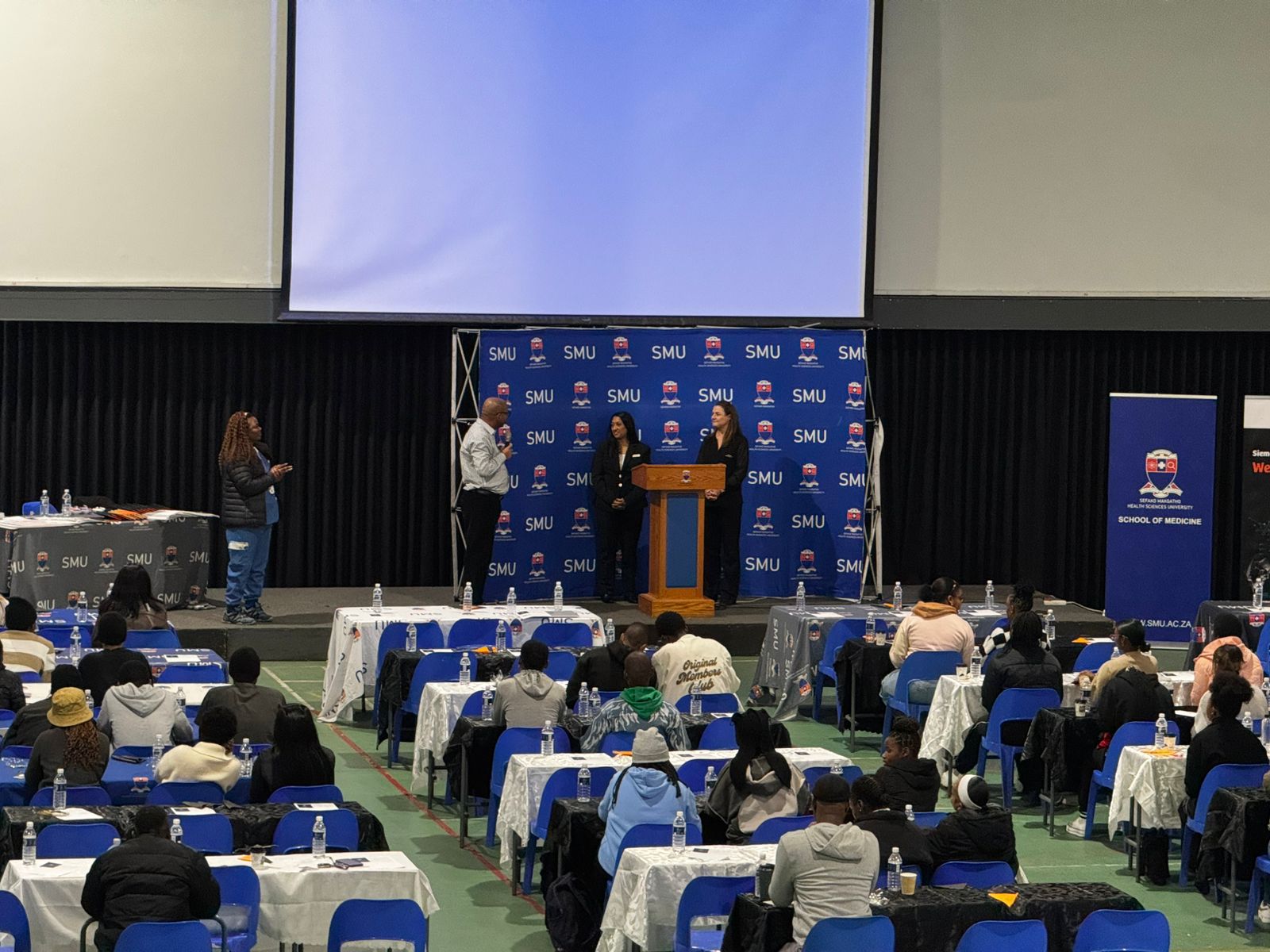 Support extended beyond conversation. In collaboration with the School of the Kingdom Ministry, the department distributed 12 grocery hampers to financially vulnerable students. Such gestures, though modest, have a tangible impact on retention, concentration, and morale. “You cannot expect a student to excel academically when they are hungry,” Baloyi noted. “Our responsibility is holistic: mind, body, and spirit.”
In terms of professional development, the department’s partnership with industry leaders stood out. A Contrast Media Workshop, delivered with GE Healthcare and TecMed, gave third-year Bachelor of Diagnostic Radiography students rare hands-on exposure to advanced imaging technologies and patient safety protocols. Similarly, Siemens Healthineers sponsored the Beauty of Radiography workshop, where both staff and students explored emerging innovations such as artificial intelligence in imaging. These collaborations bridged theory and practice, aligning curriculum with the rapidly evolving demands of healthcare.
The department measures success not only by participation numbers but also by transformation. Feedback from final year students Neo Makgota and Allison Pepler reveals greater confidence, improved clinical skills, and a stronger sense of belonging. Community partners, too, have praised the department’s consistent presence and professionalism.
Looking ahead, the department plans to expand industry partnerships, increase outreach frequency, and introduce specialised workshops in interventional radiology and AI applications. Baloyi sums it up best: “Every initiative we launch is designed to answer a single question: how can we make radiography education more relevant, impactful, and humane?”
In 2025, the Department of Radiography has shown that great writing advice also applies to great teaching: clarity signals confidence, relevance beats cleverness, and one strong intervention can transform everything.
By Tumelo Moila
by Lorato | Sep 17, 2025 | All News, SMU Media, Student Media
Three undergraduate radiography researchers from Sefako Makgatho Health Sciences University (SMU) have returned from the prestigious Society of Radiographers of South Africa–International Association of Forensic Radiology (SORSA-IAFR) 2025 Congress with renewed inspiration and a determination to advance their profession. The event, held from 5–7 September in Cape Town, brought together local and international experts in medical imaging, forensic radiology, and healthcare innovation.
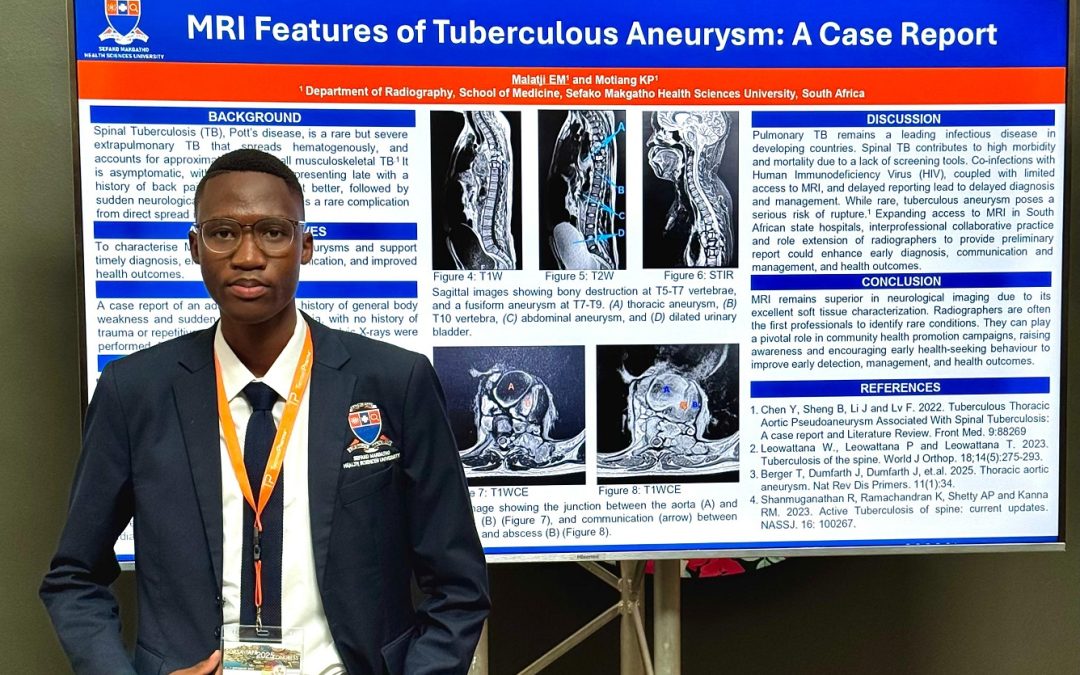
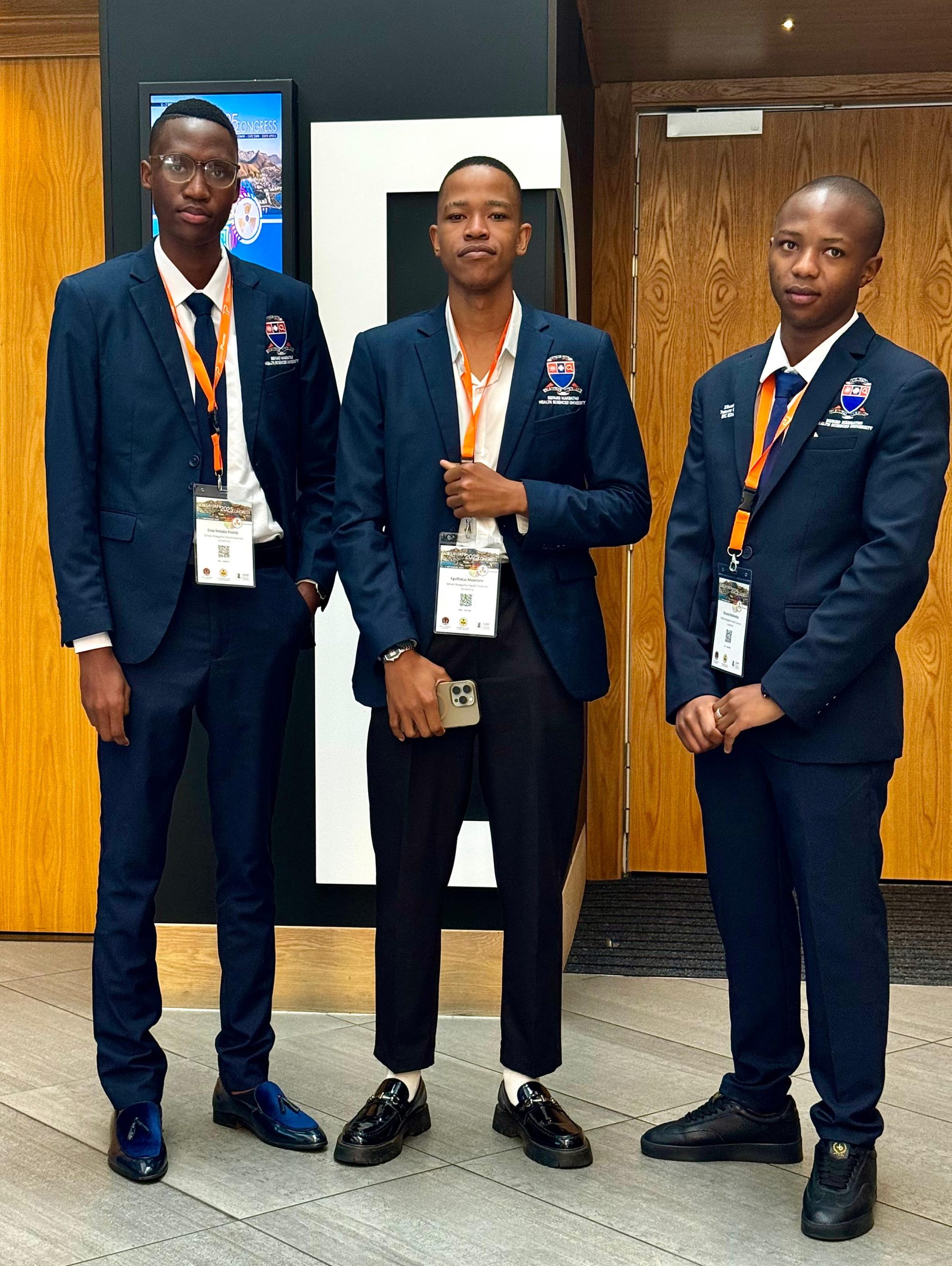 For SMU students Enos Malatji, Kgothatso Mabelane and Sibusiso Makhamba, participation in the congress was not only an academic milestone but also a chance to represent South African radiography students on a global platform. Each student delivered scientific presentations on topics ranging from spinal tuberculosis and MRI brain tumour segmentation to forensic imaging practices in hospitals and laboratories. Their work was met with encouraging feedback, sparking dialogue about the role of young researchers in shaping the future of radiography.
“Standing on an international stage as a student gave me real hope for the future of our profession,” Malatji reflected. “The feedback we received showed that people believe in students’ contributions, and that motivates us to keep pushing boundaries.”
The congress was also a moment of discovery. The SMU team noted the rapid pace of technological innovation in radiography worldwide, from advanced diagnostic tools to new forensic applications. For Mabelane, this highlighted both the opportunities and the challenges facing South Africa. “Our profession is evolving so quickly. Yet, compared to other countries, radiography here is still less recognised. Sustained collaboration with international peers will help us close that gap,” he said.
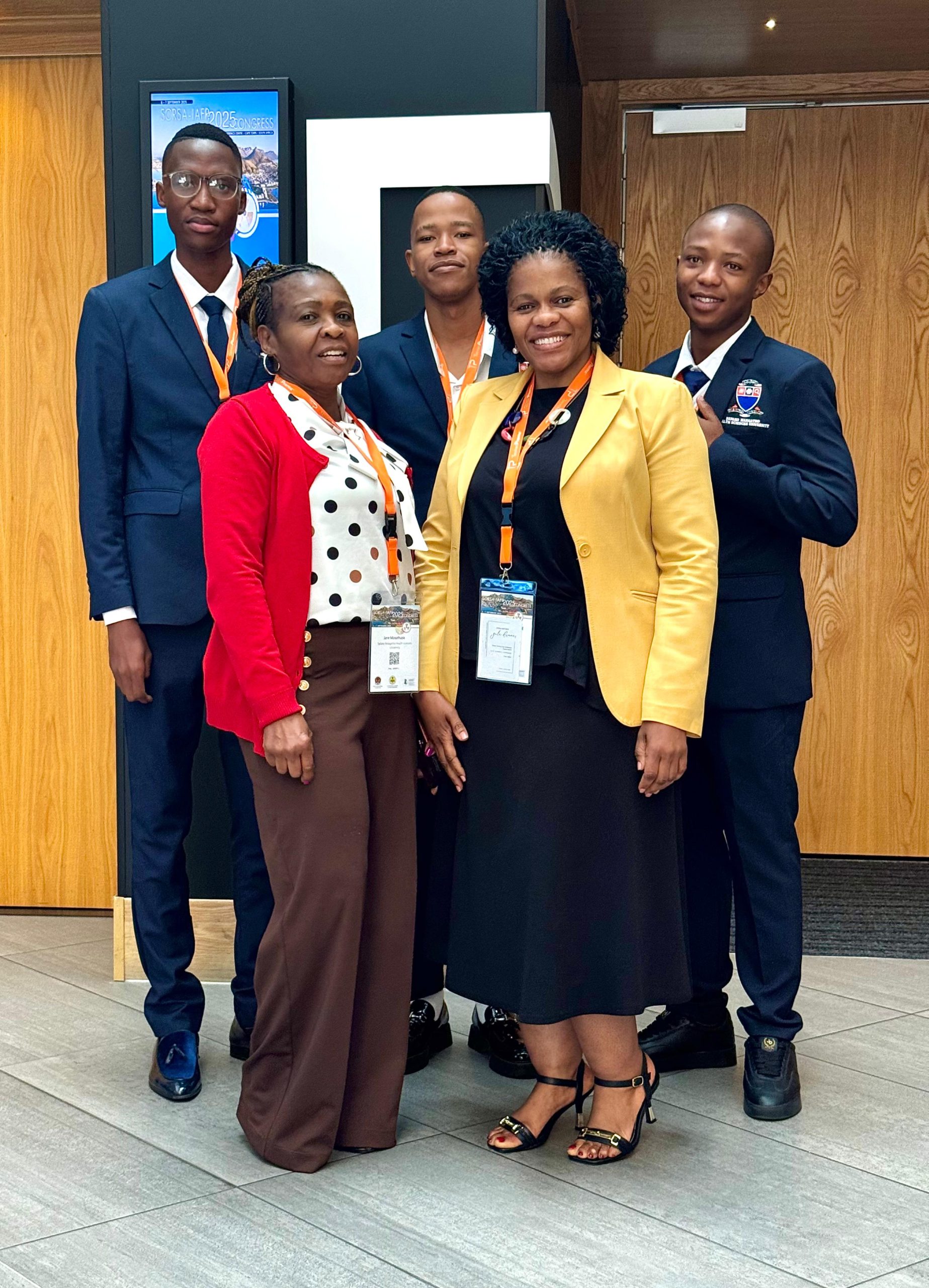 Their participation was not limited to presenting research. Malatji was invited to address the SORSA National Council Meeting prior to the congress, where he outlined strategies for mobilising students across the country to strengthen radiography through advocacy, research and leadership. He emphasised that student involvement was essential to give the profession a “fresh voice with energy and innovation.”
Beyond academic recognition, the congress also opened doors to professional opportunities. Malatji’s presentations caught the attention of several companies, two of which expressed interest in employing him in the future and exploring ways to invest in student development. “It was humbling to realise my work is not just for me, but for the profession at large,” he said.
The students also paid tribute to their supervisors, Khomotso Motiang and Jane Mosathupa, whose dedication and mentorship made their participation possible. “She worked tirelessly, sacrificed so much, and guided us like both a supervisor and a parent,” Malatji noted.
With research posters to be shared on campus notice boards and a renewed commitment to student-led initiatives, the SMU Radiography Students Organisation is set to carry forward the momentum from Cape Town. “If students can embrace research early in their academic journey, we can raise a generation of strong researchers and advocates,” Makhamba said.
The SORSA-IAFR 2025 Congress was more than an academic event for SMU’s young radiographers – it was a catalyst. It placed them firmly on the map of international radiography and reaffirmed their role in shaping the future of the profession in South Africa and beyond.
By Tumelo Moila
by Lorato | Sep 17, 2025 | All News, SMU Media, Student Media
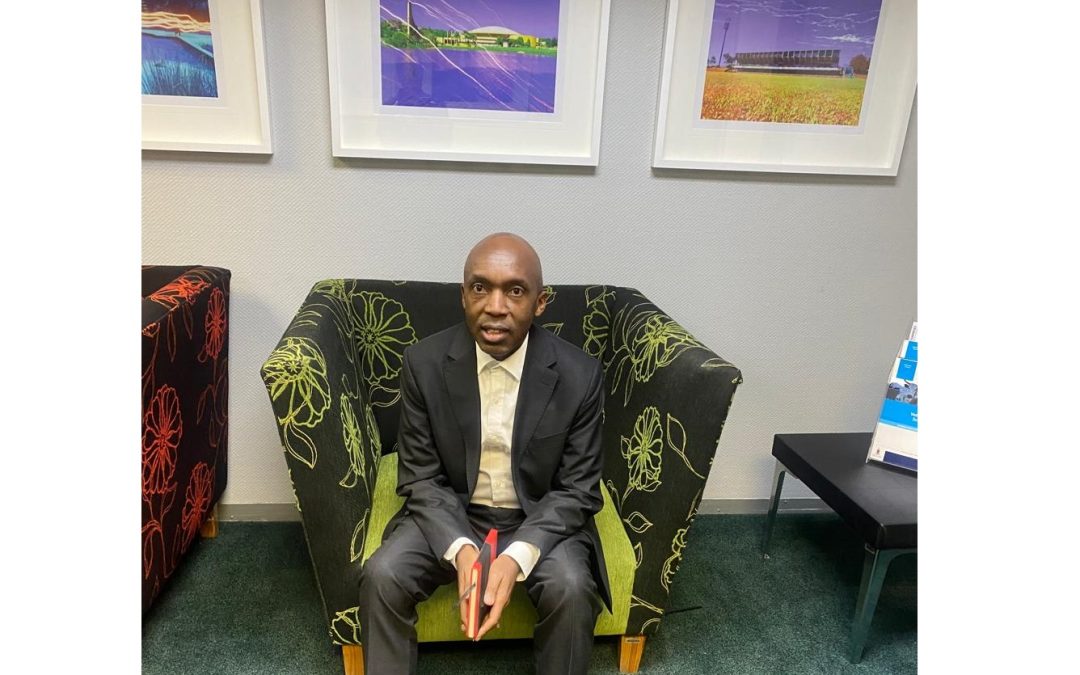
Sefako Makgatho Health Sciences University (SMU) has welcomed Letsai William Mashishi as its new Senior Officer: Convocation Administration, a strategic appointment that places him at the heart of convocation relations, governance, and institutional development. His role encompasses convocation relations administration, committee secretariat duties, project coordination, payment administration, and ensuring compliance with institutional safety, health, and environmental policies.
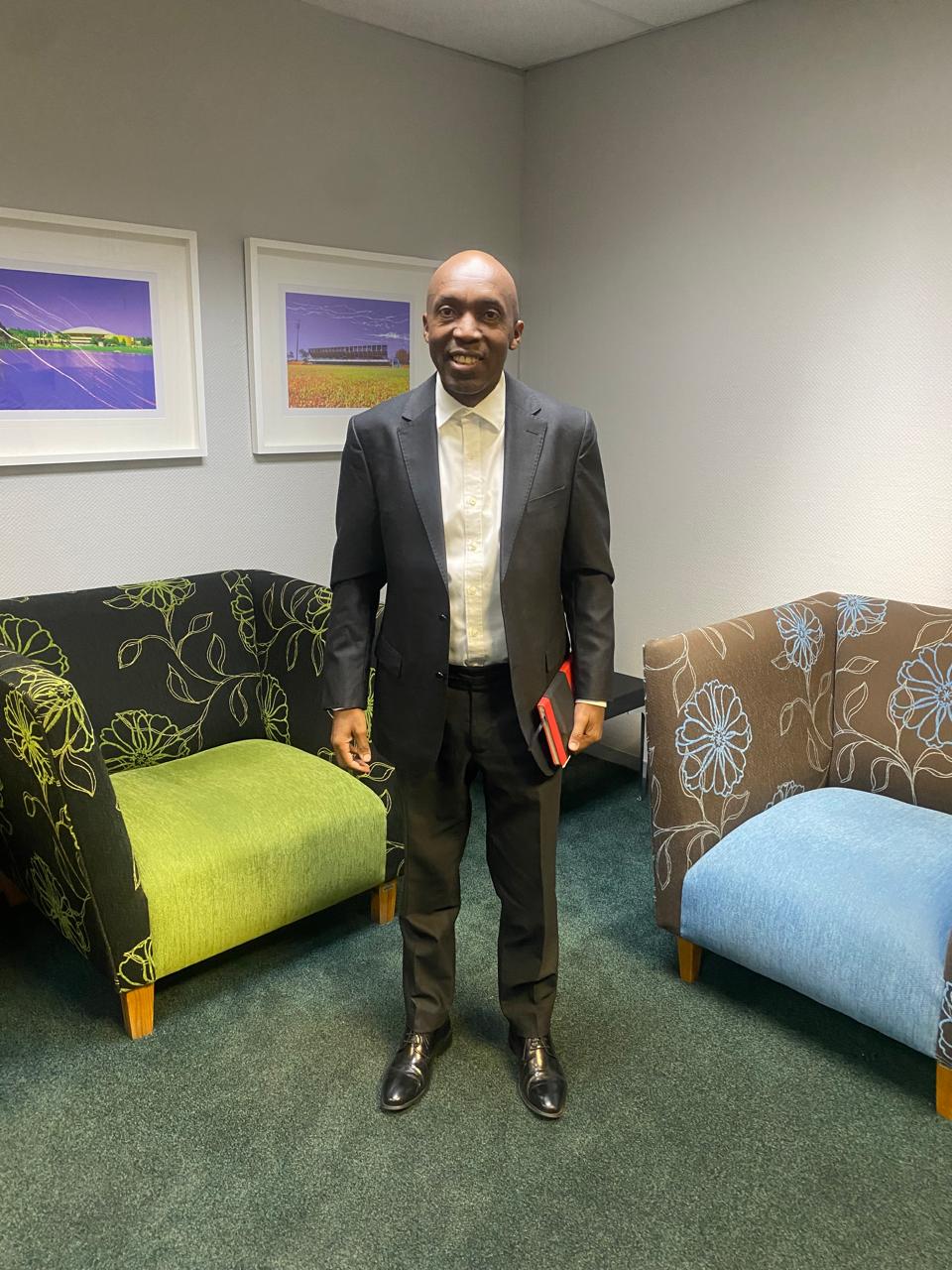 Born and raised in Soshanguve, Mashishi’s journey into higher education was defined by perseverance, academic excellence, and an enduring passion for administration. He earned his National Diploma in Marketing from the Tshwane University of Technology (TUT) before expanding his qualifications at the University of South Africa (UNISA), where he achieved a B-Tech in Marketing, a Postgraduate Diploma in Business Administration, and a Master of Business Leadership. He is now pursuing a Doctor of Business Leadership at UNISA’s School of Business Leadership, which he expects to complete in 2026.
His career in higher education administration began at UNISA in 2009, where he quickly rose through the ranks, serving as Business Development Specialist and later as Acting Director of Executive Education. These roles honed his skills in strategy development, project management, stakeholder engagement, and executive education programme delivery. Over a span of 14 years, Mashishi built a formidable reputation as a leader capable of managing resources, people, and projects with precision.
His academic journey has also been underscored by a commitment to research and scholarship. In September 2025, he presented preliminary findings from his doctoral research at the Short Learning Programmes Intervarsity Forum, hosted by the University of the Free State. This milestone, he says, reinforced his love for research and the value of contributing to academic knowledge while advancing institutional development.
At SMU, Mashishi’s central focus is on supporting the Convocation structure – a statutory governance body responsible for linking the University with its alumni and former academic staff. “Convocation represents continued engagement with our alma mater. Its members are brand ambassadors, mentors, volunteers, and donors who play a vital role in advancing SMU’s strategic objectives,” he noted.
He aligns his work with SMU’s Strategy 2024–2028, which emphasises strengthening alumni networks to secure donor funding, industry partnerships, and third-stream income. For Mashishi, this is more than administration; it is about building sustainable pathways for SMU’s growth and influence.
The demands of his portfolio are considerable, often extending beyond office hours to accommodate the schedules of Convocation Executive Committee members. “Flexibility is crucial,” he reflected. “Evening and weekend meetings are part of the rhythm of this role, ensuring constant communication and alignment with stakeholders.”
His work also requires meticulous governance and confidentiality. “All documents are securely stored on password-protected platforms. Upholding governance standards and trust is non-negotiable,” he emphasised.
Looking to the future, Mashishi sees data management and fundraising as transformative tools to enhance alumni participation. Personally, he is inspired by the broader vision: “With declining government funding, universities must rely more on alumni and private donors. My focus is on building lasting networks that sustain SMU for generations to come.”
For young professionals aspiring to enter higher education administration, his advice is straightforward: “Be outward-looking, embrace continuous learning, and see beyond the immediate task. Higher education is about impact — both within the university and far beyond its walls.”
By Tumelo Moila