by Lorato | Sep 23, 2025 | All News, SMU Media, Student Media
Sefako Makgatho Health Sciences University (SMU) is abuzz as it prepares to welcome the Southern African Universities Staff Sports Association (SAUSSA) Games from 7–13 December 2025. For the first time, SMU will host the region’s premier staff sporting event, bringing together 19 universities from across Southern Africa, including Botswana, Eswatini, Lesotho, Malawi, Namibia, South Africa, Zambia and Zimbabwe.
 The excitement was palpable during the Chairperson’s Meeting at SMU, where delegates from all 20 SAUSSA member universities gathered to finalise preparations. The discussions covered facility inspections, accommodation readiness, security arrangements, and social cohesion strategies, ensuring that the 24th edition will run seamlessly.
SMU has allocated approximately 2,450 beds to host visiting staff athletes and officials, guaranteeing comfort and convenience throughout the week-long festival of sport. Security remains a priority, with law enforcement and local police present to ensure a safe and inclusive environment.
“This meeting set the tone for a historic Games,” said SAUSSA President Simon Makena. “We are confident SMU will rise to the occasion. The preparations and engagement we’ve seen inspire faith that this edition will be exceptional.”
For SMU, the event is more than a competition; it is an opportunity to showcase hospitality, culture, and regional unity. “Hosting this event allows us to bring universities together through sport and foster collaboration beyond borders,” said Caroline Moeletsi, Chairperson of SMU Staff Sports Association (SMUSSA). “With every detail inspected and approved, SMU is ready to deliver an unforgettable experience.”
The Games will feature a rich variety of sporting codes—from athletics, soccer, and netball to volleyball, tennis, tug-of-war, basketball, darts, chess, and the ever-popular Super 8 Pool. Each discipline allows athletes to shine while promoting healthy competition, teamwork, and institutional pride.
Under the theme “Fostering Regional Integration through Sports,” the SAUSSA Games extend beyond medals and trophies. They serve as a platform for cultural exchange, relationship-building, and strengthening ties across the Southern African Development Community (SADC). Athletes and staff alike will experience the vibrancy of the region, forging connections that extend beyond the playing fields.
SMU is pulling out all the stops to ensure participants enjoy top-tier facilities, vibrant cultural showcases, and a warm welcome. The university aims to highlight South Africa’s growing role as a hub for regional sports and cultural events, while promoting wellness, camaraderie, and social cohesion among university employees.
As the countdown begins, anticipation is high. The 24th SAUSSA Games promise a week of exhilaration, unity, and celebration—where athletic excellence meets cultural pride, and regional collaboration takes centre stage. From thrilling competitions to shared experiences across borders, this landmark event is set to leave a lasting impression on all participants. Let the Games begin, and let SMU shine on the regional stage.
By Rose Moreki
by Lorato | Sep 23, 2025 | All News, SMU Media, Student Media
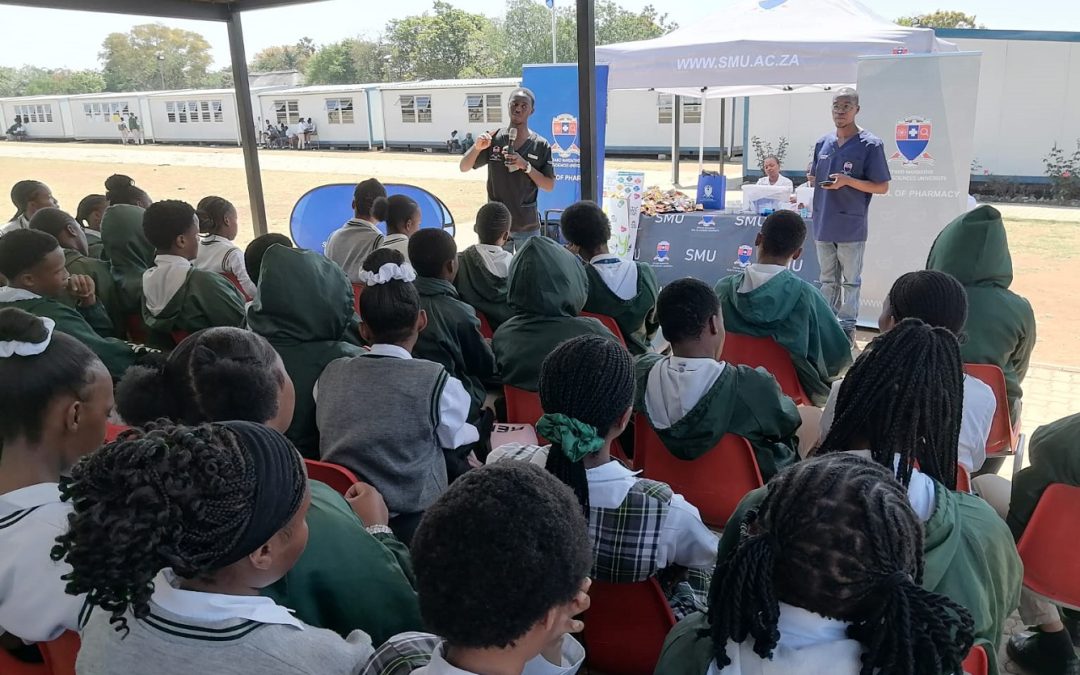
The open-air shelter at Theresa Park Secondary School was buzzing with excitement as Grade 10 learners stepped into a world beyond textbooks. On this sunny day, the Clinical Pharmacy Department at Sefako Makgatho Health Sciences University (SMU) transformed the space into a lively science hub, sparking curiosity about careers in Pharmacy and showing students that the field reaches far beyond pills and prescriptions.
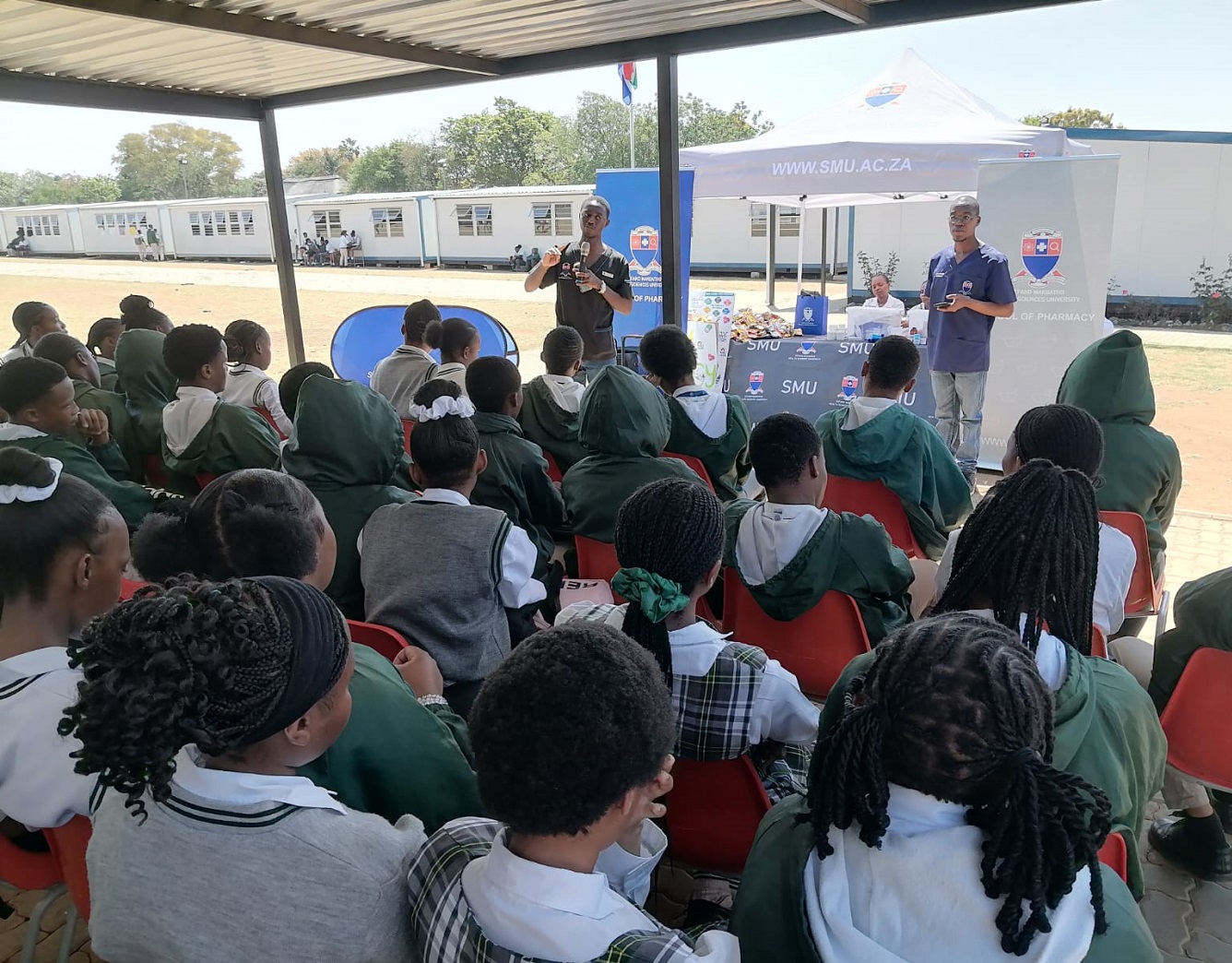 Theresa Park Secondary is a young school—just two years old—but it is already making strides in Mathematics and Science. The visit from SMU gave learners more than information; it gave them a vision. Instead of passively listening, they engaged, asked questions, and began to picture themselves as future healthcare professionals.
Leading the session was Justice Luvhimbi, a PhD candidate in SMU’s School of Pharmacy. With energy and conviction, he told learners: “Pharmacy is about more than medicines—it’s about research, problem-solving, and improving lives. The choices you make today will shape the opportunities you can seize tomorrow. Stay curious, work hard, and believe in your potential.” His message was clear: success is built on focus and determination.
The interactive format kept the learners on their toes. Presenters introduced them to Pharmacy’s many branches—hospital and community practice, pharmaceutical research, regulatory affairs, and academia—painting a picture of a career rich with possibilities. The outdoor setting encouraged honest conversations as students asked about study requirements, real-world applications, and the difference pharmacists make in communities.
For the school, this was more than a career talk; it was a milestone. Deputy Principal Judith Nketlepe Maduwe praised the initiative: “Career guidance is essential for our learners. SMU’s visit informs and inspires. It shows our students what is possible when ambition meets education and motivates them to aim high in their studies and their future.”
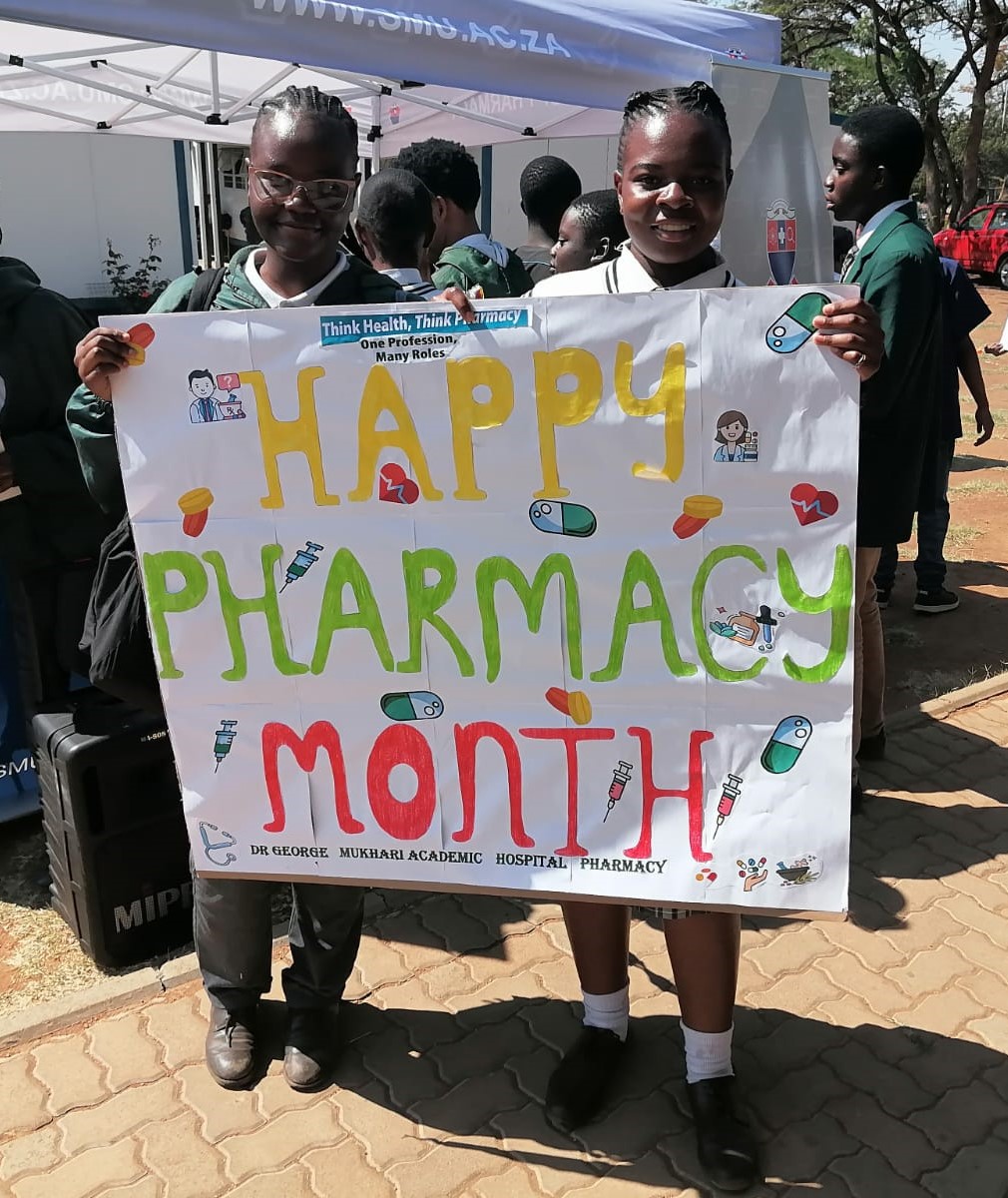 The learners’ enthusiasm told its own story. Grade 10 student Shalomiele Middleton left with a new perspective: “I now see that Pharmacy is about helping people, doing research, and even teaching. This session has motivated me to work harder in Maths and Science so I can achieve my dreams.”
The outreach reflects SMU’s broader mission: to connect universities with communities and spark ambition in the next generation of scientists and healthcare professionals. By stepping into schools, SMU creates real-world opportunities for learners to see, ask, and dream. These interactions bridge the gap between classroom theory and professional practice, inspiring students to shape futures in health sciences.
For Theresa Park Secondary, hosting SMU’s Pharmacy team underscored its commitment to holistic education. Though still young, the school is laying solid foundations by exposing its learners to meaningful career pathways. For the learners, the day was a glimpse of possibility: a reminder that dedication to Maths and Science today can shape the healthcare solutions of tomorrow.
Through initiatives like this, SMU proves that education is not confined to lecture halls. By blending culture, curiosity, and community engagement, the university is nurturing future pharmacists and scientists who are not only knowledgeable but motivated to make a lasting impact on society.
By Dimakatso Modise

by Lorato | Sep 17, 2025 | All News, SMU Media, Student Media
From the dusty footpaths of a rural Limpopo village to the lecture halls of Sefako Makgatho Health Sciences University (SMU), Dr Mashudu Nemakanga’s story is one of grit, sacrifice, and triumph. Born to a gardener and a domestic worker, he grew up with little material wealth but an abundance of determination. “My upbringing taught me resilience in overcoming challenges associated with poverty,” he reflects.
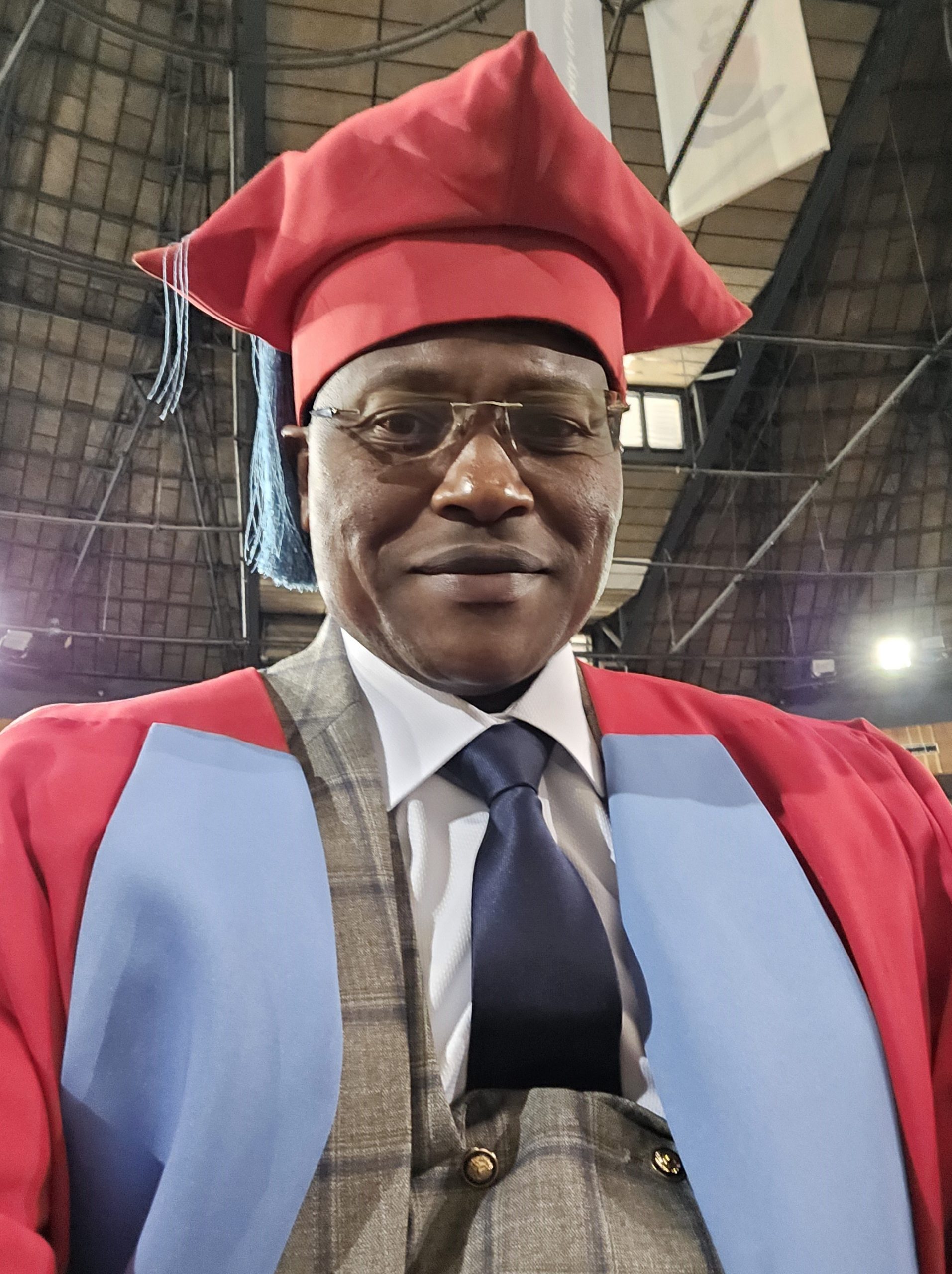 That resilience became the foundation of a doctoral journey marked by setbacks and breakthroughs. Dr Nemakanga’s PhD was far from smooth. He changed supervisors three times, struggled with inconsistent guidance, and balanced the competing demands of family, a private practice, and research deadlines. The emotional and physical toll was heavy. “Changing supervisors posed several challenges that impacted my progress and emotional well-being,” he admits.
Yet through the turbulence, he discovered independence and discipline. “Pursuing a PhD was a transformative experience, marked by personal and intellectual growth. It was a journey of curiosity and discovery.”
Despite the obstacles, support systems emerged. SMU fully funded his doctoral studies, while his line manager offered flexible working hours to help him concentrate on research. Most importantly, mentors played a decisive role. “The outstanding person who supported me was my supervisor, Professor Mavis Mulaudzi. She gave me hope, courage, and resilience,” he says. He also credits Dr Enos Ramano for detailed feedback, Dr Mable Kekana for her guidance, and Professor Tivani Mashamba-Thompson for ensuring successful completion.
 The Occupational Therapy Department at SMU also stood firmly behind him. “They offered unwavering support and understanding through Ubuntu practice,” he recalls. Alongside personal growth, Nemakanga sharpened valuable research skills, from facilitating appreciative inquiry workshops to conducting scoping reviews. But the greatest achievement is the practical impact of his doctoral work.
His programme helps older persons maintain independence and quality of life through daily activities. “These activities are vital for sustaining independence. Occupational therapy programmes can reduce disability and improve geriatric health,” he explains. The programme is now available for clinicians to implement.
Looking back, Nemakanga treasures not only his academic success but also the personal lessons gained. “The PhD journey was transformative, fostering not only my academic skills but also my personal growth. It taught me patience, perseverance, self-discipline, and the importance of passion.” For SMU students aspiring to follow the same path, his advice is direct: “Know your motivation. Be clear about why you want a PhD. Choose wisely. Find a supervisor.”
From humble beginnings to the pinnacle of academia, Nemakanga proves that poverty is not destiny. His journey demonstrates that resilience and determination can turn obstacles into stepping stones. “PhD requires careful preparation,” he advises, “but it can transform you into more than a scholar—it shapes you into a leader ready to change society.”
Nemakanga, a lecturer at SMU and coordinator of undergraduate research and fundamentals of occupational therapy, has completed his PhD despite the challenges it presented. Reflecting on his journey, he said, “I have considered abandoning my PhD, but by the grace of the Lord, the guidance of Prof Mavis Mulaudzi and Dr Enos Ramano rejuvenated my strength to continue. They reminded me that my studies were already at an advanced stage and abandoning them would have been an act of invertebrate.”
His doctoral research focused on developing an occupational therapy programme for elderly people living with HIV/AIDS to support their engagement in activities of daily living. “In my thesis, I created a programme guided by the Occupational Therapy Practice Framework to address the specific needs of elderly patients, encompassing occupation, context, performance patterns, skills, and client factors,” he explained.
The programme, reviewed by experts through three rounds of the Delphi technique, aims to serve as both a proactive prevention strategy and an intervention to reduce disability and promote health and well-being among the elderly living with HIV. Nemakanga also serves as chairperson of the Undergraduate Research Committee within SMU’s School of Healthcare Sciences, continuing to shape the next generation of occupational therapists.
By Dimakatso Modise
by Lorato | Sep 17, 2025 | All News, SMU Media, Student Media
Sefako Makgatho Health Sciences University (SMU) celebrated World Physiotherapy Day on 8 September with a vibrant showcase of movement, education, and community spirit. This year’s theme, “Healthy Ageing,” highlighted the crucial role physiotherapists play in promoting mobility, independence, and lifelong wellness.
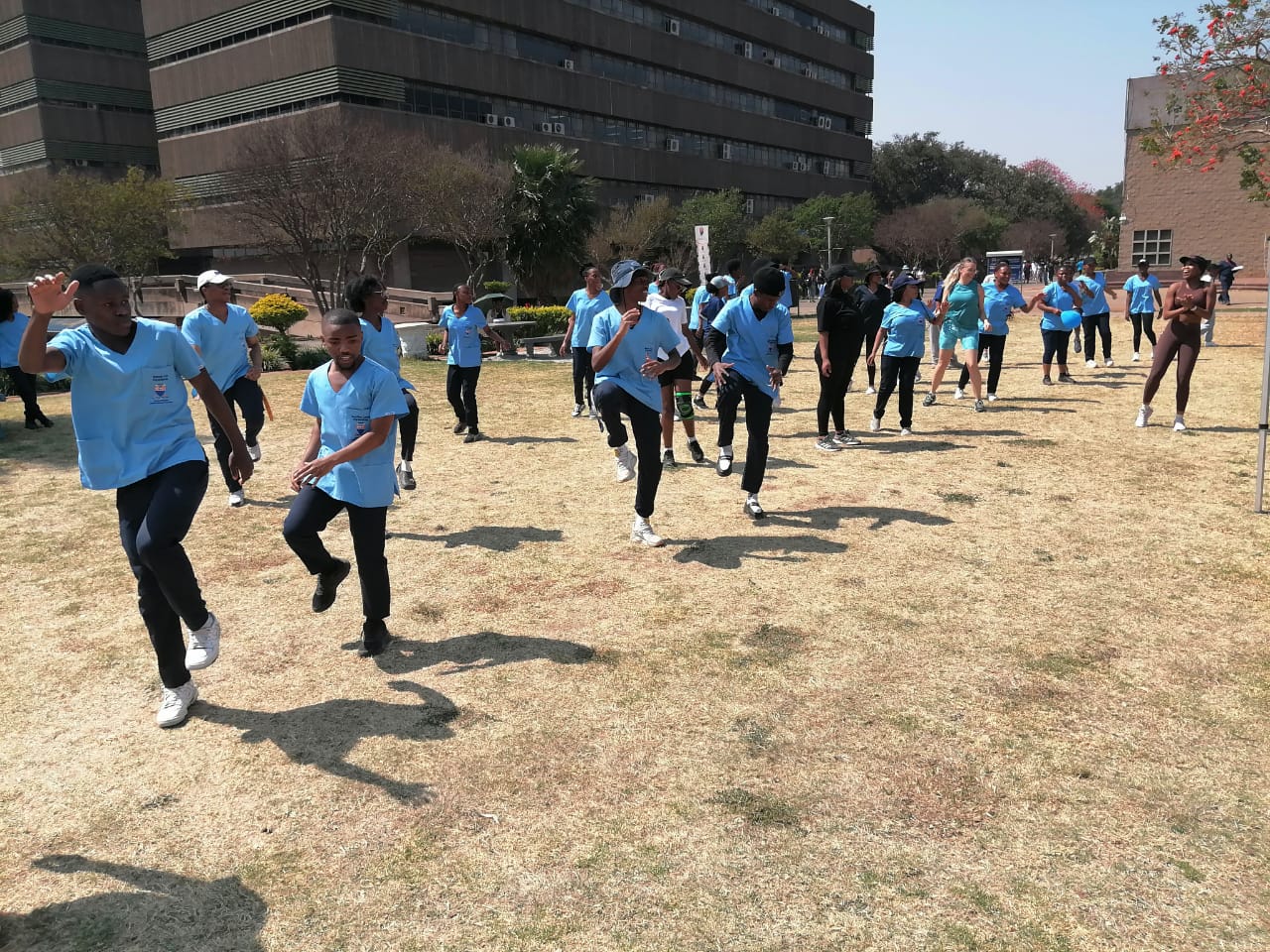
 The celebration kicked off on the library lawn with a fun walk that drew students, staff, and faculty. Acting Head of Department, Dr Muziwakhe Tshabalala, joined the participants, demonstrating leadership through action. “Staying active is essential for healthy ageing,” he said. “As future physiotherapists, we must practise what we preach.” His participation set the tone for a day dedicated to both learning and living the principles of physiotherapy.
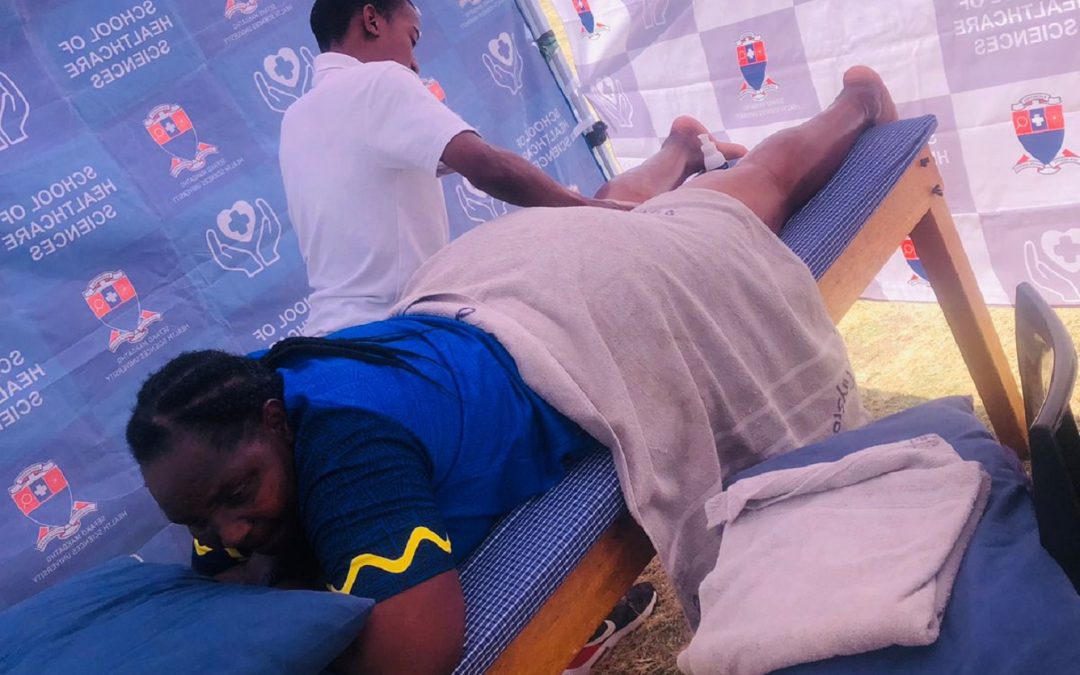
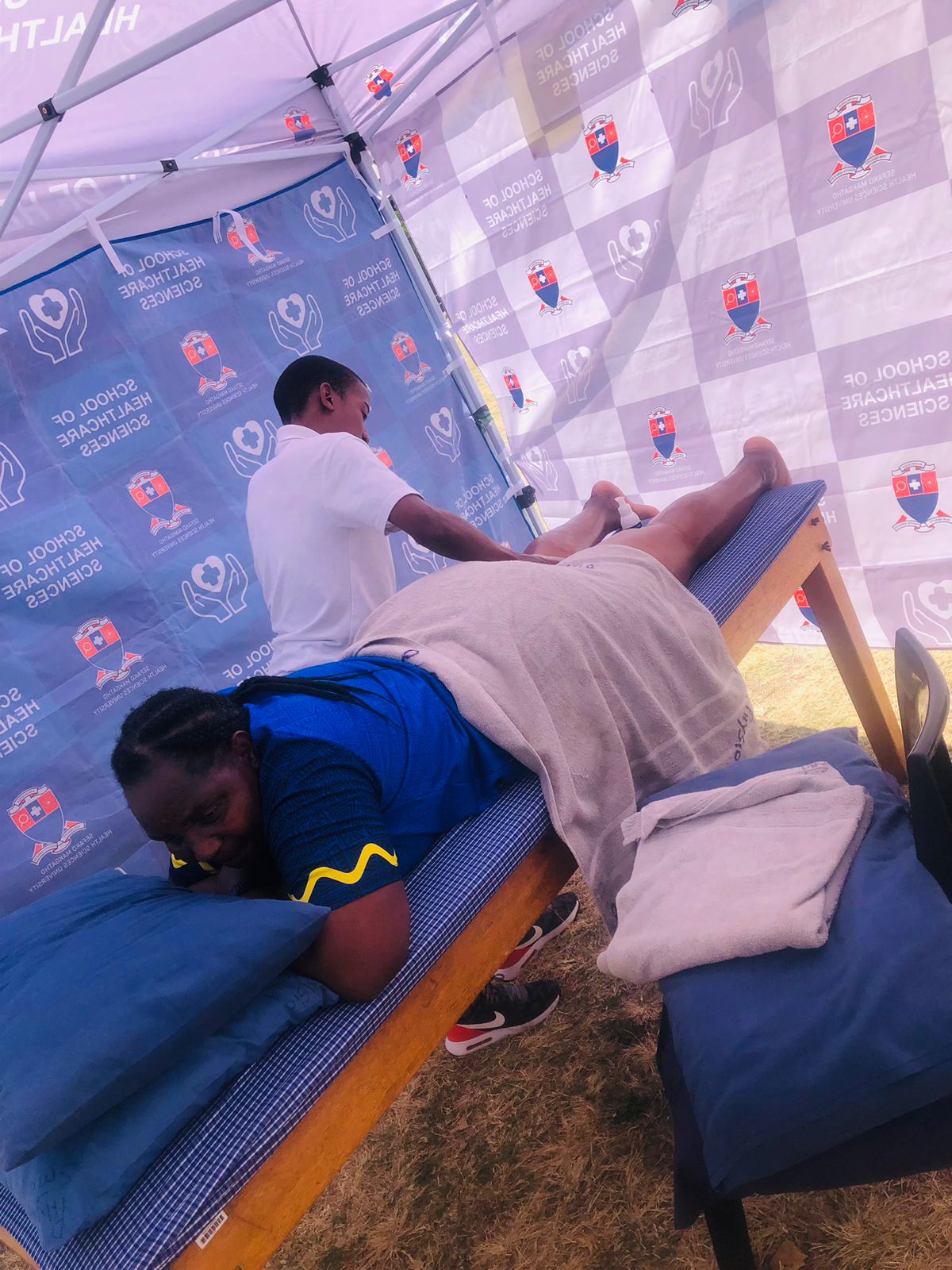
The event featured a dynamic line-up of activities designed to showcase the versatility of physiotherapy and the joy of movement. Aerobic sessions set the tone with high-energy routines filled with music and enthusiasm, proving that exercise can be both fun and accessible while boosting cardiovascular and muscular health. Staff members were introduced to Pilates classes, where controlled stretching, balance techniques, and core-strengthening exercises highlighted the benefits of mindful movement for both body and mind. Adding a restorative touch, massage stations run by physiotherapy students under lecturer supervision offered relaxation while doubling as a valuable hands-on training experience. Together, these activities embodied the essence of healthy ageing—staying active, balanced, and rejuvenated.
The activities balanced movement with restorative care, embodying the essence of healthy ageing—maintaining vitality while knowing when to rejuvenate. For students, the day reinforced the real-world impact of their profession. “This event motivates us as students,” said Bakang Tsubane, a second-year Physiotherapy student. “It reminds us that our work goes beyond the classroom—it touches lives directly.”
 Globally, the Healthy Ageing theme addresses the pressing challenges of ageing populations. Longer life expectancies bring the need to manage chronic conditions, prevent falls, and maintain autonomy. Physiotherapists design targeted exercise programmes, enhance mobility, and support recovery, ensuring older adults retain independence and dignity. SMU’s alignment with this international movement underscores the department’s commitment to equipping students for these critical societal needs.
Beyond exercise and therapy demonstrations, the event served as an educational platform. Students and staff engaged in discussions about best practices in geriatric care, the science behind physical activity, and the role of physiotherapy in public health. The celebration illustrated how the department extends learning beyond lectures, fostering awareness and inspiring healthy lifestyle choices within the university community.
By the day’s close, the library lawn reflected both energy and achievement. Staff members left rejuvenated, students felt inspired, and the department reaffirmed its leadership in health promotion and community engagement. The event demonstrated that physiotherapy is not merely a profession—it is a force for empowering communities to embrace active, independent, and fulfilling lives.
World Physiotherapy Day 2025 at SMU was more than a commemoration; it was a living example of how knowledge, movement, and community converge to create healthier futures. Through purposeful activities and collective participation, the Physiotherapy Department showcased that healthy ageing is not just a concept—it is achievable, sustainable, and transformative.
By Dimakatso Modise
by Lorato | Sep 17, 2025 | All News, SMU Media, Student Media
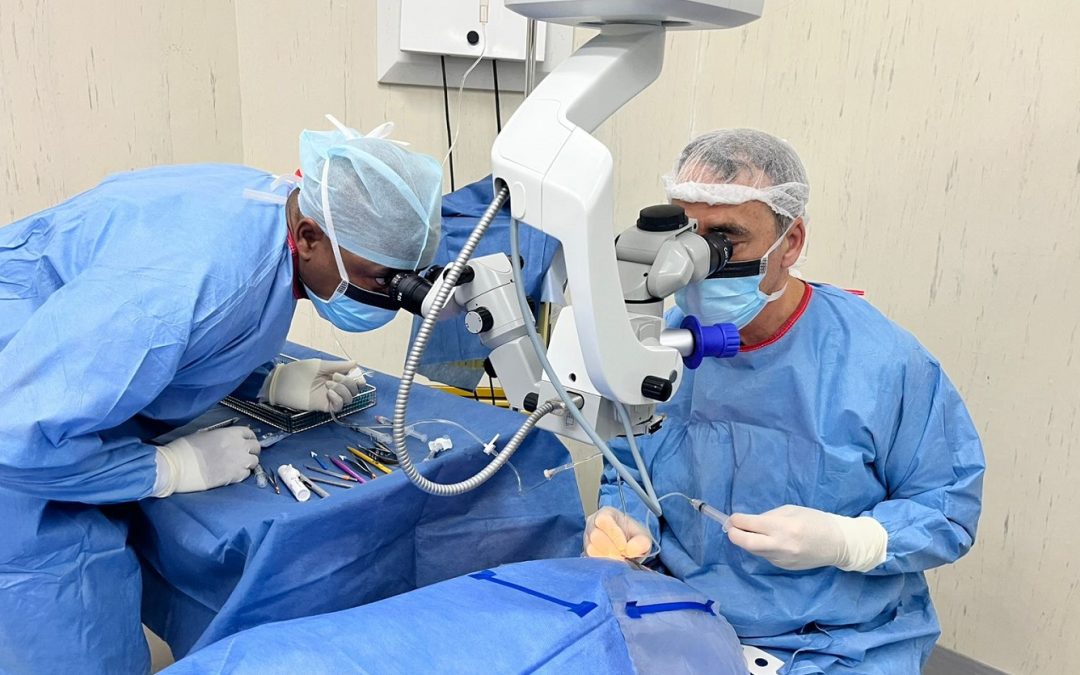
For patients in rural Mpumalanga, restored sight is more than medical care — it is the gift of independence. Recently, Ophthalmologists from Sefako Makgatho Health Sciences University (SMU) partnered with the Tshemba Foundation to provide voluntary consultations and cataract surgeries at Tintswalo Hospital in Acornhoek, Bushbuckridge.
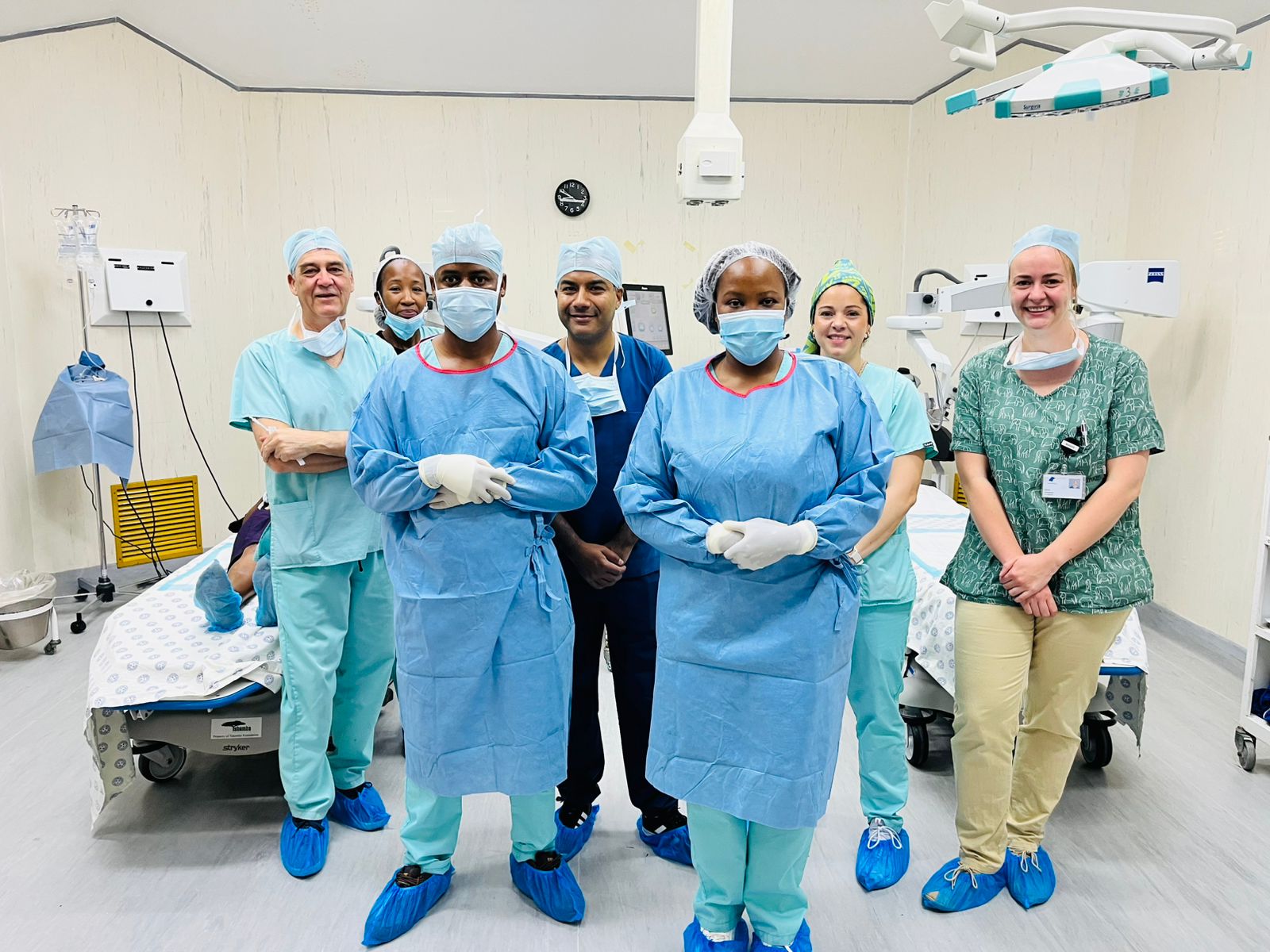 The Tshemba Foundation, a charity dedicated to closing healthcare gaps in underserved communities, provided accommodation for medical volunteers at its lodge in the Moditlo Game Reserve. Beyond lodging, the foundation renovated the eye clinic and theatre, equipping both with modern technology and essential consumables.
Hospital staff played a crucial role in ensuring smooth operations. Nurses and support teams worked weekends to assist with patient consultations, prepare for theatre, and manage post-operative follow-ups. “Their commitment ensures patients receive complete care from diagnosis to recovery,” said Prof Jan Olivier, Head of Ophthalmology at SMU.
Prof Olivier led the medical team alongside Dr Sachin Bawa, an SMU graduate now in private practice in Edenvale. Dr Bawa brought three experienced scrub sisters from private hospitals to assist in the theatre. All volunteers covered their own transport and meals, with accommodation provided by the foundation — a clear demonstration of service over self.
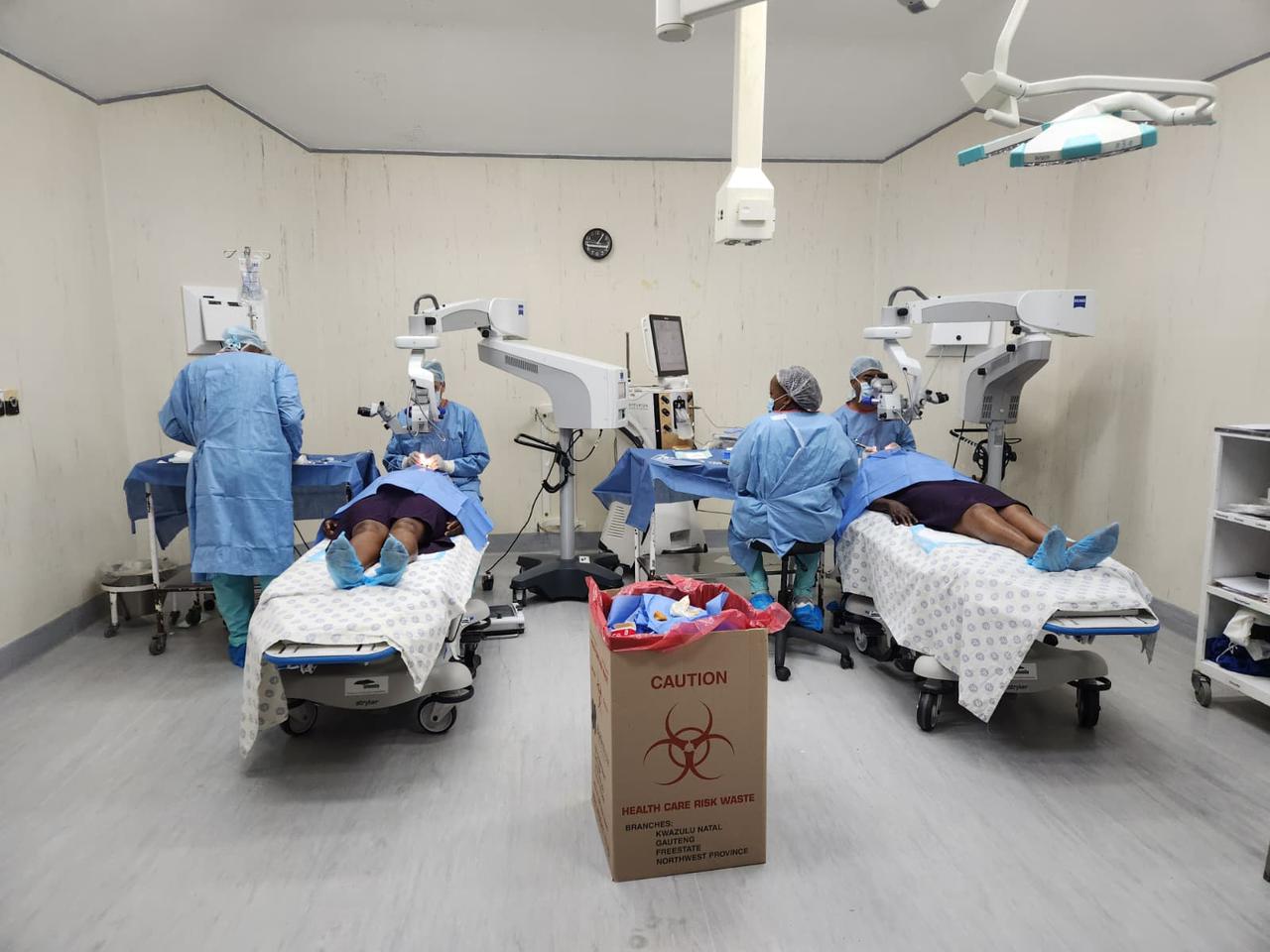 The results were remarkable. In just two days, Olivier consulted 150 patients. Over the following two days, he and Bawa performed 55 cataract surgeries. Patients typically arrive on the day of surgery, return home immediately afterwards, and come back the next day for follow-up. This approach maximises efficiency while minimising disruption to patients’ lives.
For the medical team, the reward is profoundly human. “Every restored eye reminds us of the urgent need for accessible healthcare in rural South Africa,” Olivier reflected. Cataracts, a leading cause of blindness worldwide, can often be corrected in under 30 minutes when skilled care is provided.
The Tshemba Foundation describes its mission as connecting healthcare professionals to rural communities where they can make the greatest impact. The initiative exemplifies how collaborative partnerships between academia, private practice, and local hospitals can transform lives.
Bawa highlighted the broader significance: “This work isn’t just about surgery; it’s about giving people independence, dignity, and hope. Every patient we help motivates us to continue bridging healthcare gaps.”
For SMU’s Department of Ophthalmology, these visits are more than clinical exercises — they reflect the university’s mission to advance healthcare in South Africa through compassion, innovation, and excellence. By engaging students, hospital staff, and private practitioners in outreach, SMU is cultivating a culture of service and leadership that will strengthen the country’s healthcare system.
As Olivier summarised, “When expertise, passion, and community converge, we don’t just restore sight — we change lives.”
By Tumelo Moila
by Lorato | Sep 17, 2025 | All News, SMU Media, Student Media
The Department of Radiography at Sefako Makgatho Health Sciences University (SMU) has made 2025 a landmark year for community engagement, blending academic rigour with meaningful service. With projects spanning health awareness campaigns, career outreach, student wellness, and industry collaboration, the department has positioned itself as a leader in socially responsive education.
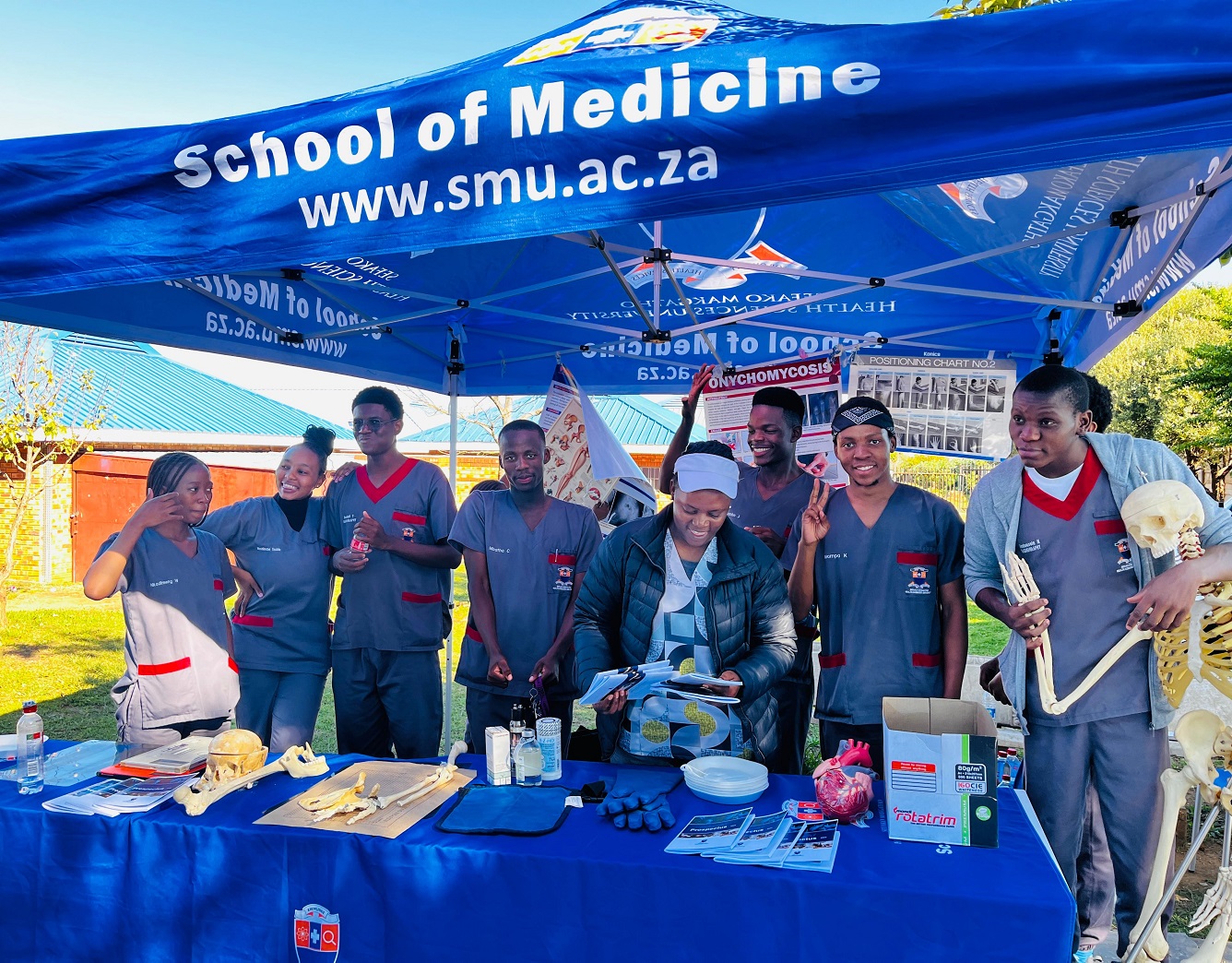 Clarity and confidence drive the message. As lecturer, Tebogo Baloyi, explains: “Education does not stop at the classroom door. Our mission is to ensure that students graduate not only with technical expertise, but also with a sense of purpose and responsibility to the communities they will serve.”
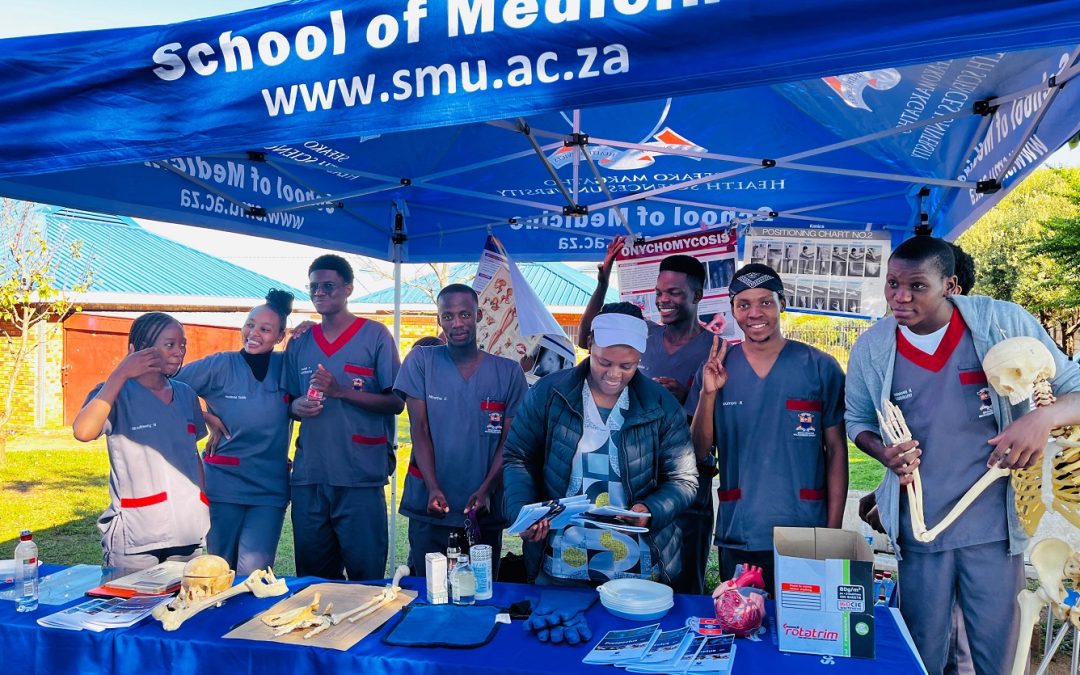
Among the year’s highlights was the department’s participation in the Gauteng Health Radiography Career Expo and school outreach visits to Raymond Mhlaba School. These events aimed to demystify radiography and inspire learners to pursue careers in science, technology, engineering, and mathematics (STEM). By directly engaging with young audiences, students themselves became ambassadors for the profession, gaining confidence while motivating the next generation.
Health awareness was another central theme. The Breast Cancer Awareness campaign, a testament to the department’s ongoing commitment, together with the World Radiography Day initiative led by the Radiography Student Organisation, brings life-saving knowledge to underserved communities. Held annually in October, these events shine a spotlight on the indispensable yet often overlooked role of radiographers — working behind the scenes to enable accurate diagnoses and effective treatment.
The department also placed strong emphasis on student well-being and belonging. The innovative B RAD I Coffee Date, held recently, created a safe space for first-year students to connect, reflect, and share challenges. Ice-breakers, storytelling sessions, and mentorship activities turned a simple coffee gathering into a powerful intervention for mental health and academic adjustment. One student, Bophelo Seroma, described it as “the first time I felt truly seen and supported at university.”
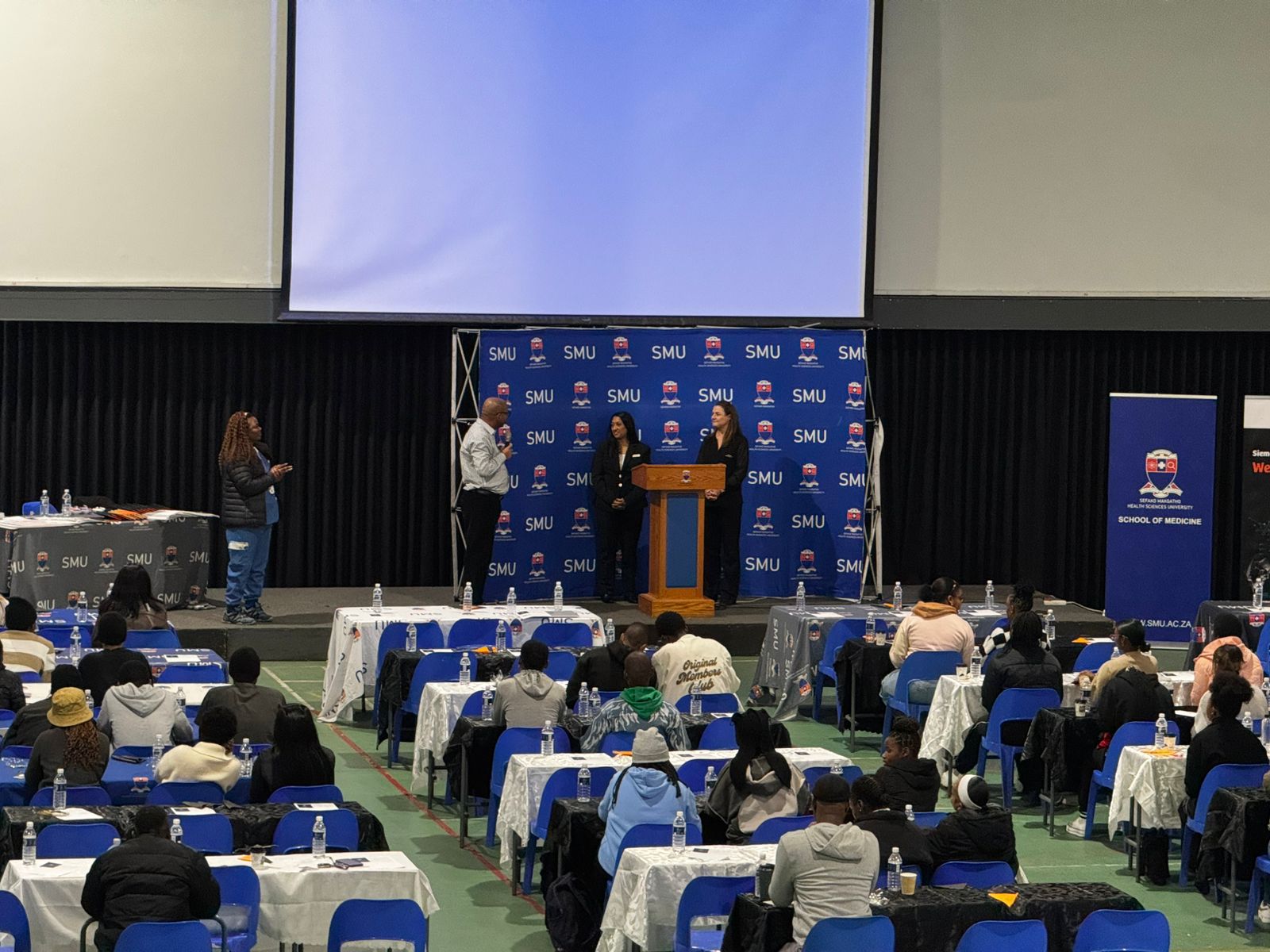 Support extended beyond conversation. In collaboration with the School of the Kingdom Ministry, the department distributed 12 grocery hampers to financially vulnerable students. Such gestures, though modest, have a tangible impact on retention, concentration, and morale. “You cannot expect a student to excel academically when they are hungry,” Baloyi noted. “Our responsibility is holistic: mind, body, and spirit.”
In terms of professional development, the department’s partnership with industry leaders stood out. A Contrast Media Workshop, delivered with GE Healthcare and TecMed, gave third-year Bachelor of Diagnostic Radiography students rare hands-on exposure to advanced imaging technologies and patient safety protocols. Similarly, Siemens Healthineers sponsored the Beauty of Radiography workshop, where both staff and students explored emerging innovations such as artificial intelligence in imaging. These collaborations bridged theory and practice, aligning curriculum with the rapidly evolving demands of healthcare.
The department measures success not only by participation numbers but also by transformation. Feedback from final year students Neo Makgota and Allison Pepler reveals greater confidence, improved clinical skills, and a stronger sense of belonging. Community partners, too, have praised the department’s consistent presence and professionalism.
Looking ahead, the department plans to expand industry partnerships, increase outreach frequency, and introduce specialised workshops in interventional radiology and AI applications. Baloyi sums it up best: “Every initiative we launch is designed to answer a single question: how can we make radiography education more relevant, impactful, and humane?”
In 2025, the Department of Radiography has shown that great writing advice also applies to great teaching: clarity signals confidence, relevance beats cleverness, and one strong intervention can transform everything.
By Tumelo Moila