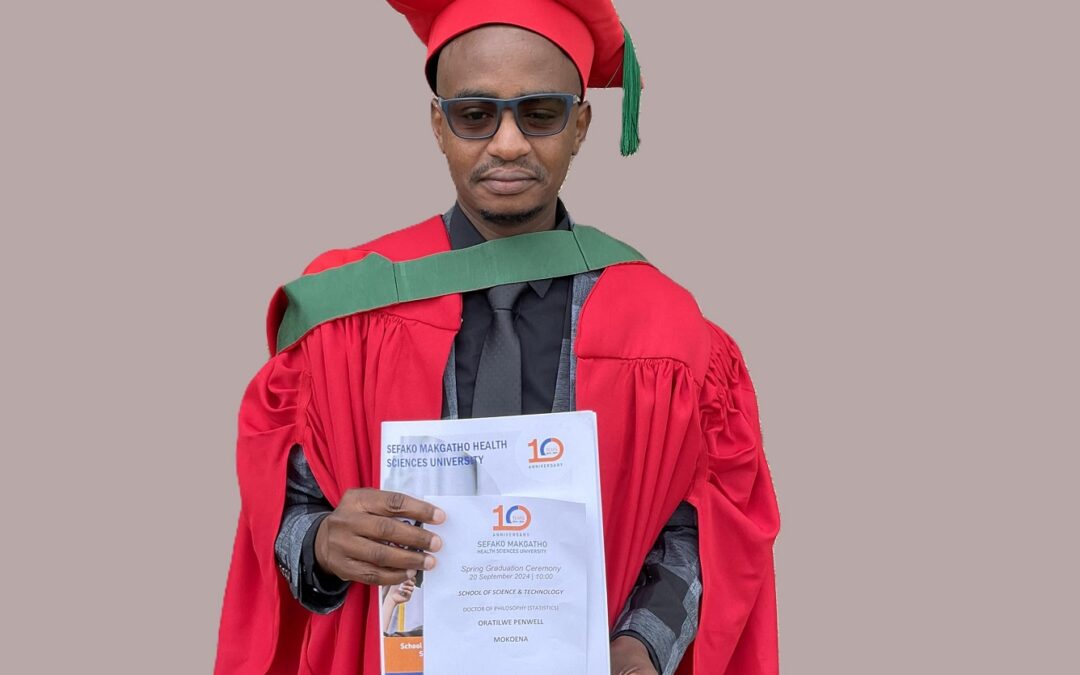
by Lorato | Nov 13, 2024 | All News, SMU Media, Student Media
Dr Oratilwe Penwell Mokoena’s journey from the rural village of Kgabalatsane to achieving his PhD in Statistics at Sefako Makgatho Health Sciences University (SMU) is a testament to both personal perseverance and SMU’s role as a supportive environment for academic excellence. Growing up in challenging circumstances in North West South Africa, Mokoena’s story demonstrates the transformative power of education and the impact of an enabling institution that nurtures students to realise their potential.

Dr Oratilwe Penwell Mokoena
Raised by his grandmother and later by his mother, Mokoena faced early academic struggles, particularly in mathematics—a subject he would one day master. His early high school grades in mathematics were far from promising, but his passion for learning and numbers endured. Despite obstacles, he improved his grades in Grade 12, which opened the door to tertiary education. His journey led him through trials and transformations, from briefly enrolling in Mechatronics at Tshwane University of Technology (TUT) to finding his true academic path at the University of Limpopo, where he excelled in Mathematical Sciences. Graduating cum laude with both his BSc and Honours degrees, Mokoena’s journey embodies the resilience SMU encourages in all its students.
His time at SMU has been marked by opportunities that expanded his academic horizons. SMU’s commitment to fostering research is evident in the support Mokoena received, including the National Research Foundation (NRF) – Joint Institute for Nuclear Research (JINR) travel funding, which enabled him to conduct research in Russia. Such experiences ignited his passion for research and ultimately led him to embrace the field of statistics, guided by Professor Solly Seeletse, who saw his potential and mentored him through the complexities of statistical analysis.
SMU has become the perfect platform for Mokoena to blend his passion for theoretical mathematics with the practical application of statistics. His PhD research, which focused on improving the livelihoods of small-scale dairy farmers through statistical insights, is a prime example of how SMU enables research that advances academia and addresses community needs. His work proposed innovative solutions for challenges in small-scale farming, such as feed costs and disease management, underscoring SMU’s emphasis on socially impactful research.
As a Lecturer at SMU, Mokoena is dedicated to inspiring the next generation of statisticians. He teaches undergraduate and postgraduate courses, including Time Series Analysis and Multivariate Statistical Methods. In addition to teaching, he serves as the Research Coordinator in the Department of Statistics, supervising honours and master’s students with a student-centric approach that reflects SMU’s values. His commitment to holistic education equips students with both theoretical and practical knowledge, preparing them for meaningful careers.
His work at SMU extends beyond the lecture hall. In one notable project, he collaborated with a psychiatrist to study mental health issues in high schools, showcasing the wide-reaching applications of statistical analysis in fields such as healthcare. His research pushes boundaries, contributing to academia and industry while reinforcing SMU’s standing as a leader in health sciences and interdisciplinary research.
Reflecting on his journey, Mokoena envisions a future where statistics plays a pivotal role in addressing social and scientific challenges. Through SMU’s nurturing environment and his commitment to academic excellence, he aims to produce graduates who can contribute significantly to society in fields ranging from health and education to arts and culture.
Mokoena’s story is more than one of personal triumph; it exemplifies SMU’s mission as a university that educates and inspires. His rise from struggling student to esteemed lecturer and researcher is a beacon for aspiring scholars, showing that with determination, guidance, and an enabling environment, success is within reach for all.
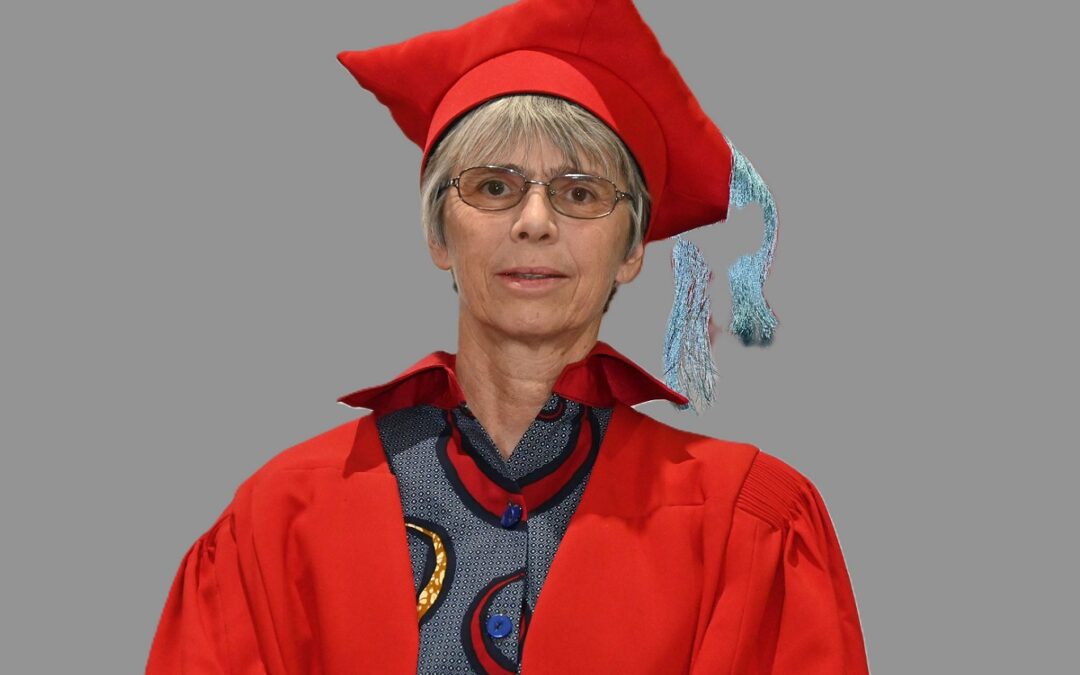
by Lorato | Nov 13, 2024 | All News, SMU Media, Student Media
Dr Undine Susanne Rauter’s transformative journey in physiotherapy is nothing short of extraordinary. As a Doctor of Philosophy in Physiotherapy and the Head of Rehabilitation at Gelukspan District Hospital, she has dedicated her life to improving the quality of life for children with disabilities, particularly those with special needs. Rauter’s profound commitment to healthcare extends far beyond the clinical environment; it reflects a passion for education, collaboration, and systemic change—values that echo the mission of Sefako Makgatho Health Sciences University (SMU), where she completed her doctoral studies.
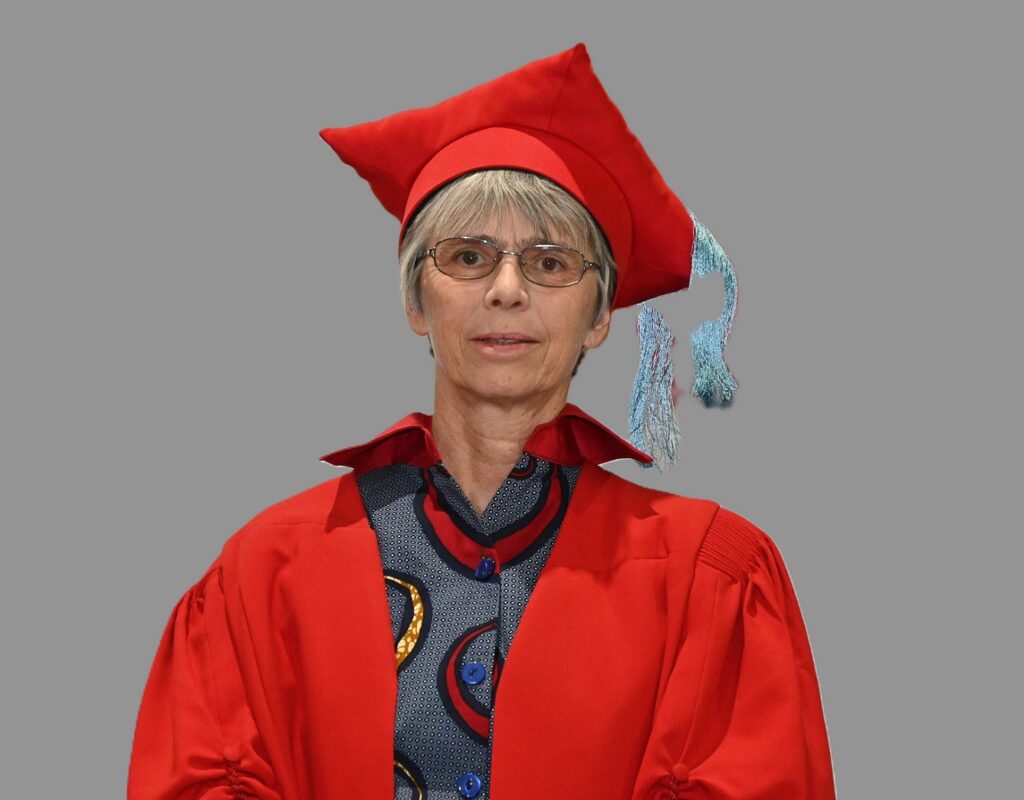
Dr Undine Susanne Rauter
Growing up in Munster, Lower Saxony, Germany, Rauter’s early exposure to caring for a sibling with learning challenges ignited a lifelong passion for advocating on behalf of vulnerable individuals. This formative experience, coupled with her own academic journey, set the stage for her exceptional career. “I realised early that my path wasn’t just about medical practice, but about the lives I could touch along the way,” she explains, encapsulating the compassion that drives her professional and personal mission.
Rauter’s academic and professional journey reflects a holistic and forward-thinking approach to healthcare, aligning perfectly with SMU’s vision of enabling students and professionals to meet tomorrow’s healthcare challenges. Since 1995, Rauter has spearheaded rehabilitation services at Gelukspan District Hospital, where she leads a dedicated team providing hands-on therapy, education, and support to children and youth with disabilities. Her role in assisting a neighbouring special school in managing childhood disabilities has solidified her position as a key advocate for system change in healthcare, where teamwork and creativity are essential.
Her groundbreaking PhD research on pressure ulcer prevention for learners with paraplegia in special schools further underscores her commitment to improving care for children with disabilities. “Pressure ulcers are not just a medical issue; they are a barrier to education and overall quality of life,” Rauter emphasises. Her comprehensive model for prevention, developed through 47 in-depth interviews with learners, caregivers, and health professionals, seeks to shift the focus from reactive treatment to proactive care. Rauter’s model encourages collaboration among all stakeholders—students, families, educators, and healthcare providers—in order to ensure that preventative care is prioritised in the education system.
Rauter’s research has uncovered a critical gap in healthcare provision within South African special schools, which she believes can be bridged with the right policies and resources. “Special schools must not just be educational institutions; they should be hubs of holistic health care,” she asserts, calling for a more integrated approach to health and education for children with disabilities. Her work addresses immediate healthcare needs and advocates for sustainable changes that could significantly impact the well-being of learners in rural and under-resourced settings.
Reflecting on her own PhD journey, Rauter describes it as an “ultra-marathon,” balancing academic rigour with personal challenges. “Without the support of my network, my dog for fun breaks, and my spiritual practices, I would not have made it through,” she admits, yet her dedication to improving disability care remained unwavering. Through it all, she credits her success to the steadfast support of her supervisor, Dr Desmond Mathye, whose mentorship proved invaluable in helping her navigate both the academic and personal hurdles she encountered.
Rauter’s unwavering philosophy is clear: “Everyone deserves the highest attainable standard of health, and by working together and empowering others, we can make that right a reality for even the most marginalised.” This belief continues to drive her as she combines compassion, science, and advocacy to transform the lives of children with disabilities.
Her work and research, grounded in the values of collaboration and empowerment, is a testament to the power of education in creating lasting, meaningful change. At SMU, Rauter’s journey is not just an example of personal success but a powerful reminder of the university’s role in shaping leaders who are dedicated to addressing the healthcare needs of the most vulnerable. Rauter exemplifies the very essence of SMU’s commitment to producing professionals equipped to make a significant, positive impact on society, one life at a time.
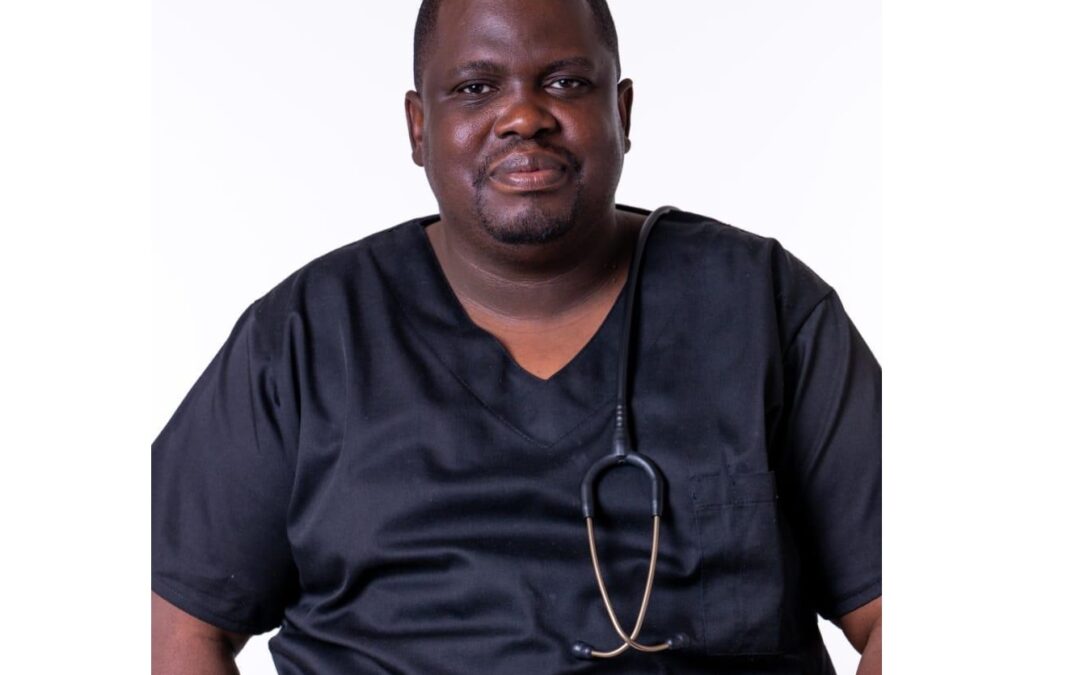
by Lorato | Nov 12, 2024 | All News, SMU Media, Student Media
In the heart of South Africa’s medical landscape, Sefako Makgatho Health Sciences University (SMU) is shaping world-class professionals driven by medical skills and an enduring commitment to public service. Dr Lawrence Marapo, a distinguished Registrar in Obstetrics and Gynaecology at SMU, embodies this spirit. Known for his blend of clinical excellence and faith-based compassion, Marapo’s journey—from his rural upbringing in Botswana to the forefront of women’s healthcare innovation—highlights the power of resilience, faith, and a relentless pursuit of quality care.
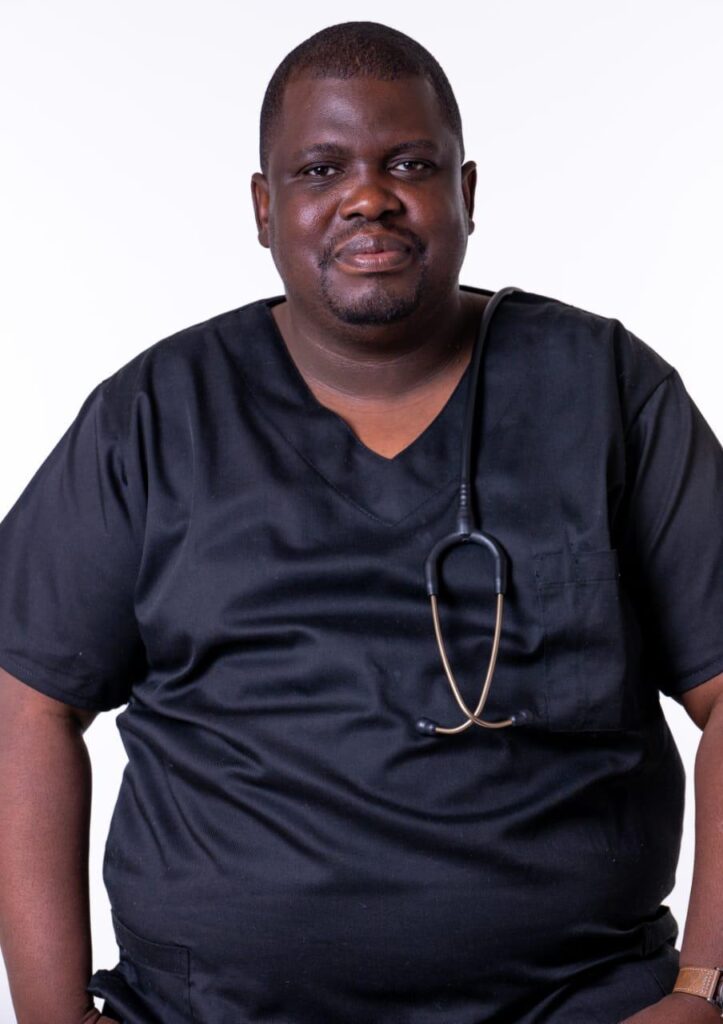
Dr Lawrence Marapo
At just 38, Marapo has carved out a remarkable career, setting a record by completing his Obstetrics and Gynaecology qualifications in just four years. Today, his work is indispensable in advancing women’s health and developing the next generation of healthcare leaders. His life motto, inspired by Dr Zhu Fu Tang, founder of the Chinese Pediatrics Academy of Science—“Selflessness, benevolence, diligence, and congeniality”—reflects his commitment to service. “I am the result of teenage pregnancy; my mother was only 15 when she had me. Knowledge became my defence, and faith my foundation,” he shares, reflecting on the challenges that fuelled his journey.
Marapo’s dual roles as both a Doctor and Pastor enrich his approach to patient care, especially for those facing critical health challenges. “Being a pastor and a gynaecologist allows me to provide comfort and dispel myths for patients in distress,” he says. His research into metabolic syndrome among peri- and postmenopausal women, recently presented at an International Menopause Congress in Melbourne, underscores SMU’s commitment to impactful research and innovative solutions. “My work is inspired by the need to address real issues affecting South African women,” he adds.
His rise began in Mafikeng Provincial Hospital as a Medical Intern, where he soon discovered his calling in obstetrics. “Working in the labour ward during my internship cemented my love for obstetrics. It felt like a calling,” he recalls. Today, under the mentorship of experts like Dr George Mothupi and Professor Lineo Matsela at Dr George Mukhari Academic Hospital, he is refining his skills to champion maternal health standards across Southern Africa. His vision is ambitious: to establish a “safe obstetrics practice committee” that will promote evidence-based care and reduce maternal risks.
As an educator, Marapo is deeply invested in SMU’s future healthcare leaders. In 2023, SMU honoured him as the Best Junior Undergraduate Lecturer—a recognition he treasures. “Mentoring is essential to healthcare’s future,” he says. “Our impact multiplies through the young doctors we train, equipping them with skills and ethical standards to elevate public health.”
An accomplished author, Marapo has written two books, Destiny Map to Prosperity and Favour of God, offering hope to those facing adversity. His academic contributions, including an influential paper on perimortem caesarean sections, underscore his dedication to advancing medical knowledge. “Writing is my way of reaching out, to show that despite challenges, faith and effort can shape a better future,” he says.
As he prepares to embark on a PhD in Obstetrics and Gynaecology, with aspirations to integrate artificial intelligence into maternal care, Marapo’s vision extends far beyond personal achievements. His goals include creating accessible, cost-effective fetal monitoring devices and building a Southern African maternal care committee endorsed by American and European health bodies. For Marapo, it’s about offering cutting-edge, compassionate healthcare to the most underserved communities.
Even outside the hospital, his commitment to balance is evident. As a husband and father, he often sacrifices personal time for his patients. “This is a calling like no other. We push ourselves beyond limits for the health of others,” he says, describing how he missed his own and his child’s birthdays to save a patient’s life.
Marapo’s message to aspiring doctors is simple and profound: “This is doable; apply your mind and leave everything to faith.” His story—a powerful testament to SMU’s role in nurturing talent committed to serving humanity—continues to inspire future generations and redefines what it means to be a healthcare professional in South Africa. Through his dedication, faith, and vision, Marapo exemplifies the calibre of talent that SMU cultivates and the transformative impact of health sciences on the nation.
by Lorato | Nov 12, 2024 | All News, SMU Media, Student Media
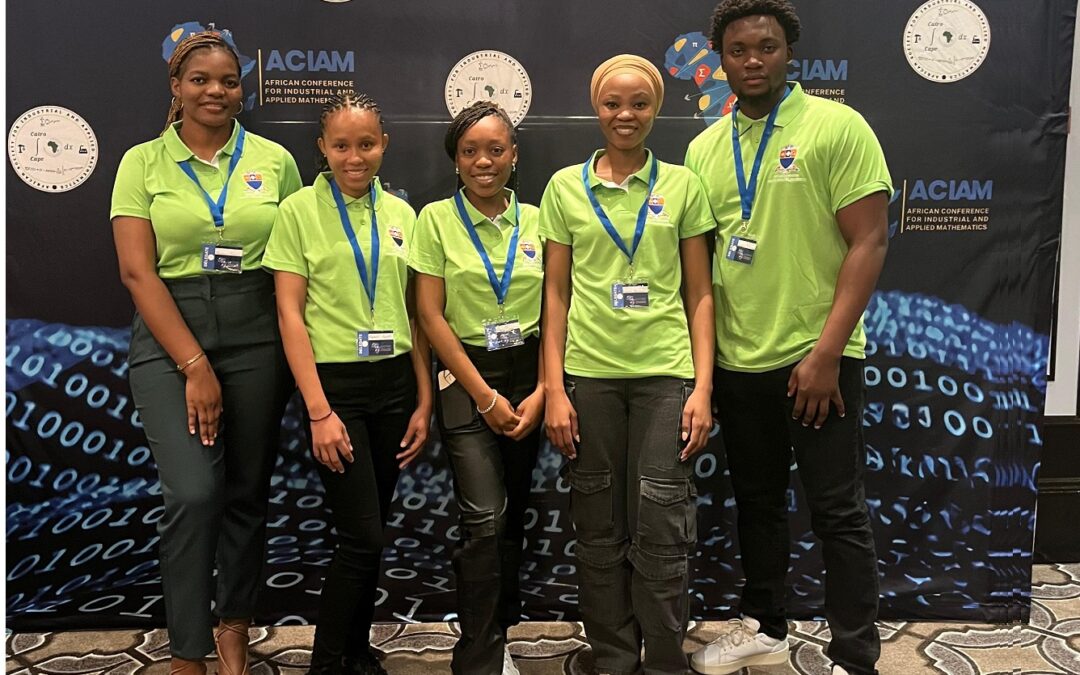
The African Conference of Industrial and Applied Mathematics (ACIAM) recently unfolded in Cape Town, bringing together the brightest minds in mathematics across Africa. For Sefako Makgatho Health Sciences University (SMU), this event provided an invaluable platform for postgraduate students and lecturers from its Department of Mathematics and Applied Mathematics to engage with experts from academia, industry, research institutions, and government bodies. ACIAM, under the theme “The Engine to Economy and Technological Advancement,” showcased the potential of mathematics to address real-world challenges, a vision closely aligned with SMU’s commitment to driving innovation through high-level research and collaboration.
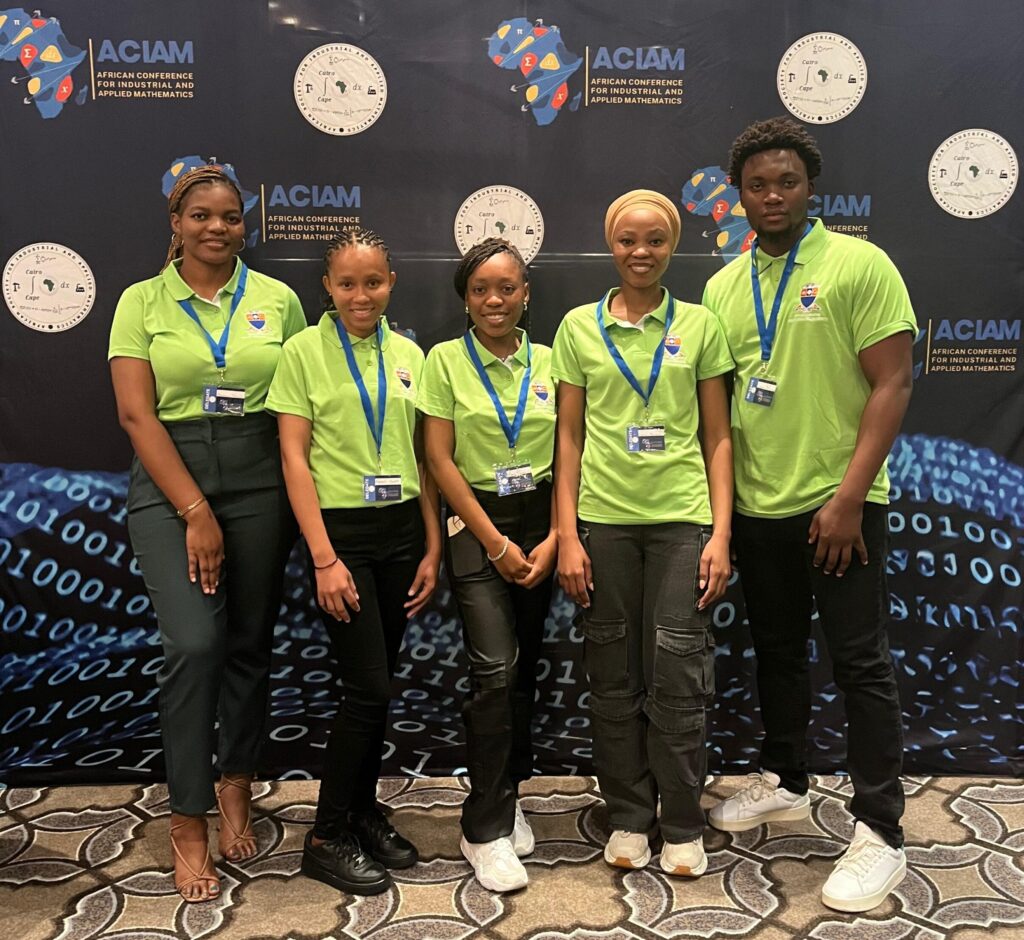
SMU scholars join Africa’s brightest minds at landmark mathematics conference
SMU’s involvement in ACIAM 2024 exemplifies the university’s commitment to advancing high-level research and fostering a culture of excellence in applied mathematics. Several postgraduate students and lecturers from SMU’s Department of Mathematics and Applied Mathematics attended, each eager to contribute their expertise, exchange ideas, and expand their professional networks with some of the continent’s most esteemed researchers.
The theme of this year’s conference was aligned with SMU’s core vision of driving innovation through rigorous academic research. This collaboration, which bridged academia, industry, and government bodies, aimed to harness the power of mathematical theory in solving pressing challenges across Africa, from healthcare to financial markets.
At the heart of SMU’s participation in the conference was a philosophy rooted in meritocracy and academic curiosity. Far from limiting access to a select few, the university’s application process allowed any student from the Department of Mathematics and Applied Mathematics with a passion for the subject to apply and earn their place through the strength of their research proposals. This inclusive approach highlights SMU’s dedication to nurturing talent across all academic levels, from honours students to senior lecturers.
Master’s student Mbali Phama, who presented her research on “Similarity Reductions of the Benjamin-Bona Mahony Equation,” described the conference as a pivotal moment in her academic journey. “ACIAM gave me a new perspective on how my work can directly impact real-world issues, and the exposure to African research landscapes was incredibly enriching,” she says. Such experiences underscore the value SMU places on providing students with the tools, mentorship, and opportunities to succeed in a competitive global research environment.
Other members of the SMU delegation, including Junior Lecturers Sanele Mlotshwa and Matlhatsi Ngwepe, presented cutting-edge research in areas such as Lie point symmetries and self-adaptive algorithms. Their participation demonstrated not only SMU’s commitment to supporting diverse research initiatives but also the university’s growing role as a catalyst for technological advancement and innovation within Southern Africa.
The focus of ACIAM 2024 on applying mathematical theories to real-world challenges, such as bond pricing in financial markets and health sciences, resonated deeply with SMU’s mission. Honours student Morongwa Ralefeta, whose research explores fixed-point theorems in machine learning, was particularly struck by the practical applications of her studies. “This conference reinforced the importance of connecting theoretical research with practical solutions that can make a tangible difference in fields like healthcare and technology,” she remarks.
For those involved in applied mathematics projects with direct societal benefits, such as image processing and MRI scan reconstruction, ACIAM offered an ideal forum for sharing insights and forging valuable collaborations. Matlhatsi Ngwepe highlights the potential of these innovations to improve diagnostic processes, emphasising the transformative impact that applied mathematics can have on healthcare. “Our work in imaging reconstruction could revolutionise patient care by improving the speed and clarity of diagnostic results,” he says.
Though SMU’s representatives did not present formal research this year, their participation in ACIAM demonstrated the university’s dedication to equipping its scholars with the necessary skills to excel in the global academic arena. “The experience has strengthened our ability to present research effectively and engage with fellow scholars in meaningful ways,” says Phama. “These lessons will help us make even greater contributions at future conferences.”
ACIAM 2024 served as a milestone for the mathematical community and provided a clear view of the immense potential that applied mathematics holds for Africa’s future. As the conference concluded, the SMU delegation left with a renewed sense of purpose and optimism, reinforcing the university’s position as a competitive, forward-thinking institution dedicated to fostering innovative research that drives Africa’s economic and technological progress. The university is already planning to support its scholars’ continued research ambitions, ensuring that SMU remains at the forefront of academic excellence in Southern Africa.
Through this engagement, SMU continues to cement its reputation as a leading institution in applied research, poised to make lasting contributions to both the academic world and the communities it serves.

by Lorato | Nov 12, 2024 | All News, SMU Media, Student Media
Cwenga Maliwa, a second-year Nursing student at the Sefako Makgatho Health Sciences University (SMU), has been elected Secretary of the South African Nursing Students Association (SANSA). This leadership role underscores her dedication to nursing and her commitment to administrative excellence, signalling a new era of advocacy and reputation-building for the profession.
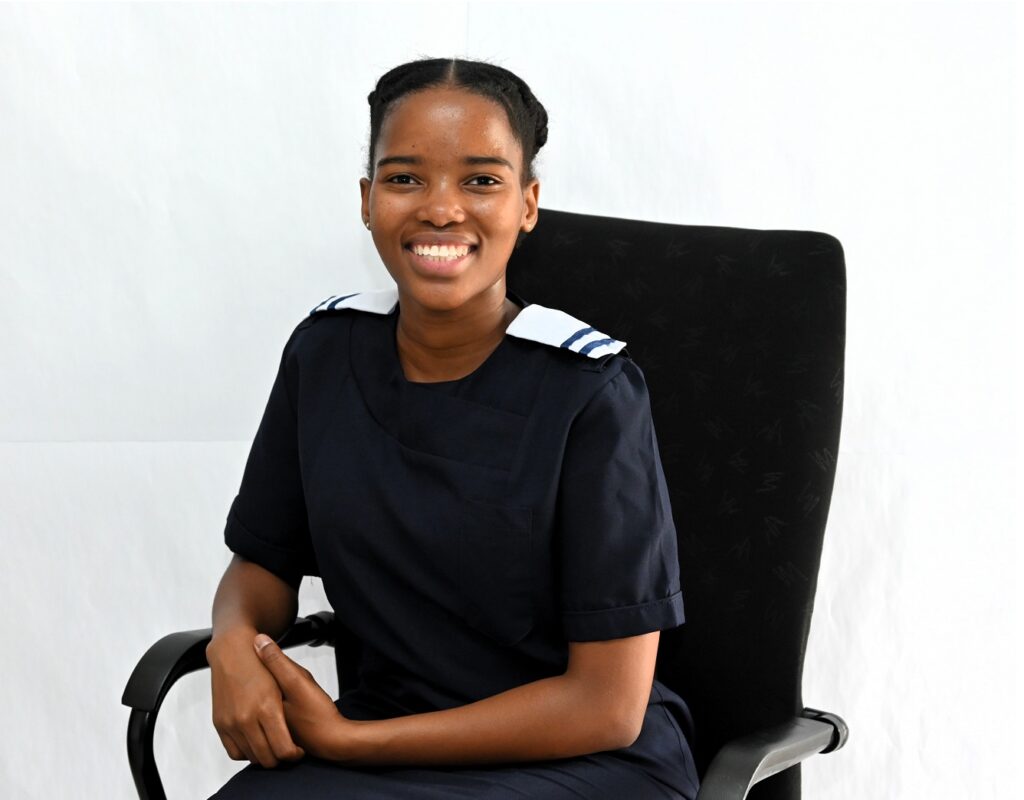
Cwenga Maliwa
Growing up in a family that valued education and independence, Maliwa’s journey is deeply rooted in a supportive environment and inspired by her grandmother’s strength. With a keen interest in healthcare sparked by medical dramas like Chicago Med and The Resident, Maliwa overcame academic hurdles with determination, retaking critical subjects to secure her spot in SMU’s esteemed nursing programme in 2023.
Her ascent into the SANSA leadership is more than a personal milestone; it is a testament to the quality of education and development opportunities offered at SMU. SMU’s commitment to fostering such trailblazers speaks volumes of its academic calibre, equipping students with both the theoretical knowledge and practical skills needed to excel in their fields. Her rise also reflects SMU’s emphasis on producing healthcare professionals who are not only technically skilled but also prepared for leadership and advocacy roles.
As Secretary, Maliwa has set ambitious goals to elevate nursing’s standing, particularly among high school students and university peers. “As the newly elected Secretary of SANSA, I am committed to redefining the perception of nursing. My goal is to inspire high school students and university peers by showcasing our profession’s true importance and versatility. Nursing is not a backup plan; it is a calling and a vital career path that embodies resilience, compassion, and expertise,” she states.
Understanding that SMU’s Nursing Department is smaller than those at some other institutions, Maliwa aims to amplify her peers’ voices and ensure they receive adequate resources and representation. “I want to represent my fellow nursing colleagues and ensure that we are not overlooked,” she emphasised. Her advocacy extends to setting up benchmarking practices to help enhance SMU’s clinical training, further enhancing the university’s reputation as a leader in healthcare education.
Her efforts are bolstered by a keen eye for governance and accountability. As Secretary, she plans to immerse herself in the SANSA constitution, upholding its principles to ensure transparent decision-making. By actively engaging with experienced professionals from the Forum of University Nursing Departments in South Africa (FUNDISA), she will learn to balance diverse perspectives, strengthening her governance skills and reinforcing SMU’s emphasis on developing ethical, well-rounded healthcare leaders.
A pioneer in her approach to organisational management, Maliwa has already introduced streamlined protocols for document handling and communication, setting up a Microsoft Teams repository for national executive committee members. Her dedication to transparency is matched by her forward-thinking approach to technology and efficiency, creating an accountability model reflecting SMU’s innovative spirit.
One of her core strategies is fostering a national community of nursing students, with regular meetings among branch secretaries to ensure the fair representation of events across institutions. “Regular meetings with branch secretaries are essential for shaping a unified national calendar of events, fostering effective coordination and resource sharing across institutions. My strategy prioritises understanding each branch’s unique strengths and challenges, ensuring that every event is fairly represented and that we work together to amplify our collective impact,” she says.
Under her leadership, SANSA aims to nurture a generation of nursing students through five pillars: communication skills, community engagement, research and innovation, professional development, and emotional intelligence training. “As nursing students, our journey is about more than clinical skills; it is about growing as compassionate, innovative, and confident professionals,” she shares. “By focusing on communication and interaction, we build confidence that enhances patient care. Community engagement teaches us humility and service, while research empowers us to push boundaries and elevate nursing standards. Workshops on professional development will prepare us for life beyond university, and emotional intelligence training will uplift our morale and transform workplace culture. My goal is to shape well-rounded nurses who embody excellence and empathy.”
In Maliwa’s journey, SMU’s dedication to developing high-calibre professionals shines brightly. Her achievements and vision illustrate SMU’s role in producing leaders who will inspire future generations within the healthcare field and across South African society. Her election as SANSA Secretary is a powerful reminder that, at SMU, students are not just taught – they are empowered to make a lasting impact.
by Lorato | Nov 12, 2024 | All News, SMU Media, Student Media
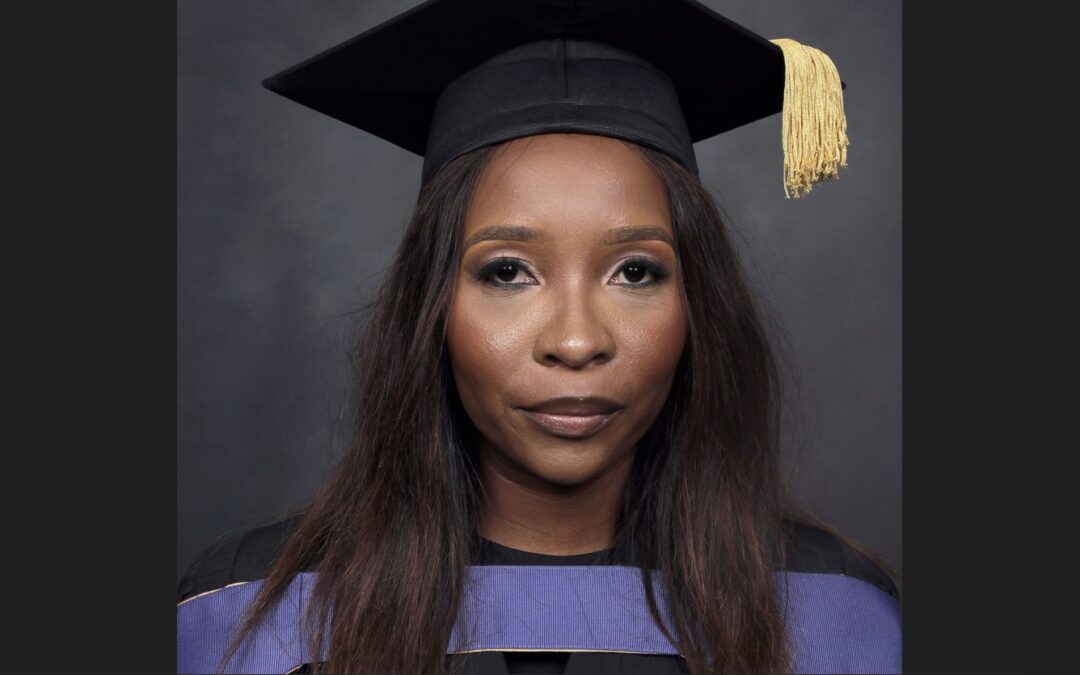
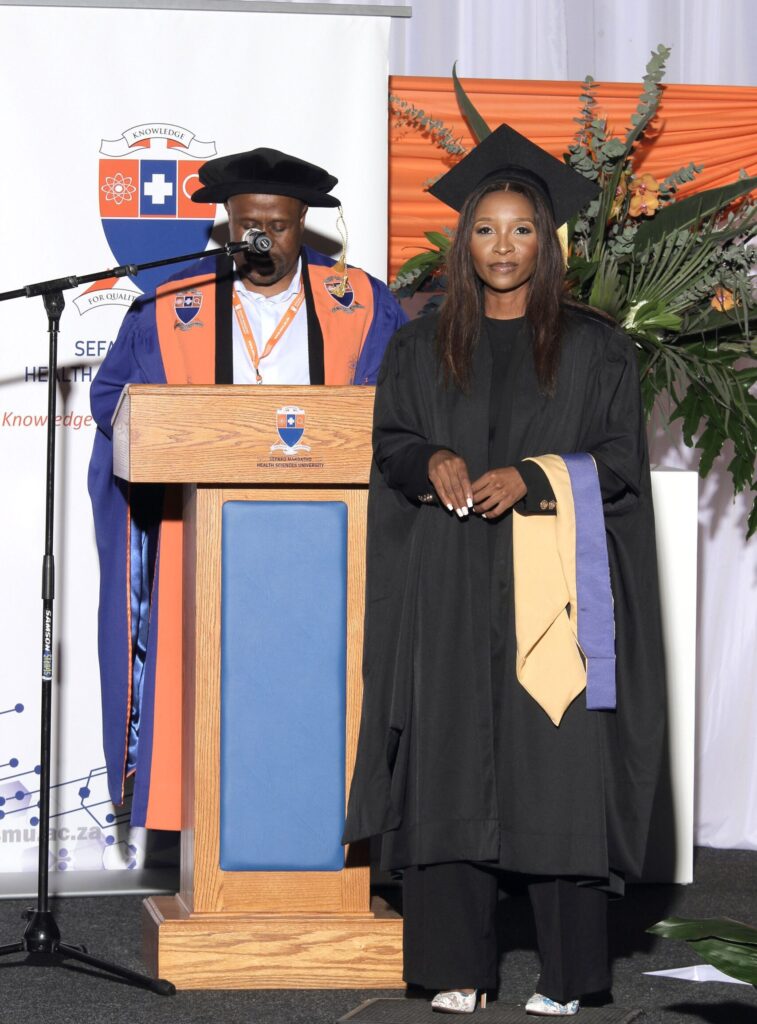
From the rural village of Madadzhi in Limpopo to the forefront of healthcare innovation, Divhanani Sithi’s journey is an extraordinary narrative of resilience, dedication, and pioneering spirit. Now the Chief Speech-Language Therapist and Audiologist for the Mopani East District, Sithi exemplifies the calibre of graduates from Sefako Makgatho Health Sciences University (SMU), showing how a South African university can inspire and nurture world-class talent dedicated to public service and transformative healthcare solutions.
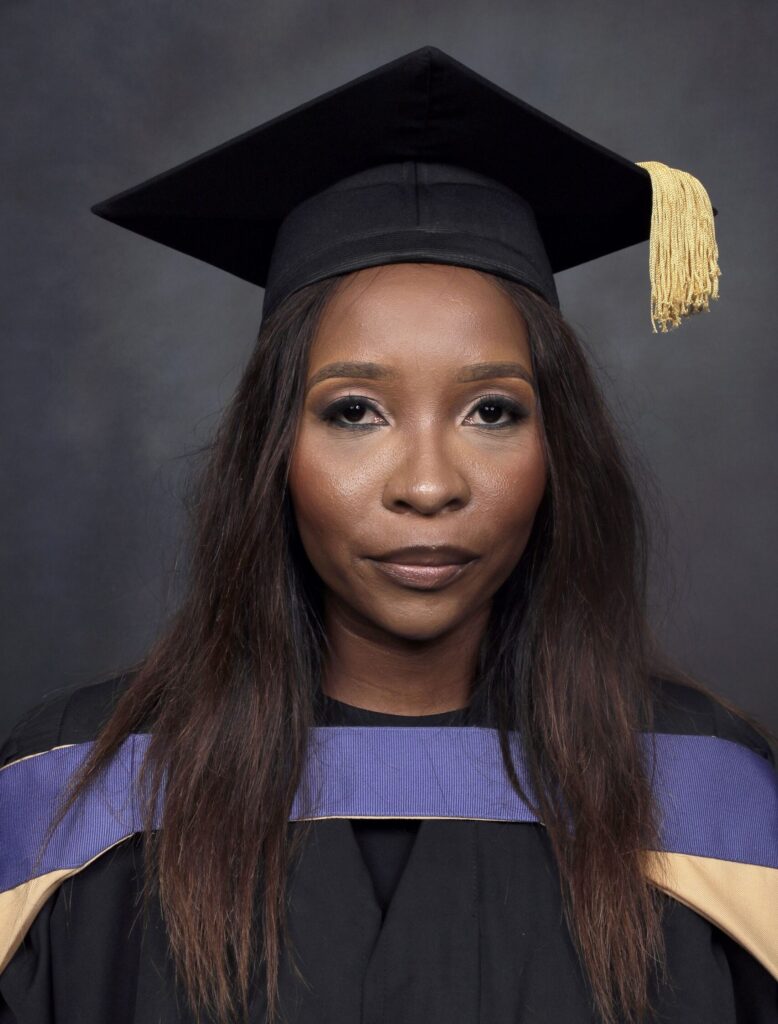
Divhanani Sithi
Sithi, armed with a Master’s in Audiology from SMU, is passionate about improving access to health services in underserved communities. Her recent research project, “Evaluating the Feasibility of a Mobile Tele-Diagnostic Auditory Brainstem Response Service to Rural Communities in Winterveldt,” showcases her commitment to accessible healthcare and the high standard of SMU’s academic training. She is tackling one of South Africa’s critical healthcare challenges: ensuring timely, quality healthcare in remote areas. “Quality healthcare should reach every corner of South Africa,” she says, embodying SMU’s service and academic excellence ethos.
Sithi’s path to audiology was inspired by her sister, SMU alumna Dr Makoma Sithi, who encouraged her to pursue studies in Speech-Language Pathology and Audiology. Beginning her studies at SMU in 2013, she was introduced to a challenging yet supportive academic environment that ignited her passion for healthcare innovation. From her time as a community service therapist to her current role in leadership, SMU prepared her for each step, equipping her with practical skills and instilling a sense of purpose. She reflects, “SMU nurtured my ambitions and helped me navigate the demands of healthcare.”
Through her academic journey and practical experience, Sithi has identified a critical need in rural healthcare: the early detection of paediatric hearing loss. This gap in rural health services has profound implications, often leading to language delays in children. Driven to address this, she pursued her Master’s degree, exploring telehealth as a means to bridge healthcare access gaps. “Telehealth has become a focus in my practice because it can reach remote communities and provide essential care for children who would otherwise lack access,” she explains.
Sithi’s dedication to rural healthcare is underscored by her persistence through personal setbacks. While collecting data for her research, she experienced both the theft of essential equipment and a serious car accident. Yet, her commitment to her work, supported by her family and faith, saw her through. “I backed up my data religiously, and with my family’s support, I could focus on recovery and complete my thesis on record time,” she says. Her resilience reflects her strength and the tenacity fostered by SMU’s rigorous academic standards.
Raised in Limpopo, Sithi’s multilingual background and sensitivity to diverse cultures enrich her patient interactions. She is currently learning sign language to broaden her communication skills with patients, a testament to her belief in truly patient-centred care. “I adapt tests, ask clear questions, and make sure my patients feel safe sharing their symptoms,” she says. Her empathetic approach highlights SMU’s emphasis on culturally relevant and responsive healthcare education.
As she continues to serve and advocate for improved rural healthcare, Sithi is now pursuing a PhD in digital healthcare, aiming to expand telehealth-based audiology services across South Africa. Her forward-thinking vision is to make speech and hearing services widely accessible in rural areas, using digital health solutions to overcome logistical barriers. “Telehealth has the power to create awareness and increase accessibility, especially in underserved areas,” she asserts. “SMU has prepared me to take this challenge head-on, providing me with a foundation in technical skills and a sense of responsibility to my community.”
Looking forward, Sithi is determined to mentor and inspire the next generation of healthcare professionals, ensuring her journey sparks further innovation. Her advice to future SMU students and healthcare professionals is heartfelt: “Focus on your path, believe in yourself, and always consider how your efforts can benefit others.”
Sithi’s story is not just a personal journey; it’s a testament to the transformative education offered by SMU. Her work is pioneering a path for rural healthcare solutions in South Africa and serves as a beacon for aspiring health professionals across the country. In her achievements, SMU’s mission to educate and empower leaders for societal change shines brightly, showcasing the university as a powerhouse in cultivating healthcare professionals who bring hope and tangible improvements to South Africa’s most underserved regions.