by Lorato | Jun 11, 2026 | All News, Alumni, Research, SMU Media, Student Media
The School of Medicine at Sefako Makgatho Health Sciences University (SMU) continues to cement its position as a leading centre for medical education, healthcare training and interdisciplinary research, with a growing number of doctoral graduates contributing innovative solutions to some of South Africa’s most pressing health challenges.
 Comprising 39 academic and clinical departments, the School of Medicine plays a pivotal role in developing healthcare professionals, advancing scientific knowledge and addressing complex healthcare needs across South Africa and the African continent. Its strength lies in its ability to integrate expertise across disciplines and collaborate across the University’s five Schools, creating an environment where teaching, research and clinical practice intersect to drive meaningful impact.
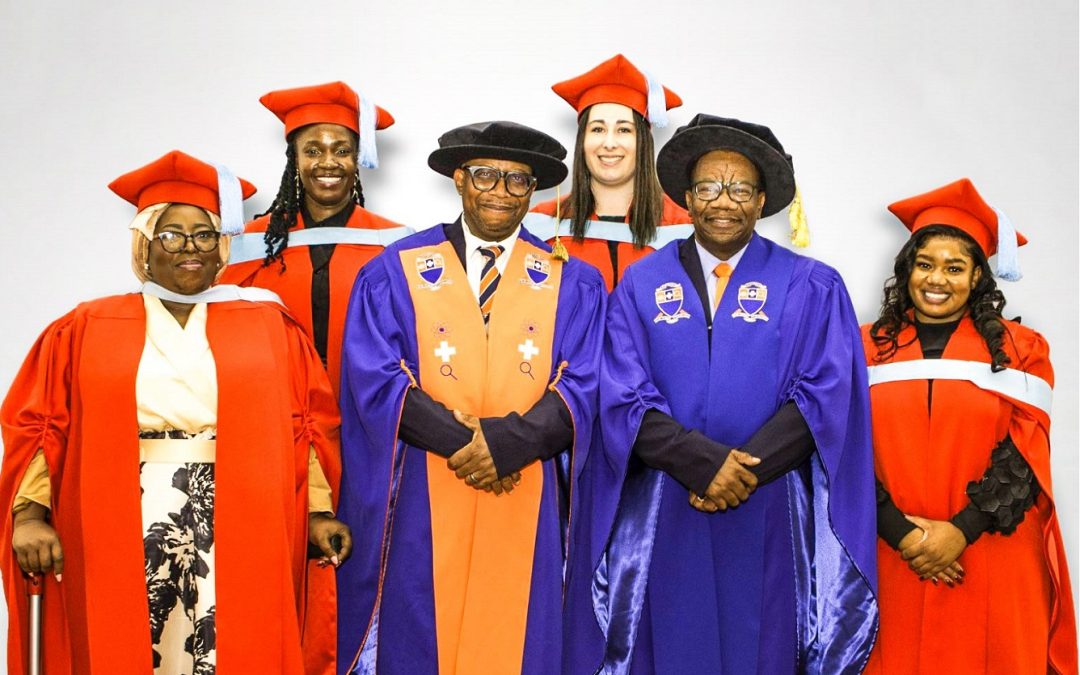
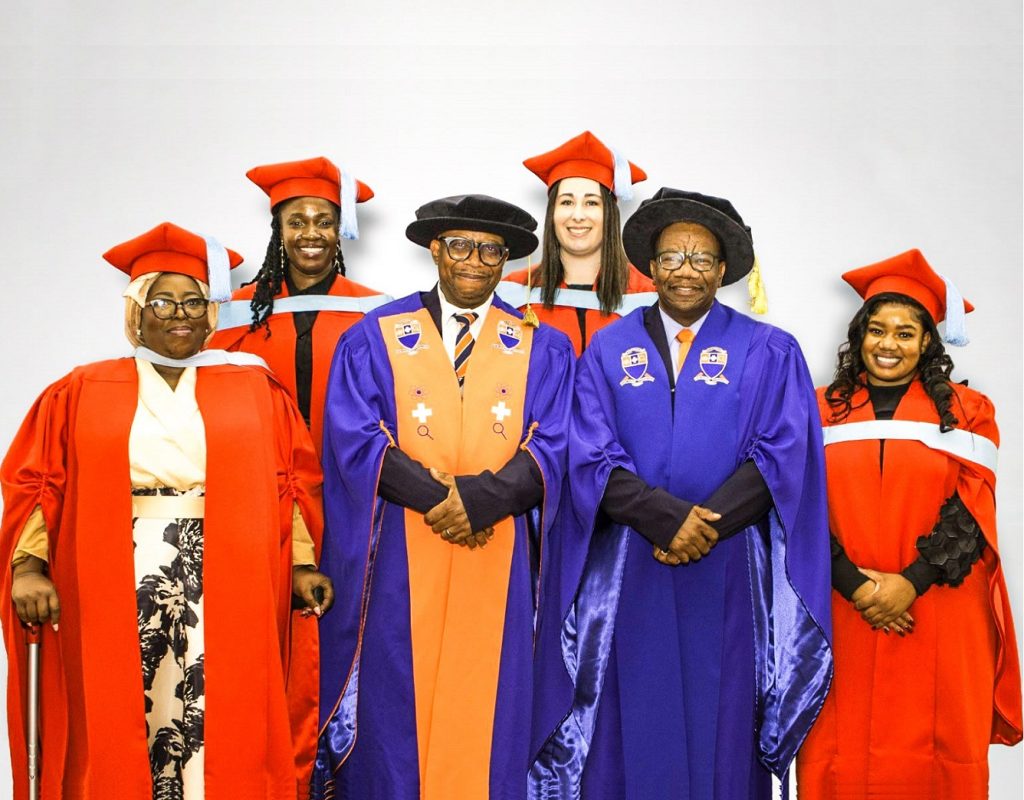
A significant milestone was achieved recently when five PhD candidates graduated from the School of Medicine, reflecting the institution’s expanding research capacity and commitment to developing highly skilled researchers. The growing number of staff members holding doctoral qualifications further aligns with SMU’s vision of transforming health services through excellence and innovation while strengthening the University’s research profile and academic standing.
“The growth in doctoral graduates demonstrates the School of Medicine’s commitment to producing research that is scientifically rigorous, socially relevant and capable of addressing real-world healthcare challenges,” said a School representative. “Our research agenda is increasingly interdisciplinary, collaborative and focused on improving health outcomes for the communities we serve.”
Among the departments contributing significantly to this success is the Anatomy and Histology Department, which provides foundational anatomical and histological training across numerous health sciences programmes while supporting interdisciplinary research in medical imaging, forensic sciences, dentistry, orthopaedics and biomedical sciences.
Recent doctoral achievements emerging from the Department highlight the breadth and relevance of research being undertaken within the School. Dr Vaughan Perry, who graduated in September 2025, investigated the combined effects of diabetes, chronic alcohol use and antiretroviral therapy on rat bone structure. His findings contribute to a deeper understanding of chronic disease and skeletal health, offering valuable insights into conditions that remain highly prevalent within South African healthcare settings.
Graduating on 13 May 2026, Dr Ruth Kobedi explored cephalometric variation in Black South African adults using conventional lateral cephalograms and cone-beam computed tomography. Her research established population-specific craniofacial standards that can improve orthodontic diagnosis, treatment planning and forensic identification.
“This study demonstrates the importance of developing locally relevant scientific data that reflects the diversity of South African populations,” said Dr Kobedi. “Such research has the potential to improve both healthcare delivery and forensic practice while strengthening collaboration across disciplines.”
Further showcasing the School’s research innovation, Daniële Kristen is set to graduate later this year following her investigation into knee joint morphology in South African populations using computed tomography and geometric morphometric analyses. Her work established population-specific standards with applications in forensic anthropology and orthopaedic implant development, creating opportunities for the future design of anatomically compatible implants tailored to local populations.
These achievements reflect the School of Medicine’s growing stature as a hub of academic excellence, research innovation and postgraduate development. Through interdisciplinary collaboration, impactful research and a commitment to addressing local healthcare needs, SMU continues to advance scientific knowledge while developing the next generation of health professionals and researchers. As the University pursues its vision of transforming health services through excellence and innovation, its contributions to education, research and healthcare remain central to improving lives across South Africa and beyond.
By Tumelo Moila
by Lorato | Jun 6, 2026
by Lorato | Mar 26, 2026 | All News, Alumni, SMU Media, Student Media
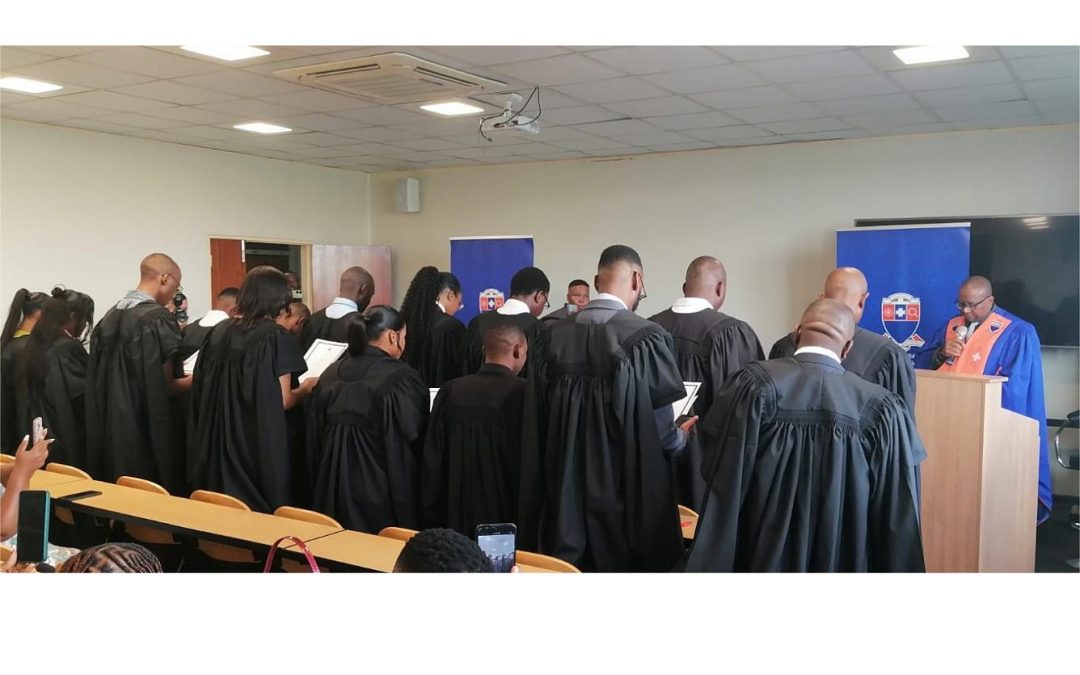
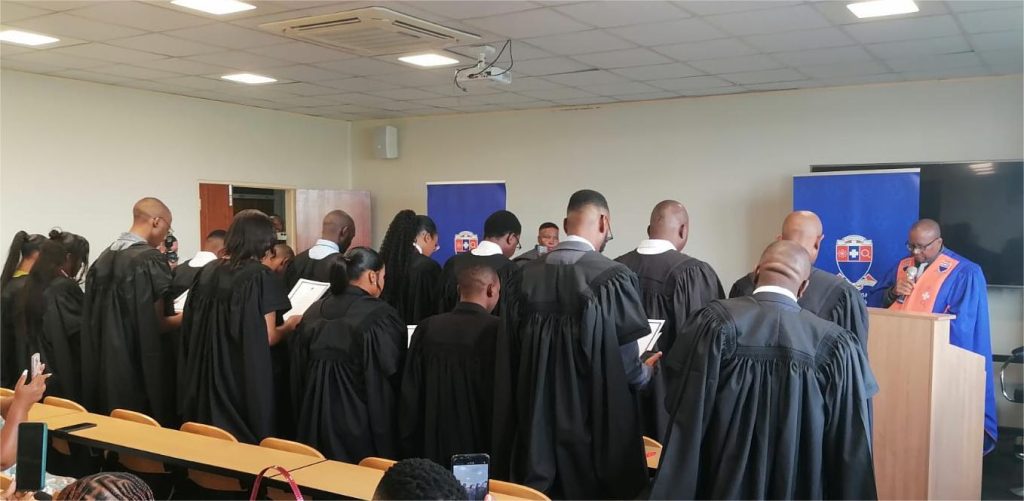
Sefako Makgatho Health Sciences University (SMU) has marked a defining moment in medical education, as seventeen cohorts of final year students from its School of Medicine formally took their Hippocratic Oath in a landmark ceremony that underscored the university’s commitment to ethical training and community-centred healthcare.
 The ceremony signalled more than tradition. It marked a clear transition from training to responsibility, as students publicly committed themselves to the principles that define the medical profession—compassion, integrity and service. For SMU, the moment reinforced its role in shaping healthcare professionals equipped to meet South Africa’s evolving health challenges.
Addressing the students, Dean of the School of Medicine, Risenga Frank Chauke, delivered a direct and uncompromising message on the weight of the oath. “This oath can make you or break you,” he said. “I expect you to treat patients with compassion, uphold the highest standards of care, and make a meaningful difference in our communities. I do not want to see any of you disciplined by the Health Professions Council of South Africa.”
During the ceremony, students recited their oath in unison, pledging to dedicate their lives to the service of humanity and to uphold the dignity and honour of the profession. They committed to delivering care to the best of their abilities, maintaining the highest ethical standards and serving communities with integrity and respect.
For the seventeen cohorts, the ceremony represented the culmination of years of rigorous academic and clinical preparation. It formally inducted them into the medical profession while reinforcing the moral responsibility that comes with patient care. The moment reflected both achievement and accountability, as students acknowledged the expectations placed upon them as future doctors.
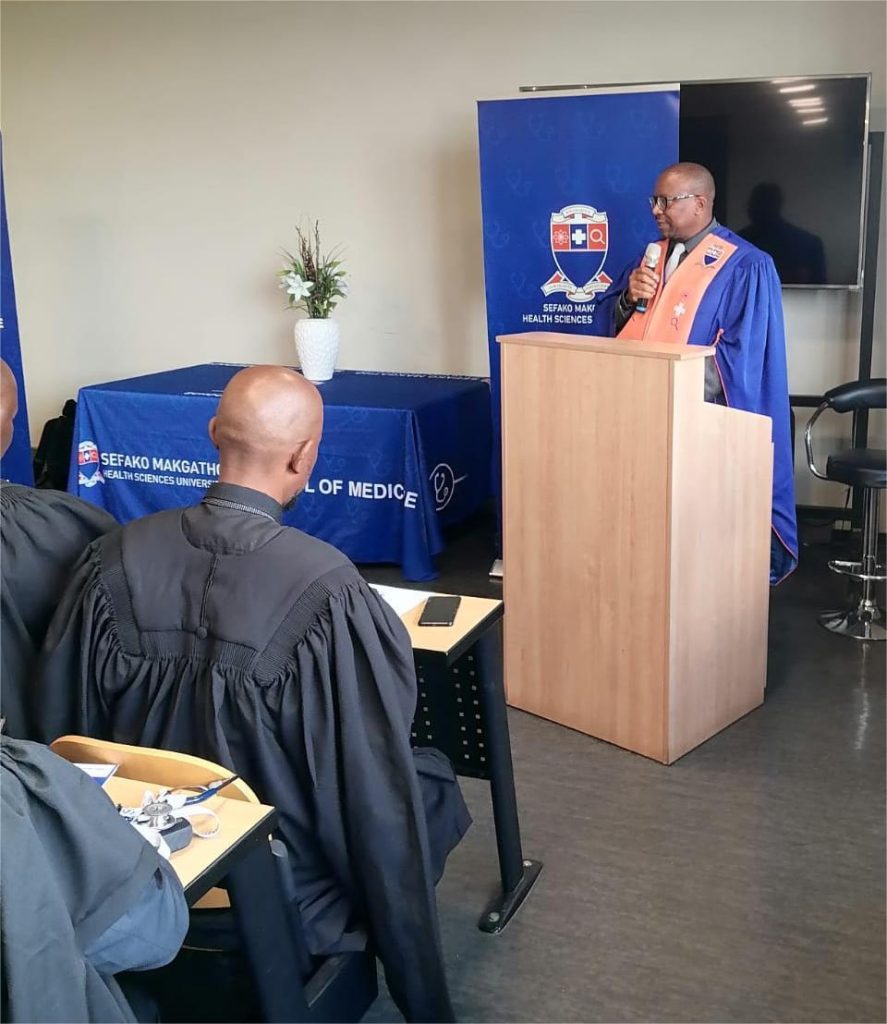 Prof Chauke further emphasised the broader role of healthcare professionals beyond clinical practice. “Medicine is not just about treating disease; it is about caring for people and making a meaningful impact in their lives,” he said. “Let this oath guide your actions, your decisions and your attitude throughout your careers.” His remarks reinforced the principle that technical competence must be matched by ethical conduct and human-centred care.
Students expressed a strong sense of pride and purpose as they took the oath. The ceremony also brought together families, academic staff and distinguished guests, creating a shared moment of celebration and reflection. It recognised not only the students’ achievements but also the support systems that contributed to their journey. The atmosphere reflected both accomplishment and anticipation for the impact these future professionals will have on society.
Prof Chauke encouraged students to extend their commitment beyond hospital settings and into the communities they will serve. “This oath is not a formality; it is a lifelong commitment,” he said. “Let it shape your conduct and your responsibility to society.” His message underscored the importance of community engagement as a core component of medical practice.
As these cohorts embark on their professional journeys, the values embedded in the oath—compassion, accountability, integrity and service—will remain central to their development. Through this ceremony, SMU continues to produce healthcare professionals who are not only clinically competent but also socially conscious and ethically grounded.
By strengthening the link between academic excellence and community impact, SMU reaffirms its position as a leading institution in health sciences education. The oath-taking ceremony stands as a powerful reminder that the future of healthcare begins with a commitment to serve—one patient, one community, and one decision at a time.
By Dimakatso Modise

by Lorato | Jan 11, 2026 | Accolades and Achievements, All News, Alumni, SMU Media, Student Media
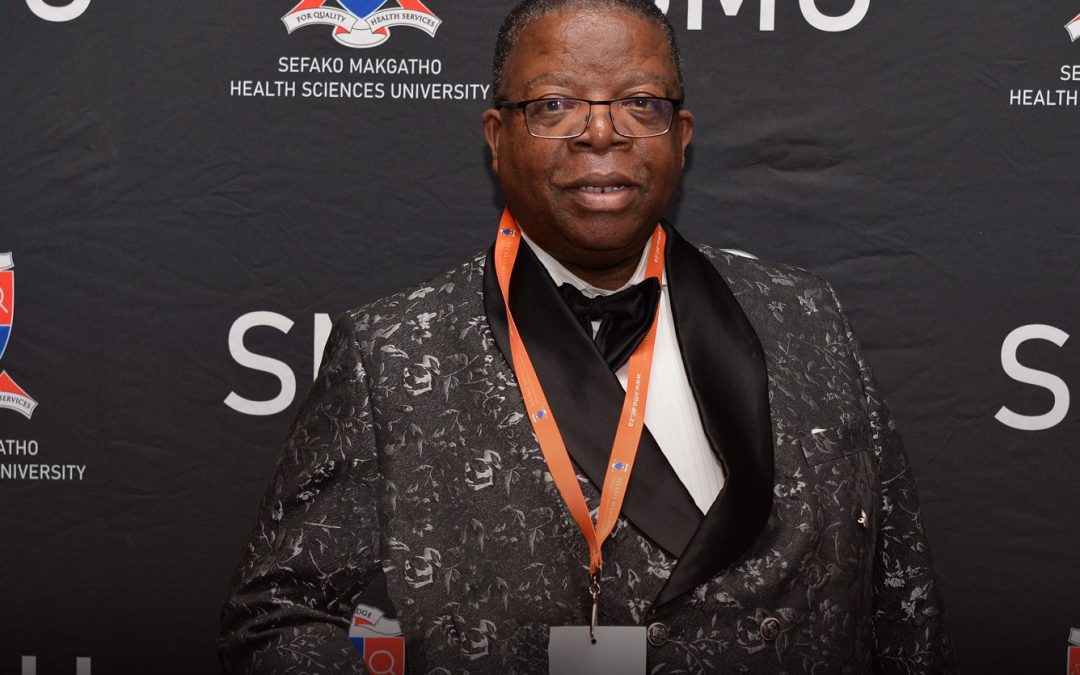
In a field where women remain underrepresented, Dr Dineo Tsabedze is charting her own course and building new pathways for others. Recently appointed as Academic and Clinical Head of the Department of Nuclear Medicine at Sefako Makgatho Health Sciences University (SMU) and Dr George Mukhari Academic Hospital (DGMAH), Tsabedze embodies a new era of leadership: one that merges cutting-edge science with inclusive, community-centred healthcare.
 A nuclear medicine specialist and accomplished academic, Tsabedze’s ascent reflects more than personal success. Her work signals a shift in South African healthcare leadership, where women are not just participating but defining the future of advanced medicine. From global collaborations to local outreach, she is expanding access to specialised diagnostics and championing a healthcare system where excellence and equity are not mutually exclusive.
Her journey is marked by a series of recent milestones that reinforce her growing influence in medicine. In 2024, she was admitted as a Fellow of the European Society of Cardiology (ESC), a prestigious international recognition that affirms her contributions to cardiovascular medicine. “It’s a humbling honour,” says Tsabedze. “It reflects years of dedication to cardiovascular research.”
She also serves as President of the Female Academic Leaders Fellowship Alumnae Association, an organisation committed to developing a strong pipeline of female academic leaders across South Africa. “Academic leadership must reflect the diversity of our society,” she says. “We need more women at the decision-making table in higher education.”
In addition to her leadership roles, Tsabedze was recently awarded a competitive fellowship to collaborate with the University of Oxford. This opportunity allows her to contribute to international research while also enhancing the profile of South African scholarship. “The Oxford collaboration is more than academic. It is about exchanging knowledge, building networks and raising the standard of care at home,” she notes.
Her academic record speaks volumes. With 29 peer-reviewed publications and 280 citations, Tsabedze has made notable contributions to nuclear medicine and cardiovascular research. Her work is frequently presented at international conferences, positioning her as a respected voice in global scientific circles.
Tsabedze’s impact extends well beyond academia. She is currently leading two community-based initiatives aimed at expanding access to nuclear medicine diagnostics and treatment in underserved areas. “Too often, advanced technologies are reserved for the privileged,” she remarks. “These projects aim to reverse that by bringing quality care to the marginalised.”
At SMU and DGMAH, where her leadership bridges academic excellence and clinical service, Tsabedze is positioning nuclear medicine as a driver of innovation and accessibility. Under her guidance, the department is embracing precision medicine and exploring the use of artificial intelligence in diagnostic imaging. “The future of nuclear medicine lies in personalisation and innovation,” she explains. Yet her vision extends beyond technology. Whether mentoring young women, leading international research, or transforming care models, her focus remains constant: opening doors for others. “I have mentors who opened doors for me. Now it’s my turn to do the same for others.”
For Tsabedze, leadership is not defined by position; it’s measured by impact, and in her leadership, both SMU and South African healthcare are finding new possibilities.
By Tumelo Moila
by Lorato | Nov 26, 2025 | All News, SMU Media, Student Media
Sefako Makgatho Health Sciences University (SMU) alumnus and retired Head of the Department of Cardiology, Professor Pindile Mntla, is celebrated for a career defined by vision, resilience, and unwavering commitment to medical education and research.
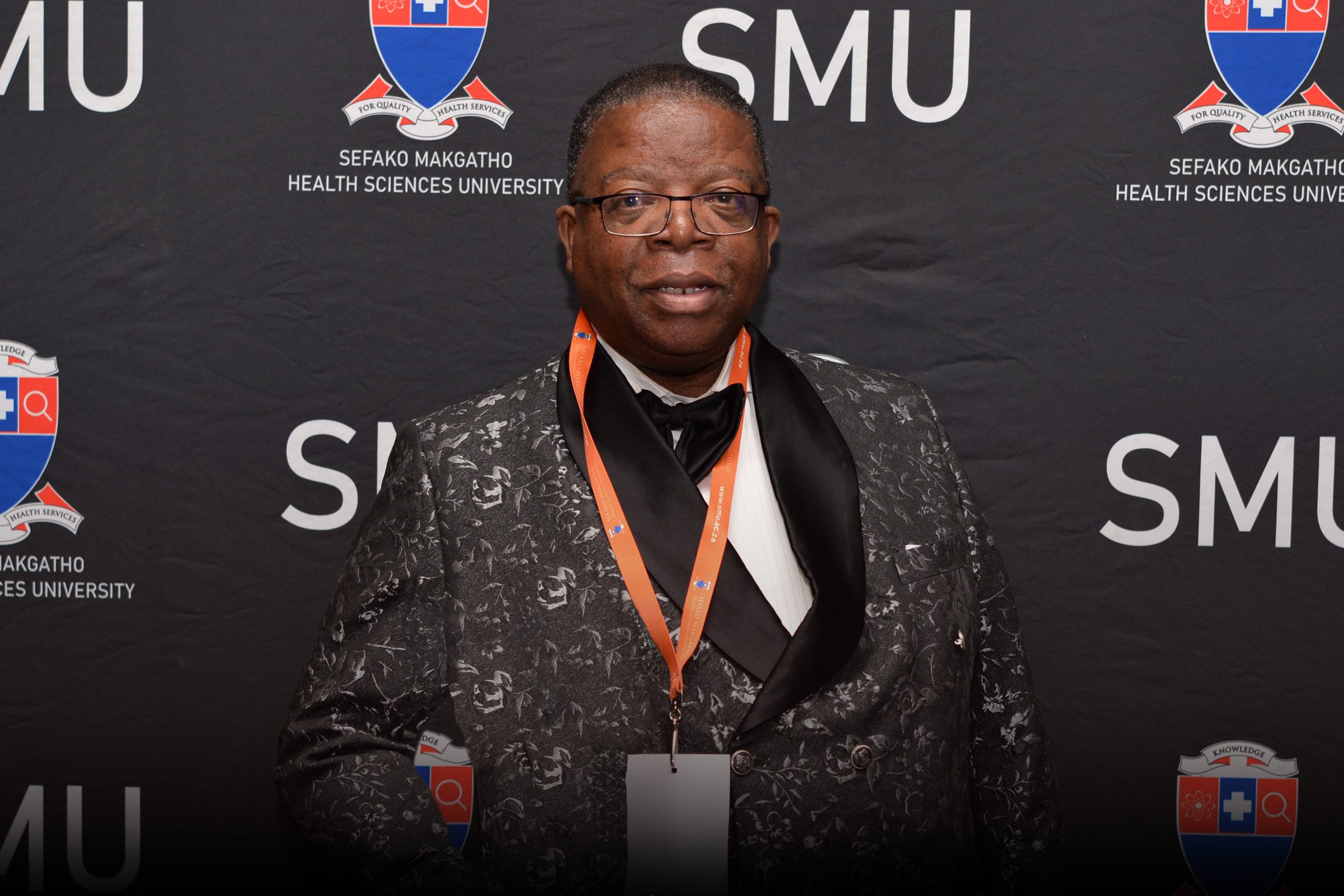 Born at Malmesbury Hospital in Cape Town, Prof Mntla was the second of five children, though only three survive today. Raised in Idutywa by his maternal grandfather and uncle, he attended primary school in Bolotwa and completed secondary education in Cofimvaba and at St John’s College in Mthatha. His early years instilled in him discipline and curiosity. “I owe much of my resilience and work ethic to those formative years,” he reflects.
Mntla graduated as a medical doctor from the Medical University of Southern Africa (MEDUNSA), now SMU, in 1984. During his years there, he was introduced to politics through the formation of Azanian Students Organisation (AZASO), where he served as the founding secretary of the Medunsa branch. He had already been exposed to uMkhonto weSizwe (MK) activities as a Grade 11 pupil at St John’s College, assisting with distributing literature, knitting jerseys, and supporting cell activities in Spring Street.
His medical training coincided with turbulent times in South Africa. Initially slated for an internship at Edendale Hospital in 1985, he refused to sign the “Inkatha Pledge” and was redirected to Natalspruit Hospital (now Telle-Mogoerane Hospital) during the height of the East Rand uprisings. Prof Mntla recalls the horrors of the era: a house in Thokoza, along with his graduation gown, hood, and books, was burnt, and he was closely monitored by Internal Security. Despite these challenges, he resolved early in his medical career that private practice would not be his path.
His registrar years at Wits were also marked by systemic inequities: restrictions on accommodation due to the Group Areas Act, unequal benefits compared to fellow registrars, and ongoing discrimination. Yet these obstacles did not deter him.
Returning to his alma mater in 1994 as a lecturer in Cardiology and Internal Medicine, Mntla co-launched the Refresher Course alongside Prof Willie Bam and departmental administrator Mrs Jackson in 1995. What began in a modest lecture hall evolved into a nationally recognised platform, now hosted at the CSIR, providing doctors with access to the latest cardiology knowledge in a structured, professional setting.
Mntla’s research collaborations, including work with the late Prof Bongani Mayosi, addressed critical cardiology issues such as pericardial disease, rheumatic heart disease, hypertension, and heart failure. Mentorship remains a core principle for him; numerous Master’s and PhD students under his guidance have completed studies shaping clinical practice today.
Beyond SMU, Prof Mntla has contributed to the Medicines Control Council (now SAHPRA – South African Health Products Regulatory Authority), the College of Physicians Council, and the Colleges of Medicine of South Africa (CMSA) Senate, and chairs the Nelson Mandela/Fidel Castro (NMFC) Medical Collaboration Programme. He has served on advisory boards, including the South African Medical Research Council (SAMRC), acted as an external examiner for the University of Botswana and the University of Malawi, and participated in medical outreach through the Phalala Programme in Eswatini.
Mntla’s personal legacy is equally profound. He is married to Dr Edith Nonhlanhla Mntla (née Madela) and is a proud father of three children, two of whom have followed him into the medical profession. “Seeing my children pursue medicine fills me with immense pride,” he reflects.
“Prof Mntla embodies a rare blend of vision and humility,” says Dr Edith Mntla. “He inspires excellence while nurturing talent.” His leadership journey includes serving as Deputy Dean for Students (2002), Director of the School of Medicine (2005–2009), and Acting Dean of the Faculty of Health Sciences.
Throughout his career, he has exemplified intellect, action, mentorship, and service. “He doesn’t just teach medicine; he teaches us how to serve humanity,” Dr Mntla adds. His story remains one of resilience, leadership, and lasting influence on South African medicine.
By Tumelo Moila
