by Lorato | Dec 13, 2024 | All News, SMU Media, Student Media
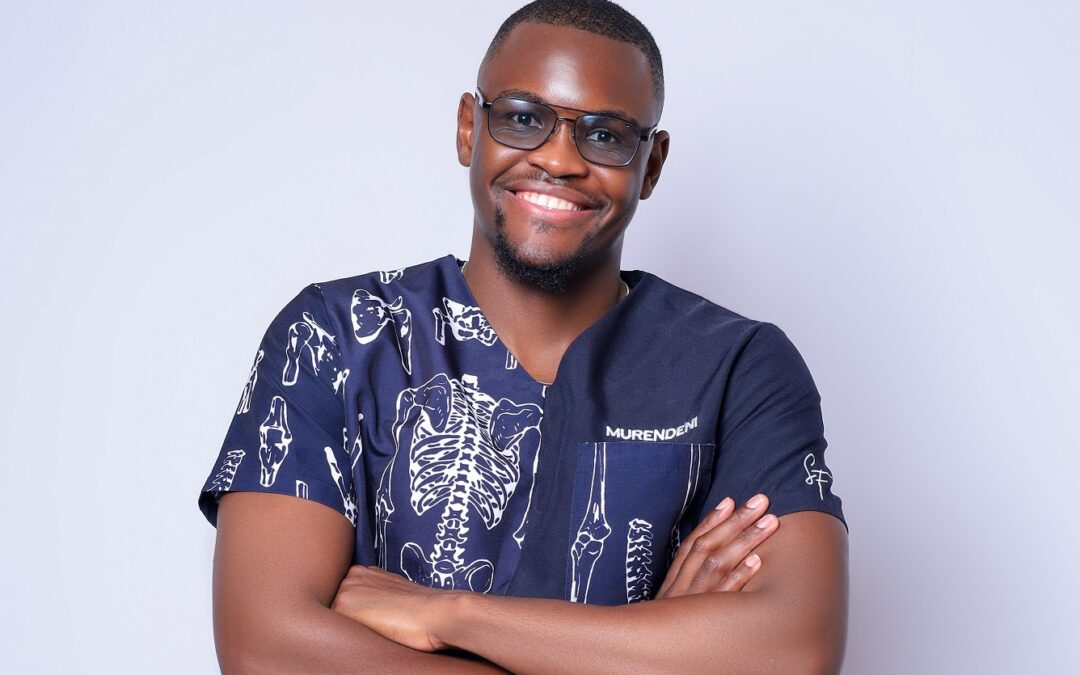
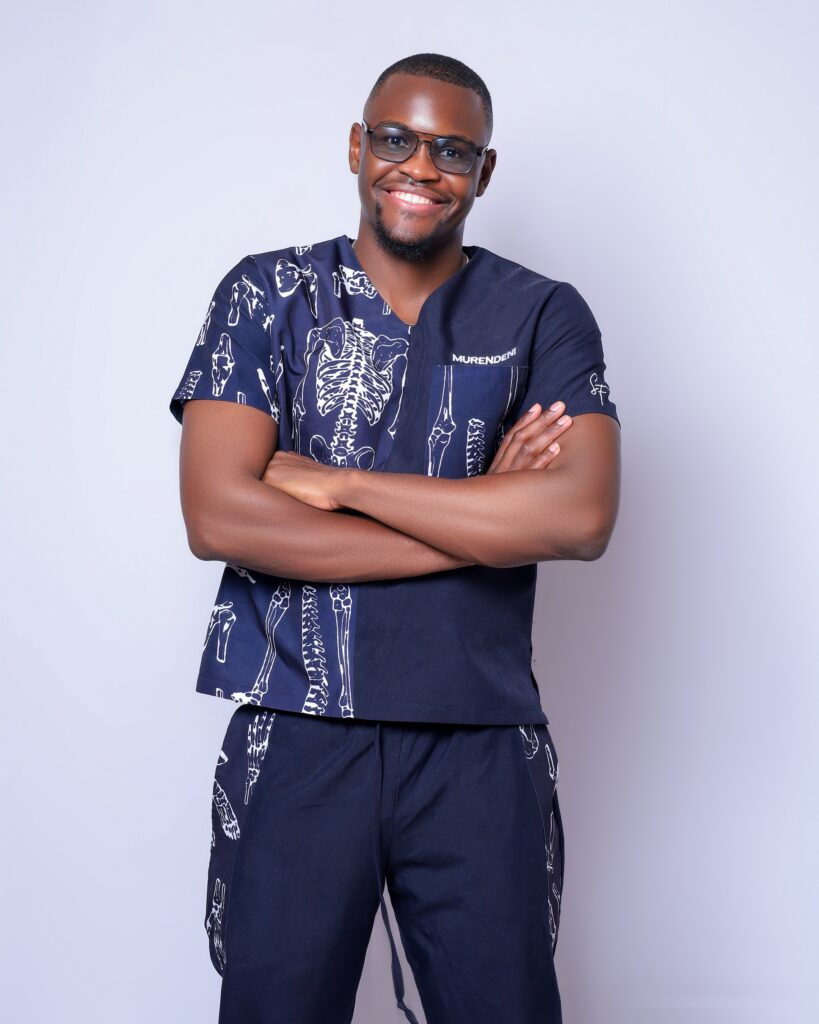
In the heart of rural Venda, where medical resources are scarce and healthcare challenges profound, Murendeni Magosha, an alumnus of Sefako Makgatho Health Sciences University (SMU), is making an indelible impact. As a Radiographer at Tshilidzini Hospital, he is bridging the technological divide and delivering compassionate care that extends far beyond the confines of medical diagnostics. Magosha’s story is a shining example of SMU’s mission to produce healthcare leaders who combine technical excellence with an unwavering dedication to service.
A career driven by faith and service

Murendeni Magosha
Magosha’s journey into radiography was shaped by an early fascination with medical imaging and its profound effect on patient care. A significant influence on his dedication was the late Dr Petrus Masole Ragimana, Pastor and founder of The Living Gospel World Mission. Ragimana, revered as an unsung hero of South Africa, linked faith to action through his doctrine of servant leadership, inspiring countless individuals, including Magosha. His ethos—“To serve God is to serve humanity”—has become a guiding principle in Magosha’s life, influencing his journey from SMU to the heart of underserved communities.
“I chose SMU because it offered a rare combination of robust technical training and a curriculum that emphasised the human side of healthcare,” Magosha recalls. “It wasn’t just about learning the machines; it was about learning how to connect with patients.”
At SMU, Magosha’s training was comprehensive. Through extensive clinical placements, he gained hands-on experience that prepared him for the complexities of real-world healthcare. However, the focus on patient care and interpersonal relationships resonated most with him. “SMU didn’t just teach me how to be a radiographer; it taught me how to care,” he says.
Challenges and triumphs in rural healthcare
Now a seasoned professional, Magosha faces the harsh realities of healthcare in rural communities, where outdated equipment and high patient volumes are the norm. At Tshilidzini Hospital, he works tirelessly to overcome these obstacles with grace and ingenuity, often going beyond his clinical duties to ensure patients receive the care and dignity they deserve.
“The challenges we face here are many,” he admits. “But I see them as opportunities to make a meaningful difference. Every patient deserves the best care, no matter the circumstances.”
Magosha’s work extends beyond diagnostics. He has become a mentor to younger radiographers, leading efforts to optimise patient care and improve workflow. “Healthcare isn’t just about treating illnesses,” he asserts. “It’s about restoring dignity and trust in a community that’s often forgotten.”
Guided by the teachings of his pastor, Magosha approaches his work with a sense of mission that transcends technical proficiency. His faith informs every patient interaction, imbuing his practice with empathy, respect, and a profound commitment to equity in healthcare.
“My faith has been my anchor,” Magosha says. “It helps me maintain perspective, especially on the tough days. When I look at a patient, I see a person—someone’s mother, father, child. It’s my job to treat them with the respect they deserve.”
Magosha’s faith-driven approach to healthcare aligns with SMU’s broader ethos of producing healthcare professionals who are not only skilled but also compassionate and committed to uplifting their communities.
SMU’s role in shaping changemakers
 Magosha’s success highlights the unique role that SMU plays in shaping healthcare leaders who are not just clinicians but also advocates for social justice and equity. The university’s focus on community engagement, combined with its rigorous training, produces graduates who excel under pressure while never losing sight of the human element of healthcare.
“The mentorship I received at SMU was crucial,” he reflects. “It wasn’t just about technical expertise—it was about learning to serve with heart. I was taught that healthcare is as much about humanity as it is about technology.”
Magosha’s journey from SMU to the rural hospitals of South Africa exemplifies the transformative power of education, compassion, and faith in healthcare. His work at Tshilidzini Hospital models how healthcare professionals can lead with skill and empathy, transforming the medical landscape and the communities they serve.
As Magosha continues to mentor young radiographers and advocate for improved healthcare access in underserved areas, his legacy grows—not just as an alumnus of SMU but as a beacon of hope and excellence in the fight for healthcare equity.
His story is a powerful reminder of SMU’s enduring mission: to produce professionals who excel in their fields and elevate the lives of those who need it most. Through his work, Magosha is proving that healthcare is about more than just treatment—it’s about transforming lives.
* By Tshimangadzo Mphaphuli

by Lorato | Nov 25, 2024 | All News, SMU Media, Student Media
In a landmark appointment that exemplifies Sefako Makgatho Health Sciences University’s (SMU) commitment to fostering diversity in critical skill areas, Dr Dineo Tsabedze was appointed to head the Department of Nuclear Medicine, a field traditionally dominated by men. As both the Academic and Clinical Head of Nuclear Medicine at SMU and Dr George Mukhari Academic Hospital (DGMAH), Tsabedze symbolises SMU’s vision of inclusive leadership by women in pivotal healthcare roles, reinforcing its commitment to nurturing top talent.

Dr Dineo Tsabedze
With an impressive academic background, including a PhD and a Master of Medicine in Nuclear Medicine (Cum Laude) from the University of the Witwatersrand, Tsabedze brings a blend of clinical expertise, academic rigour, and compassionate leadership to her new position. Her contributions to nuclear medicine and her groundbreaking research—marked by 26 published papers, international conference presentations, and multiple awards—showcase her expertise and underscore her impact in a field often led by men.
Tsabedze’s leadership philosophy, based on kindness, humility, and inclusivity, creates a supportive atmosphere in the department. Her approach ensures that each member has a voice, from the administrative staff to radiopharmacists and radiographers. “When people feel valued, they naturally align with the department’s goals,” she explains, embodying a collaborative leadership style that is both inspiring and effective. Her inclusive approach resonates deeply with SMU’s vision to cultivate an environment where diverse talents thrive, especially in high-impact fields.
Her plans to elevate the Nuclear Medicine Department span across patient care, education, and research. She has initiated operational changes, including a review of standard procedures to cut waiting times and revisions to imaging protocols for more efficient patient-centred care.
Tsabedze is equally focused on enhancing the academic and research output within the department. She has set a minimum publication standard, ensuring that her team contributes meaningfully to the field’s knowledge base. By encouraging interdepartmental research collaborations and hosting weekly seminars and journal clubs, she creates a culture of continuous learning and professional growth, positioning SMU as a key player in nuclear medicine advancements.
A champion of new technologies, Tsabedze is leading her department towards precision medicine, focusing on disease-specific treatments and patient-tailored therapies. Her vision includes harnessing artificial intelligence to improve diagnostic imaging and personalised treatment, setting a progressive course that aligns with SMU’s goals for pioneering healthcare innovation.
Tsabedze’s role is a milestone in SMU’s journey towards fostering female leadership in critical fields. Through her achievements, SMU is advancing nuclear medicine and setting a new standard for gender diversity in healthcare leadership. Her work stands as a beacon for aspiring women in medicine, exemplifying the transformative impact of inclusive leadership and the importance of diverse representation in the most specialised areas of healthcare.
In recognising Tsabedze’s role, SMU celebrates a new chapter in its mission to empower South Africa’s top talent in fields that demand excellence and empathy. Her story, marked by resilience and leadership, reflects SMU’s dedication to promoting equity and innovation, positioning the university as a forward-looking institution committed to shaping the future of healthcare.
by Lorato | Nov 12, 2024 | All News, SMU Media, Student Media
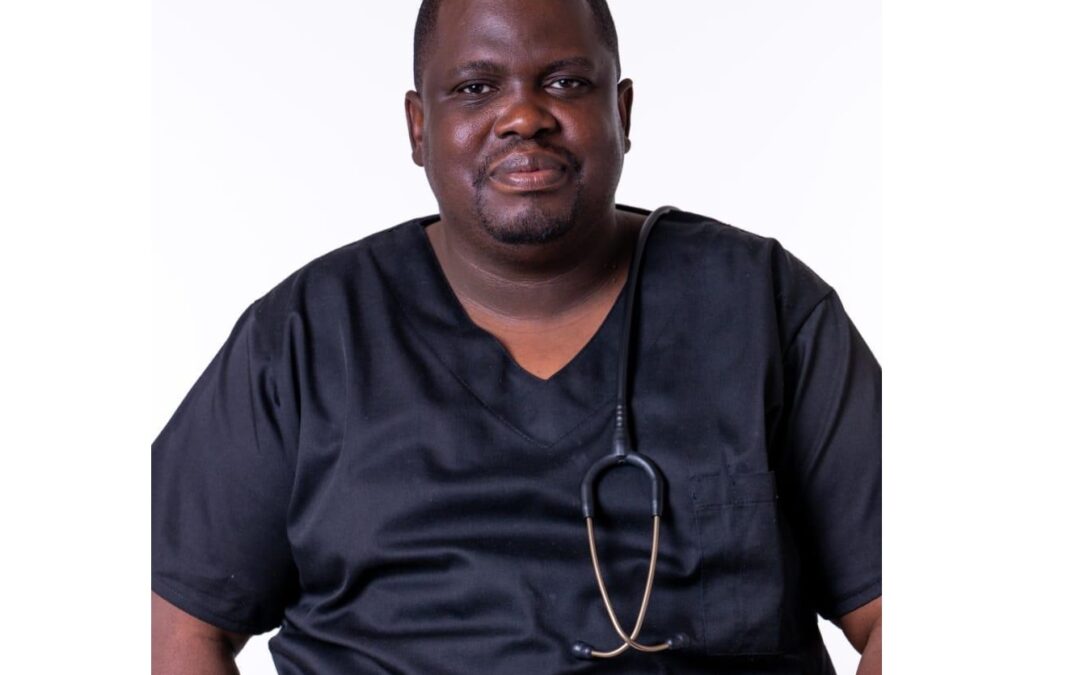
In the heart of South Africa’s medical landscape, Sefako Makgatho Health Sciences University (SMU) is shaping world-class professionals driven by medical skills and an enduring commitment to public service. Dr Lawrence Marapo, a distinguished Registrar in Obstetrics and Gynaecology at SMU, embodies this spirit. Known for his blend of clinical excellence and faith-based compassion, Marapo’s journey—from his rural upbringing in Botswana to the forefront of women’s healthcare innovation—highlights the power of resilience, faith, and a relentless pursuit of quality care.
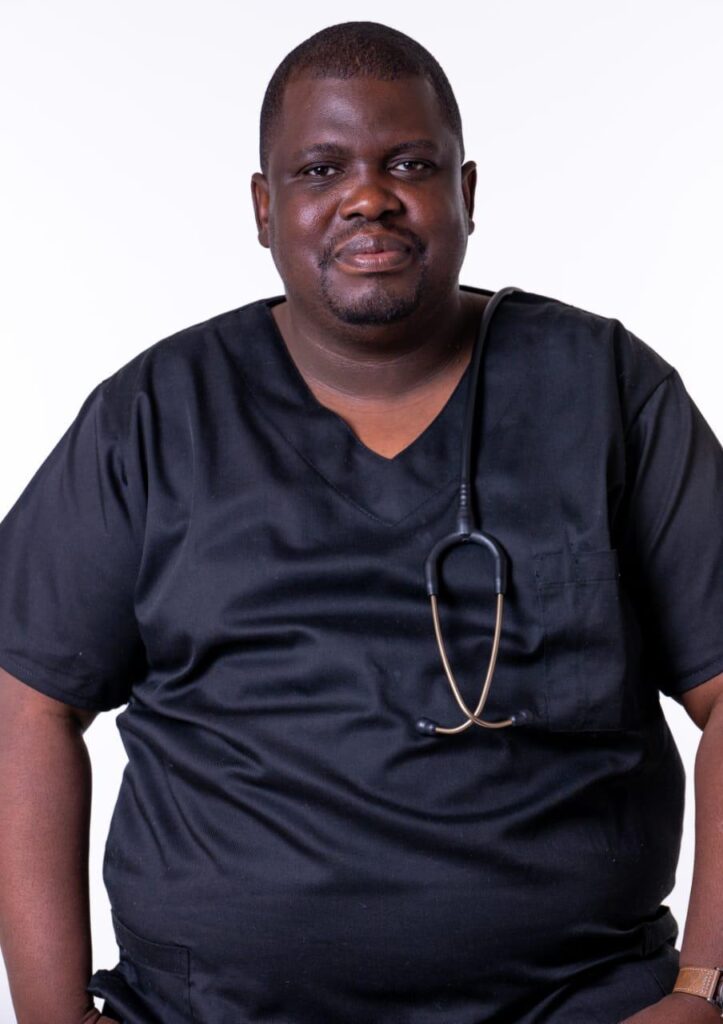
Dr Lawrence Marapo
At just 38, Marapo has carved out a remarkable career, setting a record by completing his Obstetrics and Gynaecology qualifications in just four years. Today, his work is indispensable in advancing women’s health and developing the next generation of healthcare leaders. His life motto, inspired by Dr Zhu Fu Tang, founder of the Chinese Pediatrics Academy of Science—“Selflessness, benevolence, diligence, and congeniality”—reflects his commitment to service. “I am the result of teenage pregnancy; my mother was only 15 when she had me. Knowledge became my defence, and faith my foundation,” he shares, reflecting on the challenges that fuelled his journey.
Marapo’s dual roles as both a Doctor and Pastor enrich his approach to patient care, especially for those facing critical health challenges. “Being a pastor and a gynaecologist allows me to provide comfort and dispel myths for patients in distress,” he says. His research into metabolic syndrome among peri- and postmenopausal women, recently presented at an International Menopause Congress in Melbourne, underscores SMU’s commitment to impactful research and innovative solutions. “My work is inspired by the need to address real issues affecting South African women,” he adds.
His rise began in Mafikeng Provincial Hospital as a Medical Intern, where he soon discovered his calling in obstetrics. “Working in the labour ward during my internship cemented my love for obstetrics. It felt like a calling,” he recalls. Today, under the mentorship of experts like Dr George Mothupi and Professor Lineo Matsela at Dr George Mukhari Academic Hospital, he is refining his skills to champion maternal health standards across Southern Africa. His vision is ambitious: to establish a “safe obstetrics practice committee” that will promote evidence-based care and reduce maternal risks.
As an educator, Marapo is deeply invested in SMU’s future healthcare leaders. In 2023, SMU honoured him as the Best Junior Undergraduate Lecturer—a recognition he treasures. “Mentoring is essential to healthcare’s future,” he says. “Our impact multiplies through the young doctors we train, equipping them with skills and ethical standards to elevate public health.”
An accomplished author, Marapo has written two books, Destiny Map to Prosperity and Favour of God, offering hope to those facing adversity. His academic contributions, including an influential paper on perimortem caesarean sections, underscore his dedication to advancing medical knowledge. “Writing is my way of reaching out, to show that despite challenges, faith and effort can shape a better future,” he says.
As he prepares to embark on a PhD in Obstetrics and Gynaecology, with aspirations to integrate artificial intelligence into maternal care, Marapo’s vision extends far beyond personal achievements. His goals include creating accessible, cost-effective fetal monitoring devices and building a Southern African maternal care committee endorsed by American and European health bodies. For Marapo, it’s about offering cutting-edge, compassionate healthcare to the most underserved communities.
Even outside the hospital, his commitment to balance is evident. As a husband and father, he often sacrifices personal time for his patients. “This is a calling like no other. We push ourselves beyond limits for the health of others,” he says, describing how he missed his own and his child’s birthdays to save a patient’s life.
Marapo’s message to aspiring doctors is simple and profound: “This is doable; apply your mind and leave everything to faith.” His story—a powerful testament to SMU’s role in nurturing talent committed to serving humanity—continues to inspire future generations and redefines what it means to be a healthcare professional in South Africa. Through his dedication, faith, and vision, Marapo exemplifies the calibre of talent that SMU cultivates and the transformative impact of health sciences on the nation.