by Lorato | Mar 26, 2026 | All News, Alumni, SMU Media, Student Media
Sefako Makgatho Health Sciences University (SMU) has marked a defining moment in medical education, as seventeen cohorts of final year students from its School of Medicine formally took their Hippocratic Oath in a landmark ceremony that underscored the university’s commitment to ethical training and community-centred healthcare.
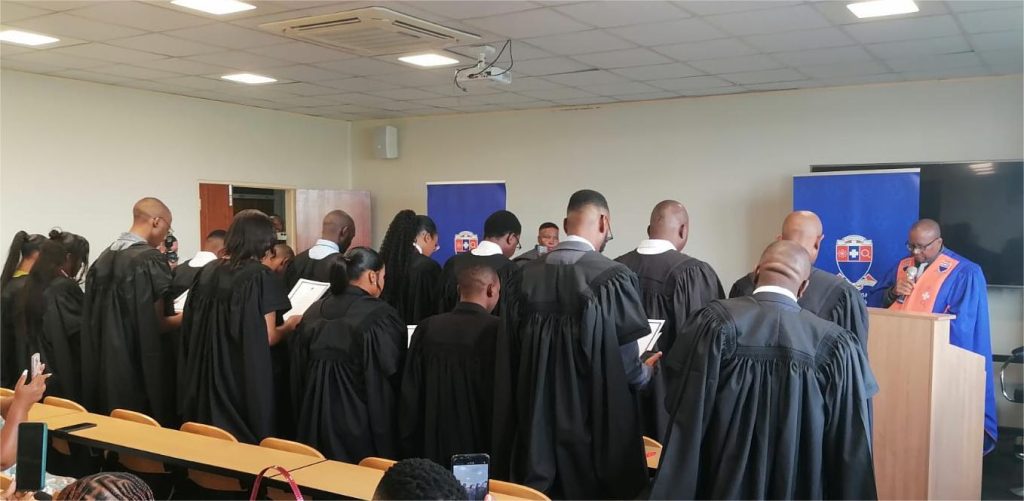 The ceremony signalled more than tradition. It marked a clear transition from training to responsibility, as students publicly committed themselves to the principles that define the medical profession—compassion, integrity and service. For SMU, the moment reinforced its role in shaping healthcare professionals equipped to meet South Africa’s evolving health challenges.
Addressing the students, Dean of the School of Medicine, Risenga Frank Chauke, delivered a direct and uncompromising message on the weight of the oath. “This oath can make you or break you,” he said. “I expect you to treat patients with compassion, uphold the highest standards of care, and make a meaningful difference in our communities. I do not want to see any of you disciplined by the Health Professions Council of South Africa.”
During the ceremony, students recited their oath in unison, pledging to dedicate their lives to the service of humanity and to uphold the dignity and honour of the profession. They committed to delivering care to the best of their abilities, maintaining the highest ethical standards and serving communities with integrity and respect.
For the seventeen cohorts, the ceremony represented the culmination of years of rigorous academic and clinical preparation. It formally inducted them into the medical profession while reinforcing the moral responsibility that comes with patient care. The moment reflected both achievement and accountability, as students acknowledged the expectations placed upon them as future doctors.
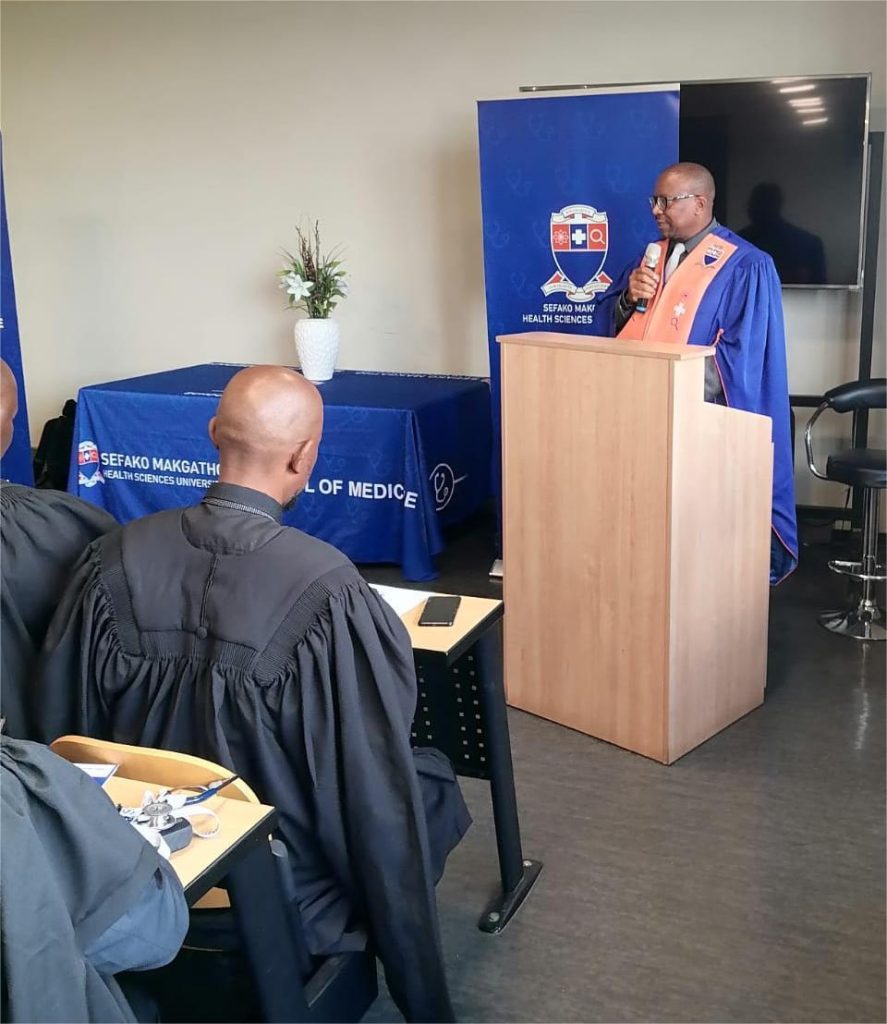 Prof Chauke further emphasised the broader role of healthcare professionals beyond clinical practice. “Medicine is not just about treating disease; it is about caring for people and making a meaningful impact in their lives,” he said. “Let this oath guide your actions, your decisions and your attitude throughout your careers.” His remarks reinforced the principle that technical competence must be matched by ethical conduct and human-centred care.
Students expressed a strong sense of pride and purpose as they took the oath. The ceremony also brought together families, academic staff and distinguished guests, creating a shared moment of celebration and reflection. It recognised not only the students’ achievements but also the support systems that contributed to their journey. The atmosphere reflected both accomplishment and anticipation for the impact these future professionals will have on society.
Prof Chauke encouraged students to extend their commitment beyond hospital settings and into the communities they will serve. “This oath is not a formality; it is a lifelong commitment,” he said. “Let it shape your conduct and your responsibility to society.” His message underscored the importance of community engagement as a core component of medical practice.
As these cohorts embark on their professional journeys, the values embedded in the oath—compassion, accountability, integrity and service—will remain central to their development. Through this ceremony, SMU continues to produce healthcare professionals who are not only clinically competent but also socially conscious and ethically grounded.
By strengthening the link between academic excellence and community impact, SMU reaffirms its position as a leading institution in health sciences education. The oath-taking ceremony stands as a powerful reminder that the future of healthcare begins with a commitment to serve—one patient, one community, and one decision at a time.
By Dimakatso Modise
by Lorato | Mar 26, 2026 | All News, Alumni, SMU Media, Student Media
Sefako Makgatho Health Sciences University (SMU) has reinforced its commitment to community health and preventive care by actively participating in World Oral Health Day (WOHD) 2026, using the global platform to drive awareness, education and meaningful community engagement across Ga-Rankuwa.
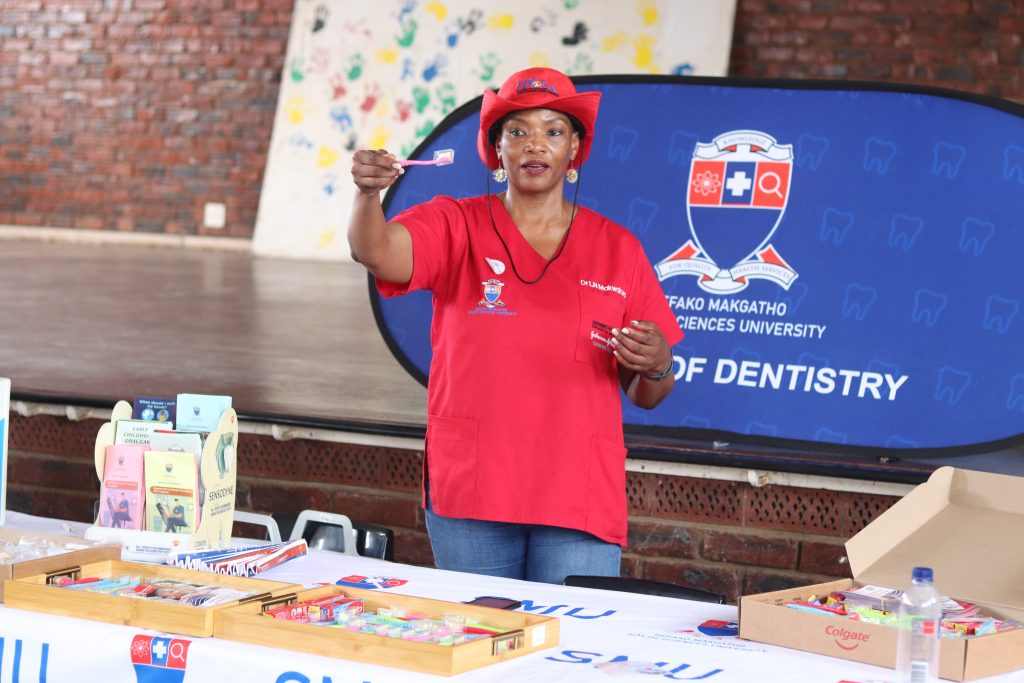 Observed annually on 20 March and led by the FDI World Dental Federation, WOHD highlights the importance of oral hygiene in overall well-being. This year’s theme, “A Happy Mouth is a Happy Life”, marks the culmination of a three-year global campaign focused on promoting lifelong oral health from early childhood through to older age.
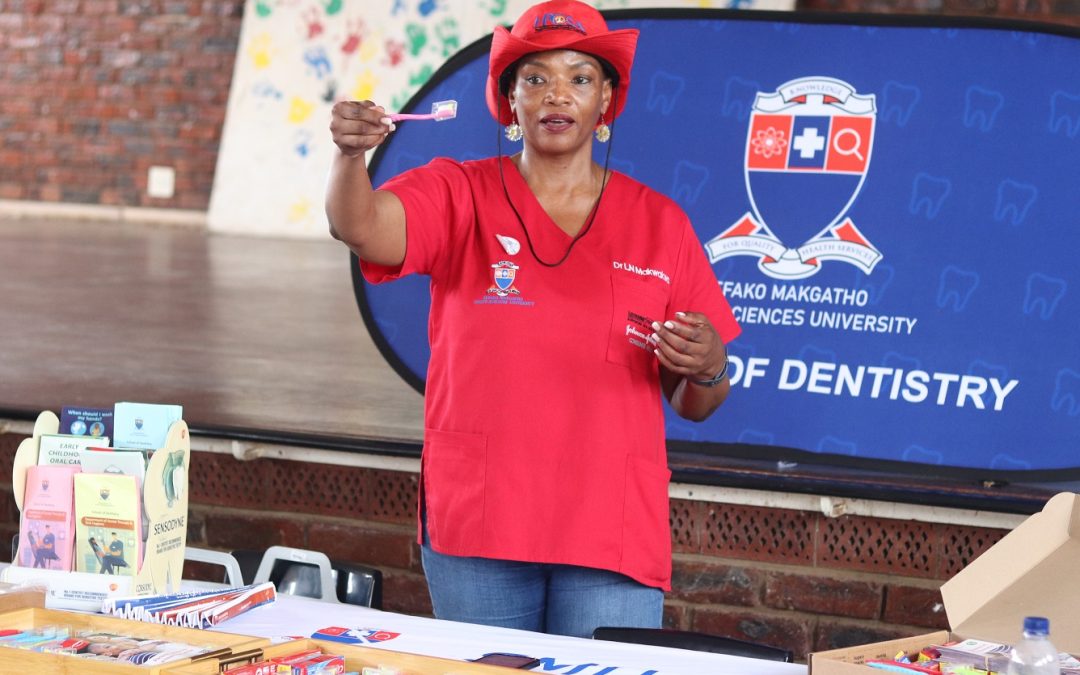
At SMU’s School of Dentistry, students from the Departments of Community Dentistry, Dental Therapy and Oral Hygiene translated this message into action through targeted outreach initiatives. Their efforts were designed not only to educate but to empower communities with practical knowledge and tools to improve daily oral hygiene practices.
The outreach began at Itireleng Residential Care Facility for the Disabled, a Gauteng Department of Social Development institution that provides residential care and skills development for individuals with physical and visual disabilities. Despite resource challenges, the facility continues to offer vital support services, making it a meaningful site for engagement.
Students delivered oral health education sessions, demonstrated proper brushing techniques and distributed dental care kits to residents. The interaction created an environment of learning, care and confidence, as beneficiaries engaged directly with future healthcare professionals.
Reflecting on the significance of the initiative, Dr Nokukhanya Makwakwa emphasised the broader impact of oral health. “It is possible to maintain a healthy mouth throughout your lifetime, and this contributes directly to overall well-being and quality of life,” she said. “Oral health goes beyond teeth—it influences confidence, social interaction and general health.”
For students, the experience provided both practical training and personal growth. Zinhle Phiri, a third-year Bachelor of Oral Hygiene student, described the experience as transformative. “At first, everything felt overwhelming, but as we engaged with patients, it became more natural,” she said. “Seeing their smiles and knowing we made a difference gave me confidence in my abilities.”
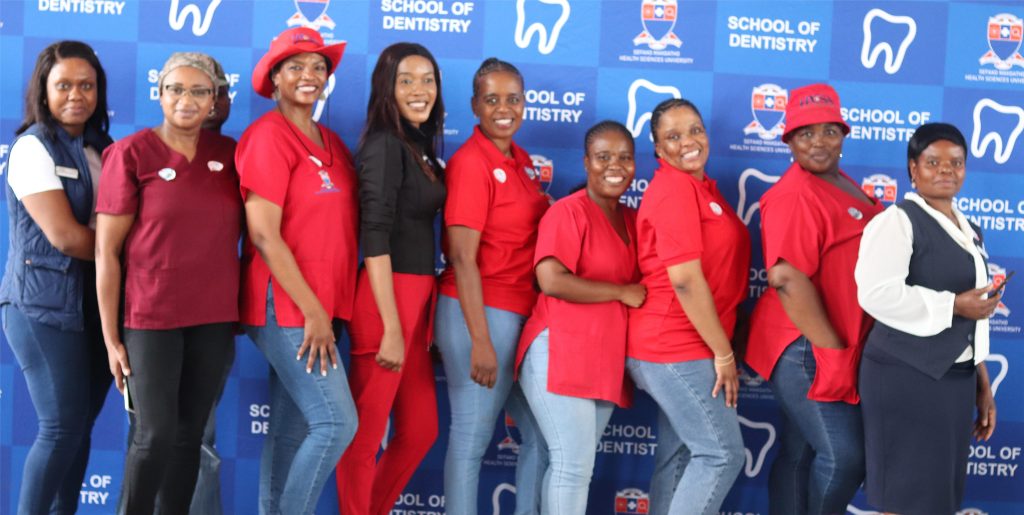 Similarly, Lethabo Madiba, a third-year Bachelor of Dental Therapy student, highlighted the value of hands-on learning. “This experience taught me so much about patient care in real-life settings,” he said. “It is the kind of learning that stays with you throughout your career.”
The outreach extended to Boikanyo Primary School, where students engaged young learners through interactive oral health education sessions. Pupils received dental kits and participated in demonstrations designed to instil healthy habits from an early age. The initiative reinforced the message that prevention begins with education and consistency.
Beyond community visits, the campaign included radio interviews, campus activations and social media awareness drives, amplifying the reach of the message and ensuring that oral health education extended beyond physical engagements.
Adding a student leadership perspective, Ace Junior Netshipale, Chairperson of the Dental Student Council, reflected on the importance of community interaction. “I was initially nervous about engaging in oral health advocacy, but the response from the community was incredibly encouraging,’ he said. ‘It became clear how many people lack basic knowledge about oral hygiene, and that motivated me to do more.”
Dr Makwakwa reinforced the long-term vision of the initiative. “Prevention is key,” she said. “By educating communities and promoting healthy habits, we are building a culture where oral health is prioritised and understood as essential to a happy and healthy life.”
Through these initiatives, SMU continues to demonstrate its role as a university that combines academic excellence with social responsibility. The School of Dentistry’s active participation in World Oral Health Day reflects a broader commitment to producing skilled, compassionate healthcare professionals who are equipped to serve communities effectively.
As the 2026 campaign theme suggests, a healthy mouth is central to overall well-being. By taking knowledge beyond the classroom and into communities, SMU is not only promoting oral health but also shaping a future where prevention, education and care work together to improve lives across South Africa and beyond.
By Dimakatso Modise
by Lorato | Mar 26, 2026 | Accolades and Achievements, All News, Alumni, SMU Media, Student Media
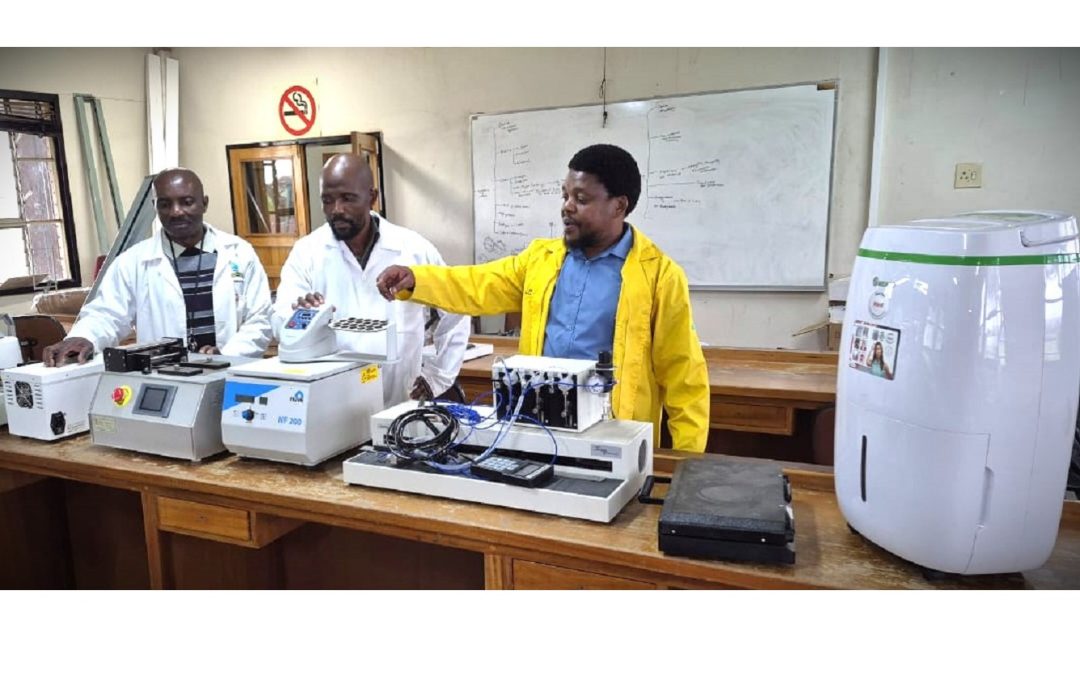
Sefako Makgatho Health Sciences University (SMU) is accelerating its role as a leader in health sciences innovation following a significant donation of specialised diagnostic equipment to its Department of Chemistry and Chemical Technology. An initiative that reinforces the university’s commitment to research excellence, industry collaboration, and student development.
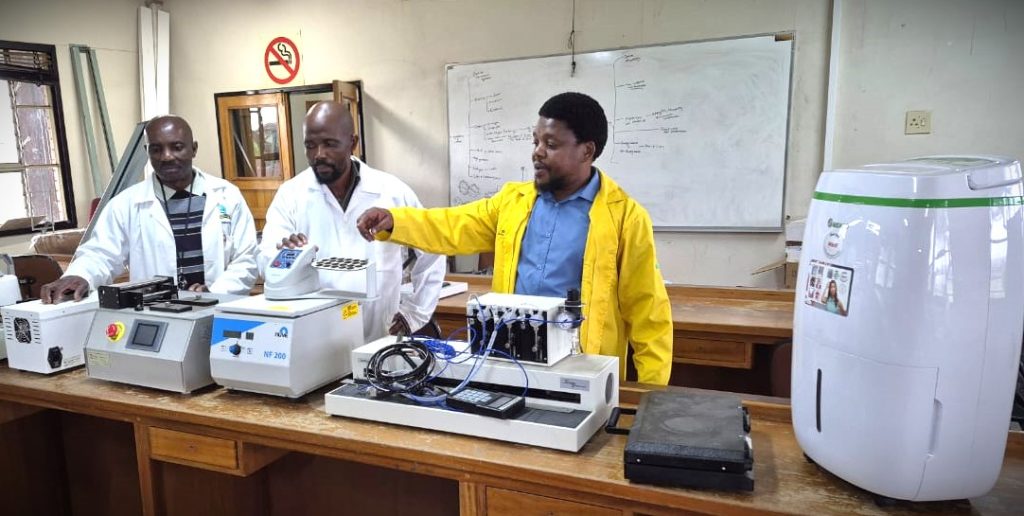 The donation, secured through a partnership with AMASU Technologies Pty (Ltd), a Durban-based biotechnology start-up, introduces advanced instrumentation designed for the batch-top fabrication of medical devices, including lateral flow diagnostic assays widely used in point-of-care testing. The collaboration signals a decisive step toward strengthening South Africa’s local capacity in diagnostic development.
“We are proud to support innovation that advances accessible healthcare solutions and strengthens local scientific capacity,” said Dr Mandizvo Tawanda, Director and CEO of AMASU Technologies Pty (Ltd). “Partnerships like this are essential in translating research into real-world impact.”
“This partnership reflects a shared vision to build innovation ecosystems that respond to real healthcare challenges,” said Professor Phumlani Mdluli, who played a key role in securing the donation and collaboration. “We are not just enhancing infrastructure; we are creating pathways for impactful research and skills development.”
Under the leadership of Professor Tshwafo Motaung (HOD), the Department is positioning itself as a hub for interdisciplinary innovation and entrepreneurship, where research translates into practical green solutions and spins into enterprises. The newly acquired equipment directly addresses critical gaps in prototyping and fabrication, enabling the transition from theoretical work to real-world application.
According to departmental leadership, the impact will be immediate and far-reaching. Students at both undergraduate and postgraduate levels will gain hands-on experience with industry-relevant technologies, significantly improving their readiness for the workforce.
“Exposure to this level of instrumentation changes everything,” said Dr Reagan Mohlala, a Natural Scientist in the Department. This sentiment was echoed by Mutendela Tabile Olivier, a lecturer, who added, “It allows our students to engage with the realities of medical device development, not just the theory behind it.”
The collaboration also opens doors beyond the laboratory. Internship opportunities, joint research initiatives, and potential technology transfer projects are already being explored, offering students valuable industry exposure and positioning SMU graduates as competitive contributors to the health sector.
University–industry partnerships, experts note, are no longer optional in higher education; they are essential. By aligning academic research with industry needs, institutions can remain relevant while driving innovation and economic growth.
“This is a clear example of what happens when academia and industry move in the same direction,” added Prof Mdluli. “The results are tangible, scalable, and beneficial to society.”
Strategically, the initiative aligns with SMU’s broader mission to transform health services through innovation and excellence. It also strengthens the Department’s focus on three niche research areas: bioanalytical chemistry and medical device development, biodegradable polymer-based materials, and advanced photocatalytic nanomaterials for environmental remediation.
Looking ahead, the Department plans to fully integrate the equipment into its research programmes, while expanding collaboration with industry partners to co-develop next-generation diagnostic technologies.
“We are building something that carries the dreams of our people,” said Prof Motaung, “This is not just a once-off achievement, it is the seed of a legacy rooted in resilience, sacrifice, and hope. It is about giving meaning to the struggles we have endured, restoring dignity, and creating opportunities where there were none. Long after we are gone, this work will continue to speak for us, uplifting lives, transforming communities, and reminding future generations that change is possible when we dare to build with purpose.”
As SMU continues to invest in strategic partnerships and cutting-edge research, the university reinforces its position as a key player in advancing healthcare innovation in South Africa and beyond.
By Tumelo Moila

by Lorato | Mar 19, 2026 | All News, SMU Media, Student Media
Sefako Makgatho Health Sciences University (SMU) has once again proven that it is more than an academic institution—it is a vibrant community where values, leadership, and talent thrive. The inaugural Campus Life Festival, held over two days at the SMU Sports premises, drew students, staff, and alumni into a celebration of excellence, Ubuntu, and shared purpose.
 Under the powerful theme, “Be the Change and Live the Values,” the festival combined artistic expression, sport, and leadership initiatives to engage the entire university community. From performances that mirrored student experiences to high-stakes sports competitions, the event reflected SMU’s mission: transforming health services through excellence, innovation, and professional education.
The festival began at the SMU Sports Complex with thought-provoking performances depicting the journey of students from rural villages to the university environment. These narratives explored themes of vulnerability, resilience, and identity while illustrating institutional values such as respect, integrity, excellence, accountability, and Ubuntu.
Anele Ngubane, a Medicine student, said: “The Campus Life Festival allows us to step into each other’s shoes and bring our peers’ experiences to life. As South Africa’s only dedicated health sciences university, it highlights our unique talent. I’m excited for more events like this that nurture creativity and character.”
Event organiser Samuel Masilela added: “This festival is about more than entertainment. It’s about shaping leadership, fostering community, and embedding ethical values that will define our students’ professional lives.”
 On Day 2, the focus shifted to athletic competition. SRC Sports and Recreation Officer Siphesihle “Bob” Mkwanazi, a PhD Biochemistry candidate, noted:
“Through sports, we communicate Ubuntu. We’re seeing a home-ground advantage as the community unites. This revival is about culture, collaboration, and pride.”
The festival’s energy balanced competitiveness with empathy. Injured players were immediately supported by peers, showcasing SMU’s values in action and reinforcing the university’s ethos of student-centred development and inclusive community spirit.
The festival concluded with a celebratory awards ceremony recognising both competitive and character achievements. Sports champions, each student residence receiving R2,500, were:
- Soccer: 2000Beds
- Volleyball: 4B
- Netball: Madeira
The Values Award celebrated character and teamwork, resulting in a tie between Madeira and 5B. Madeira also earned the Drummies/Formation Award for their disciplined, dynamic display.
Overall residence rankings highlighted consistent excellence:
- 3rd Place: 4B – R10,000
- 2nd Place: 5B – R15,000
- 1st Place & Overall Champions: Madeira – R25,000
Madeira resident and Occupational Therapy student Fortuin Qhawe Lawrence expressed his excitement: “Winning the overall prize and tying it to accountability is a huge honour. Our team’s performance shows the value of discipline, teamwork, and striving for excellence. There’s always room to improve, but this sets a new benchmark.”
The festival also highlighted SMU’s broader mission: developing health professionals who serve society with competence, compassion, and ethical principles. Masilela concluded: “Values like integrity, accountability, and respect are crucial in healthcare. By embedding these principles now, we prepare students to lead in professional environments with both skill and character.”
As the festival ended with a grand finale braai, the message was clear: SMU is more than a university; it is a home, a training ground for future leaders, and a community where every student belongs. Through initiatives like the Campus Life Festival, SMU continues to cement its reputation as a distinctive, innovative, and values-driven institution, contributing meaningfully to health education and societal well-being in South Africa and beyond.
By Rose Moreki
by Lorato | Mar 19, 2026 | All News, SMU Media, Student Media
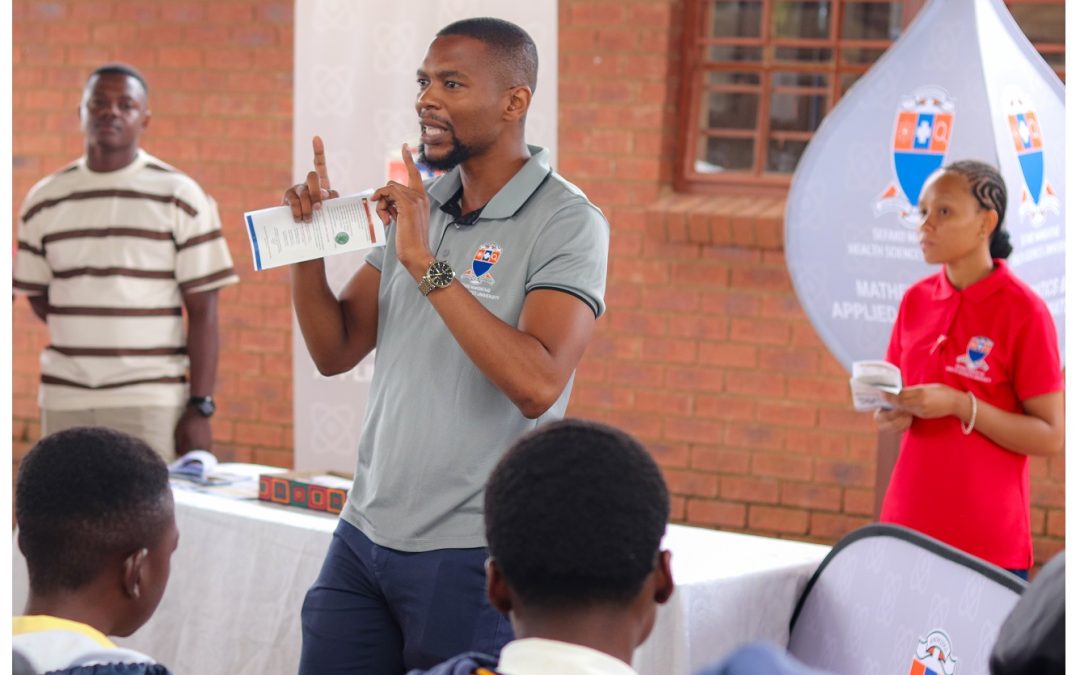
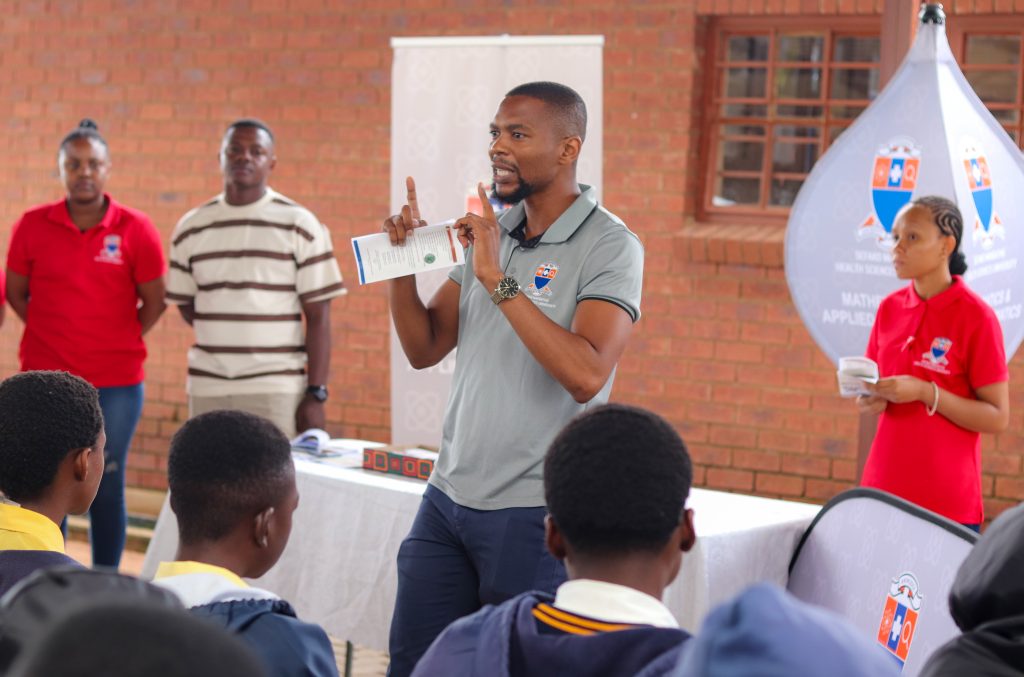
Sefako Makgatho Health Sciences University (SMU) brought mathematics to life for learners at Diphetogo Secondary School in Klipgat, North West, during its Pi Day celebration on 13 March 2025. The event, which engaged Grades 10 to 12, showcased the power of mathematics in education, careers, and everyday problem-solving, while inspiring learners to pursue opportunities in health sciences and technology.
 Pi Day, observed globally on 14 March, honours the mathematical constant π (approximately 3.14159…). At Diphetogo, SMU staff turned the abstract number into an interactive experience, highlighting its relevance beyond the classroom.
The day was led by SMU’s Department of Mathematics and Applied Mathematics, including lecturers Matlhatsi Ngwepe, Professer Ndlovu, Lehlogonolo Mokaba, Kelebogile Medupe, junior lecturer Mbangutha Sphelele, and tutor Tumelo Mkhatshwa. Together, they blended learning with interactive experiences that made mathematics both fun and practical.
Professer Ndlovu opened the session with an explanation of Pi’s history and importance. “Pi Day is more than just a number,” he said. “It connects mathematics to real life, from calculating circumferences to understanding patterns in science and nature. Celebrating it encourages learners to see math as a tool, not a hurdle.”
Kelebogile Medupe and Tumelo Mkhatshwa presented pathways to higher education. “Many learners are unsure where to start their university journey,” said Medupe. “We want to show that mathematics is a gateway to careers in research, health sciences, and technology. Planning opens doors.”
Matlhatsi Ngwepe offered practical guidance on bursaries. “Access to bursaries can transform a learner’s future,” she explained. “Mathematics can be your ticket to scholarships based on talent, merit, or need. The earlier you apply, the better your chances.”
 Sphelele Mbangutha motivated learners to embrace perseverance. “Be selfish with your dreams,” he encouraged. “Work hard today so that tomorrow you can create the life you imagine. Mathematics and science are tools to solve real-world problems and innovate for our communities.”
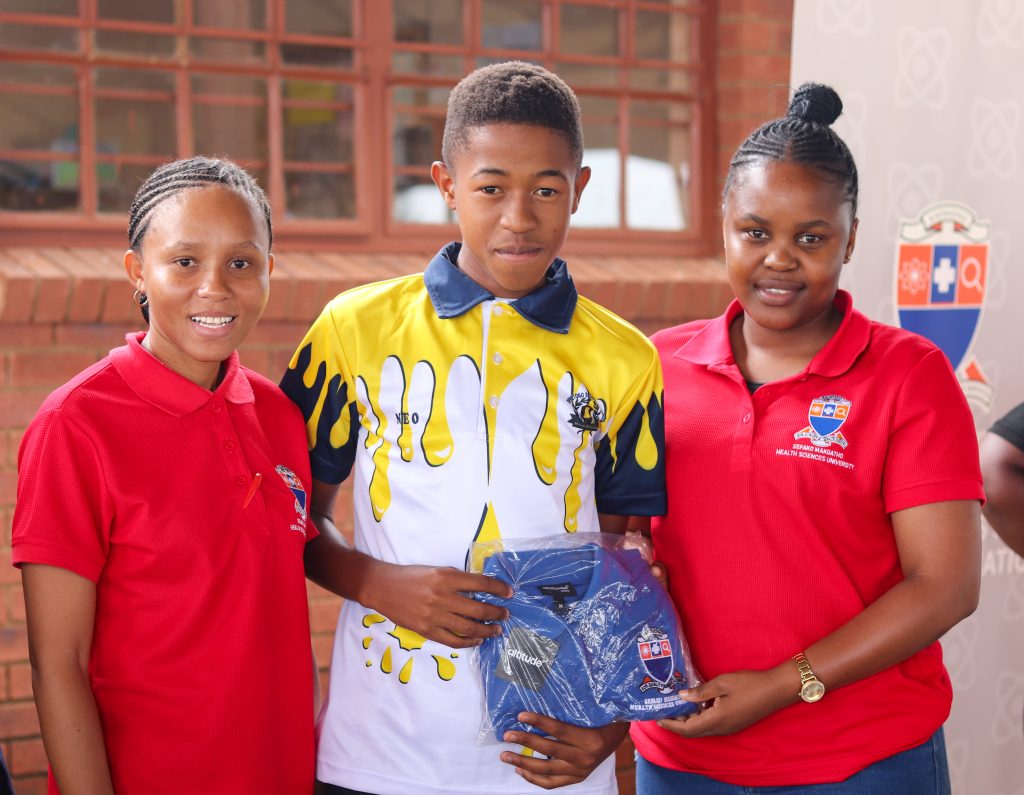
The celebration concluded with a mathematics riddle challenge, testing logic and problem-solving skills. Winners received SMU branded golf shirts and gifts distributed by Mokaba. “Events like these plant seeds of curiosity,” Mokaba said. “Today’s learners are tomorrow’s scientists, engineers, and mathematicians. We aim to show them that math can open a world of possibilities.”
The Pi Day event exemplifies SMU’s vision of transforming health services through excellence and innovation. By combining interactive learning, motivational talks, and practical guidance, the university continues to support education in local communities and nurture the next generation of professionals.
Ndlovu reflected, “Our goal is simple: inspire, equip, and empower. Learners leave with knowledge, confidence, and an understanding that mathematics is essential for their future success. That’s how we create impact.”
Through outreach initiatives like Pi Day, SMU reinforces its dedication to academic excellence, student-centred learning, and community engagement. By demonstrating that education is both accessible and exciting, the university encourages learners to dream big, embrace STEM, and explore the opportunities that mathematics and health sciences can provide.
By Dimakatso Modise
by Lorato | Mar 19, 2026 | Accolades and Achievements, All News, Alumni, SMU Media, Student Media
Sefako Makgatho Health Sciences University (SMU) continues to strengthen its position as one of South Africa’s leading health sciences institutions as applications for the 2026 academic year surged to 89,384 prospective students competing for just 1,265 first-year undergraduate spaces.
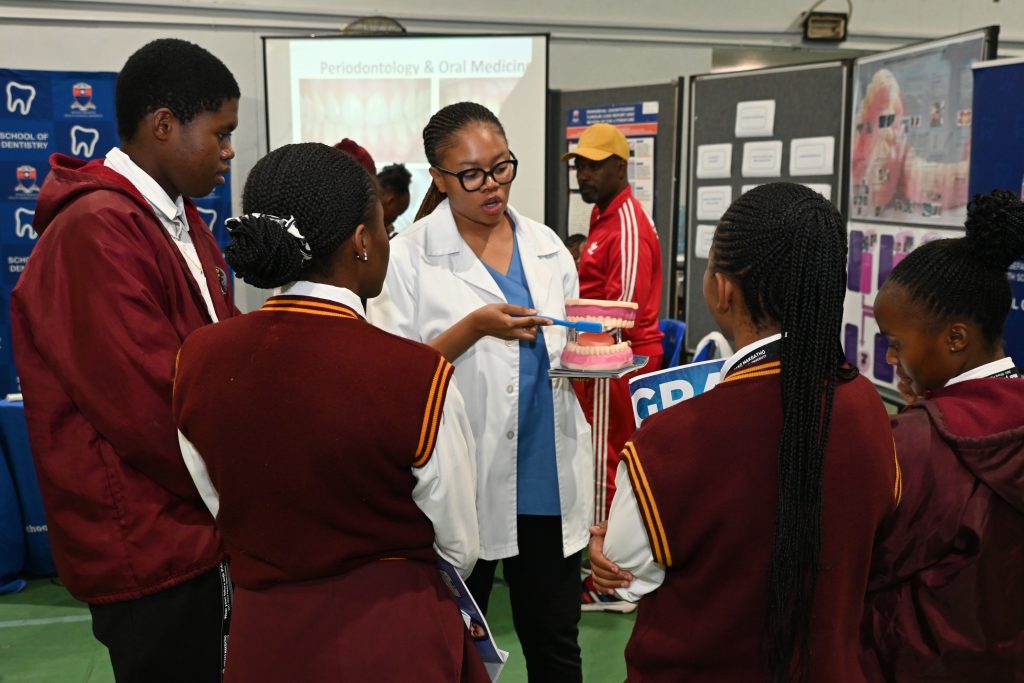 The overwhelming response reflects the growing demand for specialised health sciences education and underscores SMU’s reputation for academic excellence, innovative research, and a vibrant student experience. As a dedicated health sciences university, SMU remains committed to transforming health services through excellence and innovation while preparing the next generation of healthcare professionals to serve communities locally and nationally.
According to the university’s approved enrolment plan, SMU aims to accommodate 7,596 students in 2026, including 5,641 undergraduate students and 1,955 postgraduate students. Among the postgraduate cohort are 1,307 master’s candidates and 202 doctoral students, reinforcing the university’s expanding role in developing advanced health sciences expertise.
Student Recruitment Officer Ntsheu Collins Mangena said the unprecedented number of applications signals strong public confidence in the university’s programmes and its mission to transform healthcare through education.
“Receiving nearly 90,000 applications for the 2026 intake is both encouraging and humbling,” said Mangena. “It demonstrates the trust that learners, parents and educators place in SMU as a specialised institution dedicated to training future healthcare professionals. Our goal is to attract top achievers in Mathematics and Science while strengthening relationships with teachers and career guidance counsellors across the country.”
Several programmes remain highly competitive due to national shortages of skilled healthcare professionals.
- Bachelor of Nursing and Midwifery: 15,058 applications for 60 spaces
- Bachelor of Medicine and Bachelor of Surgery (MBChB): 12,758 applications for 155 spaces, plus 50 Extended Curriculum Programme places
- Bachelor of Pharmacy: 11,977 applications for 71 spaces
- Diagnostic Radiography: 8,297 applications for 30 spaces
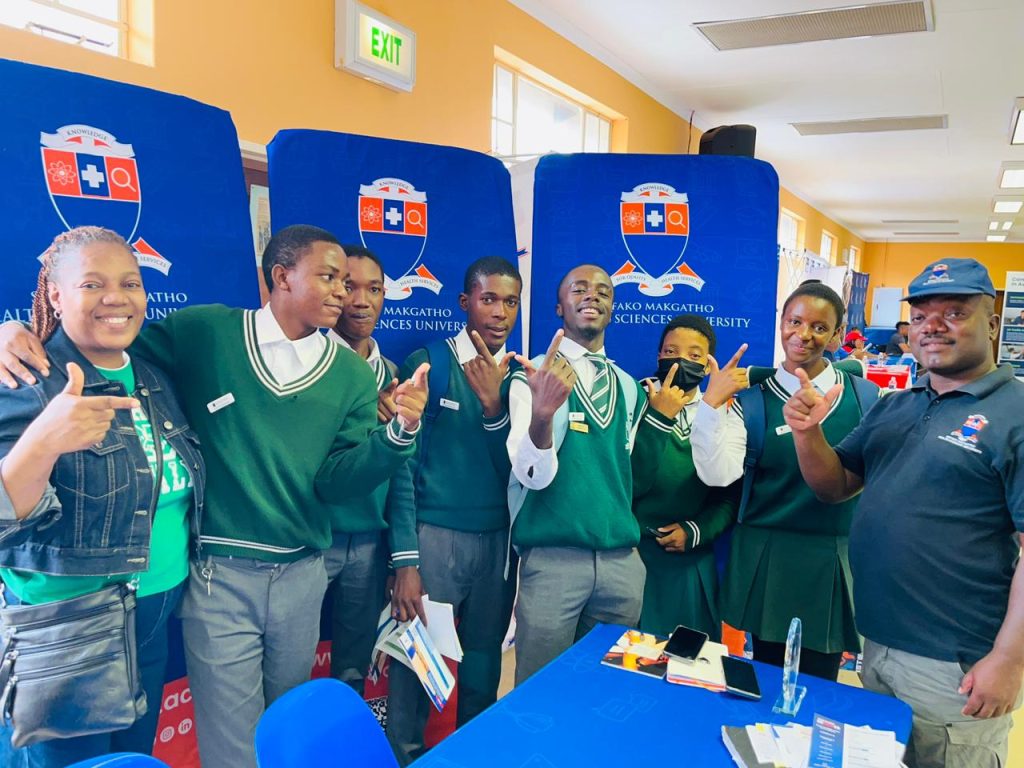 School of Health Sciences programmes have also recorded strong interest. Physiotherapy attracted 4,898 applications for 60 spaces, while Occupational Therapy received 3,358 applications for 40 places.
Meanwhile, the School of Science and Technology continues to contribute to the multidisciplinary health sciences ecosystem by offering programmes in Life Sciences, Mathematical Sciences, Environmental Biology, and Microbiology and Immunology. The school will enrol 476 students across its programmes, strengthening the scientific foundation that supports healthcare innovation.
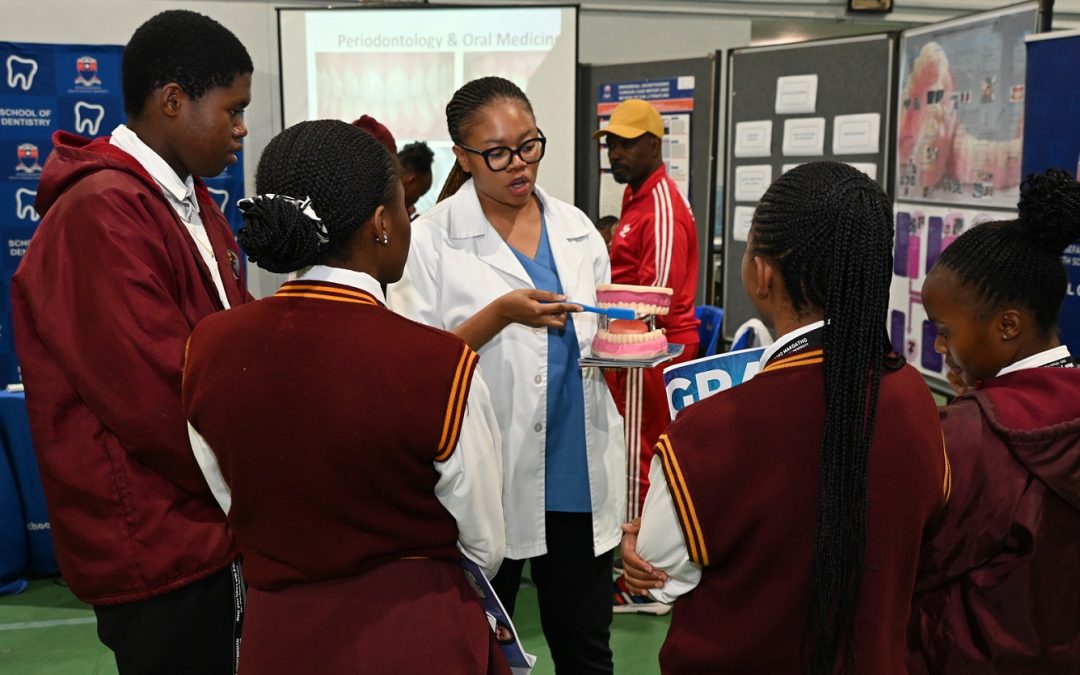
Mangena explained that SMU’s recruitment strategy has become increasingly proactive, combining school outreach, national exhibitions and regional partnerships to reach talented learners earlier in their academic journeys.
“Student recruitment is no longer passive. We actively engage learners, parents and educators through school visits, exhibitions, and information sessions so that talented students understand both the opportunities and the application process at SMU.”
The university’s 2026 Schools Liaison and Student Recruitment Plan focuses on expanding SMU’s visibility across South Africa while building a stronger regional pipeline of students. Key initiatives include monthly school visits in Gauteng, participation in major national career exhibitions, and targeted information sessions in provinces such as Mpumalanga, KwaZulu-Natal, the Free State and the Eastern Cape.
The recruitment strategy also extends beyond South Africa’s borders, with outreach planned in neighbouring countries such as Mozambique and Zambia to strengthen the university’s presence in the Southern African region.
Parents and educators are also central to the recruitment strategy. Through engagement with School Governing Bodies and education associations, the university aims to ensure that families understand programme offerings, admission requirements, and career opportunities within the health sciences.
These initiatives are supported by strategic partnerships with organisations such as the Moses Kotane Local Municipality, the Limpopo Institute of Mathematics and Science Academy, SAICA, and Future SA STEM, which help promote science, technology and healthcare careers among high-performing learners.
Guided by values that include excellence, integrity, accountability, respect, student-centred learning and Ubuntu, SMU continues to position itself as a transformative institution that responds directly to the country’s healthcare workforce needs.
As the university prepares to welcome the 2026 intake, its growing application numbers reflect more than popularity—they signal SMU’s expanding impact on health sciences education, research innovation, and community-focused healthcare across South Africa and the region.
By Tumelo Moila