by Lorato | Apr 1, 2025 | All News, SMU Media, Student Media
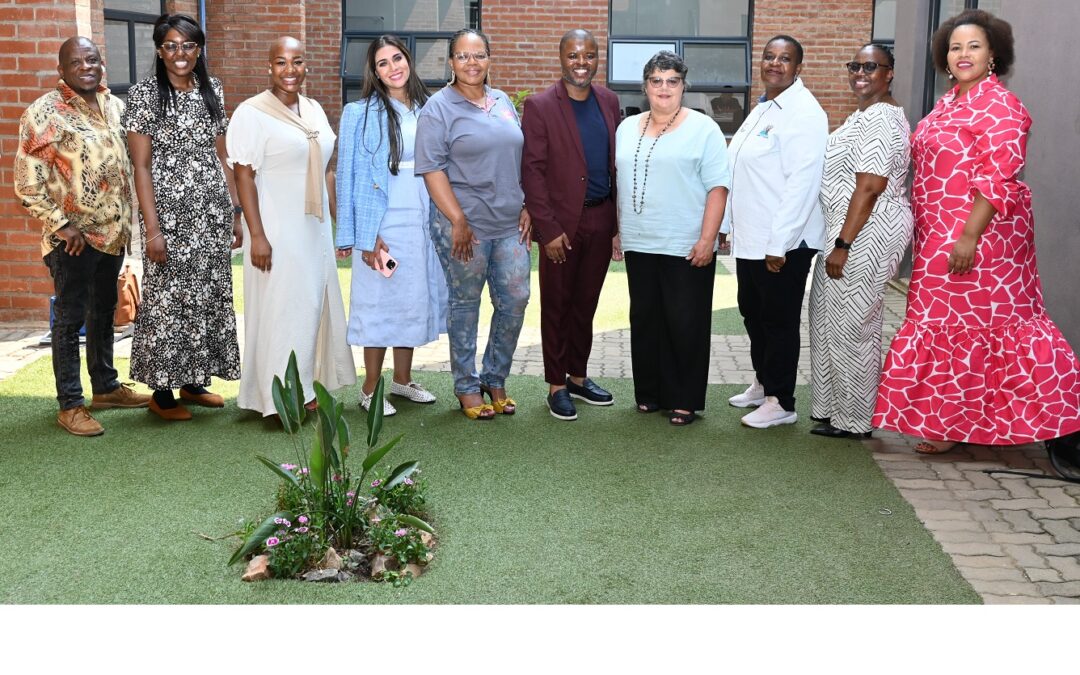
The Higher Education Disability Services Association (HEDSA) recently hosted its Gauteng Region Roadshow at Sefako Makgatho Health Sciences University (SMU). HEDSA, a recognised advocacy and rights-based non-profit organisation, represents disability services in Higher Education Institutions (HEIs) across South Africa. Endorsed by the Department of Higher Education and Training (DHET) and recognised as a community of practice by Universities South Africa (USAf), HEDSA strives to ensure inclusive and equal learning opportunities for students with disabilities.
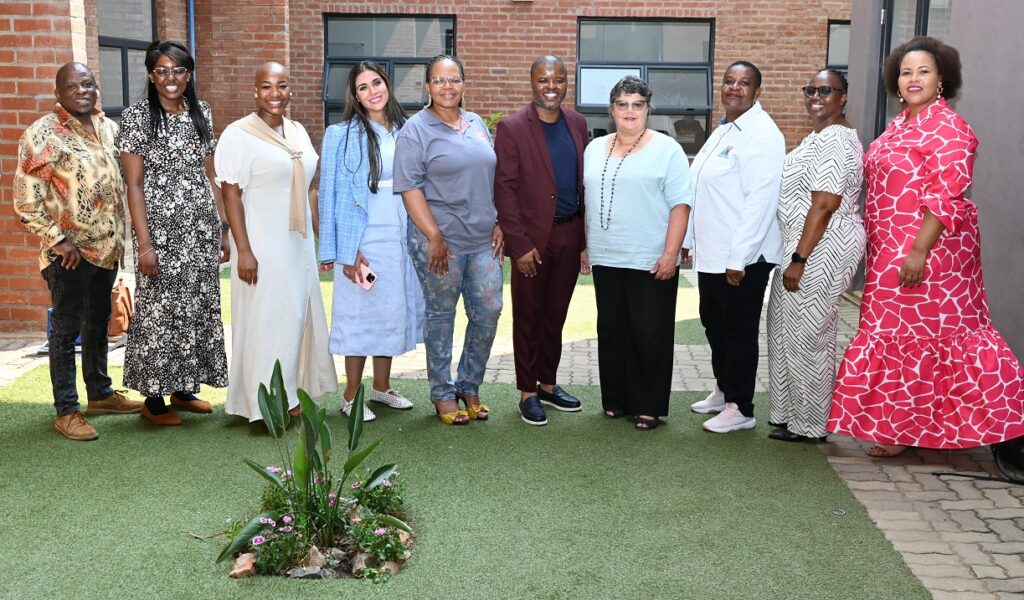 The programme was directed by Ivy Morulane, Chairperson of the Higher and Further Education Disability Services Association (HEDSA), Gauteng Region and commenced with a warm welcome from Themba Khumalo, SMU’s Deputy Director of Student Affairs. Khumalo expressed the institution’s commitment to inclusivity and support for students with disabilities, aligning with SMU’s core values of social accountability, integrity, and excellence.
Dr Nosiphiwo Delubom, HEDSA Chairperson from Nelson Mandela University, outlined the purpose of the roadshow. She emphasised that the executive team of HEDSA aims to gain first-hand experience of the challenges faced by students with disabilities. “Students with disabilities have the same right to learn as anyone else. It is our responsibility to ensure that institutions create enabling environments where these students can thrive,” she said.
Dr Delubom reiterated HEDSA’s readiness to support HEIs in establishing and strengthening disability offices to address challenges effectively. The roadshow provided a platform for universities within the association to share their experiences, best practices, and common obstacles. The most prevalent concerns raised were budget constraints and limited capacity, which hindered efforts to provide adequate support services.
HEDSA operates closely with USAf’s Transformation Strategy Group and provides strategic guidance on disability matters. “HEDSA is more than just an advocacy body; we serve as thought leaders and provide input on national legislation and policies to ensure inclusivity,” Delubom noted.
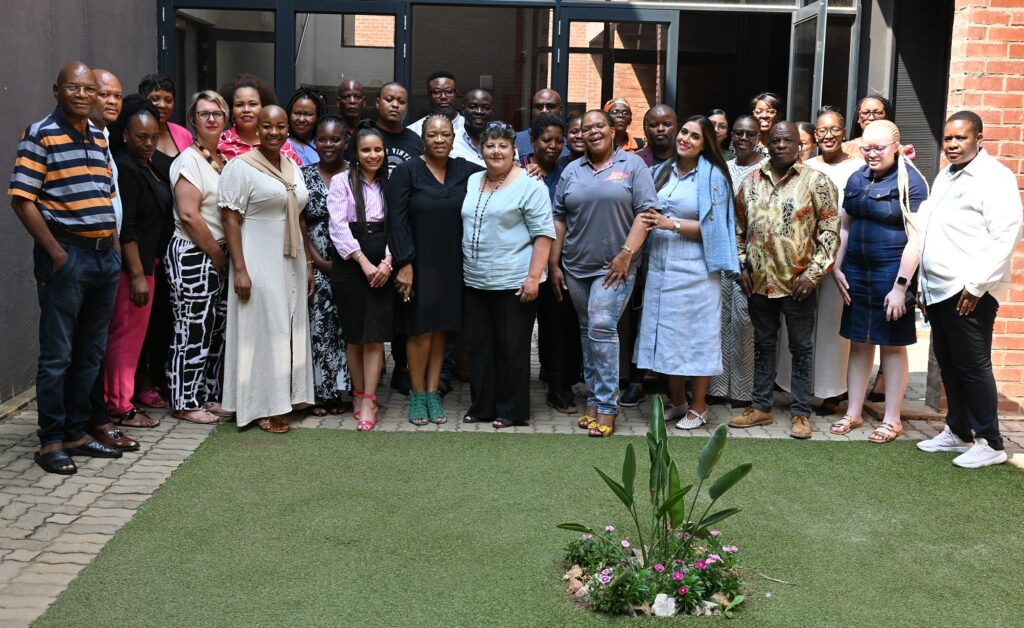 A key highlight of the event was the discussion on how HEIs can collaborate to improve disability services. Many institutions shared innovative solutions, such as partnerships with external stakeholders and the implementation of assistive technologies. SMU reaffirmed its commitment to fostering a supportive learning environment, with Khumalo stating: “Our goal at SMU is to create an institution that is truly inclusive, where every student, regardless of ability, has the resources and support to succeed.”
Additionally, colleagues were informed about the purpose and structure of disability units, including their placement within institutions, organisational charts, and available services. The National Chairperson emphasised that these units play a vital role in facilitating the integration of students with disabilities, providing support, ensuring the implementation of reasonable accommodations, and advising institutions on universal design principles. The positioning of these units varies across institutions; some fall under the Transformation Office, Student Affairs, or Student Counselling, while in colleges, they are positioned under Student Support Services.
Another crucial aspect discussed was the role of disability units in advocating for reasonable accommodations to ensure students with disabilities receive the necessary support in their academic journey. The integration of universal design in institutional policies and infrastructure was emphasised as a key factor in creating an inclusive learning environment. Delegates were also reminded that disability services must extend beyond academics to include access to social, recreational, and professional development opportunities.
The event underscored the importance of ensuring HEIs actively commit to disability inclusion. SMU and other institutions were urged to continuously assess their policies and support mechanisms to align with best practices in student support and universal design. HEDSA reinforced its role in providing guidance, expertise, and advocacy for these improvements.
The roadshow, hosted at SMU’s Pharmacy Department, concluded with a call for stronger partnerships and continued dialogue among HEIs to address challenges faced by students with disabilities. Through platforms like these, HEDSA continues to champion the rights of students with disabilities, ensuring that higher education in South Africa becomes truly accessible to all.
SMU’s commitment to excellence, caring, and social responsiveness was evident throughout the event. The university remains dedicated to working alongside organisations like HEDSA to break barriers and promote inclusivity, ensuring that all students receive equal opportunities to succeed in their academic pursuits.
By Dimakatso Modise
by Lorato | Apr 1, 2025 | Accolades and Achievements, All News, SMU Media, Student Media
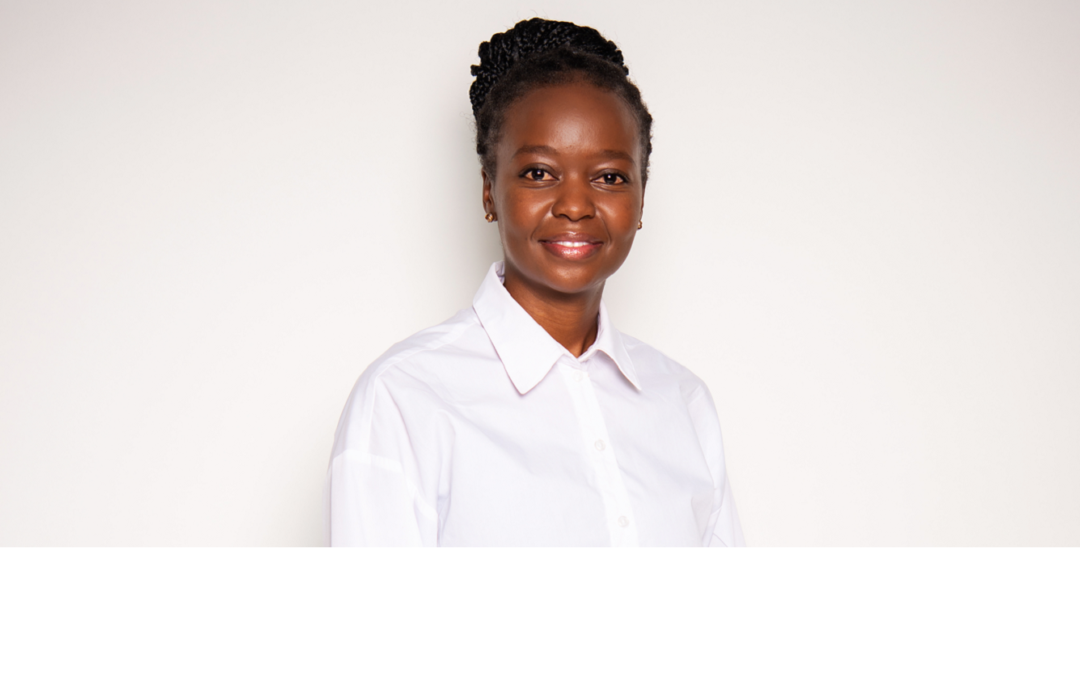
In a groundbreaking achievement, Sefako Makgatho Health Sciences University (SMU) Master’s student Nondumiso Nkosi has developed a pioneering diagnostic assay for Hepatitis B, addressing a critical need in regions where the disease is endemic. This innovation has earned her recognition as a rising star in the intellectual property (IP) landscape.
 Nkosi’s journey into innovation and entrepreneurship began with her attendance at the Bio Africa Convention in 2023, where her project was selected for presentation and won the runner-up award. “This recognition was an eye-opener, making me realise the magnitude and potential impact of my work,” she reflects.
Her diagnostic assay aims to bridge the gap in accessible and efficient Hepatitis B diagnosis, particularly in resource-limited settings. “Current diagnostic methods are often inaccessible or inadequate, making early detection and effective management difficult,” Nkosi explains. My innovation provides a more accessible and efficient solution tailored to the African healthcare landscape.
The collaboration with the Department of Clinical Laboratory Medicine at Nagoya City University Hospital in Japan served as a foundational base for the innovation. “This partnership enabled the development of a diagnostic tool tailored to the unique healthcare challenges in Africa,” Nkosi notes.
With the unwavering support of her supervisor, Dr Omphile Simani, Nkosi’s innovation holds significant potential for the early detection and management of Hepatitis, contributing substantially to public health solutions. “Dr Simani saw the potential in my vision and encouraged me every step of the way,” Nkosi acknowledges.
The SMU Technology Transfer Office (TTO) has been instrumental in supporting Nkosi’s innovation, providing guidance on intellectual property protection and commercialisation. “We are working with Nkosi and Simani to identify potential industry partners to commercialise the assay,” says Mohlatlego Sebola, who is responsible for establishing and operationalising the TTO.
 Nkosi’s achievement is a testament to the university’s commitment to innovation and entrepreneurship. As SMU Acting Vice-Chancellor Professor Tandi Matsha-Erasmus notes: “Our commitment at SMU is clear: we nurture innovation, excellence, and community service. Nkosi’s innovation is a shining example of this commitment.”
The impact of Nkosi’s innovation extends beyond the academic realm. Hepatitis B is a major global health challenge, ranking as the seventh leading cause of death worldwide. Millions of people, particularly in Africa, suffer from chronic HBV infections, leading to severe liver disease, cirrhosis, and hepatocellular carcinoma.
Nkosi’s diagnostic assay has the potential to save countless lives by providing an accessible and efficient diagnostic solution. Her innovation serves as a beacon of hope for those affected by Hepatitis B, and her story is a testament to the power of dedication, innovation, and collaboration in driving positive change.
As Nkosi continues to break barriers in biomedical innovation, she remains committed to her vision of improving public health outcomes. Her pioneering diagnostic assay for Hepatitis B is a groundbreaking achievement that has the potential to revolutionise public health outcomes.
By Dimakatso Modise
by Lorato | Mar 26, 2025 | All News, SMU Media, Student Media
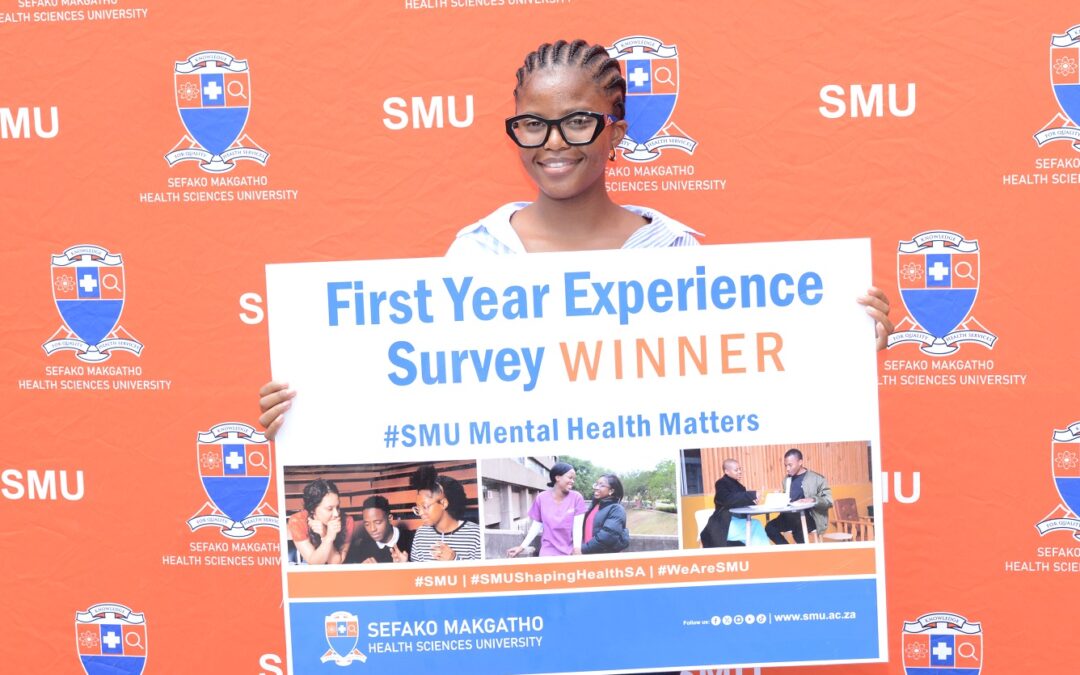
Sefako Makgatho Health Sciences University (SMU) has embarked on an essential initiative to understand the academic and social challenges faced by first-year students. The First-Year Experience (FYE) survey, led by the Psycho-social Unit, provides valuable insights that inform the development of student support structures and foster a more inclusive university environment.
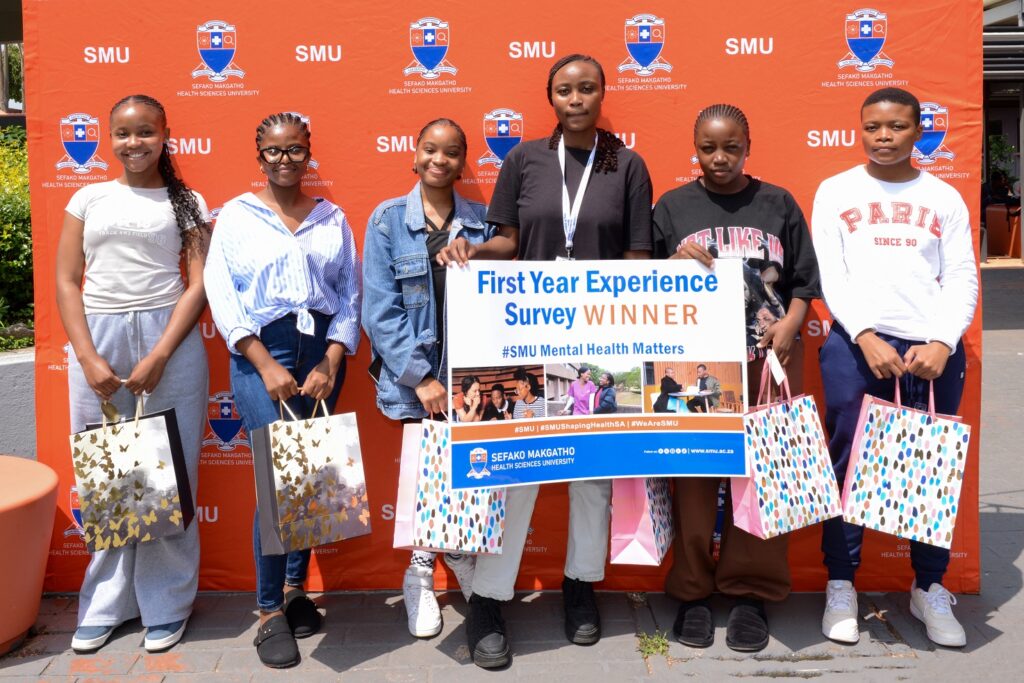 To encourage participation, a lucky draw was held, and the winners were announced live on SMU FM. The selected students, Kgolagano Made from the School of Dentistry, Andile Pitswane from the School of Science and Technology, Kgaugelo Mmoto and Thandeka Xulu from the School of Health Care Sciences, and Mbali Ngwepe from the School of Medicine, were recognised for their engagement. The winning students collected their prizes at a prize-giving ceremony held at SMU.
The FYE survey is designed to capture the experiences of first-year students during orientation and serves as a self-assessment tool for their academic and personal development. The survey explores themes such as resilience and adaptability, communication styles, conflict resolution, psycho-social well-being, academic skills and support, and financial standing. The data collected helps the university identify key areas where intervention and additional support may be needed, ensuring that students receive the necessary resources to thrive in their studies.
One critical aspect of the survey is its role in identifying students who may require financial aid and support. The university, through initiatives like Hands of Compassion run by SMU’s Social Workers, aims to assist students who are struggling financially, ensuring that financial hardships do not become barriers to academic success.
 Dr Matsontso Mathebula, Head of Department SMU Campus Health and Counselling, emphasised the importance of student participation in the survey, stating: “The First-Year Experience (FYE) survey provides valuable insights into the academic and social challenges that first-year students face. By understanding their experiences, we can enhance support structures, improve student engagement, and ultimately contribute to their success.”
Furthermore, Mathebula emphasized the importance of the FYE survey in promoting student well-being, stating: “The FYE survey is a vital tool in our efforts to promote student well-being and success.” By identifying areas where students may need additional support, we can provide targeted interventions and resources to help them thrive.”
The FYE survey underscores SMU’s commitment to its core values of excellence, integrity, professionalism, ubuntu, and social responsibility. These principles guide the university’s efforts to create a nurturing and transformative academic environment for all students.
By fostering an inclusive culture of support, SMU reaffirms its dedication to student success, well-being, and academic excellence. The university continues to encourage all students to actively participate in similar programmes, as their voices and experiences contribute to building a stronger and more responsive institution.
By Dimakatso Modise

by Lorato | Mar 26, 2025 | All News, SMU Media, Student Media
Sefako Makgatho Health Sciences University (SMU) continues to champion student success both inside and outside the lecture hall, as showcased by the remarkable achievements of Mathematics Master’s student Mariah Sambo. Her on-campus salon, Lona’s Beauty, stands as a shining example of SMU’s supportive and innovative environment, which extends beyond academics to nurture entrepreneurial ambitions.
 Mariah’s motivation for launching Lona’s Beauty was fuelled by her desire to offer convenient, high-quality hair services at student-friendly prices. “As a student, I noticed how challenging it was for my peers to access affordable hair services nearby,” she explains. “I wanted to create a solution.”
By offering everything from haircuts and colouring to braiding and specialised styling, Lona’s Beauty ensures that SMU students have a wide range of services tailored to their needs and budgets. The salon’s student discount packages, coupled with revenue from service fees and product sales, make it a sustainable venture for Sambo and her growing team of talented stylists.
Beyond the salon’s success, Sambo’s journey highlights the pivotal role SMU plays in nurturing bright ideas. She credits the university’s encouragement of innovation, social responsibility, and excellence for driving her forward. Participating in the Student Entrepreneurship Week competition broadened her perspective and connected her with fellow aspiring entrepreneurs, further demonstrating SMU’s commitment to fostering collaboration.
Social media platforms like Instagram, TikTok, and Facebook have proved crucial in promoting Lona’s Beauty. “These channels allow us to showcase our work and resonate with campus trends,” Sambo says, reflecting on how SMU’s inclusive and tech-savvy culture helps student enterprises flourish.
Looking ahead, she aims to take Lona’s Beauty to new heights—potentially branching out to other campuses—while continuing her postgraduate studies. Balancing academics and business has taught her the importance of time management, setting clear goals, and prioritising tasks, lessons she is eager to share with other aspiring student entrepreneurs.
“Stay connected to your target audience and remain adaptable,” she advises. Being part of SMU has shown me how a supportive environment can accelerate learning and growth.
Sambo’s journey is a testament to SMU’s vibrant entrepreneurial spirit. Her story reinforces the university’s commitment to creating an enabling atmosphere—one where students are empowered to innovate, excel in their studies, and turn bold ideas into thriving ventures.
By Dimakatso Modise
by Lorato | Mar 26, 2025 | All News, SMU Media, Student Media
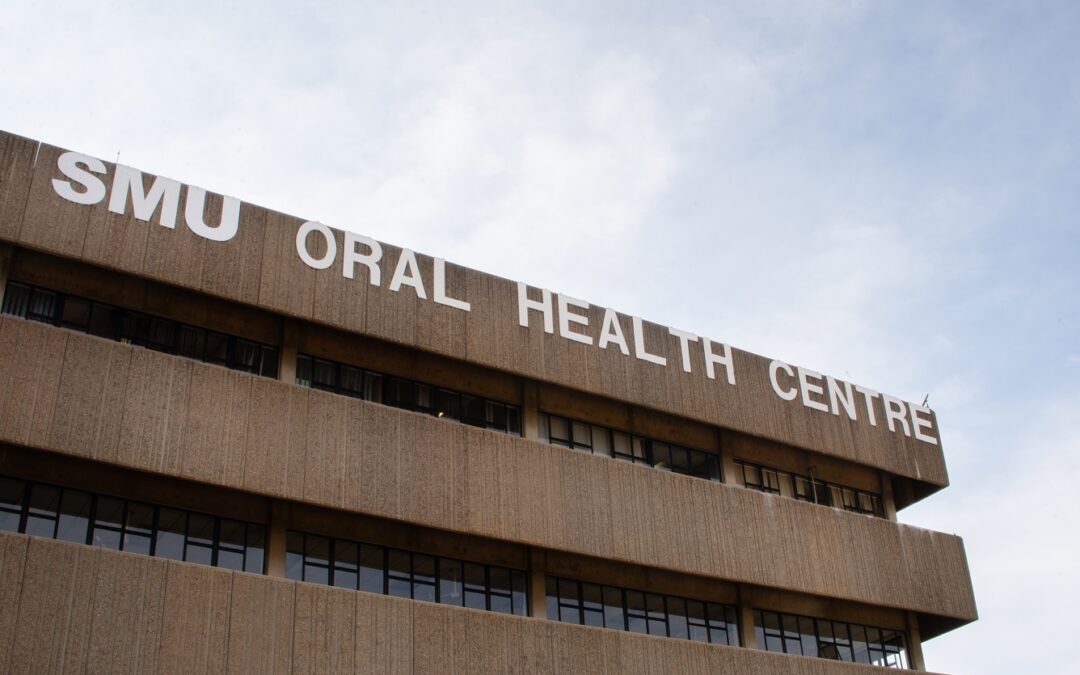
The Sefako Makgatho Health Sciences University (SMU) Oral Health Centre is a vital institution that plays a significant role in dental education, research, and service delivery within the broader healthcare community. Situated on the university campus and in the northwest of Tshwane, adjacent to the Dr George Mukhari Academic Hospital (DGMAH), the centre serves as a premier clinical training platform, offering a wide range of oral healthcare services to communities across Gauteng, Limpopo, Mpumalanga, and the North West.
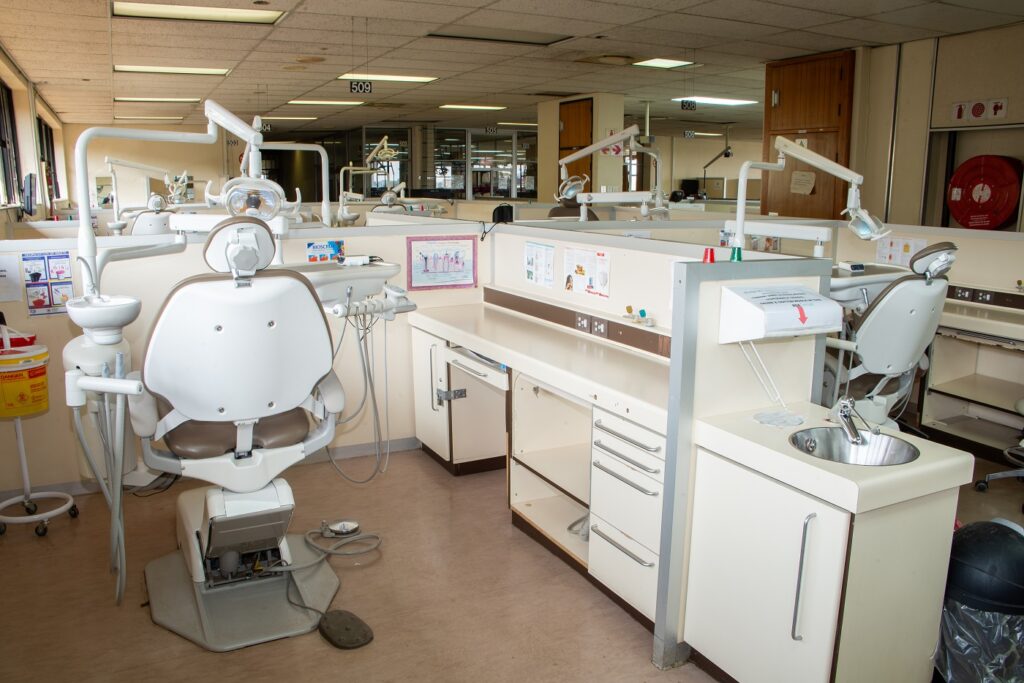 Dr Ntsakisi Mukhari-Baloyi, Acting Chief Executive Officer of SMU Oral Health Centre, highlights the facility’s longstanding commitment to dental training and public service. “The centre was conceptualised in 1975 as a training platform for dental therapists, with the current facility completed in 1984 and officially inaugurated in 1987. Over the years, it has grown to become the only facility in Gauteng that trains dentists, dental therapists, and oral hygienists under one roof,” she explains.
Equipped with 232 dental chairs, three operating theatres, and a dedicated in-house laboratory, the centre treats an average of 10,500 outpatients monthly. “We provide comprehensive services, from screening and diagnostics to advanced surgical procedures in maxillofacial, periodontal, and paediatric care,” adds Mukhari-Baloyi.
The centre continuously upgrades its equipment and facilities to remain at the forefront of dental innovation. Recent advancements include the introduction of digital diagnostic records, intra-oral cameras, CAD/CAM milling machines for prosthodontic restorations, and CBCT (Cone Beam Computerised Tomography) for three-dimensional imaging. “We are moving towards full digitisation of clinical records to improve efficiency and patient care,” Mukhari-Baloyi notes.
 Specialised services provided at the centre include Oral and Maxillofacial Pathology, Orthodontics, Prosthodontics, and Oral Medicine and Periodontology. Additionally, emergency dental care is available 24/7 through DGMAH’s casualty unit.
In line with its commitment to serving underserved communities, the centre operates on a walk-in basis and conducts outreach programmes targeting vulnerable populations. “Our teams visit elderly care homes, mental health institutions, special-needs schools, and early childhood development centres to provide essential oral health services,” says Mukhari-Baloyi. Free treatment is offered to children under six, and pregnant and lactating women, while pensioners receive subsidised care.
Community-based service-learning is an integral part of student training, ensuring that future oral health professionals gain real-world experience while making a tangible impact on public health.
The SMU Oral Health Centre is deeply invested in research that informs clinical protocols and national oral health policies. “Our faculty and students engage in cutting-edge studies, including a research project funded by the MPS Foundation on informed consent in the African setting,” Mukhari-Baloyi reveals. “We are also developing new diagnostic and therapeutic approaches to address the local burden of oral diseases.”
Collaborations with local and international research institutions further enhance the quality of research output and innovation at the centre.
Despite its successes, the centre faces challenges such as ageing infrastructure, frequent service disruptions, and shortages of dental materials. “We are actively working on solutions, including replacing old dental chairs, upgrading our water infrastructure, and collaborating with the Gauteng Department of Health (GDoH) to streamline supply chain processes,” Mukhari-Baloyi states.
Plans are also underway to expand the clinical training platform and introduce new dental specialisations in Paedodontics, Endodontics, and Radiology. “Our vision aligns with SMU’s long-term strategy to enhance oral healthcare education and service delivery,” she affirms.
Mukhari-Baloyi emphasises the importance of collective effort in sustaining the centre’s growth. “We encourage students to uphold professionalism, faculty members to continue their dedication to teaching, and external stakeholders to support us through knowledge-sharing and resource mobilisation,” she concludes.
With its commitment to excellence in education, research, and patient care, the SMU Oral Health Centre remains a cornerstone of dental health advancement in South Africa, ensuring that quality oral healthcare is accessible to all.
By Tumelo Moila
by Lorato | Mar 26, 2025 | All News, SMU Media, Student Media
Dr Kebiditswe Masike, a distinguished academic at Sefako Makgatho Health Sciences University (SMU), has been recognised as the Best Experienced University Teacher at the prestigious Vice-Chancellor Excellence Awards 2024. The accolade celebrates her unwavering dedication to student development, innovative teaching methodologies, and her contribution to health professions education at SMU.
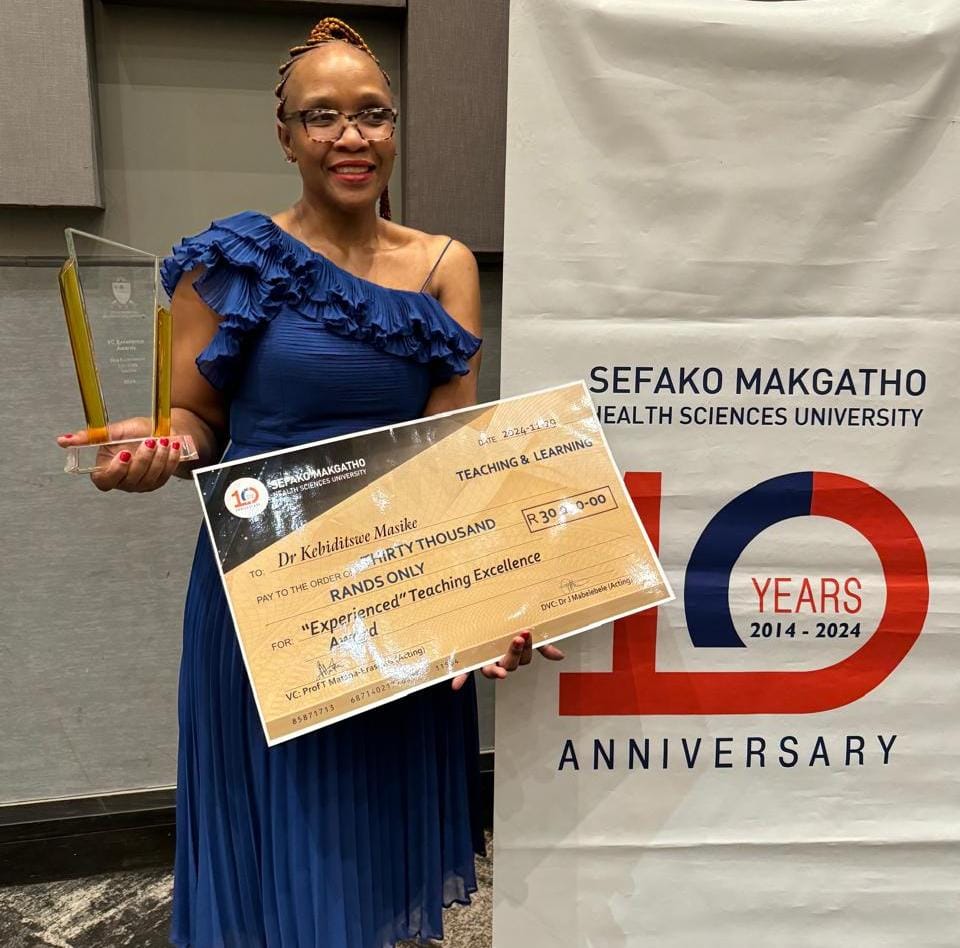 Reflecting on this momentous recognition, Masike expressed deep gratitude. I give honour to God, who made this opportunity possible for me. I am deeply humbled and extremely grateful for the recognition of my work as a teacher at SMU. This Best Teacher Award means a great deal to me; it motivates me to continue being a good team player within the department, the School of Dentistry, and SMU. Through this recognition, I am encouraged to continue developing as a teacher and to pursue excellence in teaching,” she says.
Masike’s journey into academia was not a conventional one. She joined SMU as a clinician with an innate passion for student support and education. “From my interview, I maintained that I wanted to develop as a teacher. At that time, little was known about qualification in Health Professions Education, but I was eager to pursue a qualification in Higher Education,” she shares. She credits SMU’s induction and onboarding workshops for newly appointed academics as a significant inspiration that led her to further her studies in Health Professions Education.
Her teaching philosophy is deeply grounded in the African principle of ubuntu, which is also one of SMU’S values. I believe that each student matters and can be empowered and nurtured to actively engage with their learning. Together, as a team and community, we can make a difference and achieve more,” she explains. Her teaching approach ensures a comfortable, inclusive, and trusted learning environment that respects diversity, equality, and a sense of belonging.
Her teaching approaches are guided by key principles that include meticulous lesson planning aligned with the Health Professions Council of South Africa (HPCSA) competency framework, integrating eLearning, fostering a safe teaching and learning environment, and promoting student-centred education. “Students as adult learners bring knowledge and some form of experience that needs to be acknowledged during teaching and learning sessions”, she emphasises.
Masike is renowned for her dynamic and innovative teaching methods. Over the years, she has employed various strategies, including flipped classrooms, case-based learning, team-based learning, peer-to-peer teaching, and simulation-based learning. “I use both synchronous and asynchronous teaching modalities. Blackboard Collaborate facilitates live teaching, pre-recorded sessions, and interactive small-group discussions,” she says.
 Simulation-based learning is another key aspect of her teaching. She collaborates with the SMU Skills Centre team to enhance experiential learning. “I have worked closely with the simulation team to teach soft skills such as patient-centred communication using standardised patients. I look forward to incorporating virtual reality into simulation teaching,” she notes.
Masike has also played a pivotal role in coordinating multidisciplinary teaching seminars, fostering collaboration between different disciplines. However, her journey has not been without challenges. “The biggest challenges we faced as educators were during the COVID-19 pandemic era, when we had to abruptly convert summative assessments originally designed for face-to-face instruction and manage students who missed assessments due to load-shedding or connectivity issues in their remote areas,” she recalls.
Despite these challenges, she remains committed to adapting her teaching methods to meet the diverse needs of her students. “I acknowledge diverse learning needs and vary my teaching approaches accordingly,” she explains. Looking ahead, Masike anticipates significant changes in medical education, particularly the adoption of interprofessional learning and the increasing integration of technology. “Artificial Intelligence, Augmented Reality, and other innovations in big data are already impacting health professions education. The future looks digital, and as educators, we must stay ahead of these trends,” she says.
She emphasises the importance of instilling key values and skills in healthcare students, including leadership, communication, ethical practice, and interdisciplinary collaboration. “Apart from clinical competence, healthcare students must develop leadership skills, conflict management skills, teamwork, and financial literacy to navigate their careers successfully,” she states.
She encourages new lecturers to remain adaptable, curious to learn, and open to feedback. “Be flexible and adaptable to changing student needs. Engage with faculty development programs, seek constructive criticism, and become part of a Teaching Community of Practice. Most importantly, be a reflective educator— reflect, reflect, reflect,” she advises.
By Tumelo Moila