Sefako Makgatho Health Sciences University’s School of Medicine hosted its annual Research Day recently, bringing together academics, clinicians, postgraduate students and emerging scientists to showcase research aimed at transforming healthcare across Africa.
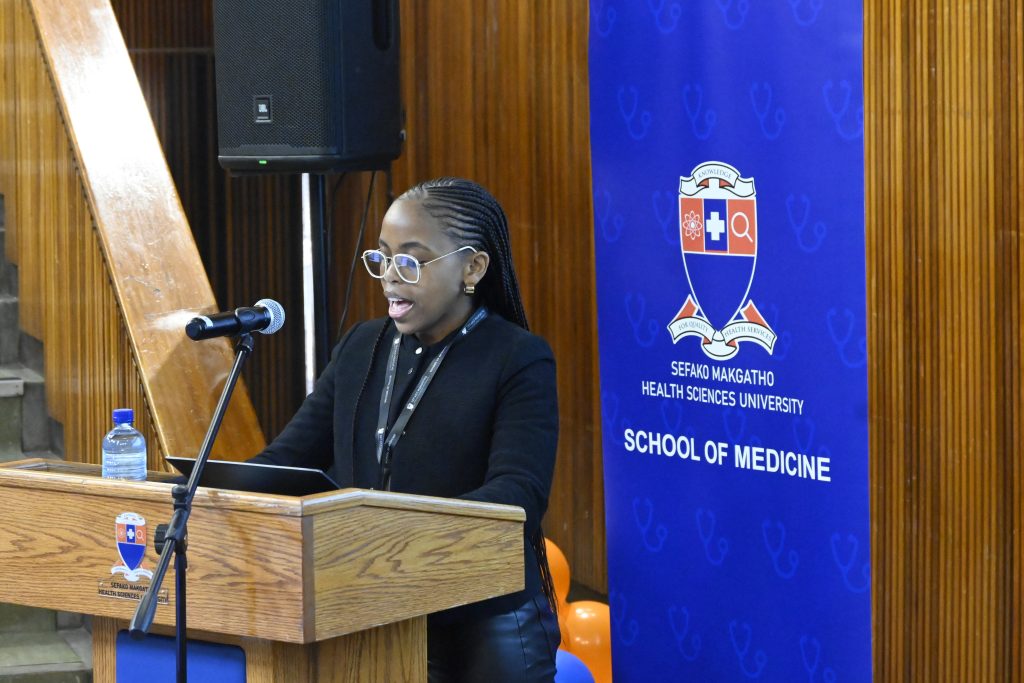 Held at the Clinical Pathology Building under the theme, “Strengthening Evidence-Based Practice through Interdisciplinary Health Research”, the event highlighted cutting-edge work in biomedical sciences, molecular medicine, public health, diagnostics and surgical innovation.
Delivering his remarks, Dean of the School of Medicine Prof Risenga Chauke praised the quality of scholarship presented during the day and reflected on the event’s growing impact within the health sciences sector. “Today has been a celebration of scholarship, innovation, collaboration and the relentless pursuit of knowledge,” said Prof Chauke. “We have witnessed the breadth and excellence of research taking place across biomedical sciences, molecular medicine, diagnostics, therapeutics, public health, surgical innovations, mental health and translational medicine.”
Prof Chauke also expressed ambitions to expand the event beyond the university campus in future, emphasising that the quality of SMU’s research deserved a larger platform. “Next year we must look that we don’t have it on campus. We must have it somewhere else,” he said.
The Research Day served as an important platform for postgraduate students to present their findings, engage with peers and build confidence as emerging researchers. Among the presenters was Naledi Mkhabela, a master’s student from the Department of Pharmacology and Therapeutics, who showcased research investigating trypsin inhibitors in Artemisia afra leaf extracts as potential anti-obesity agents.
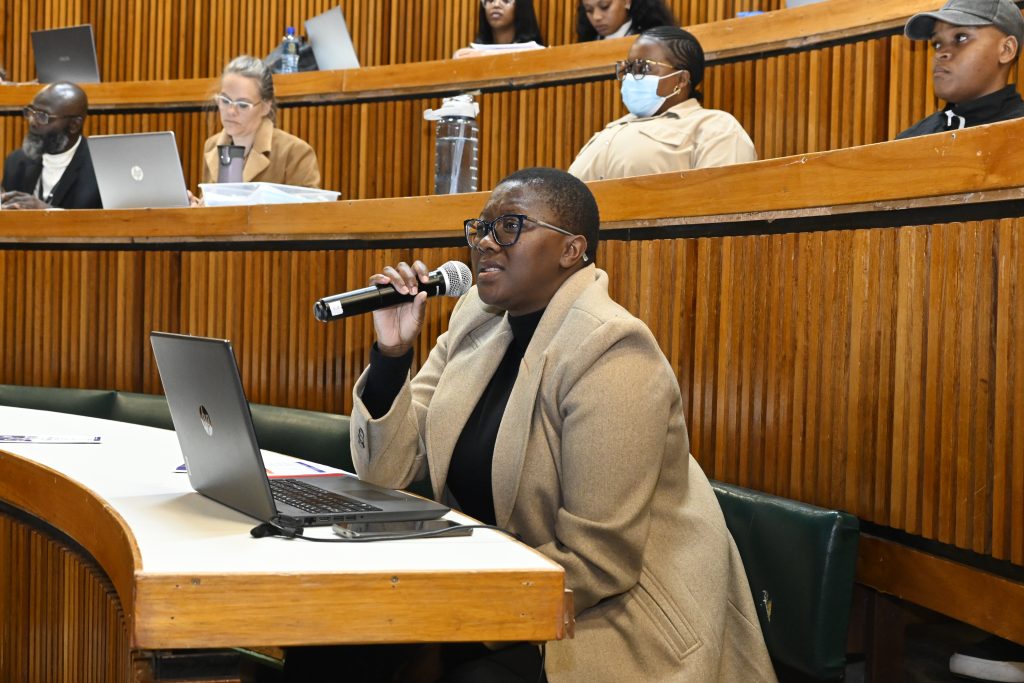 Reflecting on her academic journey, Mkhabela described research as both challenging and rewarding. “Balancing academics and laboratory work was very difficult as an honours student,” she said. “But at master’s level, it becomes more enjoyable because you grow into the process.”
Mkhabela added that presenting at the conference helped her overcome anxiety around public speaking and broadened her professional exposure. “I was very nervous before, but after today, I gained confidence,” she said. “It exposes you to networking, public speaking and sharing your ideas.”
Discussions during the event also focused on personalised medicine and antimicrobial resistance. Dr Keletso Sekwana from the Department of Chemical Pathology warned that the misuse of antibiotics could create serious public health challenges in the future.
“Our clinicians need to be aware that while antibiotics protect against infections, overuse contributes to resistance,” Dr Sekwana said. “If we continue on this path, we may reach a point where the antibiotics we currently rely on no longer work.”
She further stressed the importance of moving away from “one-size-fits-all” treatment approaches. “We respond differently to diseases and medication because of genetic variation,” she explained. “Generalising how every patient should respond is not helping us.”
The conference also highlighted the importance of culturally sensitive healthcare communication. Mr Bonginkosi Mdletshe from the Department of Clinical Psychology presented research on the psychosocial experiences of Black African men diagnosed with prostate cancer. “Many of these men do not feel comfortable discussing their illness at home,” Mdletshe said. “Support groups are important because they create safe spaces for men to share information and experiences.”
Supported by sponsors including Lancet Laboratories, Standard Bank and Inqaba Biotec, the 2026 Research Day reinforced SMU’s commitment to academic excellence, innovative research and evidence-based healthcare solutions that continue to strengthen health systems in South Africa and across the continent.
By Rose Moreki