
by Lorato | Oct 22, 2026 | All News, Alumni, SMU Media, Student Media
The MEDUNSA Class of 1996 celebrated three decades of medical excellence, professional achievement and service to communities at a 30th anniversary medical conference and gala dinner held at Irene Dairy Farm in Centurion on 17 October 2026. The milestone brought together alumni to reflect on their professional journeys, honour distinguished former lecturers and strengthen ties with their alma mater, Sefako Makgatho Health Sciences University (SMU).
 Organised by Dr Hlombe Makuluma on behalf of the class organising committee, the reunion celebrated the enduring legacy of graduates who began their medical careers three decades ago and have since contributed to healthcare, medical education, research and leadership in South Africa and beyond.
A highlight of the celebrations was the tribute paid to two retired professors, Prof Z. Mtshali, a general surgeon, and Prof R. Golele, an orthopaedic surgeon. The two distinguished academics were recognised for their contributions to medical education, clinical practice and the development of generations of healthcare professionals. Their recognition underscored the lasting influence of educators whose knowledge, mentorship and commitment helped shape the careers of the Class of 1996.
Addressing alumni during the daytime conference, representatives of the university, Mr. Benedict Masenamela, Senior Officer: Alumni Relations, encouraged graduates to maintain meaningful relationships with their alma mater and contribute to its continued development. Alumni were urged to look beyond commemorative gatherings and embrace opportunities to support teaching, research, community engagement and student development.
The message emphasised that alumni relations should be an ongoing partnership through which experienced professionals share their expertise, mentor emerging healthcare practitioners, establish professional networks and create opportunities for future generations of health professionals.
Dr Solly Motlanthe, President of the SMU Alumni Association, highlighted the history of the association and its role in sustaining connections between graduates and the university. He emphasised the importance of alumni unity, encouraging graduates to work together in strengthening their collective voice and supporting the institution that contributed to their professional development.
The Alumni Association provides a platform for graduates to remain connected, build relationships across professional fields and contribute to the university’s broader objectives. The anniversary gathering demonstrated the value of such networks in preserving institutional identity while creating opportunities for collaboration and shared growth.
 The gala dinner’s keynote address was delivered by Prof Risenga Frank Chauke, Dean of the School of Medicine at SMU, who reflected on the significance of the class reaching its 30-year milestone. He described the anniversary as an opportunity to consider the journey from graduation to professional maturity and the responsibilities that accompany decades of service.
Prof Chauke noted that thirty years represents the completion of a generation and the beginning of another chapter. Graduates who entered the profession in 1996 have since developed into experienced clinicians, specialists, academics, researchers, public servants and leaders, many of whom have helped train and guide younger healthcare professionals.
Drawing on biblical references, he explained that the age of thirty is associated with maturity, readiness and public service. He highlighted the examples of Joseph, David and Jesus, using these accounts to illustrate that thirty should not be viewed as an endpoint but as a stage at which preparation gives way to greater responsibility and service.
His address reinforced the importance of using professional experience to benefit others, particularly through mentorship, leadership and continued contributions to healthcare.
Mr Rammoelo Ditsoane of the Government Employees Medical Scheme (GEMS) also addressed the gathering, expressing the organisation’s support for the initiative. His contribution highlighted the value of partnerships that recognise and support initiatives aimed at strengthening professional relationships and celebrating achievements within the healthcare sector.
The anniversary conference and gala dinner served as both a celebration of past achievements and a call to continued service. For the MEDUNSA Class of 1996, the occasion reaffirmed the bonds formed during their training and the shared responsibility to advance healthcare and support the next generation of medical professionals.
As the graduates reflected on three decades of achievement, the reunion reinforced a central message: the relationship between a university and its alumni should continue long after graduation, sustained by collaboration, mentorship and a commitment to improving the lives of the communities they serve.
By Dimakatso Modise
by Lorato | Oct 21, 2026 | All News, Alumni, SMU Media, Student Media
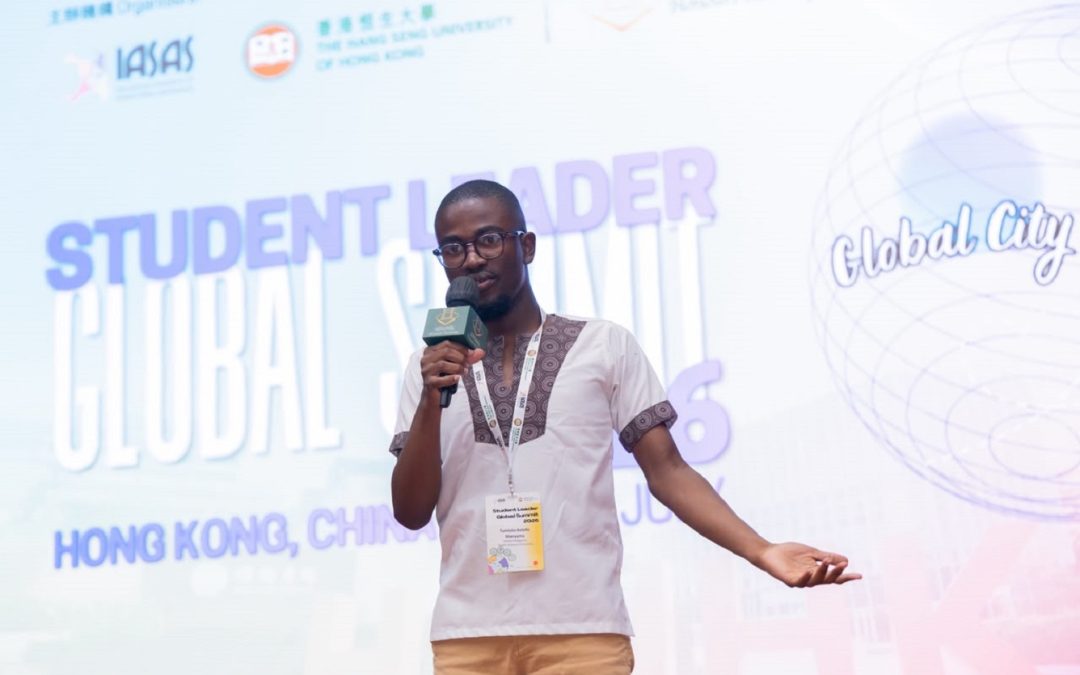
Sefako Makgatho Health Sciences University (SMU) student leader Tumisho Manyama has earned international recognition after receiving the Most Sustainable City Award at the 8th IASAS Student Leader Global Summit 2026 in Hong Kong. The achievement highlights the university’s commitment to developing socially responsible, innovative and globally minded graduates.
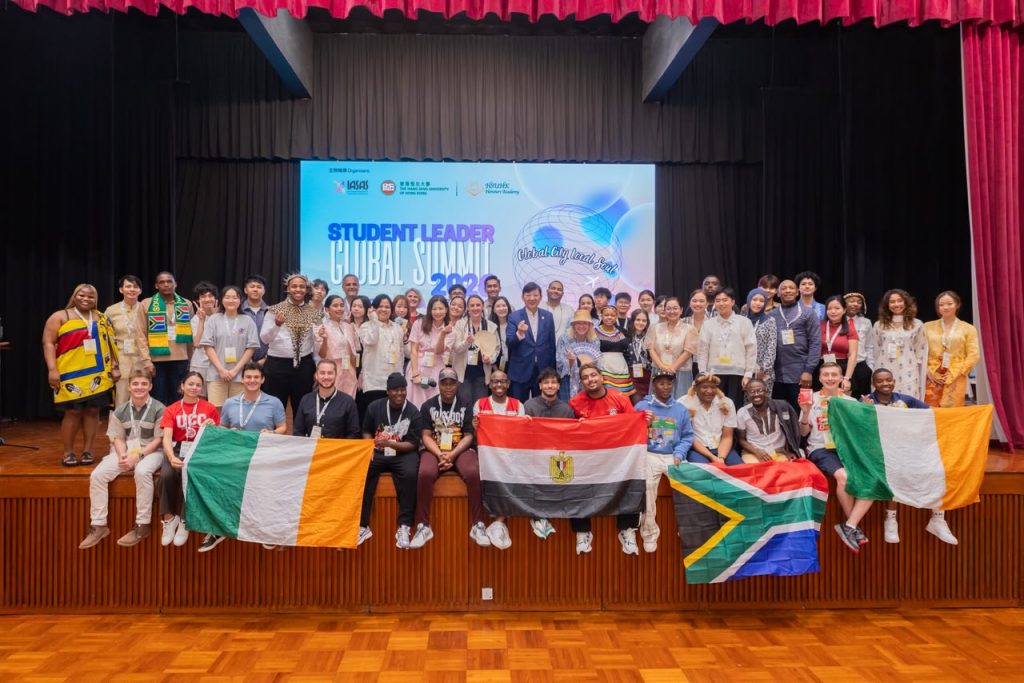
Manyama, a medical student and former Secretary of the School of Medicine Student Representative Committee for 2025/2026, was among only 35 student leaders from around the world selected to attend the summit at Hang Seng University of Hong Kong. Held under the theme “Global City, Local Soul: Student Leadership for Sustainable, Inclusive, and Resilient Communities”, the four-day gathering brought together student leaders, academics and university representatives to exchange ideas on leadership, sustainability, governance and community development.
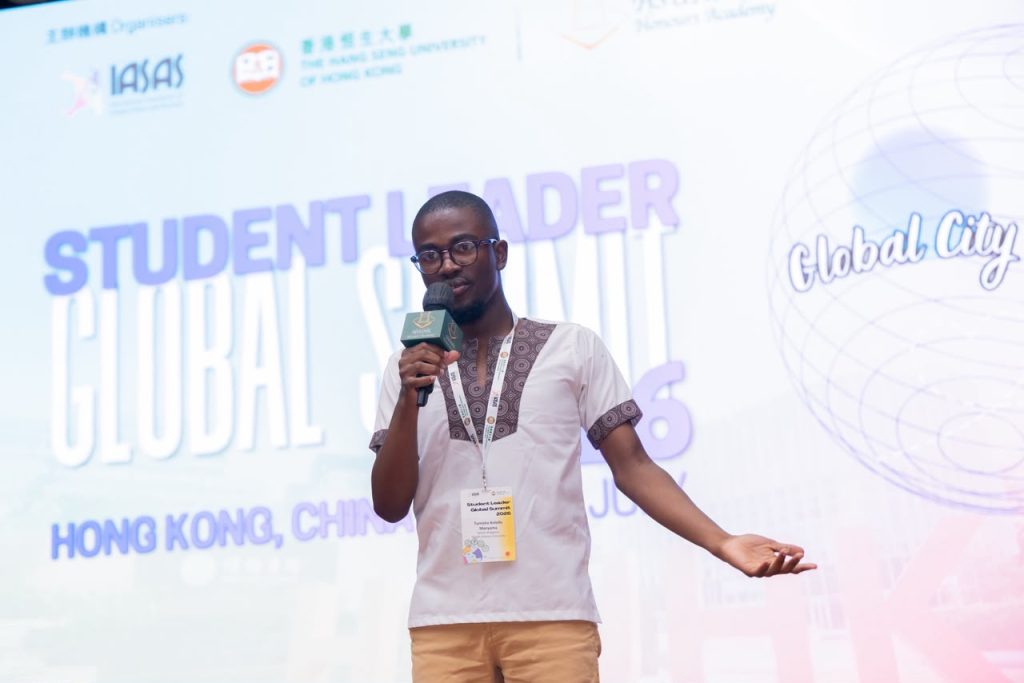
The award-winning achievement came through an international team project in which he collaborated with fellow participants to design a sustainable city. The project challenged participants to combine perspectives and develop solutions that address the needs of diverse communities.
Reflecting on the experience, Manyama said the collaboration demonstrated the importance of diversity in developing effective solutions. “The strongest solutions are often built collectively,” he said, adding that the recognition reinforced the belief that “diversity is not a barrier to progress, but one of our greatest strengths”.
Beyond the conference sessions, the summit also provided opportunities for practical community engagement. During a programme in rural Hong Kong, the male student and other participants worked alongside residents and shared sustainable living practices, gaining insight into how leadership can contribute to community development.
The experience strengthened his understanding of leadership as a commitment to service, not simply holding a position. “Leadership is not about being at the front or simply holding a position. Leadership is about serving, listening, empowering and working alongside people,” he said.
The international opportunity was particularly significant following an earlier setback. He had previously been selected to attend the IASAS summit in Ireland but could not travel because of visa challenges. The opportunity to participate in Hong Kong offered a renewed chance to represent SMU and South Africa on an international platform.
 For the male student, the lessons gained from the summit extend beyond student governance into future professional practice and healthcare delivery. “Whether I am serving patients in the future, advocating for students today, or contributing to my community, the foundation remains the same: people, empathy and service,” he said.
He expressed gratitude to SMU, the Directorates of Student Affairs and Internationalisation for supporting the opportunity and investing in student development. The summit also facilitated international friendships, professional connections and exposure to different approaches to leadership and sustainability.
The achievement reflects SMU’s broader commitment to excellence in education, effective leadership, inclusion and community engagement. As a dedicated health sciences university, SMU aims to prepare graduates who can contribute meaningfully to healthcare and society.
By supporting students to participate in international platforms, SMU creates opportunities for knowledge exchange, personal development and collaboration across borders, strengthening its international presence while advancing its mission to transform health services through excellence and innovation.
By Tumelo Moila
by Lorato | Oct 21, 2026 | All News, Alumni, SMU Media, Student Media
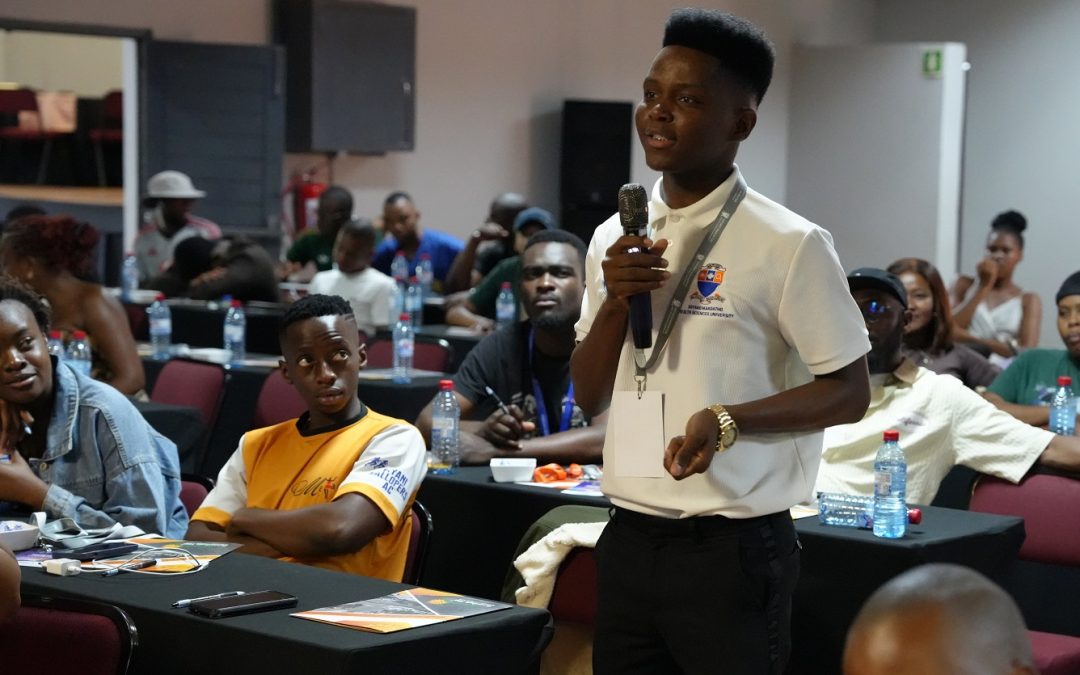
Sefako Makgatho Health Sciences University (SMU) strengthened its commitment to student leadership development through a successful House Committee Induction Programme held at Rustenburg Kloof. Guided by the theme “Leading with Purpose, Accountability and Impact”, the programme equipped student leaders with practical knowledge and skills to manage residence responsibilities, promote student wellbeing and contribute to a positive campus living environment.
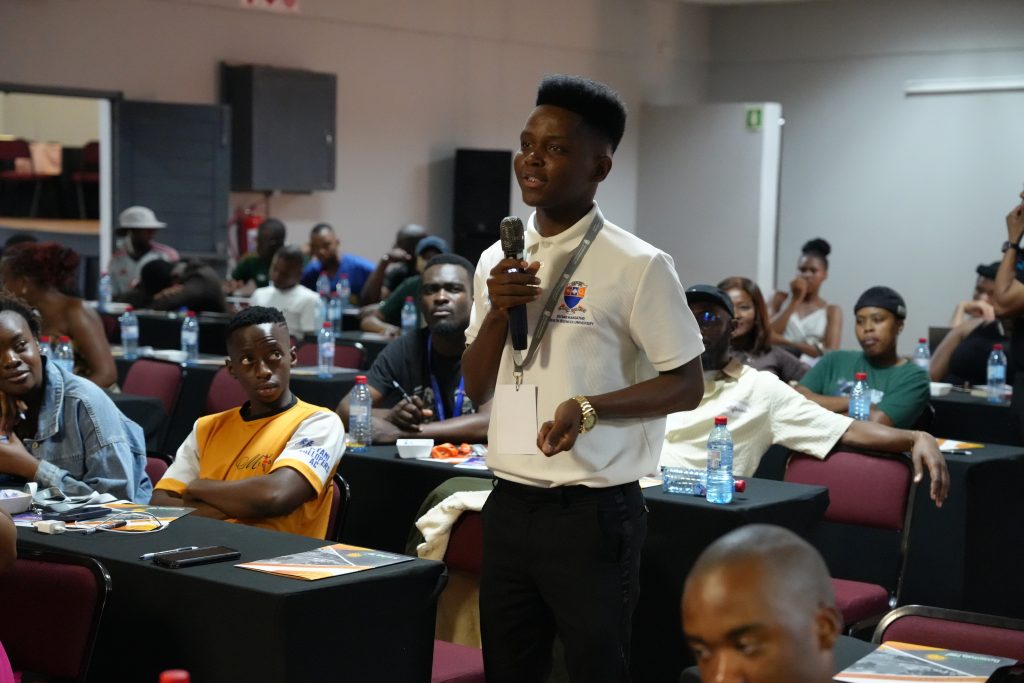 The programme brought together house committee members and university representatives for sessions focused on student governance, residence management, accountability and service. It aimed to clarify the responsibilities of house committees while strengthening collaboration between student leaders and the university departments that support residence life.
The induction focused on understanding the residence leadership environment and the support structures available to students. Presentations covered the Central Residence Committee portfolio, the role of the Student Representative Council in supporting residences, student governance and leadership protocols, mentorship, risk management, maintenance reporting, sporting activities, counselling services, and campus safety and security.
Hendry Drops Mathonsi, Head of the Department of Sport at SMU, contributed to discussions on the Residence League and sporting codes, highlighting the role of sport in promoting student participation and community.
“Residence sport provides an opportunity for students to develop teamwork, discipline and a sense of belonging. House committees have an important role to play in encouraging participation and ensuring that sporting activities contribute positively to residence life,” Mathonsi said.
The programme also addressed the importance of student support services. Lesego Tsima, a social worker, presented on Student Counselling Support Services, emphasising the importance of recognising student challenges and connecting residents with appropriate professional assistance.
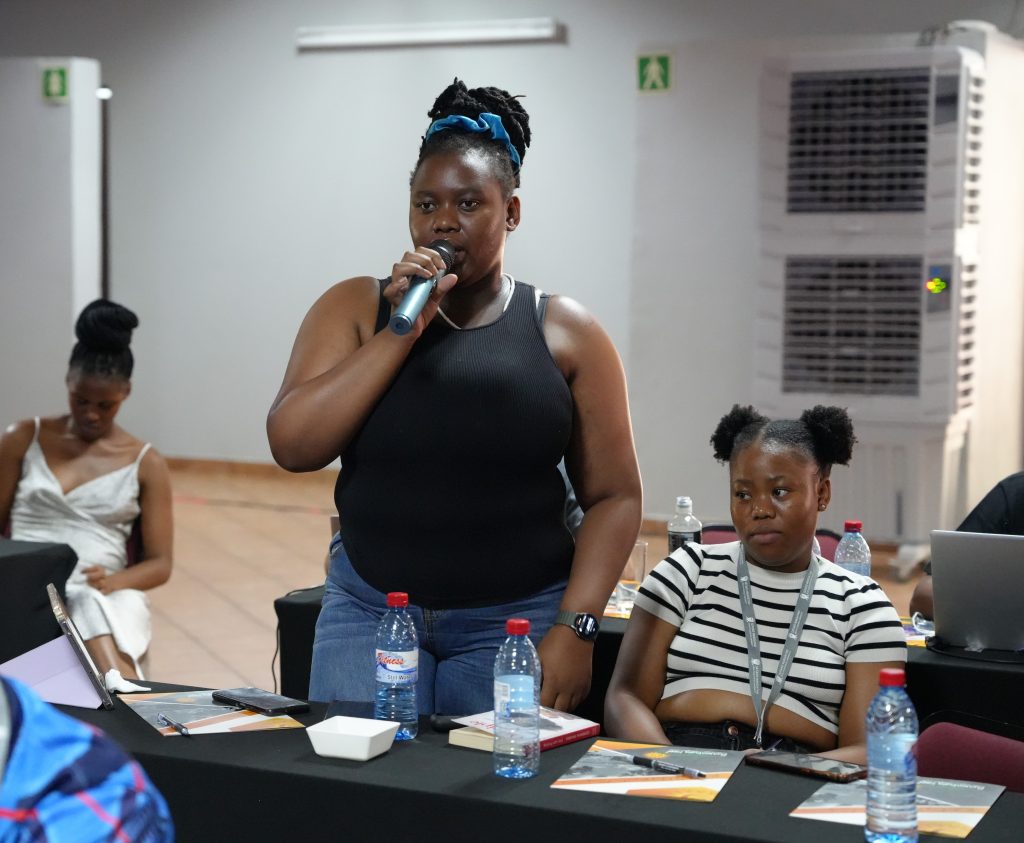 “Student wellbeing is an important part of academic success. House committee members are often among the first people students approach when they experience difficulties, making it essential for them to listen with empathy, respect confidentiality and refer students to appropriate support services when necessary,” Tsima said.
Residence infrastructure and maintenance formed another key part of the discussions. Kabelo Mokoape, representing the Built Environment team, outlined the importance of understanding maintenance reporting procedures and ensuring that residence-related concerns are communicated through the appropriate channels.
“Timely reporting of maintenance problems helps the university respond appropriately and maintain a safe and functional living environment. House committees play a valuable role in communicating concerns and encouraging residents to report infrastructure-related issues responsibly,” Mokoape said.
Team-building activities further strengthened collaboration among participants, providing opportunities to build relationships, develop trust and practise teamwork beyond the formal sessions.
The programme also explored the portfolios and duties of house committees, residence budget allocations and expenditure management, conflict resolution and student conduct management. Participants worked on developing residence action plans aimed at translating the knowledge gained during the induction into practical initiatives within their respective residences.
The programme concluded with an evaluation session and a closing address, providing an opportunity to reflect on the learning experience and the responsibilities associated with residence leadership.
The successful completion of the induction marked an important step in preparing house committee members to approach their responsibilities with greater clarity, accountability and purpose. By bringing student leaders and university support structures together, the programme reinforced the importance of cooperation in addressing residence challenges and creating an environment conducive to student development.
Through initiatives such as this, SMU continues to invest in student leadership, responsible governance and collaborative approaches to residence management, supporting a campus environment where students can live, learn and thrive.
By Dimakatso Modise
by Lorato | Oct 21, 2026 | Accolades and Achievements, All News, Alumni, SMU Media, Student Media
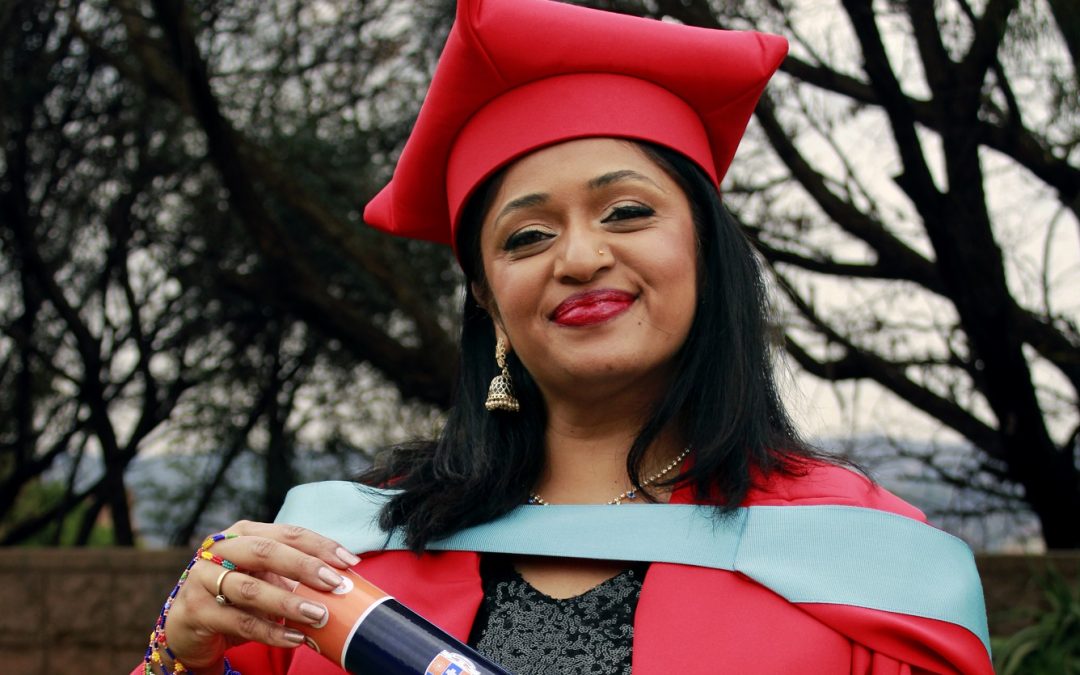
Sefako Makgatho Health Sciences University (SMU) academic Dr Veena Abraham has earned a PhD in Pharmacy through a collaborative doctoral programme with the University of Stirling in Scotland, highlighting the need for institutional policies that address mental health and burnout among university academics.
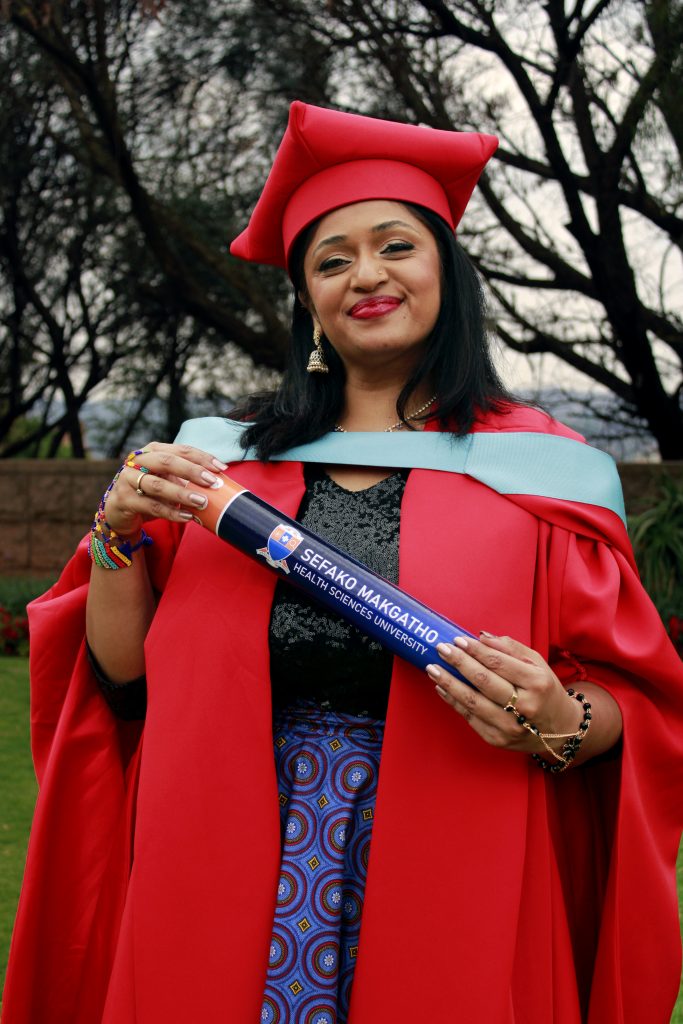 Awarded in 2026, her doctorate focused on developing and pre-testing an evidence-informed mental health promotion policy for academic staff at a historically disadvantaged South African university. Her research examined how workloads, organisational culture, leadership practices and limited institutional support affect staff wellbeing in higher education.
The study found that 49% of surveyed academic staff screened positive for severe psychological distress, while 27% reported high levels of burnout. The institutional survey involved 157 respondents and revealed that fewer than one-third felt comfortable disclosing mental health concerns, while more than half expressed dissatisfaction with institutional support.
“These findings highlight the importance of recognising mental health and burnout as workplace concerns that require institutional attention. Universities need to understand how working conditions, leadership practices and organisational culture affect academic staff and their ability to thrive professionally,” said Dr Abraham.
The findings highlight the scale of the challenge facing universities. As the study concludes, “Academic staff mental health is shaped by interconnected individual, organisational and structural factors.” This points to the need for institutions to look beyond individual wellness initiatives and address the workplace conditions contributing to psychological distress.
Dr Abraham’s research used a four-phase, mixed-methods approach, combining a systematic review of workplace mental health interventions, an institutional survey, qualitative interviews and a focus group, followed by policy development and stakeholder pre-testing. This enabled her to integrate international research evidence with the experiences and needs of academic staff in the South African higher education context.
“The research was driven by the need to develop a practical, evidence-informed response that reflects the realities of academic life in South Africa. Policies must be grounded in research and shaped by the experiences of the people they are intended to support,” she said.
The resulting policy framework addresses workload management, leadership accountability, psychological safety, access to mental health support and organisational culture. Stakeholder pre-testing indicated that the proposed policy was acceptable, although institutional readiness and implementation capacity remained important considerations.
 Emphasising the need for sustainable institutional action, the study concludes that “sustainable mental health promotion requires coordinated institutional action addressing the underlying conditions contributing to distress and burnout.”
The findings therefore support a shift towards approaches that recognise staff wellbeing as an organisational responsibility rather than an issue for individuals to manage alone.
Dr Abraham’s interest in workplace wellbeing developed from her earlier research into patient safety culture at Dr George Mukhari Academic Hospital, which she completed for her Master of Pharmacy degree, awarded cum laude in 2017 from SMU. This work informed her broader interest in how organisational environments, leadership and workplace practices influence professionals’ experiences.
With more than 15 years of experience in health sciences education, Dr Abraham lectures in SMU’s Department of Pharmacology and Therapeutics, teaching across health sciences programmes, including medicine and dentistry. Her academic contributions also include curriculum development, assessment, postgraduate supervision and mentorship.
She received the SMU Teaching Excellence Award in 2022 and has published research on workplace mental health, patient safety and healthcare practice. Her scholarly work reflects a commitment to connecting research evidence with practical institutional challenges.
“Creating healthier academic environments requires a sustained commitment to supportive leadership, open communication and policies that can be implemented in practice. I hope this research contributes to conversations about how universities can better protect and promote the wellbeing of their academic staff,” said Dr Abraham.
Dr Abraham’s achievement reinforces SMU’s commitment to research that responds to pressing challenges in education and the health sciences. By developing a contextually responsive mental health promotion policy, her research provides a foundation for universities seeking to strengthen workplace support, improve organisational practices and create healthier academic environments.
By Tumelo Moila
by Lorato | Oct 21, 2026 | Accolades and Achievements, All News, Alumni, SMU Media, Student Media
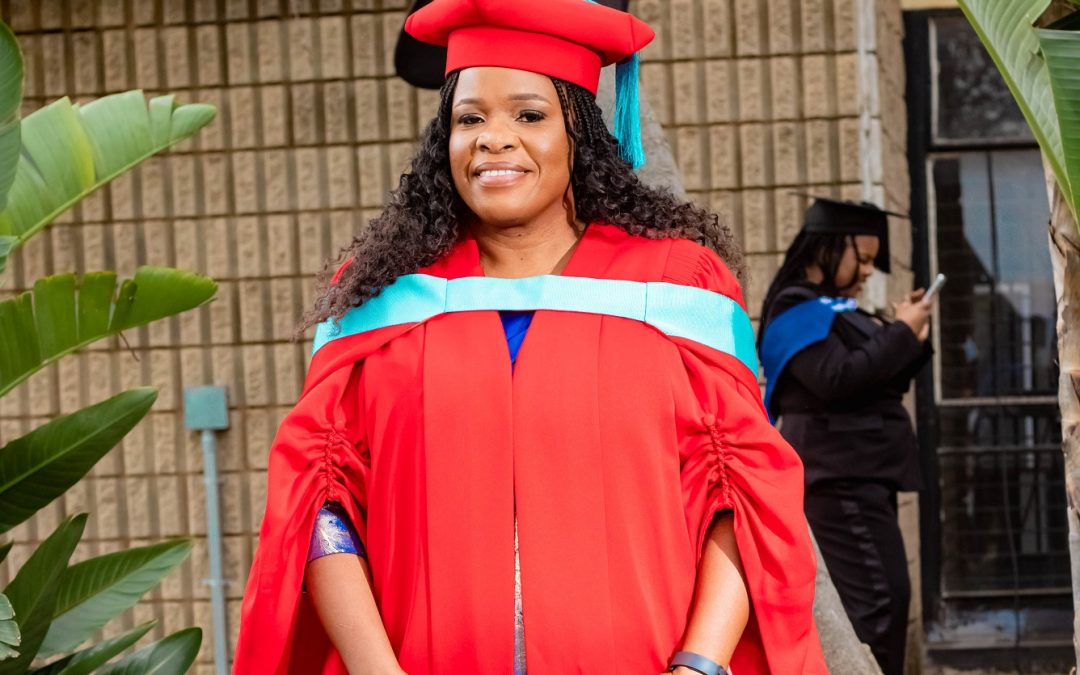
Sefako Makgatho Health Sciences University (SMU) continues to advance evidence-based healthcare through research that addresses critical public health challenges, as demonstrated by pharmacist and public health researcher Dr Tiyani Milta Maluleke, whose doctoral study explored strategies to promote responsible antibiotic use in rural South Africa.
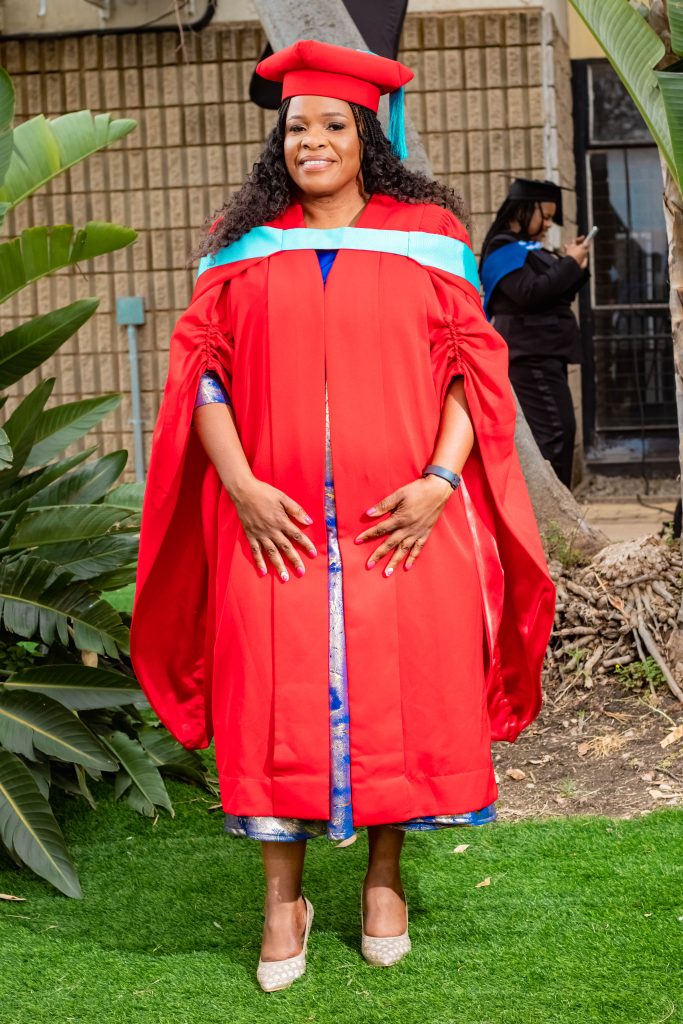 Maluleke earned her PhD in Public Health Pharmacy during SMU’s annual Spring Graduation Ceremony, marking a significant milestone in a career spanning more than 22 years across South Africa’s public and private healthcare sectors. Her achievement reflects SMU’s commitment to developing skilled healthcare professionals and producing research that informs healthcare policy and practice.
Her doctoral research, titled Strategies to limit inappropriate purchasing of antibiotics without a prescription in a rural province, South Africa, examined factors influencing antibiotic access and identified opportunities to strengthen antimicrobial stewardship and patient education in underserved communities.
Antimicrobial resistance (AMR) occurs when microorganisms develop the ability to resist medicines used to treat infections. Inappropriate antibiotic use contributes to this growing public health challenge, making responsible dispensing, patient education and accessible healthcare essential.
Maluleke’s mixed-methods study engaged community pharmacy personnel and patients to better understand antibiotic access, healthcare-seeking behaviour, and opportunities to improve antimicrobial stewardship. The research highlighted the importance of practical, collaborative interventions that support both patients and healthcare professionals.
The findings identified previous antibiotic use and long clinic waiting times as factors influencing healthcare-seeking decisions. Patients also strongly supported pharmacist-led antibiotic education, highlighting an opportunity to strengthen community pharmacies’ contribution to public health.
“These findings highlight the need for antimicrobial stewardship interventions that address both patient behaviour and the challenges within the healthcare system,” explained Dr Maluleke.
The study recommends strengthening community pharmacists’ involvement in patient education, appropriate referrals, quality improvement initiatives and collaboration with prescribers. It also advocates for appropriately regulated pathways to expand pharmacists’ clinical responsibilities and improve patient access to appropriate care.
“Community pharmacists are well positioned to support antimicrobial stewardship through protocol-led management of selected infections, patient education, referral and collaboration with prescribers,” said Dr Maluleke.
 Maluleke’s research reinforces SMU’s mission to transform health services through excellence and innovation. By supporting postgraduate research exploring challenges affecting underserved communities, the university helps generate evidence that can inform policy, strengthen professional practice and improve patient outcomes.
Her achievement also builds on a longstanding commitment to pharmaceutical practice and research. Maluleke completed her Master of Public Health at SMU in 2019 and obtained her Bachelor of Pharmacy from MEDUNSA in 2003. Her scholarly contributions include eight publications in international peer-reviewed journals, three editorials and co-author contributions to five additional publications.
Beyond her professional career, she is the founder and minister of Ntshembo Healing Ministry, where she promotes community empowerment, mentorship and holistic wellbeing. As a motivational speaker and organisational leader, she seeks to bridge scientific knowledge, public service and faith-based leadership.
Through graduates such as Maluleke, SMU demonstrates the value of health sciences education and research in addressing South Africa’s healthcare priorities. Her doctoral work highlights the university’s contribution to developing research-informed professionals equipped to strengthen pharmacy practice, promote responsible medicine use and support better healthcare outcomes.
By Tumelo Moila

by Lorato | Oct 21, 2026 | Accolades and Achievements, All News, Alumni, SMU Media, Student Media
Dr Bonolo Mmereki has earned a Doctor of Philosophy (PhD) in Public Health from Sefako Makgatho Health Sciences University (SMU), following research highlighting the lasting impact of childhood trauma on young adults’ mental health in South Africa.

Awarded during SMU’s annual Spring Graduation Ceremony in September 2026, her qualification marks a significant milestone in her public health career and advances research into childhood trauma, mental health screening and interventions at the primary healthcare level.
Her doctoral study, titled The impact of childhood trauma on the mental health of young adults: a mixed method study among clinic attendees in Moretele Sub-health District, investigated the relationship between adverse childhood experiences and mental health outcomes among young adults aged 18 to 35 attending healthcare facilities in Moretele, North West.
Childhood trauma is a significant public health concern, with consequences that can persist long after the initial experience. Mmereki’s research examined how these experiences affect mental health, relationships, emotional wellbeing and everyday functioning, highlighting the need for early identification and appropriate support within healthcare services.
Using a convergent mixed-methods design, the study combined quantitative screening with qualitative interviews. Data were collected from 380 participants across five healthcare facilities, while in-depth interviews were conducted with 14 participants to explore their experiences of childhood trauma. The research used standardised questionnaires to screen for childhood trauma, depressive symptoms and anxiety.
The findings showed that 9% of participants had experienced childhood trauma, while 12% presented with depressive symptoms and 8% showed signs of anxiety. The qualitative findings further revealed the complex and enduring effects of traumatic experiences, including nightmares, social isolation, anger, and challenges affecting academic performance and personal relationships.

Thirteen themes and 17 sub-themes emerged from the qualitative data. These included different forms of trauma, the impact and consequences of traumatic experiences, triggers, perceptions that justice had not been served, the need for ongoing post-trauma support, and the development of coping mechanisms.
A key outcome was the development of a protocol for healthcare workers, along with recommendations and strategies to strengthen childhood trauma screening, policy development, and mental health services in primary healthcare facilities in Moretele.
The study has also contributed to academic knowledge through publications in international and local journals, demonstrating the potential of community-based research to inform healthcare practice and policy.
Mmereki’s achievement builds on a professional nursing career spanning approximately a decade, with experience in HIV/AIDS care, non-communicable diseases and public health. She holds a Bachelor of Nursing Science degree from North-West University and a Master of Public Health from SMU. Her work also includes adolescent and youth-friendly services, reflecting her commitment to improving access to responsive healthcare for young people.
Her research aligns with SMU’s mission to advance health services through excellence and innovation, particularly through education, research and the development of evidence-based approaches to healthcare challenges. By investigating the long-term effects of childhood trauma and proposing practical interventions, her work contributes to efforts to strengthen mental health support within primary healthcare settings.
Mmereki’s doctoral achievement reflects the role of postgraduate research in addressing pressing public health challenges and generating knowledge that can inform policy, improve clinical practice, and support community wellbeing.
By Tumelo Moila