The Sefako Makgatho Health Sciences University (SMU) School of Science and Technology (SST) held a research ethics committee induction workshop aimed at transforming scientific research administration, strengthening supervisor-student relationships, and accelerating postgraduate completion rates in line with Department of Higher Education and Training (DHET) requirements.
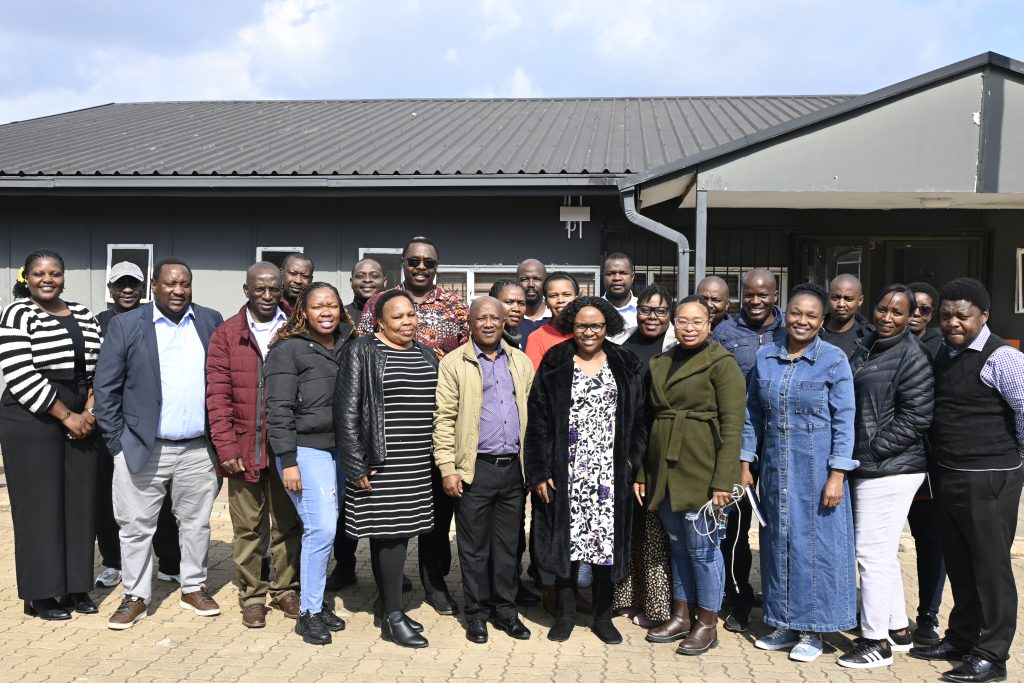 The strategic intervention was formalised during the workshop held recently, where postgraduate supervisors, committee evaluators, researchers, and administrators confronted long-standing systemic bottlenecks that have delayed student research proposals for periods ranging from one month to as long as two years.
Leading the engagement, Dean of SST Professor Lawrence Obi delivered a firm call for institutional change, urging school members to prioritise humanity, responsiveness, and accountability in postgraduate supervision. “Postgraduate students must never be reduced to statistics or file references. They are human beings navigating complex and stressful educational journeys,” Professor Obi said.
He strongly critiqued delayed email responses and prolonged feedback turnaround times, describing supervisor responsiveness as “a fundamental academic responsibility rather than an optional courtesy”.
To address proposal backlogs and administrative delays that have negatively affected students financially and academically, the Dean emphasised that reviewers with personal conflicts involving candidates should recuse themselves from evaluation processes to ensure fairness and efficiency.
The revised system will operate under the oversight of Deputy Chairperson of the School’s Research Ethics Committee, Professor Madira Manganyi and the secretariat team. Under the new framework, every proposal will immediately be logged into a central tracking matrix upon submission, while technical compliance checks and strict communication deadlines will be enforced across all review stages to eliminate unnecessary delays.
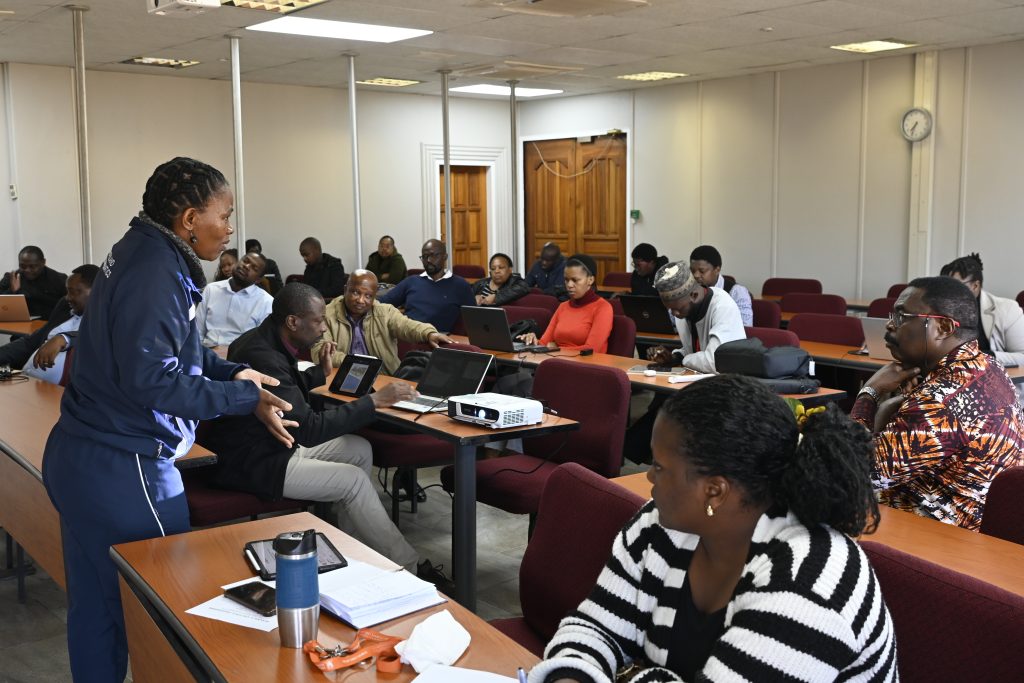 SST said the intervention reflects a broader institutional commitment to operational excellence, accountability, and student-centred academic support.
Committee member and research supervisor Dr Nomasonto Rapulenyane, who recently celebrated the simultaneous graduation of three Master of Science candidates, attributed her success to combining structured milestone management with compassionate student support.
“Successful postgraduate supervision demands holistic involvement in a candidate’s life,” Dr Rapulenyane explained. “We must care about their emotional well-being, physical health, and financial stability. A student facing severe stress or financial hardship cannot perform optimally at an analytical level.”
She added that supervisors and students should jointly establish realistic timelines within the first six months of registration to ensure research protocols receive School Research Committee approval without unnecessary delays.
Vice Dean Professor Stanley Gololo also confirmed the formal recognition of collaborative and multidisciplinary supervisory structures. As part of the initiative, all accredited co-supervisors will now receive equal institutional completion credit alongside principal supervisors in an effort to strengthen mentorship and interdepartmental collaboration.
Meanwhile, the School Research Committee is intensifying efforts to improve proposal quality through targeted ethics and methodology training initiatives.
According to the second Deputy Chairperson of the Committee, Dr Vusani Maphiri, the Research Ethics Committee Induction Workshop has been designed to equip supervisors and reviewers with stronger knowledge of ethical compliance, institutional procedures, and proposal development standards.
“The workshop aims to improve the quality of research proposals by providing participants with direct guidance on ethical compliance, methodology, and common challenges,” Dr Maphiri said.
SST said the integrated model demonstrates how empathy, effective leadership, and operational efficiency can work together to strengthen postgraduate success and research excellence.
Aligned with its vision of transforming health services through excellence and innovation, SMU noted that the initiative reinforces the university’s growing reputation as a responsive, student-centred, and world-class health sciences and technology institution committed to advancing research, education, and societal impact.
By Rose Moreki