The School of Medicine at Sefako Makgatho Health Sciences University (SMU) continues to cement its position as a leading centre for medical education, healthcare training and interdisciplinary research, with a growing number of doctoral graduates contributing innovative solutions to some of South Africa’s most pressing health challenges.
 Comprising 39 academic and clinical departments, the School of Medicine plays a pivotal role in developing healthcare professionals, advancing scientific knowledge and addressing complex healthcare needs across South Africa and the African continent. Its strength lies in its ability to integrate expertise across disciplines and collaborate across the University’s five Schools, creating an environment where teaching, research and clinical practice intersect to drive meaningful impact.
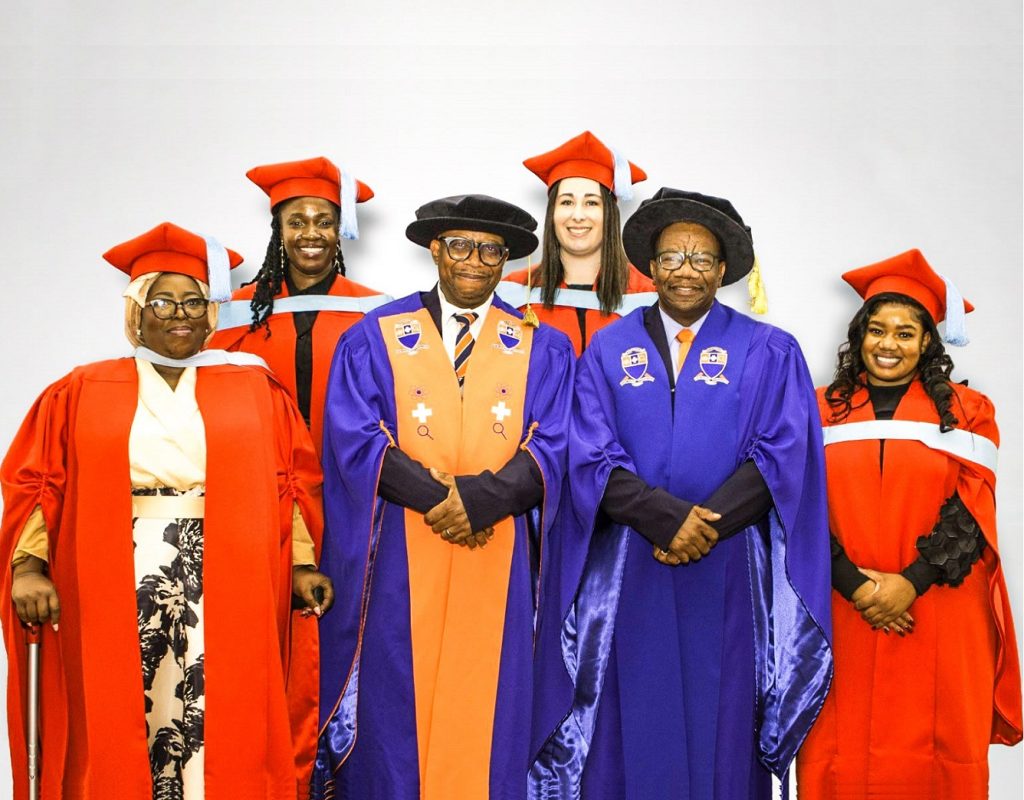
A significant milestone was achieved recently when five PhD candidates graduated from the School of Medicine, reflecting the institution’s expanding research capacity and commitment to developing highly skilled researchers. The growing number of staff members holding doctoral qualifications further aligns with SMU’s vision of transforming health services through excellence and innovation while strengthening the University’s research profile and academic standing.
“The growth in doctoral graduates demonstrates the School of Medicine’s commitment to producing research that is scientifically rigorous, socially relevant and capable of addressing real-world healthcare challenges,” said a School representative. “Our research agenda is increasingly interdisciplinary, collaborative and focused on improving health outcomes for the communities we serve.”
Among the departments contributing significantly to this success is the Anatomy and Histology Department, which provides foundational anatomical and histological training across numerous health sciences programmes while supporting interdisciplinary research in medical imaging, forensic sciences, dentistry, orthopaedics and biomedical sciences.
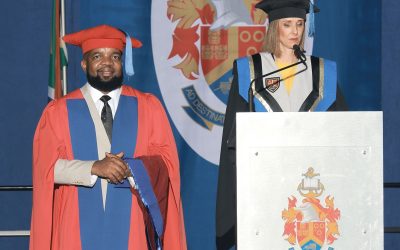
Recent doctoral achievements emerging from the Department highlight the breadth and relevance of research being undertaken within the School. Dr Vaughan Perry, who graduated in September 2025, investigated the combined effects of diabetes, chronic alcohol use and antiretroviral therapy on rat bone structure. His findings contribute to a deeper understanding of chronic disease and skeletal health, offering valuable insights into conditions that remain highly prevalent within South African healthcare settings.
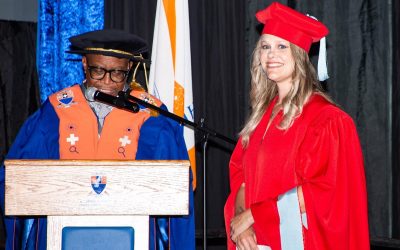
Graduating on 13 May 2026, Dr Ruth Kobedi explored cephalometric variation in Black South African adults using conventional lateral cephalograms and cone-beam computed tomography. Her research established population-specific craniofacial standards that can improve orthodontic diagnosis, treatment planning and forensic identification.
“This study demonstrates the importance of developing locally relevant scientific data that reflects the diversity of South African populations,” said Dr Kobedi. “Such research has the potential to improve both healthcare delivery and forensic practice while strengthening collaboration across disciplines.”
Further showcasing the School’s research innovation, Daniële Kristen is set to graduate later this year following her investigation into knee joint morphology in South African populations using computed tomography and geometric morphometric analyses. Her work established population-specific standards with applications in forensic anthropology and orthopaedic implant development, creating opportunities for the future design of anatomically compatible implants tailored to local populations.
These achievements reflect the School of Medicine’s growing stature as a hub of academic excellence, research innovation and postgraduate development. Through interdisciplinary collaboration, impactful research and a commitment to addressing local healthcare needs, SMU continues to advance scientific knowledge while developing the next generation of health professionals and researchers. As the University pursues its vision of transforming health services through excellence and innovation, its contributions to education, research and healthcare remain central to improving lives across South Africa and beyond.
By Tumelo Moila