
Sefako Makgatho Health Sciences University (SMU) Master of Pharmacy student Mahlorhi Baloyi has strengthened the university’s research profile through his participation in the 15th Annual Conference of the Professional Society for Health Economics and Outcomes Research (ISPOR) South Africa Chapter, held recently at the Gordon Institute of Business Science (GIBS) in Illovo, Johannesburg.
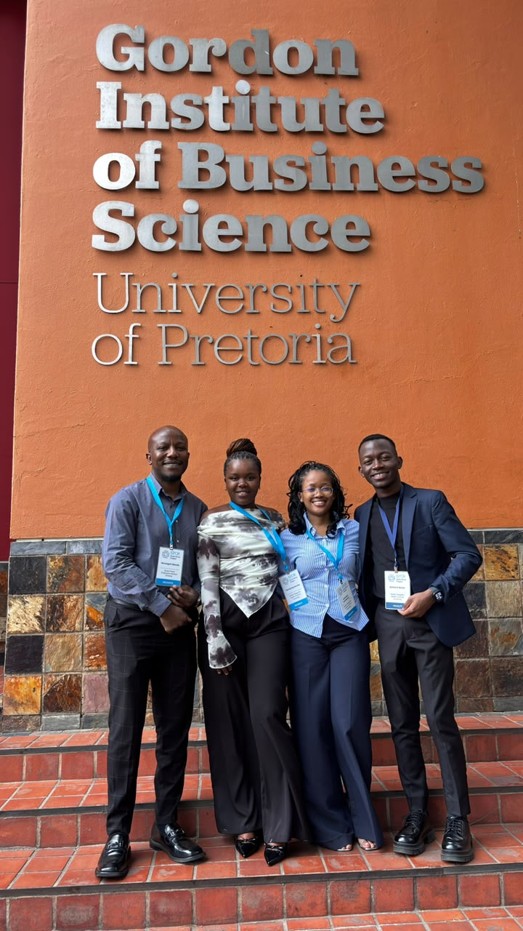 Baloyi presented research examining the potential budgetary impact of implementing a prostate cancer treatment intervention in South Africa’s public healthcare sector. Selected as one of five studies for presentation and discussion, his work contributes to efforts to generate locally relevant evidence to inform healthcare planning, resource allocation and the sustainable delivery of health services.
The conference, held under the theme “Developing Capacity for Health Technology Assessment in South Africa”, brought together researchers, academics, policymakers, healthcare professionals and local and international experts to examine how evidence can guide healthcare priorities. Contributors included representatives from the National Department of Health, the Health Economics and Epidemiology Research Office (HERO), medical schemes, academic institutions and the International Network of Agencies for Health Technology Assessment (INAHTA).
For Baloyi, presenting his research at this national gathering marks a significant milestone in his academic career. “Having my research selected for presentation among five studies at a conference of this calibre is a major achievement for me. It motivates me to continue investigating healthcare challenges and generating evidence that can contribute to better-informed decisions in South Africa,” he said.
His study highlights the role of health economics research in assessing the potential financial implications of healthcare interventions. In a system where demand for services competes with limited funding, budget impact analysis can help decision-makers consider affordability, pharmaceutical expenditure and the sustainability of introducing new treatments in the public sector.
“Research must go beyond academic presentation. It should help answer practical questions about affordability, resource allocation and access to treatment. I want my work to contribute evidence that supports responsible healthcare planning and better patient outcomes,” Baloyi said.
The conference also provided opportunities to engage with developments in health technology assessment, economic modelling, costing methodologies and the use of artificial intelligence in evidence analysis. These discussions underscored the importance of building research capacity and strengthening collaboration among universities, government, healthcare funders and other stakeholders.
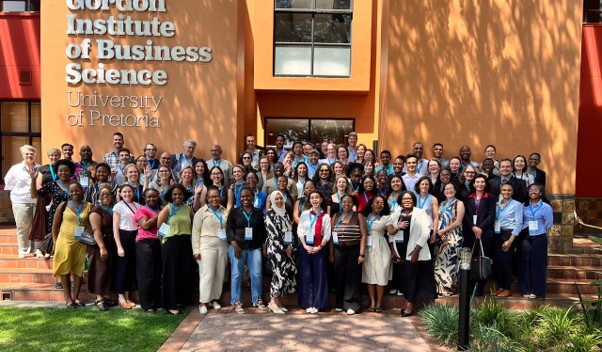 A notable moment for Baloyi was Mark Brand, president of the ISPOR South Africa Chapter, acknowledging his participation and recognising him as one of the first representatives from SMU to join the society. The acknowledgement highlighted the importance of expanding the university’s representation in professional networks focused on health economics and outcomes research.
Baloyi thanked Professor Moliehi Matlala, his supervisor, and Letlhogonolo Makhele, his co-supervisor, for their guidance and support throughout the study. He also looks forward to building on the connections established at the conference, including opportunities for mentorship, knowledge exchange and potential collaboration with HERO board members and other professionals in the field.
Reflecting on the experience, Baloyi encouraged emerging researchers to remain curious, seek mentorship and share their work with wider scientific communities. He believes that research gains greater value when its findings contribute to meaningful discussions and practical solutions.
Baloyi’s participation reflects SMU’s mission to transform health services through excellence and innovation. By supporting emerging researchers and encouraging evidence-based inquiry, the university helps strengthen South Africa’s capacity for health economics research and develop healthcare professionals equipped to address complex challenges in service delivery, affordability, and equitable access to quality care.
By Tumelo Moila