Four employees from Sefako Makgatho Health Sciences University (SMU) have been selected for fully funded international Short Learning Programmes (SLPs) under the China–South Africa bilateral cooperation programme, strengthening the university’s commitment to professional development, knowledge exchange and institutional internationalisation.
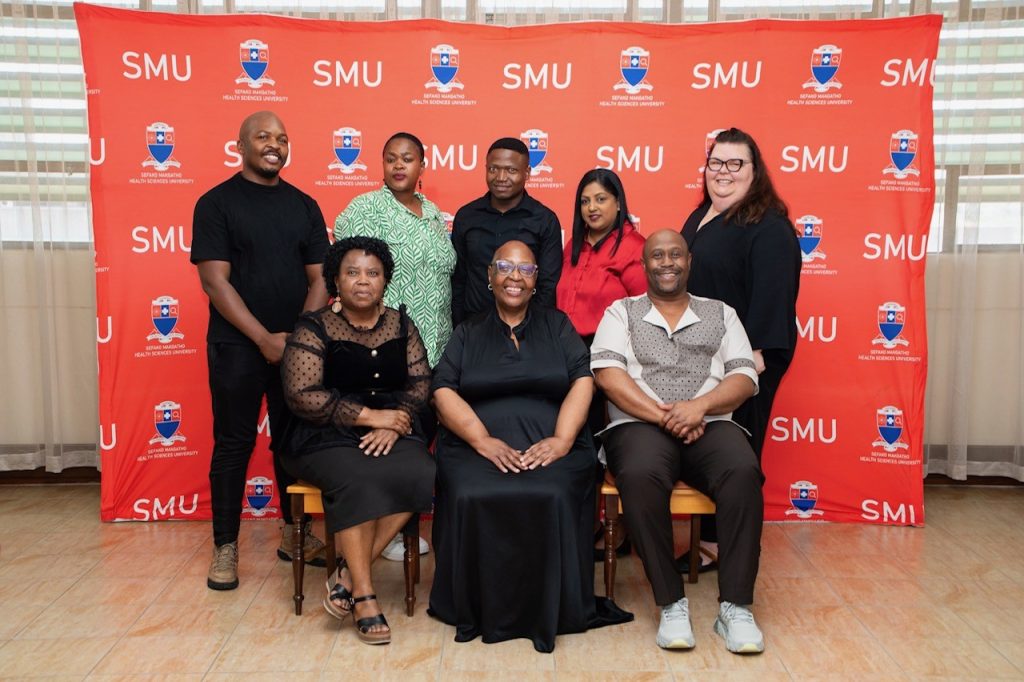 Selecting two academic and two administrative staff members highlights SMU’s approach to making internationalisation an institution-wide priority, extending opportunities beyond academic exchanges to include professional and operational functions that support effective university management and service delivery.
The selected participants are Mpho Mmako, Horticulturist; Dr Samantha Govender, Senior Lecturer and Head of the Department of Audiology and Speech-Language Pathology; Ntsako Mboweni, Lecturer in the Department of Human Nutrition and Dietetics; and Dr Tshifhiwa Mulaudzi, Acting Director: Finance Operations. Each was selected for a specialised programme aligned with their professional responsibilities.
Mmako participated in the Seminar on Beekeeping Industry Development Capacity Building for Poverty Alleviation and Prosperity under the Global Development Initiative. The programme provided exposure to sustainable beekeeping practices, agricultural development and the potential of the beekeeping industry to support livelihoods and poverty alleviation.
“Learning about sustainable beekeeping practices has broadened my understanding of how agricultural initiatives can contribute to economic development and poverty alleviation. I look forward to exploring how this knowledge can inform sustainable practices within my area of work,” said Mmako.
Dr Govender attended the Seminar on Digital Development in the Healthcare Sector for Developing Countries, which explored the growing role of digital technologies in healthcare delivery and their potential to strengthen health systems. The knowledge gained is relevant to the evolving healthcare environment and integrating technology into professional practice.
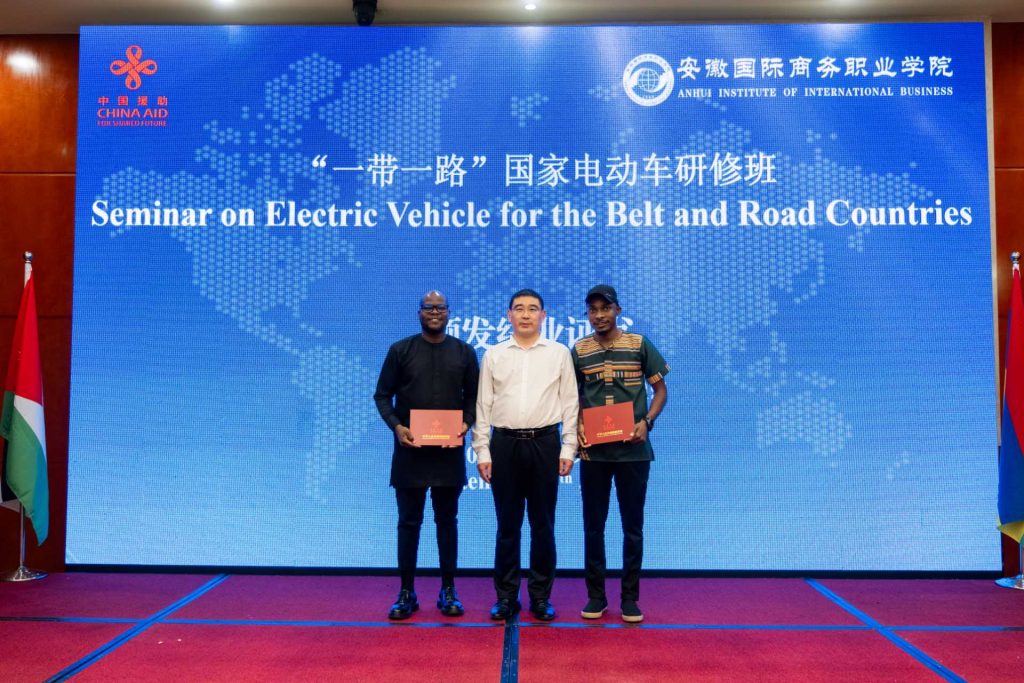 “The programme provided valuable insights into the role of digital innovation in transforming healthcare delivery. As healthcare professionals, we must remain open to new technologies and approaches that can improve services, strengthen systems and ultimately benefit patients,” said Dr Govender.
Meanwhile, Mboweni participated in the Seminar on Safety Management of Food Additives under the Global Development Initiative. The training focused on food safety management, regulatory considerations and the importance of protecting public health through the appropriate use and management of food additives.
“Food safety is central to public health. The opportunity to engage with international approaches to food additive management has strengthened my appreciation of the importance of effective regulation, scientific knowledge and evidence-based practice in protecting consumers,” said Mboweni.
Dr Mulaudzi attended the Government Digitalisation and the Development of a Service-Oriented Government for Belt and Road Countries programme, which examined digital transformation in government, technology-enabled administration, and approaches to developing efficient, responsive public services.
“The programme highlighted the importance of digital transformation in building efficient, transparent and service-oriented institutions. I believe the knowledge gained can contribute to strengthening administrative processes and improving service delivery at SMU,” said Dr Mulaudzi.
Although participants pursued different areas of specialisation, their programmes shared a common objective: equipping professionals with international knowledge, practical insights and new perspectives they can apply within their respective areas of responsibility at SMU.
The fully funded nature of the opportunities also enabled the selected employees to access international training and expertise without placing the financial burden of participation on the University or the individuals.
The initiative further highlights the value of China–South Africa bilateral cooperation in advancing education, skills development, science, technology and innovation. Through such partnerships, institutions can strengthen professional capabilities while facilitating the exchange of knowledge and international best practices.
For SMU, employee participation represents an investment in institutional capacity and organisational development. By empowering both academic and administrative staff, the University continues to demonstrate that internationalisation extends beyond research partnerships and student mobility.
It is an institution-wide commitment to developing people, strengthening systems and improving professional practice, ultimately supporting SMU’s mission to advance excellence in teaching, learning and innovative research.
By Tumelo Moila