Sefako Makgatho Health Sciences University (SMU) is strengthening a culture of research and academic excellence among undergraduate medical students through initiatives that encourage scientific inquiry, critical thinking and innovation in healthcare. This commitment was demonstrated at the SMU Student Surgical Society (SMUSSS) Student Research Symposium and Awards, which celebrated outstanding student research and highlighted its role in advancing medical and surgical practice.
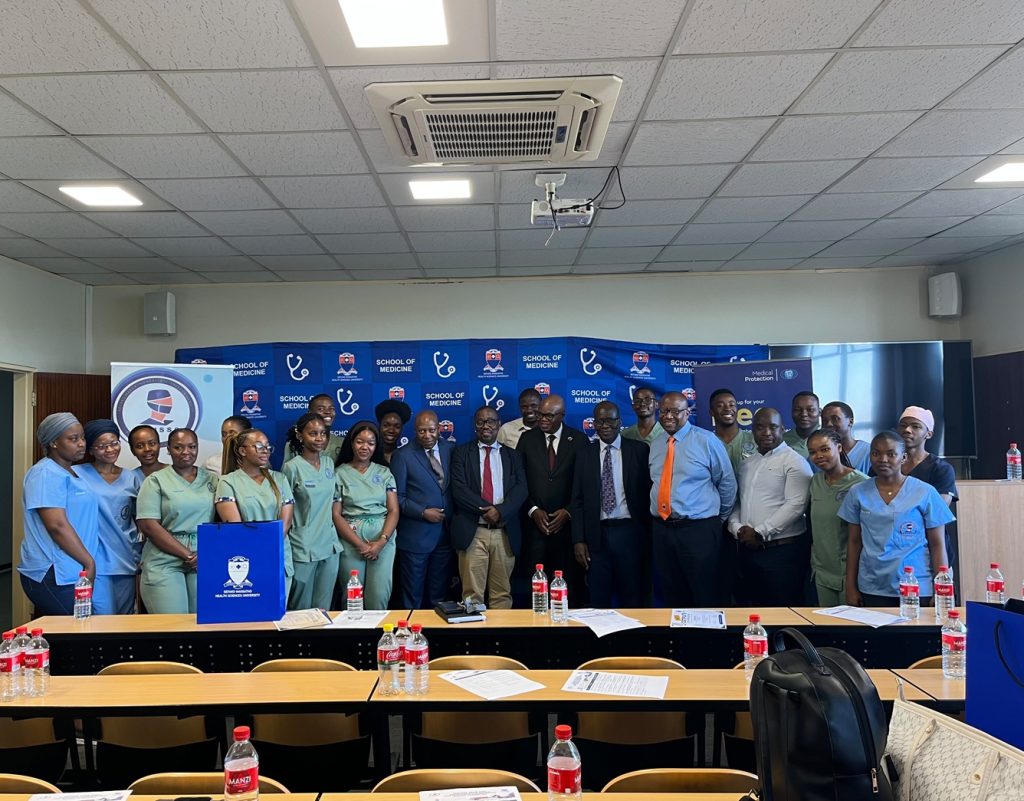 The symposium brought together undergraduate students, academic leaders and research stakeholders to recognise emerging research talent and encourage greater participation in scholarly activities.
The programme featured two competitions tailored to different stages of medical training: protocol writing for MBChB students in Years 4 to 6 and literature review writing for students in Years 1 to 3. The categories introduced students to essential stages of the research process while developing their academic writing, analytical and critical appraisal skills.
In her welcome address, SMUSSS President Tshepiso Maredi emphasised that research is fundamental to improving medical practice, developing safer treatment approaches, refining clinical guidelines and addressing healthcare challenges. She encouraged students to engage in research early in their academic careers and develop the ability to make evidence-based clinical decisions.
Professor Modise Zacharia (Zach) Koto, Head of the Department of General Surgery, highlighted the growing importance of research publications in medical training and professional advancement. Drawing on his experience of reviewing approximately 1 200 applications, he explained that research publications are among the factors considered when selecting candidates for specialist training programmes. He urged students to view research as an investment in their professional development.
The Dean of the School of Medicine, Professor Risenga Frank Chauke, reinforced the importance of academic commitment, particularly research, in developing competent medical professionals. He noted that research strengthens problem-solving abilities and enables students to question existing knowledge and contribute to solutions for healthcare challenges.
Guest speaker Professor Thifhelimbilu Emmanuel Luvhengo, Adjunct Professor in the School of Clinical Medicine and Clinical Head of the Department of Surgery at the University of the Witwatersrand (Wits), delivered a message centred on identity, confidence and excellence. He encouraged students to recognise their individuality, build self-confidence and pursue their academic and professional aspirations with determination.
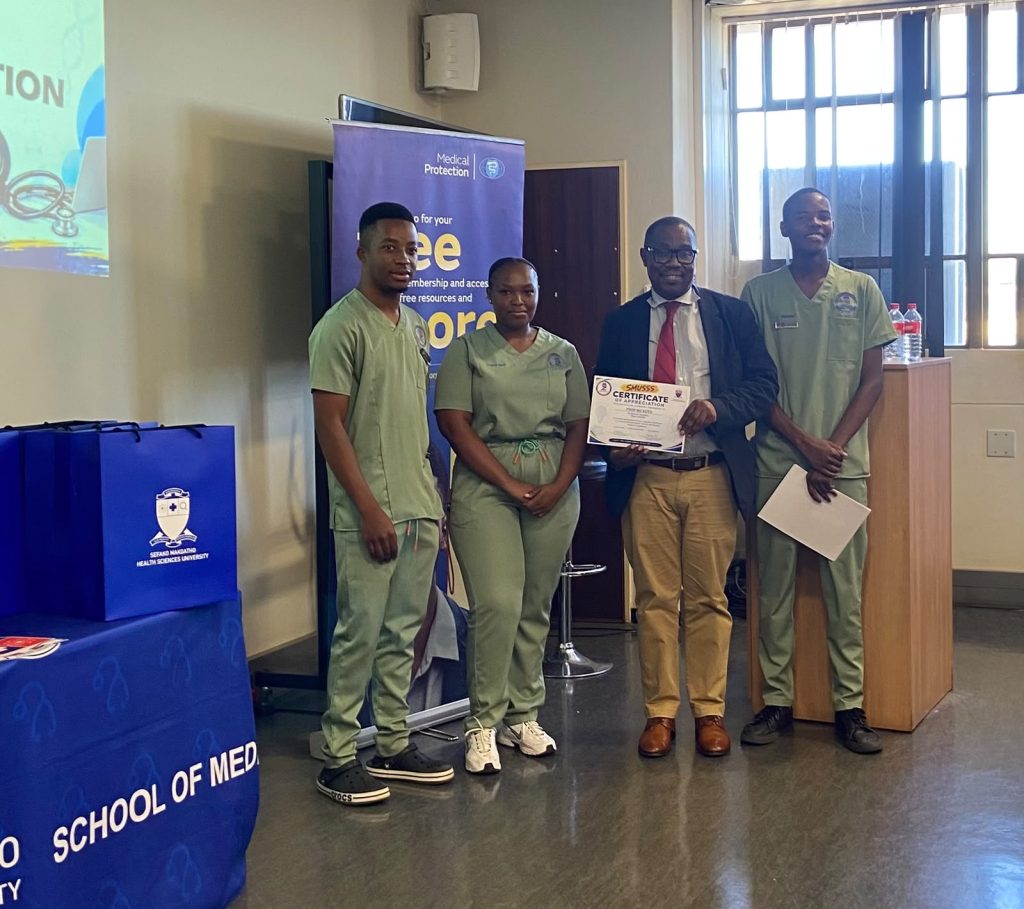 Reflecting on the development of the Society’s research initiatives, Albert Sebulela, SMUSSS Research and Academics Officer, said the competitions originated from a vision to involve undergraduate medical students more actively in surgical research.
“Our goal was clear: we wanted to actively engage undergraduate students, both pre-clinical (Years 1 to 3) and clinical (Years 4 to 6), in surgical research,” he said.
Sebulela explained that the initiative expanded from literature review competitions to include protocol writing for senior students, providing a more comprehensive introduction to research. The symposium subsequently became a platform for recognising student contributions and encouraging sustained academic engagement.
“The field of medicine is constantly evolving, requiring clinicians who are curious, passionate about discovery, and knowledgeable enough to advance patient care and deliver the highest quality of service,” he said.
He also emphasised interdisciplinary collaboration and innovation as important drivers of research excellence. He highlighted the value of partnerships across health disciplines, including anaesthesiology, and pointed to laparoscopic surgery and minimally invasive procedures as examples of how research transforms clinical practice.
The symposium concluded by recognising outstanding student researchers. In the protocol-writing category, Thapelo Mthimunye (MBChB Year 4) secured first place, followed by Phuti Kola (MBChB Year 5) and Oratile Mashilo (MBChB Year 4) in second and third places, respectively.
In the literature-review category, Thabiso Trinity Seerane and Basani Baloyi, both MBChB Year 3 students, shared first place. Mogau Matlanyane received second place, while Akonaho Mashamba (MBChB Year 3) secured third place.
Supported by the SMU School of Medicine Deanery Office, TANC and Wizmed, the symposium reaffirmed SMU’s commitment to developing research-minded healthcare professionals. Through student-led initiatives, the university continues to nurture scientific curiosity, strengthen research capacity and prepare future medical practitioners to translate evidence into improved patient care and healthcare outcomes.
By Dimakatso Modise