
The SMU Community Garden at Sefako Makgatho Health Sciences University has been named among the top 10 finalists in the inaugural Shoprite Act for Change Food Garden Competition, a national initiative celebrating grassroots projects that are tackling food insecurity and empowering communities across South Africa.
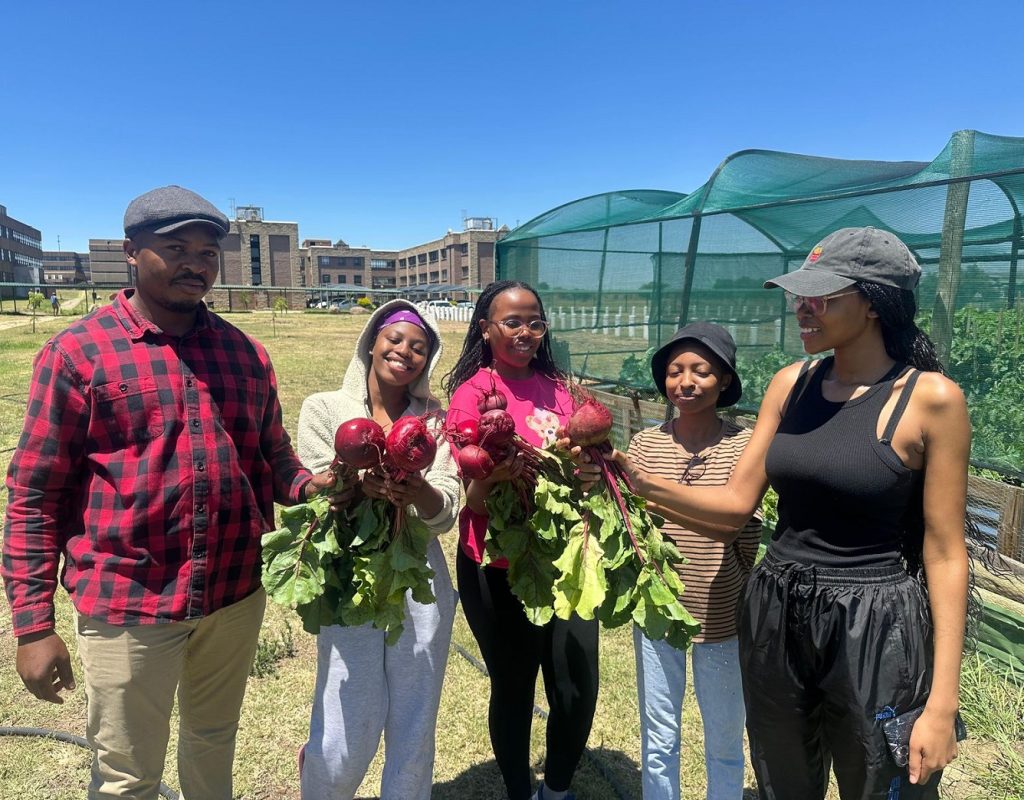 Launched in October 2025 by the Shoprite Group, the competition attracted an overwhelming response, with nearly 600 community gardens from across the country entering the contest. Each project shared stories of resilience, innovation and transformation through sustainable food production.
Among them, the SMU Community Garden in Ga-Rankuwa has emerged as a standout example of how small-scale agriculture can create meaningful change in a university environment. Established in September 2023, the garden was created to address food insecurity among students while promoting healthy lifestyles and environmental awareness.
Today, it provides fresh vegetables to more than 15 students in need each week while serving as a hands-on training space for students interested in sustainable food production. “This garden isn’t just growing vegetables – it is cultivating hope and opportunity,” said Mpho Mmako, a horticulturist and representative from the project. “It provides a space where students can support one another while contributing to solutions that address hunger and promote healthier living.”
Beyond food production, the initiative has evolved into a skills development hub. More than 20 students have already received training through the project, with support from academic and campus partners including the Department of Human Nutrition and Dietetics, the Department of Biology, the Green Campus Initiative and the Interprofessional Education and Collaborative Practice programme. Fourth-year dietetics students also use the garden as a learning platform, gaining practical experience in organic food production and exploring ways to promote healthy eating within local communities.
“The judging process considered not only agricultural output but also community reach, sustainability, skills transfer and social impact,” said Sanjeev Raghubir, chief sustainability officer at the Shoprite Group. “This comprehensive approach has identified gardens that are making a real difference in their communities.”
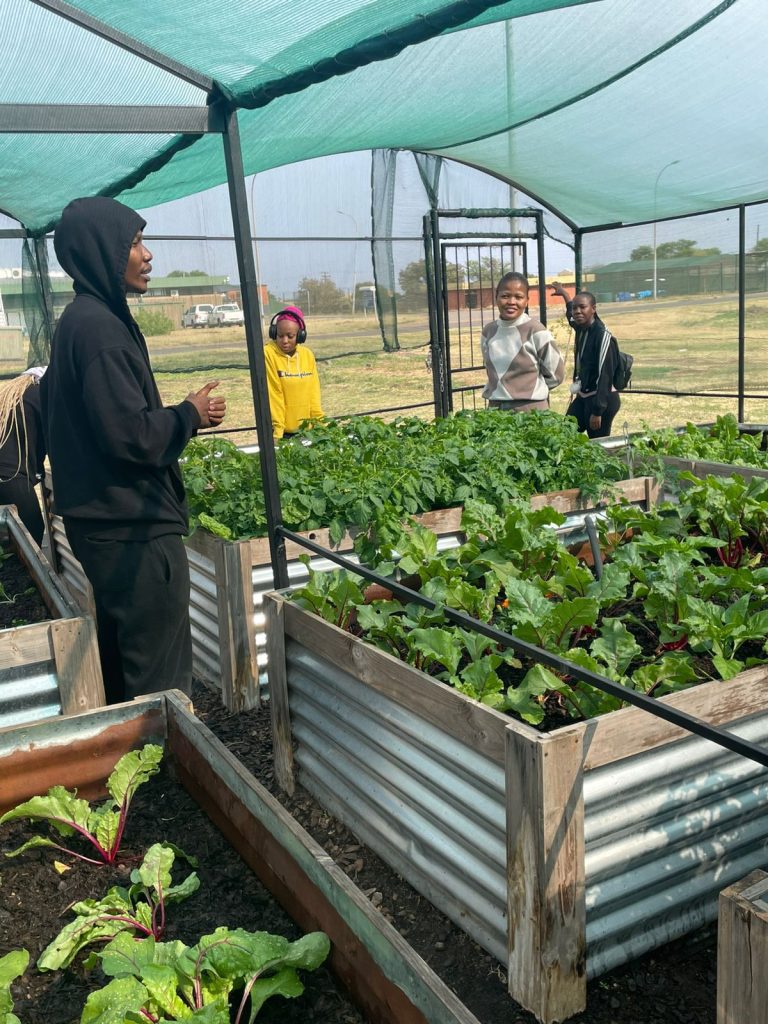 From rural villages in Limpopo to urban townships in Gauteng, the finalists demonstrate the diversity and ingenuity of South Africa’s growing food garden movement. The SMU project stands out for showing how community gardens can thrive in an urban academic setting while directly supporting student welfare.
Looking ahead, the garden’s organisers hope to expand the initiative significantly. Their goal is to increase production to feed more than 50 students per week, while strengthening its role as a teaching and research platform.
To achieve this, the team hopes to secure funding to construct a 30m by 10m greenhouse with an automated irrigation system, purchase additional organic fertilisers and seeds, and invest in environmentally friendly pest control methods.
The competition now enters its final stage, where guest judges – including well-known food and sustainability advocates – will narrow the 10 finalists down to six winners. The results will be announced at an awards ceremony in Cape Town in April 2026.
With prizes valued at R1 million, the support offered to winning gardens will be tailored to help them expand their impact and ensure long-term sustainability. “Through the Act For Change Food Garden Project, we are reinforcing our long-term commitment to sustainable interventions that help communities thrive,” Raghubir said. “This competition represents more than a contest – it’s a celebration of community-led solutions to food insecurity.”
Regardless of the outcome, the SMU Community Garden has already demonstrated the transformative power of community-driven initiatives – nurturing not only crops, but also skills, collaboration and hope for a more food-secure future.
By Tumelo Moila