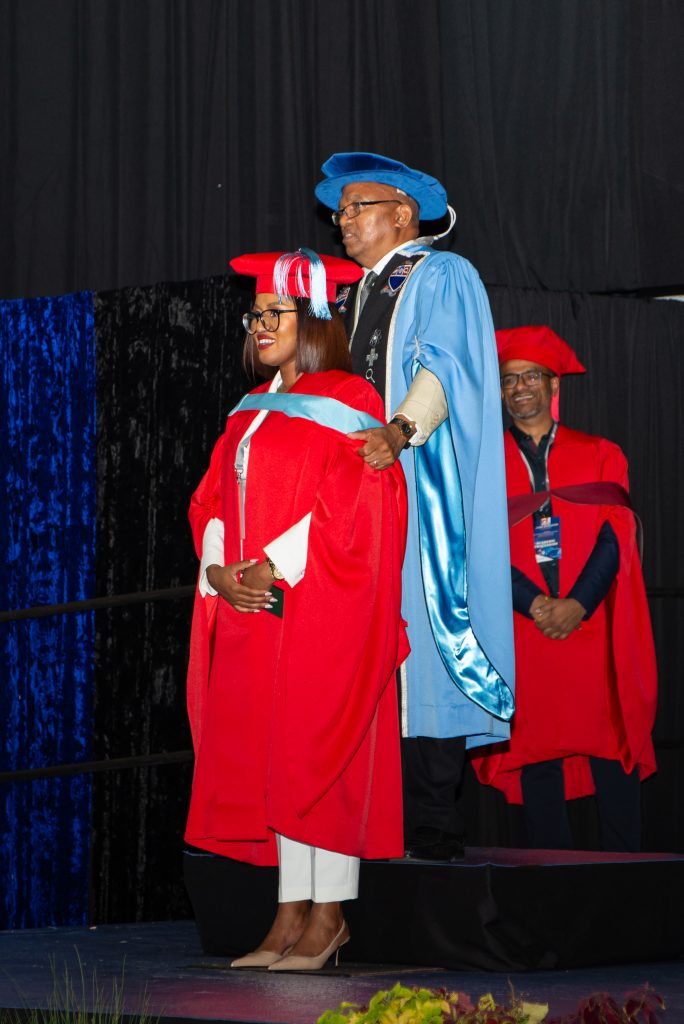
Sefako Makgatho Health Sciences University celebrated a major academic milestone during its 2026 autumn School of Pharmacy graduation ceremony as Lerato Sarah Mosima graduated with a Doctor of Philosophy in Pharmacy degree for her pioneering research into the accessibility of radiopharmaceuticals in English-speaking African countries.
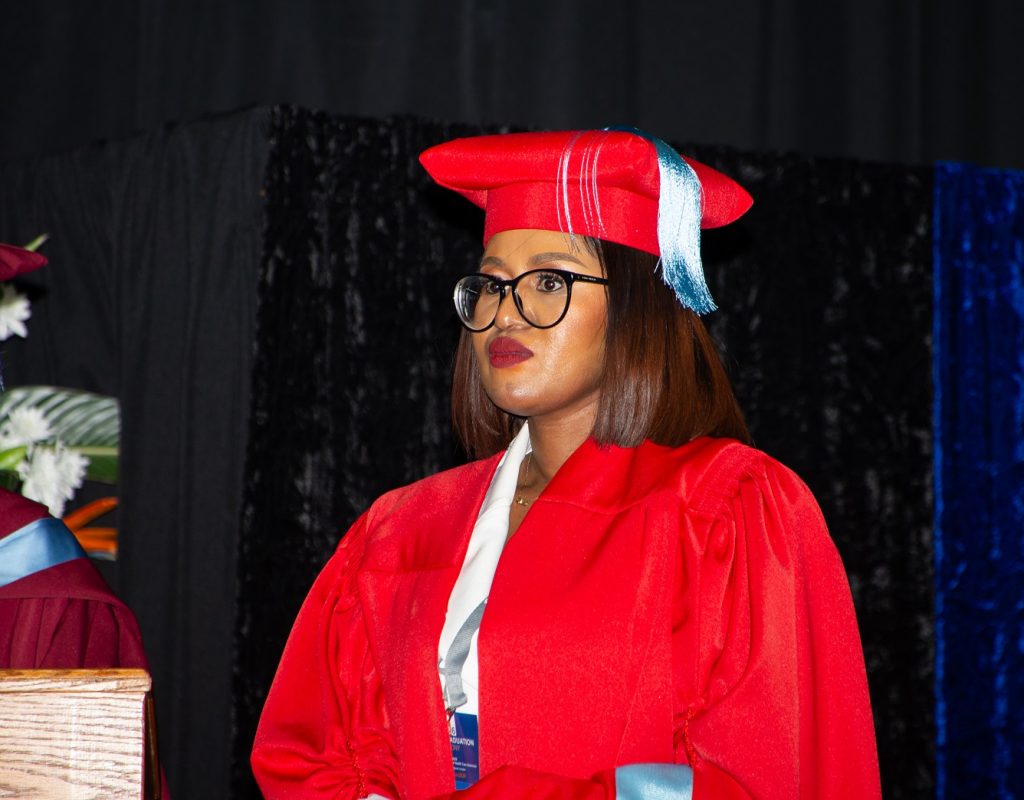 Dr Mosima’s doctoral study, titled Accessibility of Radiopharmaceuticals in English-speaking African Countries, examined the severe shortages and inequalities affecting access to nuclear medicine services across the continent. Her research highlighted the urgent need for investment, infrastructure development, regional collaboration and policy intervention to improve access to lifesaving diagnostic and therapeutic radiopharmaceuticals.
Radiopharmaceuticals play a critical role in the diagnosis of diseases such as cancer, cardiovascular diseases and neurodegenerative disorders, and the treatment of different types of cancers. However, Dr Mosima’s findings revealed that many African countries continue to face significant barriers in accessing these specialised healthcare services.
Speaking about the significance of her research, Dr Mosima said: “The study demonstrated that accessibility to radiopharmaceuticals in English-speaking African countries remains severely limited due to major gaps in infrastructure, equipment, trained personnel and procurement systems. Without urgent intervention, some countries risk losing these critical healthcare services entirely.”
The study employed a cross-sectional mixed-method design involving nuclear medicine professionals, such as radiopharmacists, medical physicists, nuclear medicine physicians and nuclear medicine technologists from thirteen English-speaking African countries. Data were collected between May 2023 and May 2024 through online questionnaires and focus group discussions.
The research found that countries such as Cameroon, Ghana, Mauritius, Zambia and Zimbabwe have only one nuclear medicine facility each, while Zambia was reported to have imaging equipment older than 33 years.
 Dr Mosima also identified that only Kenya and South Africa currently offer Positron Emission Tomography (PET) services, while theragnostic — an advanced form of targeted cancer treatment — is extensively practised only in South Africa.
“Participants raised serious concerns about the high cost of radiopharmaceuticals, inadequate infrastructure and the shortage of trained personnel across the region,” she explained. “There is also limited awareness of nuclear medicine and radiopharmacy among healthcare stakeholders and policymakers, which further delays investment and development.”
One of the major contributions of the study was the development of a radiopharmacy database mapping the geographic distribution of radiopharmaceutical infrastructure in English-speaking African countries. The database provides a visual overview of service availability and existing gaps across the region.
Currently serving as an nGAP lecturer in the Department of Pharmaceutical Sciences at SMU, Dr Mosima has built an impressive academic and professional profile in radiopharmacy. She previously obtained both her Master of Pharmacy in Radiopharmacy and Doctor of Pharmacy qualifications from SMU, after completing degrees in Pharmacy and Diagnostic Radiography at the University of Limpopo.
Her growing body of scholarly work includes multiple peer-reviewed publications in international journals focusing on radiopharmacy services, radiation exposure, healthcare access and nuclear medicine development in Africa.
Dr Mosima said collaboration would be essential in transforming radiopharmaceutical services across the continent. “Regional governments, healthcare institutions and international partners need to work together to establish local production facilities, strengthen procurement networks and expand training opportunities. Improving access to radiopharmaceuticals is ultimately about improving equitable healthcare access for African patients,” she said.
The achievement reflects SMU’s continued commitment to advancing innovative health sciences research that addresses pressing healthcare challenges facing South Africa and the African continent. Through cutting-edge research, postgraduate training and academic excellence, the university continues to position itself as a leading institution driving transformation, innovation and healthcare advancement in Africa.
By Tumelo Moila