Sefako Makgatho Health Sciences University (SMU) continues to assert its growing global footprint, as MBChB IV student Freddy Kunene returns from a transformative international experience at the Asia World Model United Nations (AWMUN), held in Seoul, South Korea. His participation marks a significant milestone not only in his personal academic journey but also in SMU’s broader mission to produce globally engaged health sciences graduates capable of shaping international dialogue.
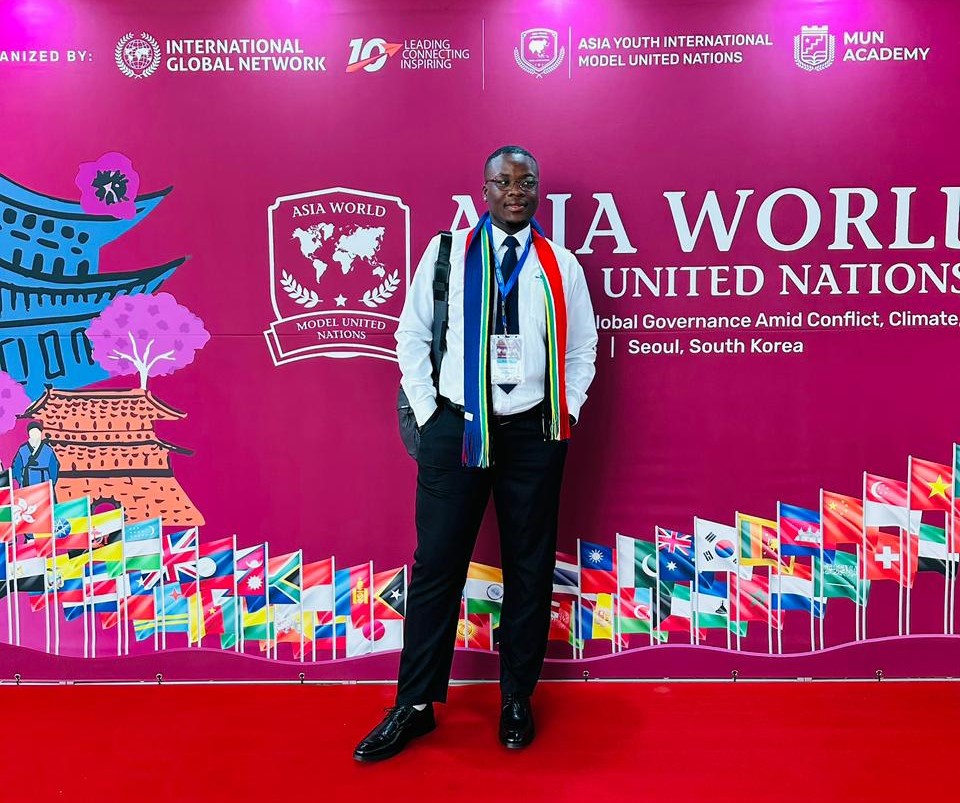 Kunene was selected through a competitive process that considered both academic excellence and leadership capacity, making him one of only two South Africans in the programme and the sole representative from SMU. Supported by the School of Medicine, the Student Affairs Directorate, and the Internationalisation Directorate, his selection reflects SMU’s commitment to expanding access to high-impact global learning opportunities.
Organised by the International Global Network (IGN), AWMUN brings together young leaders aged 15 to 25 from across the world to simulate United Nations councils and debate urgent global challenges such as disease outbreaks, climate change, and international development. The programme is designed to strengthen diplomacy, public speaking, negotiation, and cross-cultural collaboration skills in future global leaders.
Reflecting on the experience, Kunene described it as a defining moment in his academic and personal development.
“AWMUN is a global programme that brings together student leaders from across the world to engage in dialogue on pressing global issues, including disease outbreaks, climate change, and other challenges affecting humanity. I was fortunate to be selected to participate in this programme, an opportunity made possible through the support of the Office of the School of Medicine Deanery under the leadership of Prof Chauke, the Office of Student Affairs under Mr Nkuntse, and the Office of Internationalisation under Dr Jooste,” he said.
At just 20 years old, Kunene experienced international travel for the first time, navigating unfamiliar environments while representing both South Africa and SMU on a global stage. The experience, he said, pushed him far beyond his comfort zone and reshaped his confidence.
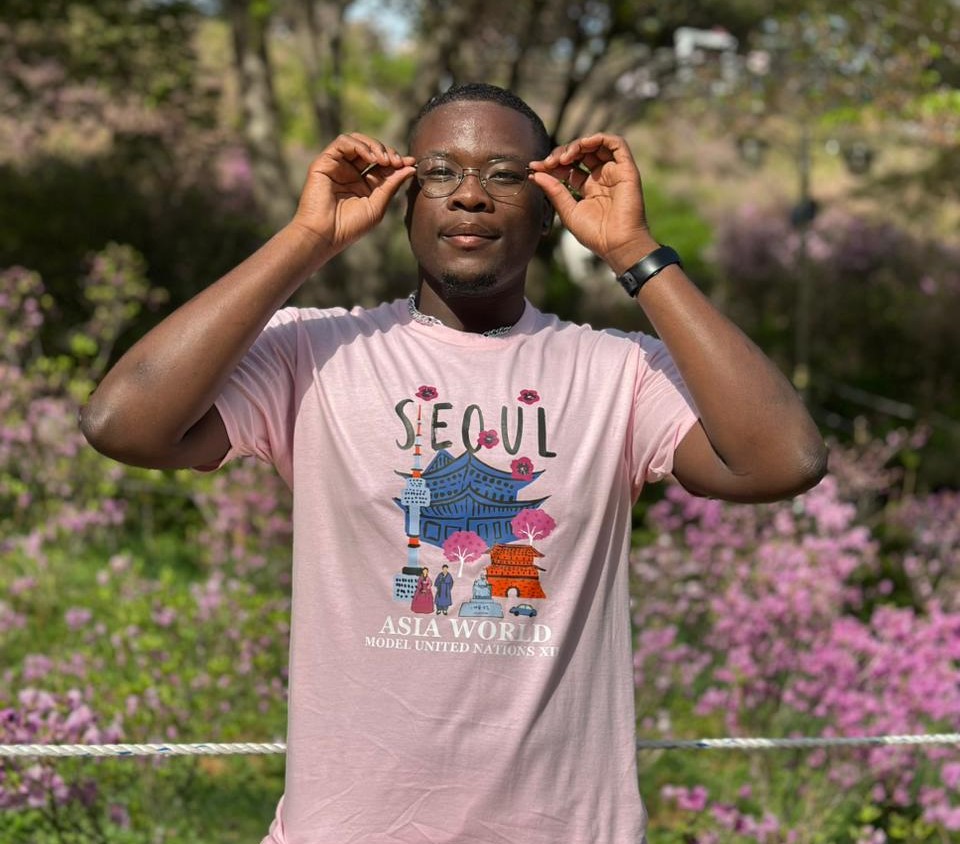 “This experience was truly life-changing. It pushed me far beyond my comfort zone — navigating new languages, unfamiliar food, and an entirely different environment. Even the memory of my first flight still stands out as a moment of both excitement and disbelief. Through it all, I learned, adapted, and grew,” he added.
Beyond formal debates, Kunene highlighted the value of building international networks with fellow delegates, noting that these connections will continue to influence his academic and leadership journey.
One of the most memorable highlights came during the closing gala dinner, where he received recognition for best dressed after proudly wearing IsiXhosa traditional attire. The choice, he said, was intentional and deeply symbolic.
“For the event, I carefully selected IsiXhosa traditional attire after reflecting on South Africa’s rich cultural diversity and asking myself which outfit would stand out while honouring my identity. Wearing it made me feel confident and deeply connected to my roots,” he explained.
He added that the moment carried broader significance. “Standing on that stage meant more than recognition — it symbolised a dream realised. It felt like I was carrying the hopes of my ancestors, proving that our voices belong in global spaces too.”
Kunene’s achievement reinforces SMU’s vision of transforming health services through excellence and innovation, while strengthening its institutional values of leadership, excellence, and ubuntu. His journey demonstrates how SMU continues to empower students to transcend local boundaries and engage meaningfully in global academic and professional spaces.
As SMU advances its mission of producing socially responsive and globally competitive health professionals, stories such as Kunene’s affirm that its students are not only participants in global conversations — they are active contributors shaping them.
By Tumelo Moila