The School of Science and Technology (SST) at Sefako Makgatho Health Sciences University (SMU) has strengthened its research agenda with the inaugural SST Research Days 2026, held from 10 to 11 September 2026.
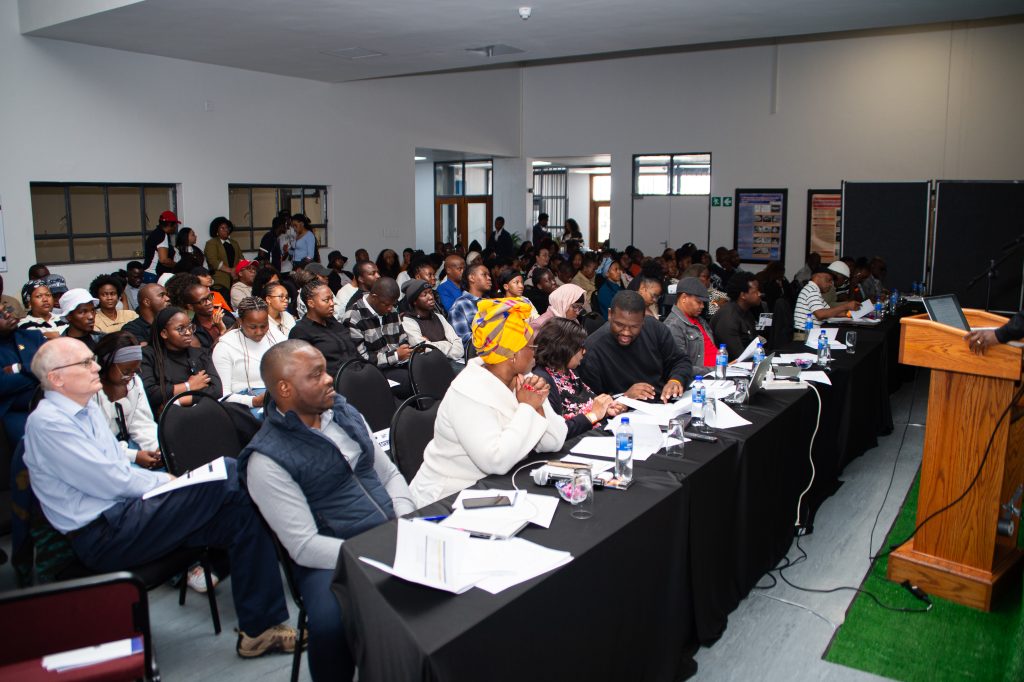 The two-day programme brought together academic staff, researchers, postgraduate students and research collaborators to showcase research, exchange knowledge and identify opportunities for interdisciplinary collaboration. It also provided emerging researchers with a platform to receive constructive feedback and strengthen the quality and relevance of their work.
Opening the programme, Professor Larry Obi, Dean of SST, said the Research Days represented an important step in building a stronger research culture within the School. “This inaugural Research Days programme marks an important moment in the development of research within the School of Science and Technology. It provides our researchers and postgraduate students with an opportunity to share their findings, engage critically with colleagues and contribute to a stronger culture of scholarly excellence,” said Prof Obi.
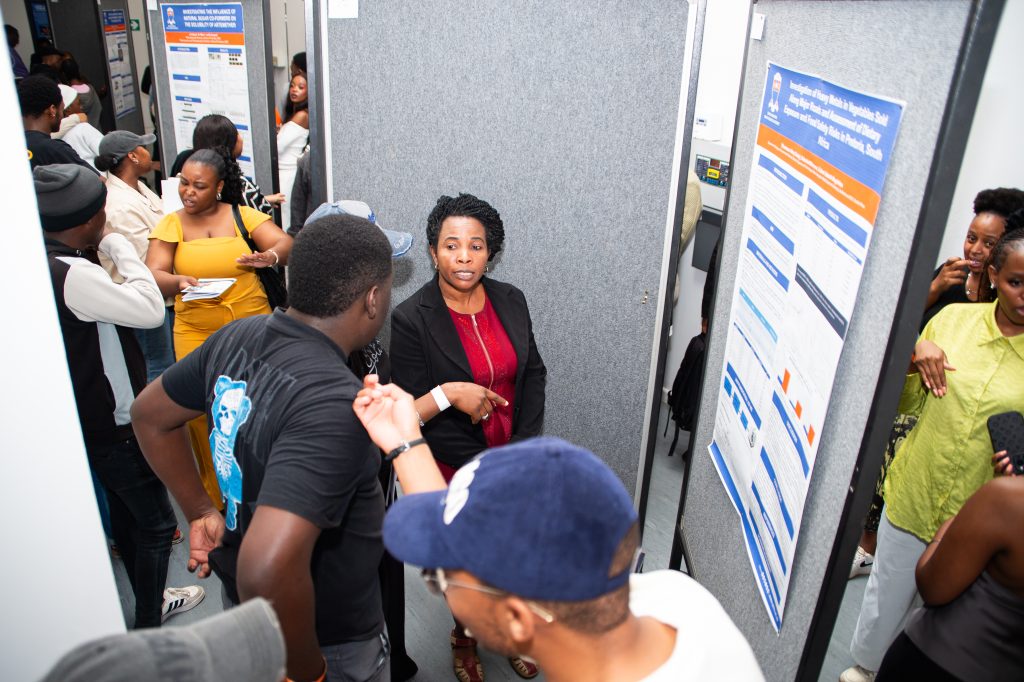
The programme featured oral and poster presentations spanning Biology and Environmental Sciences, Computer Science and Information Technology, Chemistry and Chemical Technology, Mathematics and Applied Mathematics, Physics and Statistical Sciences.
The breadth of research demonstrated the School’s multidisciplinary approach to addressing scientific, technological and societal challenges. Presentations explored topics including blockchain applications in electoral systems, the insecticidal properties of Euphorbia tirucalli, pomegranate juice fermentation, electronic healthcare records for campus clinics and the photocatalytic degradation of Rhodamine 6G.
Other research examined trace metal composition in Eichhornia crassipes, machine-learning approaches to cybersecurity and anomaly detection, biomedical shape-memory alloys, nanoferrites, healthcare simulation analytics, workload optimisation in rural clinics and the chemical profiling of water pollutants.
 The programme also highlighted the Electron Microscopy Unit, giving participants insight into its facilities and its contribution to experimental research and postgraduate training. The presentation underscored the role of advanced scientific infrastructure in supporting research, innovation and skills development at SMU.
The Research Days extended beyond the university through contributions from researchers and industry professionals. Dr Ndivhuwo Shumbula, a research scientist at Mintek, shared insights into nanotechnology and advanced materials, including applications in disease diagnostics, tissue engineering, water monitoring, catalysis and renewable energy.
Dr Shumbula also discussed NanoBand™, an advanced wound-dressing technology undergoing preclinical trials, illustrating how scientific research can progress from laboratory investigation towards solutions with potential societal and healthcare applications.
“Research becomes truly meaningful when scientific knowledge is translated into solutions that improve lives. Platforms such as the SST Research Days are essential because they encourage researchers to think beyond publication and consider the wider impact of their discoveries,” she said.
Neo Moloi, a biotechnology and fermentation professional, entrepreneur and business leader, also shared industry perspectives. His contribution explored the relationship between scientific research, entrepreneurship and commercialisation, including opportunities within biotechnology and medicinal mushroom mycelium fermentation.
“Emerging researchers must be encouraged to see science not only as an academic discipline, but also as a foundation for innovation, enterprise development and economic participation. Strong partnerships between universities and industry can help turn research outcomes into practical opportunities,” said Moloi.
The programme concluded with a panel discussion and awards for Best Oral Research Presentation and Best Poster Presentation.
The inaugural Research Days reinforce SMU’s commitment to advancing innovative research, strengthening postgraduate development and creating pathways between scientific knowledge and practical application. Through platforms like these, the university continues to build research capacity that contributes to education, healthcare innovation, and broader societal development.
By Dimakatso Modise