Sefako Makgatho Health Sciences University (SMU) continues to celebrate the diverse talents and achievements of its staff, with Senior Committee Officer in the Office of the Registrar, Jabulani Michael Zikhali, publishing a book that explores karate through an African perspective.
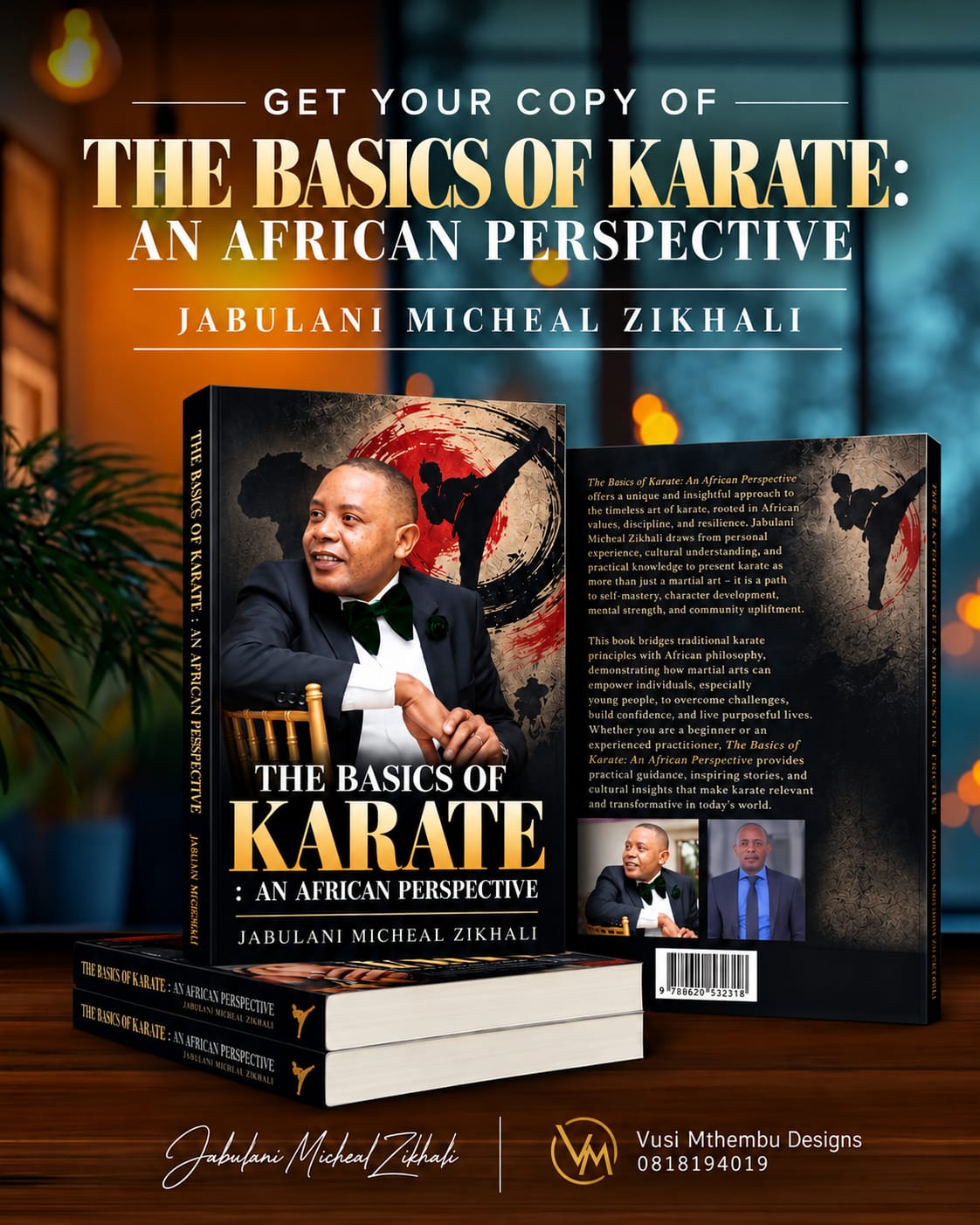 Titled The Basics of Karate: An African Perspective, the book was published by Reach Publishers in Westville in 2026 and is available on Amazon. Drawing on Zikhali’s lifelong involvement in martial arts, the publication examines karate’s techniques, philosophy and potential to promote discipline, resilience, self-confidence and personal development.
A third-degree black belt, Zikhali began his karate journey in 1993. He said the decision to write the book came from personal reflection, his martial arts experience, and his thoughts on parenting and raising children with positive values. “I thought it would be a noble idea to document a lifelong journey in this fascinating sporting code, share how karate helped me to regain my capabilities and confidence, and teach discipline, humility, resilience, development and focus,” he said.
Zikhali also identified a gap in South African karate literature, particularly publications written by African authors. He noted that karate knowledge has traditionally been transmitted through practical instruction in dojos, while the costs of publishing specialised books and the relatively small local market have presented additional challenges.
Through an African lens, the book challenges the perception that martial arts are exclusively rooted in Asian traditions. While acknowledging karate’s origins in Okinawa, Japan, Zikhali highlights indigenous African combat practices, including Zulu stick-fighting, known as umgangela, South African musangwe boxing, West African dambe and Angolan engolo.
These practices demonstrate that African societies have long maintained their own traditions of physical discipline, combat and self-defence. By placing karate alongside these traditions, the publication encourages readers to recognise African contributions to martial arts heritage without disregarding karate’s historical origins.
Beyond physical fitness and self-defence, Zikhali views karate as a tool for youth development, particularly in communities confronting challenges such as bullying, substance abuse and gang activity. He believes structured training can provide young people with a sense of belonging while cultivating self-control, confidence and perseverance. “By teaching core principles of respect, effort and self-control, karate helps youth cultivate life skills that extend far beyond karate classes,” he said.
The book introduces readers to karate’s three fundamental components: kihon (basic techniques), kata (structured forms) and kumite (sparring). Zikhali emphasises that technical proficiency must be accompanied by humility, discipline, hard work and consistency. He also stresses that karate should not be used to intimidate or harm others, but to develop responsible practitioners who can protect themselves and vulnerable people.
Looking ahead, Zikhali hopes the publication will support karate students and instructors, from beginners to advanced practitioners, while contributing to the development of martial arts across Africa. He also emphasised the importance of African scholars and practitioners documenting their knowledge and experiences. “It is important to decolonise knowledge and become the custodians of our own legacy,” he said.
Zikhali’s achievement reflects the value of lifelong learning, personal development and knowledge sharing. In line with SMU’s commitment to excellence, innovation and effective leadership, his publication demonstrates how staff members can contribute to knowledge production beyond their professional responsibilities. His message to prospective readers is simple: “Karate is a way of life, and it is never too late to start.”
By Tumelo Moila