The highlight of the recent five-day Gender Based Violence (GBV) workshop involving SMU and the University of Nottingham (UoN) was the show case event that was held at the Sheraton Hotel; and provided a much valued platform for sharing of experiences, insights and best practice among stakeholders who serve as first line contacts for the victims of sexual or family violence, on a daily basis, in the country and also elsewhere.
This critical mass of anti GBV activists who attended, included health professionals from SMU, University of Nottingham (UoN) in the United Kingdom (UK), University of Pretoria (UP), Adelaide Tambo School of Nursing (TUT), Gauteng Health Department, researchers, psychologists, social workers, lawyers, prosecutors, South African Police Services Family Unit, forensic service centre managers, doctors, nurses, department of basic education and the deputy minister in the Presidency: Women, Youth and People with Disabilities.
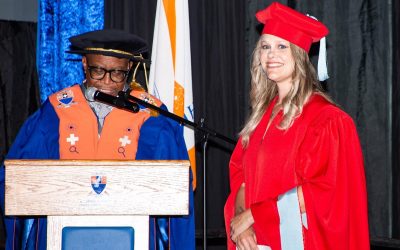
Speaking at this event, Prof Hlengiwe Mkhize, complemented Dr Moreoagae Randa, the SMU Nursing Science Department lecturer and also the prime mover, behind the event. Prof Mkhize said that the strategic event provided participants with an opportunity to connect, and the networks that Dr Randa had established with UoN will not only infuse international experiences, but it will also go a long way to reinforce the research component behind the GBV activism and also ensure that the initiative becomes sustainable.
Dr Gill Langmack, representing the UoN, outlined how they use digital resources such as story boards to enable the victims of GBV to tell their stories to assist them in their healing process, in a meaningful way. The story boards take different shapes, such as anonymous letters, pictures, paintings, etc, which are pasted on a huge paper board. These story boards are available on the website of the UoN and are accessible to an international audience.
“Based on the discussions and inputs made at the show event, a way forward towards addressing the scourge of GBV is beginning to emerge giving us renewed vigour to move forward”, Dr Randa said. The following recommendations were tabled and adopted by the workshop:
- The department of basic education needs to explore ways and means to integrate GBV in the life orientation subject to raise the consciousness of learners about this scourge.
- GBV convicted offenders who have served their imprisonment sentences, must be put through a well outlined rehabilitation programme to enable them to integrate into the community and not to reoffend.
- Prominent personalities such as sports men and women, musicians etc. should be featured in anti- GBV campaigns to win hearts and minds to the anti-GBV cause.
- Health care professionals, who are the first line contacts for the victims of GBV need to undergo victim sensitivity courses and also be trained to be able to identify cases of GBV, even if the victims do not disclose experiences of GBV.
- Community involvement should be strengthened, men and boys to be active participants and promoters of change to get rid of GBV.