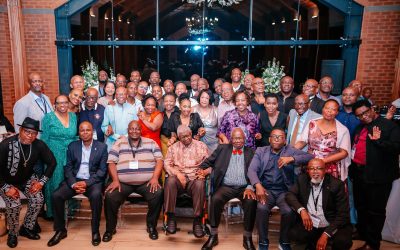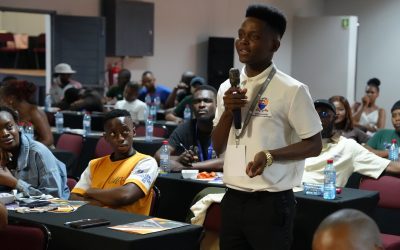
Sefako Makgatho Health Sciences University (SMU) took centre stage in advancing the future of Historically Disadvantaged Institutions (HDIs) as it hosted the 7th Networking Workshop of the South African Historically Disadvantaged Institutions Alliance (SAHDIA) from 20–21 April 2026. Bringing together senior leaders, policymakers and academics, the two-day engagement positioned SMU as a catalyst for strategic dialogue on sustainability in higher education.
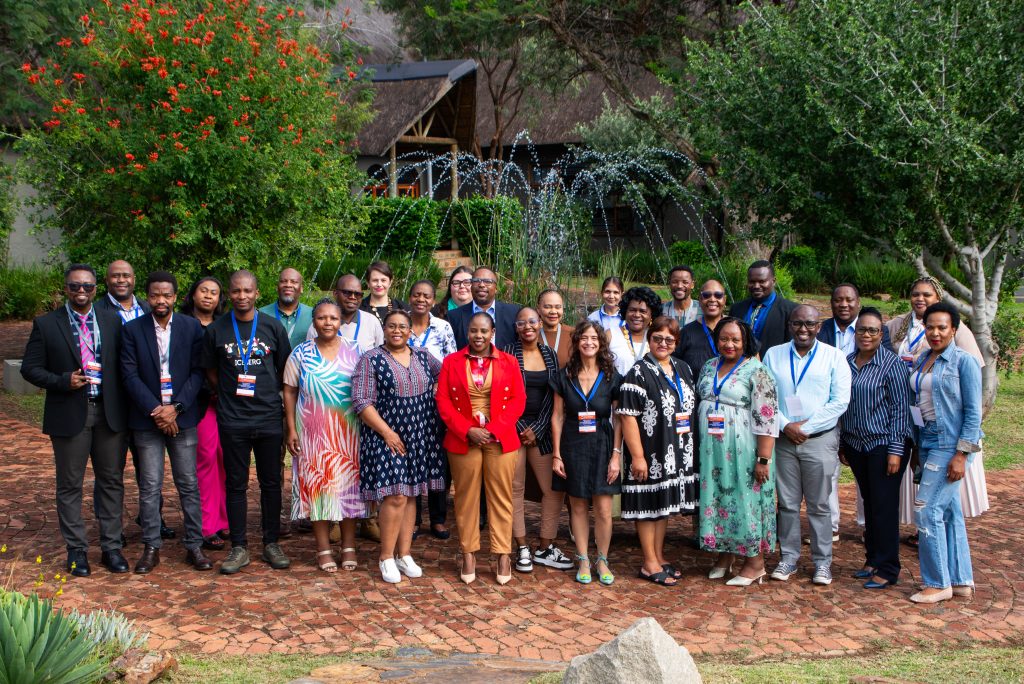 Anchored on the theme “Navigating the Funding for Sustainability Landscape: Opportunities for HDIs,” the workshop moved beyond diagnosis of systemic constraints to focus on practical, actionable solutions. Discussions were characterised by intellectual depth and a shared sense of urgency to reposition HDIs within an increasingly competitive funding landscape.
Delivering the keynote address, Professor Thandi Lewin, Deputy Director-General at the Department of Higher Education and Training (DHET), set a clear and pragmatic tone. “The sustainability of Historically Disadvantaged Institutions will not be secured through traditional funding models alone; it requires agility, innovation, and a deliberate alignment with national development priorities,” she said. Her remarks underscored a shift from dependency to strategic positioning, urging institutions to reassess their approach to funding ecosystems.
Professor Lewin further highlighted the critical role of collaboration in unlocking opportunities. “Funding opportunities do exist within the system, but they are increasingly competitive and partnership-driven. Institutions must position themselves not in isolation, but as part of a cohesive and strategic collective,” she added. This call resonated strongly with delegates, reinforcing SAHDIA’s relevance as a unifying platform for collective advancement.
In her welcome address, SMU Vice-Chancellor Professor Tandi Matsha-Erasmus framed the workshop as both reflective and forward-looking. “Historically Disadvantaged Institutions carry the weight of history, but they also hold the promise of transformation. It is through platforms such as SAHDIA that we begin to convert that promise into measurable impact,” she noted. Her message positioned SMU not only as a host but as an active contributor to shaping a transformed higher education landscape.
Emphasising the university’s commitment to partnership-driven growth, she added: “This gathering is not merely about dialogue; it is about forging partnerships that will redefine our institutions as centres of excellence, innovation, and societal relevance.” The statement aligned with SMU’s broader mission of advancing health sciences education through collaboration and impact.
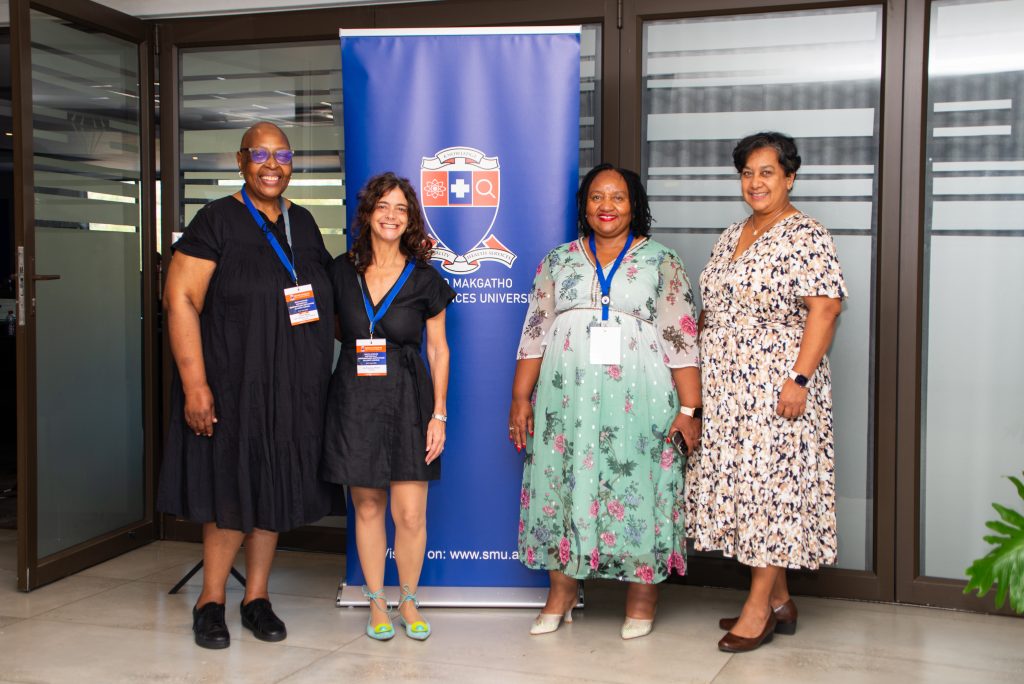 Chairing the workshop, Professor Nosisi Feza, Deputy Vice-Chancellor for Research and Internationalisation at Walter Sisulu University, ensured continuity and strategic focus throughout the proceedings. She called for a shift from discussion to implementation, stating: “SAHDIA must evolve beyond being a platform for engagement into a mechanism for coordinated action. Our strength lies in our ability to move together, with purpose and clarity.”
Her emphasis on governance and structural alignment further sharpened the conversation. “If we are to influence the funding landscape meaningfully, we must first ensure that our own governance frameworks are robust, responsive, and future-oriented,” she said during panel deliberations.
Day 2 built on this momentum, expanding the funding conversation into research impact, international collaboration and open science. The workshop culminated in a forward-looking panel on collaborative projects, where institutions outlined shared priorities and concrete initiatives.
Closing the engagement, SMU’s Acting Deputy Vice-Chancellor for Academic and Research, Professor Dini Mawela, reflected on the outcomes with measured optimism. She noted that the discussions had “laid a strong foundation for actionable partnerships that will shape the future of HDIs.”
The SAHDIA workshop ultimately affirmed SMU’s role as a convener of critical conversations and a driver of institutional transformation. By fostering strategic alignment, strengthening partnerships and advancing innovative funding approaches, the university continues to position itself at the forefront of shaping a sustainable and equitable higher education system in South Africa.
By Dimakatso Modise