by Lorato | Oct 30, 2025 | Accolades and Achievements, All News, Alumni, SMU Media, Student Adverts
A brilliant young scholar from Sefako Makgatho Health Sciences University (SMU), Tumiso Matsobane Kekana, is redefining the intersection of Mathematics and Material Science through his pioneering research in Chemical Graph Theory (CGT). His work, which investigates the structural and mechanical properties of complex molecular compounds such as dendrimers and graphene, has attracted both national and international recognition for its scientific precision and potential applications in nanotechnology and materials engineering.
 Born on 22 July 1997, Kekana recently graduated cum laude with a Master of Science in Mathematics from SMU. His dissertation, “Computational Analysis of Complex Dendrimer and Graphene Structures via Neighbourhood Multiple Degree-based Topological Indices and M-Polynomials,” advances the mathematical modelling of molecular structures and their behaviours under various conditions.
“Mathematics is not just about numbers—it’s about revealing the patterns that govern our universe,” he explains. “Through Chemical Graph Theory, we can predict the properties of materials before they even exist in a lab. That’s the power of mathematical innovation.”
At the core of Kekana’s study lies the use of Topological Indices (TIs)—numerical descriptors that model molecular structures as graphs. His research introduces neighbourhood multiple degree-based TIs, offering more accurate predictions of graphene’s mechanical properties, such as Young’s Modulus, Poisson’s Ratio, and Shear Modulus. His results confirm the predictive strength of these mathematical tools, marking a step forward in computational chemistry.
Beyond research, Kekana is a full-time lecturer in SMU’s Department of Mathematics and Applied Mathematics, where he teaches Advanced Calculus and Linear Algebra and mentors young mathematicians. Through his involvement in the department’s Community Engagement Committee, he helps organise mathematics competitions and outreach programmes for high school learners, nurturing future problem-solvers.
“Relevance beats cleverness every time,” he reflects. “If our teaching and research don’t connect to real-world challenges, then we’ve missed the purpose of science.”
 Kekana’s contributions have been recognised through peer-reviewed publications in international journals such as Frontiers in Applied Mathematics and Statistics and Discrete Mathematics, Algorithms and Applications. His recent paper, co-authored with Dr Kazeem Aremu and Professor Maggie Aphane, presents a new method for computing topological descriptors of graphene using Neighbourhood Multiple M-Polynomials—a breakthrough simplifying complex molecular analysis.
Kekana’s success story began on the dusty streets of Ivory Park. After matriculating from Thuto Ke Maatla Comprehensive School in 2015 with results that initially barred university admission, he spent two years upgrading his marks at Tembisa High ABET School. In 2018, he was finally accepted to study Mathematics at SMU—a dream fuelled by his mentor, Godfrey Tshehla (PhD candidate in Financial Mathematics at Wits), whose passion for mathematics inspired him deeply.
Although he failed his Honours year in 2021, his supervisor, Dr Aremu, refused to let him quit. “He reminded me of my ‘why’,” Kekana recalls. Repeating the programme in 2022, he graduated with distinction.
Yet another obstacle emerged after his Honours degree: university debt barred him from accommodation and registration. Forced back to his two-room shack in Ivory Park, he began his Master’s degree under severe hardship—no electricity, no proper study space, and constant financial strain. To survive, he sold achaar and relied on Hands of Compassion, the SMU feeding scheme. Drawn by the difficult environment, he briefly turned to gambling (dice), even becoming a “knox man” as a means of survival. Despite these challenges, he completed his MSc degree cum laude in record time and published two Q2-ranked journal papers.
Now a PhD student, full-time researcher, and lecturer, Kekana’s journey embodies resilience, passion, and purpose. “Where you start doesn’t define where you can go,” he says. “With perseverance, even dust can give birth to diamonds.”
By Tumelo Moila
by Lorato | Oct 16, 2025 | Accolades and Achievements, All News, SMU Media, Student Media
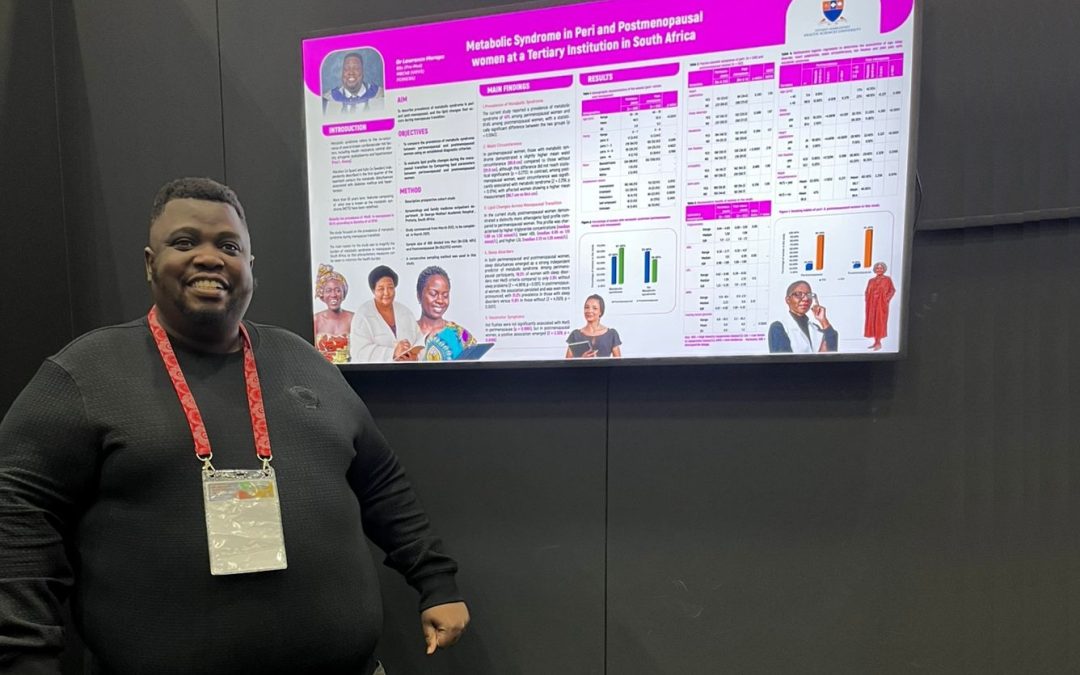
A South African researcher has made academic history after his pioneering study on metabolic syndrome in menopausal women was published by the American Journal of Obstetrics and Gynaecology Global Reports (AJOG Global Reports) — the first from Sefako Makgatho Health Sciences University (SMU) to achieve this distinction.
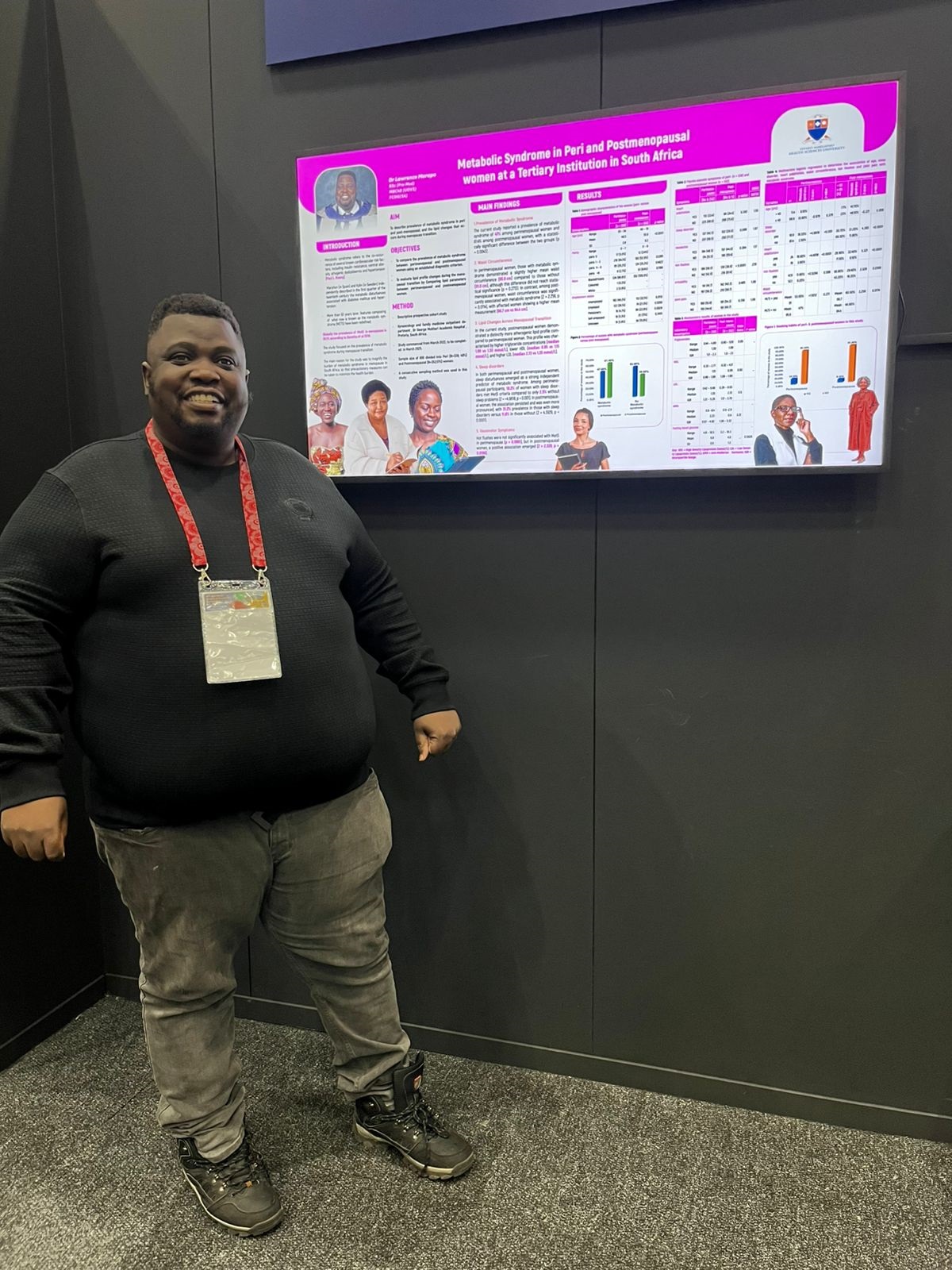 Lecturer and postgraduate student, Dr Lawrence Marapo, from SMU’s Department of Obstetrics and Gynaecology, led a large-scale investigation examining how menopause influences metabolic syndrome — a cluster of risk factors including obesity, hypertension, and abnormal lipid levels that increase the likelihood of heart disease and diabetes. Conducted at Dr George Mukhari Academic Hospital (DGMAH) between March 2022 and March 2025, the study assessed 690 South African women, making it one of the most extensive of its kind on the continent.
The research revealed a stark difference between perimenopausal and postmenopausal women. Nearly half (47%) of perimenopausal women and over 60% (61.4%) of postmenopausal women were found to have metabolic syndrome — a statistically significant result highlighting menopause as a major turning point for women’s health. “The findings confirm that menopause itself is a moderate-to-high risk factor for metabolic syndrome,” Dr Marapo explained. “Postmenopausal women carry a heavier metabolic burden, underscoring the urgent need for targeted healthcare strategies.”
The study also linked sleep disorders, vasomotor symptoms, and dyslipidaemia to higher metabolic risk, with waist circumference and body mass index (BMI) exceeding global risk thresholds in both groups. These findings mirror global data but offer rare insight into the African population, where research on menopausal metabolic health remains limited.
Dr Marapo’s research has attracted significant international recognition. He recently presented the findings at the FIGO 2025 World Congress and has been invited to present in Rome, Italy, at the International Endocrinology and Metabolic Syndrome Congress in December 2025. His growing reputation has also earned him an invitation to serve as a committee member and presenter at the International Conference on Geriatrics and Gerontology in Kuala Lumpur, Malaysia, scheduled for May 2026.
While awaiting the formal marking of his research, Marapo has already completed a PhD research protocol in the same field, signalling his ongoing commitment to improving the understanding and management of menopause-related conditions among African women.
“This milestone not only represents a personal achievement but also a victory for SMU and South African science,” said Marapo. “It shows that locally generated research can shape global conversations on women’s health.”
The study was supervised by Prof Lineo Matsela, with contributions from Prof Olakunle Adewunmi Towobola, Dr Muponisi Ezekiel Chabalala, and other SMU academics. It has been praised for its robust methodology, ethical rigour, and its potential to inform clinical interventions that could reduce cardiovascular and metabolic complications in midlife women.
As menopause becomes an increasingly important focus in public health, Marapo’s work sets a new benchmark for African research excellence — confident, data-driven, and globally relevant.
By Tumelo Moila
by Lorato | Oct 16, 2025 | Accolades and Achievements, All News, SMU Media, Student Media
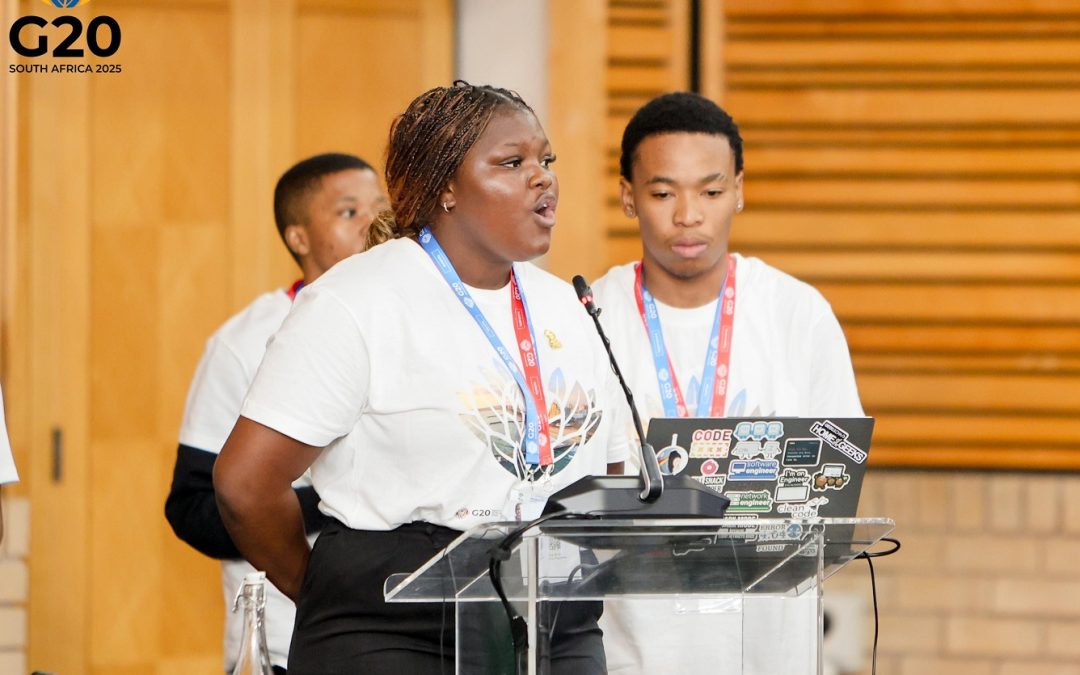
Sefako Makgatho Health Sciences University (SMU) postgraduate student Khanyisa Faith Mokgolobotho has once again proven her innovation prowess after leading her team to first place at the prestigious G20 Tourism Hackathon, held recently in Mpumalanga.
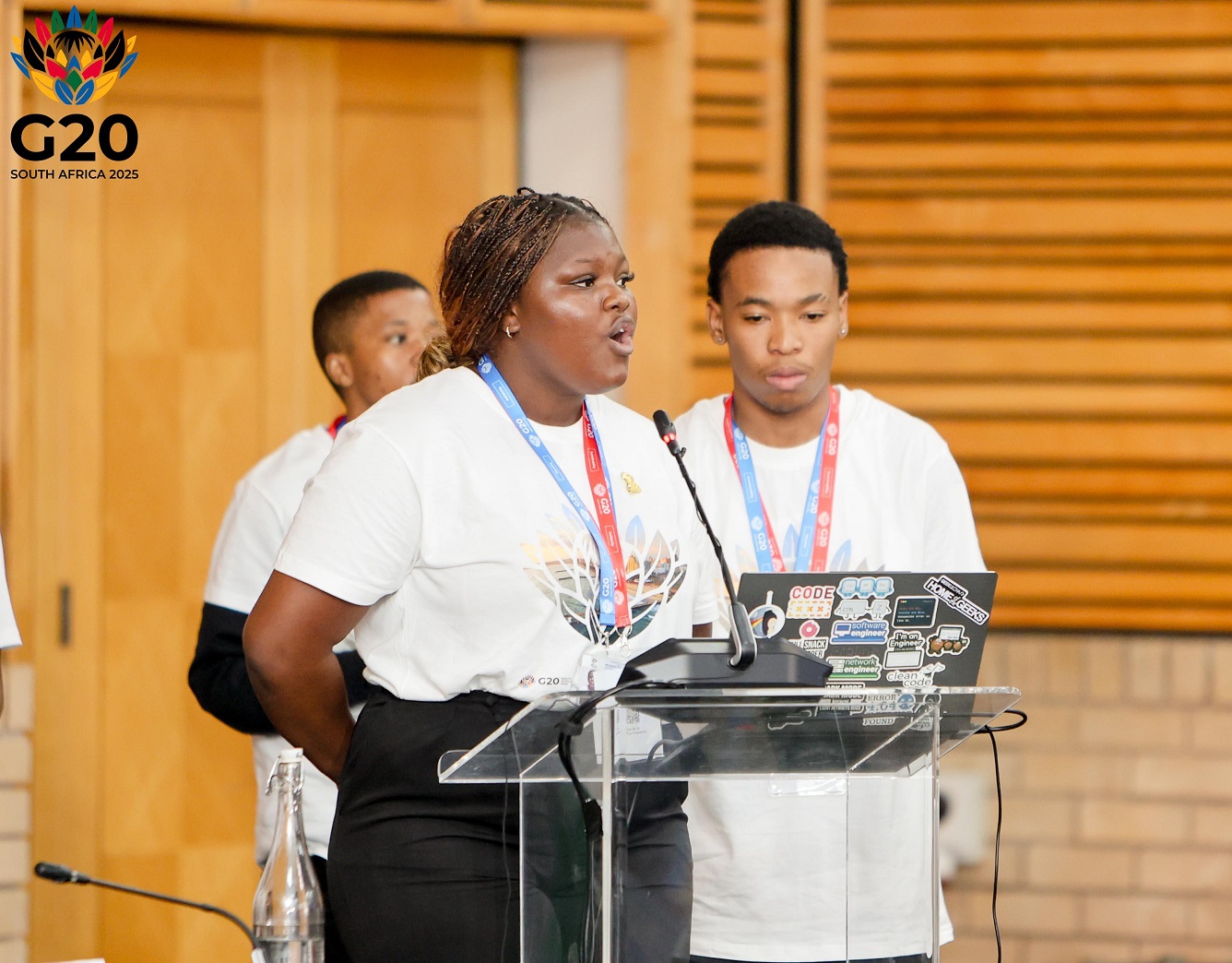 Mokgolobotho, a Bachelor of Science in Mathematical Sciences graduate and Director of TechMedConnect, joined six other students from universities across South Africa to form The Catalysts — the team that took home the R175 000 first prize for their visionary concept, Hologram Hub.
Hosted by the Department of Tourism in collaboration with Geekulcha, the Centre for Public Service Innovation, and the Future Leaders Challenge (FLC), the hackathon brought together 48 students from 21 higher education institutions. Their mission: to design Artificial Intelligence (AI) solutions that could make tourism more inclusive, sustainable, and future-ready.
Minister of Tourism Patricia de Lille launched the initiative earlier in the year, describing it as “a legacy project that unites government, business, and academia to build a tech-savvy tourism sector.” Participants were challenged to create AI-driven innovations under three key themes: Smart Tourism and AI Solutions, Community-Based Tourism and Rural Inclusion, and Heritage and Cultural Tourism Innovation.
Working over two days at the Sabi River Sun Resort, the students received mentorship from industry experts before presenting their final concepts to a panel of judges comprising academics, tourism specialists, and government representatives. Entries were assessed on innovation, feasibility, user experience, impact, and alignment with people-centred principles.
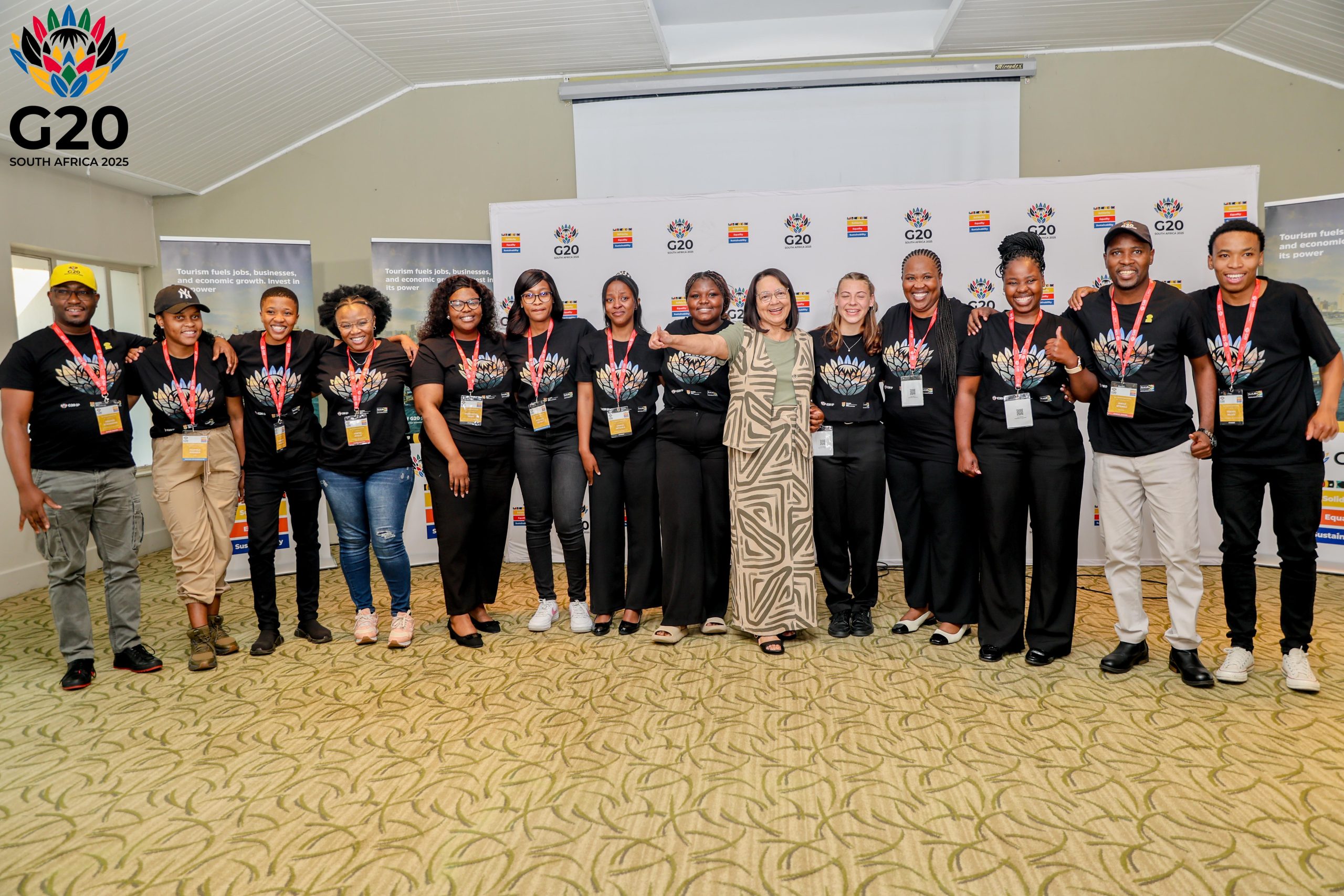 The Catalysts’ winning idea, Hologram Hub, proposes a digital storytelling platform where rural communities can share their culture and heritage using holographic technology. The platform aims to preserve local history, empower small tourism enterprises, and attract visitors seeking authentic cultural experiences. “Our concept gives communities a voice and visibility,” Mokgolobotho explained. “It bridges innovation with identity — showing that technology can celebrate who we are while driving sustainable tourism.”
The second prize went to Map My Biz, which developed an AI-powered map connecting tourists with rural entrepreneurs, while Ubuntu Unlimited secured third place with a virtual reality tourism platform showcasing African heritage sites.
Minister De Lille praised the students’ creativity and commitment, noting that their projects would receive further support for commercialisation. “This year, we challenged young people to think big and showcase their skills to the world,” she said. “We are investing in solutions that are ethical, inclusive, and sustainable. The winning innovations will be accelerated for real-world implementation with support from the Department and our partners.”
The top three teams were also invited to present their solutions before G20 tourism ministers at Skukuza, Kruger National Park, marking a career-defining moment for the young innovators.
For Mokgolobotho, who has previously won five hackathons and now works as a Graduate Software Development Engineer at PyCentric, this victory reaffirms her mission to merge technology and social impact. “Winning is more than a trophy — it’s proof that innovation from African youth can shape global conversations,” she said.
Through determination, collaboration, and creativity, The Catalysts have not only secured national recognition but also spotlighted the potential of South African students to reimagine the future of tourism through technology.
By Tumelo Moila
by Lorato | Oct 14, 2025 | Accolades and Achievements, All News, SMU Media, Student Media
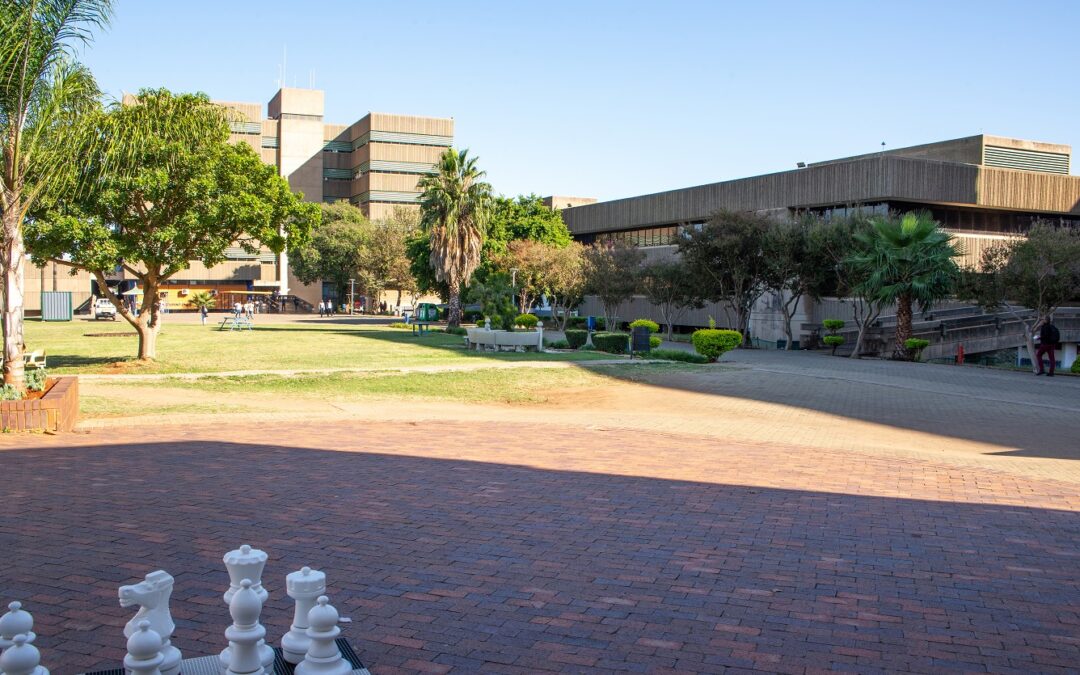
Sefako Makgatho Health Sciences University (SMU) has affirmed its position among the world’s leading higher education institutions in the 2026 Times Higher Education (THE) World University Rankings, marking a defining moment in its transformation into a globally competitive health sciences university.
 Ranked within the 1201–1500 band globally and 11th in South Africa, SMU’s consistent upward trajectory signals a university steadily strengthening its academic reputation, global partnerships, and research impact. The 2026 edition of the rankings evaluated 2 192 universities across 120 countries, making SMU’s continued inclusion an emblem of academic endurance and international relevance in an increasingly competitive higher education landscape.
Building a globally competitive health sciences institution
Under the visionary leadership of its Vice-Chancellor and Principal, Professor Tandi Matsha-Erasmus, SMU has redefined what it means to be a health sciences university in South Africa. Her strategic focus on excellence, collaboration, and global benchmarking has catalysed measurable growth across key performance pillars: Teaching, Research Environment, Industry Engagement, and International Outlook.
This year, SMU achieved a Teaching score of 26.0 and a Research Quality score of 42.7, underscoring both the calibre of its academic environment and the relevance of its research to societal and scientific advancement. Most notably, the university’s International Outlook score rose to 50.0, reflecting its expanding global footprint and sustained partnerships with institutions and research networks worldwide.
Matsha-Erasmus described the performance as “a reflection of a university that is intentional about transformation through scholarship, excellence and impact.” In an environment where rankings increasingly measure global competitiveness, SMU’s growth is not merely statistical; it symbolises transformation through intentional leadership.
The university demonstrated improvement in almost every category assessed by THE. Its overall score rose from 25.2–30.6 in 2025 to 27.3–32.0 in 2026, while Industry Income increased from 18.3 to 19.2, highlighting stronger engagement between academia and industry. The Research Environment score also advanced to 11.1, a nod to investments in research infrastructure, mentorship, and postgraduate support.
These achievements, though measured numerically, tell a broader story of academic ambition and institutional renewal, one grounded in the belief that health sciences education must drive innovation, equity, and impact beyond national borders.
SMU’s Research Quality pillar remains among its strongest. With a score of 42.7, it reflects the university’s commitment to producing impactful, peer-recognised scholarship that addresses Africa’s most pressing health challenges—from infectious diseases to non-communicable conditions that define the continent’s epidemiological landscape.
The university’s strategic partnerships with global research consortia and its emphasis on evidence-based healthcare innovation continue to position it as a crucial node in the global knowledge ecosystem. “Our mission has always been to ensure that research translates into solutions,” says Matsha-Erasmus. “Each publication, partnership and postgraduate graduate must ultimately contribute to healthier, more equitable societies.”
Benjamin Ntshabele, Institutional Researcher, adds: “At its core, SMU is steadily growing and cementing its place as one of the leading health sciences universities both locally and globally. Beyond its continued progress in teaching and learning, with a stronger and more dynamic learning environment, the university’s biggest strength lies in its expanding International Outlook. This growth reflects meaningful progress in collaboration and in staff and student mobility, laying a solid foundation for building a global reputation and boosting research impact.”
Ntshabele further states: “Research Quality remains a key area of strength, with SMU’s publications and citation impact continuing to make a mark. Industry engagement is gaining momentum, showing stronger partnerships and real-world impact. Meanwhile, the Research Environment is showing steady, positive movement — a clear sign of ongoing investment in research capacity and support.”
A rising star among South African universities
SMU’s performance reflects a story of resilience and renewal. Competing alongside research giant universities, SMU’s steady climb demonstrates that institutional excellence is not defined by age or size, but by strategic focus, data-driven management, and the will to lead.
The university continues to outperform its weight in International Outlook, a metric that measures international staff, students, and research collaboration. Its upward movement in this category signals growing recognition of SMU as a partner of choice for global health research and training collaborations.
The 2026 results are both an achievement and a call to action. SMU’s journey towards becoming a premier African health sciences university is accelerating, driven by its mission to produce world-class health sciences professionals and transformative research.
*By Tshimangadzo Mphaphuli
by Lorato | Oct 9, 2025 | Accolades and Achievements, All News, SMU Media, Student Media
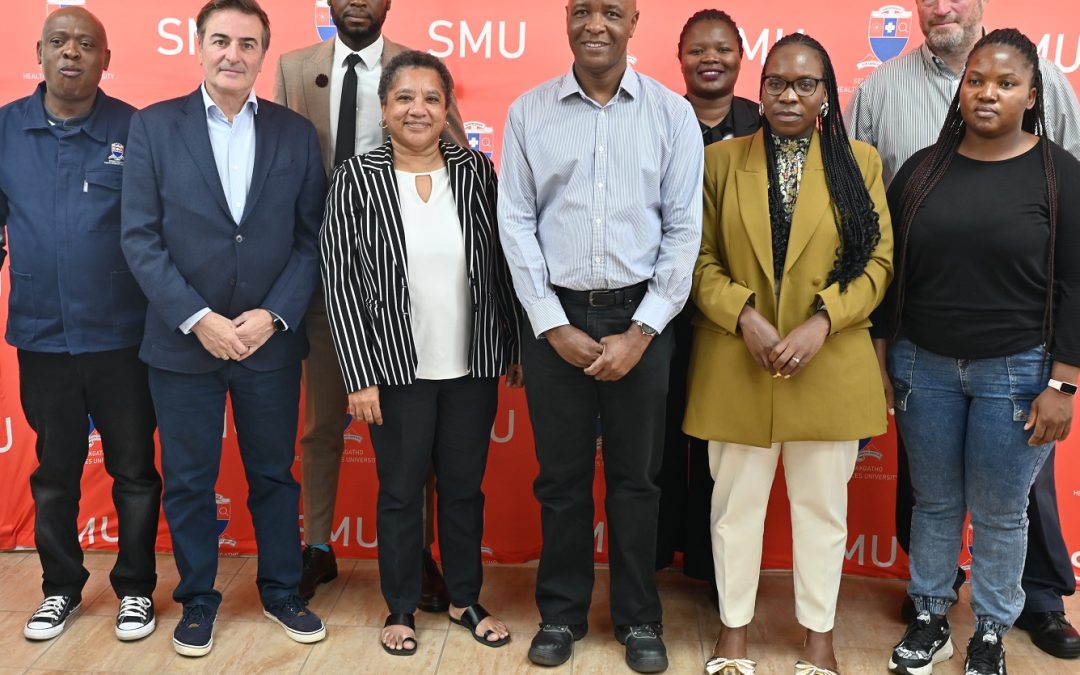
Sefako Makgatho Health Sciences University (SMU) has officially embarked on a major sustainability initiative with the launch of a feasibility study to develop a solar generation plant with storage capabilities. The kick-off meeting was held on 12 September 2025, marking the start of a collaborative process that could reshape how the University powers its operations in the years to come.
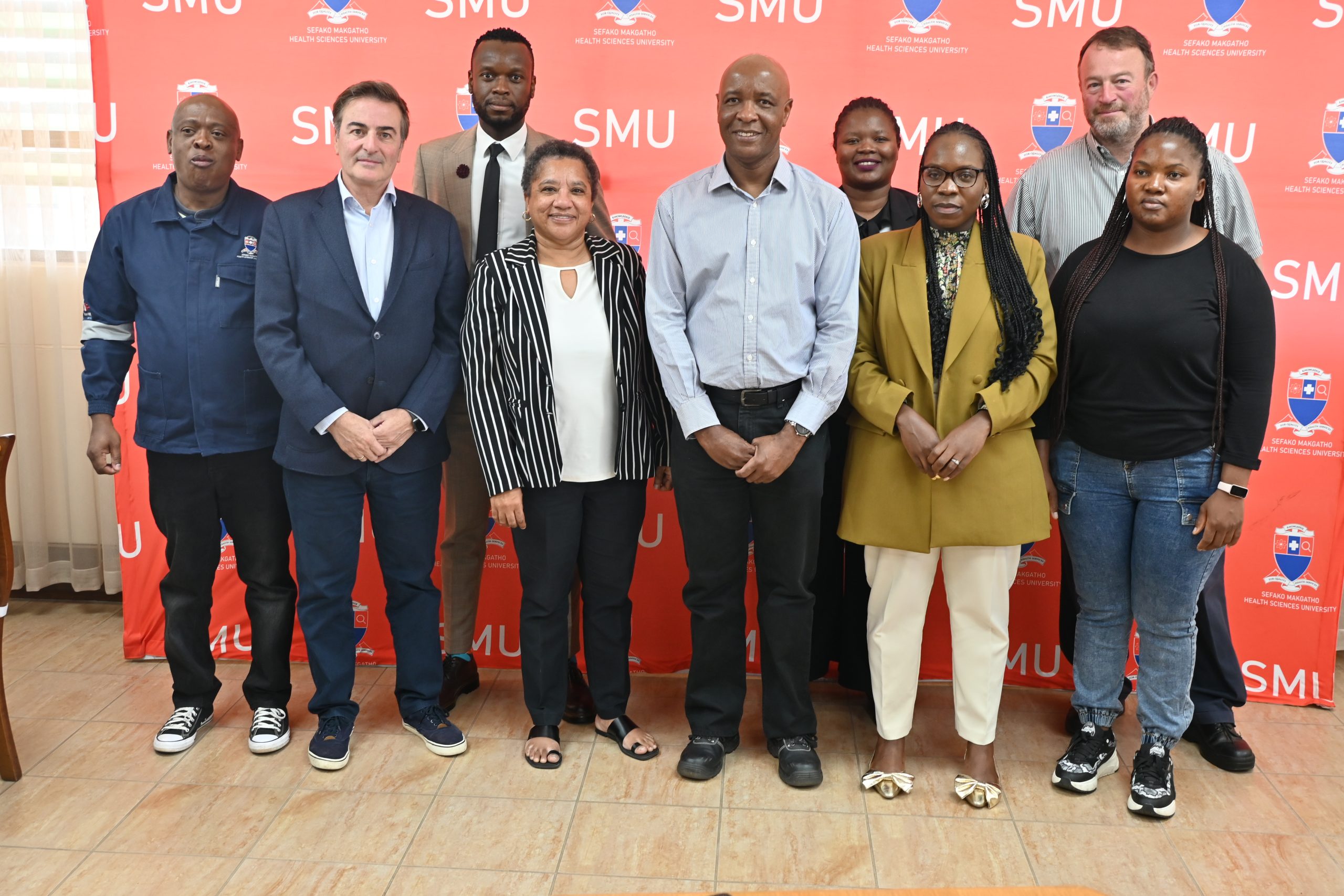 The study is being led by MAI Group, an international consulting and engineering firm, headquartered in Spain, in partnership with Erinite Energy, a South African renewable energy company. Together, they bring world-class expertise and local insight to one of SMU’s most ambitious infrastructure projects to date.
Speaking at the launch, Mr Rafael Somoza, Director at MAI Group, expressed enthusiasm about working with SMU to chart a new energy path for the institution. “This project represents more than just a technical study,” he said. “It’s about helping SMU take a decisive step toward energy independence, sustainability, new revenue from the sale of excess power and long-term resilience. We are honoured to bring our global experience to support the University’s vision.”
MAI Group has more than 25 years of experience and a track record of over 4,500 energy, water and environmental projects in 145 countries. The company is known for its deep technical expertise in renewable energy systems, including solar, wind, hybrid solutions and storage technologies. Its involvement ensures that SMU will receive a comprehensive, data-driven feasibility study that meets international standards.
The local partner, Erinite Energy, is represented by Mr Thomas Makore, the lead for the local team. He highlighted the importance of the partnership, saying, “As a proudly South African company, we are excited to work with SMU to develop solutions that are not only technically sound but also well suited to the local context. This project has the potential to serve as a model for other institutions in the country.”
The Economic and Trade Counsellor of Spain in South Africa, Ms Ana Maria Martinez Jerez, visited SMU in 2023 as part of her familiarisation visit to understand the needs of SMU with respect to infrastructure. The feasibility study is funded through a non-reimbursable grant from the Spanish Government, through the Financial Fund for the Internationalisation of Enterprises (FIEM), which underscores the project’s strategic importance. Its primary output will be a comprehensive and actionable plan that provides the technical details, financial analysis and implementation roadmap required to move the project from concept to implementation. Once completed, the study will give potential funders and developers the confidence to proceed directly to construction and operation of the Solar Photo Voltaic plant with storage.
 The kick-off meeting was also attended by Ms Odette Ramsingh, Acting Deputy Vice-Chancellor: Operations, whose presence highlighted SMU’s high-level institutional commitment to the initiative. Her involvement ensures that the project is fully aligned with the University’s operational priorities, third stream income objectives and strategic sustainability goals.
As part of the project’s early activities, the MAI Group and Erinite Energy teams conducted a detailed site visit to familiarise themselves with SMU’s infrastructure and energy systems. They were accompanied by a team from SMU including Mr Alfred Makgatho, Acting Director: Built Environment, who is playing a key role in coordinating the University’s input. Reflecting on the visit, Makgatho said, “This project comes at a critical time for the University. Reliable and sustainable energy is no longer optional—it’s essential for ensuring the smooth running of academic, clinical and research activities. We are fully committed to supporting this feasibility process so that we can make informed decisions about our energy future.”
Over the next 20 weeks, the study will cover technical, financial, regulatory, environmental and social dimensions, culminating in a final report that will guide SMU’s decision-making. Close collaboration between the University and the project partners will be essential to meet this timeline, particularly in providing accurate data and prompt feedback.
Sefako Makgatho Health Sciences University’s partnership with MAI Group and Erinite Energy marks a decisive step toward a more sustainable energy model. By exploring the development of its own renewable power plant, the University is not only seeking to reduce costs, secure its energy supply and to generate third stream income, but also to contribute to South Africa’s broader transition to cleaner energy and the United Nations Sustainable Development Goals.
As Somoza noted during the launch, “The journey toward renewable energy is both visionary and practical. It requires commitment, collaboration and clear planning. SMU is demonstrating all three, and we are proud to be part of this milestone.”
By Dimakatso Modise
by Lorato | Oct 2, 2025 | Accolades and Achievements, All News, Alumni, SMU Media, Student Media
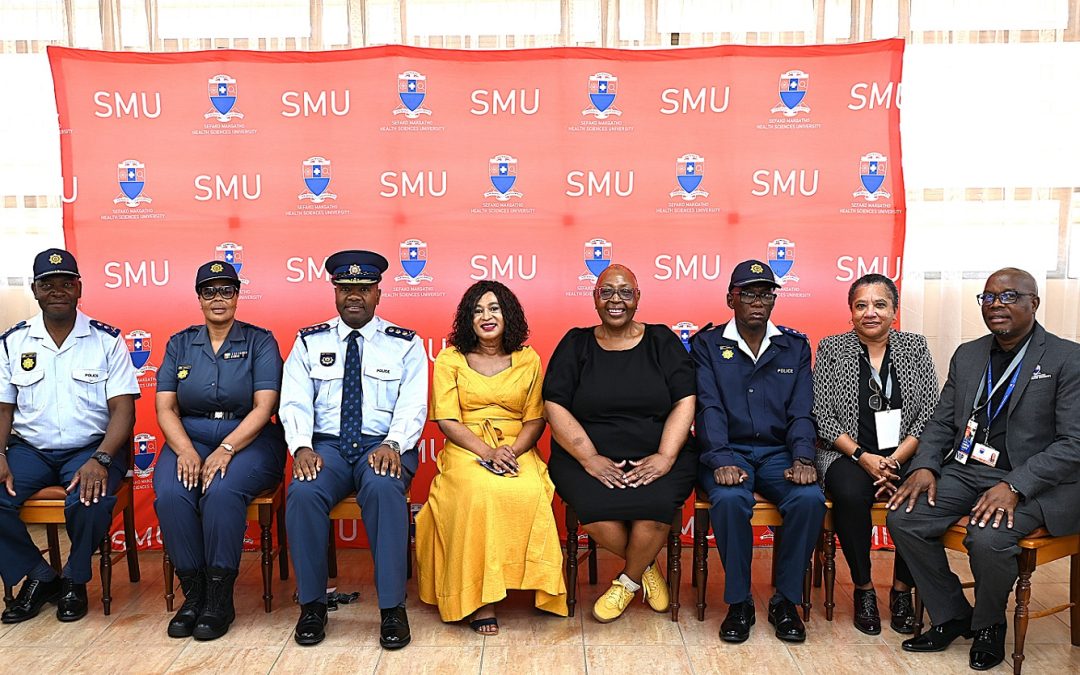
Sefako Makgatho Health Sciences University (SMU) has taken a decisive step in tackling campus insecurity and gender-based violence (GBV) with the launch of the Campus Community Safety Forum (CCSF). The two-day Safety Engagement, held on 1–2 October 2025 in partnership with the South African Police Service (SAPS), the Department of Higher Education and Training (DHET), civil society organisations and health providers, sent a clear message: safety and dignity on campus are non-negotiable.
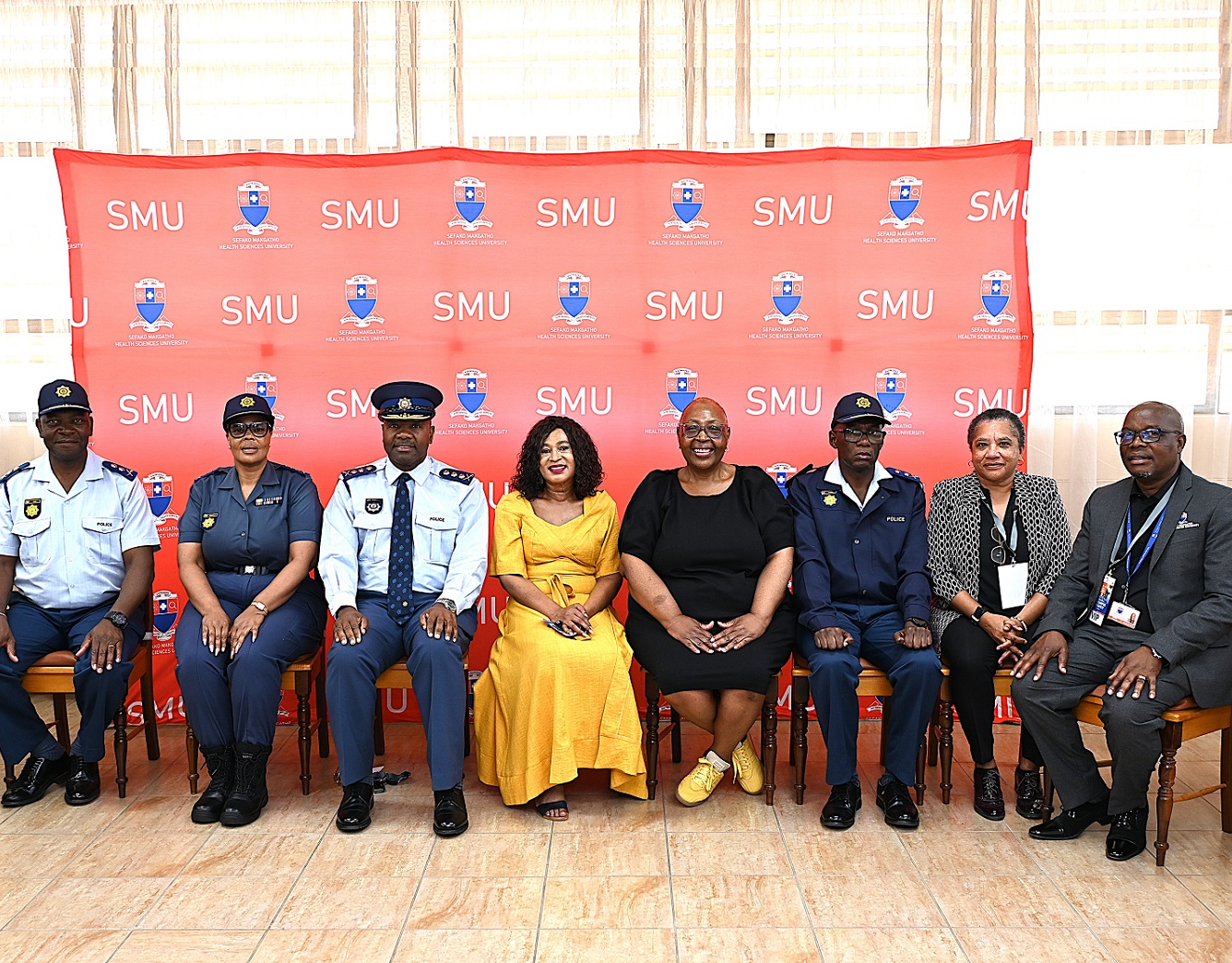 The programme was both urgent and collaborative. Day One centred on campus safety discussions, while Day Two marked the official establishment of the CCSF. Senior SAPS officials, university leadership, government representatives and students joined forces to strengthen coordinated action against GBV and crime.
Key highlights included:
- A framework for campus safety and security
- Focus sessions on GBV, law and justice
- Survivor-centred dialogues on support and safe reporting
- Direct engagements with SAPS and DHET
- Drafting of the CCSF’s terms of reference
The CCSF was conceived not as a symbolic structure, but as a practical platform to identify risks, address security concerns and build confidence in campus protection systems – with students placed firmly at the centre of decision-making.
Day Two began with opening remarks from SMU’s Acting Deputy Vice-Chancellor for Operations, Odette Ramsingh: “Our academic project is key to the vision and mission of SMU. We remain resolute in our drive towards academic excellence and leading healthcare solutions that will benefit our families, communities and South Africa. Therefore, safety is a core enabler of teaching, research and student success. We cannot pursue excellence in a culture of harassment, fear and intimidation, and most especially not in violence.”
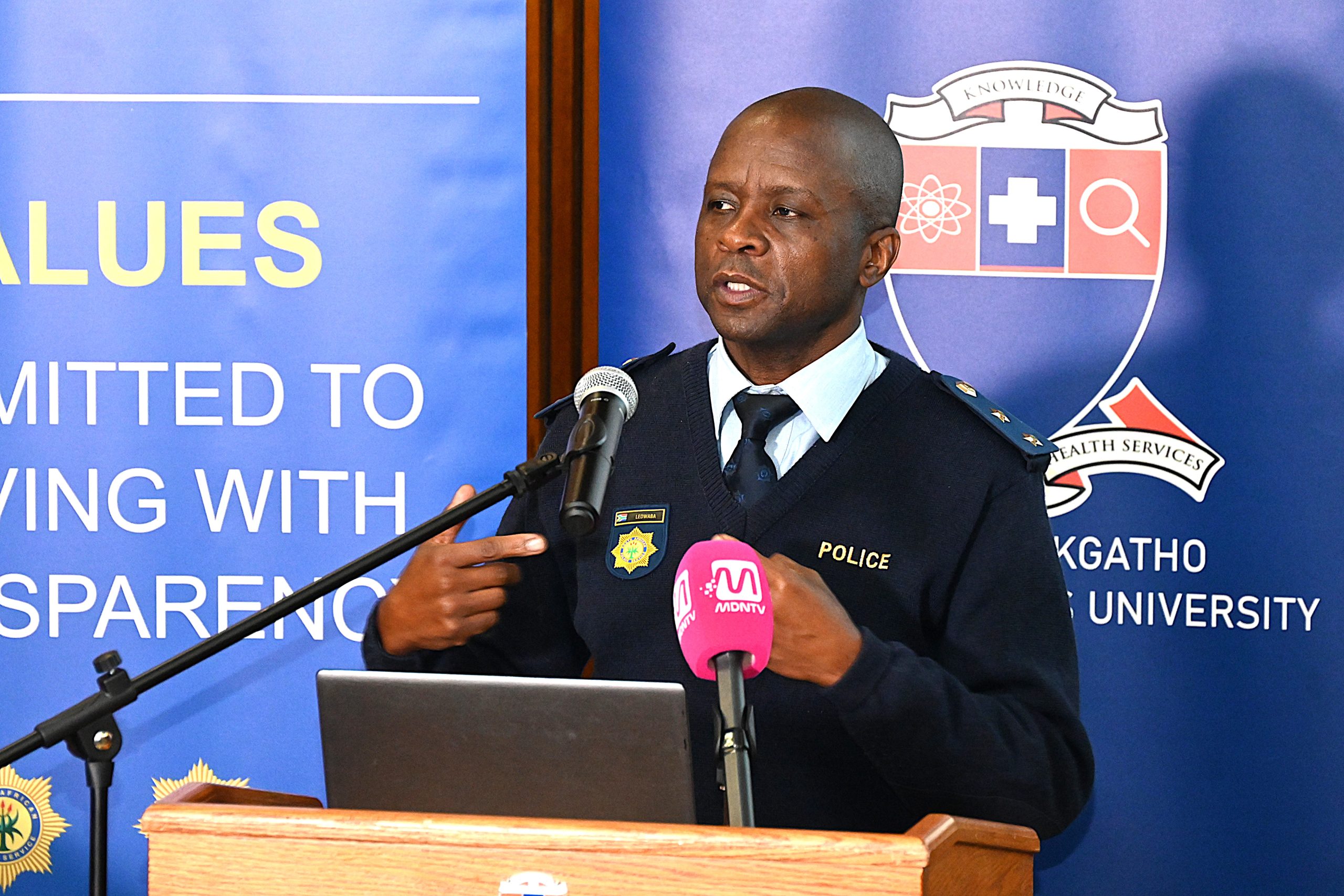 This was followed by an address from Vice-Chancellor, Professor Tandi Matsha-Erasmus, who stated: “This gathering is not ceremonial; it is a declaration. A declaration that SMU will remain unwavering in its resolve to create a campus where safety is not a privilege, but a promise. Let this forum not end with speeches, but with sustained action. Every theft prevented, every assault reported, every survivor supported is a victory for the values we hold dear.”
Messages of support from DHET, the Community Policing Forum, the Student Representatives and youth crime prevention structures reinforced a united front against GBV. The defining moment came when SAPS leaders joined SMU officials in signing the CCSF pledge, formally affirming their collective commitment. Gauteng Provincial Commissioner of Police, Lieutenant General Tommy Mthombeni, underscored the role of community forums and technology in addressing campus crime, highlighting the use of surveillance systems and the Gauteng e-panic button app.
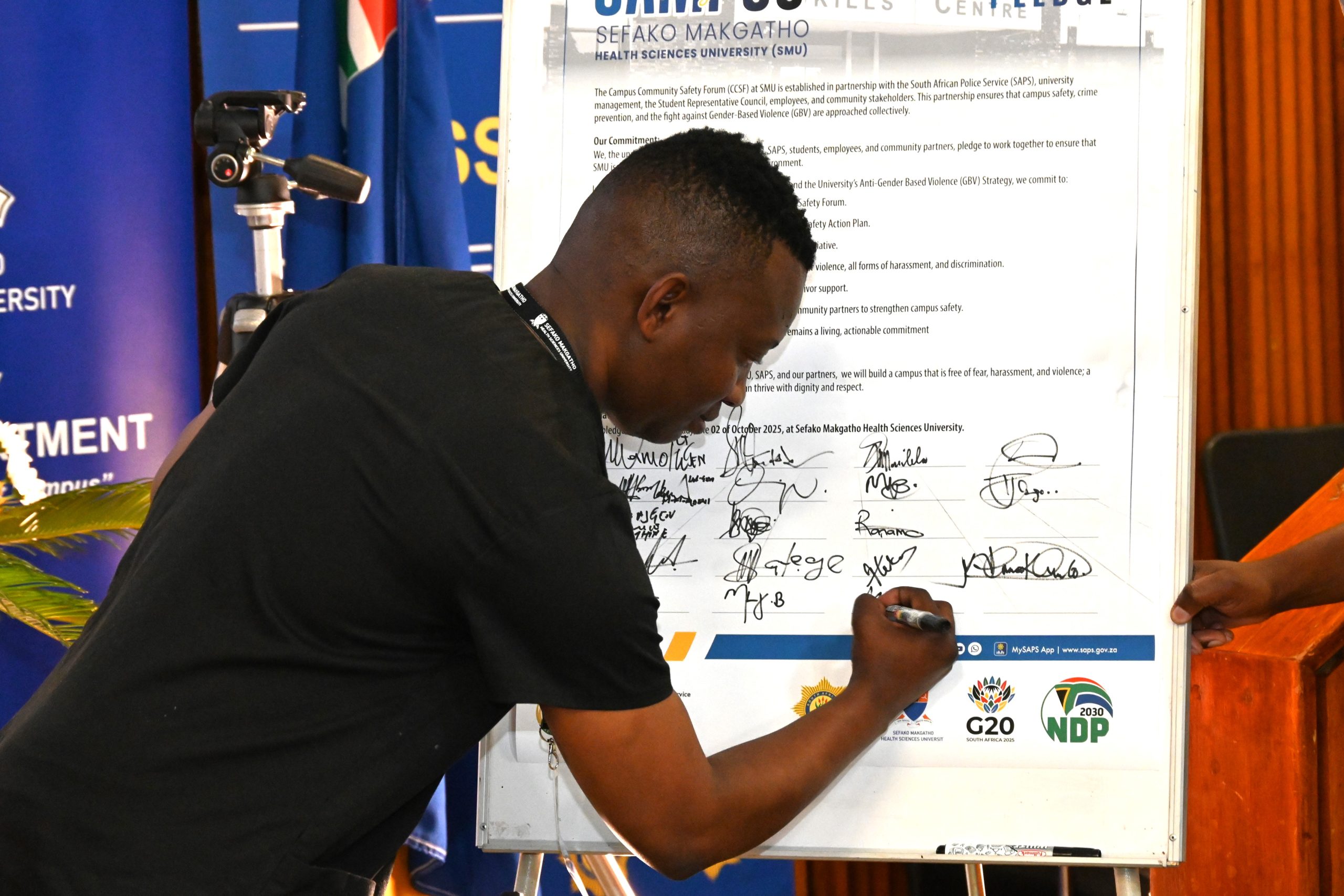 Student leadership also emphasised the urgency of the initiative. Outgoing SRC President, Katlego Moshanyane, reflected: “I am honoured to have participated in this launch, which prioritises student well-being and focuses sharply on eradicating GBV. This ensures SMU remains a safe environment for both students and staff.”
Organised labour endorsed the initiative with equal conviction. Dr Tshifhiwa Mulaudzi stated: “This vital initiative unites SAPS, staff and community leaders from Ga-Rankuwa to enhance campus security. Let us all participate fully to build a safer campus for everyone.”
At a time when South African universities face escalating security challenges, SMU has positioned itself as a leader in proactive, community-driven safety interventions. By combining law enforcement expertise, academic leadership, student voices and survivor support services, the CCSF is set to deliver lasting impact.
The campaign’s theme – “Safe Campus, Strong Voices – Together We Stop GBV” – captured the urgency and determination behind the initiative. Far from symbolic, the CCSF launch was a rallying call for sustained action, accountability, and a culture of safety built on shared responsibility.
By Tumelo Moila