by Kegorapetse | Dec 11, 2018 | SMU Media, Student Media
Media Alert
10 December 2018
For Immediate Release
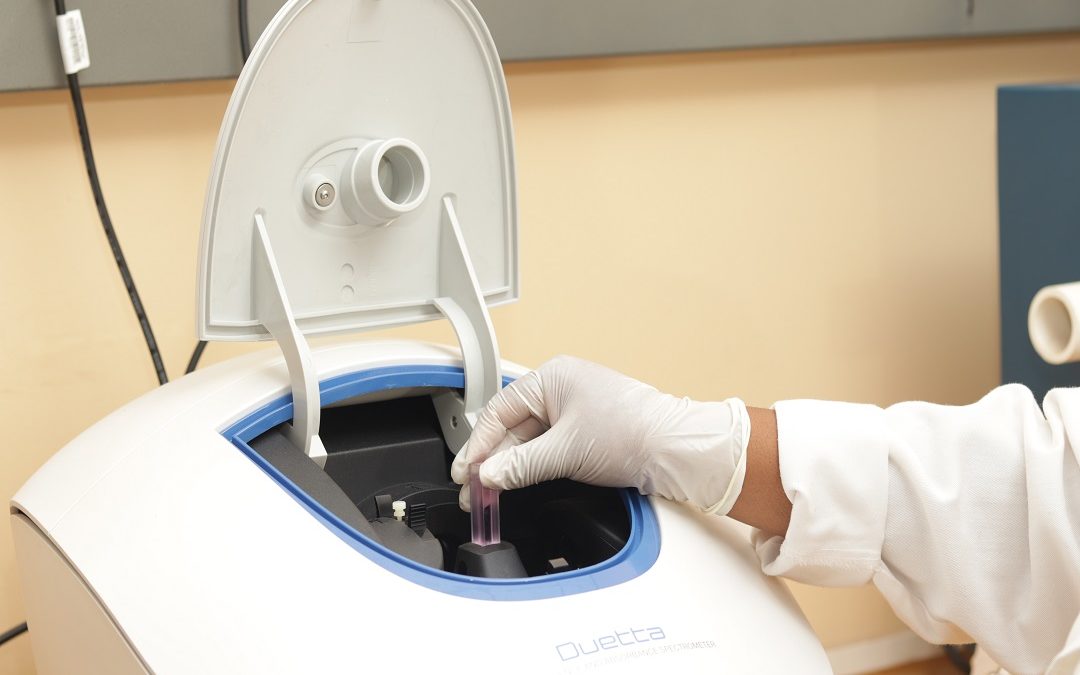
A ground breaking international research team discovered two different Multi Drug Resistant Tuberculosis (MDR-TB) strains which escape detection by standard routine methods of TB detection. These findings were published in the prestigious “Lancet Infectious Disease” Journal in Oct 2018. Visit https://www.thelancet.com/journals/laninf/article/PIIS1473-3099(18)30496-1 for full text.
The research showed that isoniazid monoresistant Mycobacterium tuberculosis (a causative agent of TB) isolates, carry a specific mutation, Ile491Phe mutation from two different strains, which is associated with Rifampicin (RIF) resistance, a surrogate marker for MDR-TB. This mutation is not detected by conventional laboratory tests endorsed by the World Health Organization (WHO) that are used to detect 95% of known RIF resistance within the RIF Resistance Determining Region (RRDR) of the rpoB gene.
The laboratory work, which ultimately resulted in the discovery of the MDR-TB strain began in 2015, in the National Health Laboratory Service (NHLS) – Dr George Mukhari Tertiary Laboratory (NHLS –DGMTL, at SMU), in which Ms Ndivhuho Makhado, the Senior Medical Scientist, in the Microbiological Pathology (MP) Department and team, identified isolates with probable mutation that cause resistance to first line drugs for TB treatment.
The intensive research project involved a collaborative team of Microbiologists from SMU, University of Antwerp (AU) in Belgium and University of Lille, in France, who worked over the months to uncover this new TB strain. A total of 277 Isoniazid (INH) monoresistant isolates were randomly selected from 37 644 positive cultures of TB cases referred to the NHLS – DGMTL from four provinces; Gauteng, North West, Limpopo and Mpumalanga, between 2013 and 2016. The researchers identified the Ile491Phe mutation in 37 (15%) of 249 samples, and reclassified them as MDR-TB, as these are genotypically resistant to all first-line drugs by Deeplex-MycTB sequencing method. Six isolates harboured four distinct mutations potentially associated with decreased bedaquiline sensitivity.
A substantial number of MDR-TB cases harbouring the Ile491Phe mutation in the rpoB gene that are missed by current diagnostic methods, may result in ineffective first-line treatment, continued amplification of drug resistance and concurrent silent spread in the community.
The study highlights a potential challenge in the currently used WHO-endorsed methods in identifying all MDR-TB cases which may result in: amplification of drug resistance, ineffective patient management and adverse treatment outcomes. The researchers further highlight the importance of a continued monitoring of the prevalence of drug resistant TB as well as potentially increased mutations outside the RRDR. The results of this research work will give guidance towards implementing better diagnostic tools such as rapid MAS-PCR and whole-genome sequencing, which can help to improve diagnosis on these clinically significant mutations, and therefore improve TB treatment outcomes in South Africa.
Ends
Released by the SMU Marketing & Communication
Contact Dr Eric Pule, the Director, Marketing & Communication
Phone 012 521 4563
by Kegorapetse | Nov 23, 2018 | SMU Media
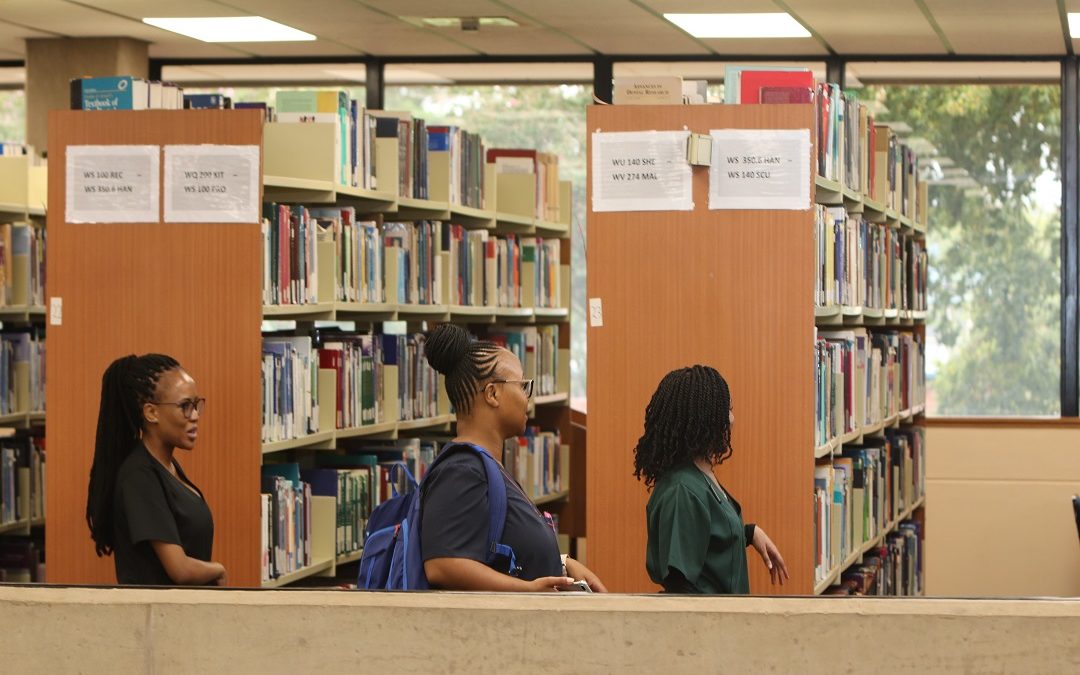
The SMU Library is a preservation space for 840 pieces of cloned bones from 21 male disarticulated skeletons. The library bone clone project was initiated by Prof Anna Oettle, Associate Professor of Anatomy Department. With this project, she was trying to ensure that Anatomy students have access to bones beyond the limited hours in in the Department. The Library became the preferred option for access to the bone clones, as it is open after hours and on Saturday. “Housing the bone clones in the Library gives students the opportunity to practically utilise the bones in a relaxed setting with less pressure for time. Students should take advantage of this unique opportunity,” said Prof. Oettle.
“The bones were catalogued following the Resource Description and Access (RDA) Standards. They were then sensitized, barcoded, labelled and are now available at the Circulation Desk as part of the Reserve Collection”, said Mmakgoshi Reetseng, Senior Librarian, Technical Services and Project Coordinator.
Among the bones found in the library, the students can find the Human Male Asian Left Femur, the Human Male Asian Coccyx, the Human Male European Left Rib 1, the Human Asian Left Leg Fibula, the Human Asian Sternum Plate, Human Male Asian Left Clavicle, the Human Male European Skull with Calvarium Cut and many more.
The bones are accessible via the library WebOPAC (Online public access catalogue), URL: http://innopac.smu.ac.za/, the link is accessible via the library webpage and Blackboard. Searches can be done using the bone code or label/name as given in the bone clones catalogue. The bones are mostly borrowed by study groups and individual students.
by Kegorapetse | Nov 23, 2018 | SMU Media
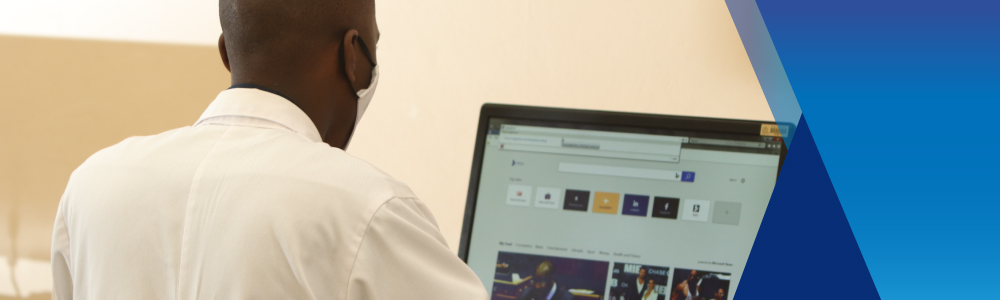
SMU Library and the Department of ICT recently embarked on a three day workshop, held at E-Learning centre for academic, support staff and postgraduate students. The workshop entailed educating the SMU community on data to enhance analysis and sharing, OpenRefine for data cleaning and augmenting, data analysis and visualisation. “The tools will make the students more employable and equip them with the skills like Software competency, Data competency, publication competency and library competence,” said Ms Anelda van de Walt, the coordinator from Data Carpentry Company.
During the opening event of the workshop, Prof A Ayo-Yusuf the DVC Research, Postgraduate Studies & Innovation said that The South African Data Achieves on the NRF Website has data available that everyone can use. “There is a lot of data that is open and the skills that you will get today will assist you with data analysis in the coming future”, he said.
The workshop did not require any programming skills and was novice friendly. What the students had to bring was their own laptops and get started. If they got confused, there were four other members of the Data Campetry to go through the programs with the students.
“This workshop is a sequel to Carpentry Connect Workshop held earlier in 2018, which was sponsored by the DST. The office of the DVC Research, Postgraduate Studies & Innovation nominated participants from ICT and the Library to participate. The team learnt a lot from the workshop and made it their goal to pass on these skills, without any delay, to the rest of SMU especially postgraduate students working with research data”, said Ms S.N. Kibirige, Director of Library & Information Services.
“The programmes the students used during the entire workshop was excel, Open refine, R-R Studio and Etherpad. These are the best tools to use as scientists for your work, and when you want to publish. And having technological advances will be beneficial to everyone involved”, said Ms Mamsi Khantsi, a PhD Candidate in Microbilogy, a member of the Data Campentry.
For more information on the data carpentry visit: https://tenet-rccpii.github.io/2018-10-31-SMU

by Kegorapetse | Nov 14, 2018 | SMU Media, statements
Media Alert
14 November 2018
For Immediate Release
Members of the media are hereby invited to SMU-MEDUNSA Alumni Association (SMAA) Annual General Meeting (AGM) and a Class of 1988 Reunion. This premier event of the SMU will be held on Saturday 17 November 2018, at the Protea Hotel, Fire and Ice, Menlyn, from 17h00 to 23h00.
Young and old graduates who have studied, firstly, at MEDUNSA, then at MEDUNSA Campus of the University of Limpopo (UL) with which it was merged and lately as a stand-alone comprehensive health sciences university, will attend this event. This ceremony will enable the alumni to reconnect with old class mates and reminisce about their days at the university. But they will also be apprised on developments at their alma mater by Prof Chris de Beer, the SMU’s Vice-Chancellor.
The highlight of the ceremony will be a keynote address by Prof E T Mokgokong, the first Black Vice-Chancellor of the former Medical University of Southern Africa (MEDUNSA) and a stalwart gynaecologist who trained many medical doctors in the country. Prof Mokgokong is expected to share his wisdom and experience, acquired over decades as an academic and as a health professional, with the captive audience of alumni.
Alumni structures are statutory bodies that have been established in terms of the Sefako Makgatho Health Sciences University Statute of 2016. Among other roles, alumni structures assist the university to establish networks of support to mobilise third stream sources of funding for the university, in the wake of declining budgetary allocation from government.
To download the programme, please click Reunion-Programme-Nov2018
by Kegorapetse | Nov 9, 2018 | SMU Media
Notice of Motion granted to Sefako Makgatho Health Sciences University, dated 09th November 2018. Details relating to the motion can be accessed by following this link: https://www.smu.ac.za/download/9244/