by Lorato | Aug 20, 2025 | Accolades and Achievements, All News, SMU Media, Student Media
Sefako Makgatho Health Sciences University (SMU) is celebrating the achievement of Kalaba Nkonde—Lecturer in the Department of Pharmacy Practice, Academic Instructor for the Dispensing Short Course for Healthcare Professionals, and PhD candidate—who has been selected as a 2025 Mandela Washington Fellow.
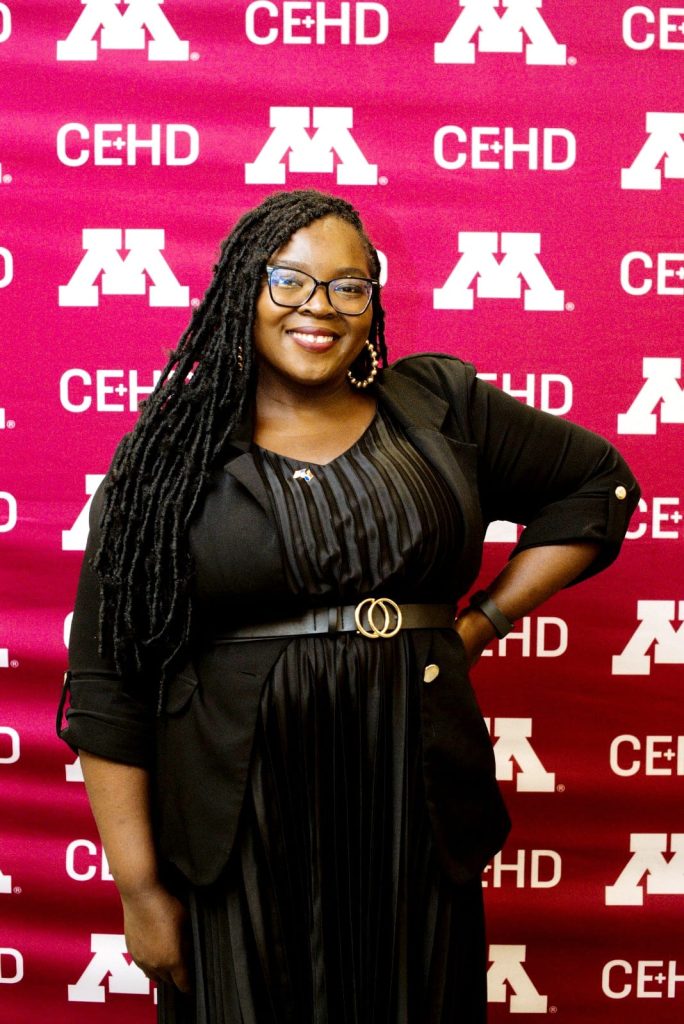 The Mandela Washington Fellowship, part of the United States’ Young African Leaders Initiative (YALI), is one of the most competitive leadership programmes on the continent. Chosen from more than 58,000 applicants across Sub-Saharan Africa, Nkonde joins an elite cohort of approximately 620 Fellows recognised as some of the best and brightest young leaders in agriculture, business, civil society, education, energy, healthcare, technology, trade, and security.
Recalling the moment she learnt of her selection, Nkonde says, “I initially ignored the notification, but when I finally opened the email, I screamed. It felt like time stopped—a surreal moment of disbelief, immense gratitude, and excitement. It reminded me that purpose, preparation, and passion can align in powerful ways.”
Her application reflected her extensive work at the intersection of pharmacy, public policy, and public health advocacy, with a particular focus on equitable access to medicines and health literacy. “I positioned my application around systemic thinking—linking pharmacy education to patient-centred care and policy reform. What set it apart was its multidimensional nature: academic achievements, leadership roles, volunteerism, and community initiatives,” she explains.
Nkonde attended a six-week Leadership Institute at the University of Minnesota – Twin Cities, in the U.S. under the Public Management track. Across 26 U.S. institutions in 21 states, Fellows engage in leadership training, academic study, networking, and weekly community service. For Nkonde, the most transformative experiences came from connecting with other African changemakers and U.S. leaders. Influential figures included her project coach, Dr Olihe Okoro, and leadership scholar Dr Artika Tyner, whose session on inclusive leadership reshaped her understanding of leadership as service.
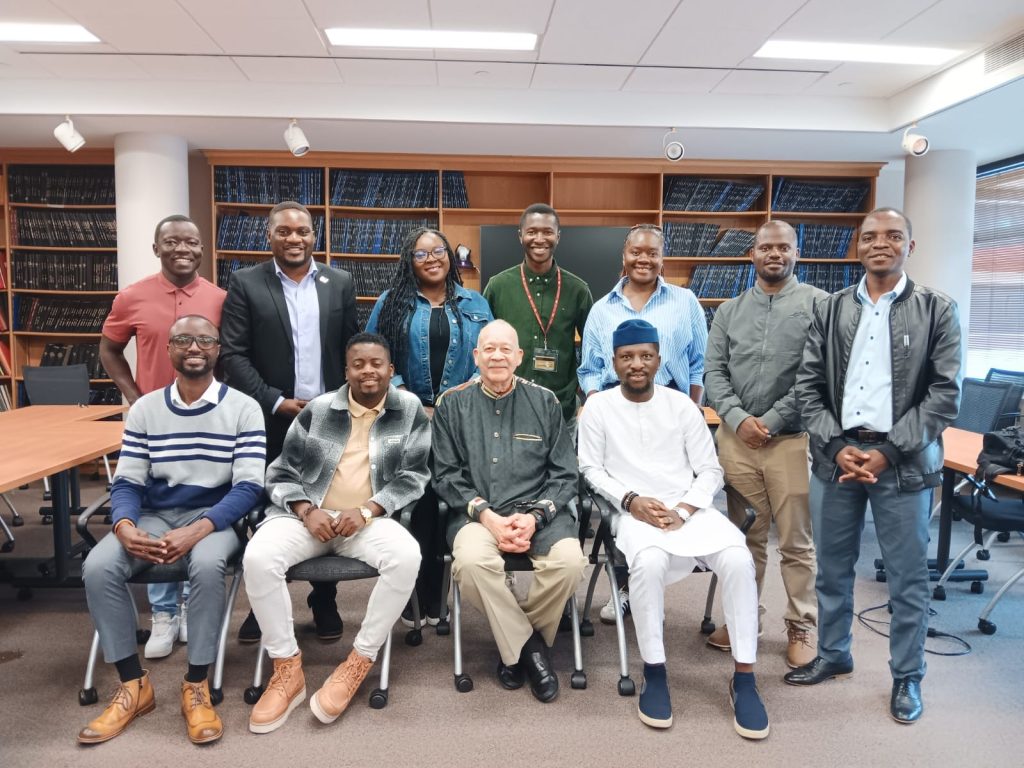
The academic director and staff were instrumental in ensuring the fellows made the most of the experience incorporating networking sessions and providing spaces for collaboration. “Dr Ashley Watson and team always mentioned my name in rooms I never would have imagined myself in. They ushered me in the best possible directions and set me up for leadership success.” Nkonde recalls.
A core focus of Nkonde’s work is literacy-centred health education. “In South Africa’s diverse linguistic and socioeconomic context, health literacy can mean the difference between access and exclusion,” she says. Currently, she is piloting a literacy initiative in SMU’s School of Pharmacy, inspired by her Fellowship experiences, with plans to expand it to improve patient outcomes and student success.
Looking ahead, Nkonde intends to integrate global best practices into SMU’s pharmacy curriculum, foster policy literacy, and create more opportunities for student leadership and international collaboration. “Equity in healthcare is not just a technical issue—it is a leadership challenge,” she emphasises.
Her advice to aspiring changemakers is clear: “Start where you are, with what you have, and lead with integrity. Don’t wait for permission to be bold—be the bridge where none exists.”
The Mandela Washington Fellowship is a programme of the U.S. Department of State, funded by the U.S. Government and administered by the International Research & Exchanges Board (IREX).
By Tumelo Moila
by Lorato | Aug 20, 2025 | All News, SMU Media, Student Media
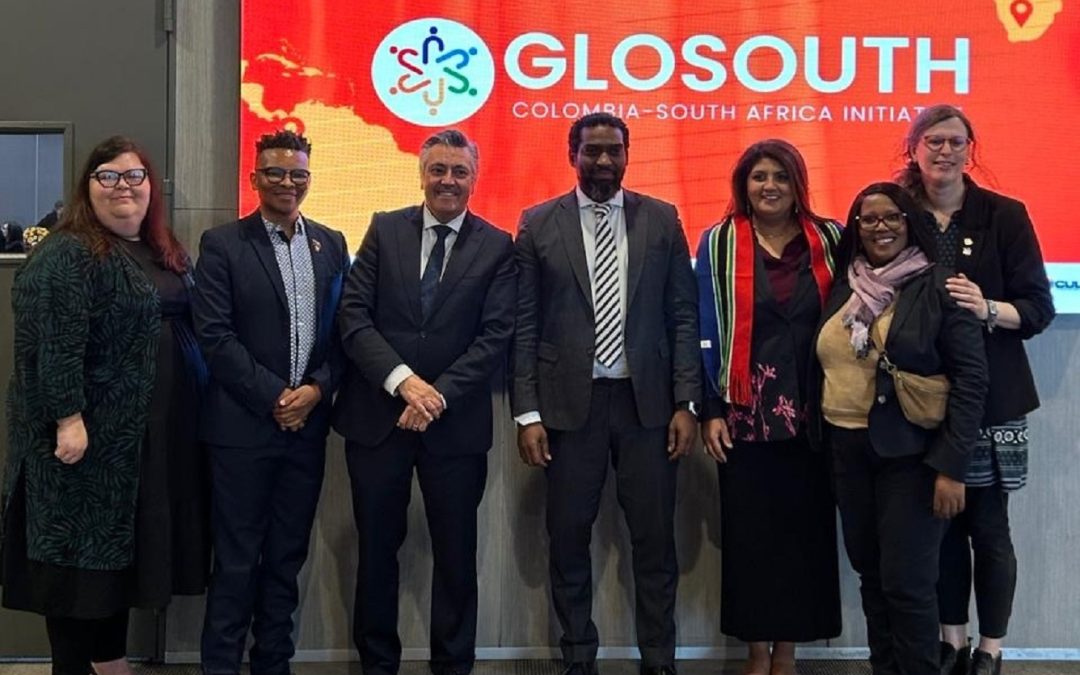
For decades, global higher education has been dominated by Northern voices. Today, however, the Global South (GLOSOUTH) is claiming its place, innovating, collaborating, and reshaping the academic landscape. At the forefront of this movement is the GLOSOUTH project, a bold initiative that has united universities from South Africa and Colombia in a historic partnership aimed at fostering South-South collaboration.
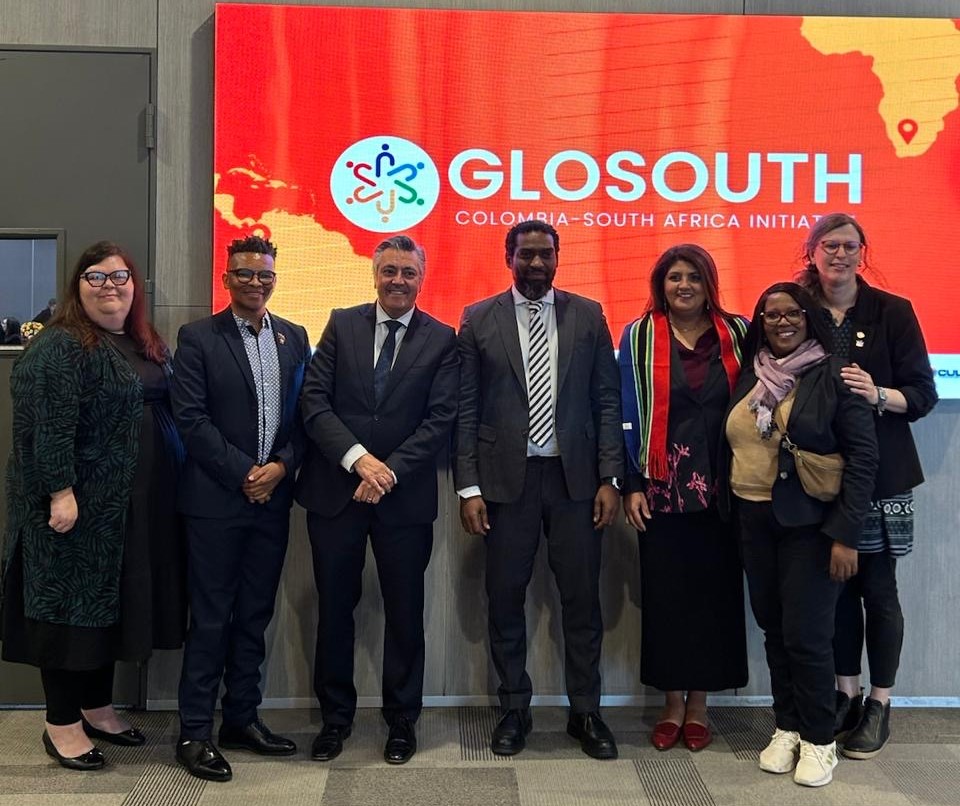 Launched in September 2024, GLOSOUTH is the product of a collaboration between the Colombian Network for Internationalisation (RCI) of ASCUN and the International Education Association of South Africa (IEASA). Its mission is simple yet ambitious: to strengthen academic exchanges that transcend borders, politics, and language barriers.
For Sefako Makgatho Health Sciences University (SMU), this project marked a significant step. As a specialised health sciences institution, SMU had previously engaged little with South American universities. GLOSOUTH opened doors to meaningful connections and collaborations.
“Due to the perceived language barrier and unknown territory, SMU has rarely engaged with higher education institutions in South America,” explained Dr Carlien Jooste, Director of Internationalisation at SMU. “However, the GLOSOUTH project provided an excellent platform for SMU, as a niche institution, to find and connect with similar institutions.”
Jooste played a central role across all three phases of GLOSOUTH:
- Phase 1: A series of webinars where SMU’s internationalisation journey was showcased.
- Phase 2: Targeted networking sessions, paving the way for formal discussions with Fundación Universitaria Juan N. Corpas and Corporación Universitaria Remington (Uniremington).
- Phase 3: A landmark visit to Colombia, where the South African delegation explored collaborative projects and engaged directly with Colombian counterparts.
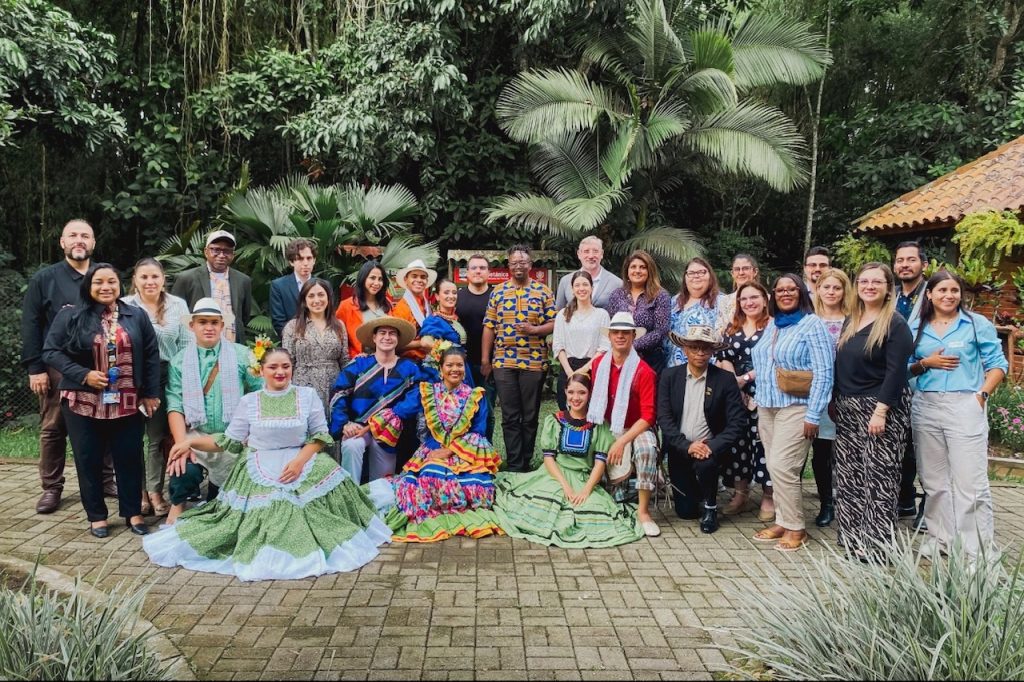 The mission spanned Bogotá, Pereira, and Manizales, where workshops, presentations, and dialogues highlighted a higher education sector marked by resilience, creativity, and innovation.
During the visit, the delegation also met with Buti Manamela, who at the time was Deputy Minister and is now Minister of Higher Education and Training, while he was on an official state visit. Together with his Colombian counterpart, he stressed the urgency of strengthening collaboration among Global South institutions.
“Collaboration between the Global South is not optional, but compulsory,” Manamela stated.
Dr Matias Marin Castaño, Director of International Relations at the Catholic University of Manizales and national coordinator of the Colombian Network for Internationalisation (RCI) of ASCUN, reflected on the experience:
“International cooperation is not only built in treaties or diplomatic offices; it is also born in universities that believe in social transformation through knowledge. GLOSOUTH allowed us to recognise ourselves from the Global South, weave meaningful alliances, and draw a roadmap for an education committed to peace, sustainability, and justice.”
For SMU, the visit represented more than a formal mission—it marked its entry into a wider global conversation. The university now anticipates strengthening partnerships with Colombian counterparts, pursuing joint projects, and amplifying its voice in the Global South, reinforcing the importance of collaboration, innovation, and shared knowledge.
The GLOSOUTH initiative demonstrates that South-South collaboration is no longer optional; it is a vital force driving innovation and social transformation. Through partnerships like this, SMU is positioning itself as a leader in internationalisation, committed to knowledge exchange, sustainability, and the creation of meaningful global impact. The journey has just begun, but the foundation for a collaborative, globally connected future has been firmly laid.
By Dimakatso Modise
by Lorato | Aug 20, 2025 | All News, SMU Media, Student Media
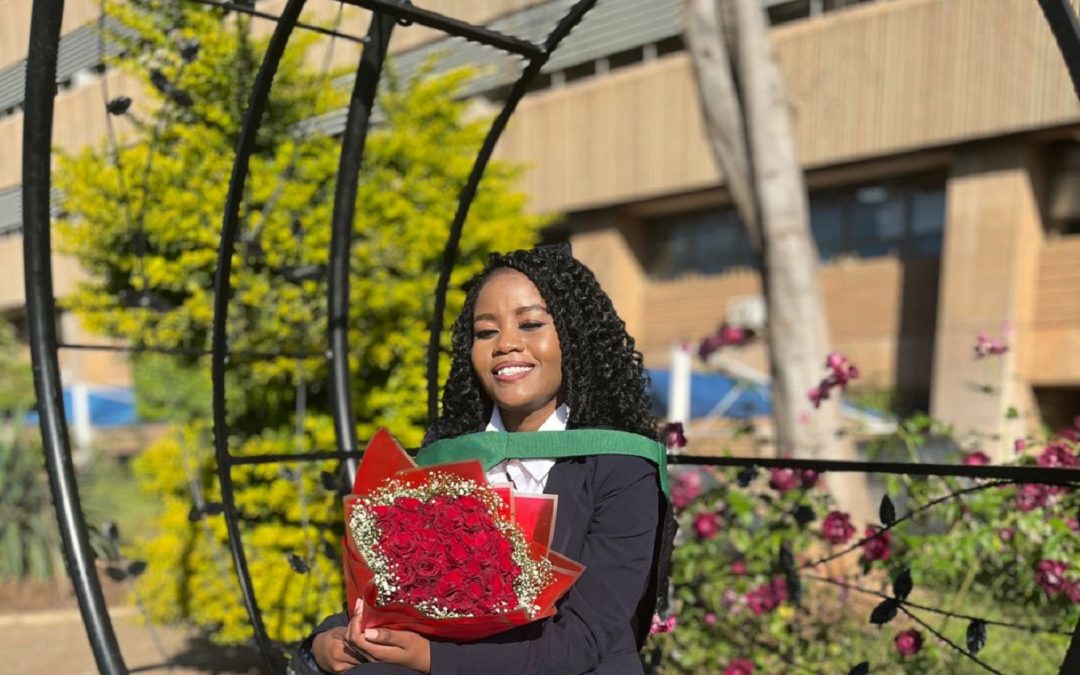
At just 21 years old, Tumisho Glory Matlala has already made her mark as an academic high-flyer. Graduating cum laude with a Bachelor of Science in Occupational and Environmental Health (Psychology) from Sefako Makgatho Health Sciences University (SMU), she now embarks on her first year of medical school — armed with discipline, resilience, and a vision to integrate mental and physical healthcare in South Africa.
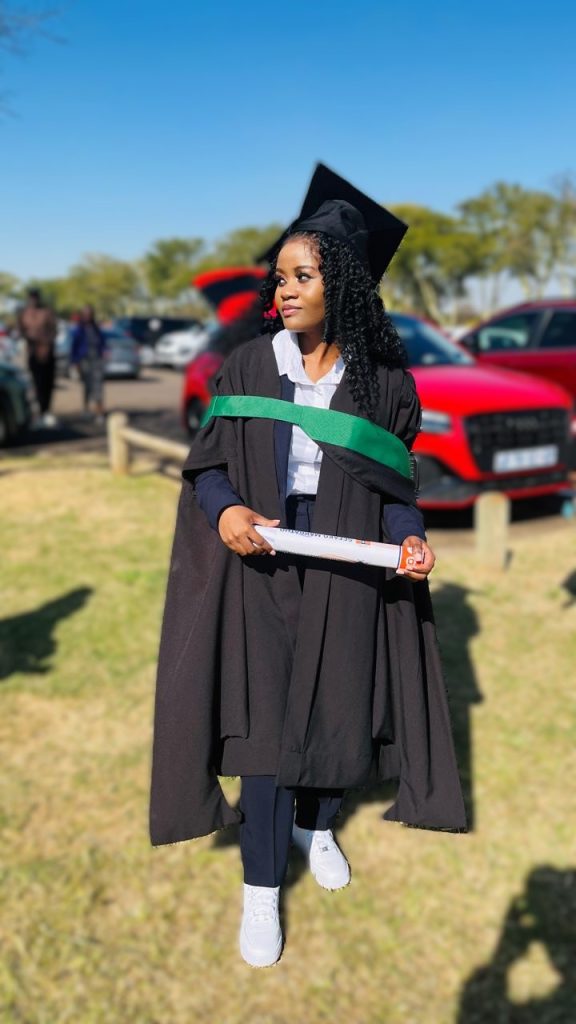 Originally from Moletji Ga-Ramongoana 2 in Limpopo, Matlala chose SMU for its strong reputation in the health and sciences fields. Her academic journey quickly proved she was destined for distinction. By her second year, consistently strong results hinted at her potential, and this was confirmed in her third year when she was named top achiever in her programme for both 2023 and 2024, and overall top achiever in the School of Science and Technology for the 2023 academic year.
Majoring in Psychology and Physiology, Matlala initially gravitated towards psychology, but over time developed a deep interest in physiology. “It was challenging but fascinating,” she reflects. “I asked for help when needed and approached my studies with curiosity.” Chemistry posed hurdles in her first year, but extra lessons and determination helped her overcome them.
A typical day for Matlala as a BSc student began with early lectures and practicals, followed by reviewing coursework during breaks or working on assignments. Evenings were dedicated to consolidating her understanding of class topics. She credits active recall, regular note review, and — perhaps surprisingly — strategic breaks as essential to her consistency and productivity.
Matlala is quick to acknowledge the role others played in her success. Supportive lecturers in the Psychology and Physiology departments, mentors who guided her study techniques, and friends who encouraged and challenged her all contributed. Above all, she credits her family’s unwavering belief in her abilities and her faith in God. “I can do all things through Christ who strengthens me,” she says, quoting the verse that kept her grounded during moments of self-doubt.
Balancing studies with family time and social connections was made possible by strong time management. “Balance is not something you find, it’s something you create,” she notes, quoting author Jana Kingsford. While she chose to focus solely on academics rather than join student organisations during her undergraduate years, she remains open to leadership opportunities in the future.
Matlala’s SMU experience, she says, was both challenging and rewarding, offering exposure to diverse people and perspectives that enriched her learning beyond the classroom. The personal qualities strengthened during her time at university — self-discipline, resilience, adaptability, and teamwork — will continue to serve her in her medical career.
Looking ahead, Matlala’s goal is to finish her medical degree while leveraging her background in psychology to shape more holistic approaches to healthcare. She hopes to address both physical and mental health challenges in communities, particularly by creating strategies that integrate the two.
Her advice to aspiring SMU students is simple yet powerful: “Build healthy study habits, manage your time well, and don’t be afraid to ask for help. Remember why you started — every challenge is an opportunity to grow.”
With her track record, determination, and vision, Matlala is poised to be a healthcare professional who bridges the gap between body and mind — and inspires the next generation of SMU achievers.
By Dimakatso Modise
by Lorato | Aug 20, 2025 | All News, SMU Media, Student Media
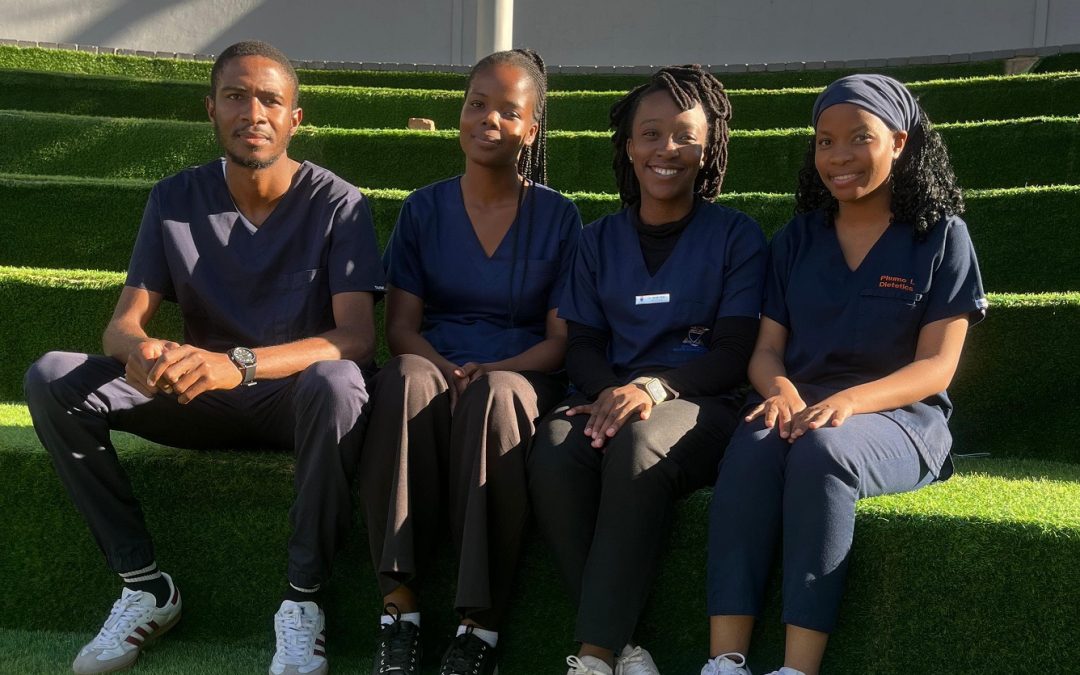
Final-year Dietetics students from Sefako Makgatho Health Sciences University (SMU) are proving that practical learning can lead to real-world change, as they wrap up their hospital-based foodservice placements across Gauteng. With placements at Helen Joseph Hospital and Tembisa Provincial Tertiary Hospital, these students not only fulfilled their academic requirements but also introduced impactful projects that addressed long-standing foodservice challenges in the public healthcare sector.
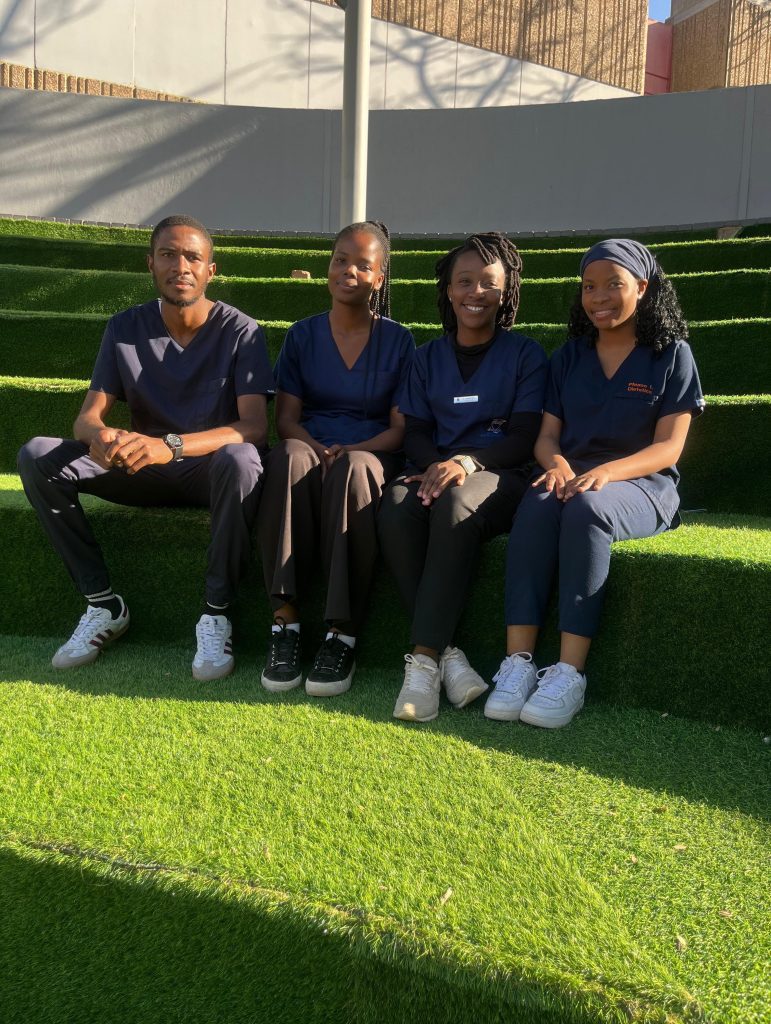 Lore Phumo, placed at Helen Joseph Hospital, took a systematic approach to improving food safety at the point of delivery. “During my SWOT analysis, I noticed the receiving staff were not using the standard checklist properly and didn’t know the corrective actions to take when goods were compromised,” said Phumo. In response, she developed a redesigned Standard Operating Procedure (SOP) for receiving dry, cold, and frozen foods. The new checklists, simplified to a ‘Yes or No’ format and including corrective action columns, are now in active use, resulting in better documentation and improved food safety outcomes.
Also stationed at Helen Joseph, Lerato Makuwa tackled hygiene and storage inefficiencies. “Spices were stored in unlabelled plastic bags, which posed a contamination risk,” she noted. Makuwa’s cost-effective innovation involved recycling and sanitising containers to create labelled condiment storage units. “It improved cleanliness, reduced spillage, and made condiments easier to access,” she said. Staff at the hospital have since adopted her system, and it is already making daily operations smoother.
At Tembisa Hospital, Amanda Mashabela took a culinary approach by modifying vegetable recipes to reduce plate waste and improve taste. “The vegetables were often overcooked and bland. I introduced new recipes with low-fat, low-salt ingredients and simple flavour enhancers like garlic and herbs,” she explained. With training sessions for the foodservice aids and improved cooking methods, the changes led to better patient acceptance and less plate waste.
Fellow student Moloko Mehala also left his mark at Tembisa, focusing on staff safety. “I noticed foodservice staff were lifting heavy goods improperly, which put them at risk of back injuries,” he said. He partnered with the hospital’s Physiotherapy Department to conduct workshops on proper lifting techniques. The project not only improved staff well-being but also contributed to better service delivery, as staff became more confident and effective in their tasks.
Each student credited their academic preparation at SMU as instrumental in navigating their foodservice placements. “The five-week preparation block helped us feel confident and ready to apply what we’d learned in class,” said Phumo. Their exposure to menu planning, costing, waste management and food safety enabled them to approach hospital challenges with practical and sustainable solutions.
As they prepare to graduate, these students reflect on the broader impact of dietitians in public health. “Dietitians are not just about meal planning—we are essential to patient recovery and foodservice quality,” said Mehala. All four students hope to see continued improvements in SOP implementation, interprofessional collaboration, and training in hospital foodservice systems.
Their collective contributions serve as a powerful reminder: when theory meets practice, meaningful change is not only possible—it’s inevitable.
By Tumelo Moila
by Lorato | Aug 20, 2025 | All News, SMU Media, Student Media
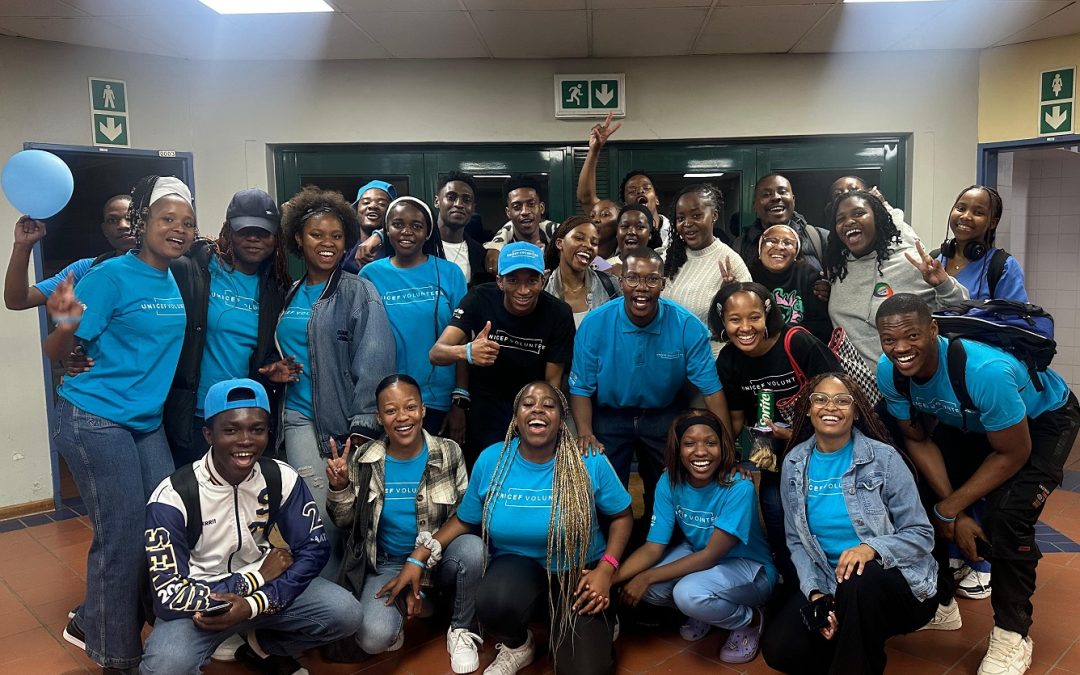
Hope, action and determination converged at Sefako Makgatho Health Sciences University (SMU) as students officially launched the UNICEF Club—a movement dedicated to championing children’s rights and advancing climate action. More than just a campus society, the club embodies a new generation of leaders committed to taking action, engaging with their communities, and driving meaningful change for children and the environment.
 The launch drew representatives from across the SMU student body, including the Student Surgical Society, the Diagnostic Society, Interprofessional Education and Collaborative Practice, Kulanathi Edu Hub, and Medics on Motion. Their participation highlighted the power of collaboration—when diverse groups unite around a shared purpose, meaningful social impact follows.
Delivering the keynote address, Tiisetso Mokoena, Volunteer Club Coordinator for UNICEF South Africa, emphasised the organisation’s four key pillars: Education, Nutrition, Ending Violence Against Children, and Healthy Lifestyle and Mental Health. She also underscored the urgency of climate action, reminding students that environmental sustainability is essential to safeguarding children’s futures.
“Universities are more than places of learning,” Mokoena said. “They are hubs of creativity, energy, and influence. Students have the power to advocate for children’s rights and create lasting change in their communities while addressing climate challenges.”
Though newly established, the SMU UNICEF Club has already made an impact. Members showcased their involvement in community cleaning projects, contributions to the university garden, partnerships with other UNICEF university clubs, and climate-focused initiatives such as tree planting and awareness campaigns. These activities not only benefit society but also equip students with vital leadership, teamwork, and organisational skills.
The launch was a lively celebration, featuring dance competitions, interactive question-and-answer sessions, and prizes including UNICEF-branded T-shirts, caps, and wristbands. Around 180 students attended, creating an atmosphere brimming with enthusiasm and purpose.
Reflecting on the day, Ntshadi Bokaba, a Medicine student, shared:
“It is inspiring to see so many students coming together for a common goal. Being part of this launch motivates me to make a tangible difference in my community and in protecting the environment.”
Another Medicine student, Andile Moloi, added: “The launch was not only enjoyable, but it reminded us why advocacy, community service, and protecting our environment matter. Small actions, when combined, can lead to meaningful change.”
The event signalled more than the creation of a club—it marked the rise of a movement. Through advocacy, education, and climate action, the SMU UNICEF Club is nurturing a culture of responsibility while empowering students to be agents of positive change.
Universities are vital in shaping tomorrow’s leaders, and the SMU UNICEF Club stands as proof of that potential. Every initiative, from planting trees to raising awareness, strengthens a society where children can grow up safe, educated, healthy, and empowered.
With passionate members, a clear mission, and an unwavering commitment to service, the SMU UNICEF Club is poised to make an enduring impact. The launch was only the beginning. As students continue to unite their energy, ideas, and creativity, they are demonstrating that meaningful change is possible—one child, one community, and one initiative at a time.
By Dimakatso Modise