by Lorato | Nov 15, 2025 | All News, SMU Media, Student Media
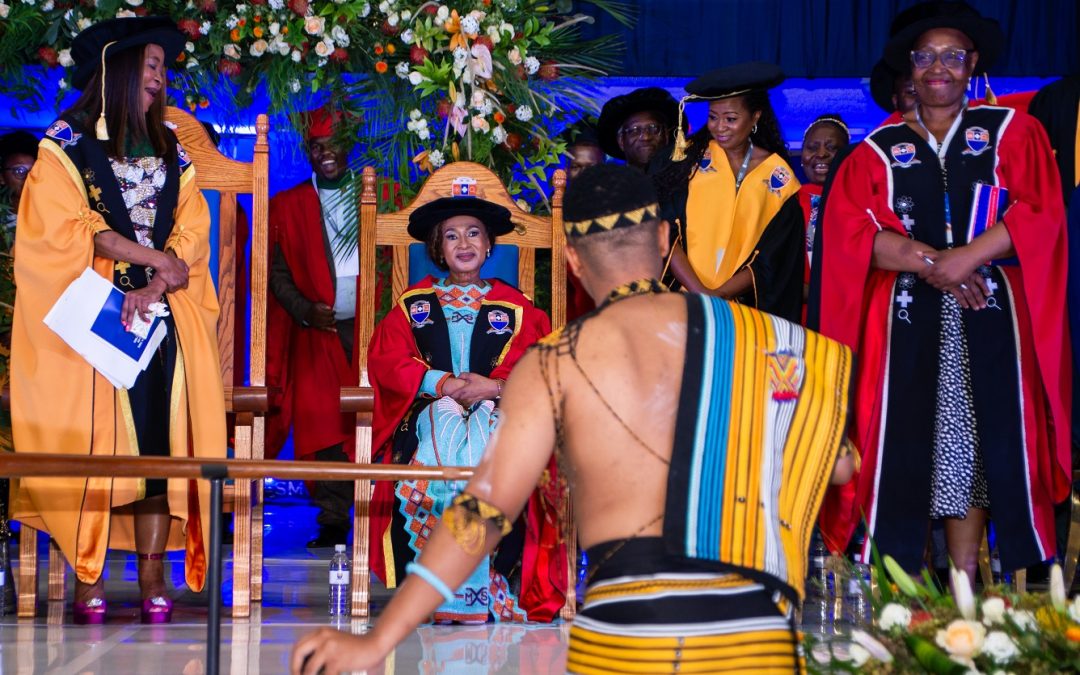
Sefako Makgatho Health Sciences University (SMU) has officially entered a defining new era as it inaugurated Dr Penny Moumakwa as Chancellor and Professor Tandi Matsha-Erasmus as Vice-Chancellor and Principal, marking the first time in the institution’s history that the apex leadership trio, including the Chairperson of Council, is led entirely by women.
 This historic moment positions SMU not only as a university on the rise, but as an institution rewriting the narrative of leadership in South Africa’s higher education landscape.
A transformational milestone for higher education
In a ceremony that blended academic tradition with powerful symbolism, the installation of the Chancellor and Vice-Chancellor affirmed SMU’s commitment to excellence, transformation, and a renewed identity rooted in leadership, integrity, and societal purpose.
 Chairperson of Council, Nontlaza Sizani, celebrated the milestone, noting that: “Today, we are witnessing an extraordinary moment for our country, one where women lead with intellect, courage, and clarity. This leadership collective will shape SMU’s future and strengthen its contribution to the nation.”
Upon taking the oath of office, Moumakwa delivered an acceptance address grounded in humility, purpose, and a commitment to service.
She noted: “I accept this honour with deep appreciation and a profound sense of duty. A Chancellor must represent the soul of the institution, its integrity, its aspirations, and its promise to society. I accept that responsibility with reverence, with clarity, and with unwavering commitment.” She also pledged her full support to the Vice-Chancellor, saying: “Professor Matsha-Erasmus, your leadership is already shaping a powerful new chapter for SMU. I look forward to walking alongside you as we strengthen this institution and expand its impact.”
Delivering her inaugural address, themed “The Ascent of SMU: A University Reimagined for Global Impact,” Matsha-Erasmus set out a bold, future-oriented vision for SMU’s next chapter. She emphasised: “There are moments in the life of a nation when an institution steps fully into its purpose. Today is such a moment for SMU. We will not ask for respect, we will earn it. Not by rhetoric, but by results.”
Referencing SMU’s recent rise in the 2026 Times Higher Education World University Rankings, she highlighted that the institution is becoming a continental hub for health sciences excellence, research leadership, and innovation.
The Vice-Chancellor continued: “We stand at an inflexion point, a moment to honour the history that shaped us and boldly define the future we will create. Our mission is not only to generate knowledge, but to heal, innovate, and impact global health.”
A university on the rise
 In their respective addresses, both the Chancellor and Vice-Chancellor underscored SMU’s accelerating trajectory as a university on the rise — one positioning itself as a continental force in health sciences education, research, and innovation.
They highlighted how SMU is deepening its footprint in world-class research, evidenced by the groundbreaking patents emerging from its scholars and the increasing visibility of its scientific outputs. This momentum is matched by the university’s bold expansion of its One Health leadership, advancing interdisciplinary solutions in a world where human, animal, and environmental health are inseparably linked.
The leaders further emphasised SMU’s drive to strengthen innovation, commercialisation, and entrepreneurship, ensuring that research does not remain in academic journals but moves into clinics, communities, markets, and manufacturing ecosystems. They articulated a clear vision of SMU as a continental reference point for health sciences training, producing graduates who are globally competent and locally responsive.
Central to this rise is a renewed commitment to student-centred excellence, ensuring that student experience, wellbeing, and opportunity are embedded at the heart of institutional decision-making.
Both leaders also reaffirmed SMU’s responsibility to the country: contributing meaningfully to national health priorities, including the implementation of the National Health Insurance (NHI), universal health coverage, and the future architecture of South Africa’s healthcare delivery.
Together, these ambitions signal a university not only transforming itself but also reshaping the health landscape of South Africa, Africa, and the world.
A new epoch of leadership
This all-women leadership collective—Council Chair, Chancellor, and Vice-Chancellor- signals SMU’s entry into a new epoch of institutional renewal, ethical purpose, and academic ambition.
It is a milestone that not only embodies transformation but positions SMU as a university charting a bold path for South Africa and Africa.
*By Tshimangadzo Mphaphuli
by Lorato | Nov 6, 2025 | All News, SMU Media, Student Media
Dr Londiwe Sibisi-Maboye, a proud alumna of Sefako Makgatho Health Sciences University (SMU) and Founder of the Kids Dental Home Foundation (KDHF), has made history as the first African dentist to win first place in the Bright Smiles, Bright Futures Award, sponsored by Colgate. The award was presented at the 2025 International Association of Paediatric Dentistry (IAPD) Congress in Cape Town (22–25 October), honouring trailblazers advancing innovative, preventive oral health programmes for children.
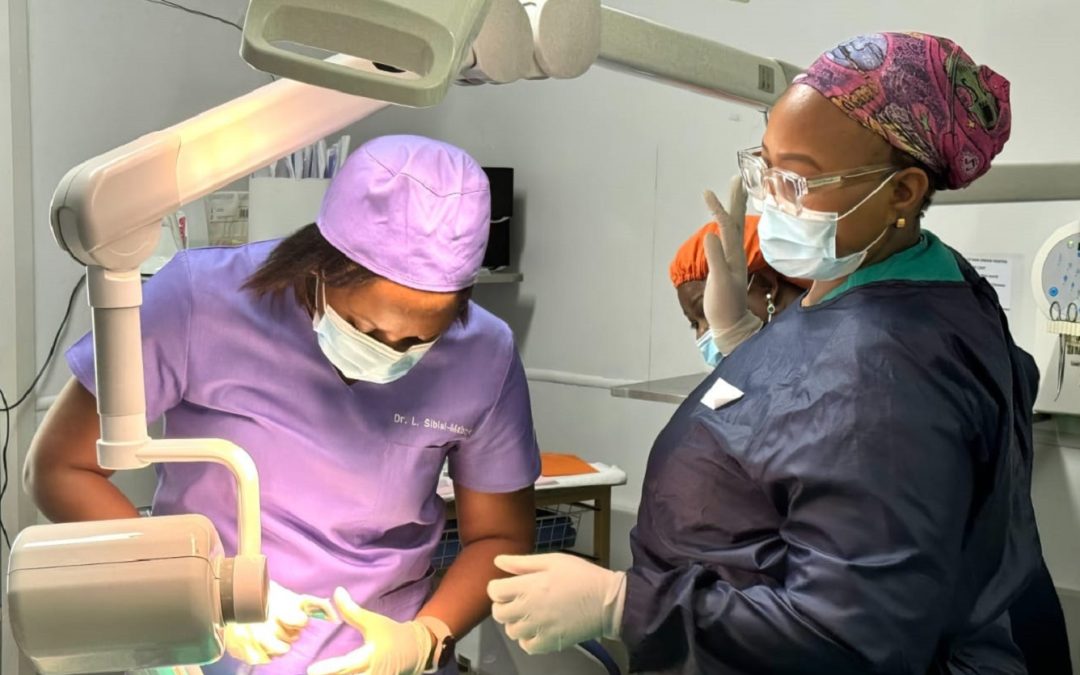
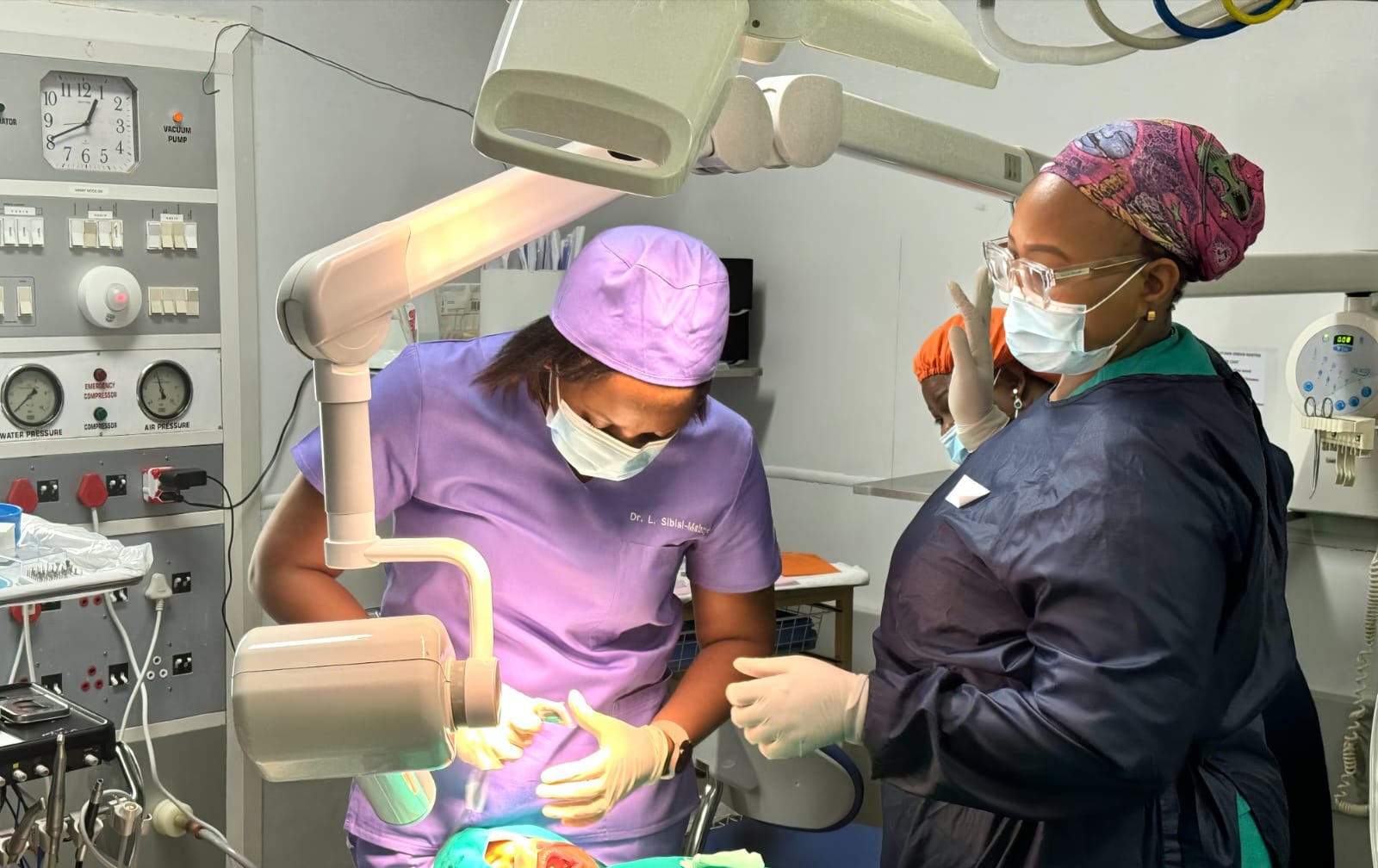 Her winning initiative, Saving Smiles in Africa: A Multi-Faceted Initiative to Transform Paediatric Oral Health in Underserved Communities, stood out for its measurable impact, innovation, and compassion. Founded during the height of the COVID-19 pandemic in 2022, KDHF is a non-profit organisation dedicated to transforming children’s oral health through prevention, education, and access to care. What began as a response to children waiting months for essential dental services has evolved into a continent-wide movement of hope and prevention.
Transforming Oral Health, One Smile at a Time
Since its inception, KDHF has:
- Performed 41 free dental surgeries for children suffering from Early Childhood Caries (ECC).
- Conducted more than 3,000 dental screenings in communities across Gauteng, KwaZulu-Natal, and Zimbabwe.
- Trained and empowered over 4,000 caregivers, teachers, and children through Preventive Oral Health Education Workshops.
- Introduced hundreds of children to their first-ever dental visit through the affiliated Kids Dental Home practice in Montana Park, Pretoria.
The foundation’s Mobile Dental Truck is its crown jewel — a fully equipped, travelling dental clinic and classroom that takes oral health directly to schools, hospitals, churches, and rural communities. It offers free treatment and delivers hands-on education about hygiene and nutrition, making oral health accessible, inclusive, and empowering.
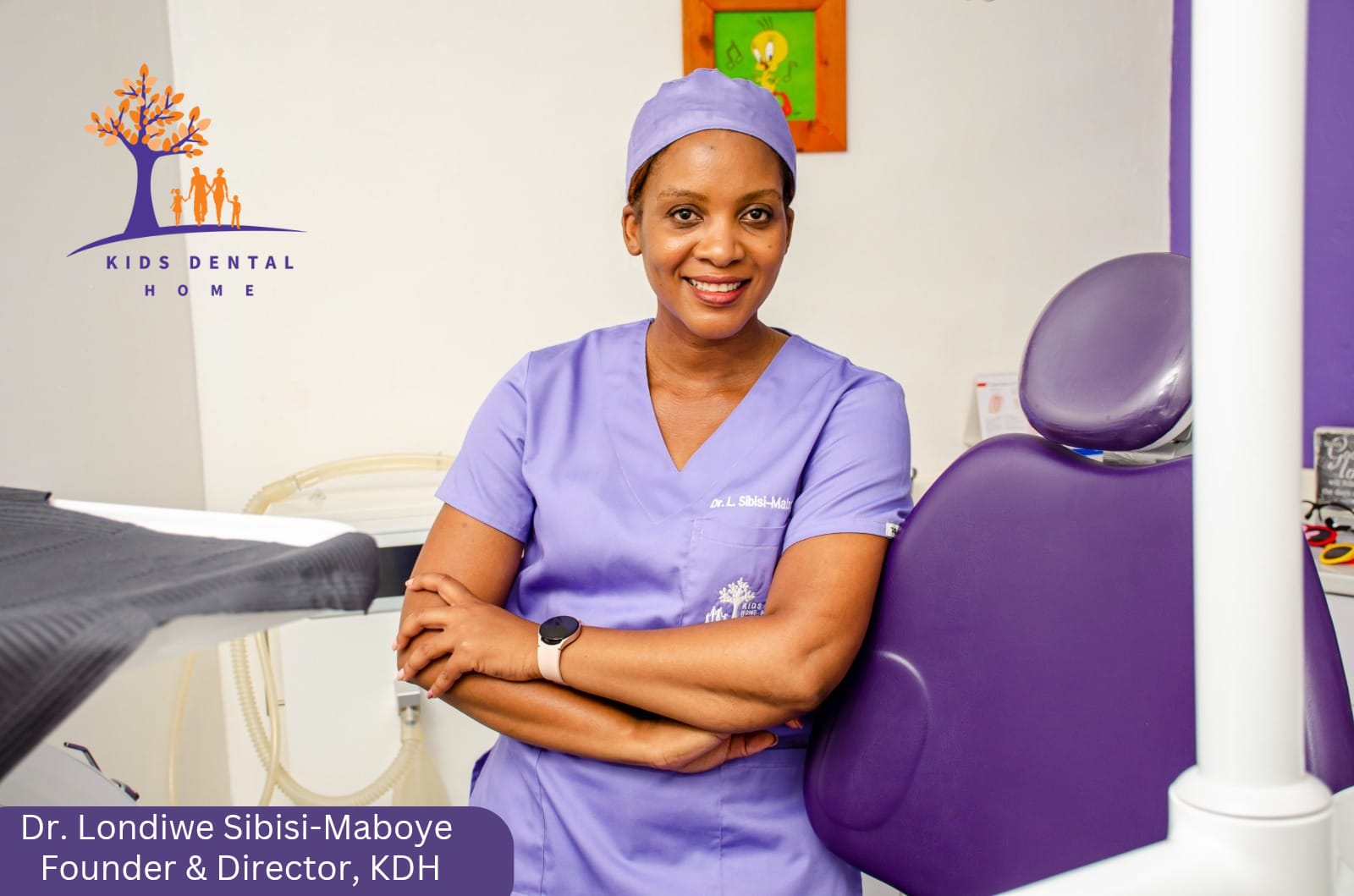 “Our mission is simple,” says Dr Sibisi-Maboye. “We meet families where they are — at home, in schools, or in community halls — and we teach that prevention isn’t just a dental concept; it’s a community lifestyle.”
Sibisi-Maboye credits her alma mater, SMU, for laying the ethical and professional foundation that guides her work. “SMU taught me that healthcare is both a science and a service,” she says. “That understanding drives everything we do at KDHF.”
Her recognition on the international stage reflects not only her personal dedication but also underscores SMU’s enduring legacy of producing socially conscious, globally competitive healthcare professionals.
Now based at both SMU and the University of Pretoria, Sibisi-Maboye serves as a part-time lecturer at both institutions — in the Department of Operative Dentistry at SMU and the Department of Odontology at the University of Pretoria — where she mentors dental students. She is shaping a new generation of practitioners who see dentistry not merely as a career, but as a vehicle for change. “This award belongs to the children we serve — the heartbeat of our mission. Every smile we save is a future transformed,” she affirms.
Sibisi-Maboye’s journey — from student to international award-winning innovator — exemplifies how passion, purpose, and perseverance can redefine public health. Through KDHF’s partnerships with hospitals, universities, and corporate sponsors, she continues to unite communities under one shared goal: ensuring that every child has access to a healthy, confident smile.
Her story is a powerful reminder that the greatest change often begins with one act of care — and that every SMU graduate carries the potential to make a global impact.
By Tumelo Moila
by Lorato | Nov 6, 2025 | All News, SMU Media, Student Media
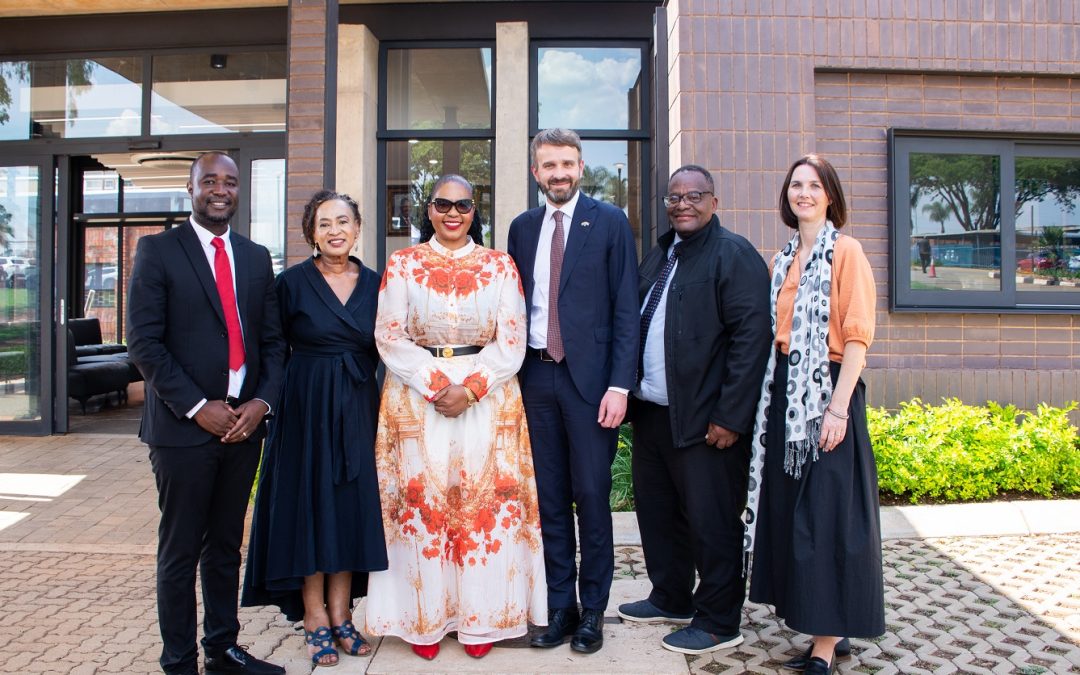
Sefako Makgatho Health Sciences University (SMU) and Dr George Mukhari Academic Hospital (DGMAH), partners of the Norwegian Agency for Exchange Cooperation (NOREC), recently hosted Norway’s Minister of Health and Care Services, Dr Jan Christian Vestre, in a visit aimed at deepening international collaboration in healthcare. The event took place on 5 November 2025 and was hosted by Gauteng MEC for Health, Nomantu Nkomo-Ralehoko, with SMU Vice-Chancellor Prof Tandi Matsha-Erasmus, representatives from the SMU Internationalisation Department, and DGMAH’s CEO, Dr Godfrey Mbara, in attendance.
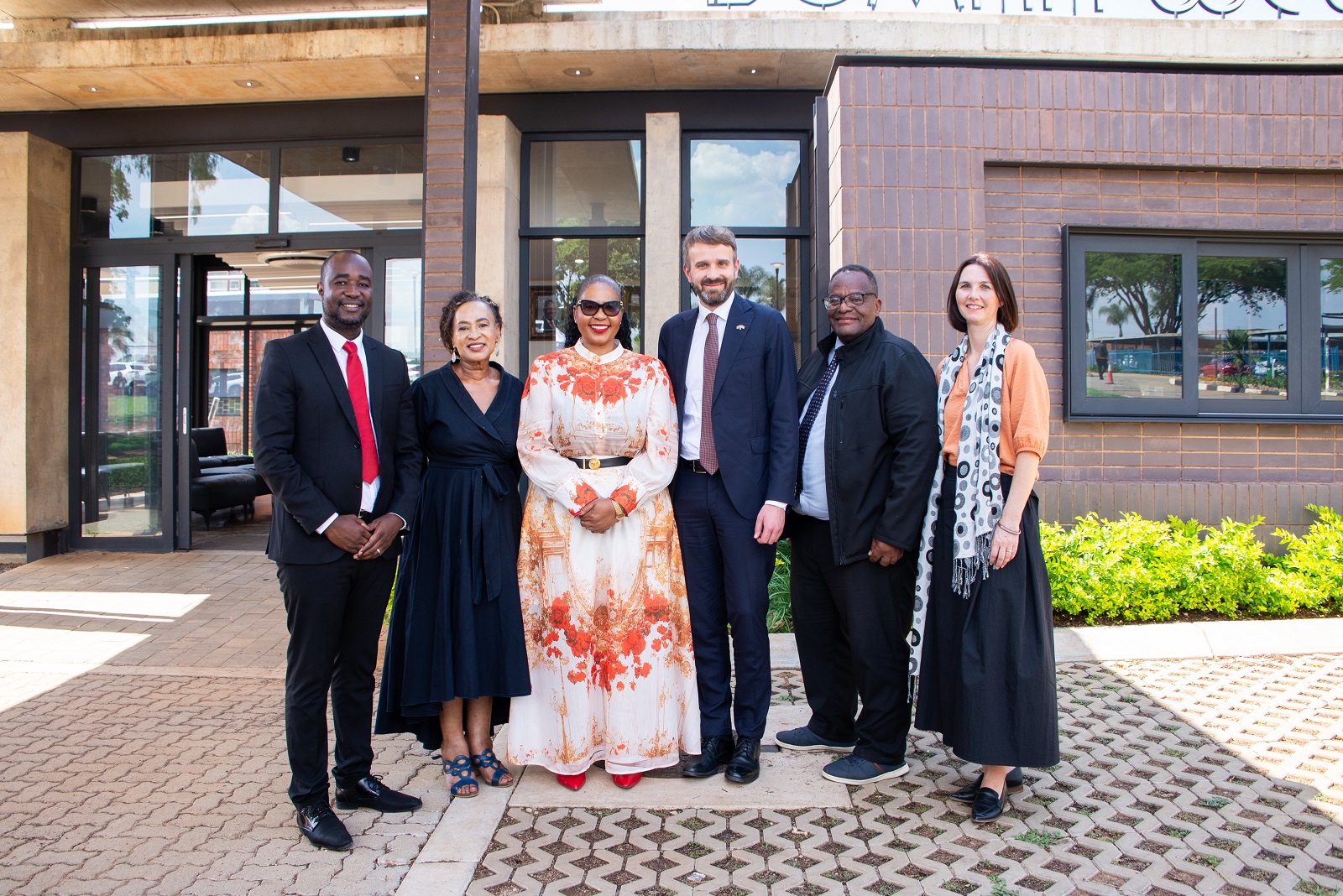 The programme is part of NOREC’s longstanding exchange initiative, which facilitates collaboration between DGMAH, SMU, and Haukeland University Hospital (HUH) in Norway. Established in 2017, the initiative focuses on education, training, and knowledge exchange for doctors and nurses specialising in trauma and emergency care. In South Africa, the DGMAH–SMU partnership is one of only seven NOREC agreements, making it a strategically important programme for advancing healthcare capacity and global learning.
DGMAH manages over 4,000 trauma cases monthly, compared to HUH, which sees just over 5,000 annually. The programme enables Norwegian participants to gain experience in managing high patient volumes and working in resource-constrained environments, while South African participants benefit from insights into hospital system improvements, advanced trauma management techniques, and exposure to rare medical cases in Norway.
Delivering the keynote address, Minister Vestre emphasised the importance of partnerships like NOREC in building resilient healthcare systems. “Initiatives such as this demonstrate the power of collaboration and knowledge exchange,” he said. “By learning from one another, we can strengthen healthcare delivery, improve training, and enhance the capacity of our workforce. It is through partnerships that we can achieve health goals that no single country can accomplish alone.”
He further highlighted the benefits of exposure to diverse healthcare systems, noting that South African hospitals provide invaluable experience in managing large patient volumes under resource constraints. “For our colleagues from Haukeland University Hospital, participating in this programme allows them to develop skills in trauma management that are difficult to gain in low-volume settings,” Minister Vestre said. “At the same time, South African participants gain insight into technological innovations, hospital management systems, and approaches to patient care that will enhance outcomes in their own facilities.”
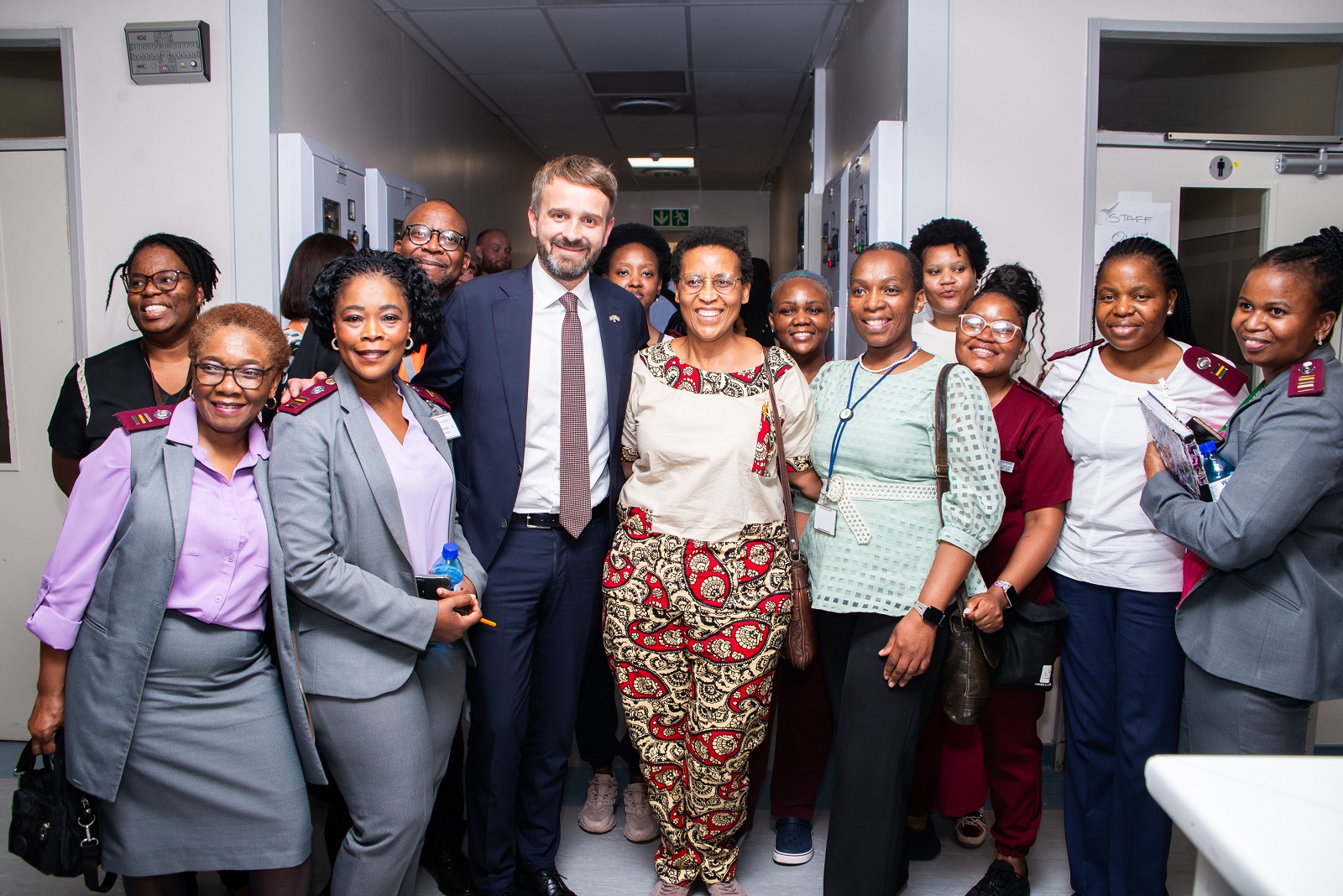 Dephney Colisiwe, a South African NOREC participant, reflected on her experience: “Working alongside colleagues in Norway has broadened my perspective on hospital systems and patient care. I have learned new trauma management strategies that I can apply at DGMAH to improve outcomes for our patients.”
Prof Matsha-Erasmus highlighted the value of the programme for SMU and DGMAH, stating, “The exchange programme strengthens our workforce, enhances our clinical capabilities, and opens avenues for research collaboration. It equips our staff with skills and knowledge that directly benefit patient care and contribute to the advancement of healthcare in South Africa.”
During the visit, Minister Vestre and MEC Nkomo-Ralehoko toured DGMAH’s trauma unit and the Alternative Building Technologies structure, recently repurposed to expand hospital capacity. MEC Nkomo-Ralehoko remarked, “Partnerships like NOREC build capacity, foster technological cooperation, and create opportunities for mutual support in health financing and workforce development. These collaborations are essential for developing a healthcare system that is resilient, adaptive, and responsive to the needs of our communities.”
The programme underscores SMU and DGMAH’s commitment, supported by the Internationalisation Department, to foster international partnerships that improve healthcare training, enhance clinical practice, and strengthen professional growth. By sharing knowledge, exchanging expertise, and building capacity, the DGMAH–SMU–HUH NOREC programme continues to demonstrate the value of global collaboration in improving healthcare outcomes for both South African and Norwegian patients.
By Dimakatso Modise

by Lorato | Nov 6, 2025 | All News, SMU Media, Student Media
The MeCRU Clinical Research Unit (MeCRU) at Sefako Makgatho Health Sciences University (SMU) marked 20 years of advancing clinical research, innovation, and community health with a gala dinner celebrating two decades of scientific impact and collaboration.
The milestone event reflected on MeCRU’s remarkable journey — from a modest research initiative to a globally recognised site that has contributed to major studies shaping healthcare in South Africa and beyond. Delivering the keynote address virtually, Minister of Health, Dr Aaron Motsoaledi, congratulated the unit for its lasting contribution to science and public health.
 “For 20 years, MeCRU has shown what dedication, teamwork, and a commitment to research excellence can achieve,” Dr Motsoaledi said. “This unit has strengthened our country’s capacity to respond to health challenges, from HIV and tuberculosis to the COVID-19 pandemic. You have proven that science truly can transform lives.”
He added that MeCRU’s success was due to strong partnerships among academia, government, and industry. “Sustained collaboration is vital if we are to build a healthier and more equitable South Africa,” he said.
Professor Glenda Gray, Chief Scientific Officer at the South African Medical Research Council (SAMRC) and Distinguished Professor at the University of the Witwatersrand, paid tribute to MeCRU’s role in shaping South Africa’s clinical research landscape.
“MeCRU embodies the spirit of scientific excellence,” Professor Gray said. “It has consistently upheld the highest standards of ethics, quality, and community engagement. Over the years, it has generated evidence that influences national health policy and improves patient care.”
She praised the unit’s contribution to nurturing new scientific talent. “MeCRU’s real legacy lies in its people,” she said. “The mentorship, the training, and the opportunities created here have empowered a generation of researchers who continue to make a difference across South Africa and the world.”
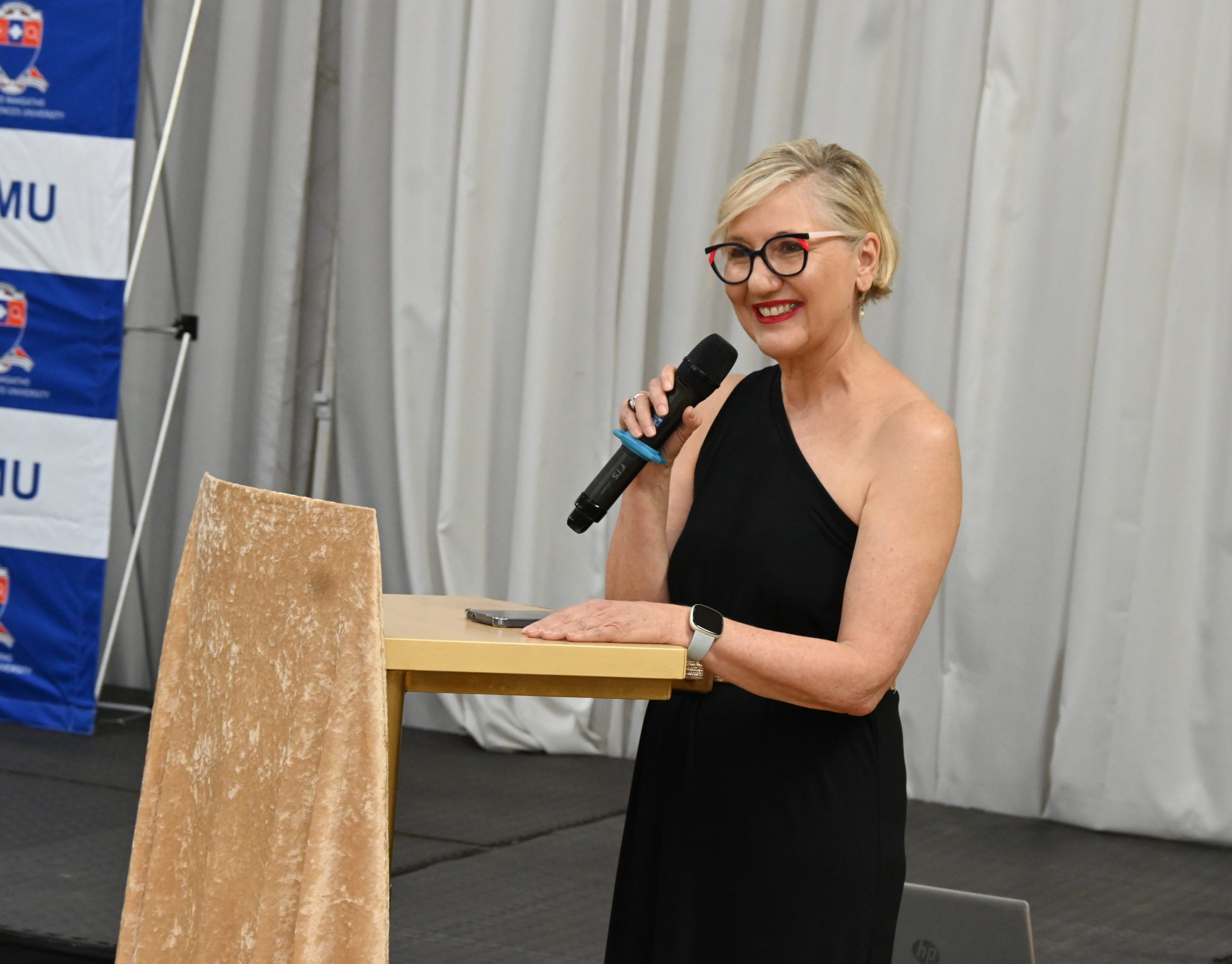 Professor Gray also highlighted MeCRU’s involvement in vaccine development, particularly its role as a research site for the Phase III Paediatric COVID-19 Vaccine Study conducted in partnership with the Numolux Group and Sinovac Biotech.
“When the world needed answers, MeCRU was ready,” she said. “Its work during the pandemic demonstrated both scientific capacity and compassion for the communities it serves.” Bringing the evening to a close, Professor Maphoshane Nchabeleng, MeCRU’s founding leader and Site Principal Investigator, reflected on the unit’s 20-year journey.
“When MeCRU was established, our goal was to conduct world-class research that would benefit the people of South Africa,” she said. “We began with a small team and limited resources, but we were driven by passion, purpose, and the belief that science could make a real difference.”
Professor Nchabeleng said the road had not been easy, but the results spoke for themselves. “Over two decades, MeCRU has grown from strength to strength — contributing to global clinical trials, building capacity, and earning the trust of our communities,” she said.
She took a moment to thank all those who had made MeCRU’s success possible. “To our dedicated staff, research partners, funders, and collaborators — thank you for believing in our mission,” she said. “Your hard work, resilience, and shared commitment have sustained MeCRU through every challenge. This achievement belongs to all of us.”
As guests toasted the milestone, the atmosphere was filled with pride and reflection. MeCRU’s story is one of perseverance, partnership, and progress — a testament to what can be achieved when science and humanity come together.
From its early beginnings to its current position as a leader in ethical, community-based research, MeCRU’s 20-year legacy stands as a source of inspiration for SMU and the broader scientific community — a promise that the next 20 years will be defined by even greater innovation and impact.
By Dimakatso Modise
by Lorato | Nov 6, 2025 | All News, SMU Media, Student Media
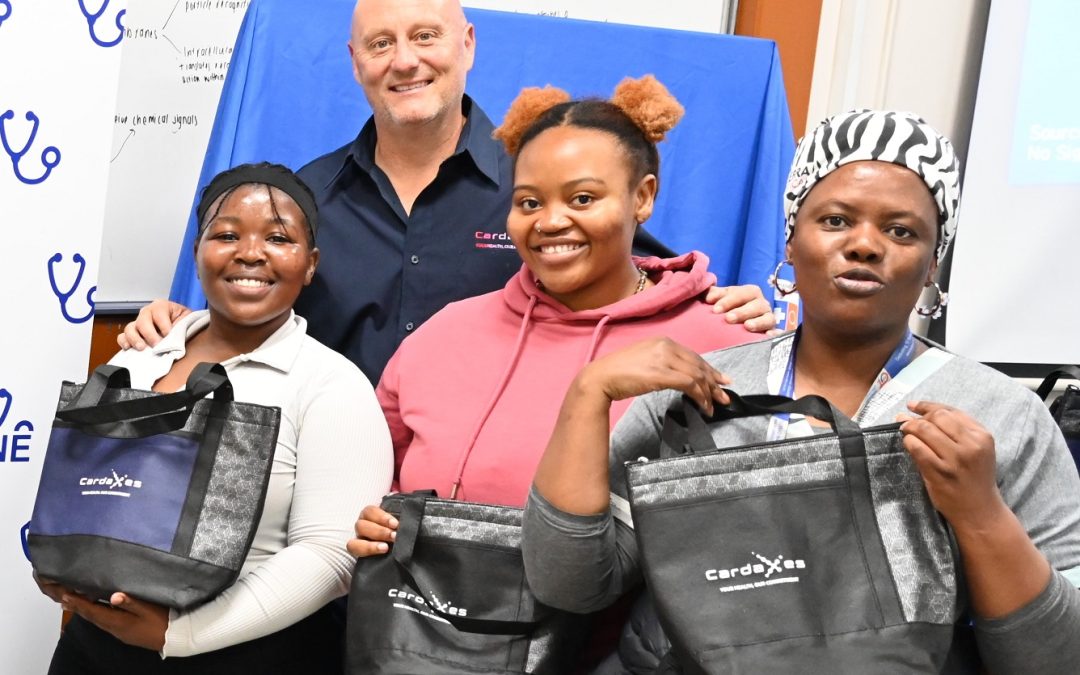
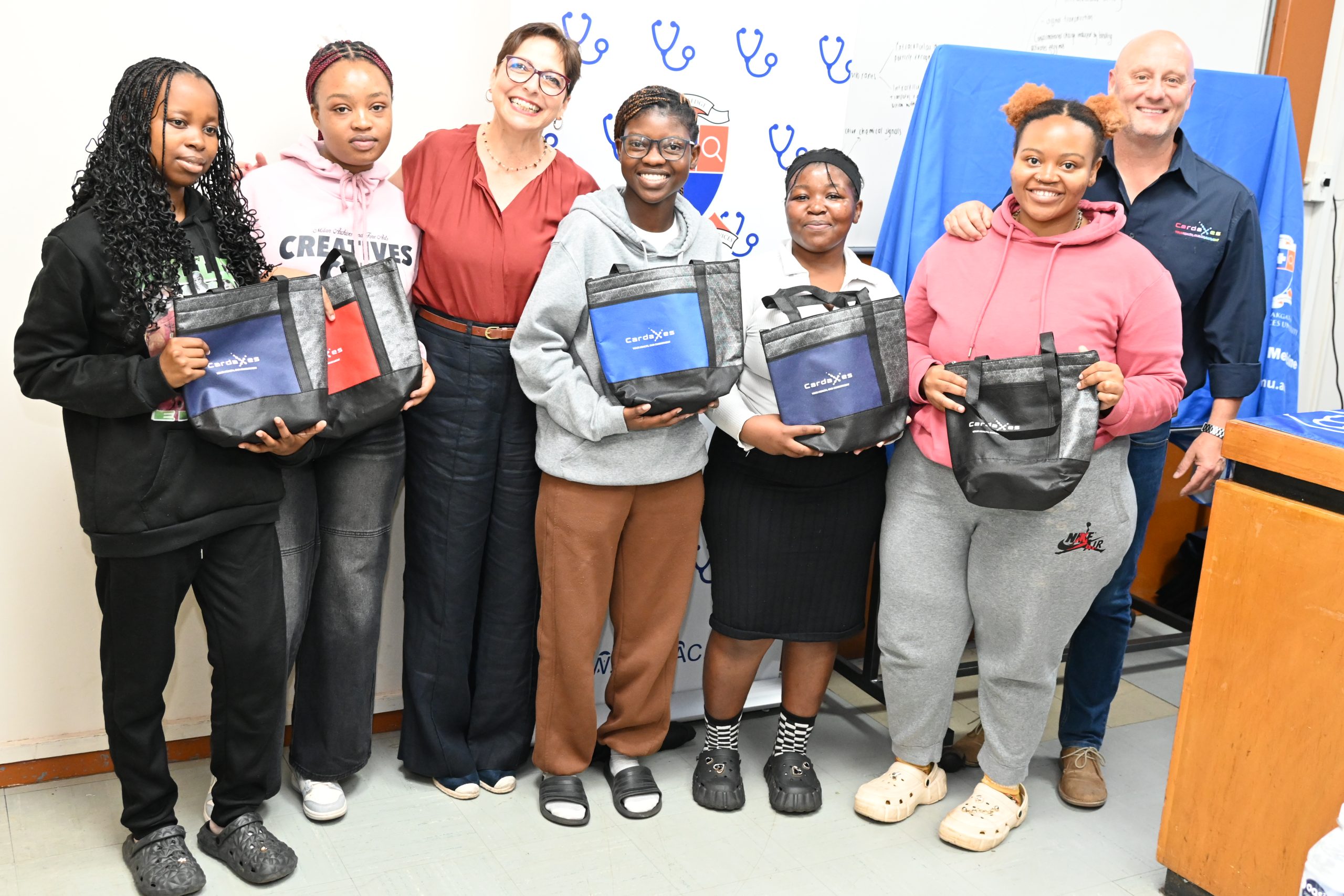
Sefako Makgatho Health Sciences University (SMU) Radiography students received an inspiring show of support from CardaXes, a company at the forefront of Cardiology, Neuro Intervention, Radiology, and Peripheral Vascular technology. The visit formed part of CardaXes’s ongoing drive to strengthen healthcare education and patient care through training, mentorship, and practical support.
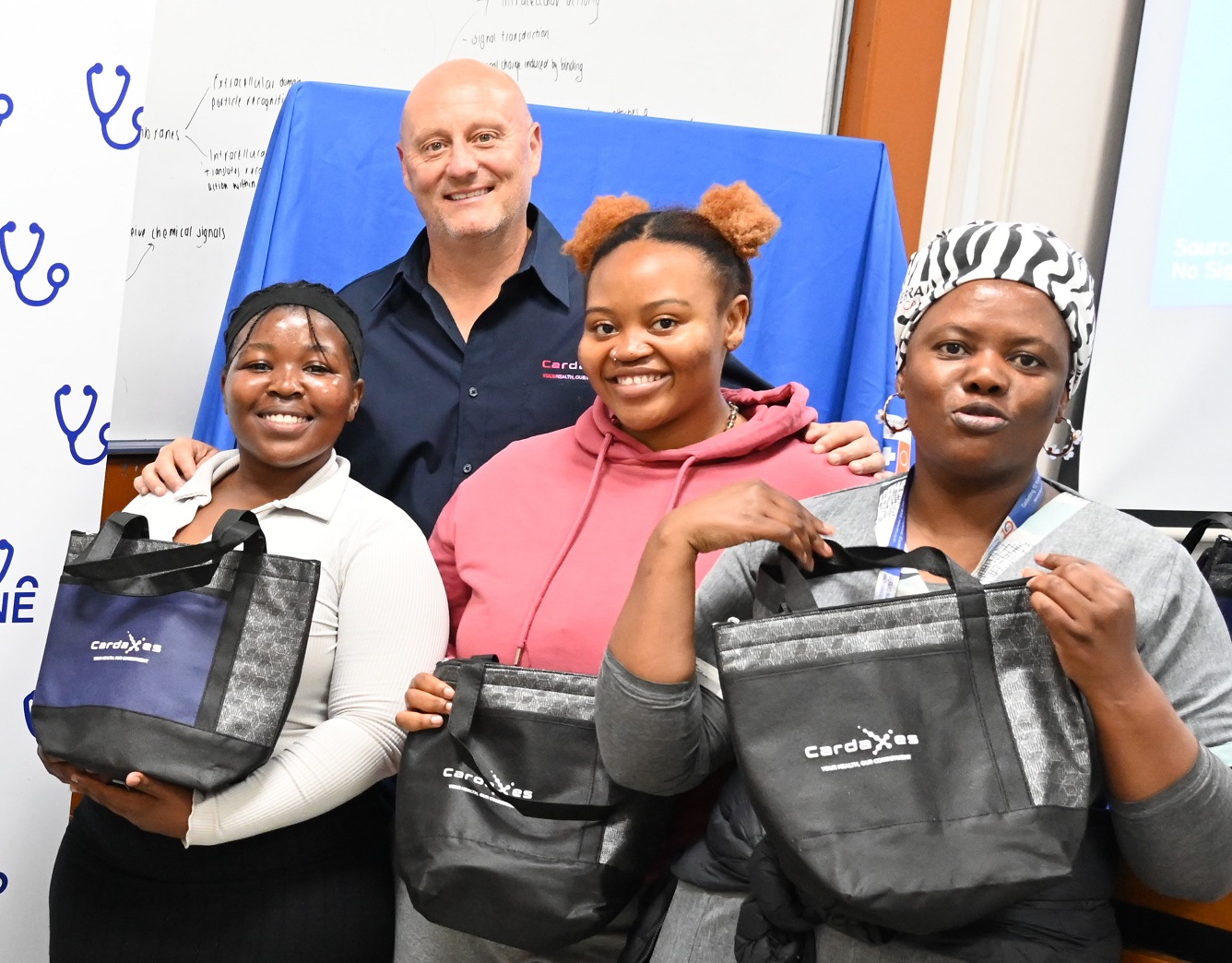 CardaXes representatives visited the Radiography Department to donate lead markers—essential tools for clinical practice—and to motivate students preparing for their final examinations. The gesture, complete with gifts and words of encouragement, highlighted the private healthcare sector’s recognition of young professionals entering the field.
“Our purpose goes beyond technology,” said Marlene Birkholtz, Sales Representative at CardaXes. “We’re committed to supporting the next generation of healthcare professionals. By donating lead markers and engaging with students, we hope to boost their confidence as they approach their exams and future careers. Investing in students today ensures better healthcare tomorrow.”
The department welcomed the contribution with heartfelt appreciation. Portia Tebogo Baloyi, part-time lecturer and clinical tutor, described the donation as both practical and symbolic. “These lead markers represent more than equipment—they’re an investment in our students’ training. CardaXes went further by meeting them personally, offering encouragement and reminding them that their efforts are valued. It lifted morale at a crucial time.”
Lead markers are vital in radiography, helping practitioners ensure accuracy and uphold professional standards in imaging. For students, access to such tools sharpens their technical skills and builds clinical confidence—an essential foundation for their professional growth.
 “This partnership reflects our belief in education and mentorship,” Birkholtz added. “We hope our contribution inspires students to keep striving for excellence and assures them that the healthcare industry stands behind them.”
Students were equally moved by the visit. Bachelor of Diagnostic Radiography first year student Bophelo Seroma remarked, “It wasn’t just about the gifts—it was about being seen and supported. Having professionals take time to motivate us before exams renewed our confidence and drive.”
Collaborations like this reinforce SMU’s mission to produce skilled, compassionate healthcare practitioners ready to meet real-world challenges. Partnerships with industry leaders such as CardaXes bridge the gap between classroom learning and clinical application, exposing students to the expectations and values of the healthcare environment.
Baloyi emphasised the importance of such engagements: “When companies invest in our students, they invest in the future of healthcare. CardaXes’s visit was inspiring, educational, and deeply appreciated. It strengthened our commitment to preparing graduates who are competent, confident, and compassionate.”
The SMU Radiography Department expressed sincere gratitude to CardaXes for their generosity and commitment to student development. The company’s contribution not only equipped students with essential tools but also reinforced the value of collaboration, innovation, and shared purpose in advancing healthcare education.
As SMU continues to build partnerships that empower its students, the encouragement and resources from CardaXes will remain a powerful reminder that the future of healthcare is built through shared effort and genuine investment in people.
By Dimakatso Modise