by Lorato | Feb 5, 2026 | Accolades and Achievements, All News, Alumni, SMU Media, Student Media
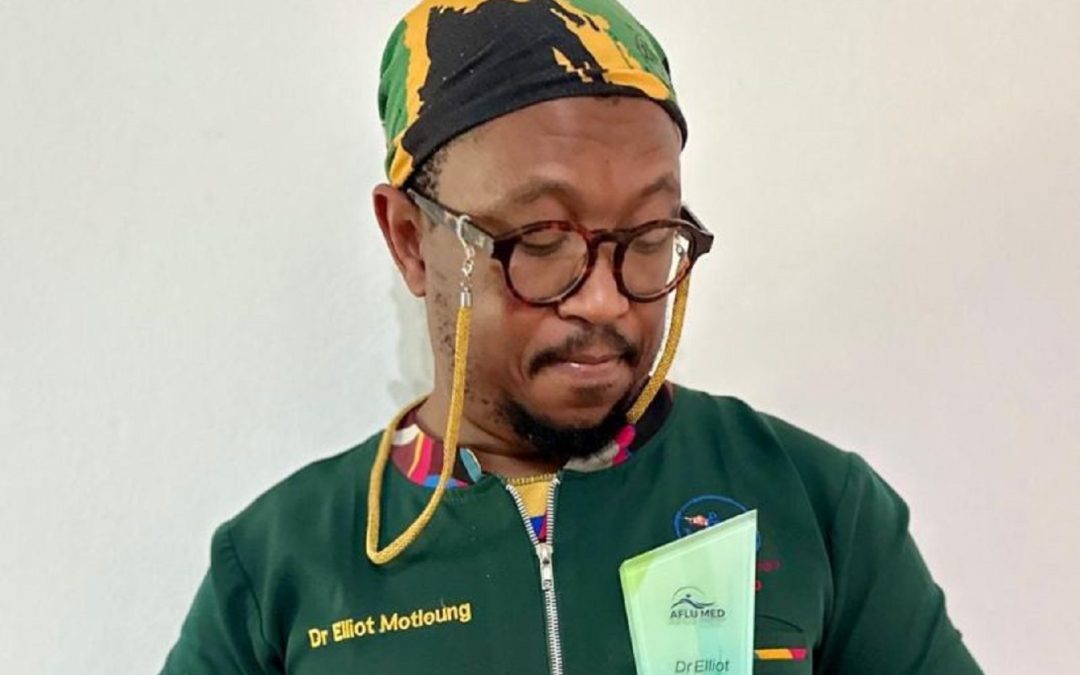
Aflu Med Healthcare has named Dr Elliot Motloung, Head of the Department of Paediatric Surgery at Sefako Makgatho Health Sciences University (SMU), as its 2025 Digital Healthcare Champion, recognising a clinician whose work is changing how paediatric surgery is taught, delivered and accessed across South Africa.
 The award celebrates leadership that converts innovation into real-world impact. Dr Motloung’s career does exactly that. Known for decisive action in high-stakes clinical environments, he has built a body of work guided by a clear conviction: healthcare must be excellent, equitable and built for the future.
Aflu Med Healthcare is a South African health-technology company delivering integrated digital and mobile solutions to improve healthcare delivery and access. Its HealthSpace Ecosystem provides a centralised electronic health record and practice management platform that supports telehealth, clinical workflows, patient engagement, and data-driven decision-making. The company also offers business development support to healthcare providers and deploys mobile clinics that extend primary healthcare and outreach services into underserved communities.
At the centre of Dr Motloung’s impact is surgical education. He pioneered South Africa’s first Neonatal Surgical Skills Course, developed in partnership with the University of Oxford. Using simulation-based training, the programme equips surgeons with critical neonatal skills before they enter the operating theatre.
“In neonatal surgery, preparation is everything,” Dr Motloung said. “Simulation allows surgeons to build confidence and competence without placing patients at risk. That shift saves lives.”
The course has set a new national benchmark, enhancing patient safety in a discipline where the margin for error is razor-thin.
Access to care is another defining pillar of his work. Determined that geography should not dictate survival, Dr Motloung played a key role in establishing public paediatric surgical units in underserved provinces, including Limpopo and Mpumalanga. These facilities have reduced the burden on families who previously travelled long distances for specialist treatment.
“No child should suffer because care is too far away,” he said. “Bringing services closer to communities changes outcomes—and dignity.”
Clinically, Dr Motloung is widely respected for his expertise in minimally invasive thoraco-abdominal surgery, paediatric trauma and advanced laparoscopic techniques. These approaches reduce pain, shorten hospital stays and speed up recovery—critical benefits for children and overstretched health systems alike.
What truly distinguishes Dr Motloung, however, is his purpose. Shaped by first-hand exposure to healthcare inequity, his mission is rooted in service to rural and marginalised communities. He has translated that commitment into a clear, scalable blueprint for paediatric surgical care that reaches beyond urban centres.
Alongside his clinical leadership, he is an influential academic mentor. Through structured training programmes and hands-on supervision, he is developing the next generation of paediatric surgeons, strengthening surgical capacity nationally and regionally.
“Training people is how impact multiplies,” Dr Motloung said. “If we invest in skills today, patients benefit for decades.”
In naming Dr Motloung as the 2025 Digital Healthcare Champion, Aflu Med Healthcare recognises a leader who does not merely respond to change—he drives it. His work continues to raise standards, inspire clinicians and reshape health systems, proving that true progress in healthcare is measured not by innovation alone, but by lives improved and futures secured.
By Tumelo Moila
by Lorato | Jan 30, 2026 | All News, SMU Media, Student Media
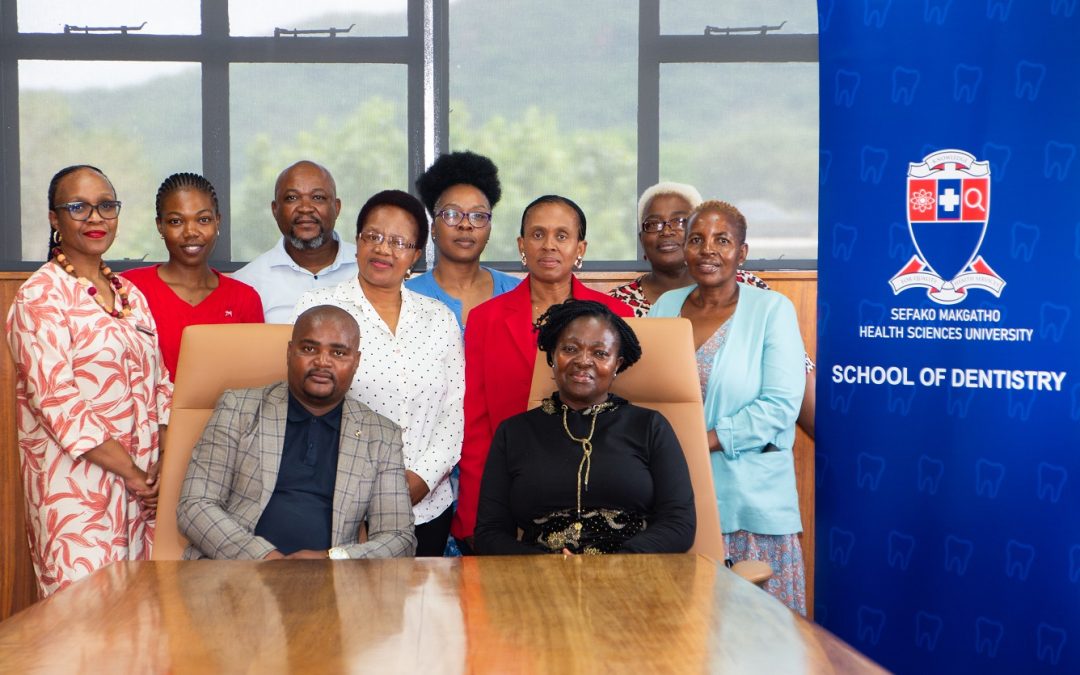
Sefako Makgatho Health Sciences University (SMU) and the University of Eswatini (UNESWA) have taken a decisive step towards strengthening dental education in Southern Africa through a series of reciprocal benchmarking visits designed to sharpen programme delivery, enhance academic collaboration, and build long-term regional partnerships.
 In an era where clarity, relevance, and impact matter more than ever, both institutions approached the exchange with a clear purpose: improve programme quality, accelerate student development, and open meaningful pathways for clinical training and mobility. The visits were structured to deliver immediate value — not abstract intentions — and to lay the groundwork for sustained cooperation.
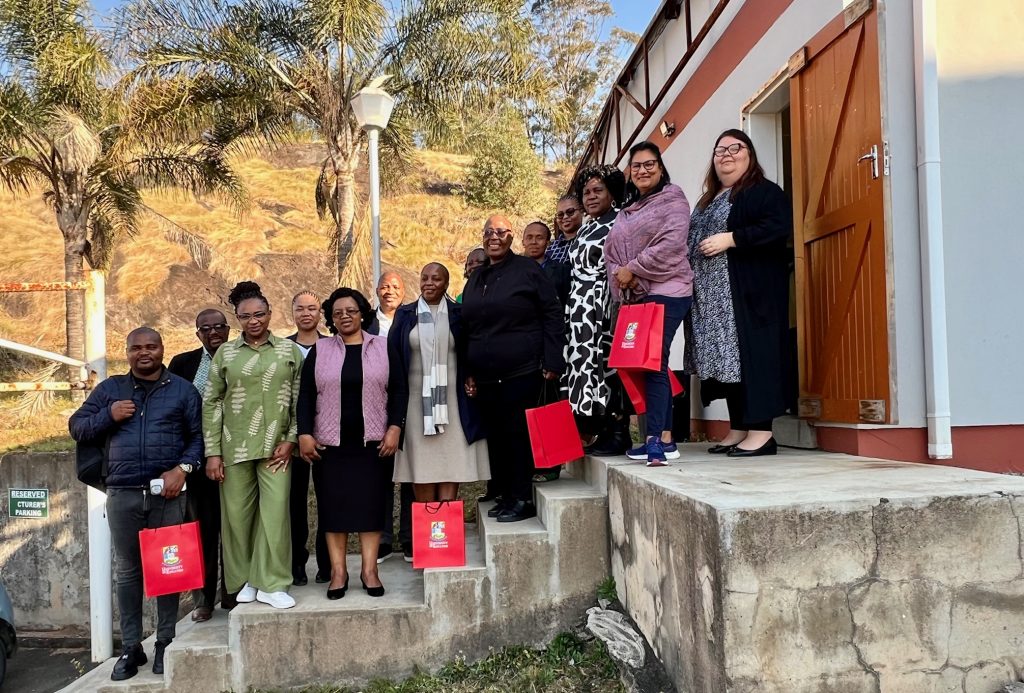
The collaboration began when SMU’s School of Dentistry supported UNESWA in designing and refining its new dental programme, offering guidance on curriculum development, module outcomes, and the practical competencies required of a modern dental graduate. Earlier this year, an SMU delegation led by Acting Deputy Vice-Chancellor for Academic and Research, Prof Dini Mawela, travelled to Eswatini to review UNESWA’s newly accredited programme.
The visit included an on-site evaluation of facilities, discussions on community-based learning, and detailed engagements on SMU’s clinical training model. Prof Mawela was joined by senior staff members Prof Irene Munzhelele, Dr Sandeepa Singh, Gracia Malaka, Kelebogile Mothupi, and Director of Internationalisation, Dr Carlien Jooste, who each contributed expertise from their respective specialisations.
Their message was clear and direct: regional collaboration is a strategic investment that raises educational standards for all institutions involved.
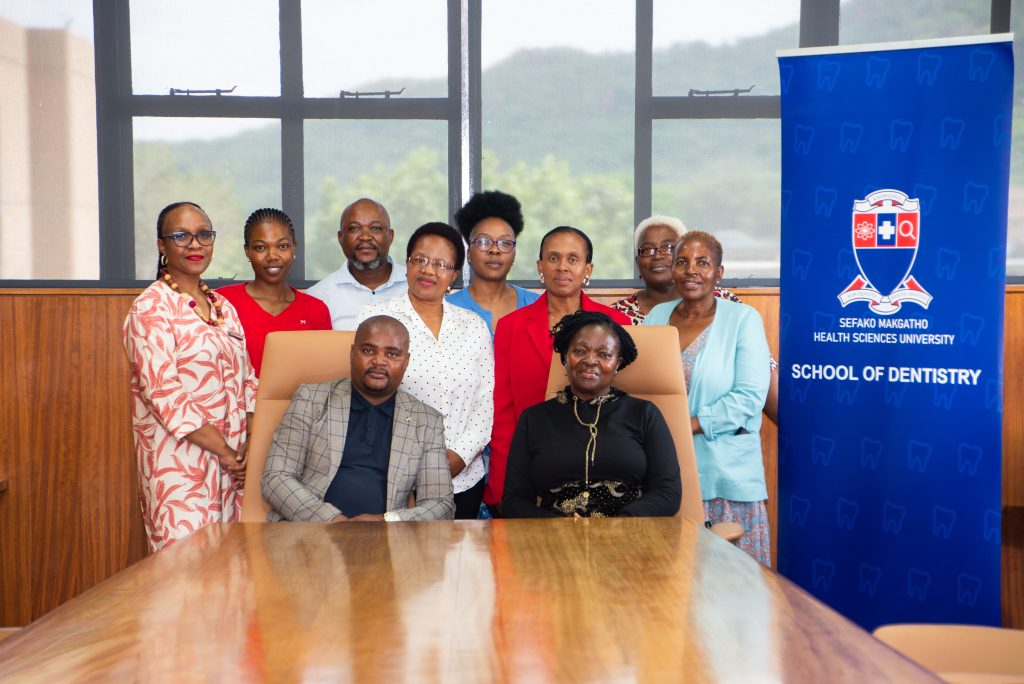
 On 2 December 2025, the partnership advanced significantly when a UNESWA delegation undertook a return visit to SMU’s School of Dentistry to deepen discussions and benchmark SMU’s clinical and academic infrastructure. The delegates were welcomed by the Acting Head of Department for Dental Therapy and Oral Hygiene, Gracia Malaka, representing the Acting Dean, Prof Irene Munzhelele.
To ensure the exchange programme is both practical and sustainable, UNESWA’s delegation — led by Prof Tengetile Mathunjwa-Dlamini — outlined three immediate priorities: finalising the recruitment process for participating students, identifying suitable accommodation and infrastructure needs, and strengthening operational plans for long-term collaboration.
Prof Mathunjwa-Dlamini stressed that the visit was not a ceremonial gesture but a call to action: “We are here to formalise our partnership and ensure that our plans translate into real opportunities for our students and staff.”
Malaka reinforced this focus on implementation. He highlighted the regulatory requirements that all participating students must fulfil, including registration with the Health Professions Council of South Africa (HPCSA) and compliance with South Africa’s professional training standards for foreign students — a crucial step in ensuring patient safety, academic credibility, and ethical practice.
The meeting concluded with a guided tour of SMU’s clinical facilities and the state-of-the-art Skills and Simulation Centre, where UNESWA representatives observed SMU’s approach to hands-on training, assessment, and clinical preparedness.
Both universities described the exchange as the beginning of a confident new phase of academic cooperation — one defined by precision, urgency, and a shared commitment to producing highly skilled dental professionals for the region.
by Lorato | Jan 30, 2026 | Accolades and Achievements, All News, Alumni, SMU Media, Student Media
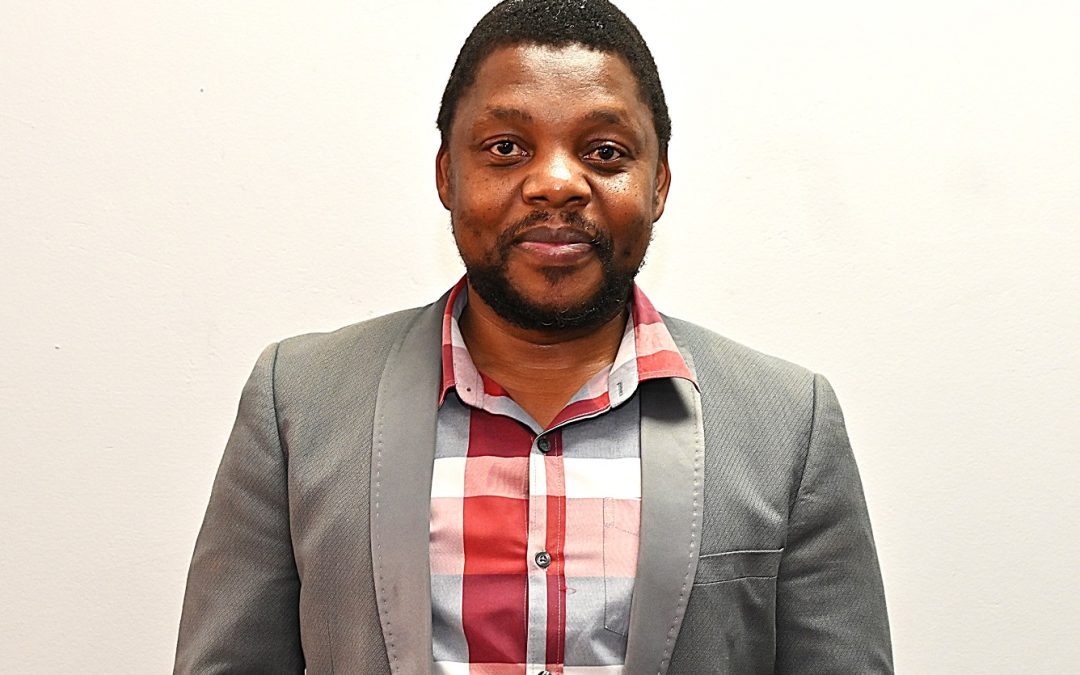
Sefako Makgatho Health Sciences University (SMU) continues to strengthen its research footprint on the global stage, as two of its distinguished chemistry professors—Professor Tshwafo Motaung and Professor Phumlani Mdluli—take the helm as Guest Editors of a Hot Topic Collection in Springer Nature’s Discover Applied Sciences. The newly launched Collection, Chemistry: Sustainable Materials and Circular Economy: Innovations in Biomass, Water Treatment, and Renewable Energy, is now open for submissions until 31 August 2026.
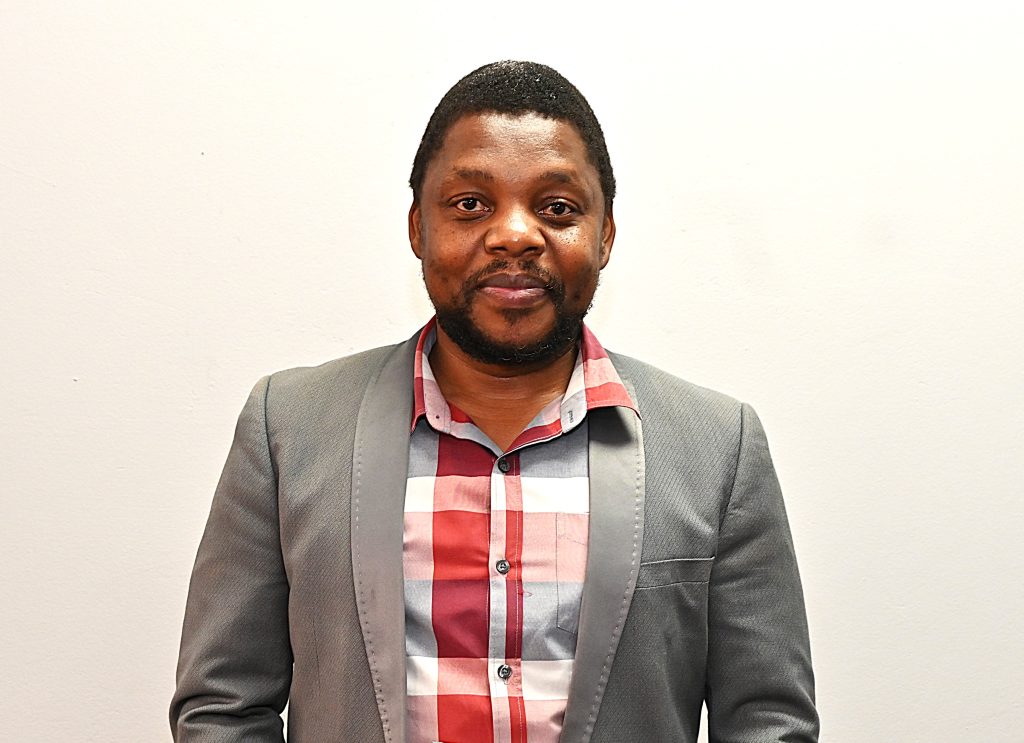 Both professors bring deep expertise and bold research visions to a platform read by hundreds of thousands of researchers worldwide. Their leadership elevates SMU’s profile while guiding a global discussion on how applied chemistry can deliver real environmental solutions.
Professor Motaung, an expert in organic polymer chemistry, nanocomposites, and waste-stream innovation, emphasised the urgency of the work ahead. “We cannot afford slow science in a fast-changing world,” he said. “Our goal is simple: convert knowledge into innovations that make a measurable difference to people, industries, and the environment.” Known for his commitment to translating scientific and indigenous knowledge into high-impact solutions, he believes Africa has a critical role to play in global sustainability efforts.
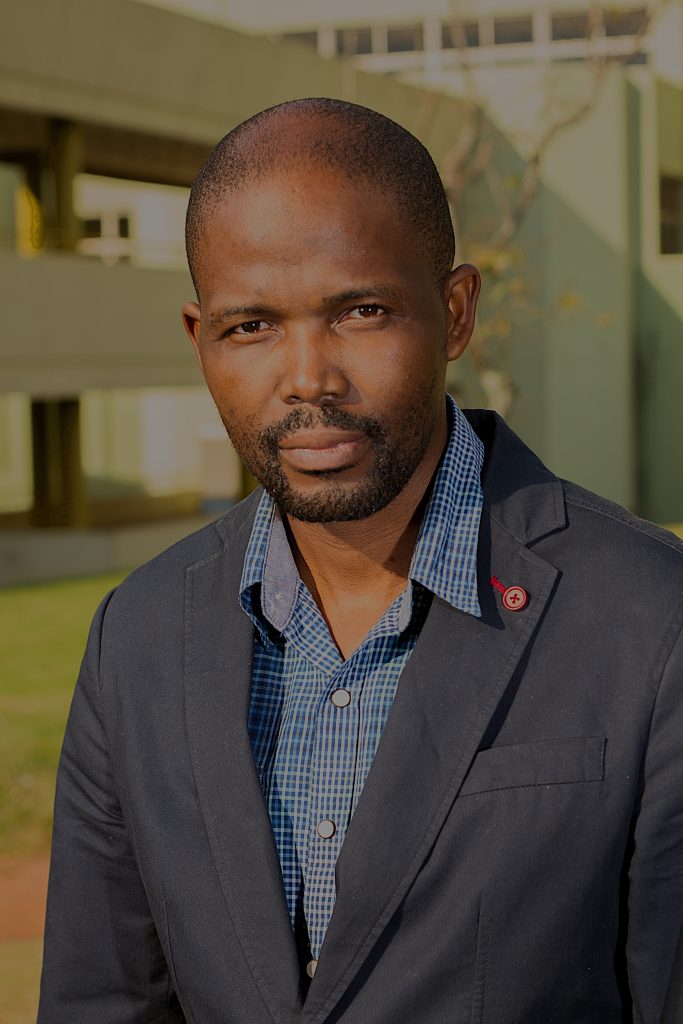 Professor Mdluli, whose research focuses on nanomaterials for diagnostics, water treatment, and renewable energy, highlighted the Collection’s emphasis on practical relevance. “This isn’t just about publishing research—it’s about accelerating technologies that can be deployed in real communities,” he explained. “Chemistry has the power to reshape how we use resources, recover waste, and build a circular economy.” He added that integrating molecular modelling into applied research will help scientists design smarter, more efficient materials.
Springer Nature has welcomed the collaboration, noting the important stewardship role played by editors. Yidan Xu, Managing Editor at Discover Applied Sciences, said: “Editors are the guardians of quality. We rely on experts like Professors Tshwafo and Mdluli to uphold rigorous standards and guide impactful research to publication. Their leadership strengthens the trust our authors and readers place in us.”
The Hot Topic Collection arrives at a crucial moment. As nations face mounting pressure from climate change, water scarcity, and energy demand, applied chemistry offers a pathway to scalable, science-driven solutions. The Collection spotlights innovations in biomass utilisation, pollutant degradation, polymer and composite development, catalytic materials, and pilot-scale demonstrations that bridge laboratory discoveries with industry and community application.
By emphasising translational value, the Collection seeks to inspire work that delivers real-world impact. It also contributes to several United Nations Sustainable Development Goals, including SDG 6 (Clean Water and Sanitation), SDG 7 (Affordable and Clean Energy) and SDG 9 (Industry, Innovation and Infrastructure).
Discover Applied Sciences—a multidisciplinary open-access journal with more than 4.9 million downloads in 2024—offers rapid processing, with a median submission-to-decision time of just 14 days. Researchers contributing to the Collection will benefit from high visibility and a global readership.
As Motaung concluded, “This is more than a scholarly Collection—it’s a call to action for chemists worldwide.”
By Tumelo Moila

by Lorato | Jan 30, 2026 | All News, SMU Media, Student Media
Sefako Makgatho Health Sciences University has moved from policy to practice with the launch of its first multilingual podcast studio, signalling a decisive commitment to linguistic inclusion. The initiative positions language not as symbolism, but as infrastructure for learning, belonging and transformation.
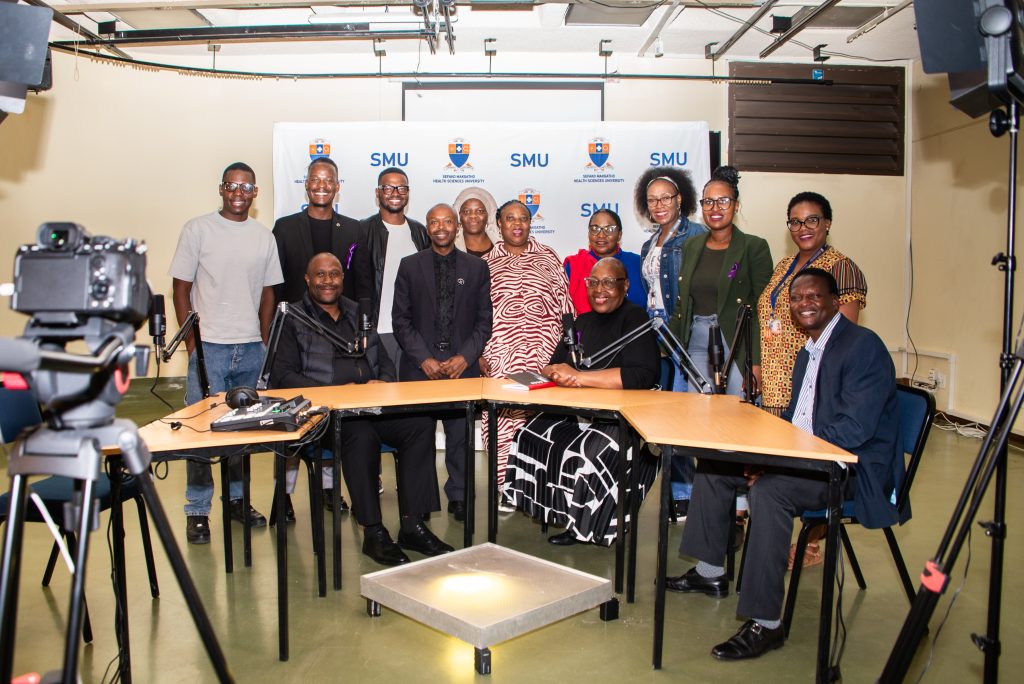 The studio, unveiled by the SMU Language Policy Committee, marks a milestone in the University’s multilingual journey. Equipped with new podcasting technology, the facility provides a platform to elevate African languages, simplify academic conversations and amplify voices across campus.
The project is anchored in the SMU Language Policy, which treats multilingualism as a strategic asset. The policy recognises that language diversity strengthens teaching and learning, reinforces social cohesion and accelerates institutional change. The podcast studio operationalises these goals, turning strategy into daily practice.
Speaking in the inaugural episode, Acting Deputy Vice-Chancellor for Academic and Research Professor Dini Mawela described multilingualism as central to SMU’s identity and future direction. She stressed that language is not optional, but essential to connection, innovation and relevance in a health sciences university serving a diverse society.
“Multilingualism is a powerful tool for connectivity within our community,” she said, adding that language carries both identity and authority. Her message was reinforced by contributions from Professor Douglas Maleka, Dean of the School of Health Care Sciences, and Professor Patrick Demana, Dean of the School of Pharmacy, who echoed the academic and social value of inclusive communication.
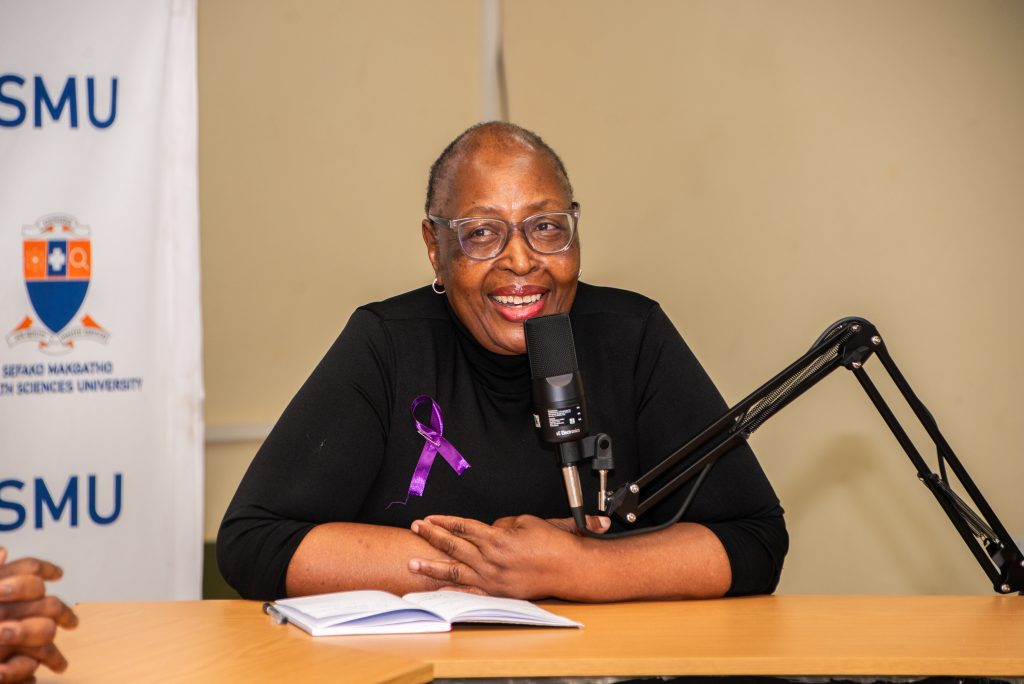 More than a ceremonial launch, the podcast is designed as a working resource. It will host discussions, educational content and cultural storytelling in multiple languages, targeting students, academics, researchers and professional staff. By doing so, it aims to reduce barriers to understanding, promote belonging and model multilingual teaching.
The studio is housed within the Medical Illustrations and Audio Visual Services department and will function as a shared institutional resource. While the Language Policy Committee’s work will take priority, staff, students and contributors will be able to request access through the committee, reinforcing an open ethos.
Podcast hosts are yet to be appointed, as the initiative remains in its stakeholder alignment phase. However, clear criteria have been set. Hosts will be expected to demonstrate bilingual or multilingual ability, familiarity with university life, confidence in public engagement and a commitment to linguistic inclusion. Different series may feature different hosts, aligned to themes such as student life, human resources or research.
Broadcasting is expected to begin once production is finalised, guided by a 2026 content calendar. Current planning proposes weekly episodes, released on Wednesdays at midday. Content will be accessible through the SMU website and YouTube, ensuring reach beyond campus.
Guest selection will prioritise balanced representation, academic relevance and social impact, with preference for contributors able to engage in African languages. Through this approach, the podcast will reflect South Africa’s linguistic reality while advancing academic excellence.
As the committee noted, SMU is no longer speaking about multilingualism. It is giving it a voice and ensuring that voice is heard.
By Tumelo Moila

by Lorato | Jan 30, 2026 | All News, SMU Media, Student Media
Gauteng province has taken a step to tighten the bond between government and higher education with the signing of a landmark Umbrella Memorandum of Understanding between the Office of the Premier and the province’s seven publicly funded universities. The agreement signals a shift from consultation to execution, placing research, data and innovation at the centre of provincial decision-making.
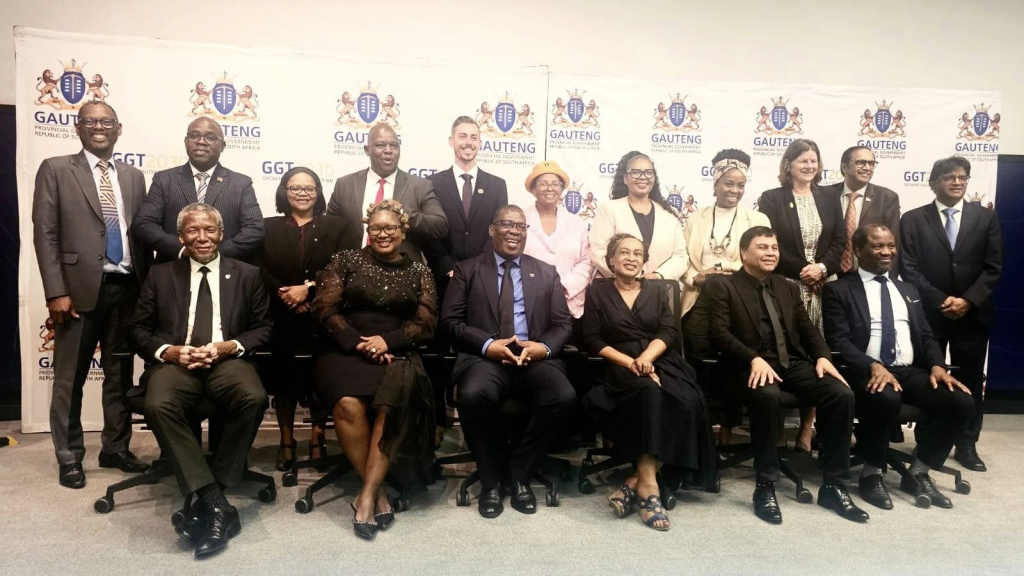
 The signing ceremony, hosted by the Office of the Premier, brought together Vice-Chancellors, senior academics and Members of the Executive Council responsible for key portfolios including Health, Social Development, Agriculture and rural development, Infrastructure and Cooperative Governance. Premier Panyaza Lesufi led the proceedings, underscoring the urgency of aligning academic expertise with government priorities.
Sefako Makgatho Health Sciences University (SMU) featured prominently at the event, represented by Vice-Chancellor Professor Tandi Matsha-Erasmus, Dr Moreoagae Bertha Randa and Professor Olanrewaju Oladimeji. Their presence reinforced SMU’s role as a specialist health sciences institution positioned to support Gauteng’s transformation agenda.
The MoU launches a structured partnership under the provincial social compact, designed to mobilise all sectors behind shared goals. It reaffirms the Gauteng Provincial Government’s commitment to evidence-based policy, credible data and the ambition to build a globally competitive, data-led city region. Central to the agreement is a call for increased investment in research, innovation, digital governance, integrated data systems and artificial intelligence to improve public service delivery.
Opening remarks from senior officials stressed that the agreement is not symbolic. It is a commitment to joint action, shared accountability and measurable outcomes. Vice-Chancellors from all seven universities outlined their strategic directions, confirmed their support for the province and pledged to align research and teaching capacity with Gauteng’s development needs.
 Professor Matsha-Erasmus delivered a focused intervention that positioned SMU as a practical partner in health system strengthening. She highlighted the university’s priorities: producing work-ready health professionals, expanding clinical and public health research that informs policy, and deepening community engagement to improve population health. She emphasised that collaboration is not optional, but central to SMU’s identity and impact.
SMU committed its expertise across five areas: generating health data and evidence, driving innovation in health systems, delivering teaching and skills development, building policy-responsive research partnerships, and expanding community-based public health outreach. The university pledged full institutional support to ensure the MoU delivers tangible benefits.
In his keynote address, Premier Lesufi challenged universities to move faster from ideas to implementation. He reaffirmed the government’s policy priorities, highlighted the irreplaceable role of universities in building smarter public systems, and made it clear that success would be judged by results that improve citizens’ lives.
The MoU was formally signed by the Premier and the Vice-Chancellors of the SMU, Tshwane University of Technology, University of Johannesburg, the University of Pretoria, University of South Africa, University of the Witwatersrand and Vaal University of Technology.
According to the SMU Research and Innovation Director Prof Mapaseka Seheri, the agreement establishes a Joint Working Committee and lays the foundation for coordinated research agendas, efficient resource use and sustained collaboration. It positions Gauteng as a learning province and marks a move towards evidence-driven governance.
By Tumelo Moila

by Lorato | Jan 21, 2026 | All News, SMU Media, Student Media
Every day at Sefako Makgatho Health Sciences University (SMU), while future doctors, nurses, and scientists fill lecture halls and hospitals, there is another kind of leadership quietly at work. It is found in the hands that scrub, sweep, and sanitise—the hands that uphold the dignity of the campus and the safety of everyone who enters its gates. Among these is Rachel Molly Thongo, Acting Head of Cleaning Services, whose story represents not just her own but the countless women who sustain campus life through care and service.
 Born in Soshanguve and raised by a single mother, Thongo’s journey to leadership was shaped by resilience, humility, and purpose. “We were raised with love and respect,” she recalls. These values now underpin her management style, where compassion meets accountability, and every task, no matter how routine, is treated as essential.
Her professional story at SMU began in the campus cafeteria under a private catering provider. When SMU insourced its staff, Thongo joined the university officially, later transitioning to the Cleaning Services Department, a move she once resisted but has since embraced with pride. “At first, I struggled to accept it,” she admits. “But then I realised: without cleaning services, nothing else works.”
Today, as Acting Head of the Department, Thongo oversees scheduling, health and safety compliance, and operations across SMU’s expansive campus. Her leadership ensures that learning spaces, residences, and clinical areas remain clean, hygienic, and ready for the university’s daily life to unfold.
“We uphold SMU’s hygiene standards, and that directly supports its public image as a leading health sciences university,” she explains. “Our work keeps students, staff, and patients safe.” But beyond logistics, Thongo’s leadership is human. She believes in nurturing the people who sustain the university’s spaces. “A thank you, a half-day off—small things matter to people who work hard,” she says. Her approach was affirmed when she was selected by SMU’s Skills Development Office to attend supervisory training at the University of the Witwatersrand. “That made me feel seen,” she reflects softly.
Like many women in operational leadership, Thongo navigates daily challenges, from resource constraints to managing team dynamics. Yet, her loyalty to SMU remains firm. “This institution takes care of its people,” she says. “From study benefits to supporting our families—SMU offers more than a job. It offers dignity.”
Her message to other women in service roles is clear: “What we do matters. Without us, the university wouldn’t function.” Thongo’s story is not only her own. It is a tribute to every woman who arrives before dawn and leaves after dark to ensure that SMU remains a place of healing, learning, and progress. Together, they sustain the university—not with titles or accolades, but through their daily, often unseen, acts of care. At SMU, theirs are the hands that sustain campus. And they deserve to be honoured.
By Tumelo Moila
