by Lorato | Jan 8, 2026 | All News, SMU Media, Student Media
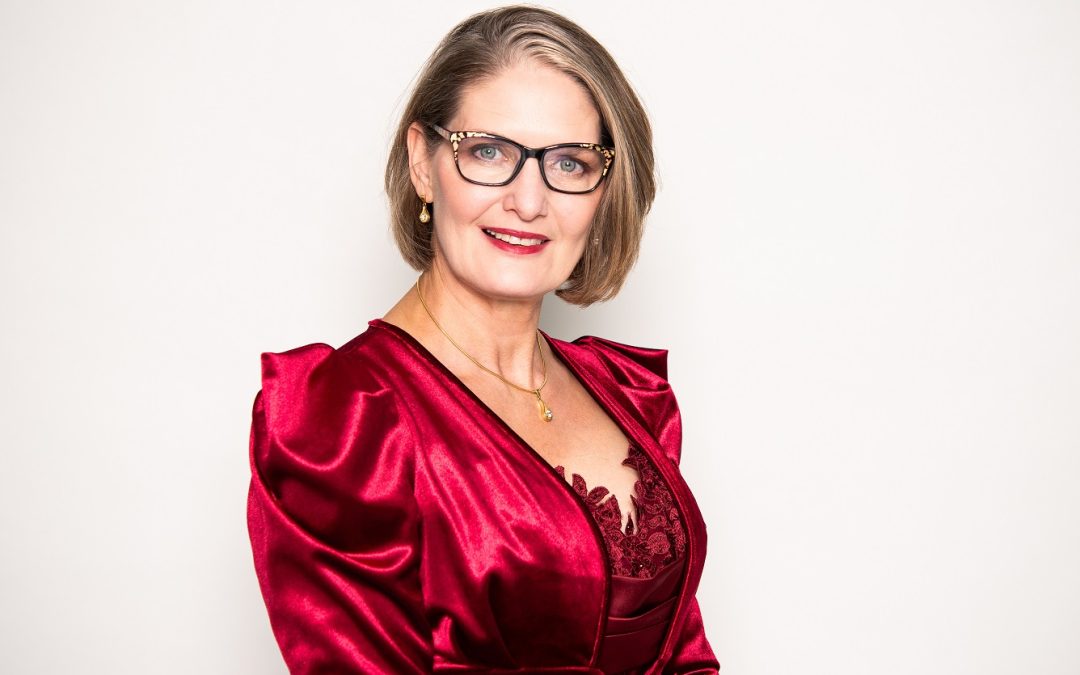
Professor Hyla Kluyts is spearheading one of the most ambitious health equity initiatives in South Africa. As Head of the Department of Anaesthesiology and Critical Care at Sefako Makgatho Health Sciences University (SMU) and Dr George Mukhari Academic Hospital, she recently launched the Bophelo Unit for Equity, Intelligence and Learning—a pioneering platform focused on embedding data into decision-making to improve perioperative care across under-resourced settings. Bophelo, meaning “life” or “health”, captures the unit’s mission to turn clinical data into system-level intelligence that can drive equitable outcomes.
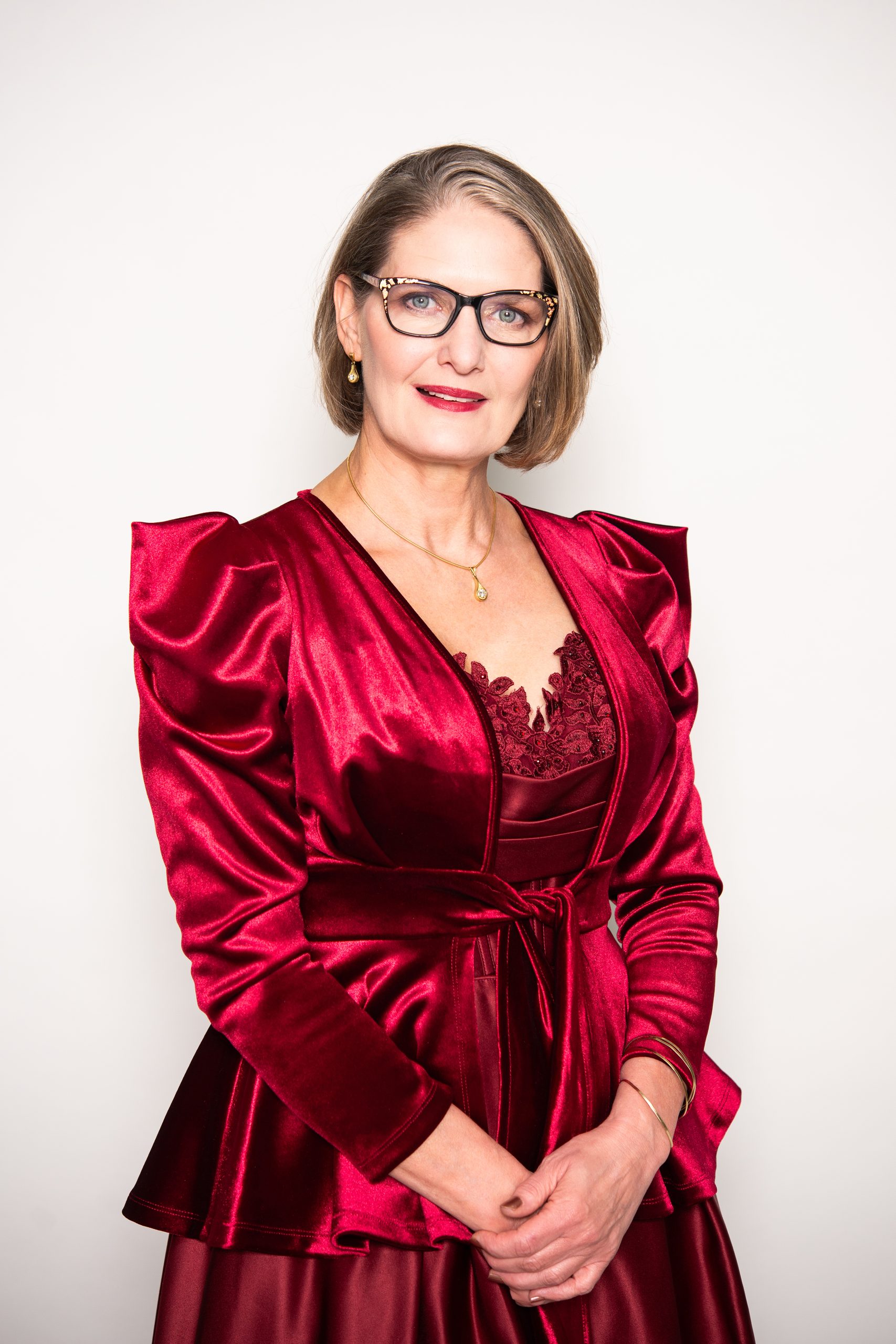 In her leadership role at SMU, Kluyts embodies the university’s mission to cultivate healthcare professionals who lead national conversations and innovations in health equity and systems transformation.
She is widely recognised for her leadership in anaesthesiology and for reshaping how surgical care is understood, delivered, and measured on the African continent. She is also the founder and Executive Director of Safe Surgery South Africa (SSSA), a non-profit company and public benefit organisation advancing the use of perioperative health data. In collaboration with the African Perioperative Research Group (APORG), she is creating a new research ecosystem that centres African voices and local evidence.
“Health equity cannot exist without data equity,” says Kluyts. “I’ve seen too many preventable deaths simply because no one was tracking outcomes.”
Appointed as South Africa’s first full Professor in Anaesthesiology—and the first woman to reach this milestone—Kluyts’s career has consistently broken new ground. Yet, she describes the achievement as “a lonely journey”, one that came after years of unrecognised effort. “If my experience helps clear the path for others, then it has been worthwhile. I hope to help build a culture where we celebrate each other’s success sincerely and loudly.”
Her early clinical career included leading the development of the intensive care unit at Kalafong Hospital, deepening her commitment to patient-centred systems. Her move into academia followed a deeply personal loss—she returned to the field with renewed clarity after losing twins to HELLP syndrome at the age of 38. “That grief brought me back with a sharper sense of purpose,” she says. Today, she balances her professional commitments with her role as a mother to two daughters, candidly noting, “Some days, patience as a parent is harder than perseverance as a professional.”
Kluyts’s leadership philosophy is grounded in presence, empathy and accountability. In high-pressure environments with limited resources, she believes that showing up—and truly listening—matters. “Trainees must learn, but they must also be protected. The system may be flawed, but people should never feel alone in it.”
Her doctoral research focused on clinical risk prediction in surgical patients, reinforcing her belief that data-driven systems can improve both care and outcomes. She is a consultant to the Clinical Services Unit of CareConnectHIE, South Africa’s first non-profit Health Information Exchange, and serves on the World Federation of Societies of Anaesthesiologists’ Safety and Quality of Practice Committee.
For young women, particularly from underrepresented backgrounds, Kluyts offers a firm message: “You belong in every room. Don’t wait for permission. Step in—and stay.” Her vision for South Africa’s healthcare future is clear: “A system that is just, intelligent and humane—where excellence and equity are not mutually exclusive but deeply intertwined.”
By Dimakatso Modise
by Lorato | Dec 12, 2025 | All News, Alumni, SMU Media, Student Media
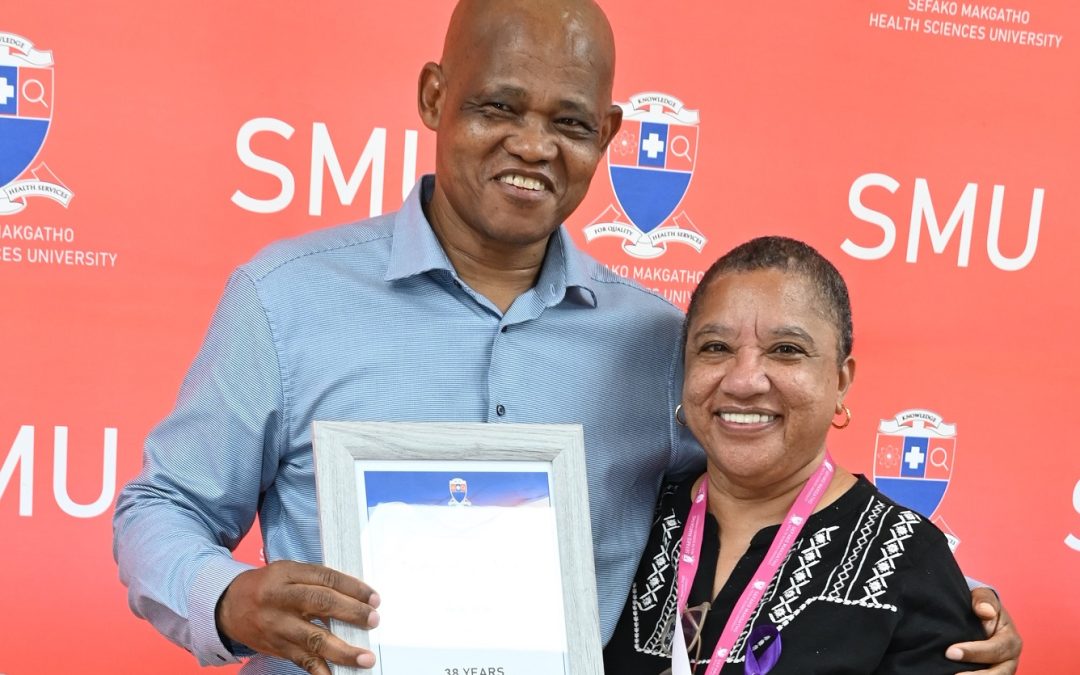
Jacob Monedi Lekabe’s distinguished journey from the humble streets of Thlabane Township, Rustenburg, to becoming a pillar of medical science and labour leadership at Sefako Makgatho Health Sciences University (SMU) epitomises dedication, intellectual rigour, and unwavering commitment to service. Reflecting on his early years, he recalls, “I grew up understanding the value of hard work and perseverance. My high school years at Rauwane Sepeng shaped my discipline and determination, and matriculating in 1979 was just the start of a lifelong journey of learning and service.”
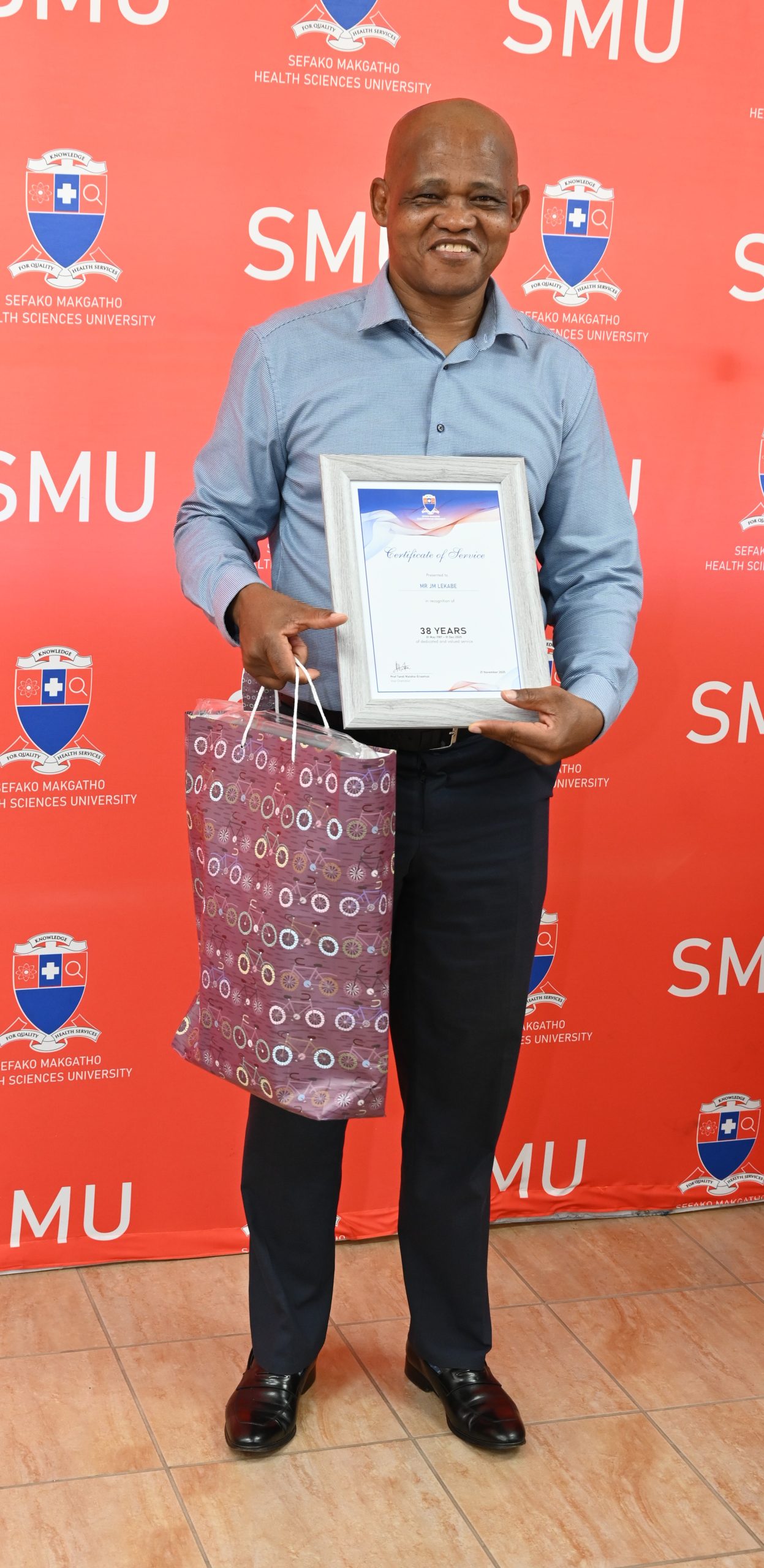 His professional odyssey began in earnest in May 1987 when he joined the then Medical University of South Africa (Medunsa) as a Medical Technologist in the Department of Haematological Pathology. Prior to this appointment, he trained extensively in Clinical Pathology, Microbiology, and Immunology—foundational expertise that would define his contributions to medical science over the next four decades. “Joining Medunsa was a dream come true,” he says. “The University gave me opportunities to grow professionally and academically, which I could not have imagined at the time.”
Over nearly forty years, Lekabe has cultivated a reputation for scientific excellence, mentorship, and leadership. Balancing full-time work with advanced studies, he completed his Bachelor of Science in 1994 and later a BSc Honours in Medical Sciences, specialising in Haematological Pathology, in 2012. “These academic milestones were crucial in enhancing my ability to contribute effectively to both clinical work and research,” he reflects.
One of the defining chapters of his career was his integral role in SMU’s Kidney Transplant Programme, where he performed Human Leucocyte Antigen (HLA) testing, immunological assessments, and related research between 1985 and 2005. “It was an intense and rewarding period,” Lekabe notes. “Knowing that our work directly influenced patient outcomes—and in many cases offered a renewed chance at life—was profoundly fulfilling.”
Beyond his scientific contributions, Lekabe has been an extraordinary mentor, guiding Intern Medical Scientists, Registrars, and BSc Honours students, particularly in quality assurance in medical laboratories. “Training the next generation of medical scientists was always close to my heart,” he says. “Seeing students grow in confidence and competence, and eventually become leaders themselves, is one of the most rewarding aspects of my career.”
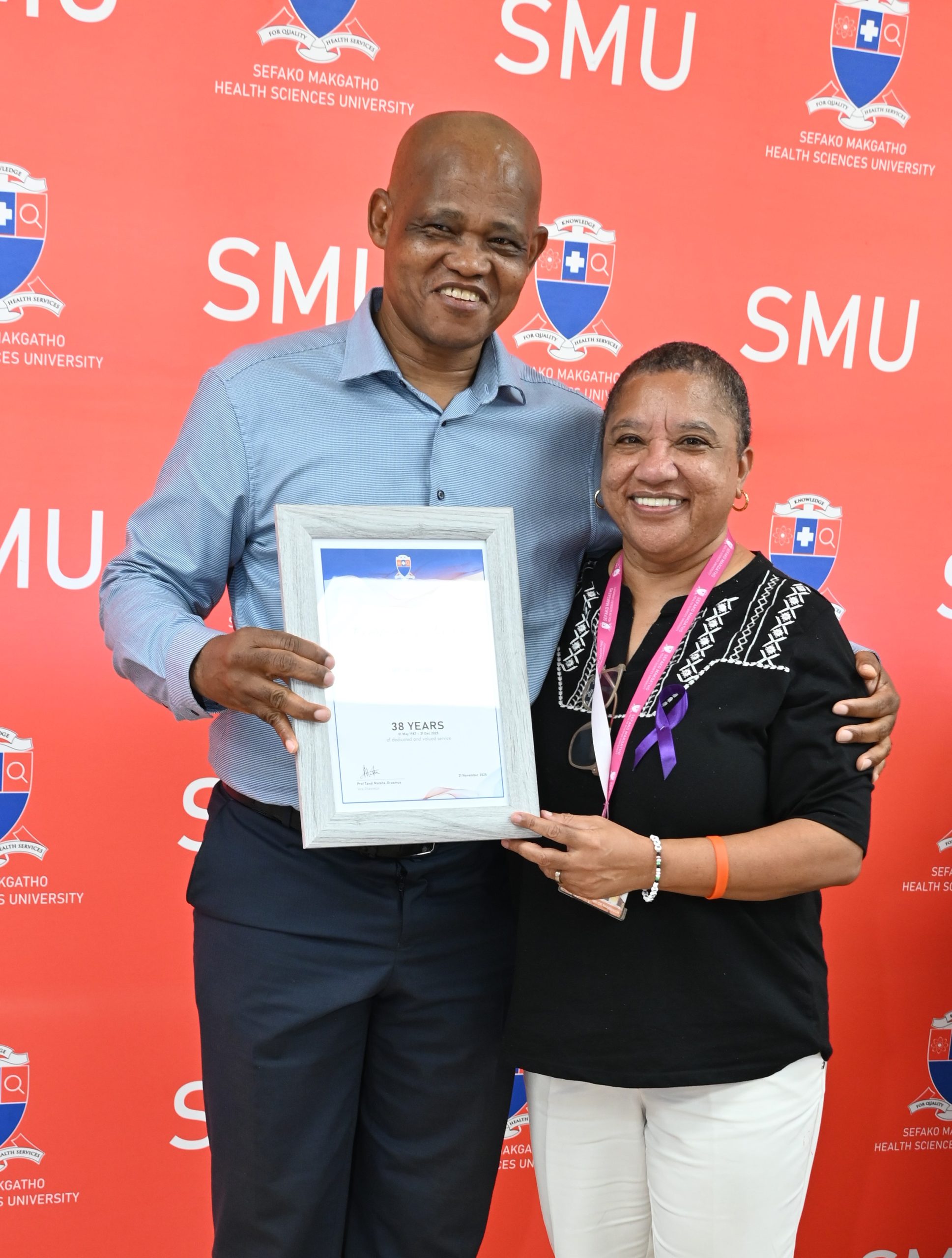 Parallel to his scientific and academic work, Lekabe has been a respected figure in labour leadership. Encouraged by Prof Vanessa Moodley, he actively participated in union matters and was appointed Chairperson of the South African Parastatal and Tertiary Institutions Union (SAPTU) in 2015, a role he continues to fulfil with distinction. “Being a union leader taught me the importance of dialogue, fairness, and collective responsibility,” he reflects.
As SMU honours his retirement, Odette Ramsingh, Acting Deputy Vice-Chancellor: Operations, paid tribute during the retirees’ celebration: “Mr Lekabe represents the very essence of dedicated, principled service. His integrity, calm leadership, and unwavering commitment to excellence have left an indelible imprint on SMU. We celebrate not only his decades of work, but the dignity and mentorship he has exemplified throughout his career.”
Looking back, Lekabe expresses profound gratitude for the institutions that shaped him—Medunsa, the University of Limpopo, and now SMU. “It has been nearly forty years of service, learning, and giving back,” he says. “I am grateful for every opportunity, every challenge, and every success. These experiences have shaped me not just as a professional, but as a person committed to making a meaningful difference.”
Lekabe’s legacy—anchored in scholarship, mentorship, and principled leadership—will continue to inspire colleagues, students, and the broader SMU community.
By Dimakatso Modise

by Lorato | Dec 11, 2025 | All News, SMU Media, Student Media
Sefako Makgatho Health Sciences University (SMU) hosted its prestigious 2025 Vice-Chancellor’s Excellence Awards at the Protea Hotel Fire & Ice! Menlyn, celebrating employees whose commitment, leadership and innovation continue to strengthen the University’s core mission. Held under the theme “Advancing the boundaries of knowledge: Excellence for Impact and Sustainability,” the ceremony brought together academic leaders, administrative and support staff, and external partners to honour individuals shaping the future of the institution.
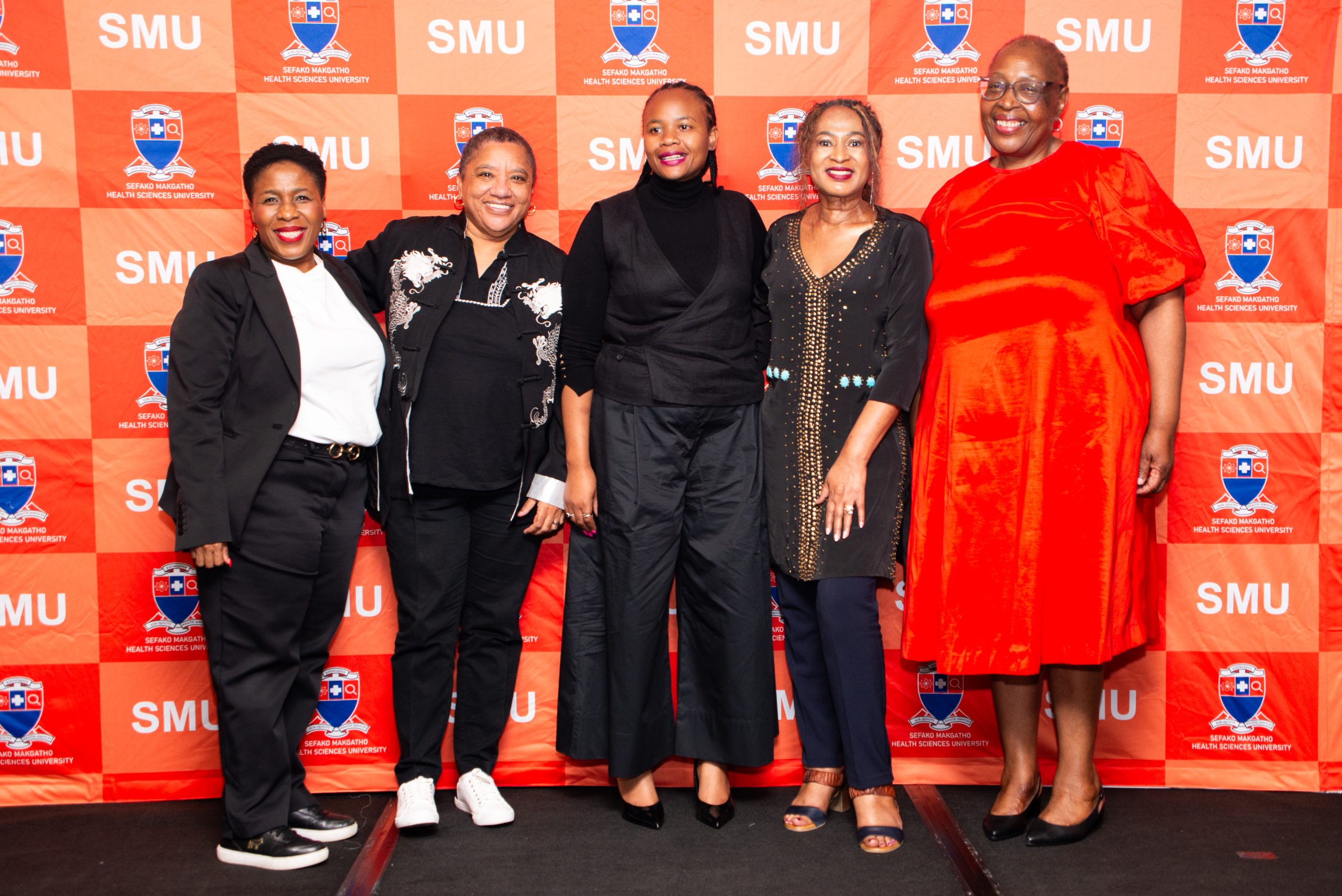 Delivering her opening address, the Vice-Chancellor, Professor Tandi Matsha-Erasmus, emphasised that excellence is a defining trait of SMU’s evolving identity. “Excellence at SMU is not a destination; it is a culture we build together,” she said. “Every staff member honoured tonight represents our commitment to transforming lives through education, research and service. Their contributions are the backbone of the University’s progress and our impact on society.”
Professor Matsha-Erasmus also highlighted the importance of service-driven leadership in a health sciences institution. “Our work must consistently reflect compassion, accountability and innovation. These award recipients remind us what it means to serve humanity with purpose.”
Dr Nasiphi Moya, the Executive Mayor of the City of Tshwane, a scholar and public policy practitioner, delivered the keynote address. Reflecting on her journey from student activism to municipal leadership, she encouraged staff to position excellence as a daily discipline. “Excellence requires courage,” she told the audience. “It is the willingness to refine your craft even when no one is applauding. Institutions like SMU thrive because individuals choose to show up, do the work and inspire progress.” Dr Moya further commended the University for nurturing a workforce committed to national development. “SMU is not only producing future health professionals; it is cultivating principled leaders who will shape our healthcare system and communities.”
The evening’s honours included awards in administrative support, teaching and learning, leadership, client service and innovation. Among the recipients was Naledi Mathole, Coordinator of the Economic Activation Office, who received the Award for Outstanding Leadership and Professionalism. Under her stewardship, the SMU Enactus team won national recognition for social innovation.
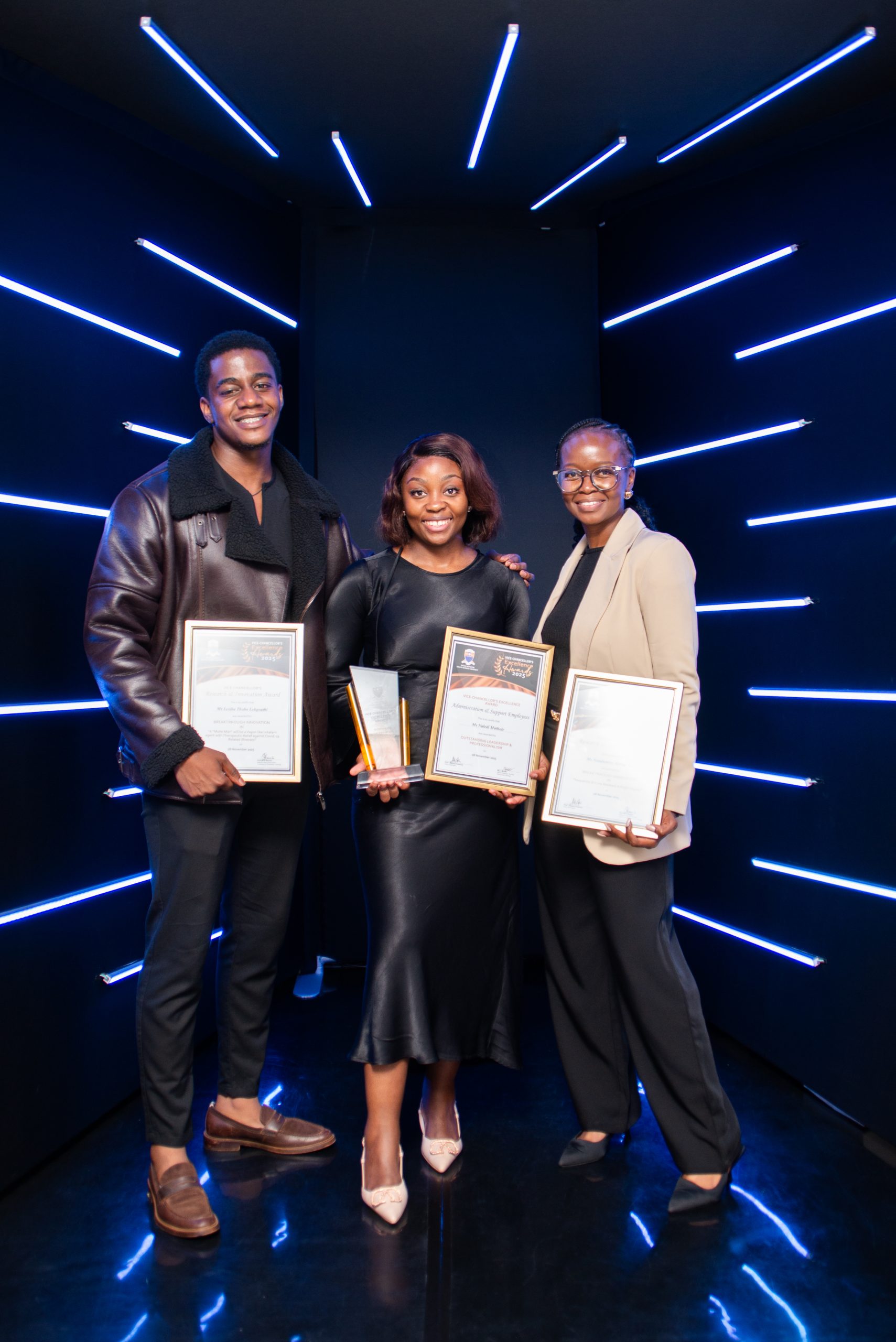 Reflecting on the accolade, Mathole said: “This award is deeply meaningful. Leadership is about service, collaboration and believing in the potential of others. I am grateful to work in an environment where ideas are supported, and innovation is encouraged.” She added that the recognition belongs to her entire team.
“No one succeeds alone. My colleagues and students are the reason our projects thrive. Together, we are proving that SMU can be a leading driver of community-focused innovation.”
Other recipients included Maria Baloyi, honoured for exceptional client service in the School of Medicine; Justice Maleba, celebrated for teamwork in Grounds Maintenance; and Bathabile Ndlovu, recognised for advancing sustainable landscaping and environmental stewardship on campus. Several academic staff members were also acknowledged for teaching excellence, curriculum innovation and research contributions.
As the night progressed, applause echoed through the venue as citations highlighted personal stories of resilience, integrity and passion. Many recipients were described as individuals who “go beyond the call of duty” and “embody the spirit of Ubuntu that defines SMU’s ethos.”
In her closing remarks, Prof Matsha-Erasmus reaffirmed the University’s determination to strengthen its culture of excellence. “Tonight reminds us that excellence is not a privilege for a few but a responsibility shared by all of us,” she said. “The individuals we honoured demonstrate that dedication, empathy and creativity can transform not only our institution but the communities we serve. Their achievements encourage us to push boundaries and pursue knowledge that improves lives.”
She also extended appreciation to the Mayor and partners who continue to support the University’s vision. “Collaboration with government, industry and communities strengthens our impact. We value the City of Tshwane’s continued engagement and commitment to developing a healthier, more knowledgeable society.”
The 2025 Vice-Chancellor’s Excellence Awards concluded with a renewed sense of pride and unity, celebrating the individuals whose work continues to elevate SMU’s standing as a leading health sciences institution. Through their service and innovation, the University moves closer to its goal of transforming healthcare, advancing knowledge and inspiring future generations.
Dimakatso Modise

by Lorato | Nov 27, 2025 | Accolades and Achievements, All News, Alumni, SMU Media, Student Media
Sefako Makgatho Health Sciences University (SMU) proudly celebrates the recent recognition of its newly appointed Council member, Dr Nomonde Mabuya, who has been awarded the prestigious Ellen Kuzwayo Council Medal by the University of Johannesburg for her outstanding contribution to public health, occupational safety, and women’s empowerment.
 A medical doctor, occupational health specialist, academic, business leader, and social innovator, Mabuya has dedicated more than three decades to advancing the wellbeing of South Africans. Her distinguished career aligns strongly with SMU’s mission to cultivate leaders who drive transformation and improve the quality of life across the country.
For over thirty years, Mabuya has been one of the country’s leading advocates for workplace health and safety. She has advised major institutions—including Vodacom, Deloitte, Standard Bank, Telkom, and the South African Reserve Bank—on employee wellness and occupational health programmes that have protected thousands of workers and significantly improved working conditions across sectors.
Her influence has been especially notable in the mining industry. Mabuya played a central role in developing South Africa’s fitness-for-work guidelines, adopted by the Department of Mineral Resources and Energy in 2014. These guidelines continue to serve as a national benchmark for fairness, accountability, and improved protection for vulnerable mineworkers.
 As CEO of Qalo DigiHealth, she is advancing healthcare accessibility through digital innovation, promoting the use of electronic health records, remote patient monitoring, and other technologies that make healthcare more effective, affordable, and responsive to patients’ needs.
Mabuya’s contributions also extend to education and social development. Having lectured for 15 years at the University of Pretoria’s School of Public Health, she has shaped generations of health professionals. Her founding of the Women’s Sports Trust and Women Entrepreneurs Trust further demonstrates her commitment to empowerment, providing mentorship, scholarships, and funding opportunities for women and girls across the country.
Her medico-legal expertise has been equally influential through her work with the Road Accident Fund and her leadership as Chair of the HPCSA RAF Tribunal Committee, strengthening justice and fairness in medico-legal assessments.
The University of Johannesburg’s Ellen Kuzwayo Council Medal recognises leaders who advance social equity, transformation, and national development, qualities that Mabuya exemplifies. Her appointment to the SMU Council brings a powerful combination of strategic insight, public health expertise, and a deep commitment to societal impact.
Mabuya’s leadership continues to shape healthier, safer, and more equitable communities, an inspiring alignment with SMU’s vision of excellence and service to society.
by Lorato | Nov 27, 2025 | All News, SMU Media, Student Media
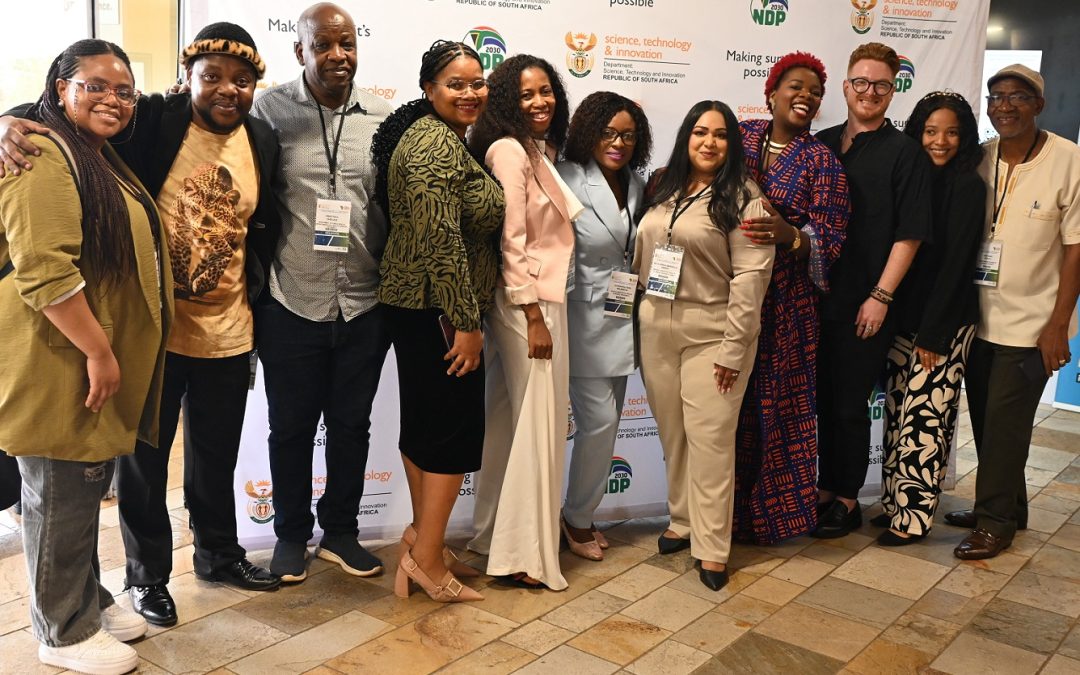
A powerful conversation about the future of Indigenous Knowledge Systems (IKS) and emerging technologies took centre stage at the Science Forum South Africa (SFSA) 2025. As the discussions unfolded, Sefako Makgatho Health Sciences University (SMU) emerged as a key contributor, shaping national dialogue through a compelling, solutions-focused panel. One of the standout sessions of the forum was “Rooted in Resilience: Integrating Indigenous Plant Knowledge and Emerging Technologies for Health, Climate, and Community Wellbeing,” conceptualised and coordinated by Dr Clarissa Marcelle Naidoo, Senior Lecturer in the Department of Biology and Environmental Sciences, School of Science and Technology at SMU.
 Dr Naidoo, who opened and led the session, emphasised the need to bridge traditional wisdom with modern scientific innovation. “Our aim was to create a space where Indigenous Knowledge Systems are not only acknowledged, but actively integrated with emerging technologies in ways that benefit health, climate resilience, and community wellbeing,” she said. “This conversation is essential for South Africa’s scientific future, and SMU is proud to help drive it.”
The panel attracted significant engagement from attendees across academia, industry, and government. Guest speakers included Dr Phuti Chelopo-Mgobozi from The Innovation Hub; Mr Peter Gardner from Mint Group; Ms Karen Swanepoel from the Southern African Essential Oils Producers Association (SAEOPA); Ms Babalwa Mpambani from the Dohne Agricultural Development Institute; and Dr Ryan Rattray from the University of Johannesburg. Their combined insights deepened the discussion on digital transformation, agricultural innovation, essential oils value chains, and ethical approaches to integrating Indigenous Knowledge and technology.
Moderation was provided by Associate Professor Nqobile Monate Mkolo, Associate Professor in the Department of Biology and Environmental Sciences, School of Science and Technology at SMU; Associate Professor Martha Chadyiwa, Head of the Environmental and Occupational Health Unit in the Department of Public Health, School of Health Care Sciences at SMU; and Dr Mohora Feida Malebatja, Lecturer in the Department of Public Health, School of Health Care Sciences at SMU.
Prof Mkolo emphasised the scientific strength of Indigenous Knowledge. “We must recognise Indigenous Knowledge as a scientific resource in its own right,” she said. “Technologies such as artificial intelligence and remote sensing can help validate, preserve, and scale this knowledge, but only if we approach the work ethically and collaboratively.”
Prof Chadyiwa highlighted the value of IKS in protecting and strengthening community health. “Any innovation we pursue must contribute to healthier, more resilient communities,” she noted. “Indigenous Knowledge has always been rooted in environmental stewardship. Technology should strengthen that foundation, not replace it.”
 Reflecting on student involvement, Dr Malebatja stressed the importance of nurturing young scientific talent. “The enthusiasm and creativity of our students show that the next generation is ready to take Indigenous Knowledge research into new spaces,” she said. “Their contributions demonstrated how emerging scholars can influence meaningful and ethical innovation.”
A major highlight of the session was its interactive nature. Delegates participated in real-time polls, a quick-fire debate on “IKS vs Technology,” and a co-creation exercise developing solutions for a rural cooperative. The “My Research in a Minute” segment showcased SMU students presenting bold, concise ideas, adding vibrancy and youth-driven insight to the dialogue.
Dr Naidoo expressed pride in the impact of student participation. “Our students showed remarkable insight and originality,” she said. “Their voices added energy and direction to the session, and their contributions reflect SMU’s commitment to developing the next generation of scientists.”
The session concluded with a Commitment Wall, where participants pledged actions to advance ethical, community-centred innovation beyond the forum.
Through strong academic leadership and a meaningful contribution to national scientific discourse, SMU reinforced its position as a leader in Indigenous Knowledge research, emerging technologies, environmental health, and youth development.
Looking ahead, Dr Naidoo reflected on the lasting value of the forum. “SFSA remains an important platform for SMU to share its expertise, build partnerships, and influence the direction of scientific dialogue in South Africa. We look forward to expanding this work in future forums.”
With its impactful presence at SFSA 2025, SMU continues to contribute to a future where science honours tradition, empowers communities, and inspires young researchers.
By Dimakatso Modise
by Lorato | Nov 27, 2025 | All News, SMU Media, Student Media
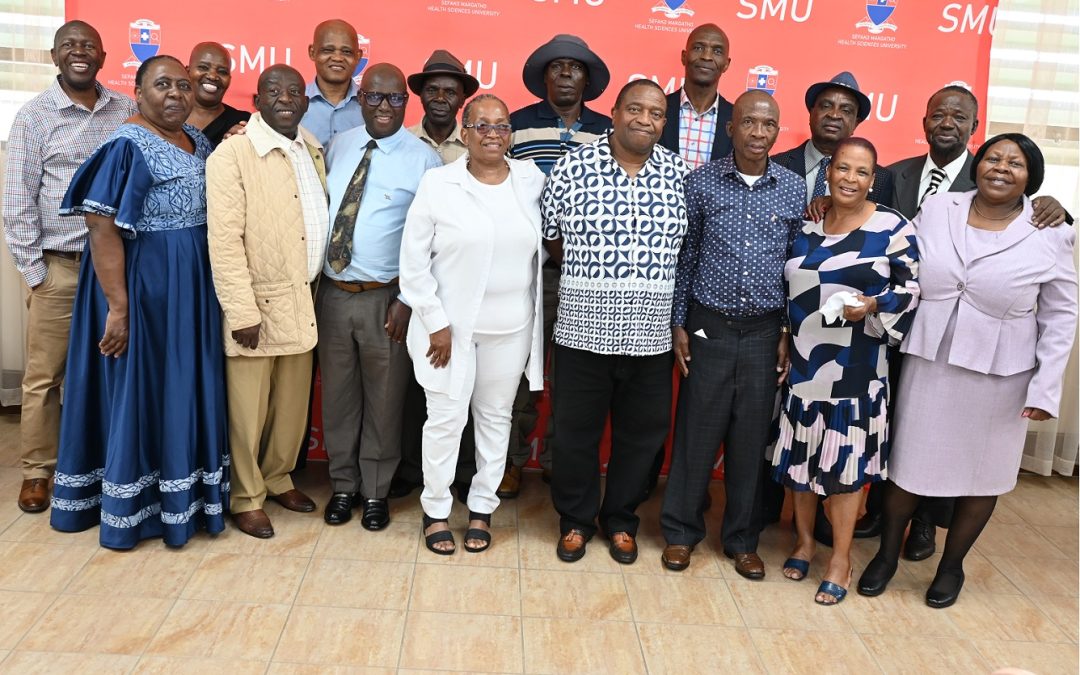
Sefako Makgatho Health Sciences University (SMU) honoured its long-serving employees at a warm and memorable Retirees’ Appreciation Event held at the Vice-Chancellor’s Dining Hall. The ceremony brought together University leadership, colleagues, and family members to celebrate the contributions of staff whose dedication has strengthened SMU over the years.
 The programme opened with an inspiring welcome address by Acting Senior Director: Human Resources, Lebo Molefe, who expressed deep gratitude to the retirees for their commitment and professionalism. “Our University stands tall today because of people like you,” she said. “Your service has helped shape SMU into a place of excellence and integrity. We honour not only the years you have spent with us, but the passion you brought to your work every single day.”
Delivering the Vice-Chancellor’s message on behalf of Prof Tandi Matsha-Erasmus, who was unable to attend due to prior commitments, Acting DVC: Operations, Odette Ramsingh, extended heartfelt appreciation to all retirees. Speaking on behalf of the Vice-Chancellor, she remarked, “The legacy you leave behind is woven into the fabric of SMU. Your hard work has strengthened our academic, administrative, and operational excellence, and for that, we are truly grateful.”
Ramsingh encouraged the retirees to remain connected to the University community, adding, “Though this marks the end of your formal service, you will always be part of the SMU family. We value the foundation you have laid and the example you leave for those who follow.”
A highlight of the ceremony was the presentation of certificates to the retirees, led by Mercia Makgati, Deputy Director: HR Operations. She congratulated each retiree individually, acknowledging their contributions with warmth and respect. “Your dedication has carried this institution forward,” Makgati said. “Today we honour not only your years of service, but the impact you made on the lives of colleagues, students, and the broader SMU community.”
 Among the retirees celebrated was Radipoponono Tladi, who retires after 10 years of service as part of SMU’s gardening personnel. Fondly known across campus as “the Honourable One,” Tladi is admired for his quiet humility and gentle spirit. “I loved my work and I loved the people I worked with,” Tladi said softly as colleagues applauded. “Every flower I planted and every space I cleaned, I did with pride because this place became my home.”
Tladi leaves behind a legacy of unwavering dedication, kindness, and professionalism. His presence on campus—always calm, warm, and respectful—has left a lasting impact on staff and students alike.
Another standout honouree was Johanna Grobler, who retires after an extraordinary 42 years of service in SMU’s Orthodontics Department. Deeply respected across the institution, Grobler shared emotional reflections on her time at the University. “SMU has been my second home for more than four decades,” she said. “I have watched students grow into clinicians, colleagues become lifelong friends, and this institution transform into what it is today.”
Grobler expressed gratitude for the support she received over the years. “I am leaving with a full heart. It has been an honour to serve, to teach, and to learn alongside so many wonderful people.”
The atmosphere throughout the event was one of celebration, gratitude, and heartfelt connection. Colleagues shared stories and warm tributes, highlighting the unique qualities and exceptional dedication of each retiree.
As the University marked this important moment, it reaffirmed its commitment to recognising the people who have contributed to its growth and success. The retirees leave behind a powerful legacy of service, resilience, and excellence.
SMU extends its deepest appreciation to all retirees for their invaluable service. Their contributions will continue to inspire the next generation, and the University wishes them a fulfilling and rewarding journey ahead.
By Dimakatso Modise