by Lorato | Feb 16, 2026 | All News, SMU Media, Student Media
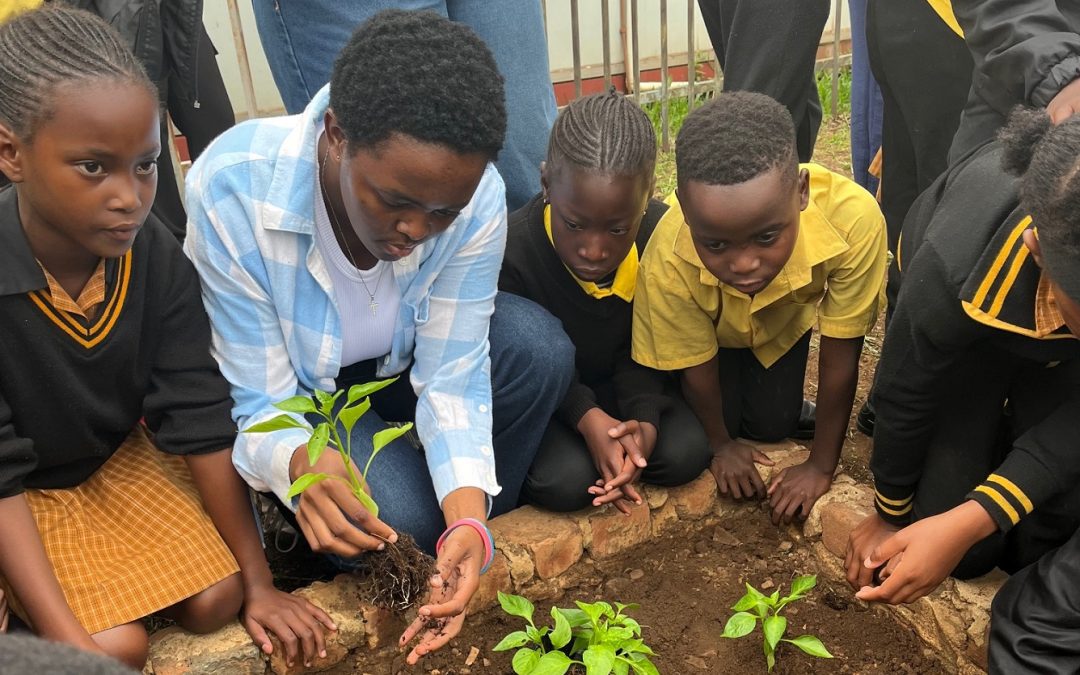
Thohoyandou Primary School in Gauteng Province, Saulsville West, recently hosted an environmental education outreach programme that brought together young learners and student volunteers for a day of hands-on learning. The initiative, organised by the Green Campus Initiative of Sefako Makgatho Health Sciences University (SMU) in collaboration with Miss Earth South Africa, focused on teaching learners the importance of caring for their environment through practical action.
 The day began with an interactive discussion where learners were encouraged to think about how their daily habits affect their surroundings. Topics included littering, recycling, water conservation, and the protection of green spaces, creating a platform for learners to reflect on their role in preserving the environment.
Tshiamo Morare, Miss Earth titleholder and founder of My Sister Foundation, addressed the learners on environmental stewardship. She emphasised the value of starting awareness at a young age.
“Environmental awareness must start while children are still young,” she said. “When learners understand that their everyday choices matter, they begin to see themselves as part of the solution. Protecting our environment is not a once-off event; it is a lifelong responsibility.”
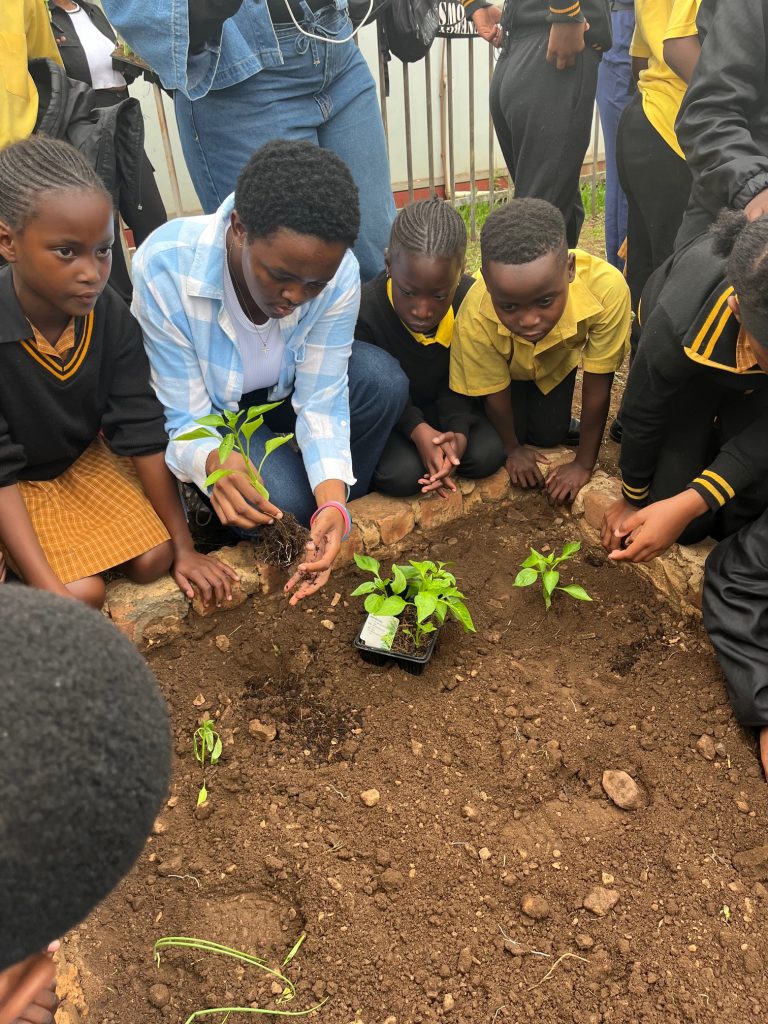
Following the discussion, learners participated in a hands-on planting session in the school garden, coordinated by Tshepo Ntlemeza and Atlegang Leeuw, alongside SMU student volunteers. Together, they prepared the soil, planted seedlings, and learned basic gardening skills. The activity not only enhanced the school garden but also provided practical knowledge that learners could apply at home.
The outreach also included a clean-up campaign around the school grounds, reinforcing the importance of maintaining a healthy and safe learning environment. Armed with gloves and refuse bags, learners enthusiastically collected litter and helped restore the school’s neatness.
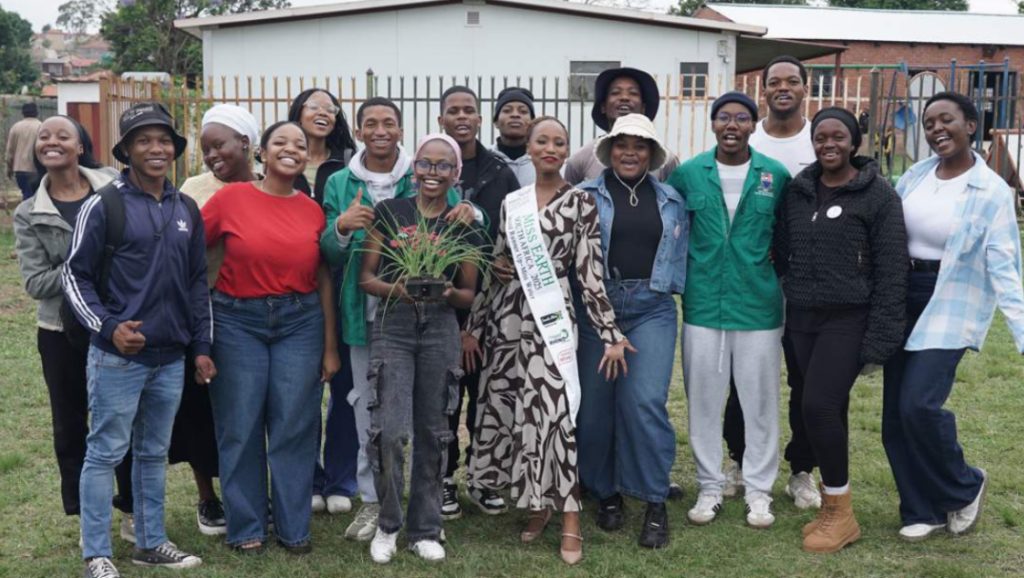 The atmosphere was energetic and engaging, with learners actively participating in every activity. Their excitement was particularly evident during the planting session.
Tshego Motsayi, the currently elected Chairlady of the Green Campus Initiative, reflected on the experience.
“What stood out most for me was the eagerness of the learners to take part in the planting activity,” she said. “Their enthusiasm confirmed something powerful: children do not just learn by listening, they learn by doing.
“By involving them directly in preparing the soil and planting seedlings, we moved beyond theory and gave them a practical experience. The goal was not only to plant in the garden, but to plant skills, responsibility, and environmental awareness in the learners themselves.
“When young people are trusted with action, they rise to the occasion. That is how we begin building a generation that values and protects its environment.”
Lehlogonolo Makina, an active member of the Green Campus Initiative, shared his reflections as well. “Seeing the children so happy while planting the vegetables brought me joy,” he said. “It felt like we were planting more than just plants. We were planting hope and responsibility. Moments like these remind us that giving back strengthens both the community and ourselves.”
The outreach aimed to cultivate basic gardening skills, environmental awareness, and a sense of responsibility among the learners. More importantly, it demonstrated that meaningful change begins with practical education and collaborative partnerships.
Through initiatives such as this, Sefako Makgatho Health Sciences University (SMU) continues to promote sustainability not only on campus but also within the broader community. By empowering young learners with knowledge and hands-on experience, the University contributes to the development of environmentally conscious citizens who understand that caring for the planet starts with everyday actions.
By Dimakatso Modise
by Lorato | Feb 15, 2026 | Accolades and Achievements, All News, Alumni, SMU Media, Student Media
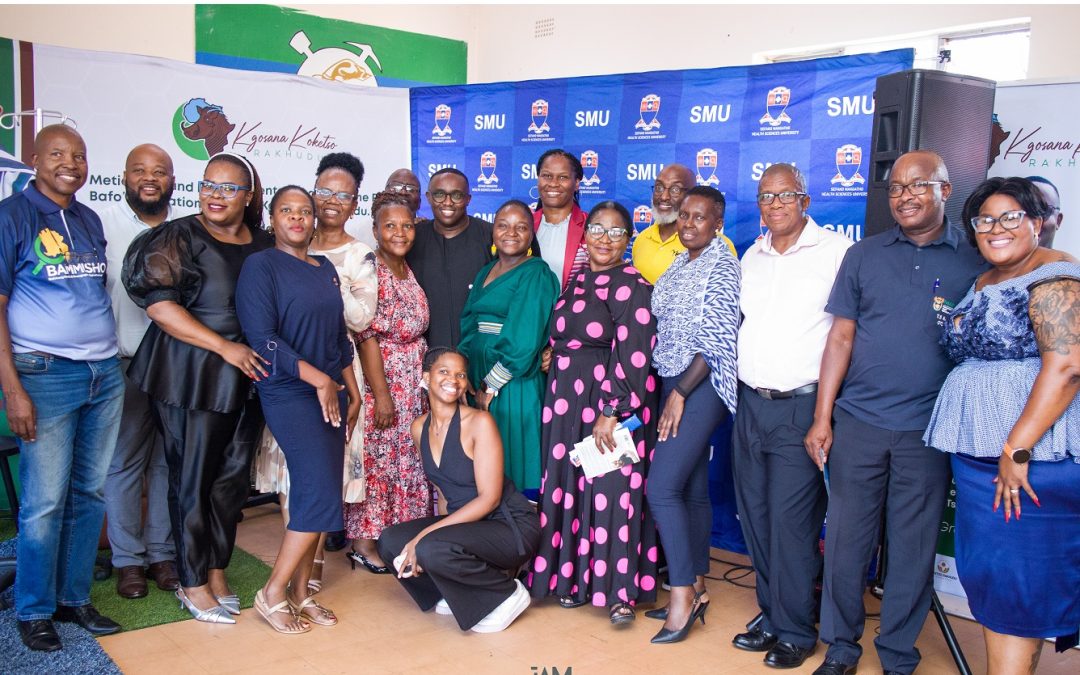
Sefako Makgatho Health Sciences University (SMU) reaffirmed its institutional leadership in community-centred health development during the Health Sector Stakeholders Summit held from 10 to 13 February 2026 under the theme “Strategic Collaboration for Sustainable Health Outcomes.” The four-day convergence brought together traditional authorities, government representatives, private sector companies, academics, health practitioners and community stakeholders in a unified effort to strengthen health systems, advance wellness and stimulate socio-economic progress in Tsitsing and neighbouring villages.
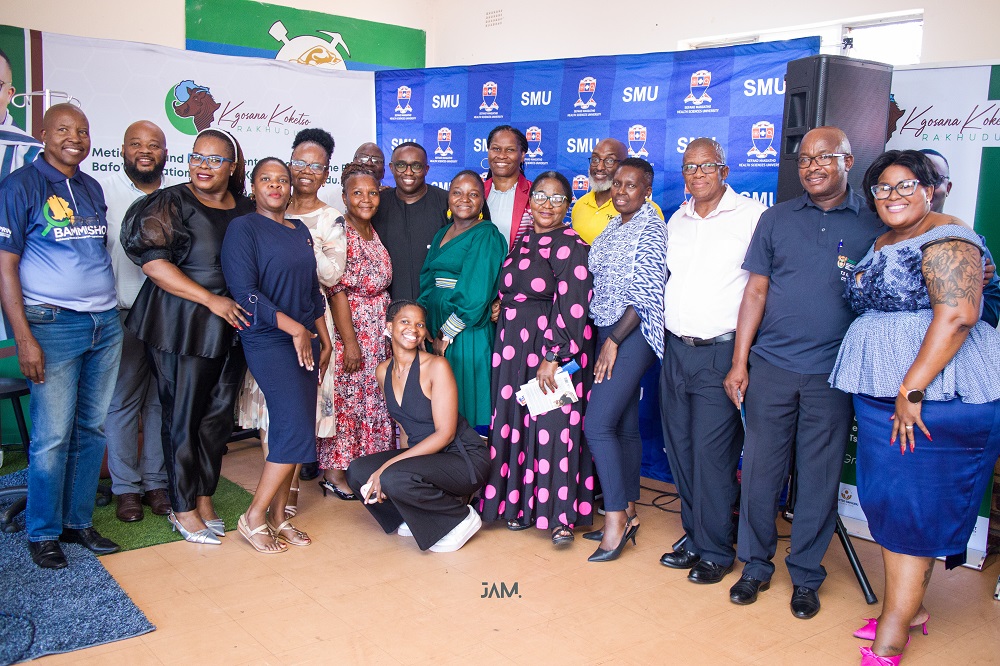 The summit coincided with the official launch of the Botsogo, Bophelo le Boitekanelo Summit 2026 by Kgosana Koketso Rakhudu of the Kgotla Ya Rakhudu, marking the commencement of a transformative partnership between traditional leadership and the university. In his opening address, Kgosana Rakhudu described the gathering as a watershed moment in the community’s developmental trajectory. “This summit represents hope translated into action,” he asserted. “It unites leadership, academia, business and the community in a shared commitment to improving health outcomes and securing a sustainable future for our villages.”
Anchored in a collaborative framework that integrates traditional leadership structures, government departments, academic institutions, non-governmental organisations, corporate partners and community formations, the initiative seeks to position Tsitsing as a demonstrative site for community-based health innovation. The active involvement of several companies underscored the growing recognition that sustainable health development requires public–private partnerships capable of mobilising financial resources, technical expertise and innovation. Through coordinated planning, evidence-driven research, capacity development and sustainable interventions, stakeholders aim to fortify primary healthcare systems, enhance service delivery efficiencies and generate enduring socio-economic dividends.
During the Stakeholder Pledge and Closing Remarks session, SMU formalised its commitment to the partnership, underscoring its enduring mandate of socially responsive scholarship. Representing the institution was Professor Mathildah Mokgatle, Head of the Department of Public Health. Prof. Mokgatle articulated the university’s conviction that sustainable transformation emerges from authentic collaboration across sectors. “As a university dedicated to advancing public health, we recognise that meaningful change occurs when institutions, business and communities work in concert,” she said. “SMU commits to supporting this ongoing partnership to strengthen local health systems and improve sustainable health outcomes.”
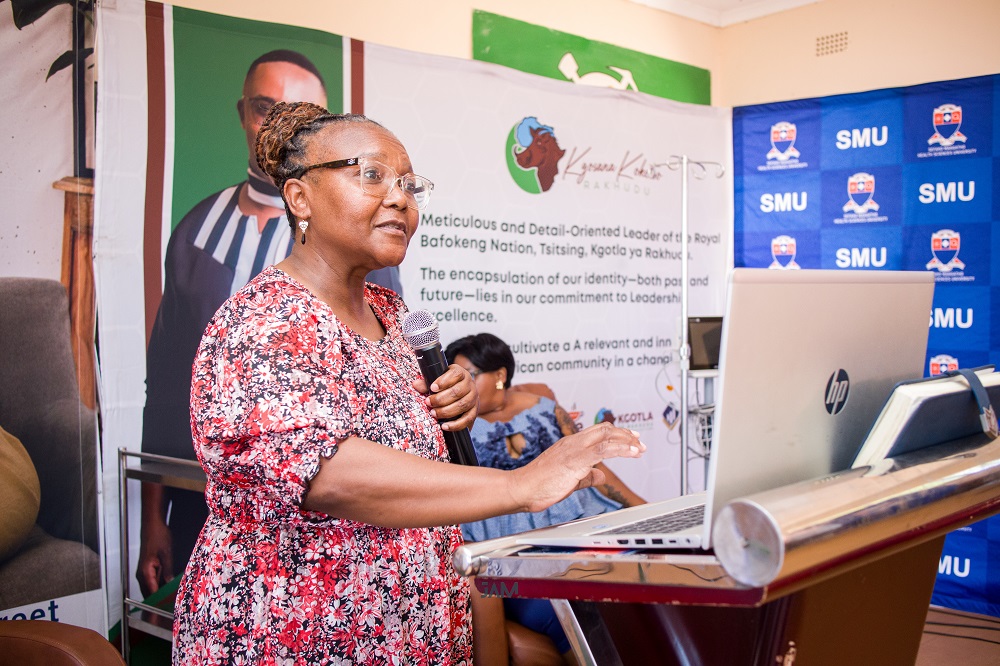 She further emphasised that the initiative would serve as a dynamic platform for community-based research, experiential student training and contextually relevant, evidence-based interventions. “Our responsibility transcends classroom instruction,” Prof. Mokgatle noted. “We must ensure that our research, training and service are intrinsically aligned with the lived realities of communities such as Tsitsing, thereby contributing directly to their health, dignity and overall wellbeing.”
A defining feature of the summit was the unveiling of the 3B’s conceptual framework — Botsogo, Bophelo le Boitekanelo — spearheaded by Evah Molapisi, Lecturer in Community Physiotherapy and Rehabilitation at SMU. Molapisi elucidated that the framework encapsulates an integrated vision of health, life and holistic wellness as interdependent pillars of community advancement. “Botsogo speaks to health, Bophelo to life, and Boitekanelo to comprehensive wellness,” she explained. “These principles remind us that health is not merely the absence of illness, but the presence of empowerment, opportunity and human dignity.”
The 3B’s vision aspires to cultivate sustainable community–academic partnerships, advance Sustainable Development Goal 3 on Good Health and Well-being, stimulate youth participation in health professions and establish a viable community-based platform for student training and service delivery. By embedding academic expertise within community contexts while drawing on the innovation and support of corporate stakeholders, the initiative seeks to bridge the divide between theory and practice, ensuring that scholarship translates into measurable social impact.
Complementing the health systems discourse, Moagisi Edwin Seleka, Senior Lecturer and Head of Department at SMU, contributed a reflective exploration of the therapeutic dimensions of arts and bibliotherapy. Dr Seleka illuminated the intricate interrelationship between mental and physical health, underscoring the physiological benefits of creative engagement. “The body and mind function synergistically,” he observed. “Music and humour stimulate the release of endorphins, thereby alleviating pain and mitigating stress.”
Expanding on the transformative potential of reading and artistic expression, he added, “To read is to journey beyond one’s immediate circumstances; it is to encounter new perspectives and possibilities. Creative expression enlarges the imagination, fosters emotional resilience and facilitates psychological restoration.” His insights reinforced the summit’s holistic orientation, recognising that sustainable health outcomes necessitate attention to both corporeal and psychosocial dimensions of wellbeing.
As proceedings concluded, the Health Sector Stakeholders Summit emerged as a seminal platform for structured, long-term collaboration. By harmonising academic rigour, traditional governance, corporate participation and community engagement, the initiative presents a replicable model for inclusive, sustainable health development. Through its active involvement and formal pledge, Sefako Makgatho Health Sciences University has once again demonstrated its unwavering commitment to advancing equitable health outcomes and fostering resilient communities across South Africa.
By Dimakatso Modise
by Lorato | Feb 5, 2026 | All News, SMU Media, Student Media
Sefako Makgatho Health Sciences University (SMU) launched its 2026 academic year with a high-energy, purpose-driven Orientation Programme for first-time entering (FTEN) students, signalling not just the start of university life, but the beginning of a demanding and transformative journey in the health sciences.
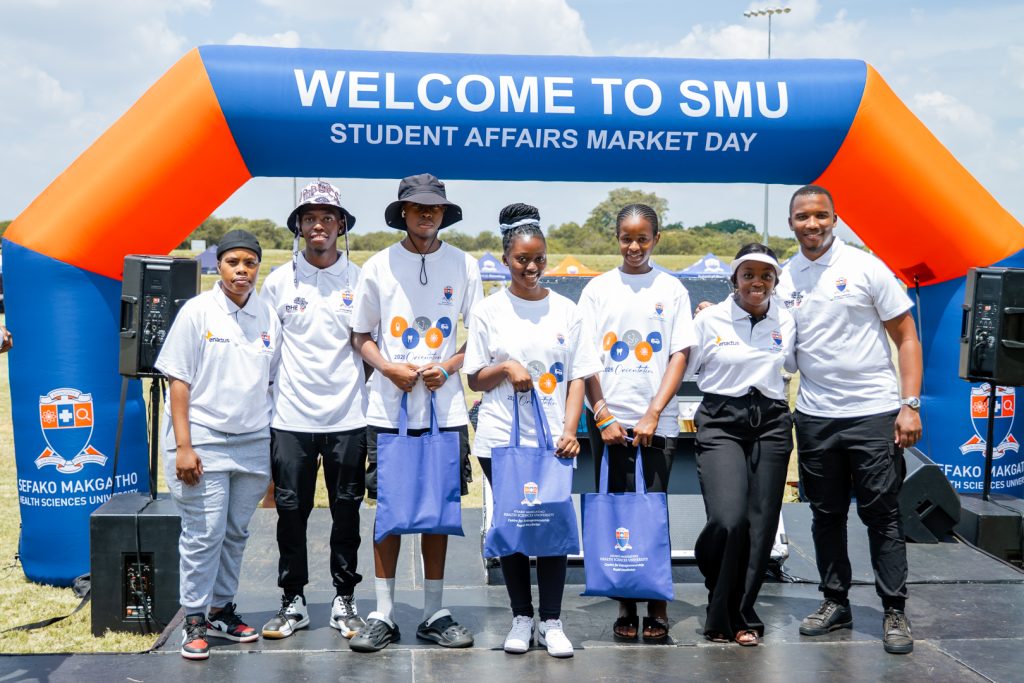 Held over five days, the programme was designed to do one thing exceptionally well: equip new students to succeed. From the moment students arrived on campus, the message was clear — orientation was not optional window dressing, but a strategic foundation for academic focus, belonging and resilience.
Welcoming students, the Vice-Chancellor and Principal, Professor Tandi Matsha-Erasmus, described the moment as both significant and symbolic. “SMU was established with a clear mandate: to educate future health sciences professionals who will serve society with excellence, integrity and compassion,” she said. “By joining this institution, you formally become part of that mission.”
The programme combined institutional clarity with emotional resonance. An academic procession, performances by the SMU Choir, and a candlelight Vision Walk reinforced a shared sense of purpose, while practical sessions tackled the realities of university life head-on.
Orientation activities were structured to address students’ most pressing challenges — understanding academic expectations, accessing support services, navigating campus systems and building social confidence. According to Tulani Nkuntse, Director: Student Affairs, orientation was intentionally designed to remove uncertainty early. “If students know where to go, who to ask and what is expected, they start stronger and stay focused,” he noted.
 Key programme highlights included residence day, focused on settling in, safety, and community-building; academic welcome, featuring messages from senior leadership and the SRC; vision walk and affirmation ceremony, anchoring personal purpose; school-based orientations, introducing academic cultures and expectations; teaching and learning sessions, covering advising, tutoring, mentoring and e-learning; campus tours and student affairs market, turning information into experience
Student leadership played a central role. SRC President Mthokozisi Dlamini addressed new students directly, reinforcing a message of belonging and earned opportunity. “Your presence here is not by chance,” he said. “You earned it, you deserve it, and you belong here.”
For many students, the impact was immediate. Brendon Ntlatlane Mabuse, a first-year Mathematical Sciences student, reflected on how orientation reshaped his confidence. “Orientation helped us overcome the fear of socialising and learn how to navigate campus independently. It also helped bridge cultural differences and made us feel included.”
Similarly, Buyile Mkhwanazi, a Bachelor of Medicine and Bachelor of Surgery (MBChB) first-year student, highlighted the balance between guidance and motivation. “The programme showed us the level of support the institution provides, while also giving us direction and space to connect.”
The week concluded with campus-wide activities, sport and celebration, including a Super Cup final that drew students together beyond lecture halls and residences. Yet beneath the excitement ran a consistent theme: SMU expects excellence — and provides the structure to achieve it.
As the 2026 cohort steps fully into the academic year, the Orientation Programme served its purpose decisively. It replaced uncertainty with clarity, isolation with community, and anticipation with resolve. This was not just a welcome. It was a statement of intent.
By Tumelo Moila
by Lorato | Feb 5, 2026 | All News, SMU Media, Student Media
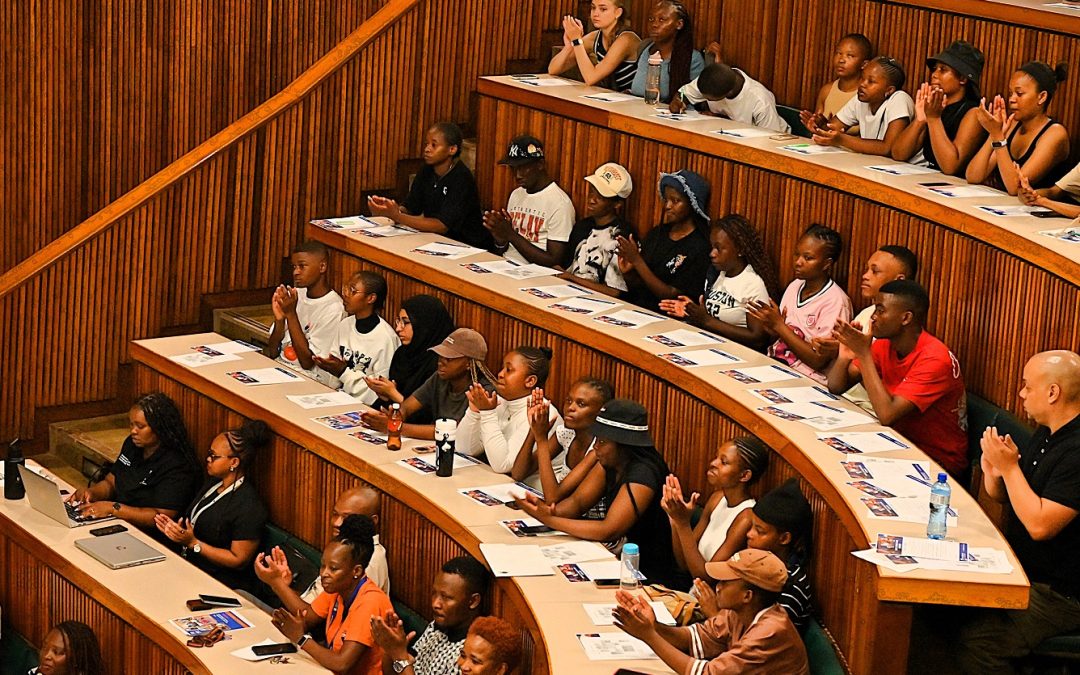
The School of Health Care Sciences (SHCS) officially welcomed its new cohort of first-time entering (FTEN) students during a recently held Orientation Programme, marking an important milestone in the academic journey of first-year students embarking on careers in the health sciences.
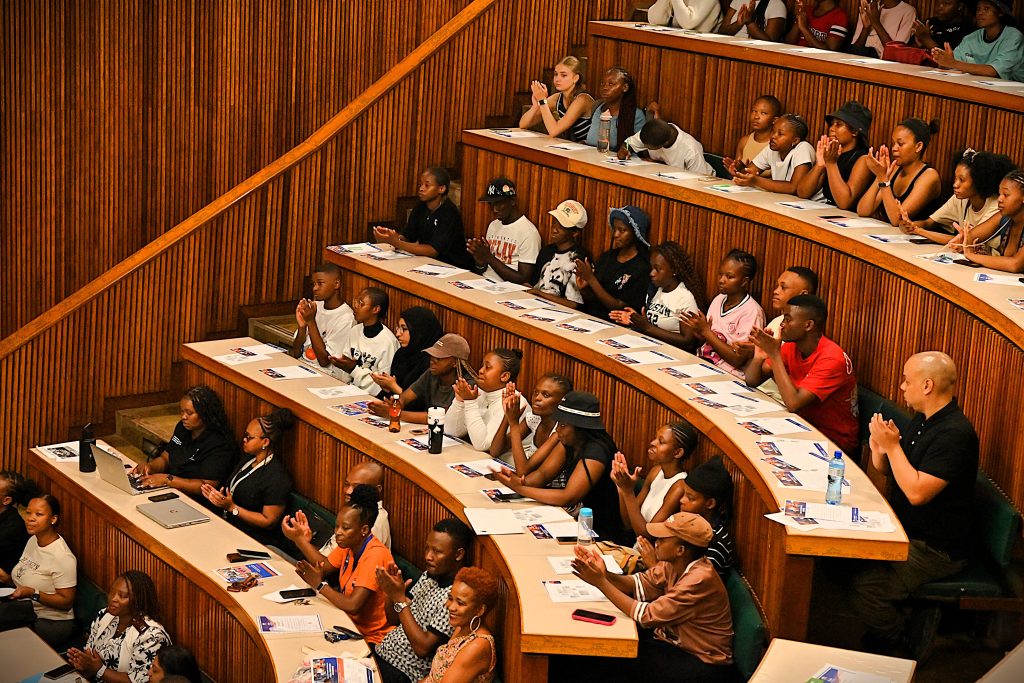 The programme aimed to introduce students to the culture, expectations and support systems of the SHCS, while fostering a strong sense of professional identity and belonging within the Sefako Makgatho Health Sciences University (SMU) community. It also reaffirmed the university’s commitment to excellence in healthcare education and service to society.
The SHCS received 28 382 applications for just 245 available FTEN spaces across its undergraduate programmes, reflecting both the SMU’s strong reputation and the high demand for health sciences education. The breakdown of applications and available spaces was as follows:
- Bachelor of Nursing and Midwifery: 15 058 applications (60 spaces)
- Bachelor of Science in Dietetics: 920 applications (40 spaces)
- Bachelor of Science in Physiotherapy: 4 898 applications (60 spaces)
- Bachelor of Occupational Therapy: 3 358 applications (35 spaces)
- Bachelor of Audiology: 2 929 applications (25 spaces)
- Bachelor of Speech Language and Pathology: 1 219 applications (25 spaces)
Proceedings commenced with a formal welcome and the introduction of administrative staff by Dr Babalwa Vuyokazi Soga-Kamdem, Operations Manager of the SHCS, who highlighted the critical role of administration in supporting student success. “Our administrative teams are here to walk this journey with you,” said Dr Soga. “Never hesitate to seek guidance and support as you navigate university life.”
Addressing the students, Franco Baloyi, Student Representative Council (SRC) Chairperson for the SHCS, encouraged them to embrace the demands of healthcare training with commitment and integrity. “You are entering professions that require discipline, compassion and resilience,” he said. “The knowledge and values you gain here will not only shape your careers but also impact the lives of the communities you will serve.”
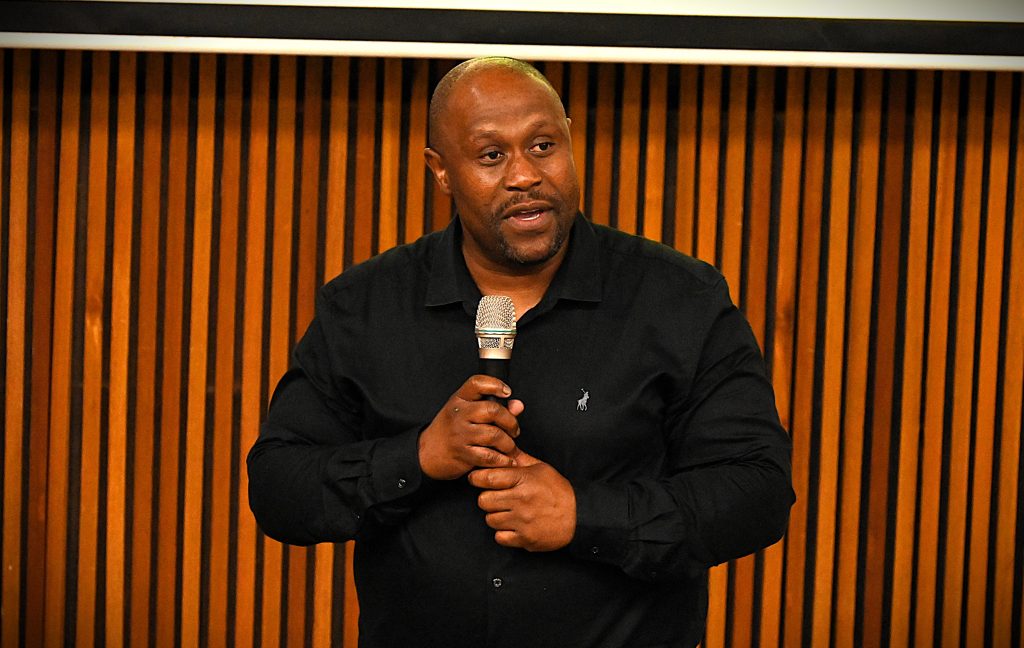 A comprehensive overview of the SHCS, including the introduction of Heads of Departments and a keynote address, was delivered by the Dean, Prof Douglas Maleka. He outlined the SHCS’s academic vision and emphasised the importance of future achievements. “Comfort zones and previous successes are the enemies of future achievement; students must let go of yesterday and focus on what lies ahead,” Prof Maleka said. “You are not just a number at SMU; you are a person with a face, a name and a future that matters. By choosing SMU, students have chosen a university committed to transforming health services through excellence and innovation. This is the beginning of a transformative journey where potential is nurtured, passion is ignited, and horizons are expanded.”
Further highlighting academic expectations, Senior Lecturer in the Occupational Therapy Department, Dr Hanlie Pitout, addressed the SHCS’s responsibilities in teaching and learning, stressing professionalism and accountability. “Academic excellence goes hand in hand with ethical conduct and consistent hard work,” she noted.
Student well-being was also a key focus of the programme. Tumisho Mokwele, a Clinical Facilitator in the Department of Nursing Science, presented on available student support services, reminding students that support extends beyond academics. “We recognise that student success is holistic,” she said. “Your mental, emotional and social well-being matter just as much as your academic performance.”
One of the most symbolic moments of the programme was the Oath Taking, led by Prof Maleka and Dr Andile Mokoena-de Beer, Acting Head of the Department of Nursing Science, reinforcing the ethical responsibilities associated with healthcare professions. “The oath you take today is a commitment to humanity,” said Dr Mokoena-de Beer. “It is a promise to serve with integrity, respect and compassion.”
The successful orientation programme underscored SMU’s dedication to preparing competent, ethical and socially responsive healthcare professionals ready to contribute meaningfully to South Africa’s health system.
By Tumelo Moila
by Lorato | Feb 5, 2026 | Accolades and Achievements, All News, Alumni, SMU Media, Student Media
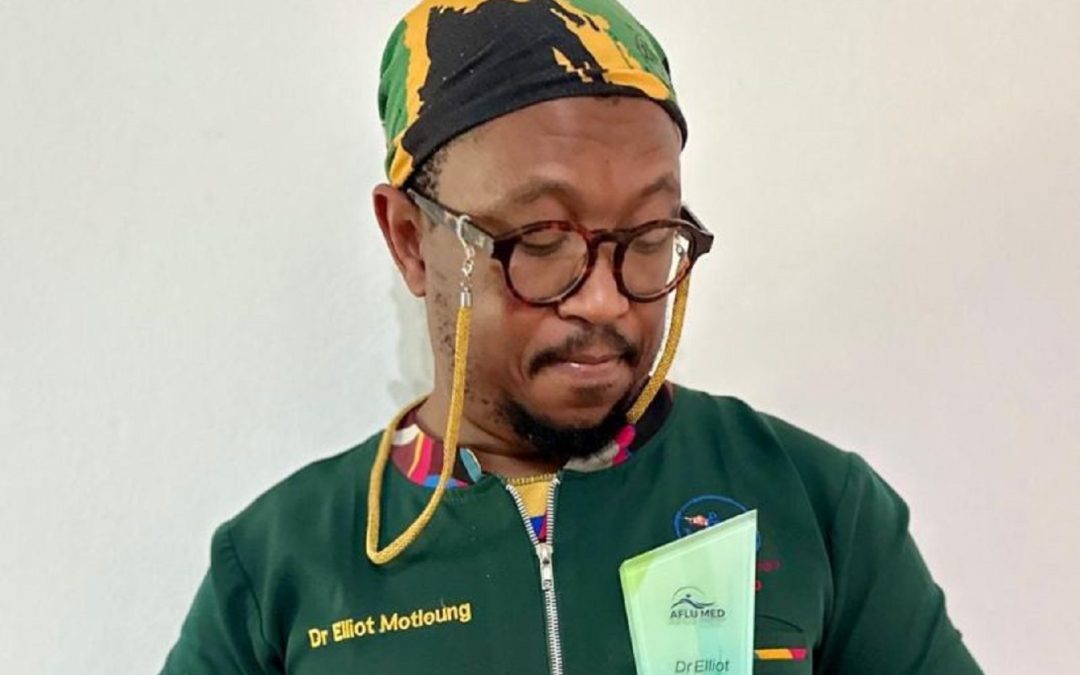
Aflu Med Healthcare has named Dr Elliot Motloung, Head of the Department of Paediatric Surgery at Sefako Makgatho Health Sciences University (SMU), as its 2025 Digital Healthcare Champion, recognising a clinician whose work is changing how paediatric surgery is taught, delivered and accessed across South Africa.
 The award celebrates leadership that converts innovation into real-world impact. Dr Motloung’s career does exactly that. Known for decisive action in high-stakes clinical environments, he has built a body of work guided by a clear conviction: healthcare must be excellent, equitable and built for the future.
Aflu Med Healthcare is a South African health-technology company delivering integrated digital and mobile solutions to improve healthcare delivery and access. Its HealthSpace Ecosystem provides a centralised electronic health record and practice management platform that supports telehealth, clinical workflows, patient engagement, and data-driven decision-making. The company also offers business development support to healthcare providers and deploys mobile clinics that extend primary healthcare and outreach services into underserved communities.
At the centre of Dr Motloung’s impact is surgical education. He pioneered South Africa’s first Neonatal Surgical Skills Course, developed in partnership with the University of Oxford. Using simulation-based training, the programme equips surgeons with critical neonatal skills before they enter the operating theatre.
“In neonatal surgery, preparation is everything,” Dr Motloung said. “Simulation allows surgeons to build confidence and competence without placing patients at risk. That shift saves lives.”
The course has set a new national benchmark, enhancing patient safety in a discipline where the margin for error is razor-thin.
Access to care is another defining pillar of his work. Determined that geography should not dictate survival, Dr Motloung played a key role in establishing public paediatric surgical units in underserved provinces, including Limpopo and Mpumalanga. These facilities have reduced the burden on families who previously travelled long distances for specialist treatment.
“No child should suffer because care is too far away,” he said. “Bringing services closer to communities changes outcomes—and dignity.”
Clinically, Dr Motloung is widely respected for his expertise in minimally invasive thoraco-abdominal surgery, paediatric trauma and advanced laparoscopic techniques. These approaches reduce pain, shorten hospital stays and speed up recovery—critical benefits for children and overstretched health systems alike.
What truly distinguishes Dr Motloung, however, is his purpose. Shaped by first-hand exposure to healthcare inequity, his mission is rooted in service to rural and marginalised communities. He has translated that commitment into a clear, scalable blueprint for paediatric surgical care that reaches beyond urban centres.
Alongside his clinical leadership, he is an influential academic mentor. Through structured training programmes and hands-on supervision, he is developing the next generation of paediatric surgeons, strengthening surgical capacity nationally and regionally.
“Training people is how impact multiplies,” Dr Motloung said. “If we invest in skills today, patients benefit for decades.”
In naming Dr Motloung as the 2025 Digital Healthcare Champion, Aflu Med Healthcare recognises a leader who does not merely respond to change—he drives it. His work continues to raise standards, inspire clinicians and reshape health systems, proving that true progress in healthcare is measured not by innovation alone, but by lives improved and futures secured.
By Tumelo Moila
by Lorato | Jan 30, 2026 | All News, SMU Media, Student Media
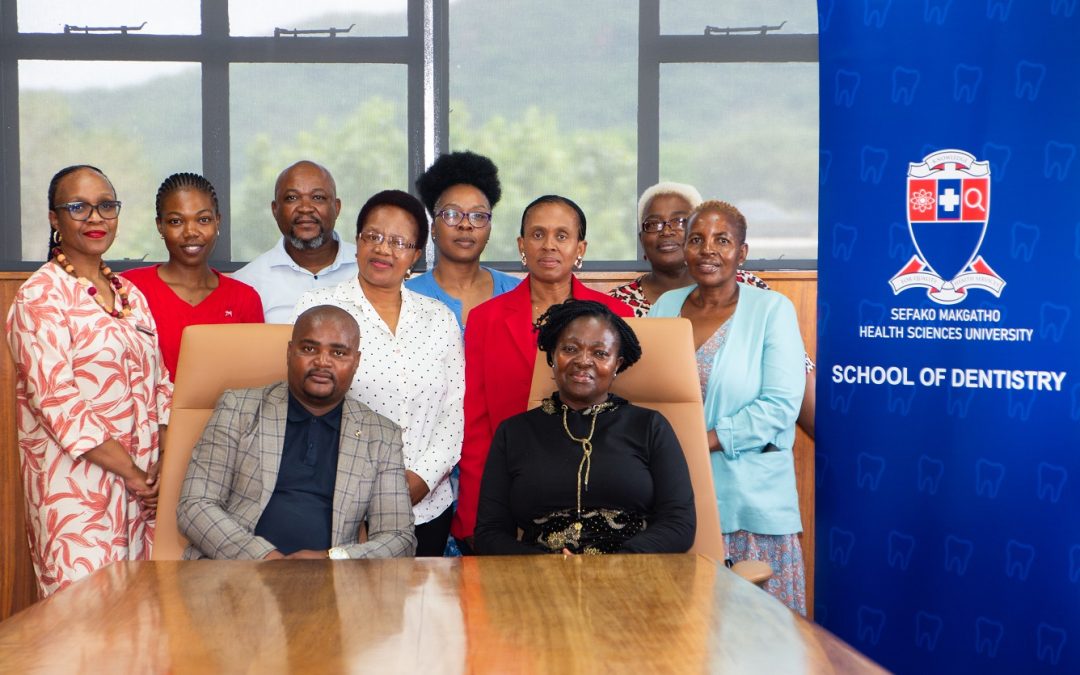
Sefako Makgatho Health Sciences University (SMU) and the University of Eswatini (UNESWA) have taken a decisive step towards strengthening dental education in Southern Africa through a series of reciprocal benchmarking visits designed to sharpen programme delivery, enhance academic collaboration, and build long-term regional partnerships.
 In an era where clarity, relevance, and impact matter more than ever, both institutions approached the exchange with a clear purpose: improve programme quality, accelerate student development, and open meaningful pathways for clinical training and mobility. The visits were structured to deliver immediate value — not abstract intentions — and to lay the groundwork for sustained cooperation.
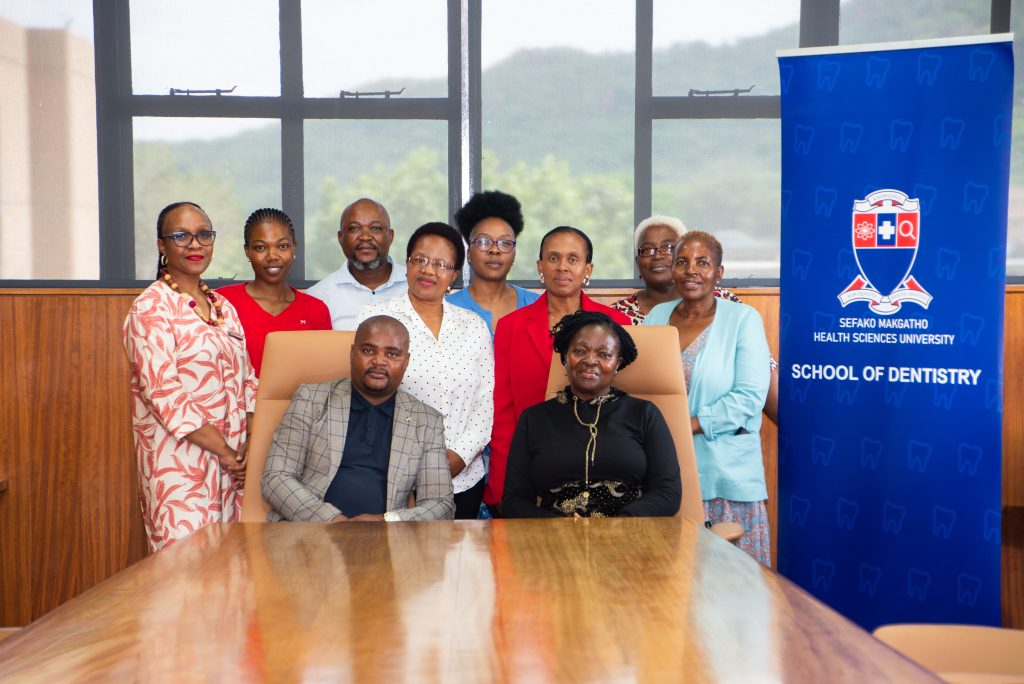
The collaboration began when SMU’s School of Dentistry supported UNESWA in designing and refining its new dental programme, offering guidance on curriculum development, module outcomes, and the practical competencies required of a modern dental graduate. Earlier this year, an SMU delegation led by Acting Deputy Vice-Chancellor for Academic and Research, Prof Dini Mawela, travelled to Eswatini to review UNESWA’s newly accredited programme.
The visit included an on-site evaluation of facilities, discussions on community-based learning, and detailed engagements on SMU’s clinical training model. Prof Mawela was joined by senior staff members Prof Irene Munzhelele, Dr Sandeepa Singh, Gracia Malaka, Kelebogile Mothupi, and Director of Internationalisation, Dr Carlien Jooste, who each contributed expertise from their respective specialisations.
Their message was clear and direct: regional collaboration is a strategic investment that raises educational standards for all institutions involved.
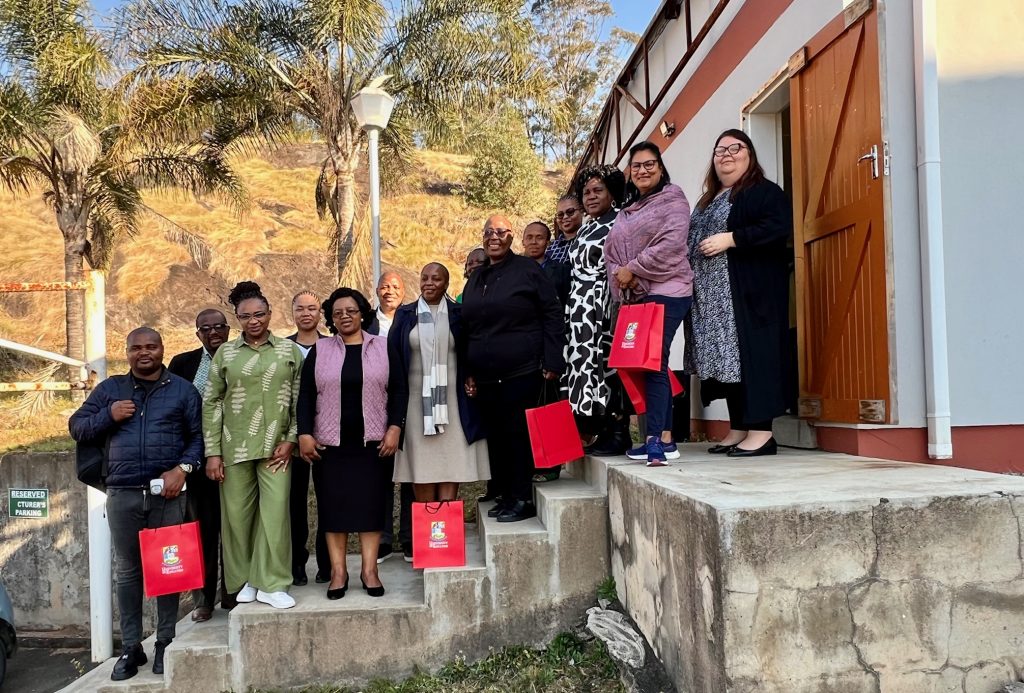 On 2 December 2025, the partnership advanced significantly when a UNESWA delegation undertook a return visit to SMU’s School of Dentistry to deepen discussions and benchmark SMU’s clinical and academic infrastructure. The delegates were welcomed by the Acting Head of Department for Dental Therapy and Oral Hygiene, Gracia Malaka, representing the Acting Dean, Prof Irene Munzhelele.
To ensure the exchange programme is both practical and sustainable, UNESWA’s delegation — led by Prof Tengetile Mathunjwa-Dlamini — outlined three immediate priorities: finalising the recruitment process for participating students, identifying suitable accommodation and infrastructure needs, and strengthening operational plans for long-term collaboration.
Prof Mathunjwa-Dlamini stressed that the visit was not a ceremonial gesture but a call to action: “We are here to formalise our partnership and ensure that our plans translate into real opportunities for our students and staff.”
Malaka reinforced this focus on implementation. He highlighted the regulatory requirements that all participating students must fulfil, including registration with the Health Professions Council of South Africa (HPCSA) and compliance with South Africa’s professional training standards for foreign students — a crucial step in ensuring patient safety, academic credibility, and ethical practice.
The meeting concluded with a guided tour of SMU’s clinical facilities and the state-of-the-art Skills and Simulation Centre, where UNESWA representatives observed SMU’s approach to hands-on training, assessment, and clinical preparedness.
Both universities described the exchange as the beginning of a confident new phase of academic cooperation — one defined by precision, urgency, and a shared commitment to producing highly skilled dental professionals for the region.