by Lorato | May 20, 2026 | All News, SMU Media, Student Media
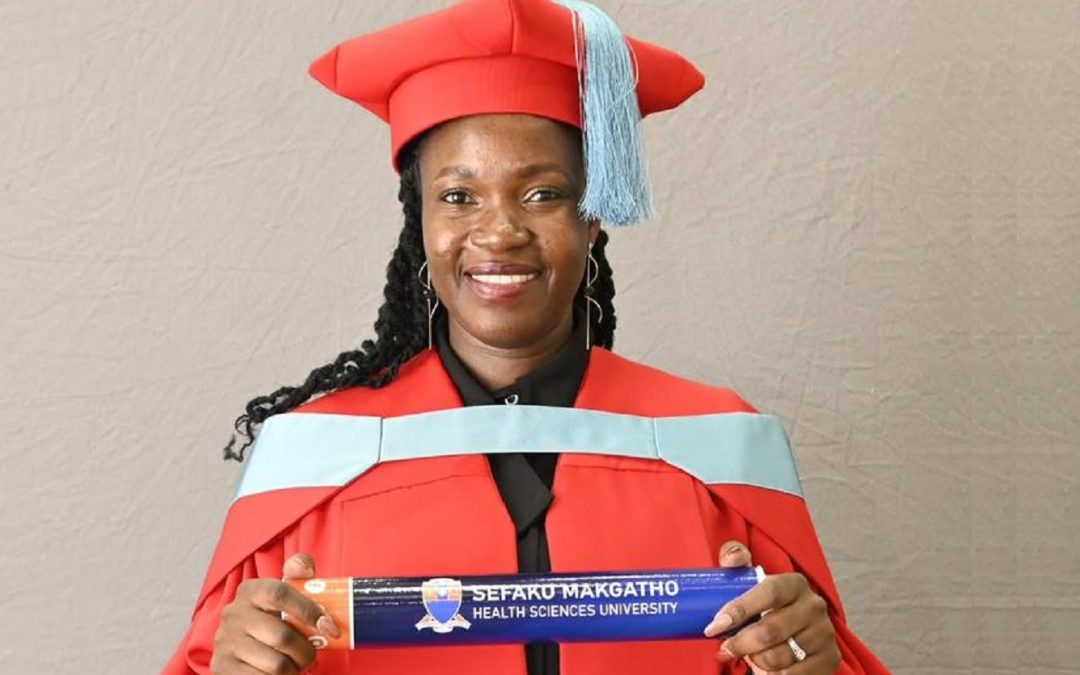
Sefako Makgatho Health Sciences University (SMU) continues to strengthen its position as a leader in transformative health sciences research after medical virologist Varsetile Varster Nkwinika earned a Doctor of Philosophy in Medical Virology during the 2026 autumn School of Medicine graduation ceremony.
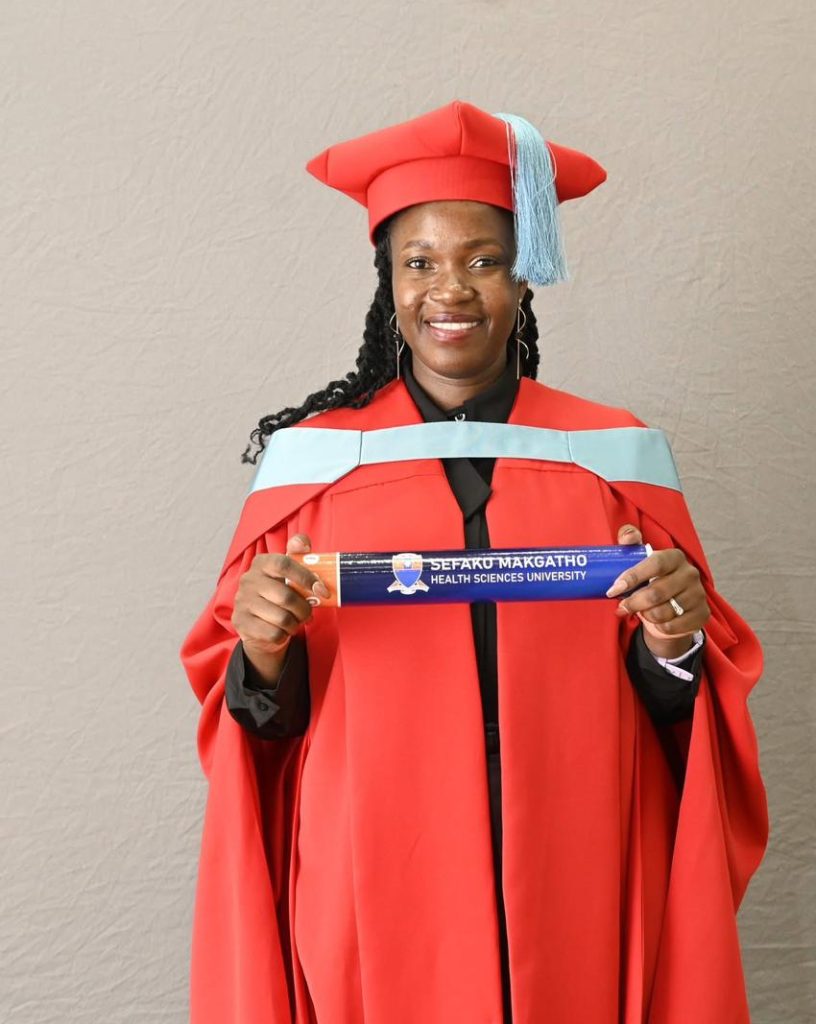 Dr Nkwinika’s doctoral research provides important new insights into the complex biological factors associated with cervical disease in South African women, with implications for improved cervical cancer prevention and screening strategies in high-burden settings.
Her study investigated human papillomavirus (HPV), selected sexually transmitted infections (STIs), and the balance of bacteria in the female reproductive tract among women attending cervical cancer screening at a South African tertiary hospital. The research explored how multiple co-existing infections and microbial imbalance jointly influence cervical disease risk.
The findings revealed a high prevalence of HPV infections, including both vaccine-covered high-risk HPV types and additional cancer-associated types not currently included in existing vaccines. The study also identified a substantial burden of other STIs and significant disruption of the normal bacterial balance within the female reproductive tract.
Importantly, these conditions frequently occurred together and were associated with more severe cervical abnormalities. “This research shows that cervical disease risk cannot be viewed through HPV infection alone,” said Dr Nkwinika. “The interaction between HPV, co-infections and the cervicovaginal microbiome creates a far more complex disease environment that requires integrated prevention and screening approaches,” she said.
She added that the findings support the use of more advanced molecular screening methods that may improve early detection and enable more accurate risk assessment for cervical cancer, particularly in resource-constrained healthcare settings.
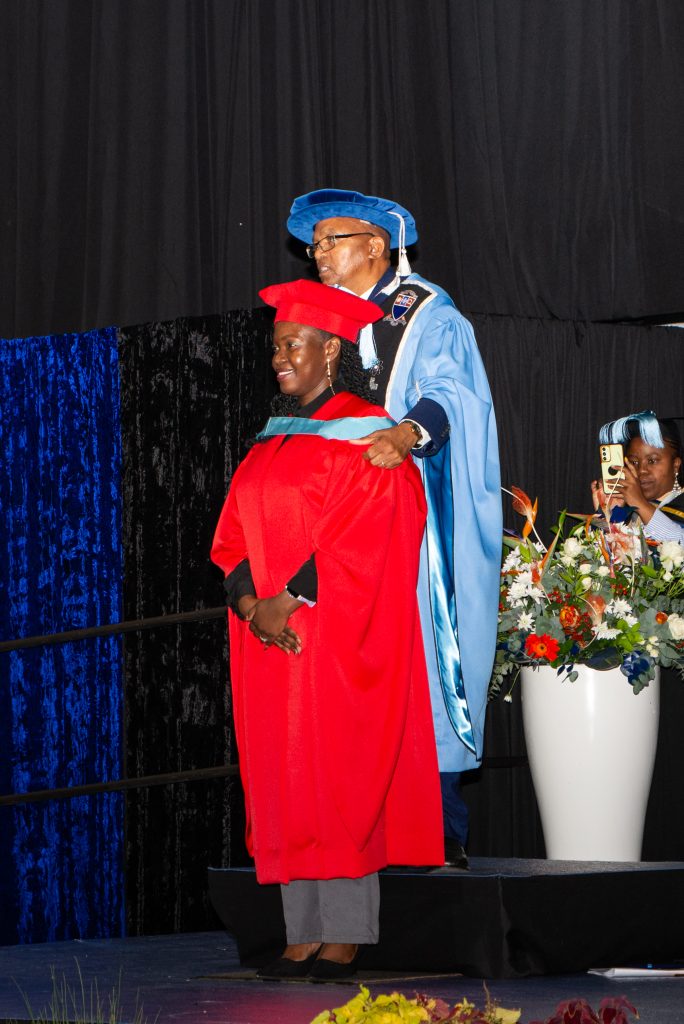 Dr Nkwinika currently serves as a Lecturer in the Department of Virology at SMU, a position she has held since 2021. She is also Programme Manager at the South African Vaccination and Immunisation Centre (SAVIC), where she oversees vaccinology training, advocacy initiatives, and stakeholder engagement programmes.
Her academic journey reflects a strong commitment to research excellence and public health advancement. She previously completed an MSc in Medical Virology (cum laude) and a BSc Honours degree in Medical Virology at SMU, after earning a BSc in Biochemistry and Microbiology from the University of Venda.
Over the course of her career, Dr Nkwinika has developed an extensive research and teaching portfolio focused on HPV, STIs, cervical cancer prevention, vaccinology, and molecular diagnostics. She has produced eighteen peer-reviewed publications, delivered 36 conference presentations, and supervised postgraduate and undergraduate student research projects.
Her contributions to the scientific community have also earned national and international recognition. Among her achievements are the Best Abstract Award at the ASLM International Conference and the Best Presentation Award at the Tshwane District Health Services Research Conference in 2024. She is also an NRF–DAAD alumna and an active member of the International Papillomavirus Society and the Federation of Infectious Diseases Societies of Southern Africa.
Beyond her research activities, Dr Nkwinika has been actively involved in vaccination advocacy through television, radio, and community engagement campaigns aimed at improving immunisation awareness and strengthening public health education.
Her latest achievement reflects SMU’s ongoing commitment to advancing innovative health sciences research that addresses pressing healthcare challenges facing South Africa and the broader African continent. Through pioneering scientific inquiry and the development of future healthcare leaders, SMU continues to strengthen its position as a leading institution dedicated to transforming health services through excellence and innovation.
By Tumelo Moila
by Lorato | May 20, 2026 | All News, Alumni, SMU Media, Student Media
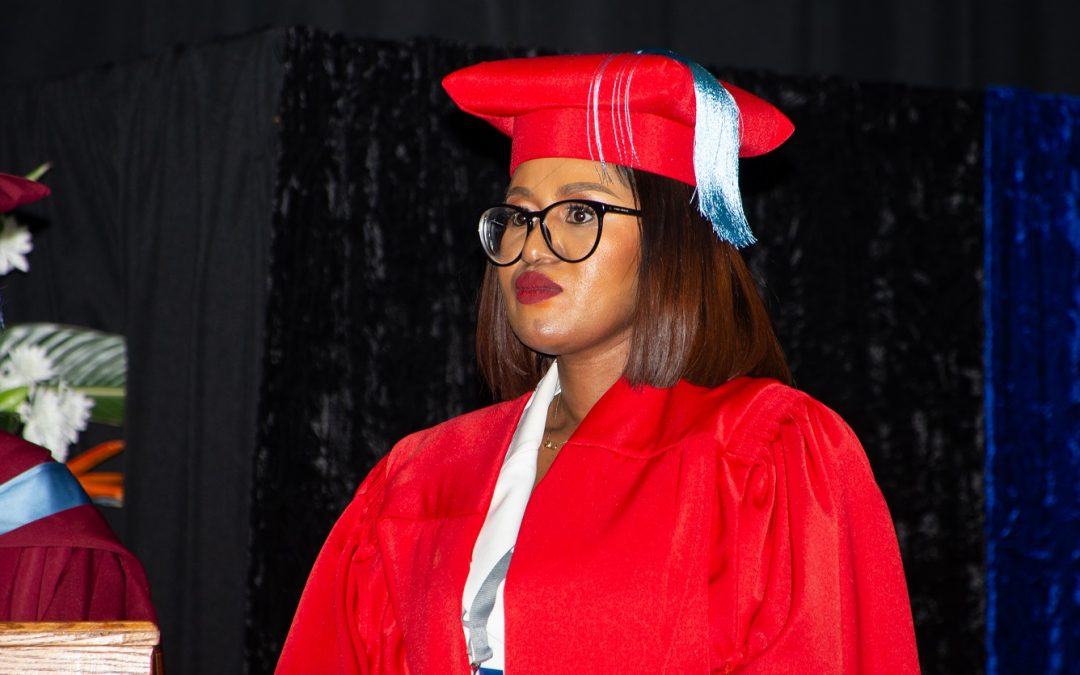
Sefako Makgatho Health Sciences University celebrated a major academic milestone during its 2026 autumn School of Pharmacy graduation ceremony as Lerato Sarah Mosima graduated with a Doctor of Philosophy in Pharmacy degree for her pioneering research into the accessibility of radiopharmaceuticals in English-speaking African countries.
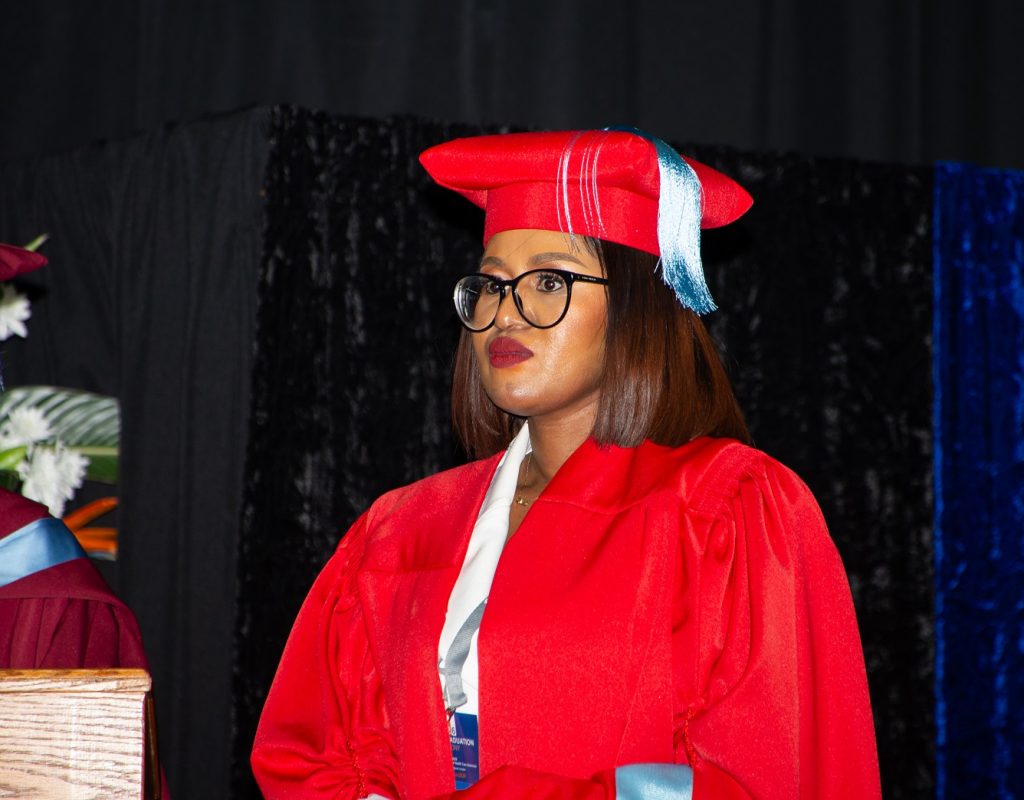 Dr Mosima’s doctoral study, titled Accessibility of Radiopharmaceuticals in English-speaking African Countries, examined the severe shortages and inequalities affecting access to nuclear medicine services across the continent. Her research highlighted the urgent need for investment, infrastructure development, regional collaboration and policy intervention to improve access to lifesaving diagnostic and therapeutic radiopharmaceuticals.
Radiopharmaceuticals play a critical role in the diagnosis of diseases such as cancer, cardiovascular diseases and neurodegenerative disorders, and the treatment of different types of cancers. However, Dr Mosima’s findings revealed that many African countries continue to face significant barriers in accessing these specialised healthcare services.
Speaking about the significance of her research, Dr Mosima said: “The study demonstrated that accessibility to radiopharmaceuticals in English-speaking African countries remains severely limited due to major gaps in infrastructure, equipment, trained personnel and procurement systems. Without urgent intervention, some countries risk losing these critical healthcare services entirely.”
The study employed a cross-sectional mixed-method design involving nuclear medicine professionals, such as radiopharmacists, medical physicists, nuclear medicine physicians and nuclear medicine technologists from thirteen English-speaking African countries. Data were collected between May 2023 and May 2024 through online questionnaires and focus group discussions.
The research found that countries such as Cameroon, Ghana, Mauritius, Zambia and Zimbabwe have only one nuclear medicine facility each, while Zambia was reported to have imaging equipment older than 33 years.
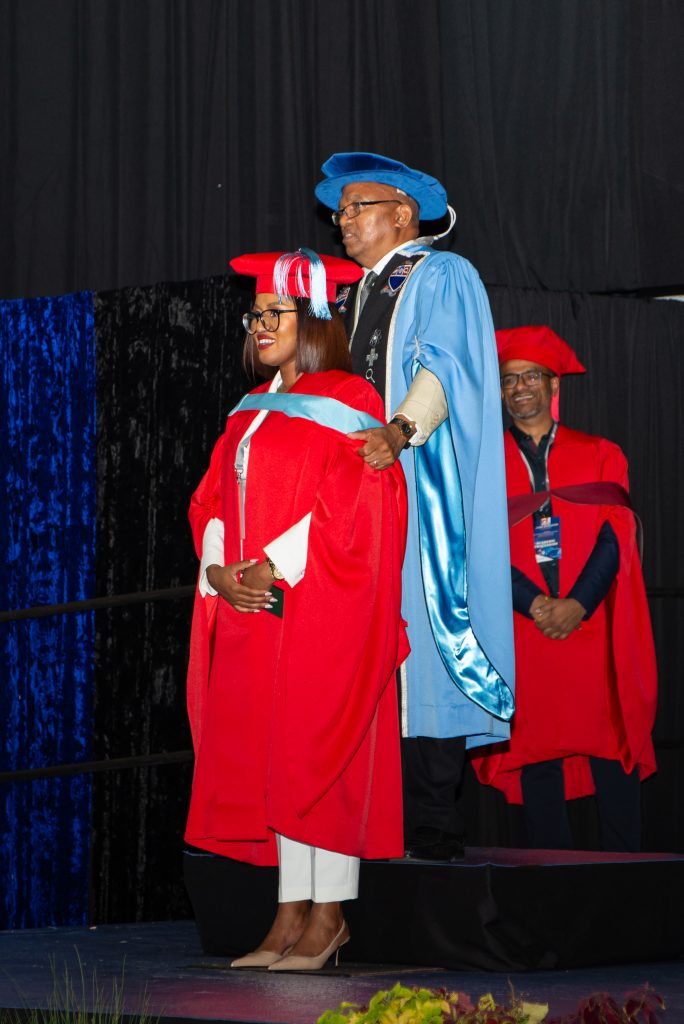 Dr Mosima also identified that only Kenya and South Africa currently offer Positron Emission Tomography (PET) services, while theragnostic — an advanced form of targeted cancer treatment — is extensively practised only in South Africa.
“Participants raised serious concerns about the high cost of radiopharmaceuticals, inadequate infrastructure and the shortage of trained personnel across the region,” she explained. “There is also limited awareness of nuclear medicine and radiopharmacy among healthcare stakeholders and policymakers, which further delays investment and development.”
One of the major contributions of the study was the development of a radiopharmacy database mapping the geographic distribution of radiopharmaceutical infrastructure in English-speaking African countries. The database provides a visual overview of service availability and existing gaps across the region.
Currently serving as an nGAP lecturer in the Department of Pharmaceutical Sciences at SMU, Dr Mosima has built an impressive academic and professional profile in radiopharmacy. She previously obtained both her Master of Pharmacy in Radiopharmacy and Doctor of Pharmacy qualifications from SMU, after completing degrees in Pharmacy and Diagnostic Radiography at the University of Limpopo.
Her growing body of scholarly work includes multiple peer-reviewed publications in international journals focusing on radiopharmacy services, radiation exposure, healthcare access and nuclear medicine development in Africa.
Dr Mosima said collaboration would be essential in transforming radiopharmaceutical services across the continent. “Regional governments, healthcare institutions and international partners need to work together to establish local production facilities, strengthen procurement networks and expand training opportunities. Improving access to radiopharmaceuticals is ultimately about improving equitable healthcare access for African patients,” she said.
The achievement reflects SMU’s continued commitment to advancing innovative health sciences research that addresses pressing healthcare challenges facing South Africa and the African continent. Through cutting-edge research, postgraduate training and academic excellence, the university continues to position itself as a leading institution driving transformation, innovation and healthcare advancement in Africa.
By Tumelo Moila
by Lorato | May 18, 2026 | All News, SMU Media, Student Media
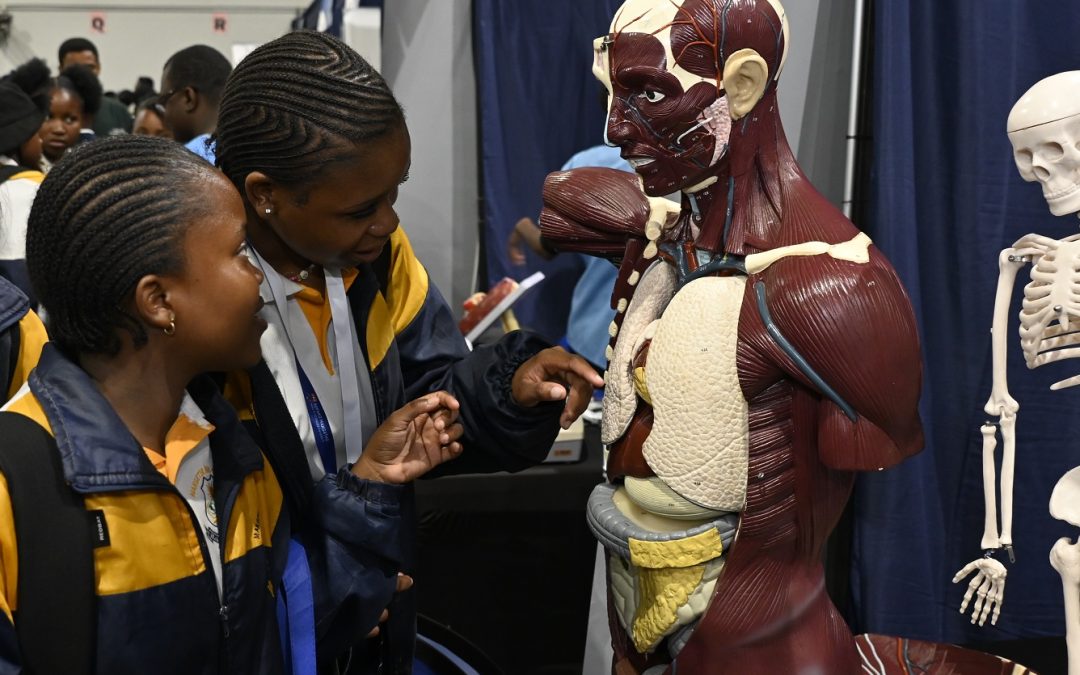
More than 2 300 top-performing learners and educators from 103 schools across Gauteng, Limpopo, Mpumalanga, the Free State and North West gathered at Sefako Makgatho Health Sciences University recently, for the institution’s highly anticipated Open Day 2026, themed “NEXTGEN: Shaping Health Sciences in South Africa”.
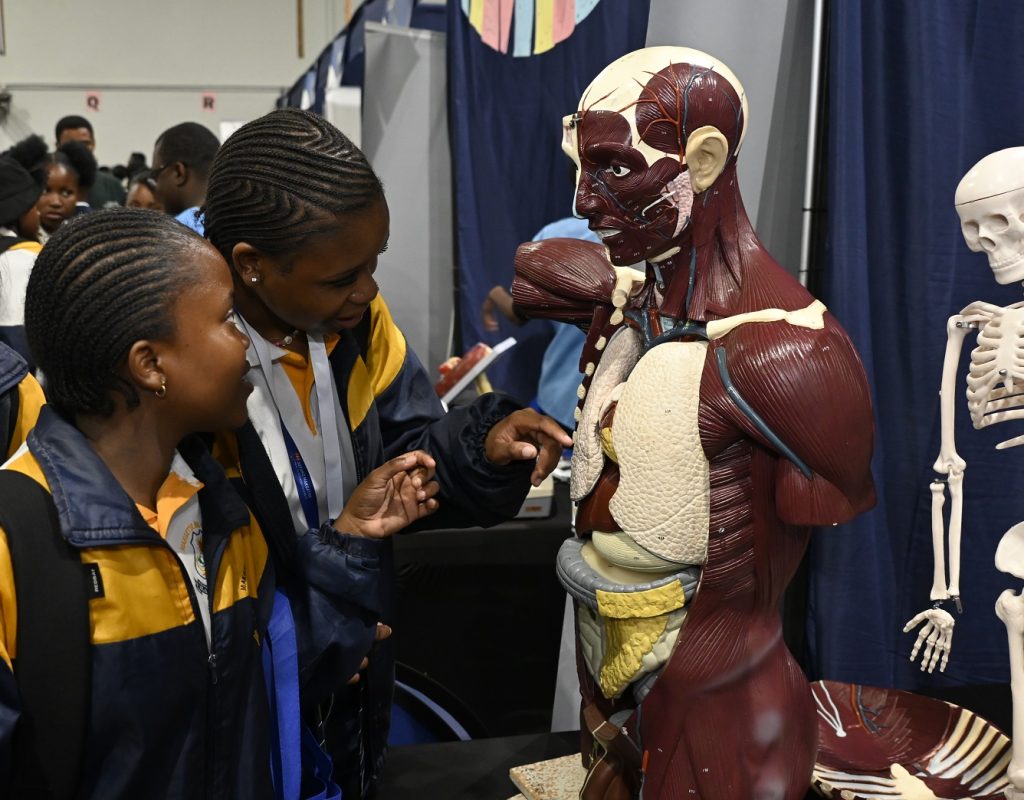 Hosted at the university’s Sports Complex, the event welcomed Grade 9 to 12 learners with a strong interest in health sciences careers, particularly those studying Mathematics, Physical Sciences, Life Sciences and English. The initiative offered prospective students an immersive introduction to professions shaping the future of healthcare, science and technology in South Africa, while reinforcing SMU’s growing reputation as one of the country’s leading specialised health sciences universities.
Representing all five SMU schools — Dentistry, Health Care Sciences, Medicine, Pharmacy, & Science and Technology — the university transformed its campus into an interactive learning environment filled with live demonstrations, exhibitions, campus tours and one-on-one engagements with academics, students and alumni. From the early hours of the morning, the atmosphere reflected excitement and ambition as learners explored the institution’s state-of-the-art facilities and experienced first-hand what student life at SMU has to offer.
One of the day’s standout attractions was the Emergency Medical Care Unit exhibition from the School of Medicine, where realistic trauma simulations demonstrated CPR procedures and spinal immobilisation techniques. The hands-on experience captivated learners and highlighted the practical nature of healthcare training at SMU. The School of Science and Technology also drew significant attention through engaging scientific demonstrations designed to spark curiosity about careers in applied sciences, innovation and research.
Visitors further explored the university’s cutting-edge laboratories, simulation centres and the Oral Health Centre, which plays a central role in the clinical training of students. Dedicated information sessions for learners, parents and educators covered important topics including NSFAS funding, student accommodation, campus safety, mental health support and student wellness services, reinforcing the university’s commitment to student-centred education and holistic development.
Speaking during the event, Ntsheu Collins Mangena, Student Recruitment Officer at SMU, said the Open Day formed part of the university’s broader mission to inspire and prepare future healthcare professionals.
“We focus on both academic excellence and the development of compassionate, community-conscious professionals,” said Mangena. “Open Day is about helping learners visualise their place in this ecosystem and showing them how they can contribute meaningfully to transforming healthcare in South Africa.”
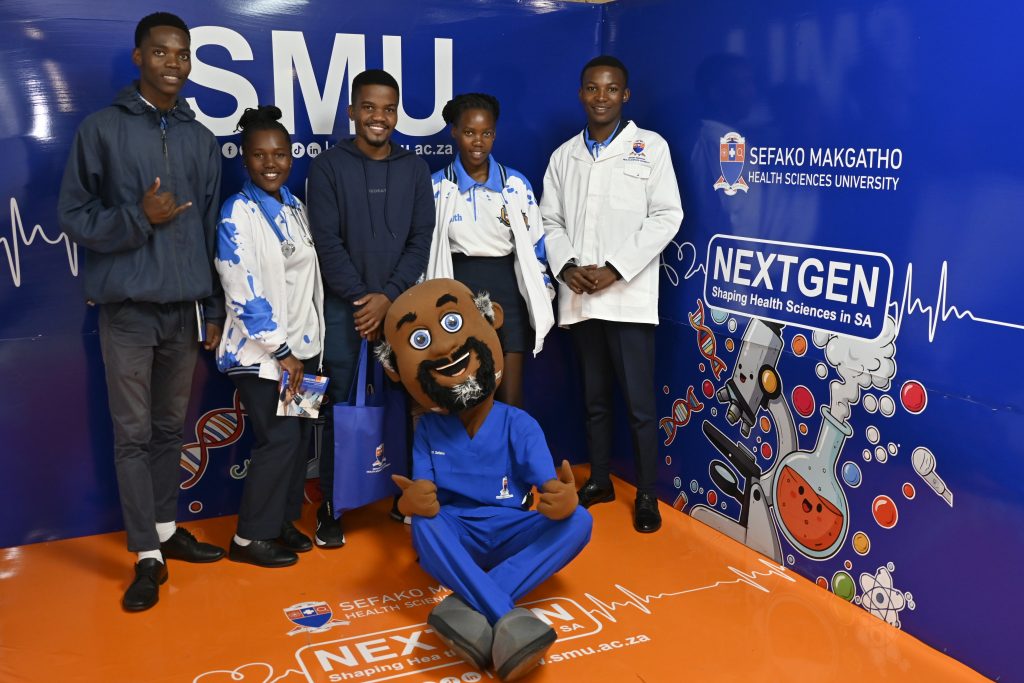 SMU student brand ambassadors also played an important role throughout the day by sharing their personal academic journeys and offering practical advice to prospective applicants. Simamkele Talatala, a fourth-year medicine student and student ambassador, encouraged learners to prepare thoroughly for the demands of higher education.
“Understand what you are applying for,” said Talatala. “Aim for higher marks and prepare yourself for the journey of becoming a healthcare student. SMU is the right place to become a clinically competent healthcare professional.”
Learners described the experience as both informative and inspiring. Temoso Hlakole, a Grade 12 learner from P.H.L Moraka Secondary School, said the event provided clarity about her future aspirations.
“I would like to pursue an MBChB at SMU,” said Hlakole. “I had a wonderful time and got clarity on most of the questions I had regarding the course I want to pursue. I connected with the higher education environment and interacted with people who share the same interests as mine. I would rate this event a solid 10 out of 10.”
With applications for the 2027 academic year officially open, SMU used the event to encourage learners to begin preparing for careers in healthcare and science. Undergraduate applications close on 31 July 2026, while postgraduate applications close on 31 August 2026.
Guided by its vision of transforming health services through excellence and innovation, SMU continues to strengthen its role in developing skilled, ethical and community-conscious healthcare professionals. As learners departed campus carrying prospectuses, application guides and renewed motivation, the success of Open Day 2026 once again highlighted the university’s contribution to advancing health sciences education, research and healthcare delivery in South Africa.
By Tumelo Moila

by Lorato | Apr 23, 2026 | All News, Alumni, SMU Media, Student Media
Sefako Makgatho Health Sciences University continues to shape leaders across Africa, and few stories capture this impact as powerfully as that of Dr Tiro Mampane. President and founder of the Boitekanelo Group of Companies. A graduate of Medical University of Southern Africa, now SMU, Dr Mampane completed his Bachelor of Medicine and Bachelor of Surgery in 2003 and has since built a transformative healthcare education enterprise in Botswana.
 Raised in Bontleng, a small township in Gaborone, Dr Mampane credits his entrepreneurial roots to his family. “I grew up in an entrepreneurial family. My grandmother owned a tuckshop selling magwinya, and that’s where I acquired my early business instincts,” he recalls. “Bontleng is a community where education, hard work and service to others are highly valued. Those early experiences shaped my desire to contribute meaningfully to my country.”
His decision to pursue health sciences was shaped by witnessing inequality in healthcare access. “As a child, I saw the challenges families faced in accessing quality healthcare. I wanted to be part of a profession that not only heals, but uplifts communities,” he says. This passion would later drive him to establish Boitekanelo College, creating pathways into healthcare careers for others.
Dr Mampane’s academic journey was influenced by strong role models, particularly his mother. “Her strength, discipline and sacrifices laid the foundation for everything I have achieved,” he says. He also acknowledges mentors such as Ms Nkwane and Mr Jim Ngambi, who encouraged him to “dream beyond my circumstances”.
Choosing MEDUNSA was a deliberate step. “It had a reputation for excellence and for producing professionals who make a difference across Africa. I wanted an environment grounded in service and social responsibility,” he explains. His time at the institution proved formative. “The university challenged me intellectually and taught me discipline, perseverance and leadership,” he says, adding that exposure to diverse peers strengthened his belief in continental collaboration.
After graduating, Dr Mampane worked at Princess Marina Hospital during the height of the HIV/AIDS pandemic. Confronted with a severe shortage of healthcare professionals, he made a pivotal decision. “I realised I could make a greater contribution by training the next generation,” he says. This led to the founding of Boitekanelo College.
Today, the institution stands as a significant force in Botswana’s health education landscape, with over 10,000 graduates and a strong employment rate. “Our mission is to change lives through quality healthcare education,” he says. “We focus not only on technical skills, but on compassion, ethics and accountability.”
A recent collaboration between SMU’s Department of Speech and Audiology and Boitekanelo College marks a full-circle moment. “As an alumnus, it is deeply meaningful to see my alma mater and Boitekanelo working together. It demonstrates the lasting value of relationships built at university,” he reflects.
Looking ahead, Dr Mampane emphasises the importance of African collaboration. “By working together, we can share knowledge, address common challenges, and strengthen health sciences education across the continent,” he says.
For current students, his message is clear: “Remain committed to excellence, never stop learning, and always remember the communities you serve.” His journey stands as a testament to SMU’s enduring role in developing leaders who drive innovation, expand access to healthcare, and transform lives across Africa.
By Tumelo Moila
by Lorato | Apr 23, 2026 | All News, Alumni, SMU Media, Student Media
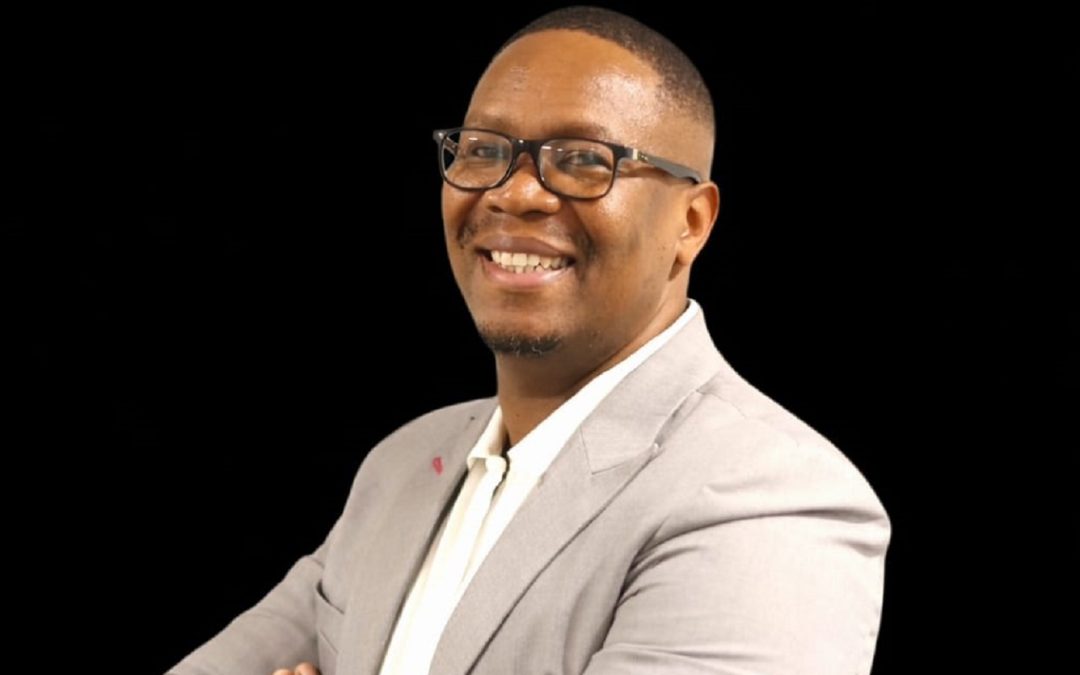
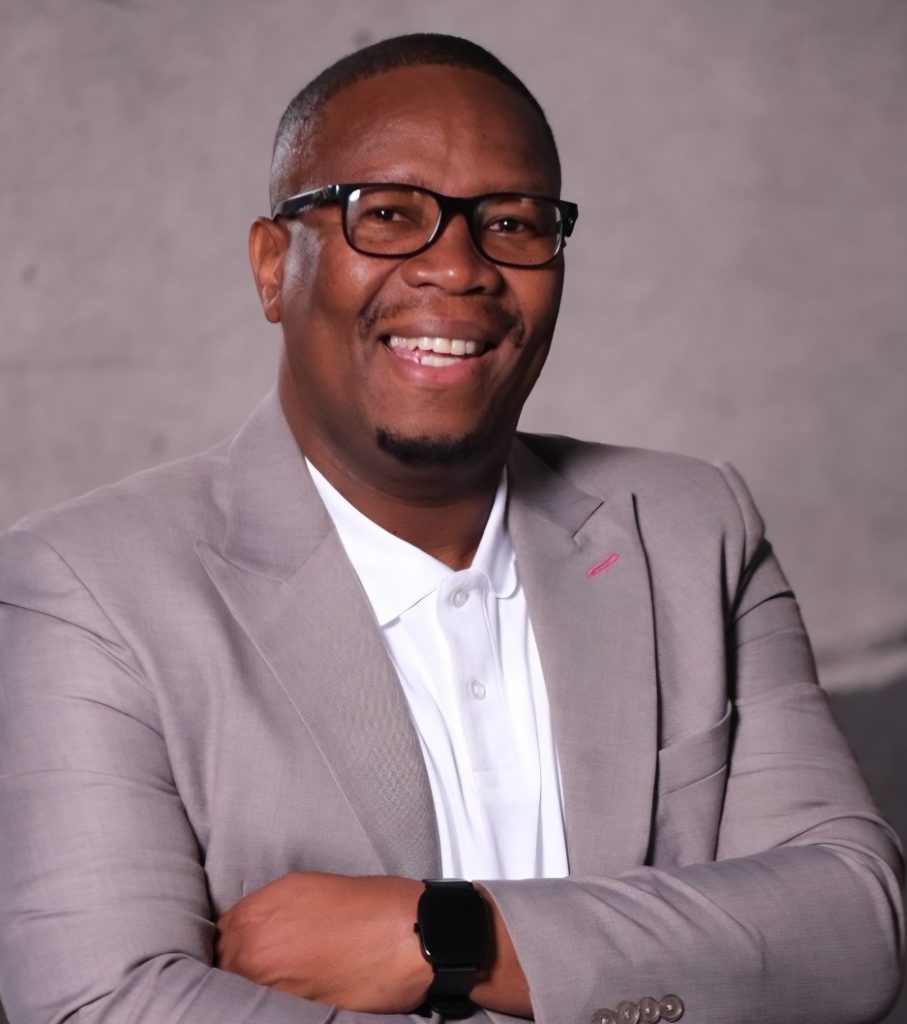
Sefako Makgatho Health Sciences University (SMU), formerly the Medical University of Southern Africa (MEDUNSA), continues to produce graduates who shape health systems far beyond South Africa’s borders. Among them is Dr Luvuyo Bayeni, an alumnus whose journey from clinical medicine to continental health leadership reflects the evolving role of doctors in strengthening public health systems across Africa.
 Dr Bayeni, who holds an MBChB from SMU and an MBA from Nelson Mandela University, has built a career that bridges frontline clinical care and strategic health governance. He currently serves as Chief Director for Human Resources for Health at South Africa’s National Department of Health, where he leads national workforce planning and policy development aimed at strengthening the resilience of the health system.
Speaking about his professional journey, Dr Bayeni reflects on the shift from clinical practice to systems leadership: “Medicine taught me to treat individuals, but leadership has taught me to treat systems. If we fix the system, we improve care for millions, not just one patient at a time.”
With over 21 years of experience, his career has spanned Obstetrics and Sexual and Reproductive Health, district health management, and senior executive roles, including Acting Chief Executive Officer, Clinical Manager for Surgery, and District Health Manager. His reputation for operational turnaround in challenging environments, particularly in the Eastern Cape, earned him the informal title “Dr Fix It”.
Dr Bayeni’s leadership foundation was shaped early during his time at SMU, where he was deeply involved in student governance. He served in multiple leadership roles, including four terms in the Student Representative Council and positions within SASCO and other student structures. These experiences, he says, were formative in understanding accountability and advocacy.
“Student leadership was my first exposure to governance. It taught me that leadership is not about position, but about responsibility to others,” he explains.
Beyond national government, Dr Bayeni extends his influence through DrB Talks, a platform he founded to drive conversations on health systems, leadership, and community development. The platform has featured discussions across media outlets, including Sowetan and TruFM, aiming to connect policy with public understanding.
At the continental level, he serves as Co-Chair of the Governance and Leadership Subcommittee of the African Union Health Workforce Task Team, contributing to efforts aimed at strengthening health workforce systems across member states. He is also a Fellow of the Africa Leadership Initiative, recognising his contribution to ethical and transformative leadership.
 Reflecting on Africa’s health challenges, Dr Bayeni emphasises the need for collaboration and long-term thinking: “Africa’s health systems will not be strengthened by isolated interventions. We need coordinated leadership, investment in people, and sustained commitment to reform.”
In addition, he serves on governance structures, including the Board of Boxing South Africa and the Medical and Dental Board of the Health Professions Council of South Africa, contributing to regulatory oversight and professional standards.
Dr Bayeni’s journey illustrates a broader shift in health professions: the transition from individual clinical excellence to systemic leadership. His work demonstrates how clinicians can shape policy, governance, and workforce development at national and continental levels.
His story also reflects the enduring role of SMU in producing health professionals who are not only clinically competent but also equipped for leadership in complex systems. The university’s commitment to excellence, accountability, and innovation continues to be evident in the impact of its alumni across Africa’s health landscape.
Ultimately, Dr Bayeni’s career stands as a testament to the power of combining clinical expertise with visionary leadership. From hospital wards to national policy and African Union platforms, his work continues to advance the goal of equitable and resilient healthcare systems.
SMU remains central to this narrative, reinforcing its mission of transforming health sciences education and contributing meaningfully to the health and well-being of communities in South Africa and beyond.
By Dimakatso Modise