by Lorato | May 28, 2026 | All News, Alumni, SMU Media, Student Media
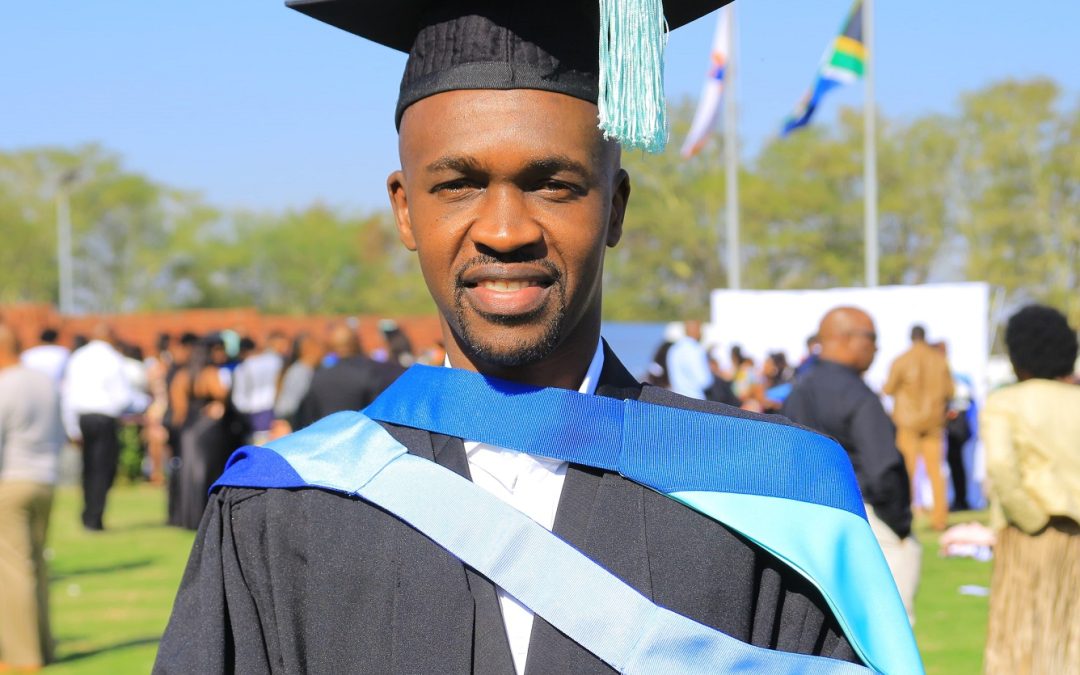
From a small village situated 10 kilometres west of Makhado, formerly known as Louis Trichardt, in Limpopo, to the forefront of organised medicine in South Africa, Dr Tshilidzi Sadiki continues to embody the values of excellence, leadership, and service that define Sefako Makgatho Health Sciences University (SMU).
 The accomplished neurosurgeon, academic, and healthcare advocate has recently been elected President of the South African Medical Association Trade Union (SAMATU), marking another significant milestone in a career dedicated to advancing healthcare delivery and advocating for medical professionals across the country.
Dr Sadiki completed his MBChB at SMU, then known as Medunsa, where his passion for medicine and leadership first began to flourish. Over the years, he has built an impressive career in neurosurgery, becoming widely respected for his expertise in complex cranial and spinal procedures, as well as his compassionate and patient-centred approach to care.
Currently serving as a Specialist Neurosurgeon, Acting Head of Clinical Unit for Neuro-Oncology at Dr George Mukhari Academic Hospital (DGMAH), and lecturer in the Department of Neurological Surgery at SMU, Dr Sadiki has consistently balanced clinical excellence with academic leadership and healthcare advocacy.
His professional journey reflects a longstanding commitment to academic achievement and public service. During his student years, he served as Deputy Secretary of the Student Representative Council in 2009/2010 and was selected as part of the prestigious Abe Bailey Scholars Programme in 2008. These early leadership roles laid the foundation for his continued influence within the healthcare sector.
Dr Sadiki’s academic credentials include a Fellowship in Neurosurgery from the Colleges of Medicine of South Africa and a Master of Medicine in Neurosurgery from SMU. He also serves as an examiner for the Colleges of Medicine of South Africa and has participated in numerous international endoscopic skull base surgery courses. In 2025, he was selected for the prestigious WFNS-AESCULAP Adult Neurosurgery Fellowship in Germany at Universitätsklinikum Tübingen, further cementing his standing as one of South Africa’s highly trained neurosurgical specialists.
Despite opportunities beyond the public healthcare system, Dr Sadiki has remained committed to serving economically marginalised communities through the public sector. At a time when South Africa’s healthcare system continues to face immense pressures, his dedication to providing specialised neurosurgical services at DGMAH reflects a deep commitment to equitable healthcare access.
His election as SAMATU President follows four years of service as the union’s second Deputy President from September 2022 to May 2026. Established in 1996 in accordance with the Labour Relations Act 66 of 1995, SAMATU represents more than 8 000 medical practitioners across South Africa and advocates for the rights, empowerment, and professional interests of doctors.
Over recent years, the union has emerged as a key stakeholder in healthcare policy discussions, engaging extensively with the National Department of Health on critical reforms affecting healthcare practitioners and service delivery nationwide.
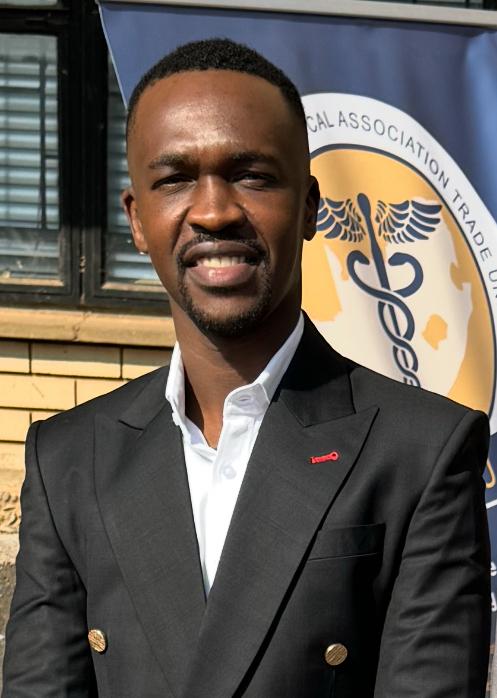 Dr Sadiki succeeds fellow SMU alumnus Dr Langanani Mbodi, continuing a growing legacy of SMU-trained healthcare professionals assuming influential leadership positions within national healthcare organisations.
Reacting to his election, Dr Sadiki described the appointment as both an honour and a significant responsibility. “It is a profound honour to serve as President of SAMATU. I accept this responsibility with humility and a firm commitment to advancing the interests of healthcare practitioners while strengthening healthcare delivery for all South Africans,” he said.
“Our healthcare professionals continue to face immense pressures within the public and private sectors. SAMATU must remain a united and credible voice that advocates for fair working conditions, professional development, and healthcare systems that allow doctors to deliver the highest standard of patient care.”
Beyond clinical practice and union leadership, Dr Sadiki has also contributed extensively to neurosurgical research and postgraduate supervision, with scholarly publications focusing on neurosurgical conditions and patient outcomes in South Africa.
Reflecting on the role played by SMU in shaping his leadership journey, he acknowledged the institution’s enduring influence on his professional and personal development. “SMU laid the foundation for my professional and personal growth. The university instilled values of excellence, accountability, integrity, and service to humanity. I remain proud to be part of an institution that continues to produce healthcare professionals who lead with competence and compassion,” he said.
Dr Sadiki’s election further strengthens SMU’s reputation as a leading producer of healthcare leaders committed to transforming health services through excellence, innovation, ethical leadership, and community-centred care. Through its continued investment in specialist training, teaching and learning, innovative research, and public healthcare advancement, SMU continues to shape healthcare systems and improve lives in South Africa and beyond.
By Tumelo Moila
by Lorato | May 27, 2026 | All News, Alumni, SMU Media, Student Media
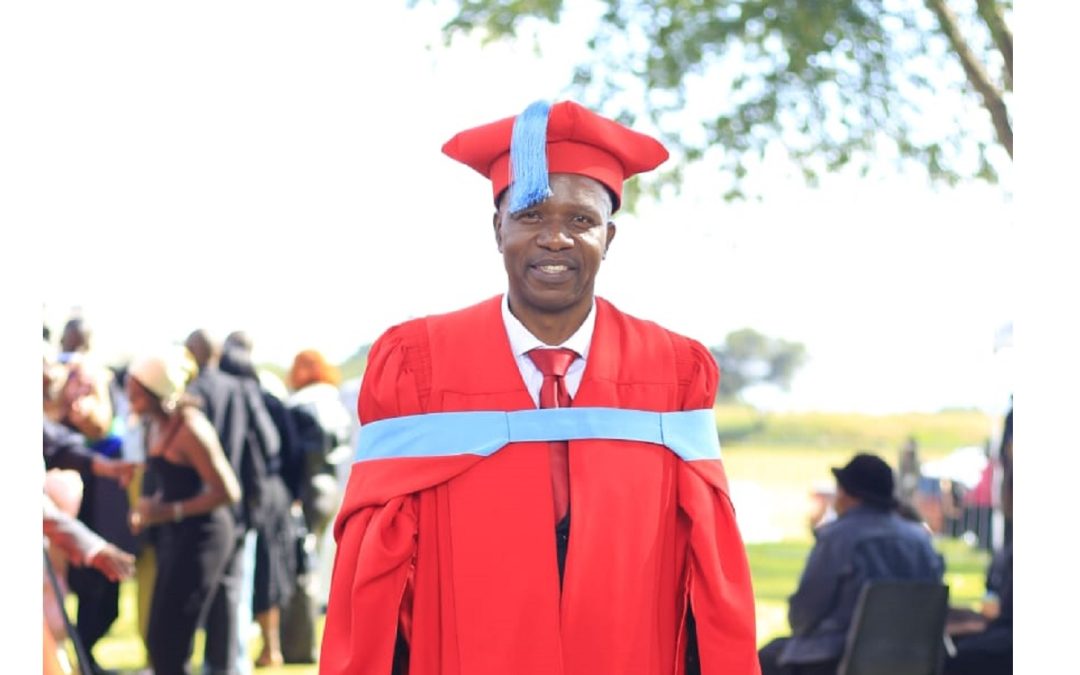
The Sefako Makgatho Health Sciences University (SMU) has celebrated a major academic achievement after Muisaphanda Enos Rampamba, Manager for Professional Affairs (Education) at the South African Pharmacy Council, graduated with a Doctor of Philosophy (PhD) in Pharmacy during the university’s autumn graduation ceremony.
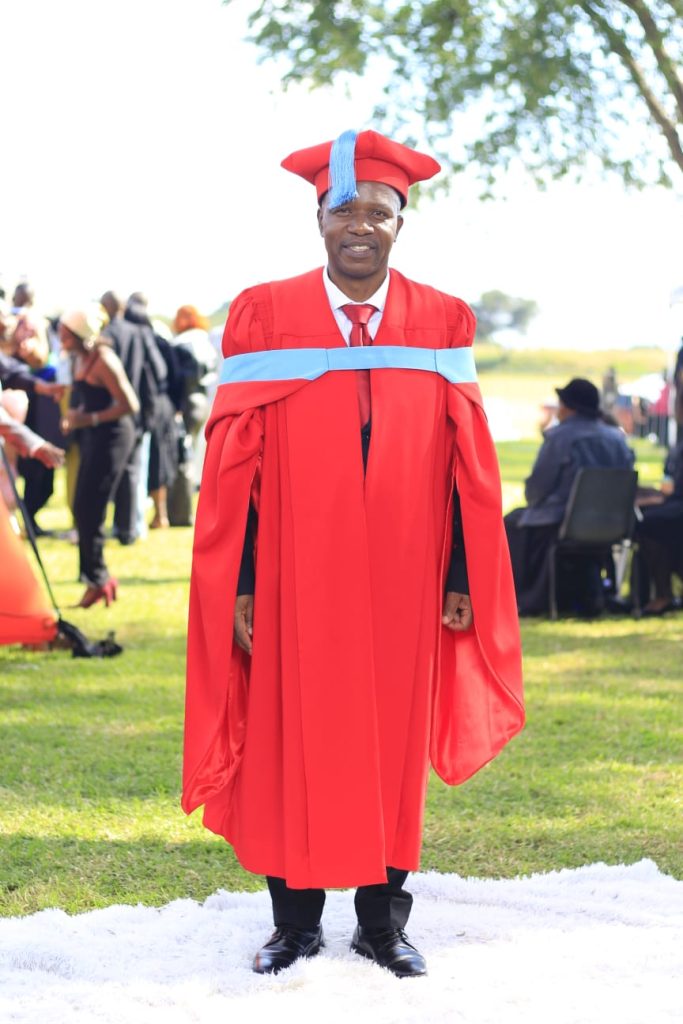 Dr Rampamba’s doctoral study, titled Development of a quality indicator framework for hypertension at public primary health care level in South Africa, addresses persistent challenges in the management of hypertension within South Africa’s primary healthcare (PHC) system. Conducted through SMU’s School of Pharmacy, the research developed and tested practical quality indicators to strengthen healthcare delivery to and improve patient outcomes across PHC clinics.
Hypertension remains one of the leading contributors to cardiovascular disease in lower- and middle-income countries, including South Africa. Although national policies and clinical guidelines have been introduced to strengthen the management of non-communicable diseases (NCDs), inconsistent treatment outcomes and weak monitoring systems continue to affect patient care at PHC facilities.
Dr Rampamba said the study was motivated by the urgent need to improve the quality of care provided to patients living with hypertension.
“This study was driven by the need to strengthen the quality of care provided to patients with hypertension at the primary healthcare level. The findings revealed important gaps in patient monitoring, medicine availability and data management, but also highlighted opportunities to improve patient outcomes through practical and measurable quality indicators,” he said.
The mixed-methods research was conducted in three phases and included rapid evidence reviews, expert panel consultations, clinical audits and clinicians’ interviews across 12 PHC clinics in Limpopo’s Vhembe District. Through the study, Dr Rampamba developed 45 evidence-based quality indicators focused on patient monitoring, review, lifestyle counselling, laboratory testing, intermediate outcomes, referrals and practice indicators.
The findings exposed serious challenges in hypertension management at PHC level. Only 35% of patients maintained controlled blood pressure over 12-months period, while just 38% received all prescribed antihypertensive medication at their most recent clinic visit. The study further revealed that poor routine data collection systems limited the effective measurement and monitoring of healthcare quality in many clinics.
Dr Rampamba emphasised the importance of strengthening digital healthcare systems to improve patient care and clinical decision-making.
 “Nurses participating in the study strongly supported the migration from manual systems to electronic data management. Improved data systems will strengthen patient monitoring, support better decision-making and ultimately improve the quality of care delivered in clinics,” he said.
With more than two decades of experience in pharmaceutical management and leadership, Dr Rampamba currently oversees pharmacy education standards, accreditation processes and professional development initiatives at the South African Pharmacy Council. Before joining the council, he served in several senior roles within the Limpopo Department of Health, including Pharmacy Manager at Tshilidzini Regional Hospital.
Throughout his career, he has maintained a strong focus on healthcare quality improvement, patient education and research. His doctoral work has already received national and international recognition and has been presented at two national and two international conferences, including the 82nd FIP World Congress of Pharmacy and Pharmaceutical Sciences held in Cape Town in 2024.
The study has also produced several peer-reviewed journal publications, contributing to broader global discussions on hypertension management and healthcare quality in Africa.
Dr Rampamba said he hopes the framework developed through the research will support policymakers and healthcare professionals in strengthening NCD management across South Africa.
“Implementing these indicators nationally could improve healthcare quality, enhance patient outcomes and ensure more efficient use of limited healthcare resources. The framework also has the potential to be adapted for other non-communicable diseases in South Africa and elsewhere on the continent,” he said.
The achievement reflects SMU’s growing contribution to health sciences research, innovation and evidence-based healthcare solutions. As a dedicated health sciences university, SMU continues to advance research that responds directly to the healthcare challenges facing South Africa and the broader African continent.
By Tumelo Moila
by Lorato | May 27, 2026 | All News, Alumni, SMU Media, Student Media
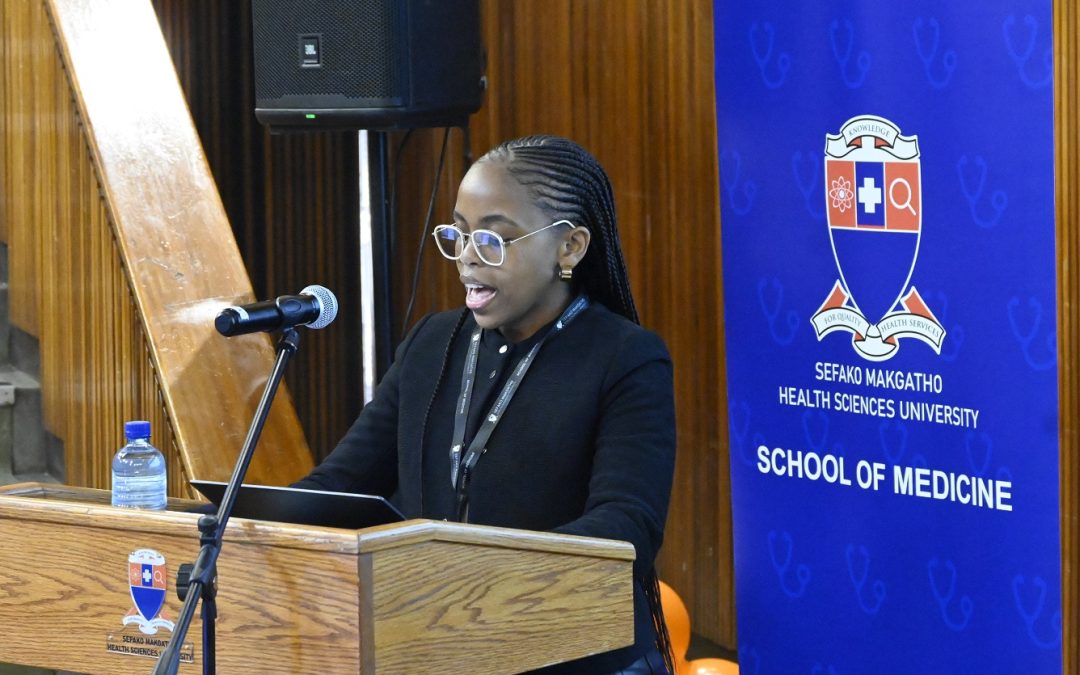
Sefako Makgatho Health Sciences University’s School of Medicine hosted its annual Research Day recently, bringing together academics, clinicians, postgraduate students and emerging scientists to showcase research aimed at transforming healthcare across Africa.
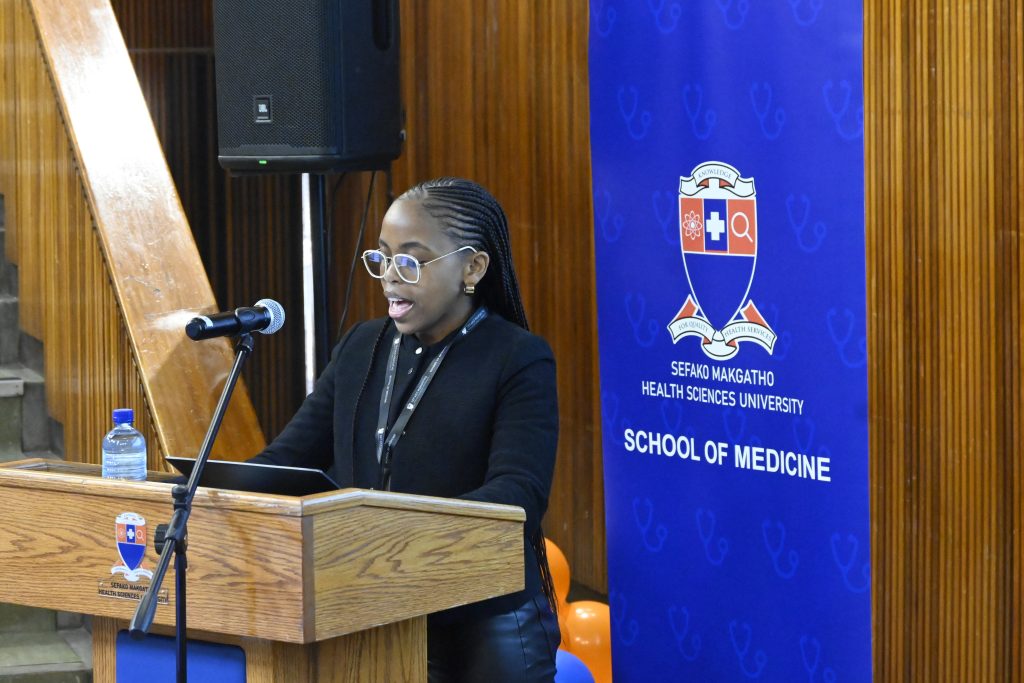 Held at the Clinical Pathology Building under the theme, “Strengthening Evidence-Based Practice through Interdisciplinary Health Research”, the event highlighted cutting-edge work in biomedical sciences, molecular medicine, public health, diagnostics and surgical innovation.
Delivering his remarks, Dean of the School of Medicine Prof Risenga Chauke praised the quality of scholarship presented during the day and reflected on the event’s growing impact within the health sciences sector. “Today has been a celebration of scholarship, innovation, collaboration and the relentless pursuit of knowledge,” said Prof Chauke. “We have witnessed the breadth and excellence of research taking place across biomedical sciences, molecular medicine, diagnostics, therapeutics, public health, surgical innovations, mental health and translational medicine.”
Prof Chauke also expressed ambitions to expand the event beyond the university campus in future, emphasising that the quality of SMU’s research deserved a larger platform. “Next year we must look that we don’t have it on campus. We must have it somewhere else,” he said.
The Research Day served as an important platform for postgraduate students to present their findings, engage with peers and build confidence as emerging researchers. Among the presenters was Naledi Mkhabela, a master’s student from the Department of Pharmacology and Therapeutics, who showcased research investigating trypsin inhibitors in Artemisia afra leaf extracts as potential anti-obesity agents.
 Reflecting on her academic journey, Mkhabela described research as both challenging and rewarding. “Balancing academics and laboratory work was very difficult as an honours student,” she said. “But at master’s level, it becomes more enjoyable because you grow into the process.”
Mkhabela added that presenting at the conference helped her overcome anxiety around public speaking and broadened her professional exposure. “I was very nervous before, but after today, I gained confidence,” she said. “It exposes you to networking, public speaking and sharing your ideas.”
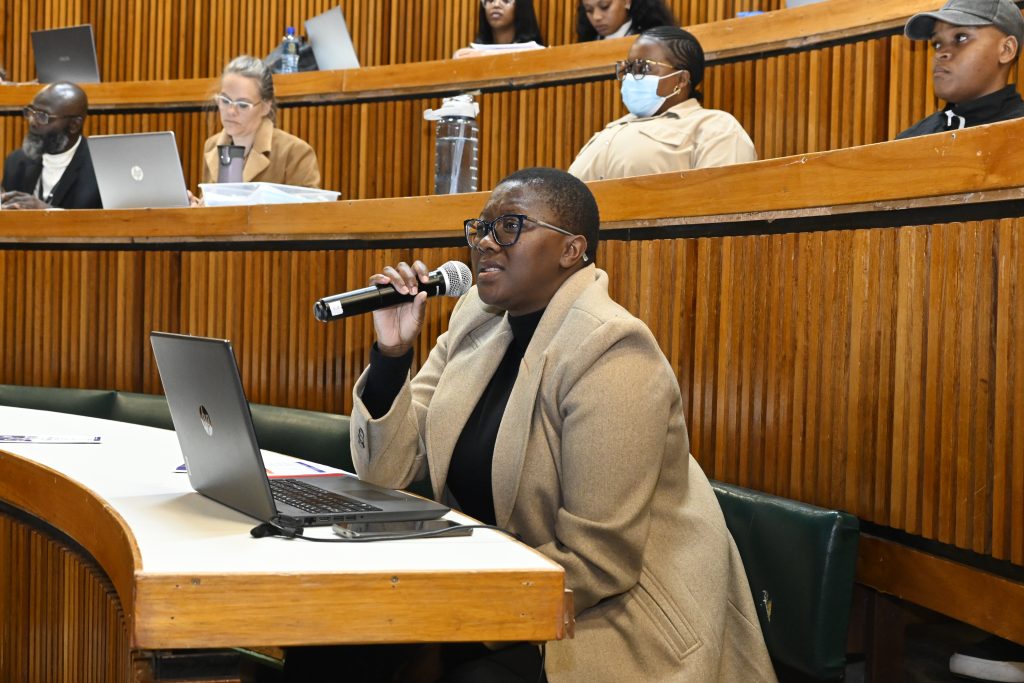
Discussions during the event also focused on personalised medicine and antimicrobial resistance. Dr Keletso Sekwana from the Department of Chemical Pathology warned that the misuse of antibiotics could create serious public health challenges in the future.
“Our clinicians need to be aware that while antibiotics protect against infections, overuse contributes to resistance,” Dr Sekwana said. “If we continue on this path, we may reach a point where the antibiotics we currently rely on no longer work.”
She further stressed the importance of moving away from “one-size-fits-all” treatment approaches. “We respond differently to diseases and medication because of genetic variation,” she explained. “Generalising how every patient should respond is not helping us.”
The conference also highlighted the importance of culturally sensitive healthcare communication. Mr Bonginkosi Mdletshe from the Department of Clinical Psychology presented research on the psychosocial experiences of Black African men diagnosed with prostate cancer. “Many of these men do not feel comfortable discussing their illness at home,” Mdletshe said. “Support groups are important because they create safe spaces for men to share information and experiences.”
Supported by sponsors including Lancet Laboratories, Standard Bank and Inqaba Biotec, the 2026 Research Day reinforced SMU’s commitment to academic excellence, innovative research and evidence-based healthcare solutions that continue to strengthen health systems in South Africa and across the continent.
By Rose Moreki
by Lorato | May 27, 2026 | All News, Alumni, SMU Media, Student Media
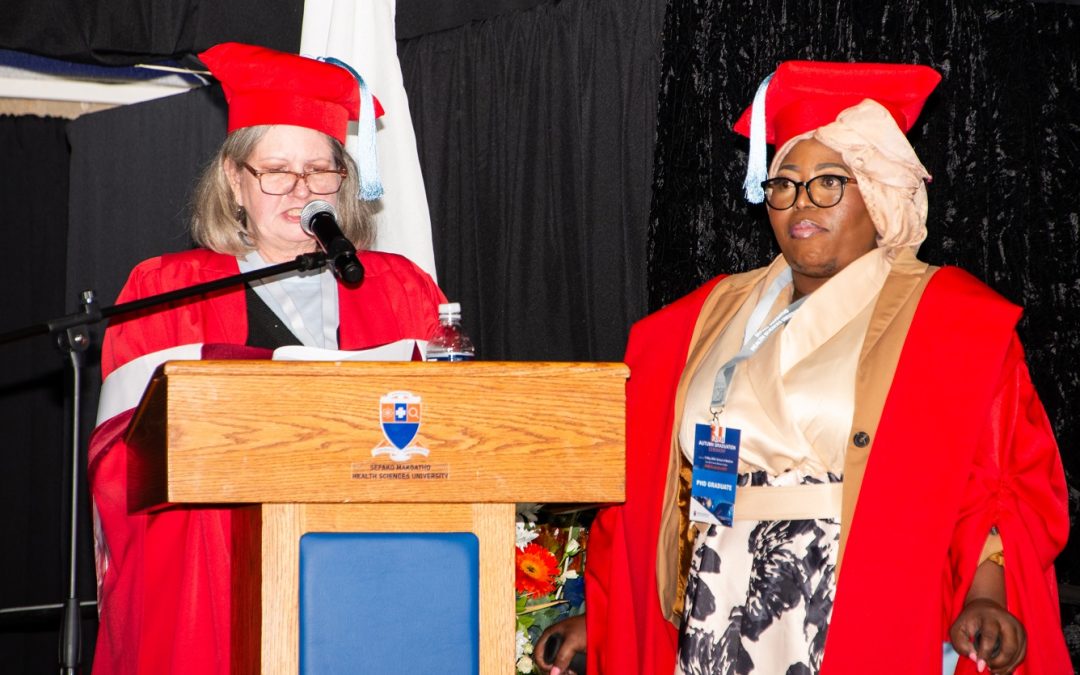
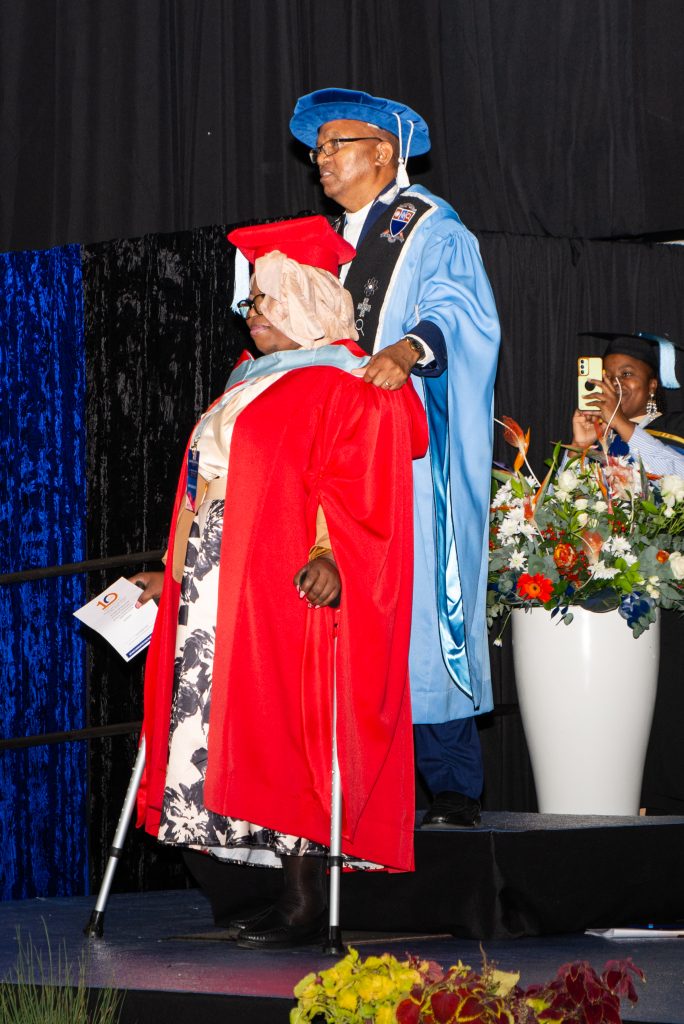
Sefako Makgatho Health Sciences University continues to strengthen its contribution to healthcare research and innovation following the graduation of Matete Olga Kgasha during the School of Medicine Autumn Graduation Ceremony 2026, where her groundbreaking research shed new light on the genetic and bacterial factors driving rheumatic heart disease in South Africa.
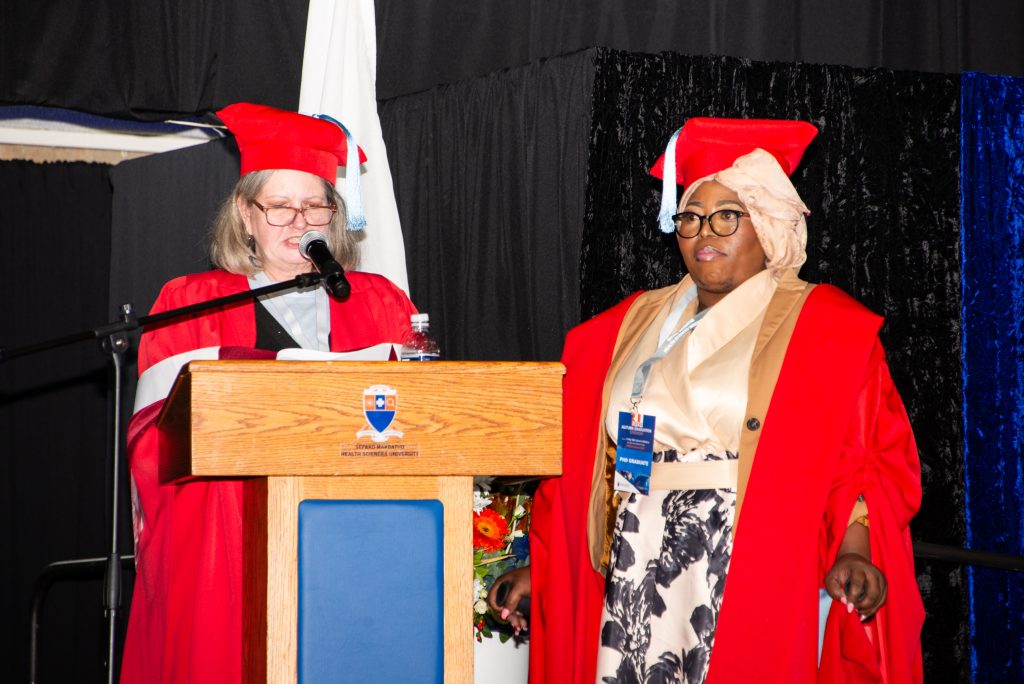 Kgasha graduated with a Doctor of Philosophy in Medical Microbiology after completing a pioneering study titled An epidemiological and genomic description of Group A Streptococcus strains and HLA Class II profiles in patients presenting with pharyngitis, acute rheumatic fever and rheumatic heart disease in Limpopo Province, South Africa. Her work explored the complex relationship between bacterial infections and human genetics in the development of acute rheumatic fever (ARF) and rheumatic heart disease (RHD), conditions that continue to affect vulnerable communities across the developing world.
The research focused on Group A Streptococcus (GAS), a bacterium commonly associated with throat infections that can trigger severe immune-mediated complications if left untreated. Rheumatic heart disease remains a major public health concern in South Africa, particularly among children and young adults in underserved communities.
Using advanced genomic and molecular techniques, Dr Kgasha identified extensive genetic diversity among circulating GAS strains while also uncovering important Human Leukocyte Antigen (HLA) Class II associations linked to increased susceptibility to ARF and RHD.
Speaking about the significance of the findings, Dr Kgasha said the research could play an important role in shaping future prevention and treatment strategies.
“This study provides critical information that may support future vaccine development, strengthen antimicrobial surveillance and improve prevention strategies for rheumatic heart disease in vulnerable communities,” she said.
She explained that understanding both bacterial strains and host genetic factors could help advance more personalised healthcare interventions in South Africa.
“Our findings highlight the importance of integrating molecular epidemiology, antimicrobial resistance monitoring and host genetic profiling into disease prevention programmes,” said Dr Kgasha. “The ultimate goal is to reduce the burden of preventable diseases affecting children and young adults.”
 The study also produced important findings relating to antimicrobial resistance. Although all GAS isolates remained susceptible to penicillin, some showed minimum inhibitory concentrations approaching resistance thresholds. Resistance to erythromycin and clindamycin was additionally identified, reinforcing growing global concerns around antimicrobial resistance and the need for continuous monitoring.
Importantly, the research revealed that less than 50% of the identified emm types were represented in the current 30-valent GAS vaccine under development, suggesting that vaccine coverage may be limited in Limpopo Province and highlighting the need for region-specific surveillance and vaccine strategies. Thanks to the grants received from DHET-UCDG, NRF Thuthuka and SAMRC with HFSP collaboration.
Beyond her doctoral achievement, Dr Kgasha currently serves as a lecturer and postgraduate laboratory manager in Medical Microbiology at SMU, where she is also the AFROStrep coordinator. Her work spans teaching, postgraduate supervision and infectious disease research, with a particular focus on antimicrobial resistance, infection prevention and control.
Over the years, she has contributed extensively to the scientific community through peer-reviewed publications, conference presentations and postgraduate student supervision. Her work has earned recognition both locally and internationally, including scholarships to present her research in Cape Town and Lausanne.
Reflecting on her academic journey, Dr Kgasha described the PhD as a milestone shaped by perseverance and collaboration. “Living with disability doesn’t mean unable but means finding purpose in the unforeseen boundaries. Obtaining this PhD represents years of dedication, resilience and collaboration,” she said. “I hope my work will contribute meaningfully to improving healthcare outcomes and inspire young scientists, particularly women in science, to pursue impactful research.”
As a dedicated health sciences institution, SMU continues to position itself at the forefront of research excellence, innovation and transformative healthcare education. Dr Kgasha’s achievement not only advances scientific understanding of rheumatic heart disease but also reflects the university’s enduring commitment to producing impactful research that addresses some of Africa’s most pressing health challenges.
By Tumelo Moila

by Lorato | May 20, 2026 | Accolades and Achievements, All News, Alumni, SMU Media, Student Media
Sefako Makgatho Health Sciences University (SMU) has conferred qualifications on a record 1 525 graduates during its 2026 Autumn Graduation Ceremonies, marking the highest number of graduates in the institution’s autumn graduation cycle and reinforcing its growing role in strengthening South Africa’s health sciences sector.
 Held over three days at the university’s sports complex, the ceremonies celebrated academic achievement across all five schools of the institution, including the School of Dentistry, School of Health Care Sciences, School of Medicine, School of Pharmacy, and School of Science and Technology. The milestone reflects SMU’s continued commitment to producing healthcare professionals, scientists, researchers and innovators equipped to contribute meaningfully to national development and the advancement of the African continent.
Of the 1 525 graduates, 1 033 (67.7%) received undergraduate qualifications, while 492 (32.3%) graduated with postgraduate qualifications. The postgraduate cohort included 122 Postgraduate Diploma recipients, 188 Honours graduates, 168 Master’s graduates and fourteen doctoral candidates who were awarded Doctor of Philosophy (PhD) degrees.
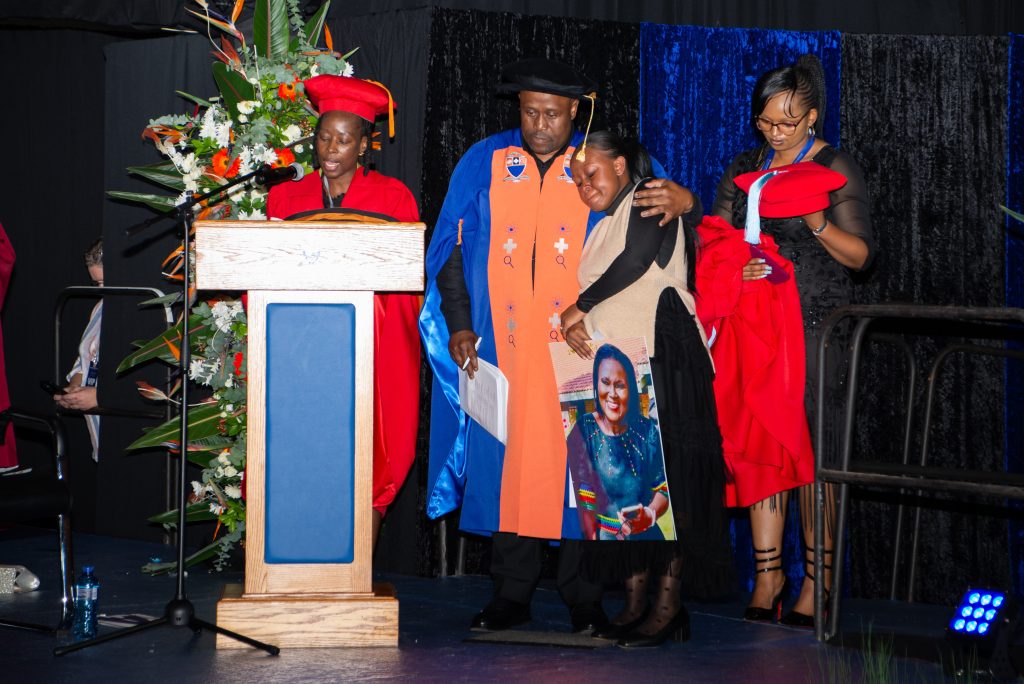 A deeply emotional moment during the ceremonies was the posthumous conferment of a Doctor of Philosophy in Nursing to the late Moroti Elizabeth Mahlangu. The qualification was accepted on her behalf by her daughter, SMU alumna Dr Busi Msikinya, née Mahlangu.
“Receiving this degree on behalf of my mother is both heartbreaking and inspiring,” said Dr Msikinya. “She dedicated her life to nursing, education and uplifting communities through healthcare. This achievement is a reminder that perseverance, sacrifice and purpose can leave a lasting legacy for future generations.”
The graduating class also reflects the University’s ongoing commitment to transformation and widening access to higher education. African graduates constituted 1 444 graduates, representing 94.6% of the cohort, while the class included ten Coloured graduates, 24 Indian graduates and 47 White graduates. Women continued to dominate the graduating cohort, with 1 052 graduates, accounting for 69% of all graduates.
A standout feature of the 2026 Autumn Graduation Ceremonies was the success of SMU’s Extended Curriculum Programme (ECP), which supports students from diverse educational backgrounds in accessing and succeeding in higher education. This year, 153 undergraduate students who entered the University through the programme graduated, highlighting the impact of SMU’s academic support and student development initiatives.
Benedict Masenamela, Senior Officer: Alumni Coordination at Sefako Makgatho Health Sciences University, said the graduation ceremonies reflected the University’s growing impact in transforming lives and strengthening the country’s healthcare and science & technology workforce.
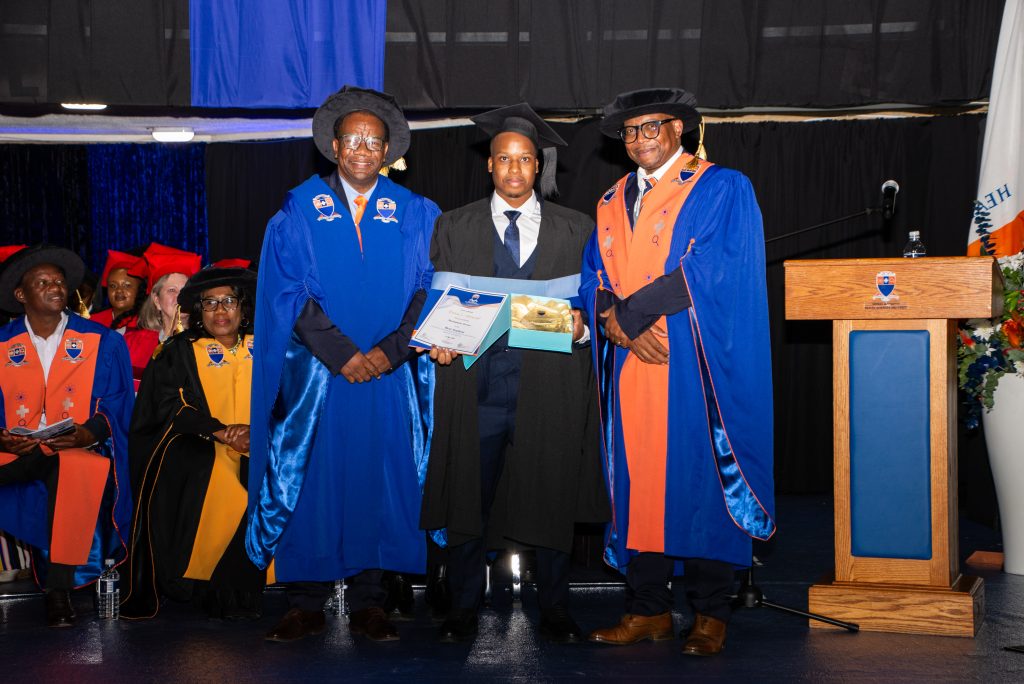 “Every graduate represents a story of resilience, determination and hope. As SMU, we take pride in producing professionals who are not only academically equipped, but who also embody compassion, leadership and a commitment to serving communities across South Africa and the continent,” Masenamela said.
The ceremonies also celebrated academic excellence, with 64 graduates receiving summa cum laude distinctions in recognition of exceptional academic performance. Among them was Bachelor of Medicine and Bachelor of Surgery graduate Trevor Mashabela, who also received the School of Medicine Dean’s Award.
“This achievement represents years of discipline, sacrifice and support from my family, lecturers and peers,” said Mashabela. “SMU gave me the opportunity to grow academically and personally, and I am proud to join a generation of healthcare professionals committed to serving communities with excellence and compassion.”
According to the graduation statistics, the School of Medicine produced the highest number of graduates at 497, followed by the School of Health Care Sciences with 383 graduates and the School of Science and Technology with 366 graduates. The School of Dentistry produced 144 graduates, while the School of Pharmacy conferred qualifications on 135 graduates.
The record-breaking graduation ceremonies reaffirm SMU’s position as a leading institution in health sciences education, research, innovation and community engagement. Through the graduation of professionals across healthcare, science and technology disciplines, the university continues to strengthen South Africa’s healthcare system while advancing socio-economic development and transformation.
SMU congratulated all graduands and their families on this milestone achievement and wished them success as they embark on the next chapter of their academic and professional journeys.
By Tumelo Moila