by Lorato | Mar 19, 2026 | Accolades and Achievements, All News, Alumni, SMU Media, Student Media
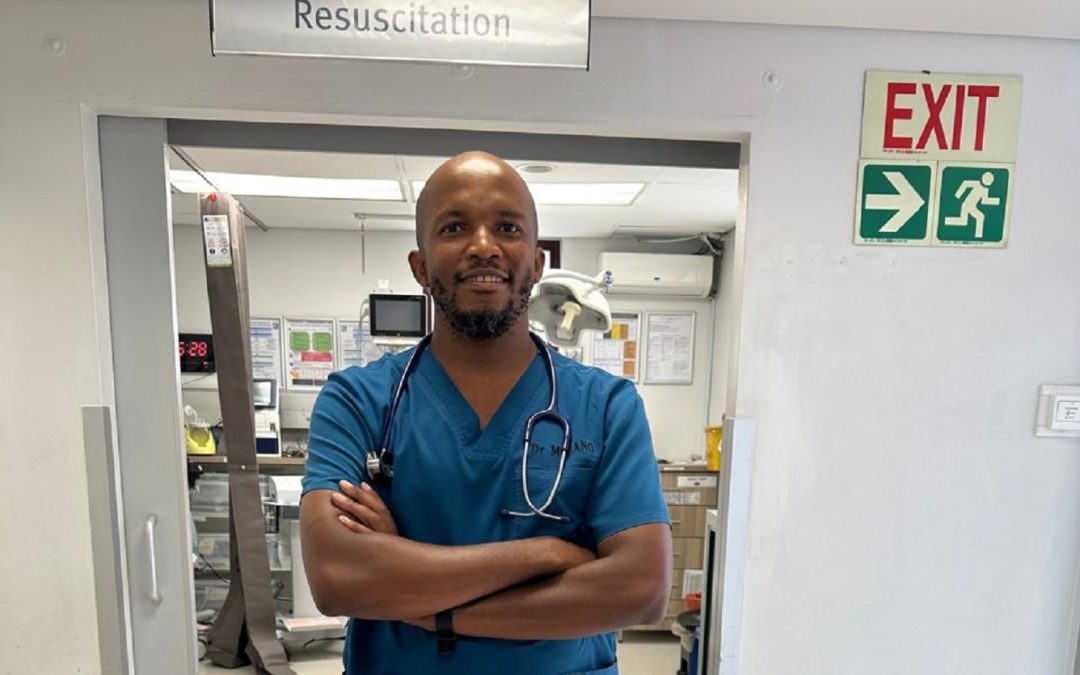
Dr Abraham Mogano, also known as Abbey, an exceptional alumnus of Sefako Makgatho Health Sciences University (SMU), continues to demonstrate that determination, resilience, and purpose can drive extraordinary achievement.
 In March 2026, Dr Mogano took on the Calling Cape Town Extreme Challenge, a demanding endurance event aimed at raising support for education for children from disadvantaged backgrounds. The challenge tests participants across multiple disciplines and requires both physical endurance and mental strength.
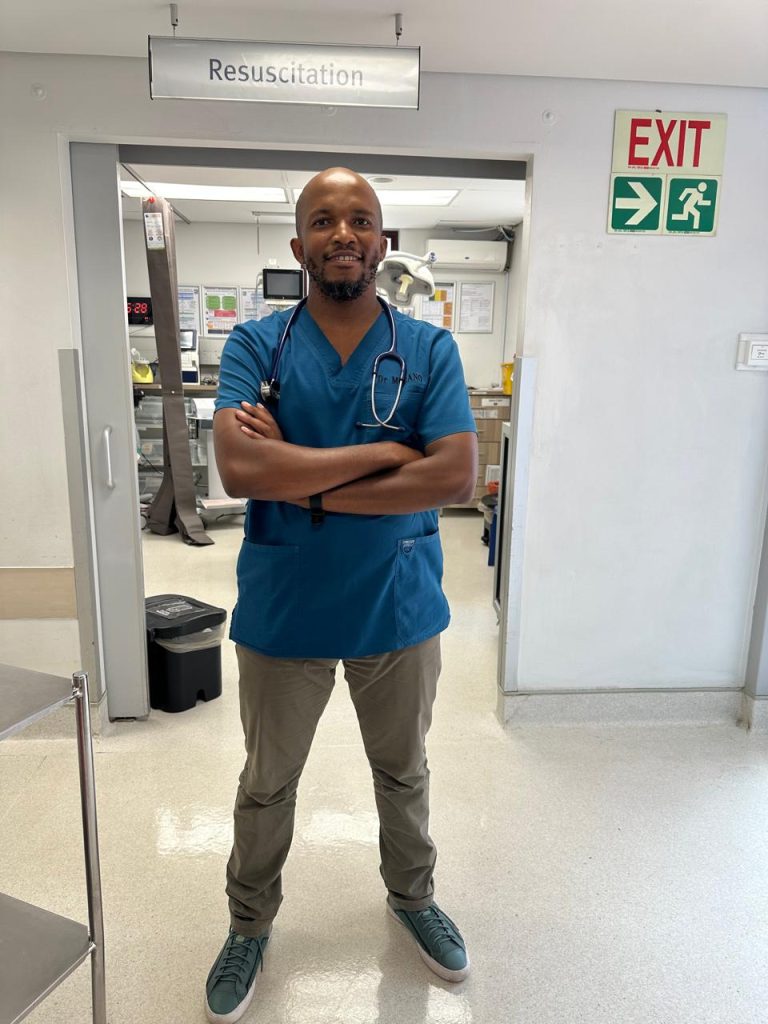
On 5 March 2026, Dr Mogano successfully completed an 8 km open water swim from Robben Island to Big Bay. This achievement alone stands as a significant milestone, given the unpredictable ocean conditions and the level of endurance required.
“I had never done a triathlon before,” he says. “But when I saw that the challenge supports education for children from disadvantaged backgrounds, I knew I had to be part of it. That purpose kept me going.”
The main challenge was scheduled for 8 March 2026 and was originally set to include another Robben Island swim, a 109 km cycle, and a 50 km run covering three Cape Town peaks. However, due to adverse weather conditions, the swim component had to be adjusted to ensure participant safety.
Instead, Dr Mogano completed a 2.7 km swim, followed by the full 109 km cycle and a demanding trail run reaching Devil’s Peak. Despite the changes, the challenge remained physically and mentally taxing. “Even with the changes, it was still a tough challenge,” he reflects. “But completing it reminded me that adaptability is just as important as preparation.”
For Dr Mogano, the journey is deeply personal. Growing up in a rural village in Mafikeng in the North West Province, he experienced first-hand how access to education and opportunities in sport can transform lives.
“Even a small opportunity can open doors—not just for one person, but for an entire generation,” he explains. “That is why initiatives like this matter.”
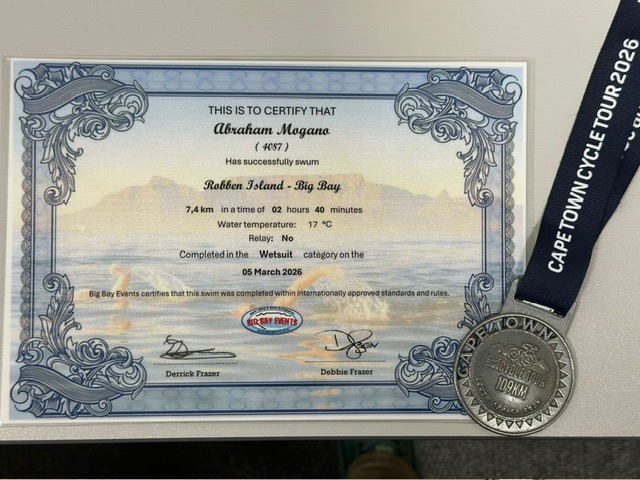 A proud SMU graduate, Dr Mogano completed his BSc in Dietetics in 2008 before going on to earn his MBChB from the University of Pretoria. He currently works as a General Practitioner at Netcare Moot Emergency Department and runs a Travel Medicine clinic at Intercare Wonderboom in Tshwane, with a focus on Emergency and Travel Medicine.
He credits his medical training for helping him build the discipline and resilience needed to take on extreme challenges. “Medicine taught me resilience, discipline, and focus—the same qualities required to complete a challenge like this,” he says.
Although he had never competed in a triathlon before, Dr Mogano brought strong experience in each individual discipline. His background includes open water swimming events, long-distance cycling, and ultra-marathons. This foundation enabled him to take on the combined challenge with confidence, even in the face of unexpected changes.
Balancing training with a demanding professional career and family responsibilities was not easy. However, through consistency and careful preparation, he remained committed to his goal. His ability to stay focused and adapt under pressure ultimately contributed to his success.
Dr Mogano’s achievement reflects SMU’s commitment to excellence, integrity, and community impact. His story embodies the university’s values of Ubuntu, ethical leadership, and service to society. “If my journey inspires even one child to believe in themselves or to pursue education, then every stroke, every pedal, and every step was worth it,” he says.
Through alumni like Dr Mogano, SMU continues to demonstrate how education can transform not only individual lives but also uplift communities. His accomplishment serves as a powerful reminder that with determination, purpose, and the willingness to adapt, even the most demanding challenges can be overcome.
By Dimakatso Modise
by Lorato | Mar 19, 2026 | All News, Alumni, SMU Media, Student Media
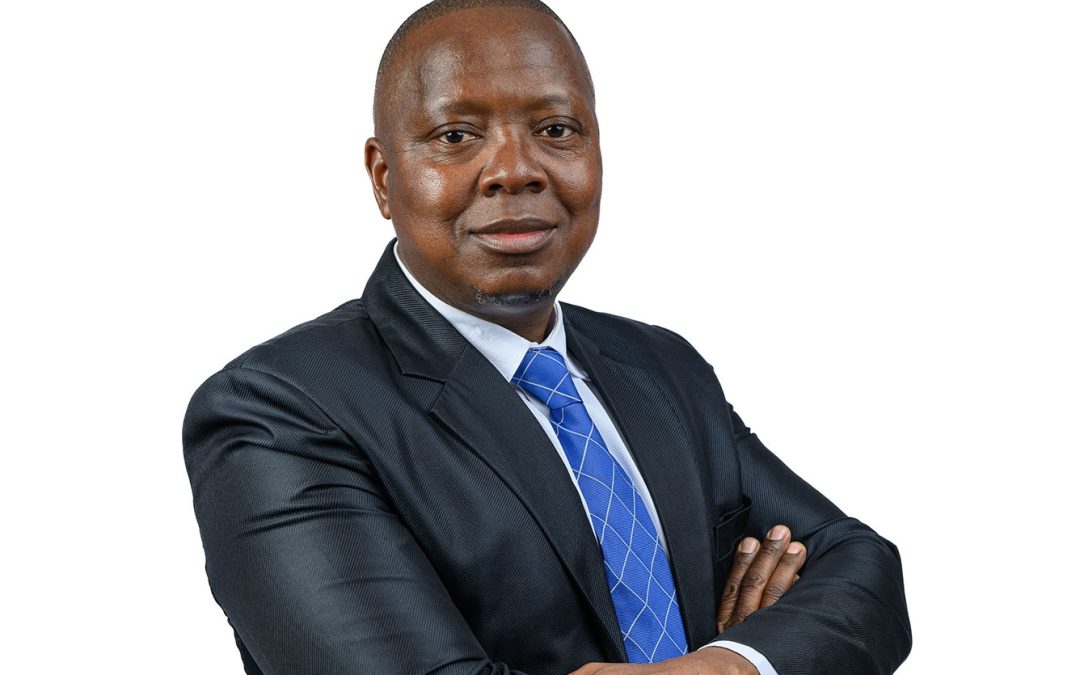
Dr Alfred Kgasi’s journey from a rural childhood in North West Province to leading one of South Africa’s premier veterinary academic institutions is a testament to purpose, perseverance, and impact. As an alumnus of Sefako Makgatho Health Sciences University (SMU), formerly MEDUNSA, his career illustrates the transformative power of education and the critical role of veterinary science in society.
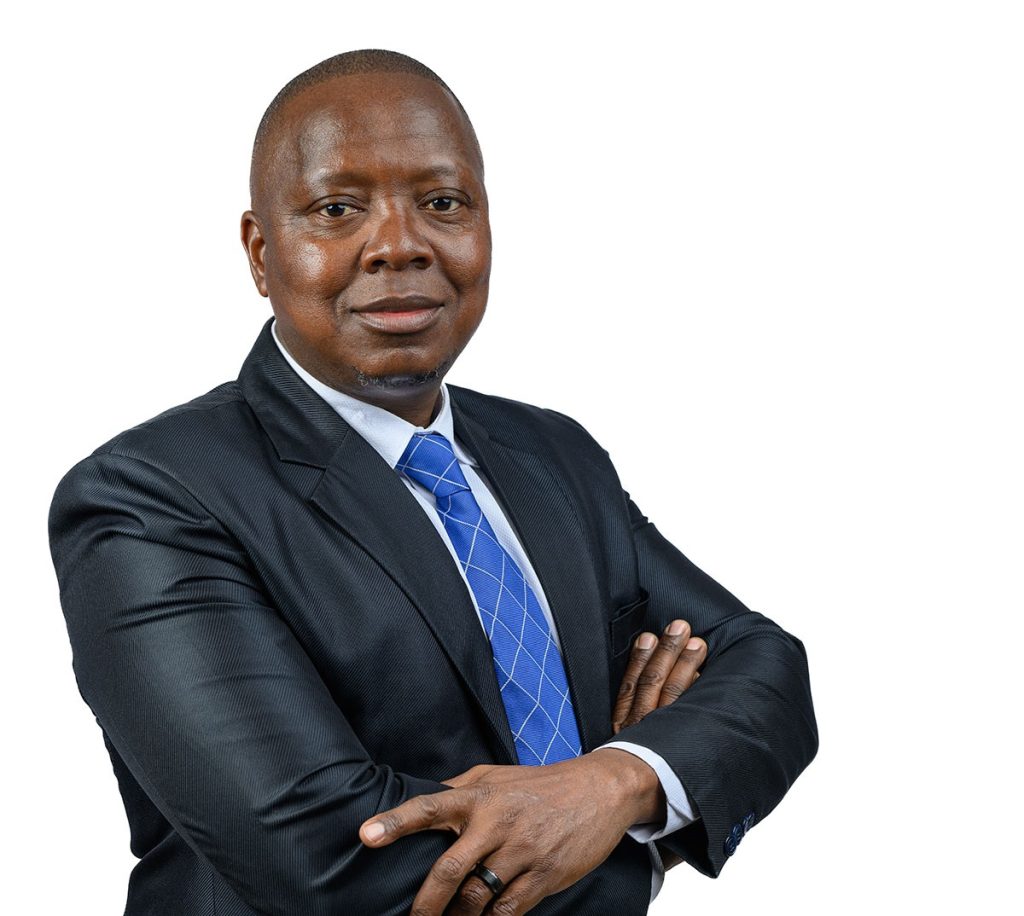 “Veterinary medicine appealed to me because it sits at the intersection of science, animal welfare, and community wellbeing,” Dr Kgasi explains. Growing up, animals were not only companions but essential to livelihoods and local economies, shaping his worldview and inspiring a lifelong dedication to animal health.
Dr Kgasi qualified as a veterinarian at MEDUNSA during South Africa’s pivotal democratic transition. “MEDUNSA didn’t just train veterinarians; it instilled resilience, discipline, and a strong sense of responsibility to society,” he reflects. The determination shared among students to uplift their communities became a driving force in his professional journey.
Recognising the need for broader expertise, Dr Kgasi pursued a Master’s in Veterinary Science, a Master’s in Business Leadership, and a law degree. “Science teaches problem-solving, business teaches leadership, and law teaches governance,” he says. “These combined perspectives equip me to lead strategically and ethically.”
His career spans private practice, public service, and regulatory roles, deepening his understanding of veterinary science and leadership. A highlight was his tenure as President of the South African Veterinary Council (SAVC) from 2019 to 2022, overseeing professional standards and ethical governance. “Strong regulation protects both the public and the integrity of our profession,” he states. His leadership strengthened accountability and public trust across the sector.
Currently, Dr Kgasi serves as Director of the Onderstepoort Veterinary Academic Hospital (OVAH) at the University of Pretoria. The hospital, part of South Africa’s only veterinary faculty, provides both advanced clinical care and essential training for future veterinarians. “An academic hospital must deliver excellent clinical care while preparing the next generation of professionals,” he explains.
Under his leadership, OVAH achieved Gold Status as a Cat Friendly Clinic, awarded by the International Society of Feline Medicine (ISFM). The recognition reflects the hospital’s commitment to high standards of feline care, innovative training, and the promotion of animal welfare.
Community engagement remains a cornerstone of Dr Kgasi’s work. Outreach programmes and training initiatives support farmers and communities reliant on livestock for food security and income. “Healthy animals mean stable livelihoods for many families,” he notes, highlighting the direct impact of veterinary science on human wellbeing.
Dr Kgasi attributes his success to lifelong learning and mentorship. “Leadership is not about having all the answers; it’s about continuing to learn and helping others grow,” he says. His philosophy shapes how he guides students, young professionals, and colleagues alike.
To aspiring veterinarians, his advice is clear: “Stay curious, stay committed, and be prepared to work hard. Few professions allow you to combine science, compassion, and service to society in the way veterinary medicine does.”
Looking ahead, Dr Kgasi emphasises the growing role of veterinary science in Africa’s future. Areas such as food security, public health, and wildlife conservation will require collaboration, innovation, and a shared commitment to improving animal and human well-being.
Dr Kgasi’s story embodies SMU’s vision: transforming health services through excellence and innovation. His work reflects the university’s core values—accountability, integrity, effective leadership, student-centred practice, and Ubuntu—demonstrating how alumni can shape society while staying rooted in professional and ethical excellence.
By Dimakatso Modise
by Lorato | Mar 11, 2026 | Accolades and Achievements, All News, Alumni, SMU Media, Student Media
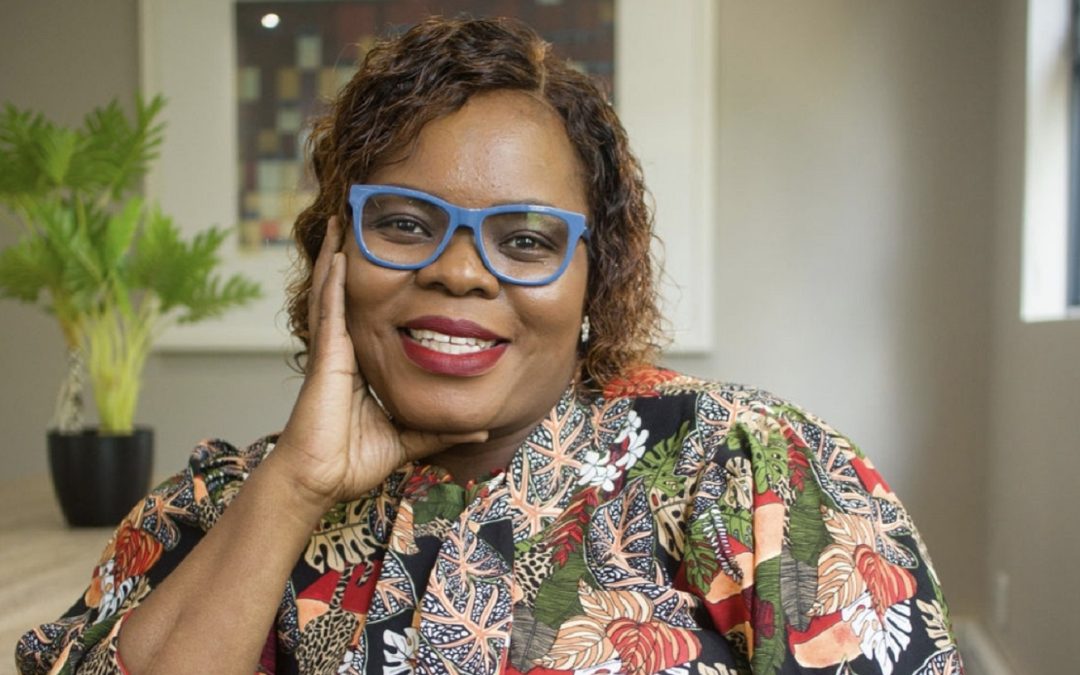
A doctoral candidate from Sefako Makgatho Health Sciences University (SMU) has received international recognition for pioneering research exploring the role of exercise in substance abuse recovery. Evah Molapisi, a PhD candidate and lecturer in Physiotherapy, secured the Session Best Presenter Award at the Global Health Conference in Bali for her research titled “Exercise as Medicine: Improving Cardiovascular Endurance and Global Function in Nyaope Recovery.”
 The award recognised the most impactful research presentation within her session and highlights the growing global interest in innovative approaches to addiction rehabilitation. Molapisi received an official certificate, formal recognition during the conference closing ceremony, and her research will be considered for publication in the conference proceedings. “This recognition affirms the calibre of mentorship and academic training at SMU,” Molapisi said. “It strengthens our resolve to produce research that improves access to recovery and rehabilitation services for vulnerable communities.”
Nyaope — a highly addictive street drug widely used in parts of South Africa — remains a serious public health concern. The substance, often composed of heroin, antiretroviral drugs and other harmful chemicals, can severely damage a user’s physical, cognitive and social functioning.
Molapisi’s research investigated whether structured physical activity could improve physical function among individuals recovering from nyaope addiction. The study followed 108 participants aged 18 and older at a rehabilitation centre in Tshwane over a 10-week structured exercise programme designed to improve cardiovascular endurance and general physical function.
Participants were assessed at three stages: before the intervention, midway through the programme, and after the 10 weeks. The findings revealed clear improvements in several key areas: greater stair-climbing endurance, indicating stronger cardiovascular fitness; faster heart-rate recovery after exercise; and improved aerobic capacity and overall physical conditioning.
“These results demonstrate that exercise can play a powerful role in restoring physical function during addiction recovery,” Molapisi explained. “It also helps improve psychological well-being and provides healthier behavioural alternatives that may reduce the risk of relapse.”
According to Molapisi, addiction treatment programmes often focus heavily on detoxification and psychological support, while the physical rehabilitation of recovering individuals receives less attention.
Her research suggests that structured exercise programmes should form part of holistic substance abuse rehabilitation strategies. “Exercise is a practical, accessible and evidence-based intervention,” she said. “When integrated into rehabilitation programmes, it strengthens both physical and mental resilience among recovering individuals.”
Molapisi serves as a Physiotherapy Community Lecturer and Undergraduate Research Coordinator at SMU, where she mentors students and leads research initiatives aimed at addressing real-world health challenges.
With more than 15 years of experience in clinical practice, teaching and community engagement, she has worked extensively in rehabilitation services and public health programmes.
Her doctoral research explores how physical activity programmes can improve quality of life and global physical function among recovering nyaope users in Tshwane. “Our work must move beyond theory,” Molapisi said. “Research should translate into solutions that strengthen communities and support people on their journey to recovery.”
Her award at the Global Health Conference in Bali places both Molapisi and SMU on the international research stage, while reinforcing the importance of innovative, community-centred approaches to tackling substance abuse.
By Tumelo Moila
by Lorato | Mar 5, 2026 | Accolades and Achievements, All News, Alumni, SMU Media, Student Media
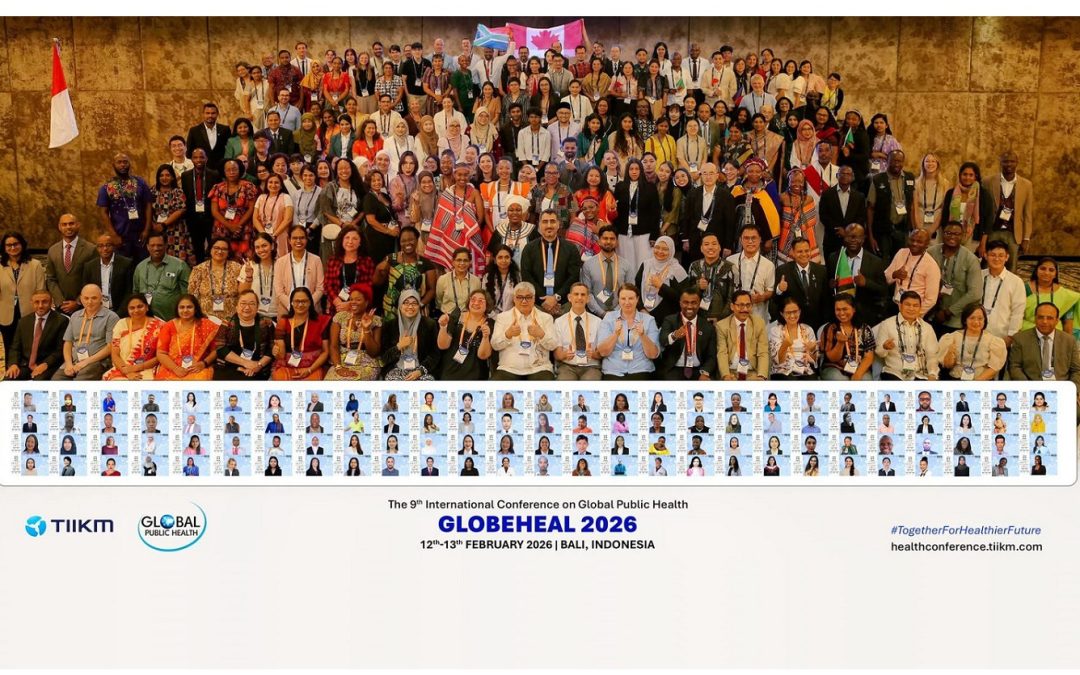
Sefako Makgatho Health Sciences University did not attend GLOBEHEAL 2026 to observe. It arrived to lead. Within two days, its academics delivered plenaries, chaired critical debates and secured top awards, confirming SMU as a serious global force in public health. Hosted in partnership with The International Institute of Knowledge Management, the 9th Global Public Health Conference convened leading scholars and practitioners from across the world. SMU’s presence was decisive, visible and influential.
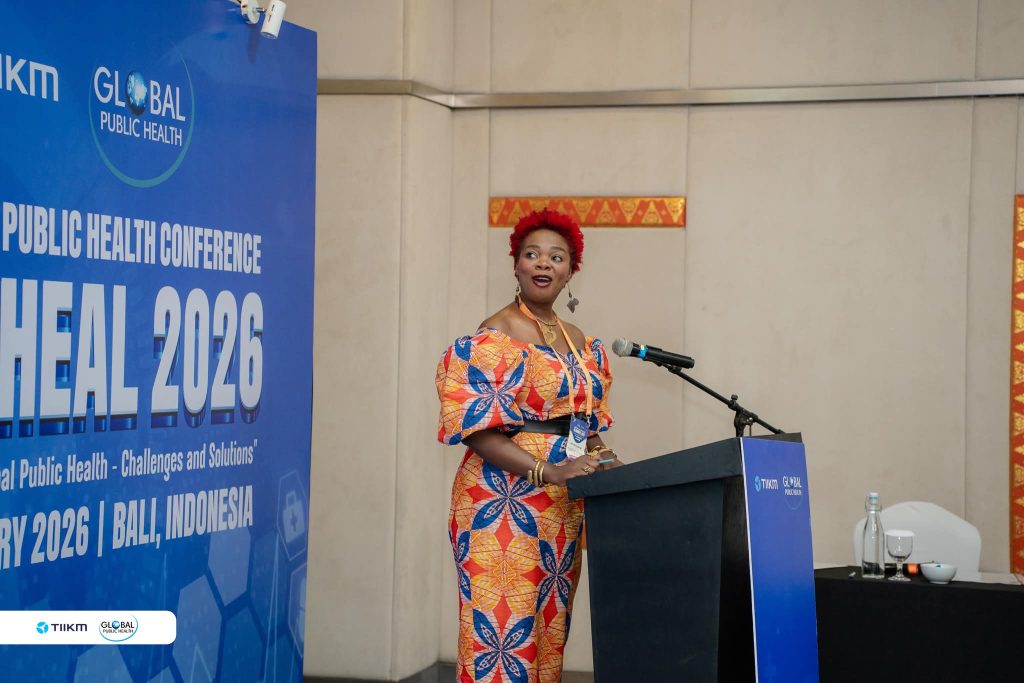 Professor Martha Chadyiwa, Professor of Public Health, and Professor Olanrewaju Oladimeji, Professor of Public Health and Researcher, were invited as Plenary Speakers, a distinction reserved for recognised thought leaders. Their invitation sent a clear message: SMU scholarship commands international respect. “Being invited to deliver a plenary address at a conference of this calibre reflects the strength of our research and its relevance to global health priorities,” said Professor Chadyiwa. “SMU contributes solutions, not noise.”
Professor Chadyiwa also chaired a high-level session on research innovation and health systems strengthening, steering robust dialogue that challenged assumptions and sharpened policy thinking.
Professor Oladimeji described the engagement as strategic. “Global platforms like GLOBEHEAL are where partnerships are forged, and ideas are stress-tested. We are here to shape the agenda.”
SMU’s delegation advanced research with precision and purpose:
- Dr Samantha Govender, Head of Department: Speech and Audiology, and Public Health Researcher, presented “Strengthening Primary Health Care Systems Through Community-Driven Health Innovation in Resource-Constrained Settings.”
- Atholl Kleinhans, Public Health Practitioner and Lecturer in Health Systems Management and Policy, delivered “Minority Stress Among LGBTIQ+ Health Profession Students at Historically Disadvantaged Universities.”
- Mqemane Tshababa, Public Health Researcher and Postgraduate Scholar, contributed virtually with “Health Systems Resilience in the Face of Emerging Infectious Disease Threats in Sub-Saharan Africa.”
- Funanani Managa, Public Health Doctoral Candidate, presented Facility-based intervention to improve ART Adherence and mental health disorders among PLHIV in Africa”.
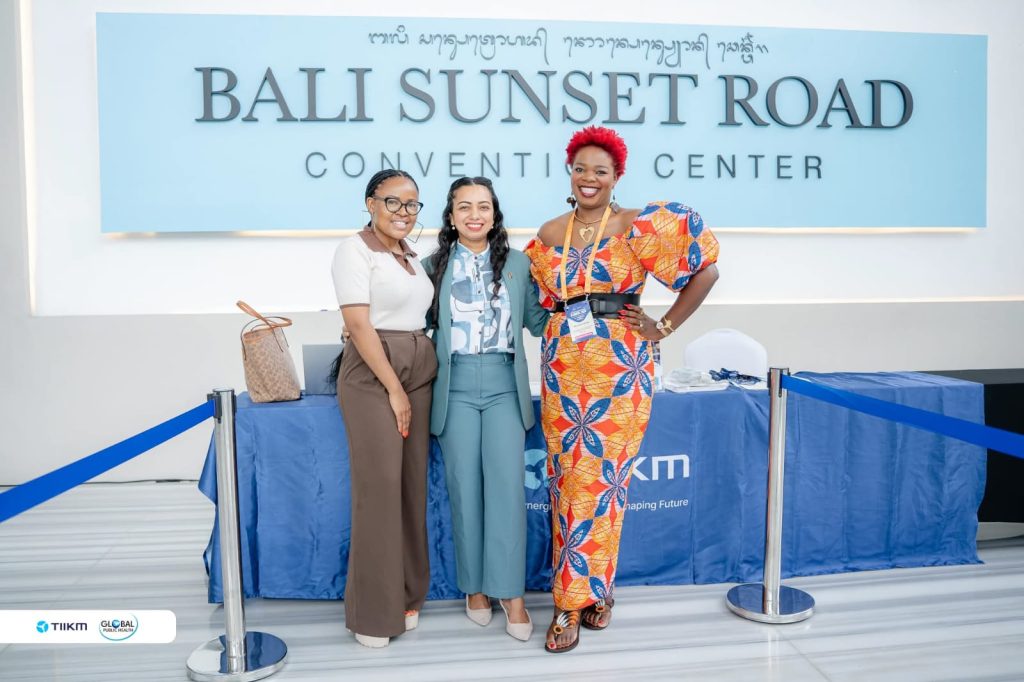 Each presentation tackled a pressing systems problem: access, data intelligence and resilience. The message was consistent regarding public health reform, which must be evidence-led and community-driven.
Evah Molapisi, a PhD candidate in Public Health at SMU and emerging researcher, secured the Session Best Presenter Award for “Exercise as Medicine: Improving Cardiovascular Endurance and Global Function in Nyaope Recovery”. She received an official award certificate, formal recognition during the closing ceremony, and consideration for publication in the conference proceedings. “This recognition affirms the calibre of mentorship and academic training at SMU,” said Molapisi. “It strengthens our resolve to produce research that improves access for vulnerable communities.”
Tebogo Shivuri, a Master of Public Health graduate, won first prize for poster presentation for his research on perinatal depression among HIV-positive women. His award included a certificate, commemorative trophy and formal recognition before international delegates. “Our research highlights the urgent need to integrate mental health screening into routine maternal HIV care,” said Shivuri. “The evidence is clear. The time to act is now.”
These achievements underscore a research culture built on clarity, rigour and urgency. Stronger, clearer, sharper: SMU has built a research engine that converts evidence into influence. GLOBEHEAL 2026 confirmed what partners and policymakers increasingly recognise SMU’s active participation in global public health conversations. As Professor Chadyiwa concluded: “When SMU steps onto the global stage, we do so with confidence and with solutions.”
By Tumelo Moila
by Lorato | Feb 26, 2026 | Accolades and Achievements, All News, Alumni, SMU Media, Student Media
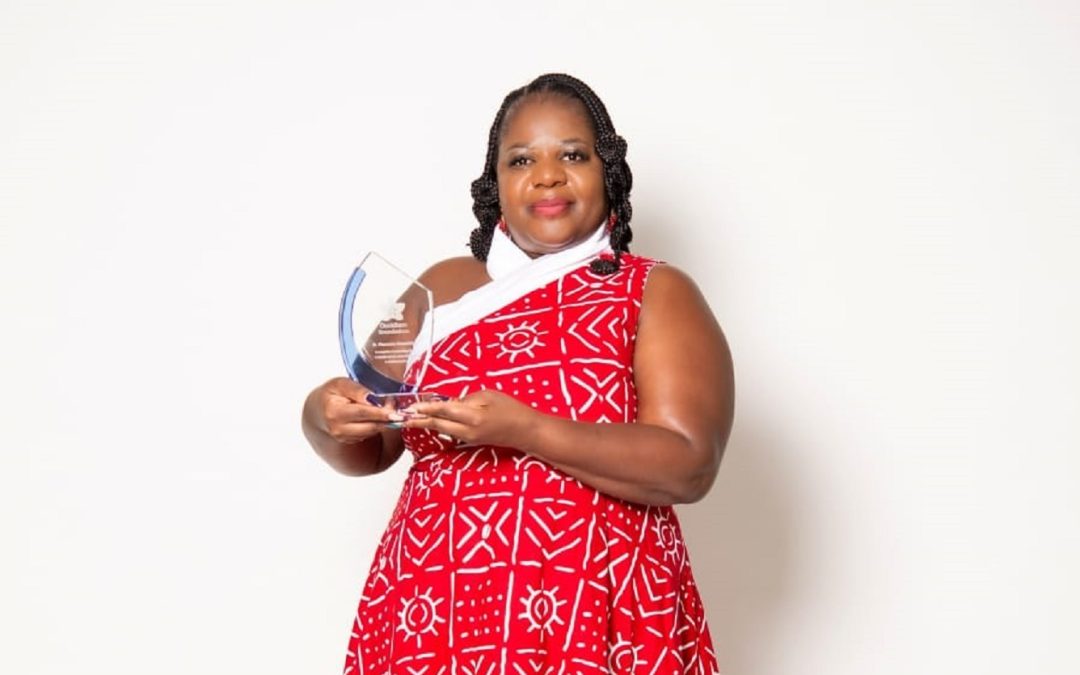
Specialist Nuclear Medicine Physician at Sefako Makgatho Health Sciences University (SMU) and Dr George Mukhari Academic Hospital (DGMAH), Dr Phumudzo Nemutaduni, has been awarded the Oncidium Foundation Award at the recently held Theranostics World Congress (TWC), in Cape Town. The accolade recognises her trailblazing work in advancing patient access to radioligand therapy, reinforcing the critical link between innovation and equity in cancer care.
 The award was presented for her abstract, “Beyond the cure: Economic barriers threatening advanced radionuclide therapy,” which exposes systemic obstacles preventing many patients from benefiting from cutting-edge radiotheranostics. “Innovation in cancer care is only meaningful if patients can actually access it,” Dr Nemutaduni said. “This research is a call to action to bridge the gap between discovery and patient impact.”
As one of South Africa’s foremost nuclear physicians, Dr Nemutaduni has become a leading authority on prostate cancer imaging and therapy. She is also the founder of Precision Nuclear Oncology & Theragnostic (PNOAT), Nuclear Med Group, and Embrace Health Medical Centre in Rustenburg. These facilities deliver advanced imaging and therapy while serving as training hubs, strengthening the national capacity for nuclear medicine. “We aim not only to treat patients but to train the next generation, ensuring knowledge and innovation are shared,” Dr Nemutaduni explained.
Raised in Mauluma, Nzhelele, in Venda, she credits her upbringing for instilling resilience, discipline, and a profound sense of community service. Dr Nemutaduni holds a Fellowship in Positron Emission Tomography – Computed Tomography (PET/CT) Imaging from Universitas Hospital in Zurich, Switzerland and contributes to healthcare governance as a member of the South African Health Products Regulatory Authority (SAHPRA) Advisory Committee, overseeing the safe deployment of health technologies in South Africa.
Her approach to medicine reflects the principles of top communicators and leaders: clarity, urgency, and relevance. “Whether it’s research, clinical care, or advocacy, every word, every action must deliver impact,” she said. This philosophy is evident in her writing and presentations, which capture attention quickly and inspire action—qualities recognised globally.
Dr Nemutaduni’s recognition is more than a personal accolade—it celebrates vision, determination, and commitment to patient-centred care. By addressing inequities, mentoring emerging clinicians, and creating institutions that bridge research and care, she ensures innovation translates into tangible benefit. “I hope this award inspires others to pursue excellence with impact,” she said.
‘I would like to thank my research team — Girum Tesema, Xolile Msingaphantsi-Khuzwayo, Nkululeko Mlaba, Mamokete Nonyane and Andrew More — for their unwavering dedication to the patients at DGMAH. I also extend my sincere gratitude to my mentors and supervisors, Professor Mike Sathekge and Professor Nozipho Nyakale,’ said Dr Nemutaduni.
Her leadership exemplifies how excellence, when combined with social responsibility, can transform healthcare outcomes and inspire generations to follow.
By Tumelo Moila