
Dentistry Latest Research Output: 2024
Dentistry Latest Research Output: 2024 Home » Search Results for "smu school of engineering" ACCREDITED JOURNALS Augoyard, M, Zanolli, C & Bayle, P 2024, ‘Une nouvelle approche pour comprendre la robustesse de l’os et de la dentine chez les...Health Care Sciences Latest Research Output: 2024
Health Care Sciences Latest Research Output: 2024 Home » Search Results for "university of johannesburg programmes" ACCREDITED JOURNALS Comins, CA, Baral, S, McIngana, M, Shipp, L, Phetlhu, DR, Young, K, Guddera, V, Hausler, H & Schwartz, S 2024,...
SMU alumnus rises from humble roots to join Bafana Bafana medical team
Sefako Makgatho Health Sciences University (SMU) alumnus Thabo Sekwati has become a key figure in South African football, serving as a Physiotherapist for the national team, Bafana Bafana. His journey from an aspiring student to a professional working at the highest levels of the sport is one of dedication, passion, and perseverance.
 Sekwati, a Sports Physiotherapist, hails from the village of Mamone, Maroteng section, in the Sekhukhune district, Limpopo. He matriculated in 2006 from Tenyane Secondary School before enrolling at the University of Limpopo (Medunsa Campus) in 2007 for a BSc degree. In 2009, he pursued a BSc in Physiotherapy, later obtaining an MSc in Physiotherapy in 2019. Currently, he is a PhD student at SMU, focusing on developing a physiotherapy fatigue management protocol for footballers.
His education at SMU provided him with a strong foundation. “The education I received at SMU played a crucial role in shaping my career by equipping me with the essential knowledge, skills, and experience needed for the sports industry,” he says.
Sekwati’s journey to the national team was not an overnight success. He started with South Africa’s under-17 male team in 2018, having been on SAFA’s database since 2016. “I attended recommended courses such as the FIFA Online Football Medicine Diploma while balancing other responsibilities. My first call-up came in 2018 while I was in Cape Town for a rugby tournament. Dr Thulani Ngwenya, SAFA’s Chief Medical Officer, informed me that I had to report for the under-17 camp in Gauteng,” he recalls.
 From 2018 to 2021, he worked with the under-17 and under-20 teams before being promoted to Bafana Bafana under Coach Hugo Broos. “I was excited but also nervous. The pressure is immense at the senior national level, as you are dealing with high-profile players and intense scrutiny. But once you understand that anatomy and physiology remain the same regardless of the level, everything falls into place,” he explains.
The demands of international football present unique challenges. “At the senior level, you are surrounded by cameras, sponsors, and expectant fans. Compared to working with junior players, where the focus is more on growth-related injuries, the senior team demands peak physical performance,” he notes.
Despite these challenges, Sekwati credits his smooth transition to the guidance of veteran physiotherapist Gift Ndlovu. “He played a major role in ensuring that I adapted easily to the high demands of the job,” he acknowledges.
Sekwati plays a crucial role in ensuring player fitness and recovery. “Our day starts early with a meeting with the team doctor and head chef to review meal plans. We then hold a clinic session for player assessments and treatments before presenting injury reports to the coach,” he explains.
Common injuries among players include contusions, sprains, strains, and fractures. “Our rehabilitation strategy involves pain management, injury assessment, and a gradual return to play. Medical clearance is essential before allowing a player back on the pitch,” he states.
 One of Sekwati’s toughest moments was during the Africa Cup of Nations (AFCON), managing multiple injuries at once. “Players want to play, but sometimes their bodies do not cooperate. Managing their emotional and psychological well-being is crucial,” he shares.
Sekwati believes South Africa has made significant strides in sports physiotherapy but still has room for improvement. “We need to invest in motion capture systems to analyse player movements, as well as cryogenic chambers and saunas for faster recovery,” he suggests.
Reflecting on his time with Bafana Bafana, Sekwati says: “Singing the national anthem at AFCON’s opening game was a surreal moment. That was when I realised we were not just representing ourselves, but the hopes of 63 million South Africans.”
Looking ahead, he envisions opening a sports recovery centre and contributing to research in sports physiotherapy. His advice to aspiring physiotherapists is simple: “Invest in continuous learning, stay updated with the latest treatment modalities, and believe in yourself.”
As for his role with the national team, he concludes: “The sky is the limit—you just have to spread your wings. I will forever be grateful for this opportunity to serve my country.”
By Tumelo Moila
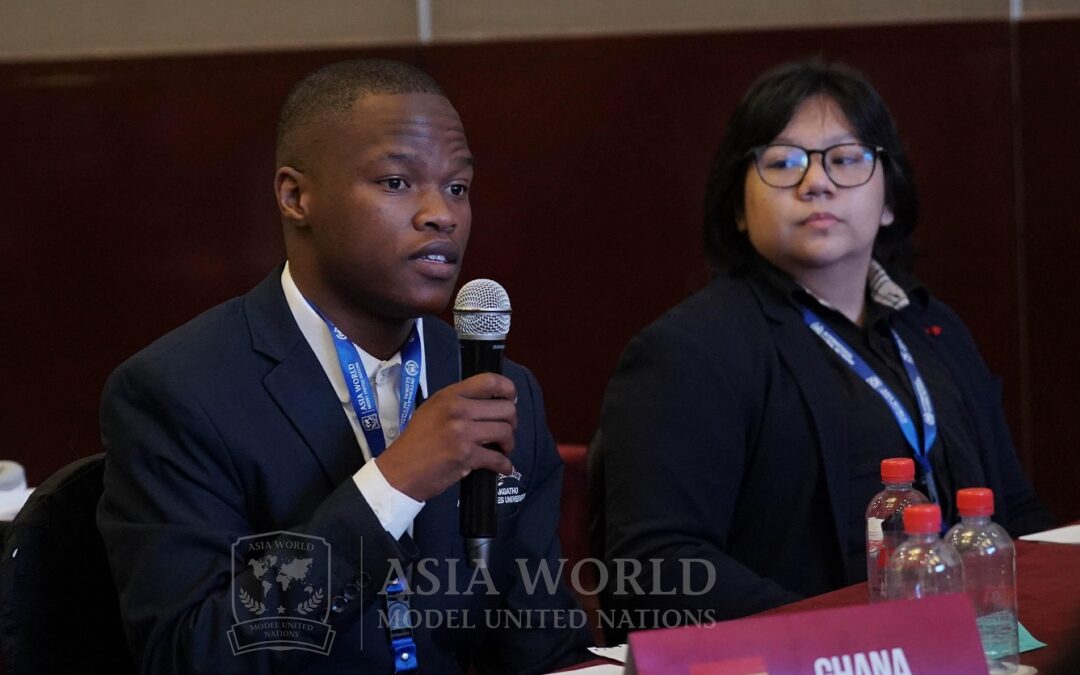
Marvelous Moagiemang represents SMU at Asia World Model United Nations X Conference
Sefako Makgatho Health Sciences University (SMU) recognises the importance of nurturing student leaders who can make a positive impact in their communities and the healthcare sector. To achieve this goal, the university provides various opportunities and programmes that help students develop their leadership skills.
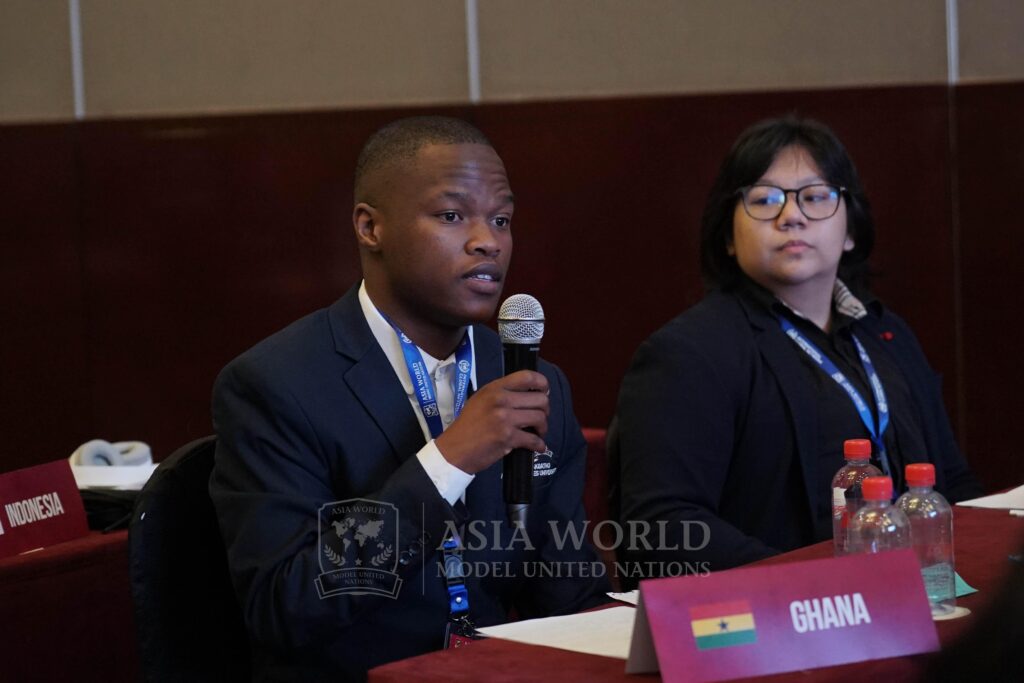 Marvelous Moagiemang, a Bachelor of Science student at SMU, recently had the honour of representing the institution at the Asia World Model United Nations (AWMUN) X conference in Kuala Lumpur, Malaysia. The prestigious event brought together young leaders from around the world to engage in high-level debates on pressing international issues.
Reflecting on the significance of AWMUN X, Moagiemang explained, “AWMUN X is a highly reputable Model UN conference that simulates the United Nations. Its prestige stems from its international reach, attracting delegates from diverse backgrounds, and its focus on pressing global issues. The conference fosters critical thinking, diplomacy, and negotiation skills in a realistic and challenging environment.”
For Moagiemang, participating in AWMUN X was an opportunity to deepen his understanding of global governance and international relations. “My primary motivation was to engage with global issues and develop my negotiation and public speaking skills in a professional setting,” he shares.
The selection process was rigorous, requiring applicants to submit detailed applications outlining their background, experience, and motivation. Upon receiving his acceptance, Moagiemang was overwhelmed with excitement. “It was a validation of my efforts and a fantastic opportunity to represent my university on an international stage,” he says.
During the conference, Moagiemang served as a delegate for Ghana in the International Labour Organisation (ILO) committee. “Representing Ghana was both an honour and a responsibility. I felt a strong sense of duty to accurately represent Ghana’s perspectives on labour and employment issues,” he notes.
The conference theme, Shaping Our Role in the 5th Industrial Revolution, influenced discussions on youth unemployment in 2025. “We explored how technological advancements, automation, and digitalisation would impact the future of work and how best to prepare young people for these changes,” he explains.
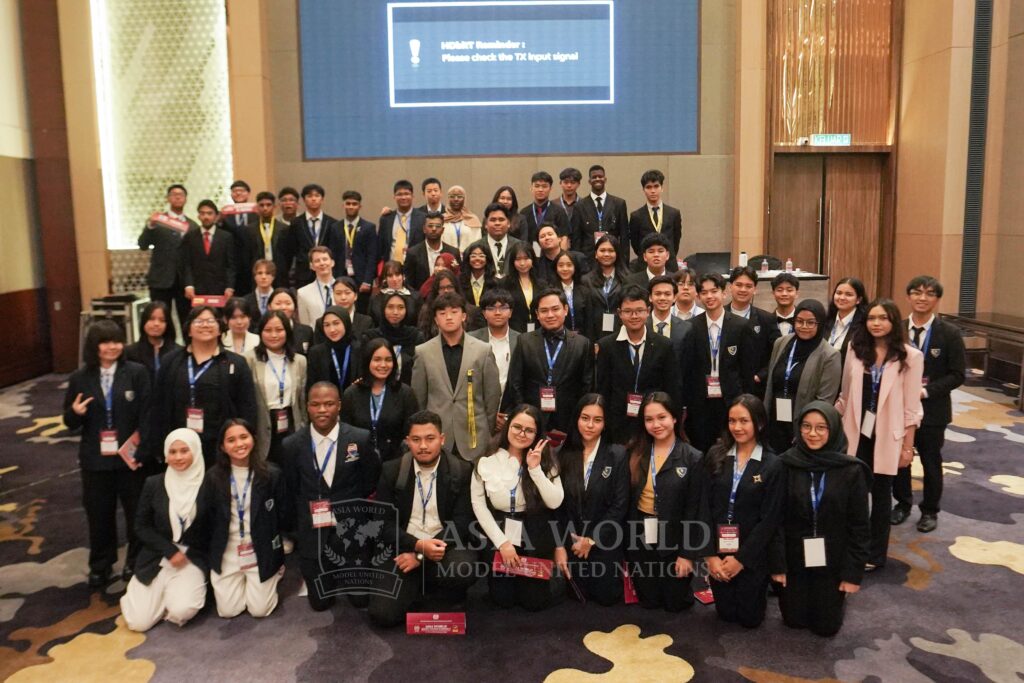 Throughout the committee sessions, delegates debated the challenges of youth unemployment, including the skills gap, lack of entrepreneurship support, and inequitable access to education and training. Moagiemang advocated for investment in vocational training and skills development to equip young people for the evolving job market. “I also emphasised the need for policies that promote entrepreneurship and provide access to financing for young entrepreneurs,” he adds.
Beyond policy discussions, AWMUN X provided Moagiemang with valuable lessons in diplomacy, negotiation, and leadership. “The conference reinforced the importance of effective communication, alliance-building, and navigating complex political dynamics,” he says.
His experience at AWMUN X has significantly influenced his career aspirations. “As a Life Sciences student, I am now more aware of how technological advancements impact public health, food security, and environmental sustainability. This experience has inspired me to explore career paths that bridge science and policy,” he states.
AWMUN X was not just a conference—it was a gateway to lifelong friendships and professional connections. “I formed several lasting friendships with delegates who share my passion for international affairs. We have stayed in touch since the conference,” he adds.
To maintain and leverage this global network, Moagiemang plans to engage in regular communication, participate in online forums, and attend future international events. He is also committed to sharing his experience with fellow students at SMU. “I am organising workshops and mentorship programmes to help students develop public speaking, negotiation, and resolution-drafting skills,” he says.
For students interested in Model UN, Moagiemang offers valuable advice: “Research thoroughly, prepare well, and be open to different perspectives. Don’t be afraid to speak up, and most importantly, enjoy the experience.”
Moagiemang is determined to apply his experiences from AWMUN X to his academic and professional journey. “My biggest takeaway is the importance of interdisciplinary collaboration. This experience will shape my future by encouraging me to integrate my scientific knowledge with policy-making to address global challenges.”
By Tumelo Moila