by Lorato | Mar 11, 2026 | All News, Alumni, SMU Media, Student Media
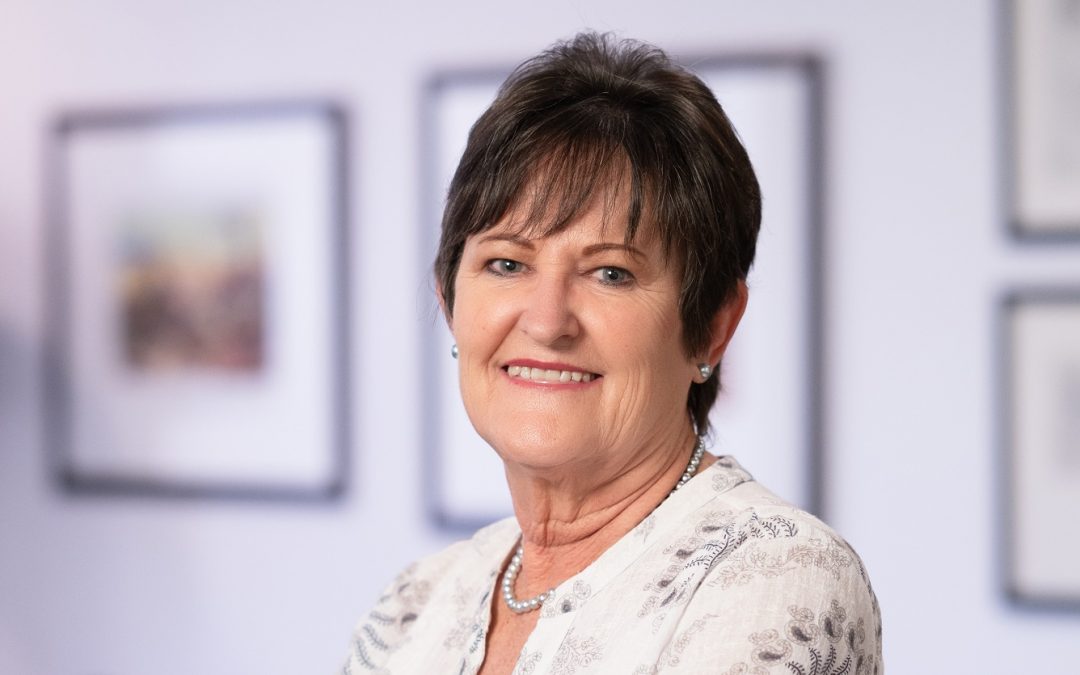
Occupational therapy (OT) transforms lives by enabling individuals to engage in meaningful daily activities, supporting health, independence, and well-being. Few embody this mission as profoundly as Professor Daleen Casteleijn, who recently joined the Department of Occupational Therapy at Sefako Makgatho Health Sciences University (SMU) as a professor. Her career spans clinical practice, research, teaching, and global mentorship. At every stage of her journey, Casteleijn has combined passion, innovation, and commitment to evidence-based practice, shaping the profession and those it serves.
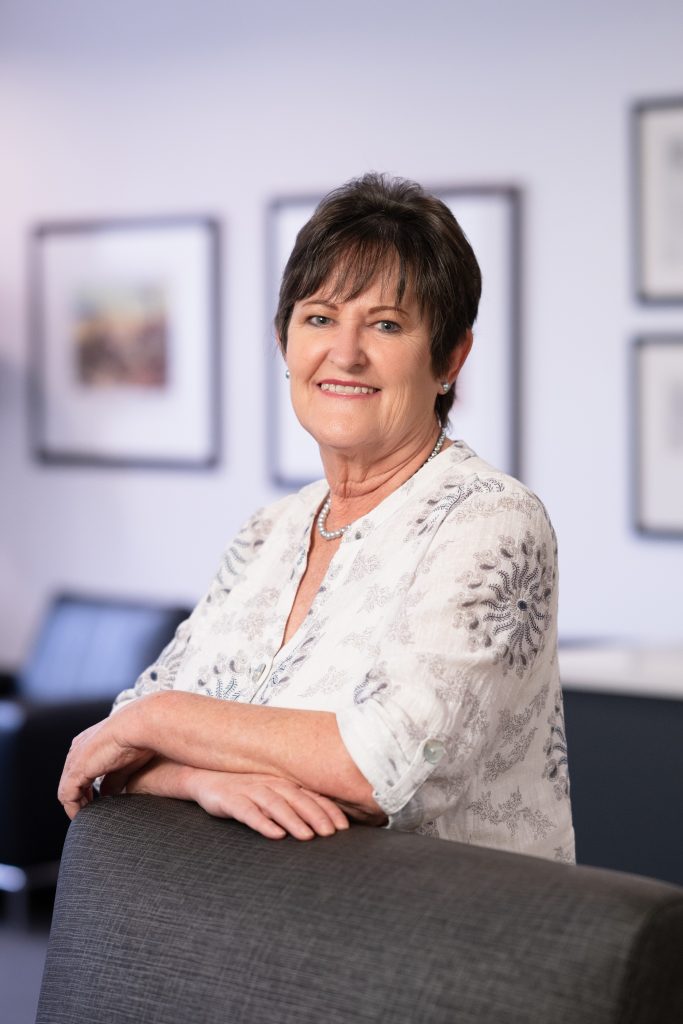 Professor Casteleijn grew up in rural Mpumalanga, in Hazyview and Bushbuckridge, and attended Ben Vorster High School in Limpopo. “Like many young people finishing school, I was not entirely sure what career path to follow. Occupational therapy was a random choice, and I graduated in 1983 from the University of Pretoria. At the time, even after four years of study, I had very little understanding of the profession,” she recalls. Her early clinical experiences at Kalafong, Weskoppies, and Ga-Rankuwa (now Dr George Mukhari Academic Hospital) ignited a fascination with mental health and the transformative power of occupational therapy.
Further studies, including an Honours degree at MEDUNSA (now known as SMU) and a PhD at WITS University in 2010, propelled her research career, particularly in outcome measurement and instrument development. “What began as an uncertain career choice has evolved into a passion for evidence-based occupational therapy and supporting the next generation of clinicians and researchers,” she reflects.
From clinician to academic leader, Professor Casteleijn’s career is marked by both depth and breadth. “My career began in clinical practice, particularly in mental health, where I witnessed first-hand the transformative power of occupational therapy,” she explains. Working closely with clients highlighted both the value of OT and the challenge of demonstrating its impact within complex healthcare systems.
Her PhD research focused on outcome measurement, a theme that has guided her work in teaching, supervision, and research collaboration. “I supervised many PhD students, most of whom developed instruments for South Africa and other African countries. They enriched my understanding of contextually relevant tools in different healthcare settings,” she says. Over the years, collaborations with colleagues in the United Kingdom, Ireland, Sweden, and Australia have further strengthened her commitment to translating research into practical clinical tools.
Professor Casteleijn is particularly drawn to occupational therapy for its holistic understanding of people. “Health is not only about symptoms or diagnoses but about participation in meaningful life roles,” she explains. She describes occupation through the concepts of doing, being, becoming, and belonging — the activities people engage in daily, their identity and sense of meaning, their growth over time, and their connection to others and society.
“What continues to inspire me is seeing how small changes in a person’s ability to engage in daily activities can profoundly influence wellbeing, independence, and purpose. Occupational therapy can be one of the most cost-effective contributions within the healthcare system,” she notes.
One of her most influential contributions to the field is the Activity Participation Outcome Measure (APOM), developed during her PhD and now used in South Africa and the United Kingdom. “The APOM was motivated by a need I observed in clinical practice. I am a strong believer in the Vona du Toit Model of Creative Ability, and the APOM is based on its levels of creative ability,” she explains. Patented in 2015, the tool enables clinicians to measure meaningful change in activity participation, effectively bridging theory and practice.
Professor Casteleijn emphasises the significance of seeing a locally developed tool gain global relevance. “Seeing the APOM implemented in practice across different contexts demonstrates how locally developed research can contribute to global knowledge and practice.” Through online training programmes, the instrument has also reached clinicians in countries such as Australia and New Zealand.
At SMU, Professor Casteleijn aims to strengthen research capacity, mentor young academics, and contribute to building an environment where teaching, research, and clinical practice support one another.
According to Acting Head of the Department of Occupational Therapy, Annah Lesunyane, the department is grateful and excited to welcome her expertise. “Prof Casteleijn brings a wealth of experience to the department. Her extensive background in research, teaching and clinical practice will greatly enrich our academic environment and contribute to strengthening research and postgraduate development within occupational therapy at SMU,” Lesunyane says. “In addition, Prof Casteleijn firmly believes that the true measure of impact lies not only in citations but in implementation, when research takes root in practice, changes services and improves lives.”
By Dimakatso Modise

by Lorato | Jan 11, 2026 | All News, SMU Media, Student Media
At Sefako Makgatho Health Sciences University (SMU), the future of security doesn’t rest solely in patrols and gates; it’s being quietly redefined by women like Patience Mabunda, who are transforming campus safety from within its systems. As an Administrative Officer in the Department of Security Services, Mabunda is at the forefront of modernising the operations that keep the university safe, efficient, and inclusive, one upgrade at a time.
 Mabunda joined SMU in 2021, bringing with her over a decade of experience in administration from the Department of Justice, South African Weather Services, and the Department of Labour. Now in her fourth year at the university, she supports one of the institution’s most vital components: campus security.
Her duties span the full spectrum of administrative coordination. “I handle procurement, manage access control, and oversee biometric enrolments for students, staff, and contractors,” she explains. “I also ensure that both in-house and outsourced security teams are properly deployed, all through compliant supply chain processes.”
Mabunda’s journey into the university environment began during her experiential learning at varsity. “That exposure helped me realise how dynamic and fulfilling a university setting can be. It pushed me to continue learning and to enrol in an LLB, which I’m currently pursuing in my third year,” she says. She believes her legal studies complement her security role and will further strengthen her professional capabilities.
Among her proudest contributions to SMU is the creation of a weekly activity reporting system. Initially developed in Excel, the tool tracked progress in operations, investigations, and administration. “It was later converted into an online document by the technical team, and it’s now a central part of how we work. It has improved transparency, efficiency, and accountability,” she notes.
Each day at SMU begins with structure and intention. “I live by the motto: ‘People who plan their days get most of their work done.’ It helps me manage multiple demands without becoming overwhelmed.”
Her efforts are especially vital in a 24-hour operation like campus security. “Working under pressure is normal here, but our management team is responsive and solutions-focused. When issues arise, they’re addressed quickly because we function as a unit,” she says.
Mabunda has witnessed major strides in modernising security on campus. “We’ve moved from outdated access cards to biometric and facial recognition systems. It’s exciting to be part of that transformation.” Passionate about women’s empowerment and mental health, she sees her work as a platform for broader impact.
Her message to the SMU community is simple but powerful: “Success begins when you commit to excellence.” Looking ahead, she hopes to contribute even more to SMU’s progress: “I want to keep modernising our systems, transforming security, one solution at a time.”
At SMU, operational excellence is no longer gendered; women like Mabunda are leading critical support functions, proving that transformation reaches every part of the institution.
By Tumelo Moila
by Lorato | Aug 27, 2025 | All News, Research, SMU Media, Student Media
Sefako Makgatho Health Sciences University (SMU) recently hosted its flagship Research Days 2025, a three-day celebration of discovery, excellence and innovation under the theme “Advancing Innovation and Entrepreneurship for Sustainable Health.” The event brought together academics, researchers, students and policymakers in a dynamic exchange of ideas aimed at shaping the future of health sciences and developing solutions that matter.
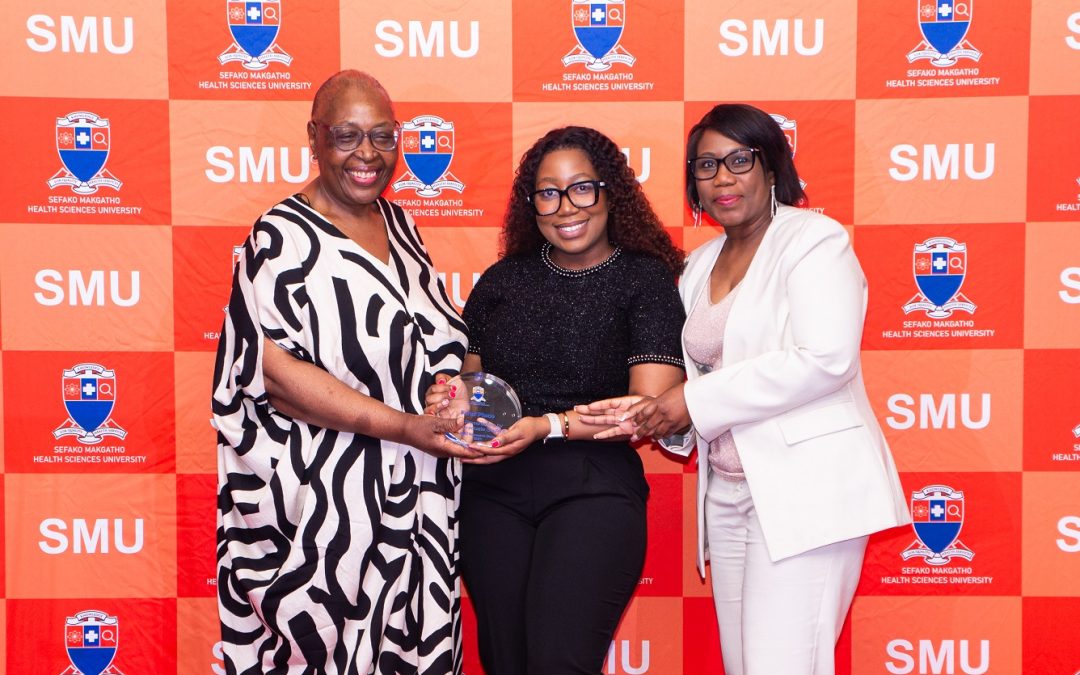
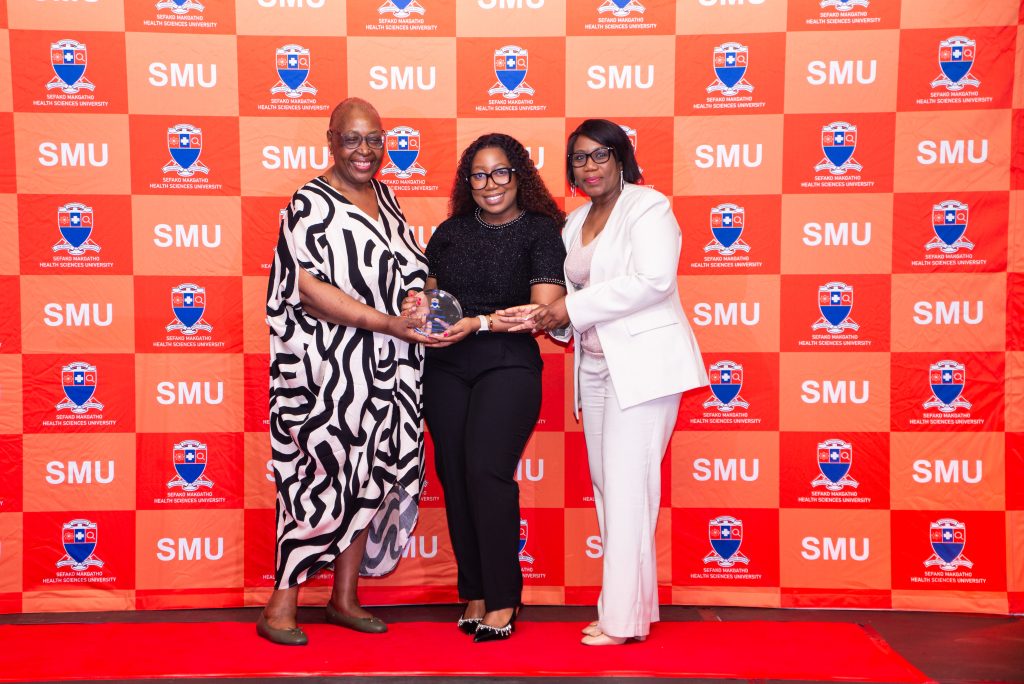 The occasion culminated in a prestigious gala dinner, where exceptional researchers and students were honoured for their groundbreaking contributions. More than an awards ceremony, the evening reflected SMU’s vision: to be a hub of research-driven innovation and a catalyst for transformation across the African continent.
Opening the event, Professor Dini Mawela, Acting Deputy Vice-Chancellor for Academic and Research, emphasised the power of research in driving meaningful change. “Research Days provide an essential platform for showcasing our university’s intellectual prowess and for forging partnerships that drive impactful solutions to the pressing health challenges of our time,” she said. Her words set the tone for an inspiring programme, blending intellectual depth with a shared commitment to improving lives.
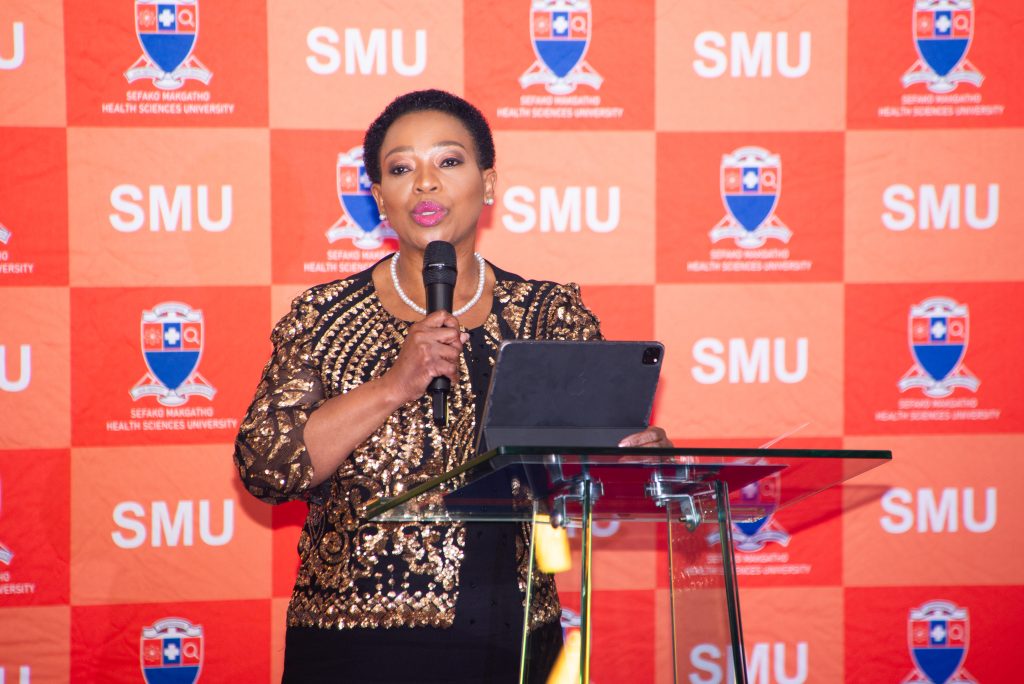 Delivering the keynote address, Deputy Minister of Higher Education and Training, Dr Nomusa Dube-Ncube, highlighted the transformative role of education and research in building resilient societies. “Education is the foundation for empowering women to drive innovation. Tonight, as we gather, we are not merely here to hand over awards but to bear witness to the extraordinary power of science, service and humanity,” she said. She urged researchers to ensure that their work extends beyond laboratories to make tangible impacts in clinics, villages, operating theatres, classrooms and policy spaces. “Research is the bridge between knowledge and societal progress,” she affirmed.
Quoting Ghana’s founding president, Kwame Nkrumah, she added: “We face neither East nor West. We face forward.” This philosophy, she explained, is at the heart of SMU’s ethos— “Boldly African, unapologetically excellent and radically future-facing.” She described the university as a sanctuary of imagination and a crucible of African pride, where the dreams of rural children meet the cutting edge of medical science.
This year’s Research Days attracted over 160 participants daily, both in person and online, with nearly 80 oral and 80 poster presentations across multiple disciplines. From molecular biology and pharmacology to neuroscience, public health and health education, the research showcased SMU’s breadth of expertise. Studies explored subjects such as antimicrobial resistance, genetic characterisation of pathogens, innovative teaching strategies in anatomy and the medicinal potential of indigenous plants. Each presentation reflected a shared vision: research that is globally competitive yet deeply rooted in African relevance.
At the gala dinner, first place in the Poster Presentation category was awarded to Sdady Lucas Kgwete for his research on rotavirus strain characterisation in Pretoria. Second place went to Kabo Masego Moletsane for a study on the anti-inflammatory properties of Drimia sanguinea, while third place was awarded to Oreoluwa Olufunmilayo Priscila Ojobaro for her work on the anti-cancer properties of Schinus molle fruit isolates.
In the Oral Presentation category for undergraduates, Enos Motaka Malatji took first prize for a study on MRI diagnosis of spinal TB and thoracic aneurysm. Among postgraduate students, first prize went to Mahlogonolo Refilwe Motswiane for research on antimicrobial resistance and genome characterisation of A. baumannii, second prize to Senzeni Sandy Hadebe for a morphometric analysis of the thoracodorsal artery, and third prize to Tokologo Prudence Ramothloa for work on Ricinus communis metabolite distribution.
Independent researchers also shone. Dr Tshilidzi Sadiki won first prize for a study on the implication of the updated WHO classifications of CNS tumours on pediatric brain tumours diagnosis: A South African perspective. Daniële Kristen secured second prize for exploring student perspectives on instructional design in anatomy, while Dr Clarissa Marcelle Naidoo received third prize for research into the antibacterial properties of biogenic silver nanoparticles.
Closing the event, Professor Mapaseka Seheri, Director of Research and Innovation, praised the quality and diversity of research. “This year’s Research Days attracted more than 160 participants daily, both physical and online. We had nearly 80 oral presentations and 80 posters. The quality of work underscores the depth of talent and dedication within SMU,” she said. She called on researchers to build on this momentum, reinforcing SMU’s role as a leader in health sciences research, entrepreneurship and knowledge creation.
The 2025 SMU Research Days were not simply an academic gathering—they were a movement. A declaration that Africa’s health future will be shaped by African scholars, innovators and visionaries. As the applause faded and conversations continued, one message echoed clearly: SMU will remain steadfast in its mission to advance health and well-being for all through research that is relevant, impactful and unapologetically African.
By Dimakatso Modise
by Lorato | Jul 29, 2025
Sefako Makgatho University Animal Research Ethics Committee (SMUAREC) Home » Search Results for "69 University" About Sefako Makgatho University Animal Research Ethics Committee (SMUAREC) The Sefako Makgatho University Animal Research Ethics Committee...

by Lorato | Jul 23, 2025 | Accolades and Achievements, All News, SMU Media, Student Media
In a significant recognition of academic excellence and public health leadership, Siphiwe Khumalo, a graduate of Sefako Makgatho Health Sciences University (SMU), has been selected as one of only 20 international fellows for the 2025 United Nations Youth for Biosecurity Fellowship. Chosen from more than 2,400 applicants across over 100 countries, her selection by the UN Office for Disarmament Affairs (UNODA) marks a remarkable personal and institutional milestone.
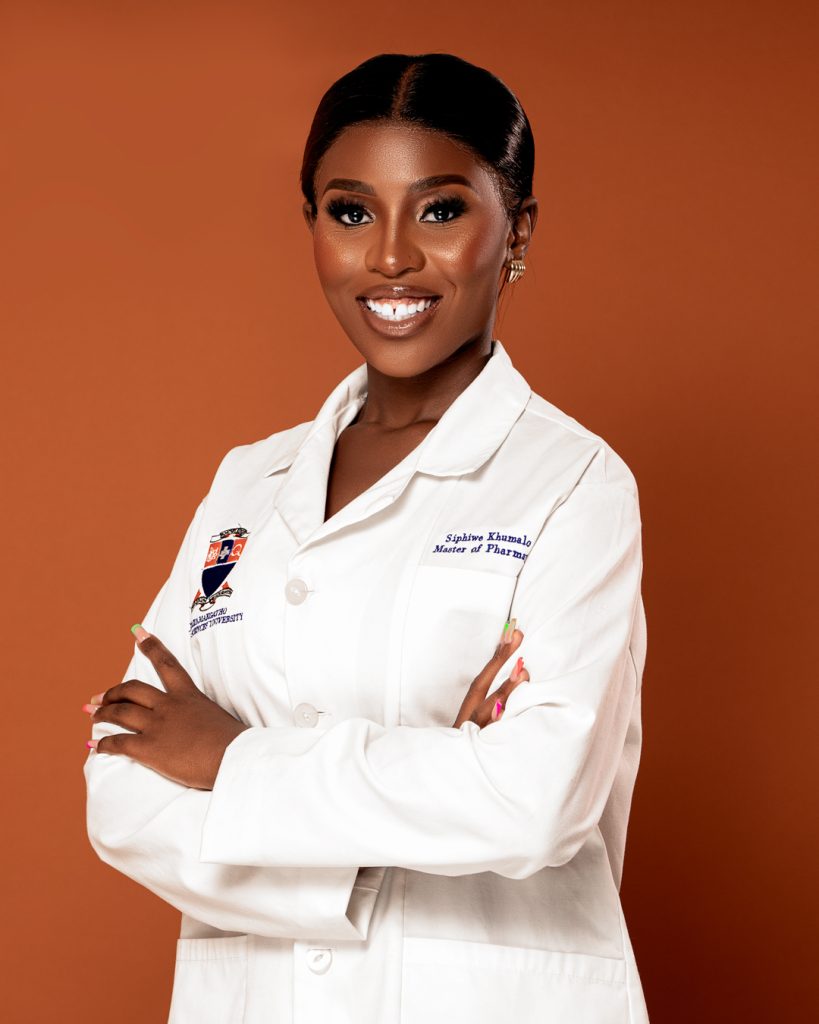 Hailing from Ulundi in KwaZulu-Natal, Khumalo holds a Bachelor of Pharmacy from Tshwane University of Technology and a Master’s in Pharmacy Public Health and Management from SMU — the only South African university offering this specialised qualification.
Speaking ahead of her visit to Geneva, Switzerland, in August, she said: “Coming from a small village, I never imagined I’d stand on a global platform. This isn’t just my achievement — it’s a door opened for many others.”
The Youth for Biosecurity Fellowship offers early-career professionals training in biosecurity diplomacy, multilateral negotiations, and research collaboration. The three-month programme includes online learning, a group research project, and an in-person visit to Geneva during the Biological Weapons Convention (BWC) meetings from 11–15 August 2025.
Khumalo’s academic and professional work lies at the intersection of pharmacy, public health, and policy. Her Master’s research explored COVID-19 vaccine hesitancy among South African pharmacists. While 74.3% of participants were vaccinated, nearly a third were unwilling to recommend vaccination — a concerning statistic for frontline health professionals.
“We can’t expect healthcare workers to champion vaccines if their own doubts aren’t addressed,” she explained. “My aim was to surface those concerns and offer solutions for future interventions.”
Khumalo is no newcomer to international platforms. She previously served as Regional Secretary for the International Pharmaceutical Students’ Federation (IPSF) and was selected as a delegate to the 78th World Health Assembly — though visa delays prevented her attendance. As the only South African fellow in the 2025 cohort, she sees her Geneva visit as a chance to amplify African voices in global health and biosecurity.
Her fellowship project focuses on bridging the Biological Weapons Convention with the WHO Pandemic Agreement, aiming to strengthen global responses to both natural and deliberate biological threats.
Reflecting on her time at SMU, Khumalo credited mentors such as Professor Hannellie Meyer for helping her grow: “SMU empowered me to claim space in public health as a pharmacist. I hope others will be inspired to do the same.”
Looking to the future, Khumalo envisions a career in global health diplomacy, emergency response, and mentorship. “This fellowship isn’t the finish line — it’s a launchpad. I intend to bring others along on this journey of impact and transformation.”
With determination rooted in her background and a vision shaped by global aspirations, Khumalo’s journey highlights both the calibre of SMU graduates and the power of African leadership on the world stage.
By Tumelo Moila