
Health Care Sciences Latest Research Output: 2024
Health Care Sciences Latest Research Output: 2024 Home » Search Results for "university of johannesburg programmes" ACCREDITED JOURNALS Comins, CA, Baral, S, McIngana, M, Shipp, L, Phetlhu, DR, Young, K, Guddera, V, Hausler, H & Schwartz, S 2024,...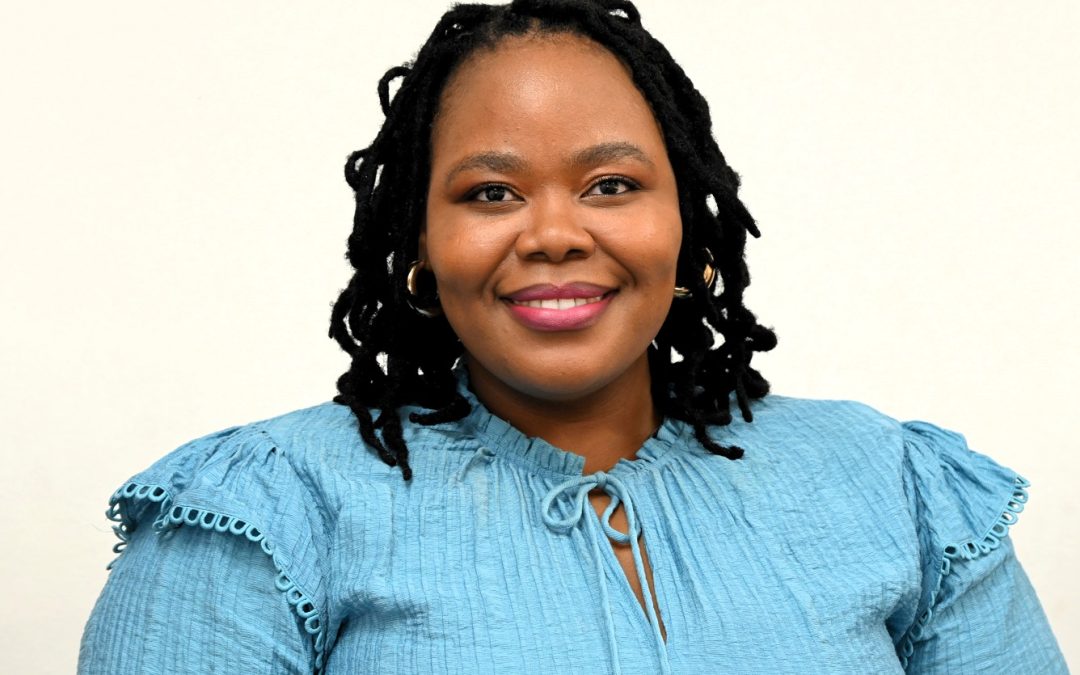
SMU GBV Office: A vital force in safeguarding student and employee wellbeing
Sefako Makgatho Health Sciences University (SMU) is taking a firm stand against gender-based violence (GBV) through the dedicated work of its Gender-Based Violence Office. Under the leadership of Acting Manager, Busi Mbanjwa, the Office has become a cornerstone in promoting a safe, inclusive, and supportive environment for both students and employees. “The Gender-Based Violence Office at SMU is a dedicated unit committed to preventing, addressing, and responding to incidents of GBV,” says Mbanjwa. “Our goal is to foster a safe and inclusive campus by providing survivor-centred support and leading institutional interventions.”
 The establishment of the Office was driven by a national directive from the Department of Higher Education and Training (DHET) in response to the alarming prevalence of GBV in institutions of higher learning. Since its inception, the Office’s role has evolved from reactive case management to spearheading proactive policy implementation and educational initiatives across the university.
“Our role has grown tremendously,” Mbanjwa explains. “We now lead prevention campaigns, policy development, and campus-wide education efforts that seek to shift the culture towards one of respect, safety, and zero tolerance for GBV.”
Though physically located in Room S531 of the Clinical Pathology Building, the GBV Office is present and active throughout the campus. “We ensure inclusivity and accessibility by engaging directly with the university community—whether in student residences, cafeteria, lecture venues, or public areas,” she adds.
When a survivor reports an incident, the office facilitates a private, confidential, and trauma-informed intake process. “We create a safe space for disclosure, assess immediate safety needs, and guide the survivor through all available options,” says Mbanjwa. Survivors are then supported through either formal grievance procedures or informal resolutions, based on their informed preference.
In formal cases, an independent investigator is appointed, and the matter proceeds in line with institutional policies. If there is sufficient cause, this process may lead to disciplinary action. In contrast, informal resolution focuses on restorative approaches such as mediation or facilitated dialogue to address the harm.
“Survivors are never alone in this journey,” she emphasises. “We also have a legal obligation to report certain incidents—particularly sexual offences involving vulnerable groups, such as female students aged 25 and under—to the South African Police Service.”
Confidentiality is a fundamental principle. “We have stringent protocols to protect survivors’ privacy and dignity,” Mbanjwa affirms. “At the same time, we ensure accountability through fair and transparent processes.”
The office collaborates with internal stakeholders including the Student Counselling Unit, Security Services, Residence Office, Human Resources, and the Legal Office to provide psychosocial support and emergency accommodation. “Our strength lies in collective action,” Mbanjwa says. “Together, we offer a comprehensive support network.”
Advocacy and awareness are central to the office’s mission. “We run structured annual campaigns, including self-defence classes, webinars, policy awareness sessions, and inclusive forums like the ‘Sisterhood Safe Space’ and ‘iNdoda Must, iMama Must’ dialogues,” she explains.
Training sessions educate the SMU community on topics such as consent, healthy relationships, power dynamics, and navigating institutional reporting mechanisms. The office has also trained first-line responders to manage disclosures with compassion and professionalism.
Response from the university community has been largely positive. “Students and staff appreciate our visibility and the support we offer,” Mbanjwa notes. However, she acknowledges that stigma and fear still hinder many from reporting. “We are actively working to break this silence and build trust.”
To evaluate its impact, the office uses data on case reports, survivor feedback, and participation rates, and is planning a campus-wide perception survey. Its goals for 2025 include expanding advocacy efforts, increasing policy awareness, strengthening partnerships, and enhancing the visibility of services.
“Our ultimate aim,” concludes Mbanjwa, “is to make SMU a leading example of how institutions can foster a culture of safety, dignity, and support, where every individual feels protected, heard, and empowered.”
By Tumelo Moila
Pitch, Purpose, and Perseverance: From Mohlahlereng to Banyana Banyana
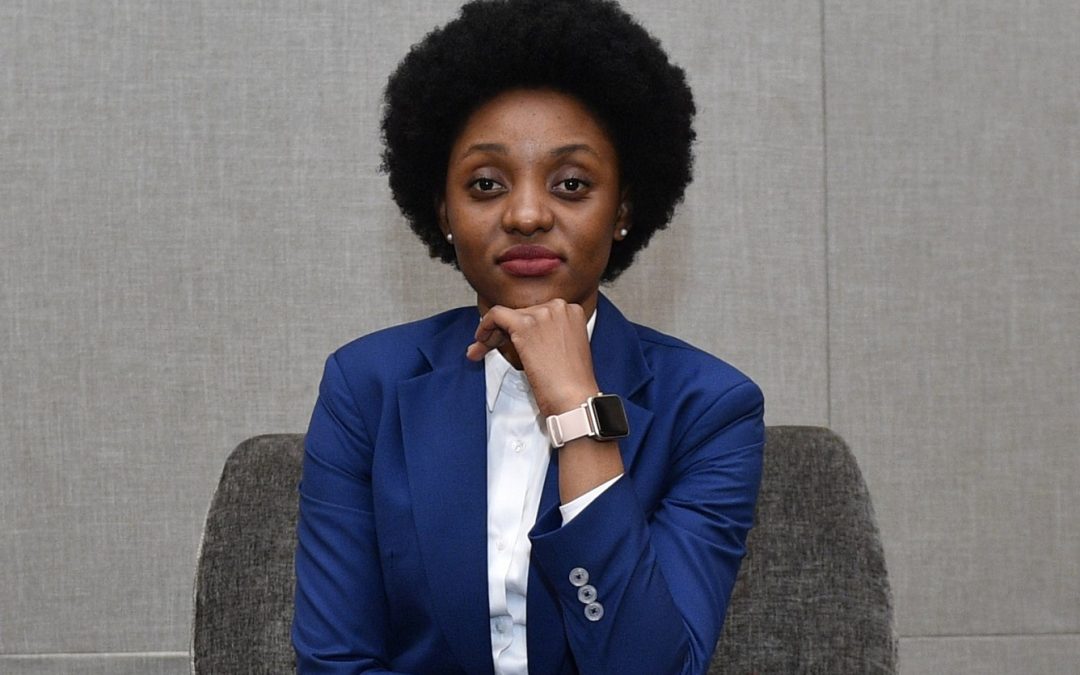
From the quiet village of Mohlahlereng in Tzaneen to the roaring stadiums of international football, Dr Nthabiseng Maesela’s journey is a compelling testament to purpose, perseverance and passion. An alumna of Sefako Makgatho Health Sciences University (SMU) and the doctor for South Africa’s women’s national football team, Banyana Banyana, Maesela is not only a practising Sports Physician but also a trailblazer for young women entering the world of sports medicine.
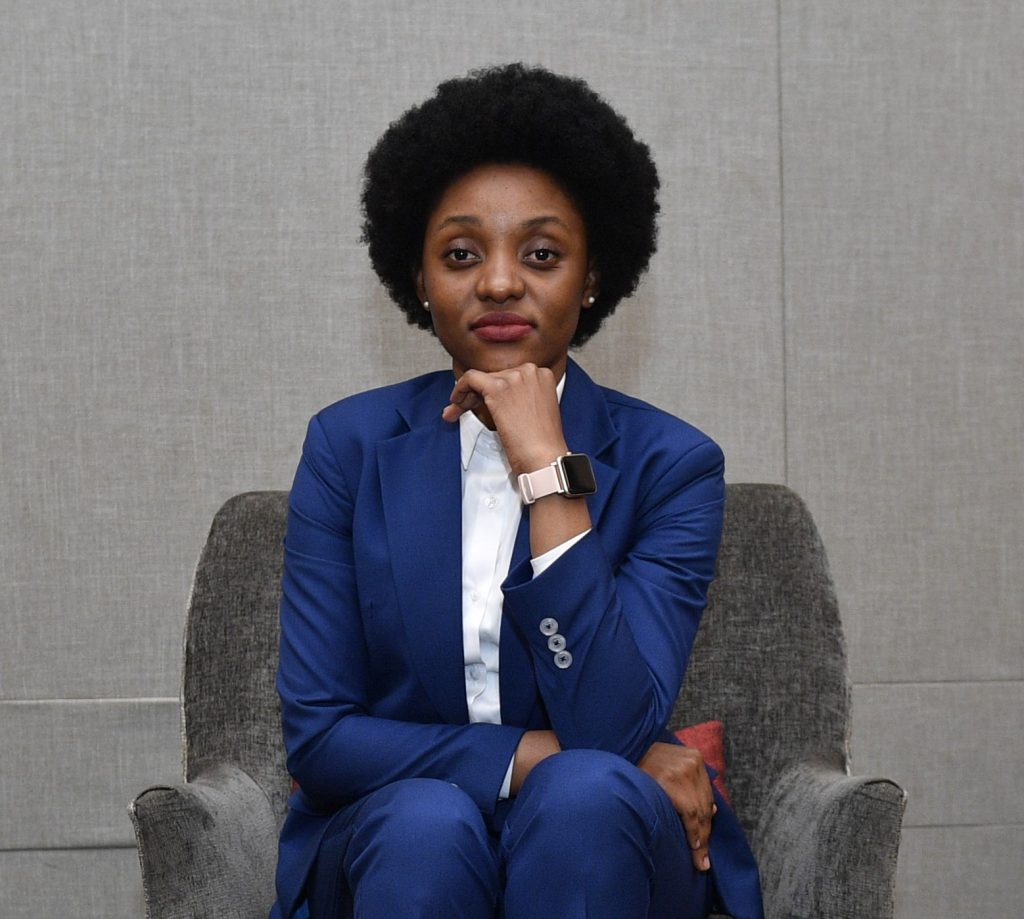 Born in Mohlahlereng and raised in Burgersfort before relocating to Lephalale and eventually Polokwane, Maesela’s path to medicine was inspired from an early age. “My journey into medicine was your typical ‘what do you want to be when you grow up?’ story – and the answer was always ‘a doctor’,” she says. Motivated by her father’s constant affirmation— “You’re going to be a doctor, akir?”—and the allure of saving lives as portrayed on television, she enrolled at the University of Limpopo’s Medunsa Campus in 2012, calling it “the beginning of everything”.
While medical school is notoriously demanding, Maesela credits her success to her deep faith and involvement in campus ministry. “I was strengthened by my faith and my participation in Believer’s Loveworld (BLW). It was more than just a ministry—it became a place of worship, mentorship, and lifelong friendships,” she reflects.
Initially unsure of her specialisation, it was during her internship that Maesela discovered sports medicine, far from the confines of hospital corridors. “I met a sports physician on the athletics field and began volunteering at local events. I eventually worked with organisations like the Limpopo Academy of Sports. I was captivated. I had found my calling in a space I never expected,” she shares.
Her career reached a defining moment in 2023 when she received a call-up to support Banyana Banyana in their preparations for the FIFA Women’s World Cup. “I was in absolute disbelief,” she admits. “That quickly turned into appreciation and a sense of responsibility. I knew I had to give my best—not just as a doctor, but as a contributing member of the team.”
Working with elite athletes brought new challenges. “High-performance athletes are generally healthy, but they are prone to injuries, and their care revolves around recovery, performance optimisation, and adherence to anti-doping rules,” she explains. “You can’t prescribe medication as you would with regular patients—timing and substance content are crucial.”
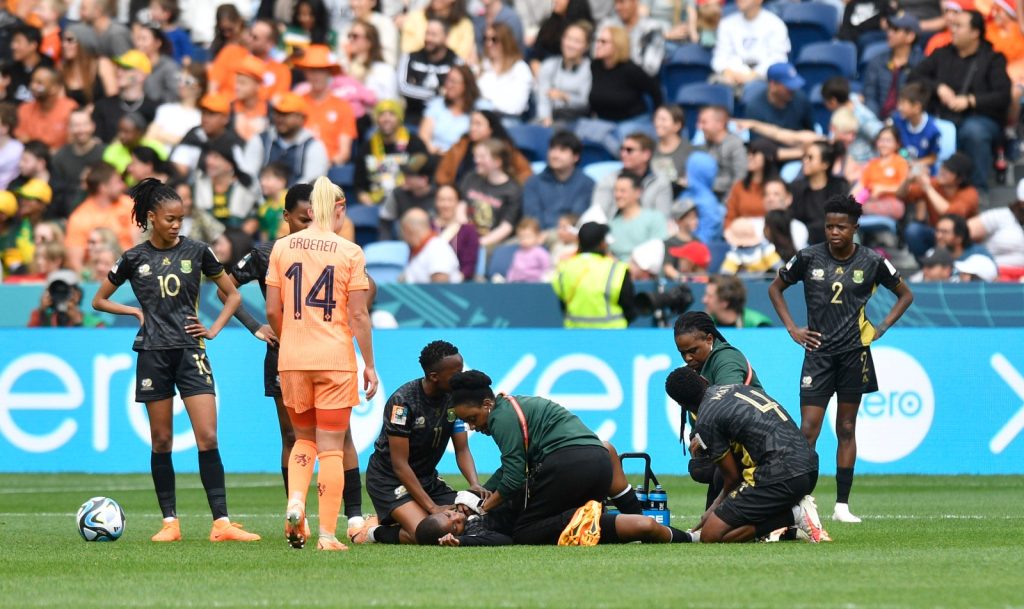 From addressing knee and ankle sprains to tackling female-specific health concerns such as menstrual cycles, relative energy deficiencies, and ACL vulnerabilities, Maesela highlights the importance of holistic care. “Our team includes physiotherapists, biokineticists, sports scientists and psychologists. Everyone brings their expertise—it’s a collaborative effort to support the athlete’s performance and wellbeing,” she says.
She vividly recalls the emotional high of the 2023 FIFA Women’s World Cup: “When Banyana Banyana reached the Round of 16, making history as the first South African team—male or female—to get that far, it was overwhelming. To know I played even a small part in that success was incredibly humbling.”
Despite her achievements, Maesela remains focused on community impact. “I’m fortunate to have entered the field at a time when young black women are welcomed and encouraged. But there’s still a gap. We need more visibility, more representation. Seeing someone like you in the field makes all the difference.”
Looking to the future, her ambitions are grounded in her home province. “While I don’t plan to stay on as a full-time team doctor, I’m dedicated to my private practice and providing medical support at tournaments and events. I also hope to establish a high-performance centre in Limpopo for semi-professional and professional athletes.”
She concludes with heartfelt encouragement: “It’s not about where you start, but where you’re willing to go. SMU gave me the foundation I needed, and now I’m building from there. Let’s keep supporting our ladies—they’re not just hardworking, they’re history-makers.”
By Tumelo Moila

22-year-old future doctor shaping more than medicine
Andile Moloi, a 22-year-old medical student from Tembisa, Gauteng, represents a new generation of South African scholars who are not only academically gifted but deeply committed to societal transformation. Currently in her fifth year of the Bachelor of Medicine and Bachelor of Surgery (MBChB) programme at Sefako Makgatho Health Sciences University (SMU), Moloi has emerged as a dynamic leader in health sciences, youth empowerment, and innovation.
 Moloi’s commitment to leadership and social impact began at a remarkably young age. At just 10 years old, she was elected Chairperson of Soul Buddyz, a school-based programme designed to educate young learners on social issues affecting their communities. By the age of 12, she had already spearheaded an anti-drug campaign through the Youth Citizens Action Programme (YCAP), initiated by the Department of Basic Education. Her team’s work earned them first place in Gauteng and a top-three national ranking, firmly establishing her as a young leader to watch.
Her academic journey through high school was marked by consistent excellence, particularly in mathematics, science, and technology. She participated in multiple math & science olympiads and led a project on carbon dioxide reduction, which placed her in the top 10 of the competition in the province. It was during this time that she became affiliated with Nkathuto Edu Propeller, a non-profit organisation focused on promoting Science, Technology, Engineering, and Mathematics (STEM) and entrepreneurship in disadvantaged communities.
She went on to serve as the organisation’s Academic Officer and later became the first Chairperson of the Nkathuto Alumni Community, a network of young innovators from across South Africa. These roles laid a strong foundation for her work with respected institutions such as the Council for Scientific and Industrial Research (CSIR), National Research Foundation (NRF), and SAASTA, as well as her participation in United Nations programmes focused on youth and science.
Despite her broad interest in science and innovation, Moloi’s true passion has always been Medicine, particularly Surgery and Neurosciences. Her resolve was solidified by a deeply personal tragedy during her second year of study: the loss of her father, one day after he underwent emergency brain surgery. He had been battling lung cancer that metastasised to his brain.
“This moment changed everything,” Moloi recalls. “It exposed me to the emotional and clinical complexities of neurological disease and gave me a purpose to pursue medicine with empathy, depth, and the desire to make a difference when it matters most.”
Moloi’s academic achievements earned her a Gauteng City Region Academy (GCRA) scholarship as one of the top three matriculants from a public school in the province, enabling her to pursue her degree at SMU. At university, she has remained deeply engaged in both academic and leadership spheres. She tutors chemistry, anatomy, biophysics, and pathology through the Centre for University Teaching and Learning (CUTL) and mentors first-year students through the Faculty Mentorship Programme.
In 2023, she was named one of South Africa’s Top 100 Most Promising students by the GradStar Awards and was subsequently profiled in the Mail & Guardian (6 December 2023 edition) for her leadership and community contributions.
Professor Risenga Frank Chauke, Acting Dean of the SMU School of Medicine, commended Moloi’s exceptional trajectory: “Moloi is a rare blend of intellectual brilliance and human compassion. She, a philanthropist, exemplifies what it means to be a servant leader in the field of medicine. Her passion for learning, her courage in the face of personal loss, and her unwavering commitment to community service are a reflection of the values we seek to instil in every SMU graduate. Not only will she excel in her career as a medical professional but we see her being a future job creator, elevating the current country’s economic state”
In addition to her academic and clinical pursuits, Moloi is also a budding entrepreneur and innovator. She is currently leading the development of sustainable alternative charging solutions, contributing to the United Nations Sustainable Development Goals (SDGs). This innovation has earned her recognition as a South African delegate to the largest African entrepreneurship and innovation summit, scheduled to take place in Freetown, Sierra Leone, in May 2025, under the patronage of the President of Sierra Leone.
Moloi’s leadership footprint extends across several professional student structures at SMU. She has served as the Community Outreach Officer of the SMU Surgical Society, the social media Officer for the SMU Diagnostic Society, and the Finance Officer for SMU Medics on Motion. She was also selected as the Face of Medicine in the Interprofessional Education and Collaborative Practice (IPECP) programme, and the Face of the Skills Centre, a role appointed by Dr Lesego Phiri, Head of the Skills Centre at SMU.
Moloi remains grounded in gratitude. She credits much of her journey to a circle of mentors and supporters who believed in her from the beginning, including her late father, her mother, Thato Maleka (her debate and English teacher), the co-founders of Nkathuto Edu Propeller, Thulile Khanyile and Thandeka Mhlanga, Dr Lesego Phiri, and Thokozile Ramoroko (Head of IPECP).
As she moves closer to completing her medical degree, Moloi is focused on pursuing specialisation in neurosurgery, while continuing to lead innovation initiatives that have a lasting impact on healthcare and society.
In all she does, Moloi lives out the core values of Sefako Makgatho Health Sciences University: excellence, integrity, compassion, accountability, respect, and service. These values are not mere words, but principles that guide her every step — from Tembisa’s classrooms to the halls of the operating theatre.
“The road ahead is long, but I am walking it with purpose. I want to be the kind of doctor who not only treats but inspires, who heals but also uplifts communities. I owe it to every young girl in Tembisa who dares to dream.”
By Dimakatso Modise